Funeral & Sympathy Flowers: Etiquette, Types & Messages
What flowers to send for a funeral or in sympathy — arrangement types by relationship, colour etiquette by culture, timing, and what to write on the card.

Choosing flowers for a loss is the one floristry task nobody wants to research. Here is everything you need in one place — what to send, where to send it, what it costs, and what to write — so you can spend your attention on the people, not the order form.
Funeral vs sympathy: two different deliveries
The single most useful distinction:
- Funeral (service) flowers go to the funeral home or church, timed to the service. These are the large formats: standing sprays, wreaths, casket arrangements. By convention they come from immediate family and close-knit groups (a workplace, a team, a class).
- Sympathy flowers go to the family's home, from everyone else. A normal vase arrangement or basket in a subdued palette. No special format required — warmth matters more than size.
If you are not family and not organising with a group, you almost always want sympathy flowers, not funeral flowers — we cover that quieter craft in a dedicated sympathy flowers guide.
The service formats, briefly
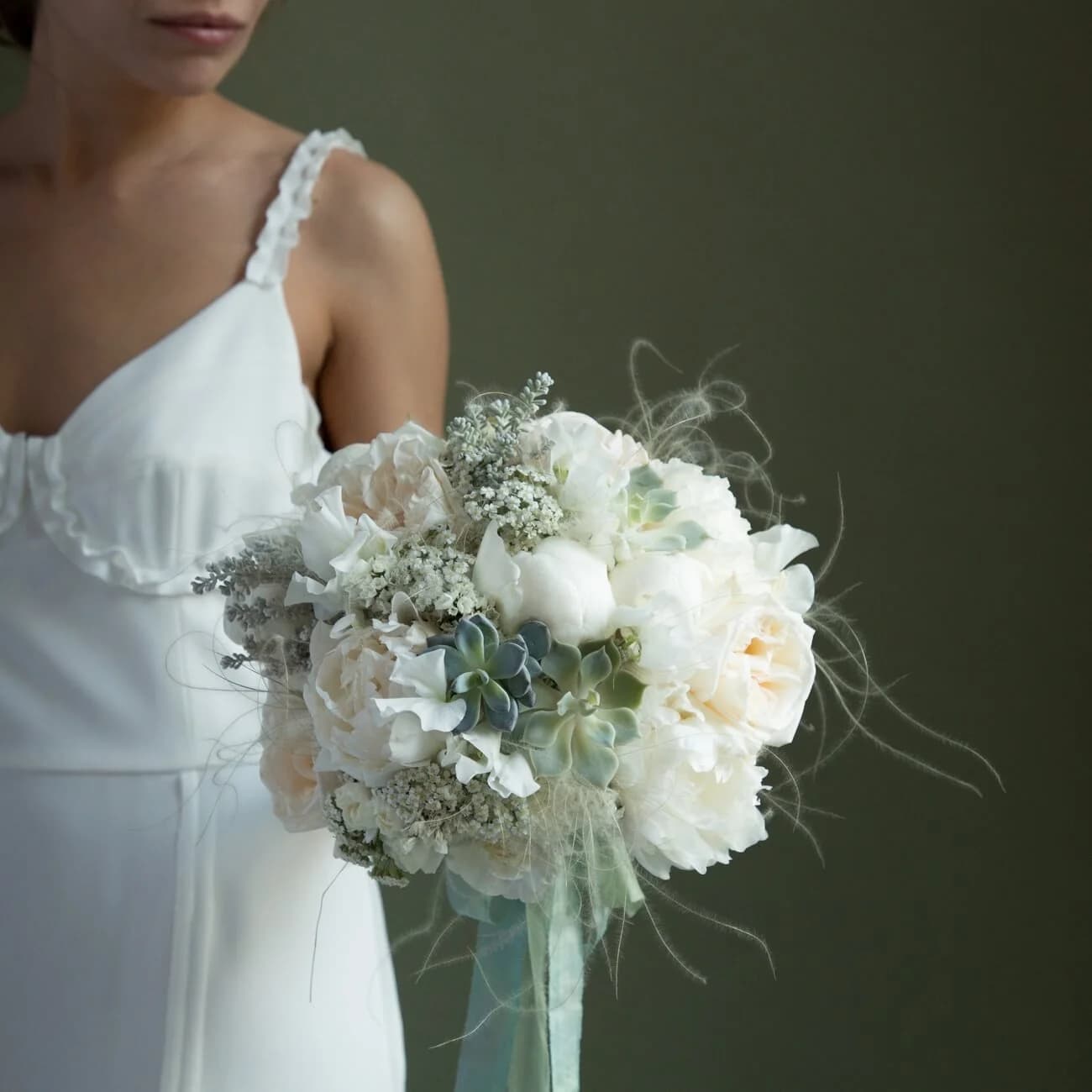
Standing spray. A large one-sided arrangement on an easel, placed near the casket. Ordered by close family or a group; $150-400.
Wreath. The circle-of-life form, on an easel or laid. From family, companies, official bodies; $120-350.
Casket spray. The arrangement on the casket itself — from the closest family only, usually chosen with the funeral director; $200-600.
Hand bouquets for mourners. Single stems or small clusters laid at the grave. In many cultures mourners bring these themselves; in post-Soviet tradition, remember: even stem counts for mourning — the reverse of celebrations.
What flowers to choose
The quiet workhorses of sympathy work, and why:
| Flower | Why it belongs |
|---|---|
| Lily (white) | The classical funeral flower in the West; strong fragrance — fine for services, consider less scent for homes |
| Chrysanthemum | The mourning flower across Europe and Asia — never a faux pas at a funeral |
| Rose (white/cream) | Love and respect without celebration |
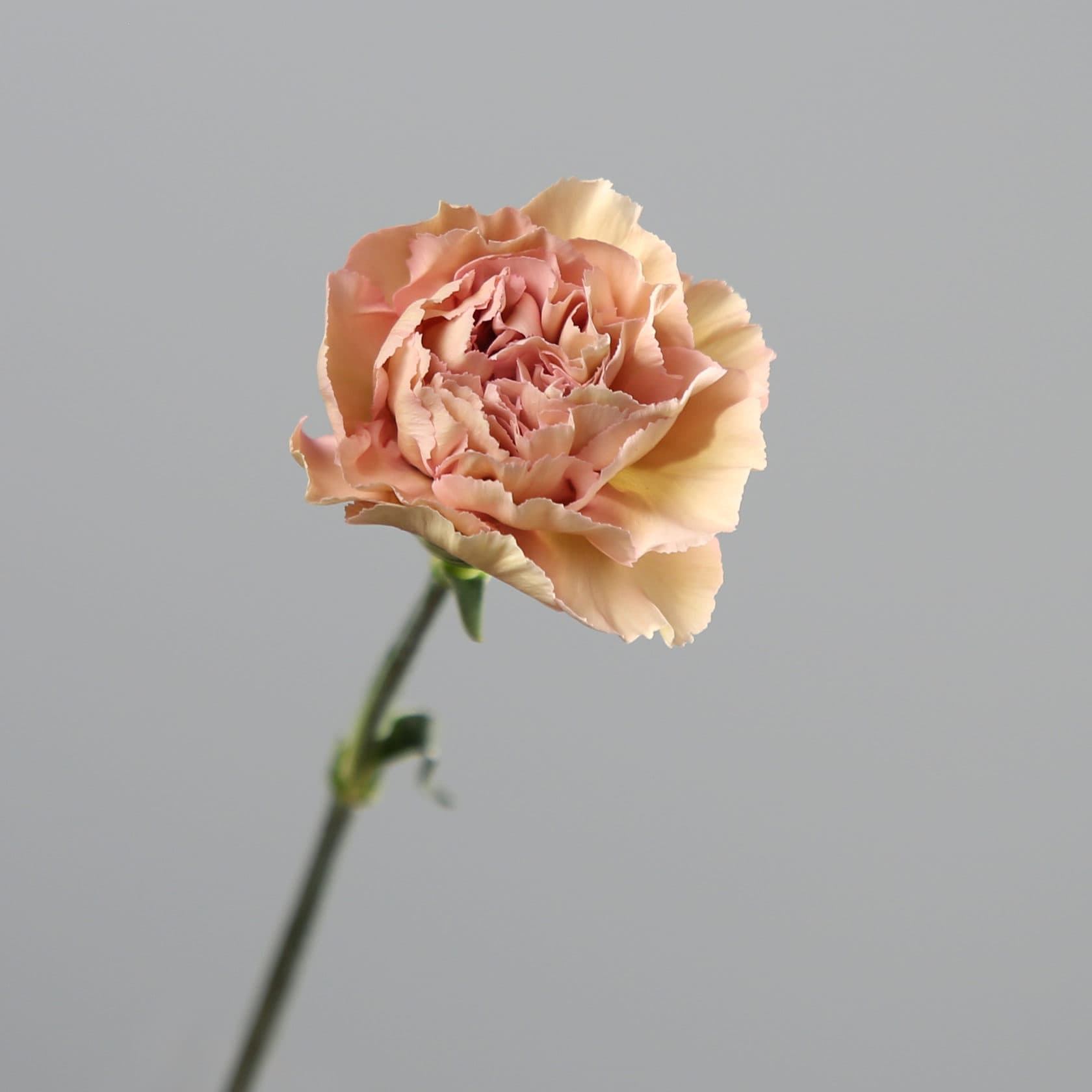
| Carnation | Endures the multi-day timeline of services better than almost anything |
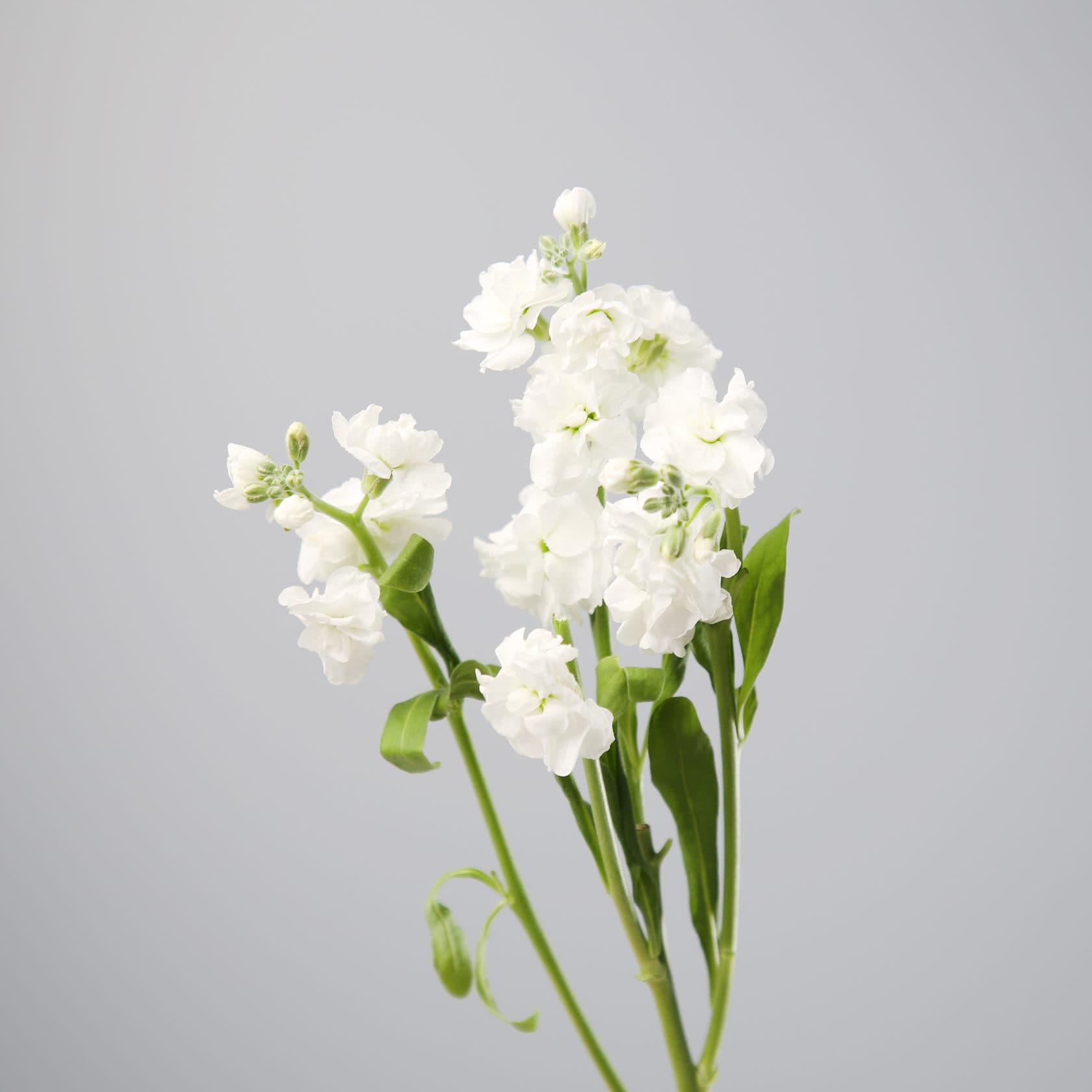
| Matthiola | Vertical, fragrant, church-appropriate |
| Eucalyptus & greens | Soften arrangements; symbolise remembrance |
Avoid: bright celebratory mixes, red-rose romance language (except from a spouse — a red casket rose from a widow or widower is a long tradition), and heavily perfumed flowers in small homes.
Cultural and religious notes
- Muslim funerals: charity in the deceased's name is the traditional gesture; flowers are generally not part of the service. Ask before sending.
- Jewish funerals: flowers are rare at the service; a shiva fruit basket or donation is customary instead.
- Buddhist services: white flowers are correct; red is not.
- Orthodox Christian (incl. post-Soviet): even numbers of stems, wreaths with ribbon inscriptions, chrysanthemums and carnations are all standard.
- When in doubt, call the funeral home — one 60-second call beats any etiquette article, including this one.
Timing and logistics
Service flowers must arrive before the service — order at least a day ahead and have them delivered directly to the funeral home with the service time on the order. Sympathy flowers to the home have a huge window: from the first days to a month. Some of the most appreciated deliveries we make arrive a week or two after the funeral, when the casseroles have stopped and the house has gone quiet.
What to write on the card
Short, sincere, signed with your full name:
- With deepest sympathy — thinking of you all.
- In loving memory of Maria — she was so kind to us.
- We are so sorry for your loss. With love, the Chen family.
- Holding you close in our thoughts this week.
Do not write "she's in a better place", medical commentary, or anything that asks the grieving person to reply. If you knew the deceased and the family doesn't know you well, add one line of context: "I worked with David for ten years — he taught me half of what I know." Those cards get kept.
Cost expectations
Sympathy arrangement to a home: $50-120. Standing spray: $150-400. Wreath: $120-350. Group orders (a workplace collecting for one large piece) are both traditional and practical — one substantial spray reads better than five small ones, and funeral homes prefer fewer, larger deliveries. If flowers feel wrong for the tradition, a donation in the deceased's name plus a handwritten note is always right.
Which sympathy flower to send
Each flower carries a different message. Pick by what you want the tribute to say — and by whether it goes to the service or to the home.
- White roses — reverence and remembrance — the safest non-denominational choice.
- Chrysanthemums — the flower of the dead across Catholic and Orthodox Europe and East Asia.
- Carnations — the affordable, long-lasting backbone of most tributes.
- Lilies — the traditional Western funeral flower — a soul at rest.
- Calla lilies — sculptural elegance, and a quiet nod to resurrection.
- Gladioli — the strength and moral integrity of a standing spray.
Related reading:
Frequently asked questions
What is the difference between funeral flowers and sympathy flowers?
Funeral flowers are addressed to the service itself — wreaths, standing sprays and casket arrangements, usually ordered by the family or a close group, delivered to the funeral home. Sympathy flowers are sent to the family's home by friends, colleagues and distant relatives, and are normal vase arrangements in a subdued palette.
What colours are appropriate for funeral flowers?
White, cream, soft green and muted pastels are safe in nearly every tradition. Deep reds and the deceased's favourite colour are appropriate from close family. Avoid bright celebratory oranges and hot pinks unless the family has asked for a colourful farewell.
When should sympathy flowers be sent?
Any time from the news to a month after. If you missed the service, sending flowers to the home a week or two later — when the calls have quieted — is often more meaningful than adding one more arrangement to a crowded funeral.
What do you write on a sympathy flower card?
One or two sincere sentences: “With deepest sympathy — thinking of you all”, “In loving memory of Maria”, “We are so sorry for your loss. With love, the Chens”. Sign with your full name so the family knows who to thank; grief scrambles memory.
Is it appropriate to send flowers to a Muslim or Jewish funeral?
Usually no — both traditions historically prefer charity donations over flowers, and Jewish services rarely include them. When the family is religious, a donation in the deceased's name plus a written note is the respectful equivalent. If unsure, ask the funeral home; they know the family's wishes.
 Bouquet Builder — by Lacy Bird
Design the bouquet. See it as a photo.
Arrange real flowers on a canvas, then turn the layout into a photorealistic photo in one tap — with live pricing and a shopping list. 570+ varieties, free to start.
Free plan · no card needed