premium-tier flowers
39 flowers in the premium price tier relative to market average — for costing an arrangement to budget.
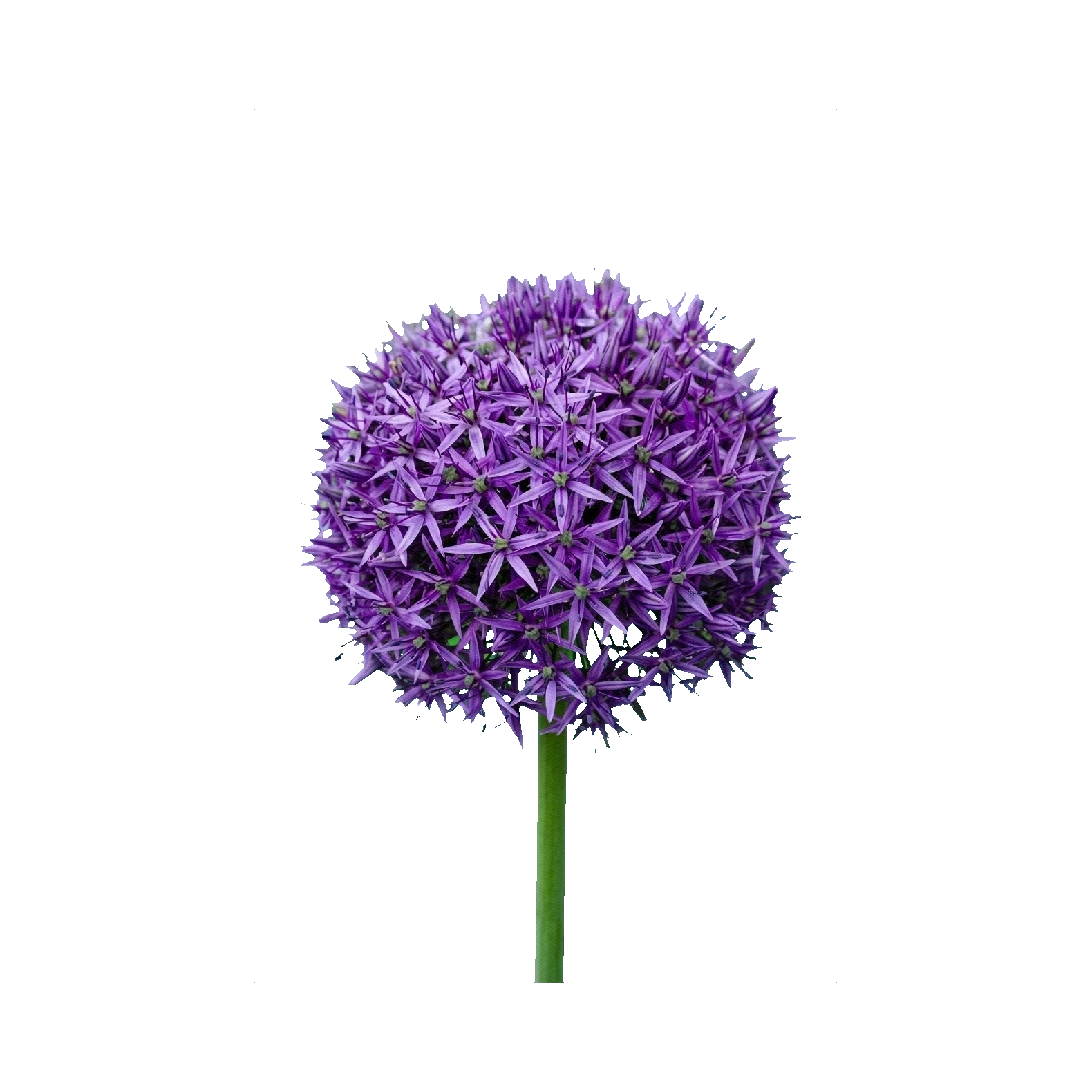
Allium
Allium
Allium — the ornamental onion — carries a perfect round pom-pom head made of dozens of tiny florets on a long naked stem. Giant Allium (A. giganteum) reaches 20 cm in head diameter. Sculptural, long-lasting, and dries perfectly. Handle stems in water to reduce the mild onion scent.
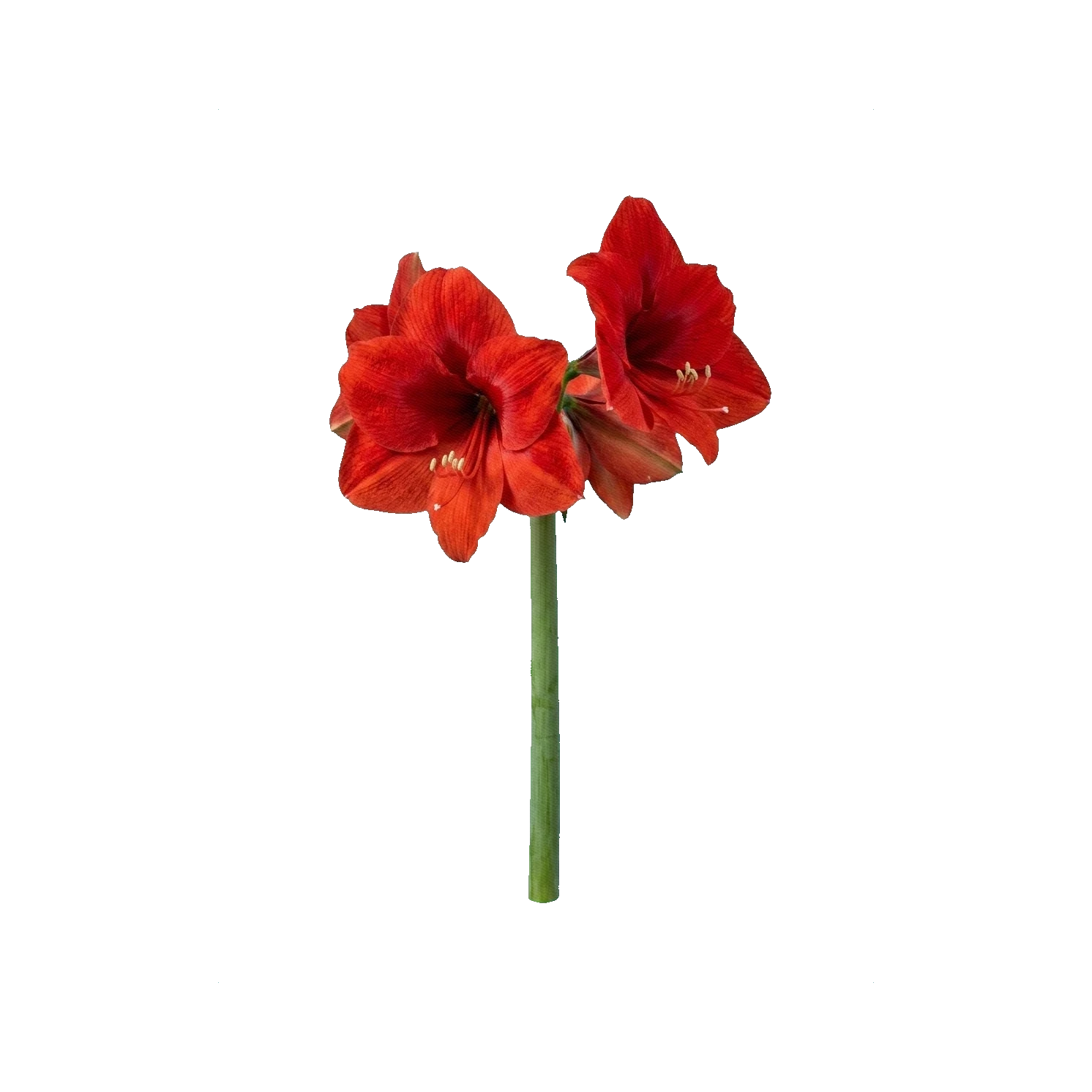
Amaryllis
Hippeastrum
The amaryllis is the December power flower — a single stem carries 2–4 trumpet blooms that can reach 20 cm across. Red amaryllis is a Christmas staple; blush and white cultivars carry weight in winter weddings. Beware the fragile hollow stem — a bamboo skewer inserted from the base gives structural support for tall arrangements.
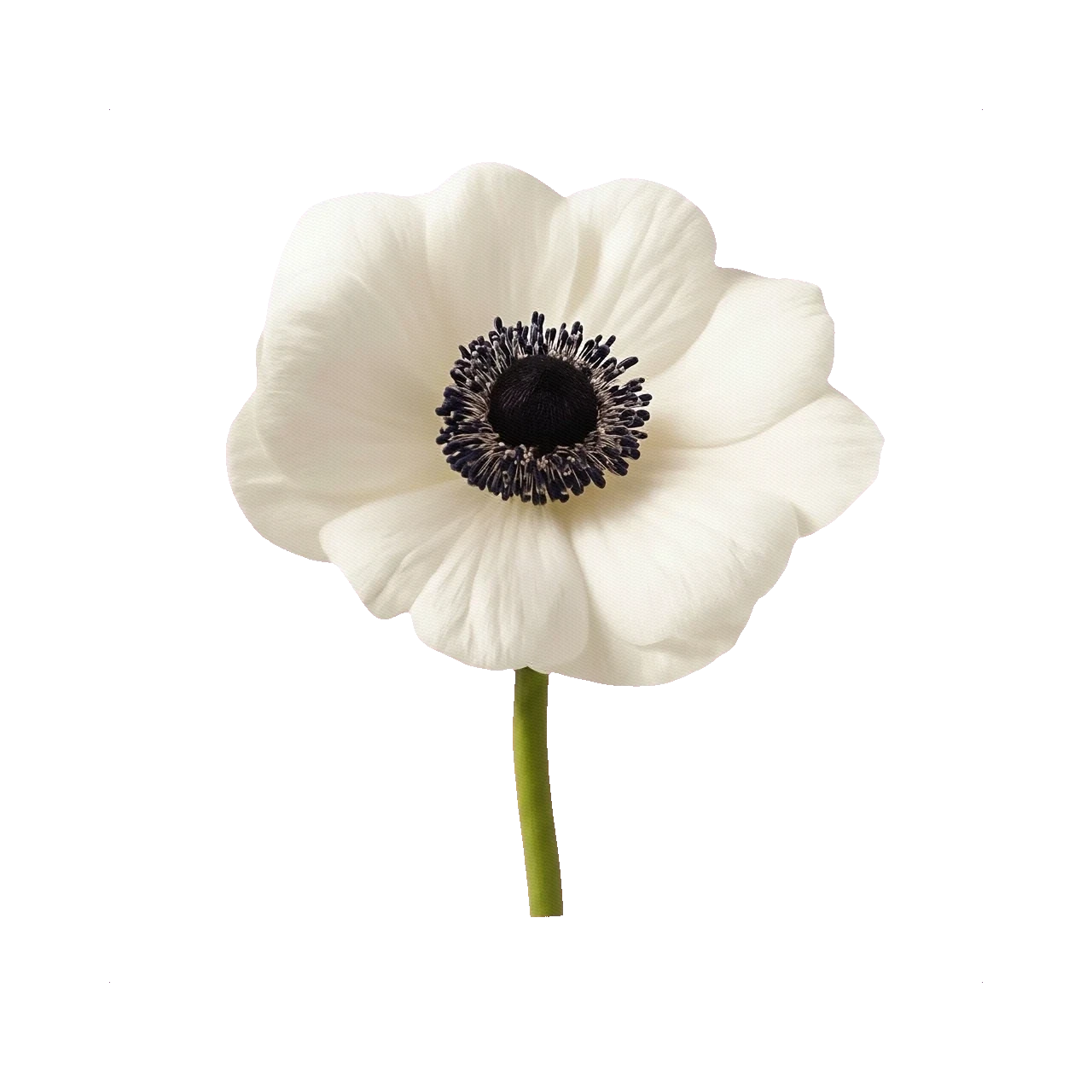
Anemone
Anemone coronaria
The anemone's dark navy or black centre against pure white, blood-red or deep purple petals is one of the strongest contrast points in commercial floristry. Italian Mistral cultivars are the premium tier — large heads, strong stems, saturated colour. Anemones photograph beautifully but are unforgiving of heat; they belong in cool spaces.
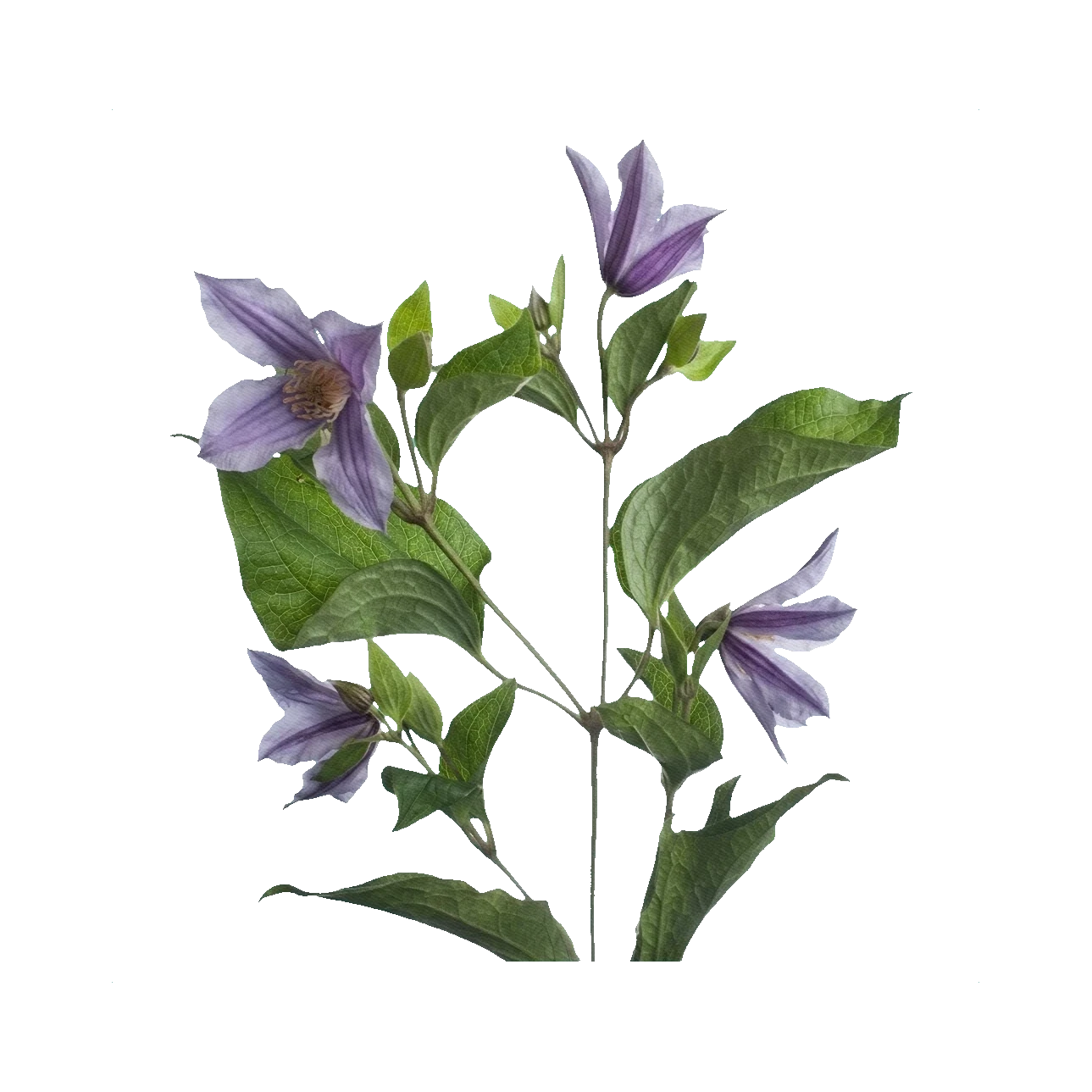
Clematis
Clematis
Clematis is the vining flower that has migrated from garden to cut-flower over the last decade. Dutch breeder Amazing Amsterdam produced the first commercially viable blue clematis in cut form — genuinely rare and photogenic. Vining stems make it the perfect edge flower for cascading bridal bouquets.
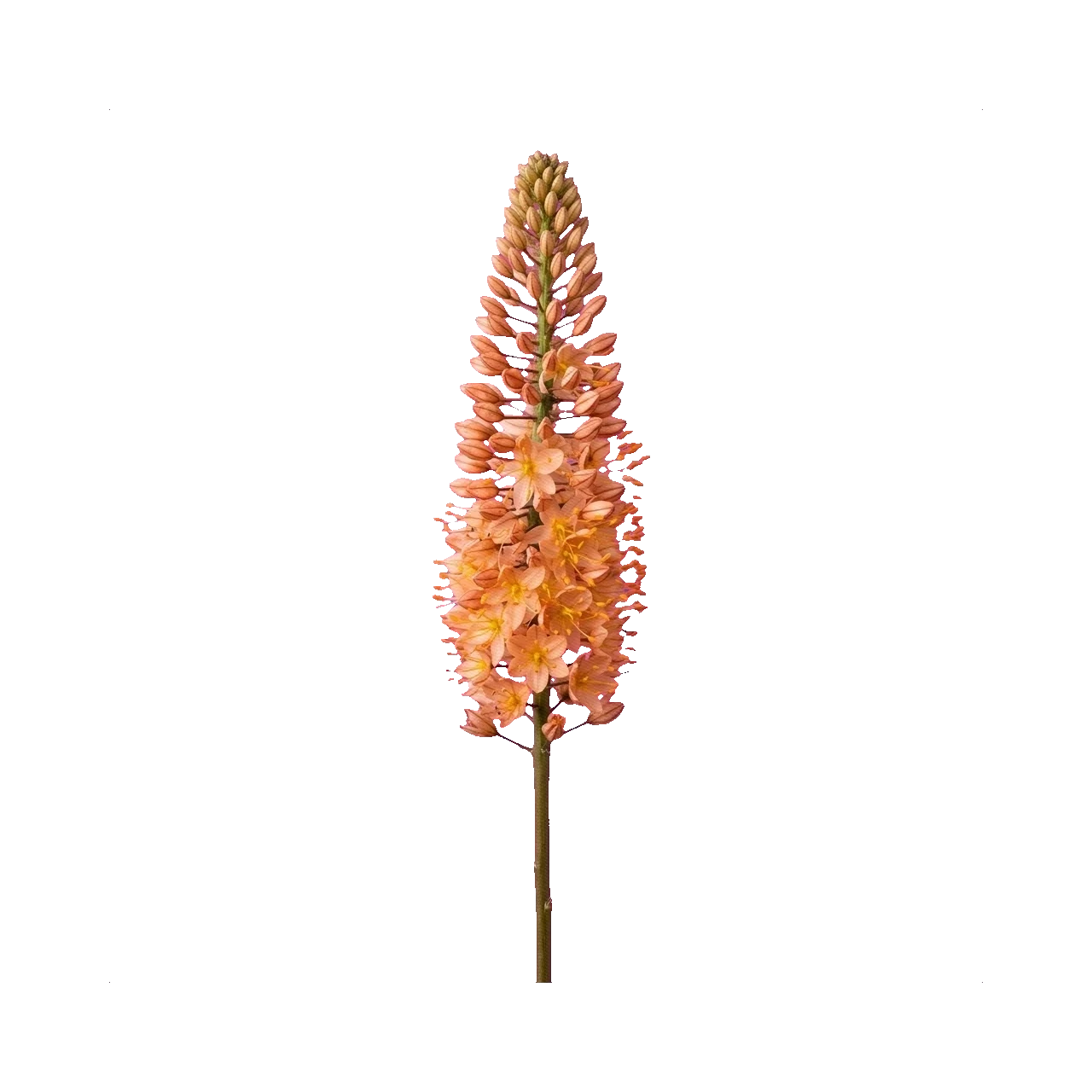
Foxtail Lily
Eremurus
Eremurus, the foxtail lily, sends up towering tapered spires studded with hundreds of tiny star-shaped florets that open from the base upward. Florists prize it as a dramatic line flower that brings height, movement and an airy, architectural quality to large-scale designs and tall arrangements. Available in warm sunset shades of yellow, orange, peach and apricot as well as soft white, it is a signature stem for luxury summer weddings and grand installations. Its bold vertical form reads beautifully from a distance, making it a favourite for statement pedestal work.
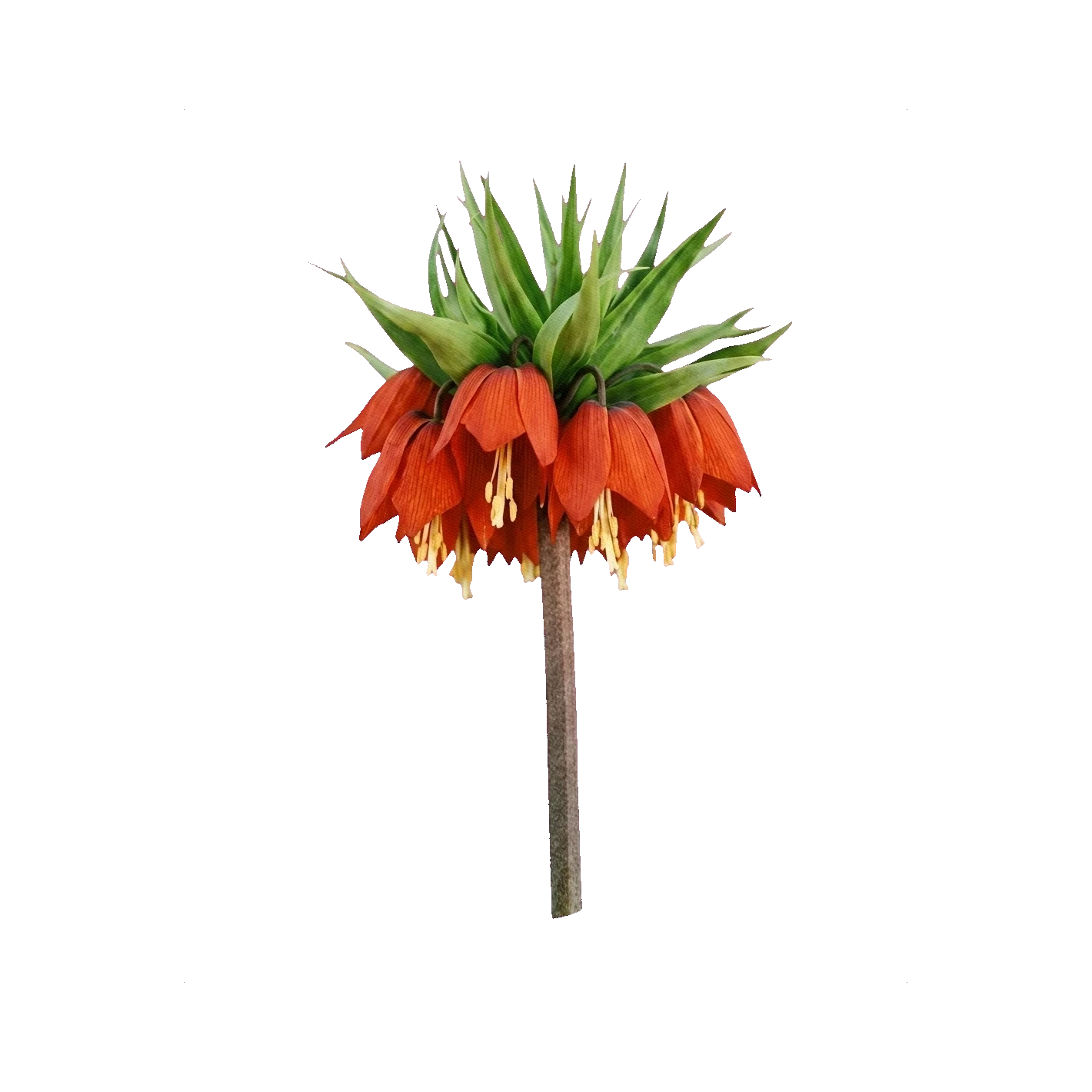
Fritillaria
Fritillaria imperialis
Fritillaria imperialis, the crown imperial, is one of spring's most theatrical bulb flowers, carrying a whorl of pendant bells beneath a topknot of leafy bracts on a tall, sturdy stem. Florists prize it for statement work, where its burnt-orange, gold or red bells add height and architecture to seasonal designs. Its unmistakable musky scent means it is best used with an editorial eye rather than in intimate bouquets. At its finest in April and May, it lends a regal, botanical drama to luxury spring arrangements and installations.

Gloriosa Lily
Gloriosa superba
Gloriosa is the flame lily — exotic, flickering flowers with wavy, swept-back petals in fiery reds and golds that seem to leap off the stem. A climbing plant from tropical Africa and Asia, it delivers unmatched drama in a small, jewel-like bloom, making it a favourite for editorial and luxury work. Florists prize it for boutonnieres, intricate bridal detailing and modern designs where one flower must command attention. It is beautiful but genuinely toxic, so it demands careful, gloved handling.
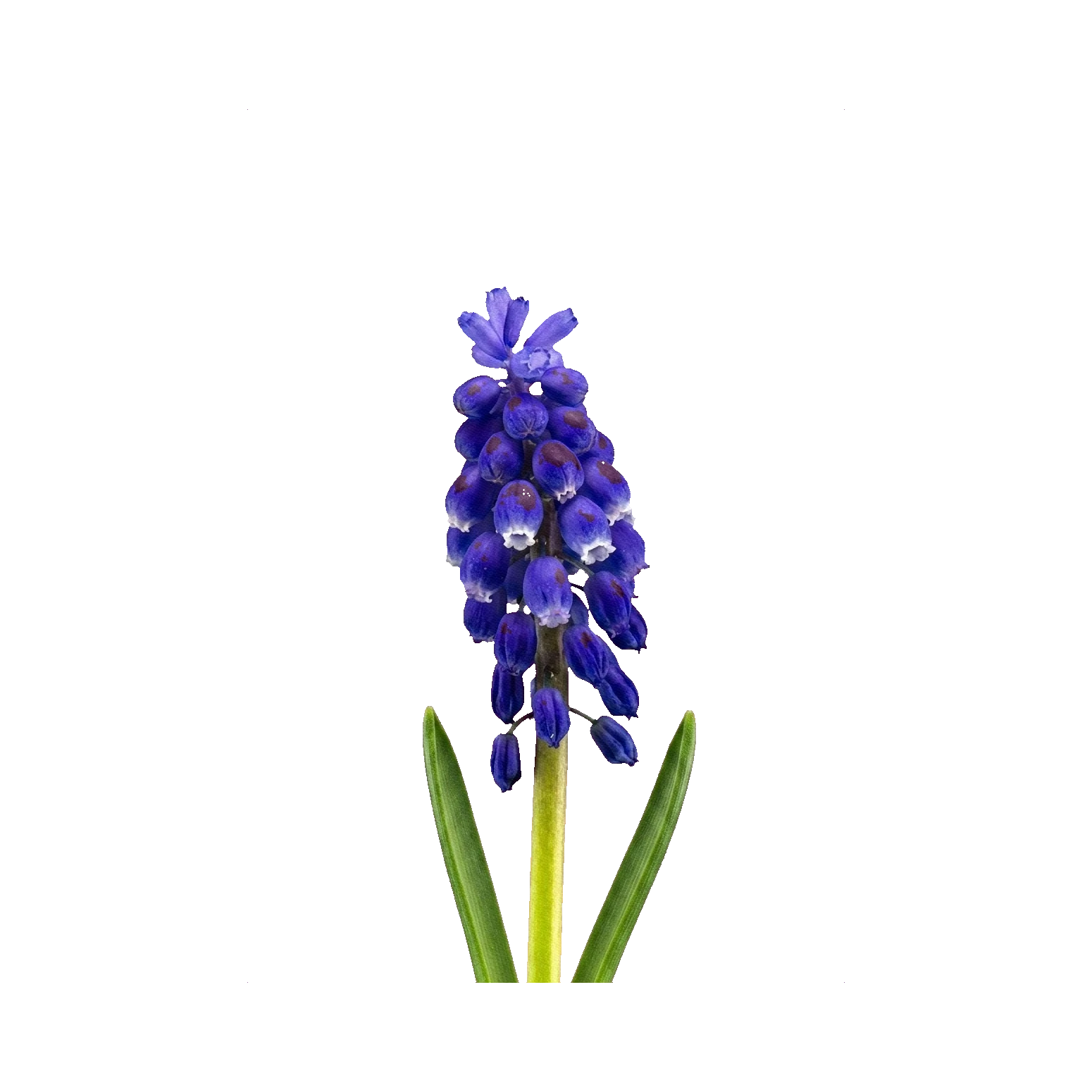
Grape hyacinth
Muscari
Muscari — grape hyacinth — is the small, saturated-blue spring flower that fills the true-blue gap in early-season bridal work. Tiny bell-shaped florets stack tightly on a short stem. The blue is real, not dyed. Use in shallow bouquets, hair work, and boutonnieres where the short stem length works.
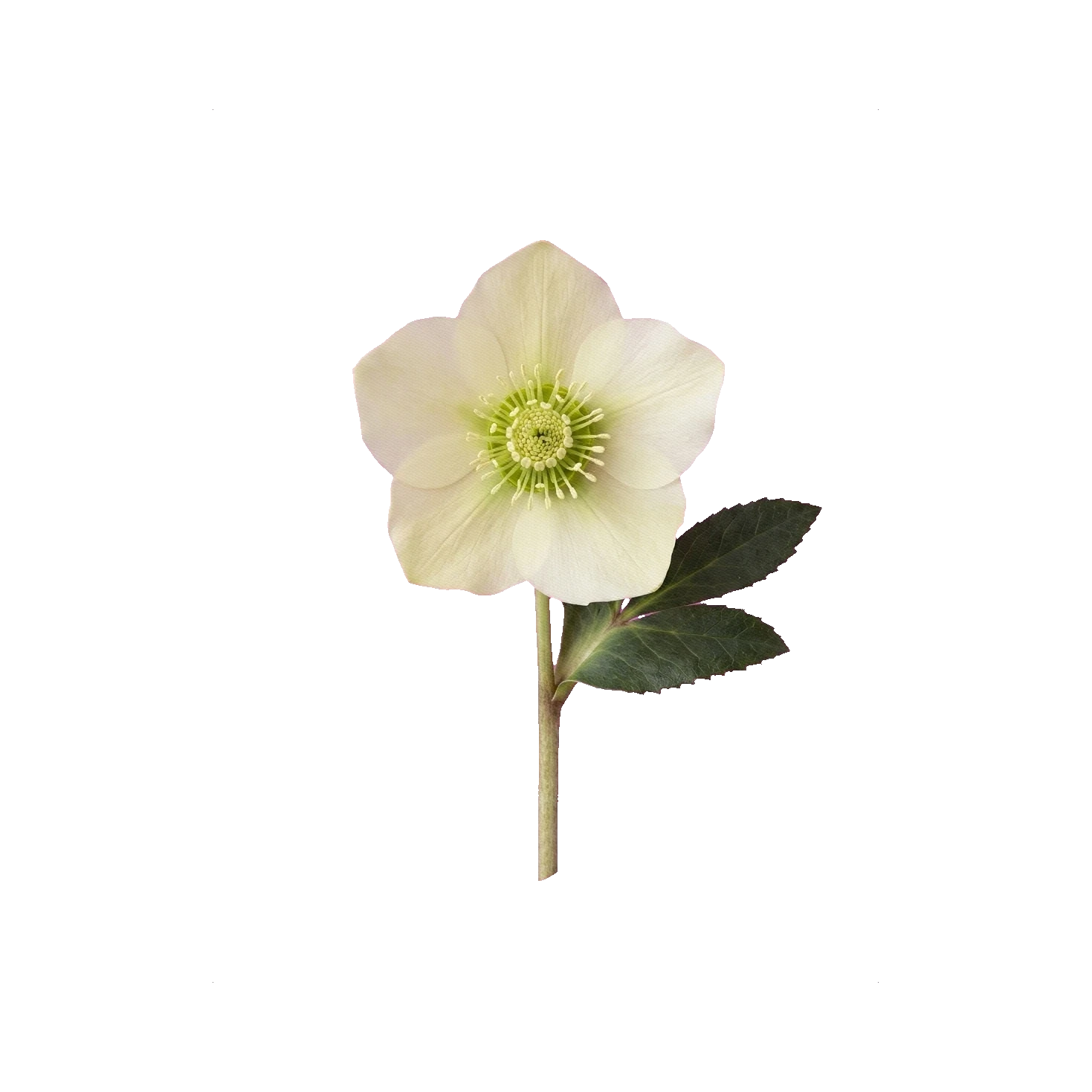
Hellebore
Helleborus
The hellebore is the winter florist's secret — nodding, downward-facing blooms in a colour palette (near-black, deep burgundy, dusty green, freckled cream) that no other cool-season flower matches. Notoriously short-lived in the vase unless properly conditioned with a boiling-water dip. Buy mature blooms with visible seed heads — they outlast tight buds.
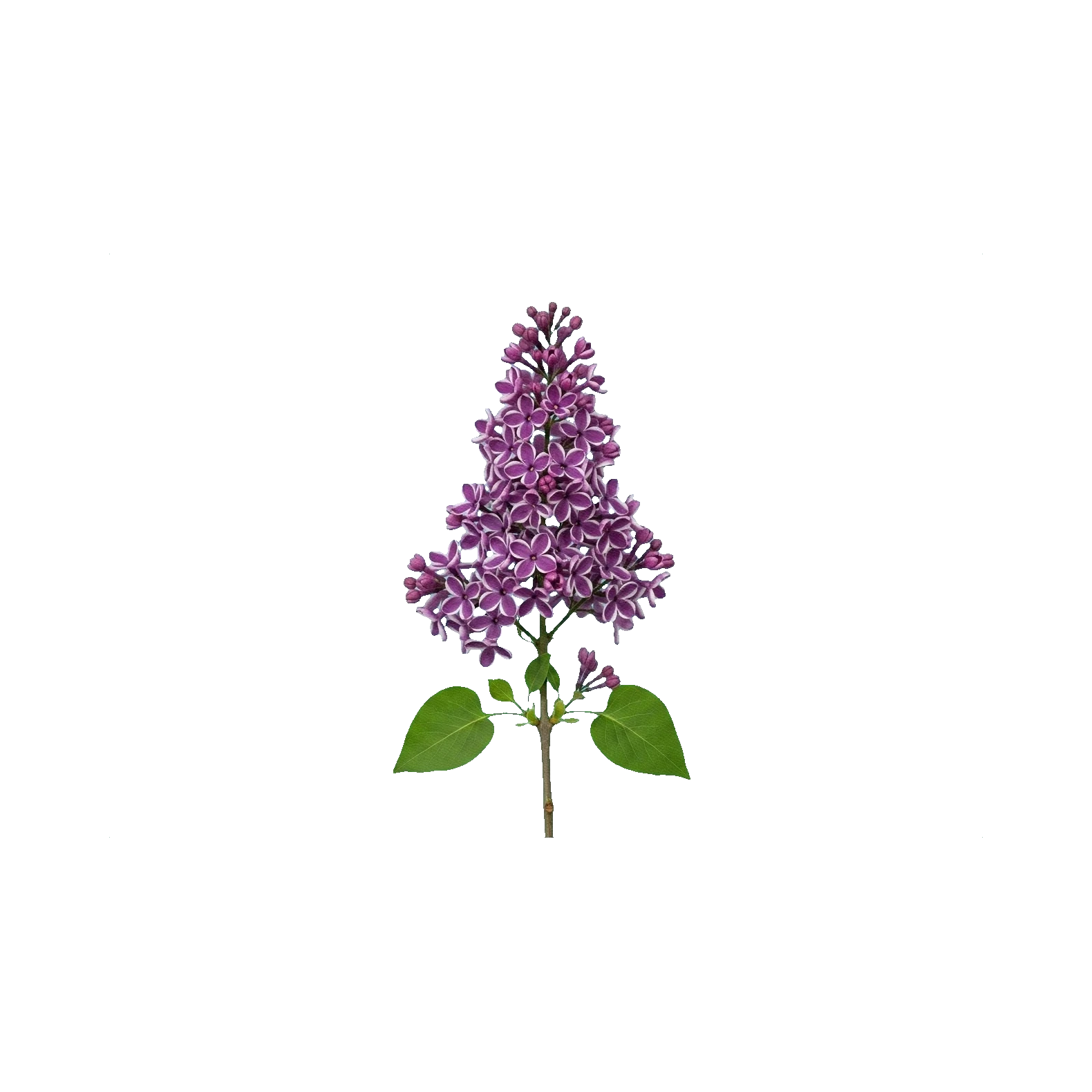
Lilac
Syringa vulgaris
The scent of lilac in a wedding venue is unforgettable — and unattainable at any other time of year. Short season (six weeks), short vase life (a week at best), and demanding conditioning requirements make lilac a luxury flower even when technically in season. Split the stems; strip the leaves; use the day it arrives.
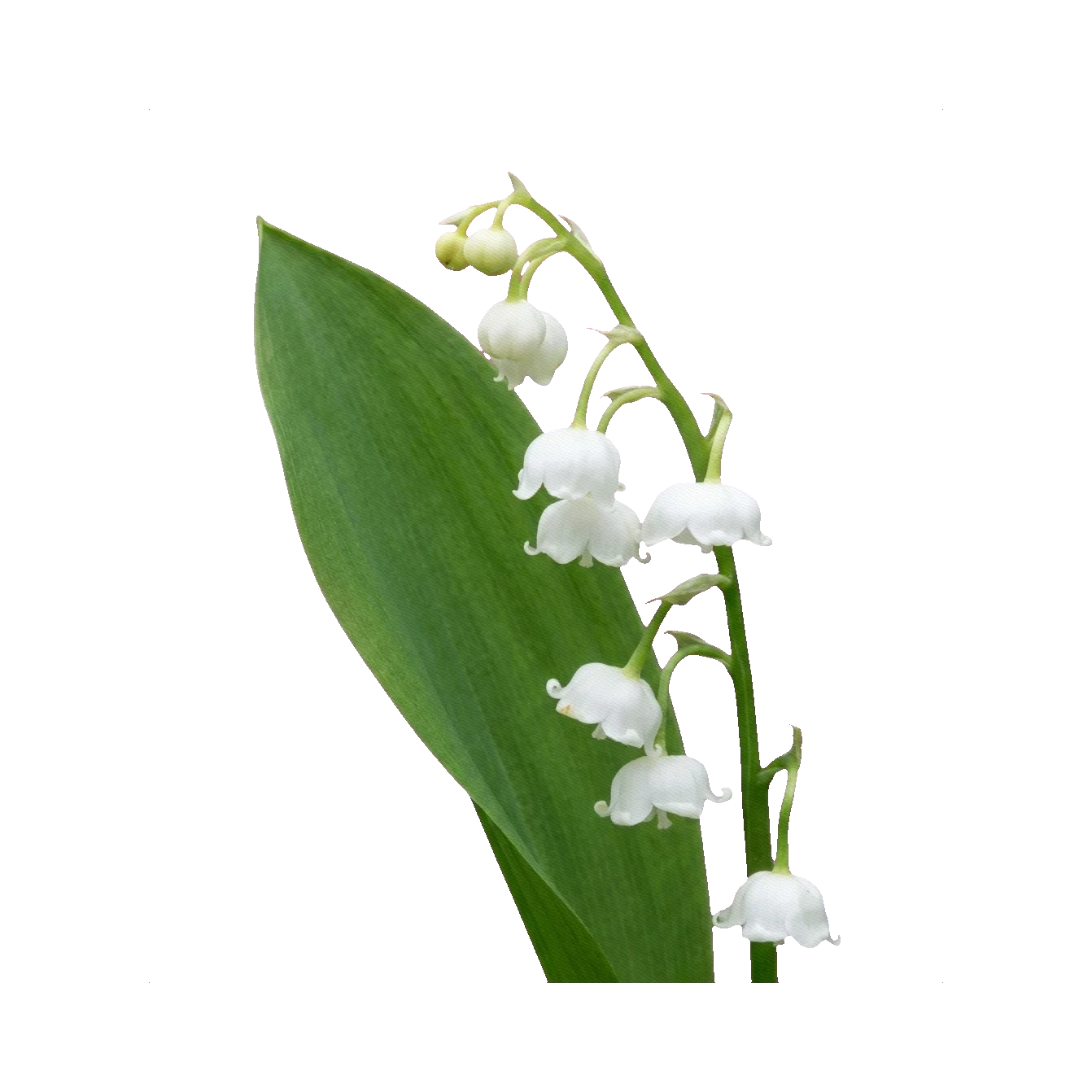
Lily of the valley
Convallaria majalis
Lily of the valley is the flower of royal weddings — famously in Kate Middleton's and Grace Kelly's bouquets — one of the most powerfully-fragrant and most expensive cut flowers per stem. Only 4-6 weeks of season, 3-5 day vase life once cut. In France, the May 1 tradition of gifting muguet creates a demand spike unmatched by any other single-day event.
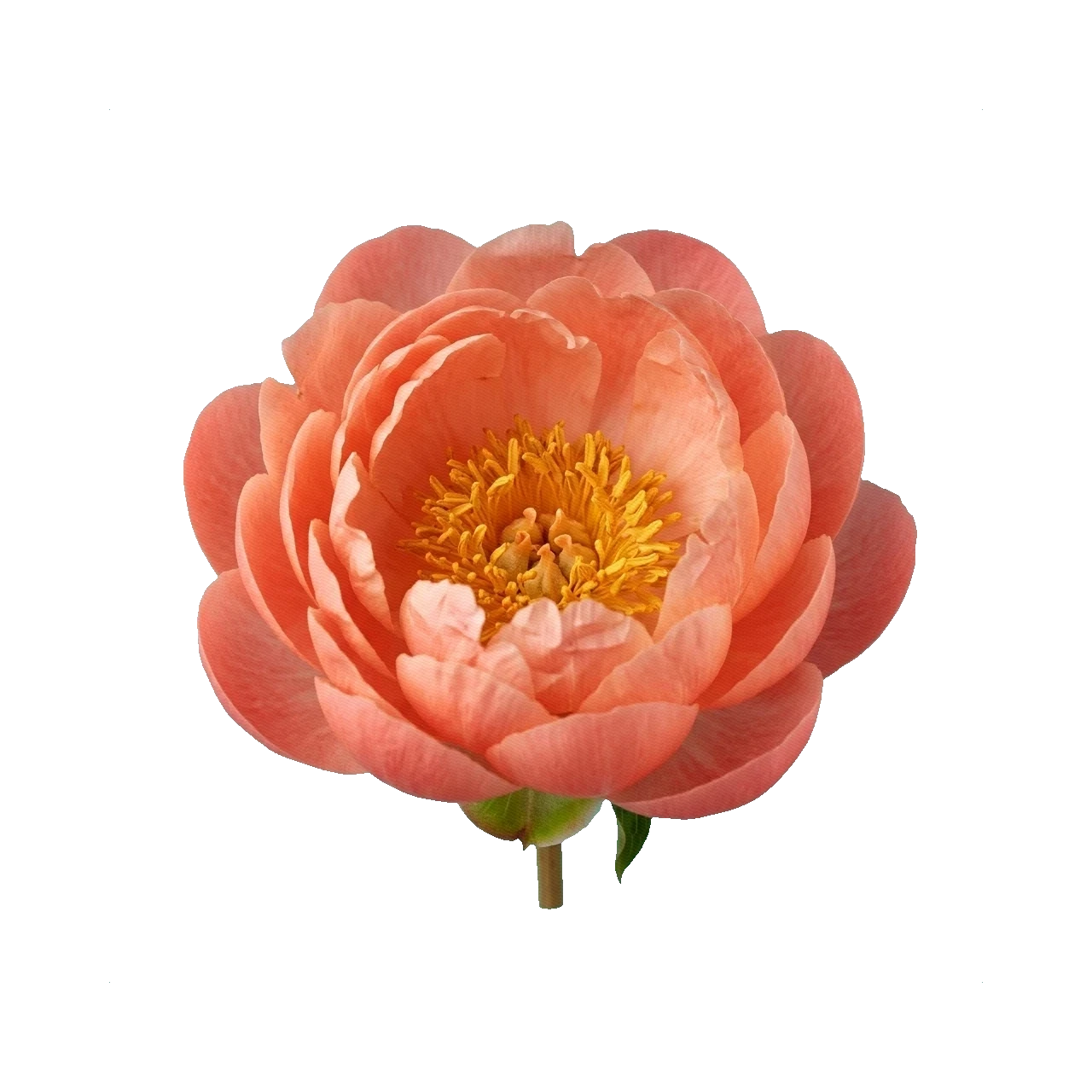
Peony
Paeonia
The peony is the queen of late-spring floral design. Its lush, densely-petaled head and short, dramatic season have made it the most-requested wedding flower in the northern hemisphere. Peonies open from marshmallow-firm buds to bowl-sized blooms over 24–72 hours, giving the arrangement a living quality that unfolds through the event. Commercial cultivars include Sarah Bernhardt (blush), Coral Charm (coral fading to peach), and Bowl of Cream (white). Off-season peonies are grown in Chile and New Zealand for northern winter supply, but at 3–4× the price.
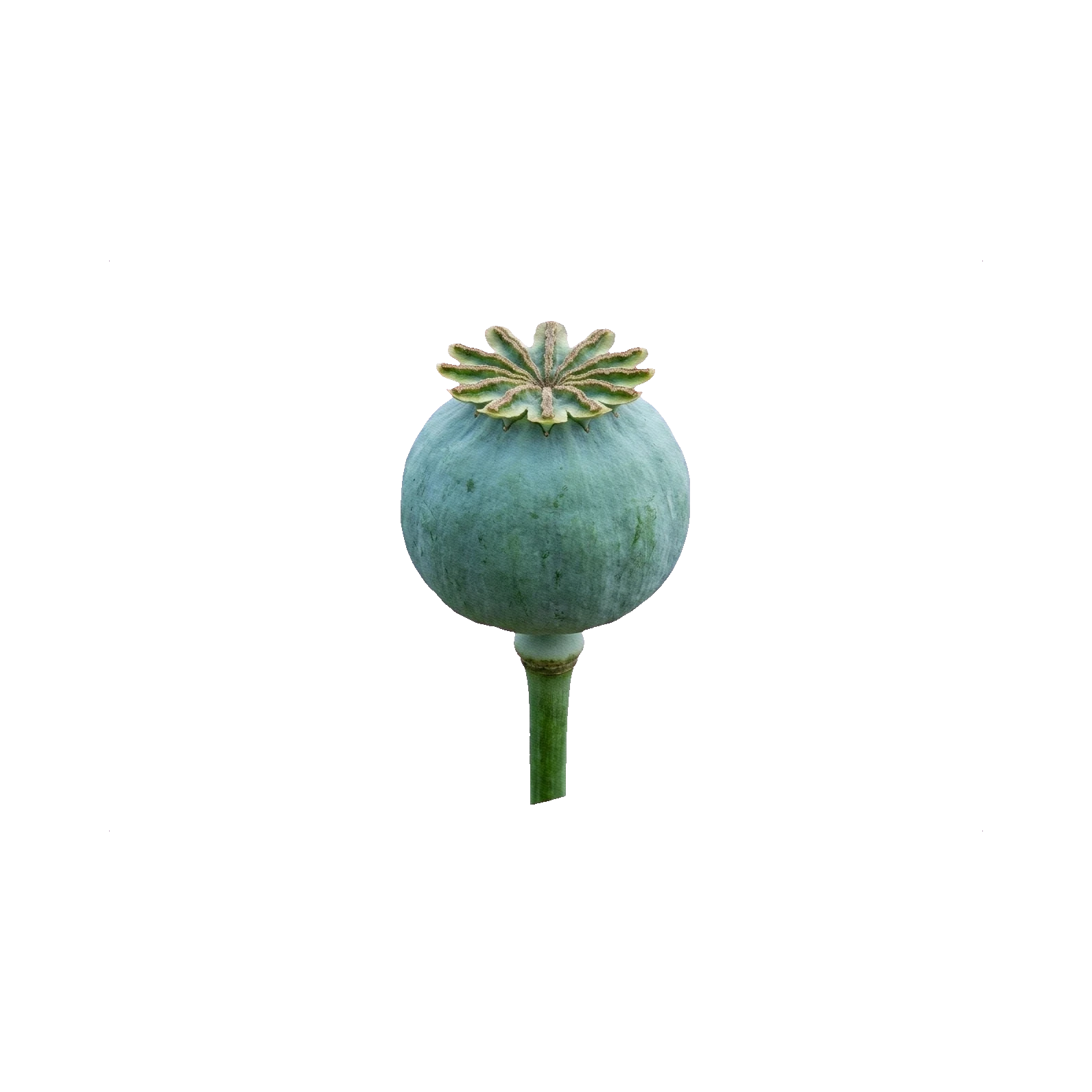
Poppy
Papaver
The poppy unfurls from a papery bud with theatrical drama — one of the most photogenic openings in commercial floristry. Icelandic poppies come in dawn-sky pastels; oriental poppies in blood-red intensity. Fragile in every dimension: sear the stem end, handle by the stem only, and use on the day of the event.
Protea
Protea
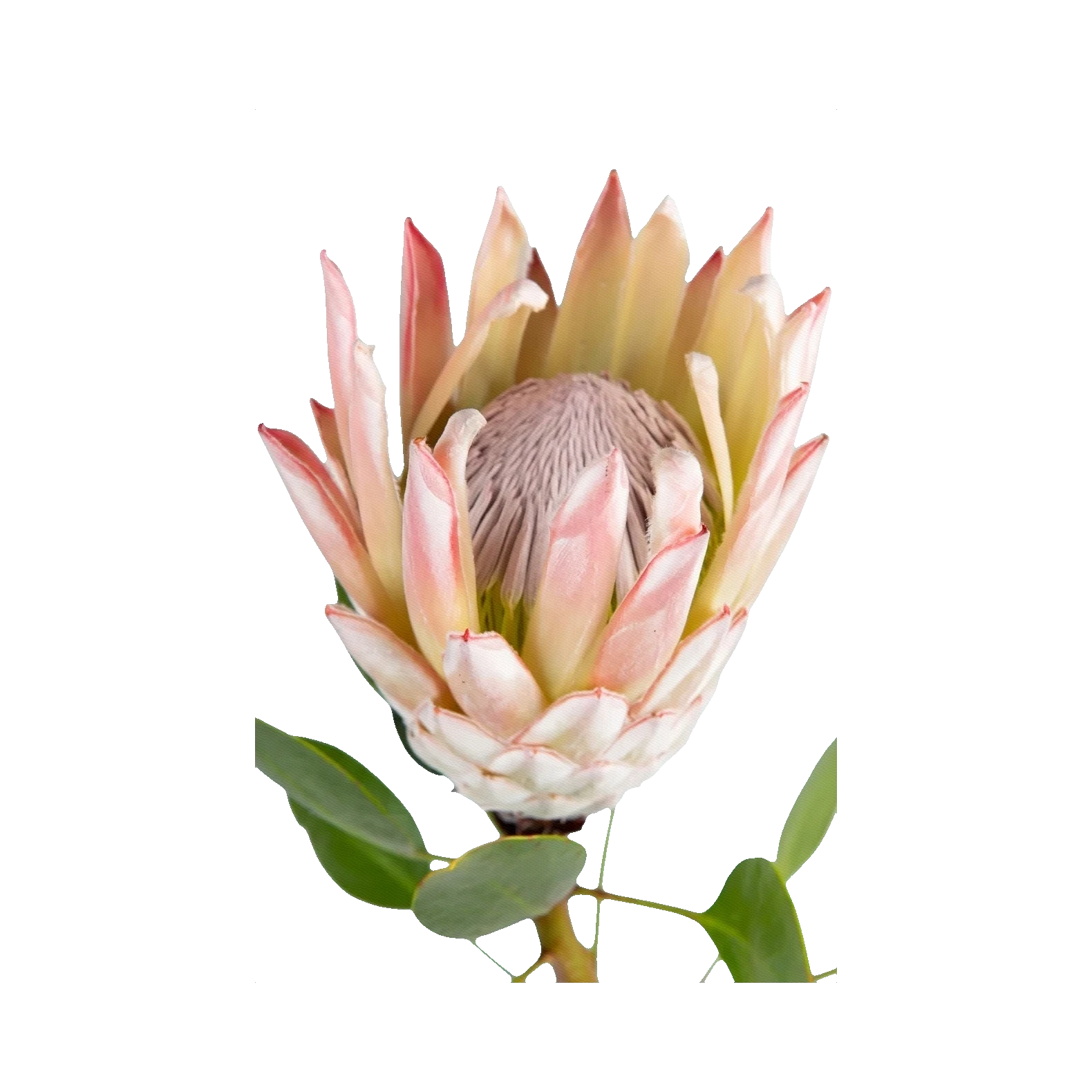
The protea is a flower with a personality — 300 million years of evolution, a South African native, and the design language of modern desert and tropical floristry. The king protea (P. cynaroides) reaches 25 cm across and functions as an entire arrangement in one stem. Dries perfectly; used widely in preserved wall art.
Ranunculus
Ranunculus asiaticus
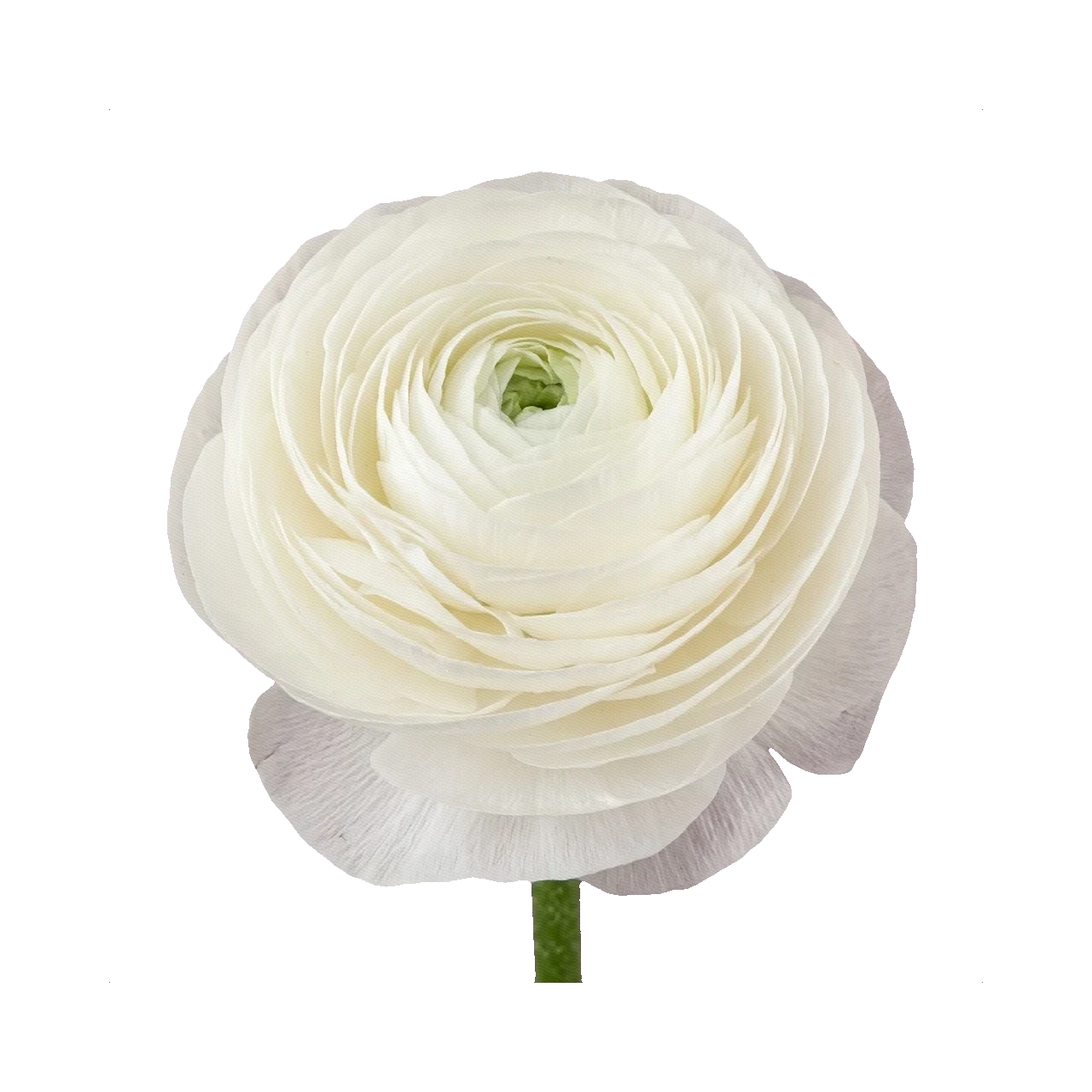
Ranunculus offer the layered, papery petals of a peony at half the size and in a wider colour range. Italian Cloni Success and Elegance strains lead the premium market — huge heads (up to 10 cm) on strong stems. Ranunculus perform best in the first three days of vase life; plan accordingly for events.
Sweet pea
Lathyrus odoratus
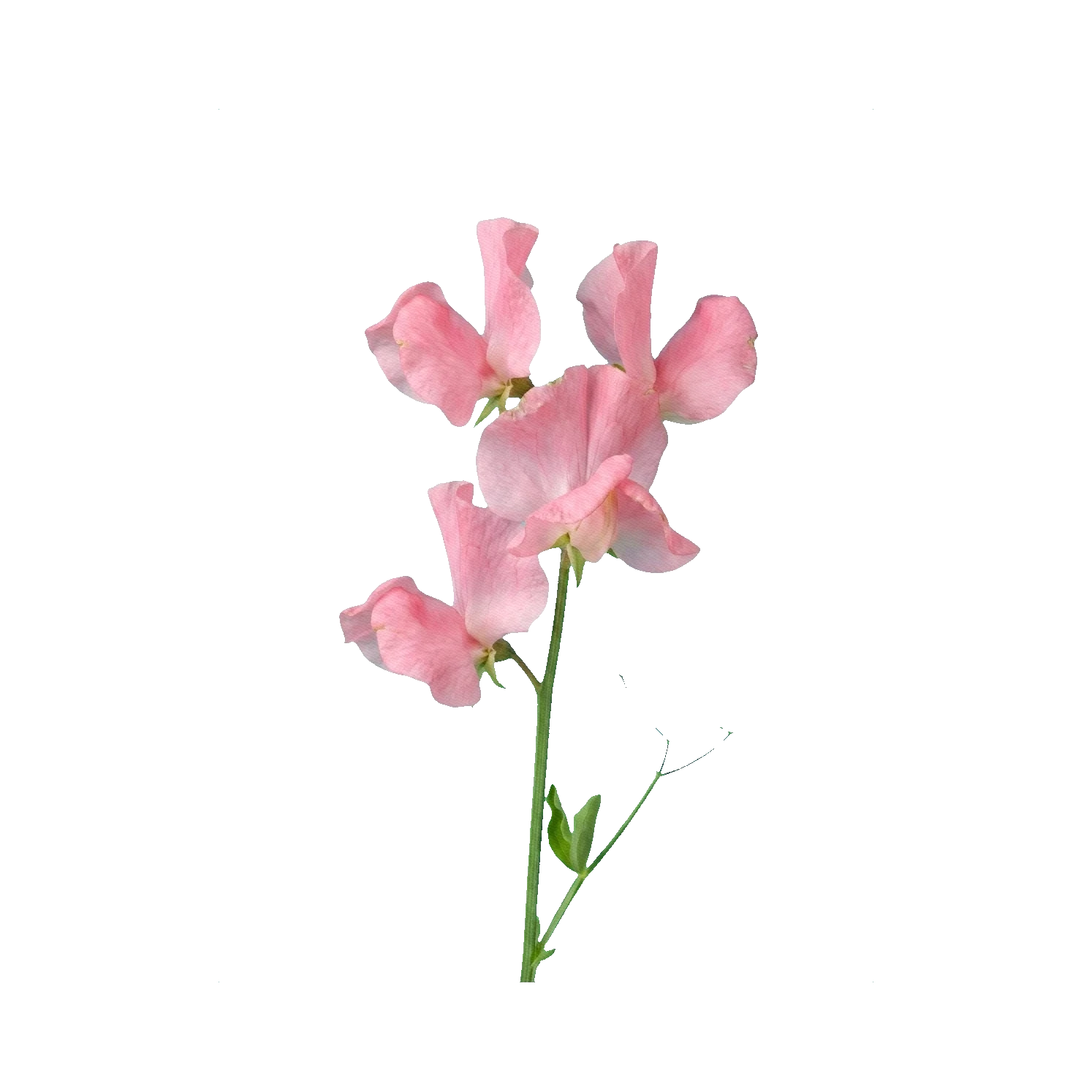
Sweet peas are the honey-scented, tissue-paper flower of spring — beloved by wedding florists but unforgiving in vase life. The Winter Sunshine series (Japanese-bred) reaches 50 cm stems and lasts up to 5 days; classic garden sweet peas last barely 3. Both are worth the trouble for the fragrance alone.
Tuberose
Polianthes tuberosa
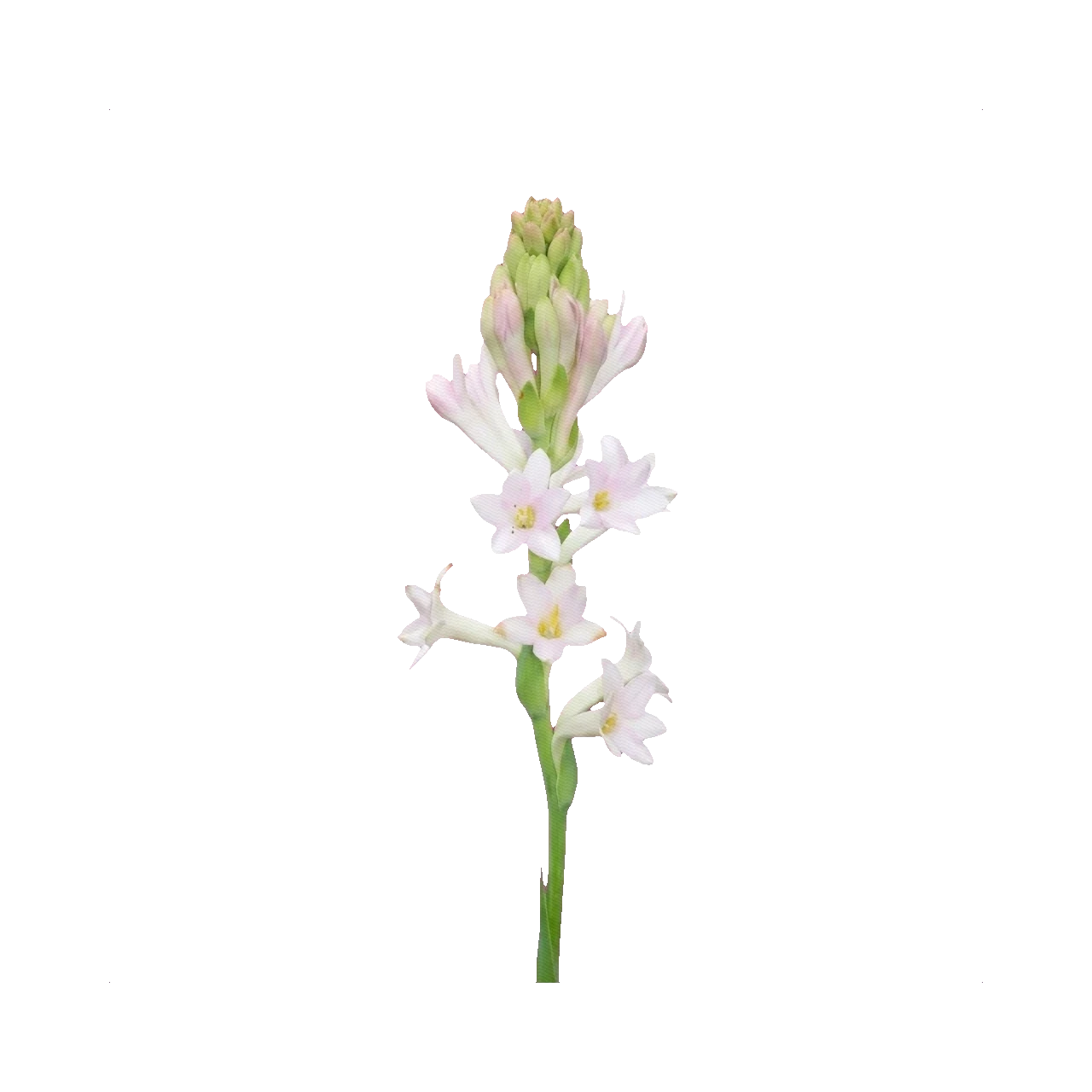
Tuberose carries one of the most powerful fragrances in the flower world — a night-blooming, honey-jasmine scent that fills a room. Central to Indian wedding traditions (garlanded around the bride and groom); an editorial favourite in the West for evening events.
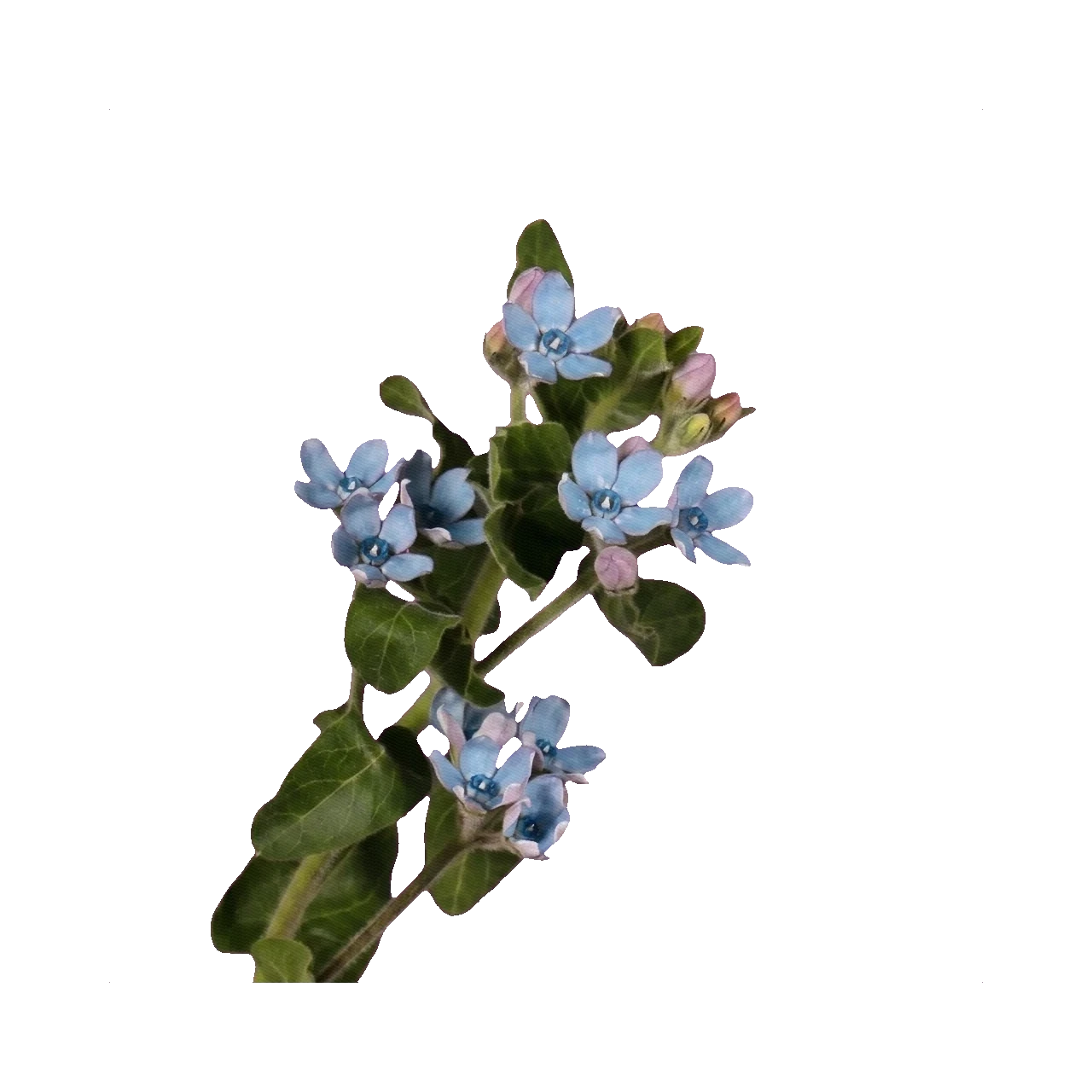
Tweedia
Tweedia caerulea
Tweedia is a tender, semi-climbing perennial usually grown as an annual, treasured for its rare, powdery sky-blue star-shaped flowers that mature to soft lavender. It is one of the most sought-after true-blue flowers for weddings, especially bridal bouquets and boutonnieres, where a touch of genuine blue is wanted. The stems exude a milky sap when cut and need searing before use. Its clusters of five-pointed stars add a delicate, romantic and slightly whimsical note.
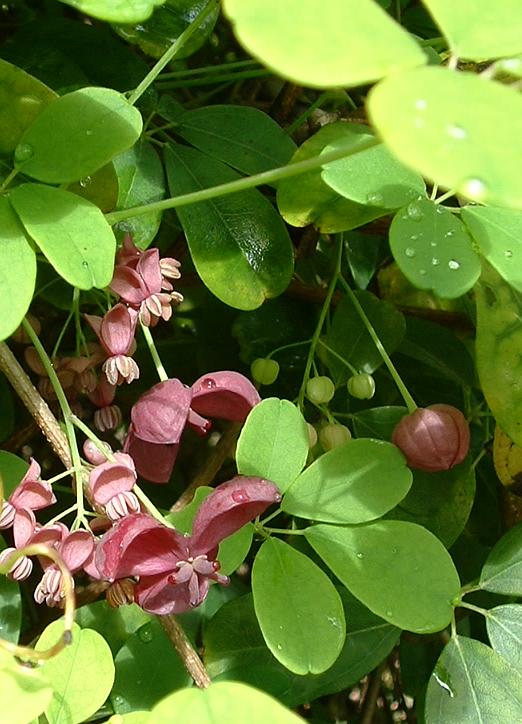
Akebia
Akebia quinata
Akebia quinata, the chocolate vine, is an East-Asian climber with elegant five-part leaves and unusual purple spring flowers that carry a soft chocolate-vanilla scent. Florists value its pliable stems and refined foliage for training into arcs and adding a quiet, garden-gathered elegance to installations. The curious flowers make it a coveted, premium seasonal material. Its flexible growth suits arches and cascading designs.
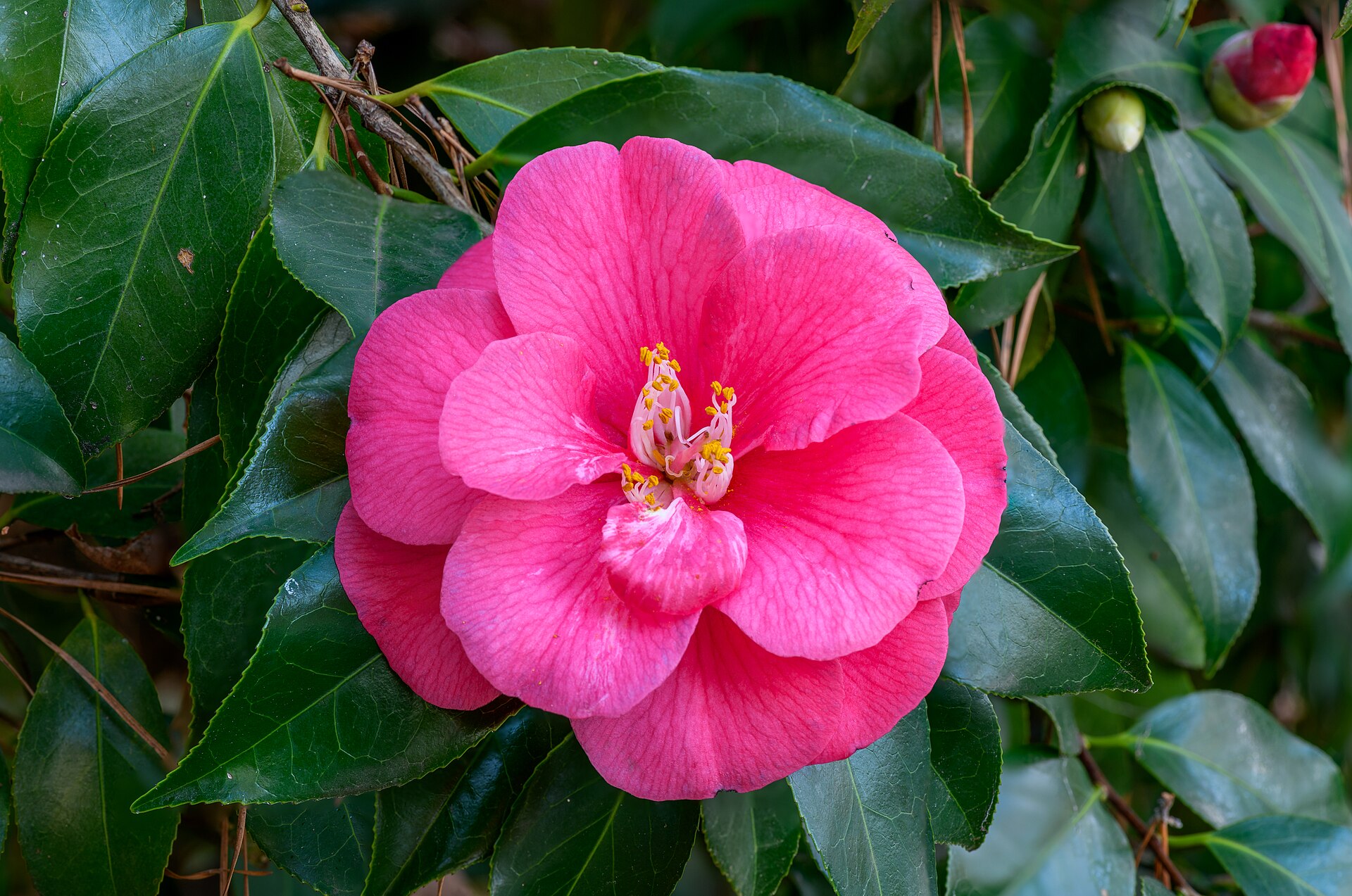
Camellia
Camellia japonica
Camellia is a broadleaf evergreen shrub whose rose-like blooms open in the cool months, earning it the nickname 'rose of winter'. Perfectly geometric rows of petals in white, blush, pink or red sit against thick, lacquered green leaves that are themselves prized as cut foliage. Florists turn to camellia for winter weddings and luxury arrangements when garden roses and peonies are out of season. The petals shatter if bumped, so it rewards gentle handling with unmatched cool-season elegance.
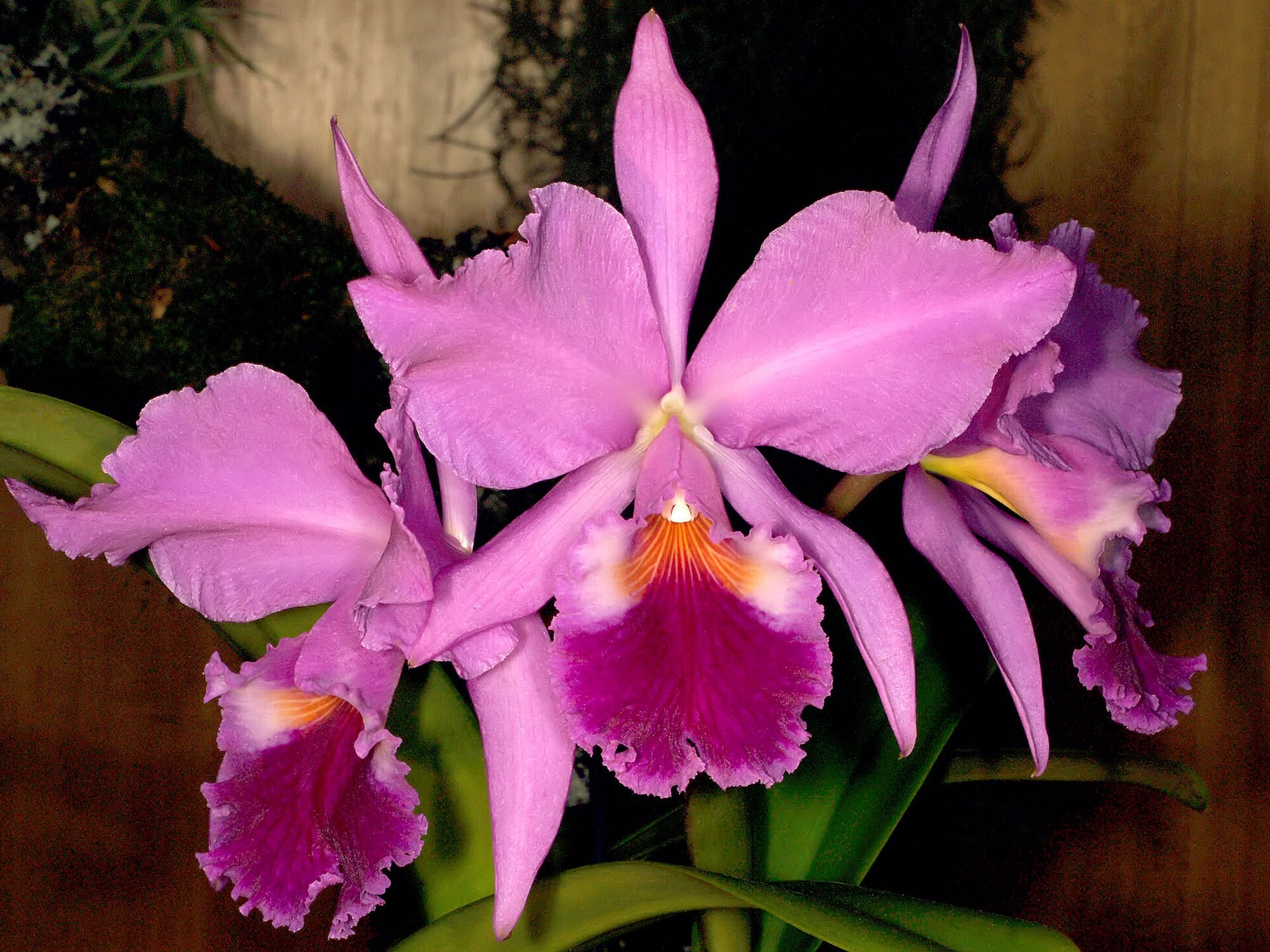
Cattleya Orchid
Cattleya
Cattleya is the classic 'corsage orchid' — large, ruffled and richly fragrant, with a flamboyant frilled lip that made it the emblem of old-fashioned glamour. Blooms come in lavender, white, pink, coral and yellow, often with a contrasting throat, and their heady perfume sets them apart from most orchids. More delicate and shorter-lived than dendrobium or vanda, cattleya is used where it can be shown off: corsages, boutonnieres and luxury focal work. It remains a traditional Mother's Day flower and a byword for refined, showy beauty.
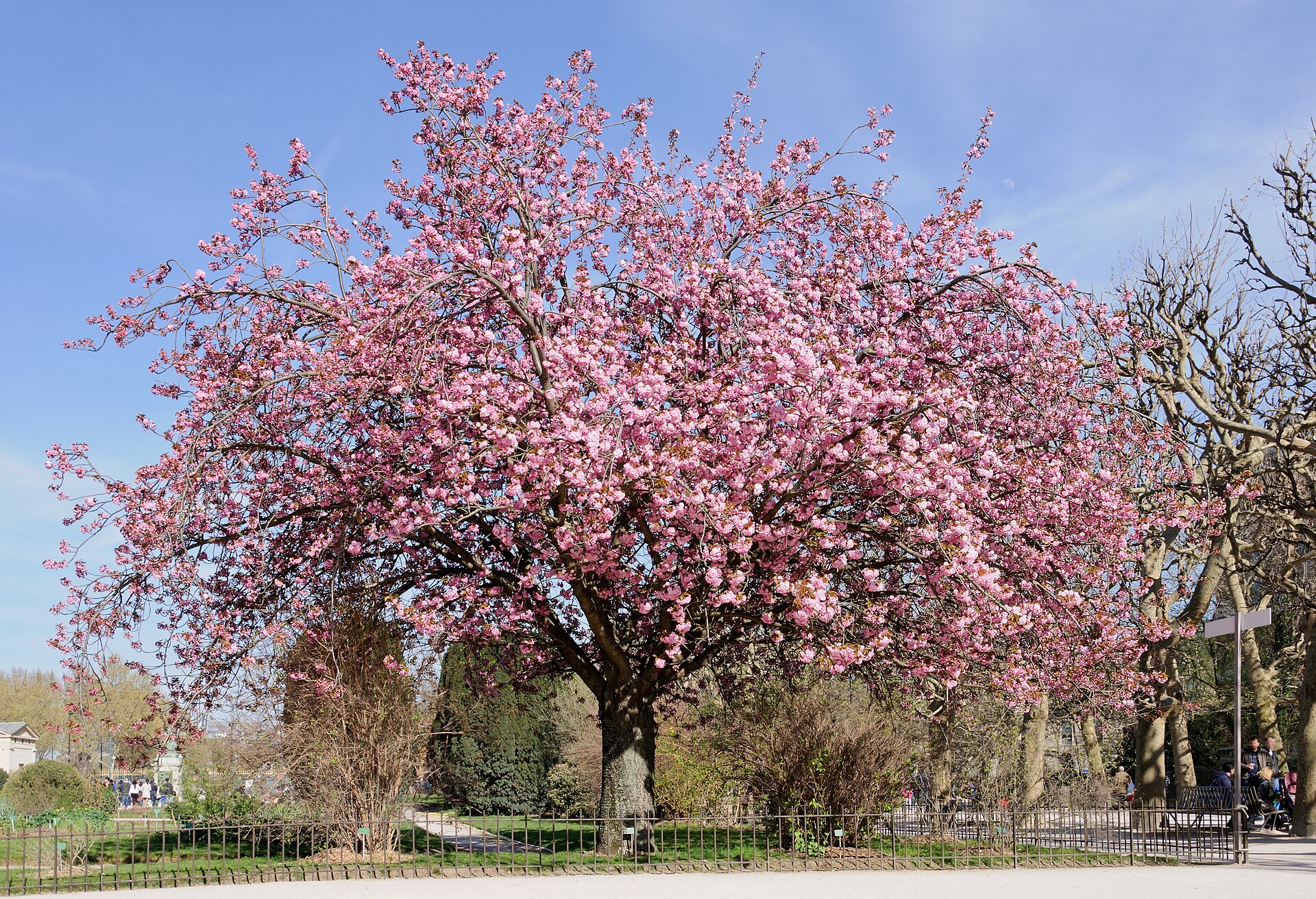
Cherry Blossom
Prunus serrulata
Cherry blossom is the fleeting emblem of spring — woody branches clouded with soft pink and white five-petalled flowers along their length. Florists treasure it for dramatic, ethereal height in luxury weddings, ceiling installations and grand arrangements, where its blush-toned branches create an instant sense of romance. The bloom window is famously brief, which makes the branches feel precious and highly seasonal. Cut in bud, they can be gently forced open indoors ahead of the outdoor season.
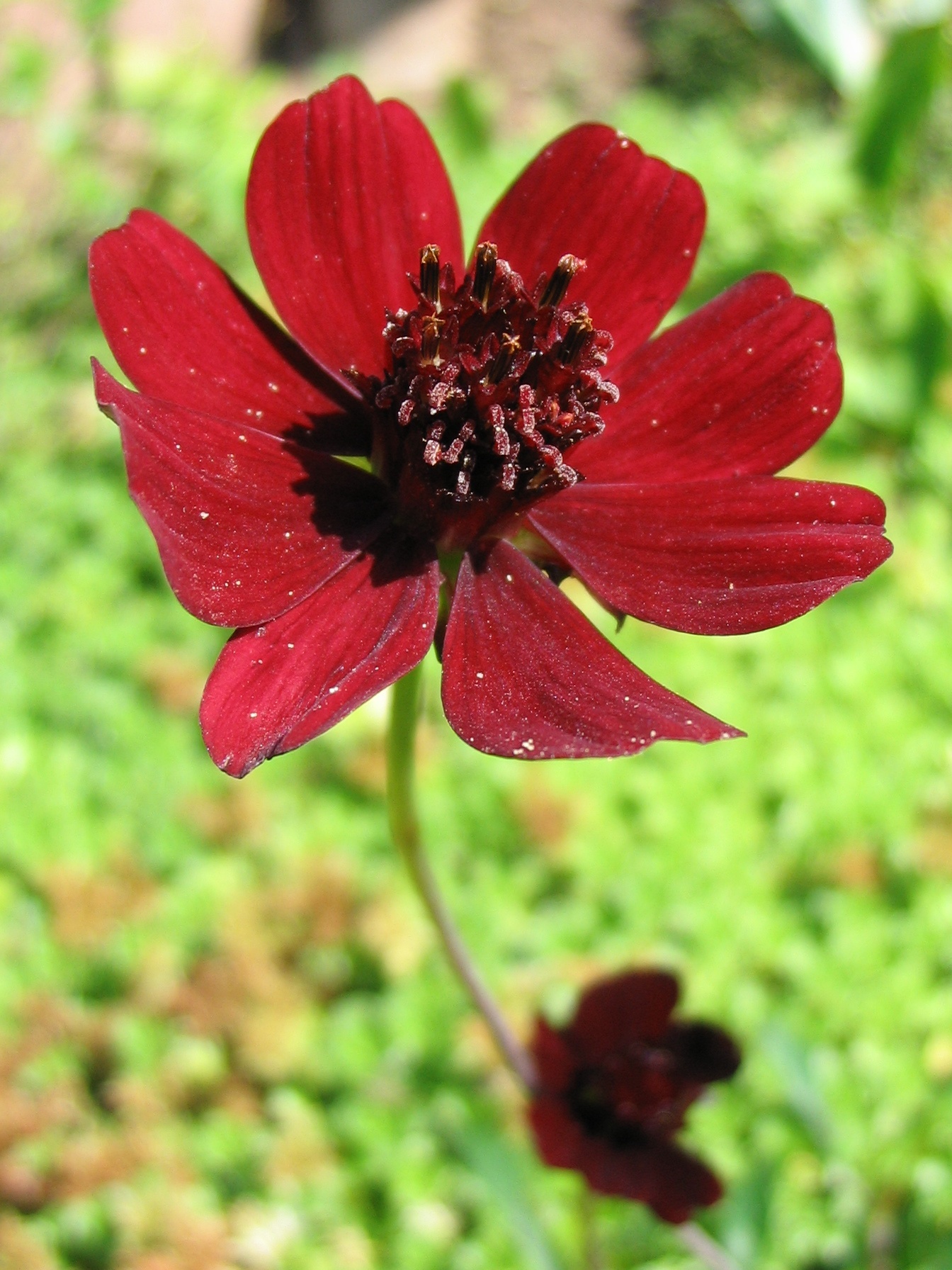
Chocolate Cosmos
Cosmos atrosanguineus
Chocolate cosmos is a coveted rarity: small, velvety daisy flowers in deep maroon-brown that carry a genuine scent of chocolate and vanilla. Florists treasure it for luxury and editorial work where its moody, near-black tone and unique fragrance set an arrangement apart. The blooms sit on fine, dark stems and read as jewel-like accents rather than mass flowers. Delicate, seasonal and premium-priced, it is a designer's flower for intimate, sophisticated palettes.
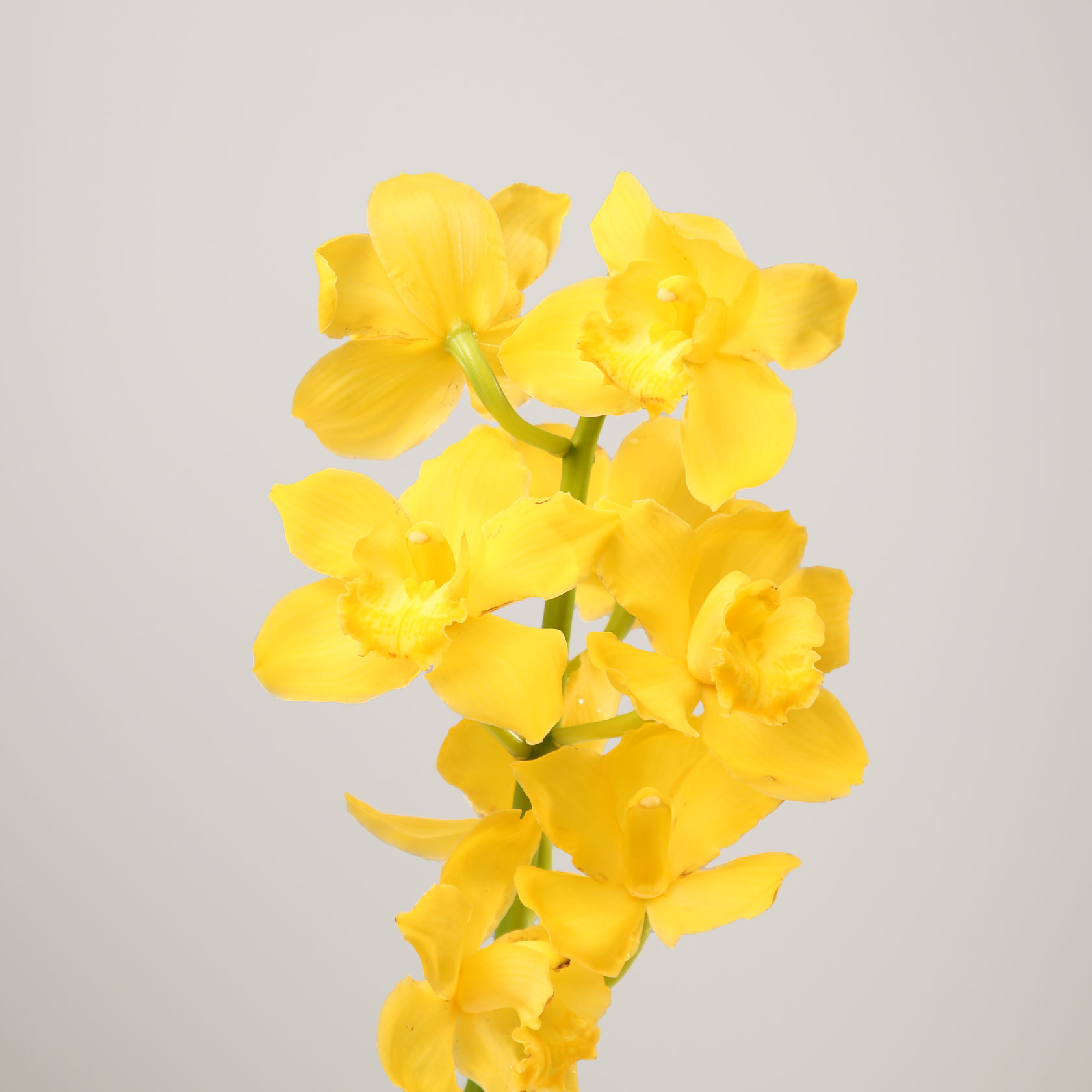
Cymbidium orchid
Cymbidium
The cymbidium is the winter orchid — a single stem carries 8–15 florets that last a full month once cut. Green cymbidiums with a burgundy lip are the editorial designer's favourite. Each floret can be broken off and wired for corsage or cake decoration, extending the value of a single stem across a whole event.
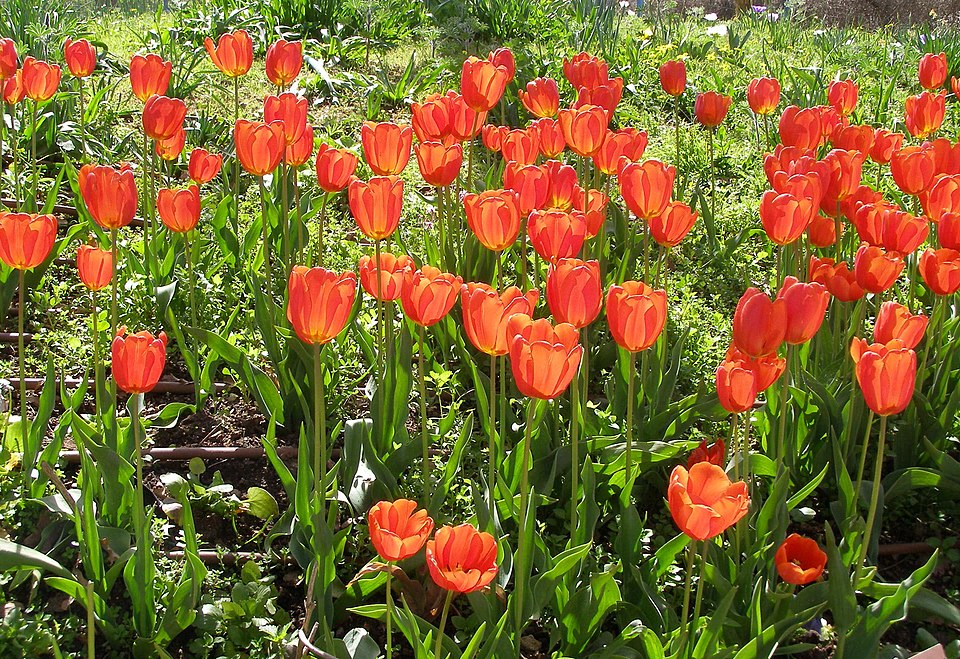
Double tulip
Tulipa (double-flowered varieties)
Double tulips — often marketed as 'peony tulips' — carry a peony-shaped bloom on a tulip stem. During the peony gap (July–April in the northern hemisphere), double tulips are the closest substitute at a fraction of the cost. La Belle Époque is the wedding favourite: dusty peach fading to cream.
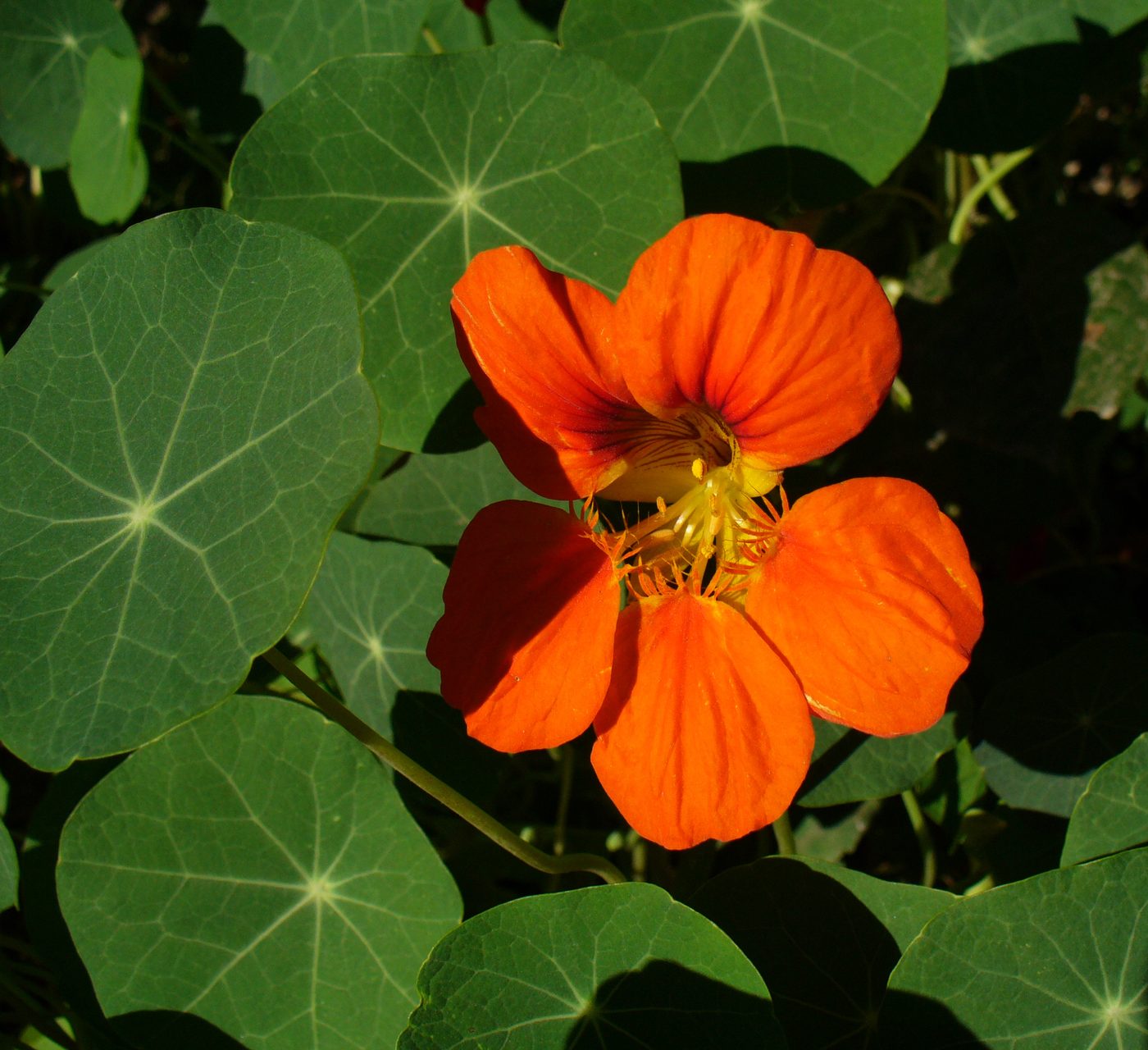
Garden nasturtium
Tropaeolum majus
Nasturtium is the vining, edible flower of the garden-to-cake movement — peppery petals used in salads and on wedding cakes, round shield-leaves as textural interest, trailing stems that cascade over bouquet edges. Fragile and hyper-seasonal; buy from local farms during summer only.
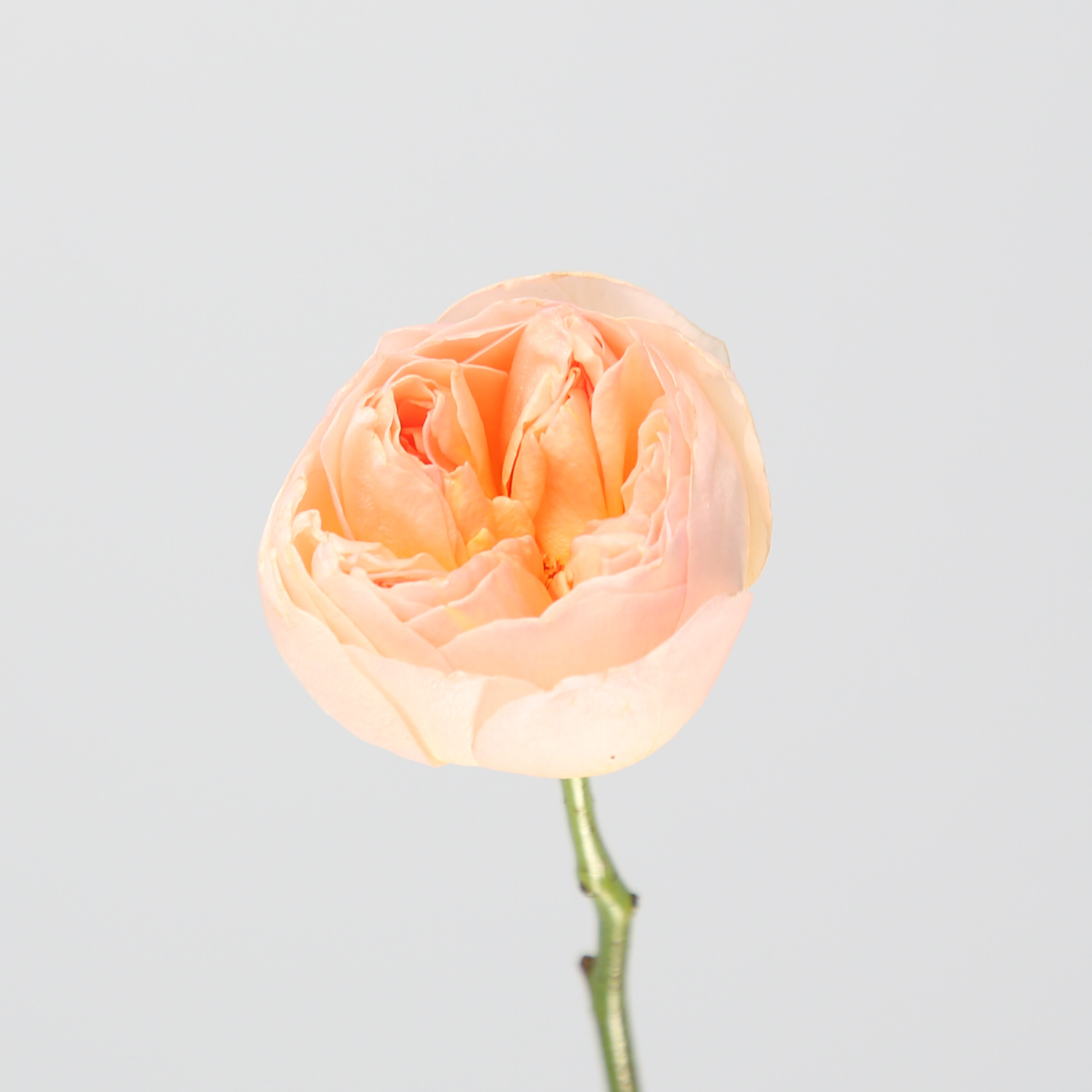
Garden rose
Rosa (David Austin & similar)
Garden roses combine the fullness of old European varieties (60–120 petals) with the disease resistance and vase life of modern cut roses. David Austin's cut collection dominates the wedding market: Juliet (peach), Keira (blush), Patience (cream). Compared to standard commercial roses, garden roses have a larger, cupped head, subtle fragrance, and a shorter vase life. In a bouquet they play the role of the focal centre — the flower the eye lands on first.
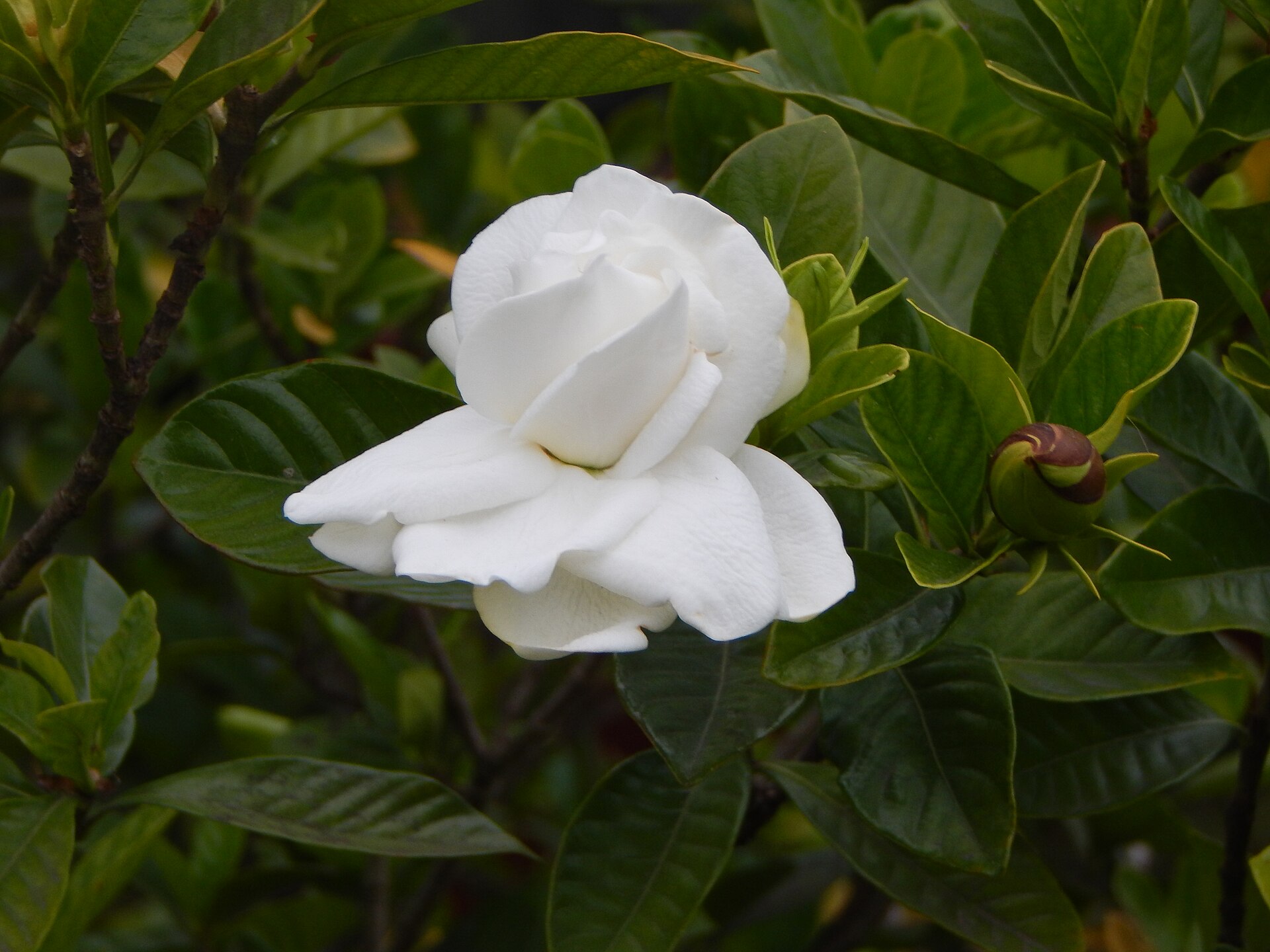
Gardenia
Gardenia jasminoides
Gardenia is a glossy-leaved evergreen shrub prized for its ivory, rose-form blooms and one of the richest fragrances in floristry. Its creamy, tightly furled petals bruise to brown at the lightest touch, so it is reserved for high-end work where its perfume and elegance justify the care. Florists use single blooms in corsages, boutonnieres and bridal bouquets, often wired and backed with the plant's own dark foliage. Nothing else delivers the same heady scent and jewel-like white form.
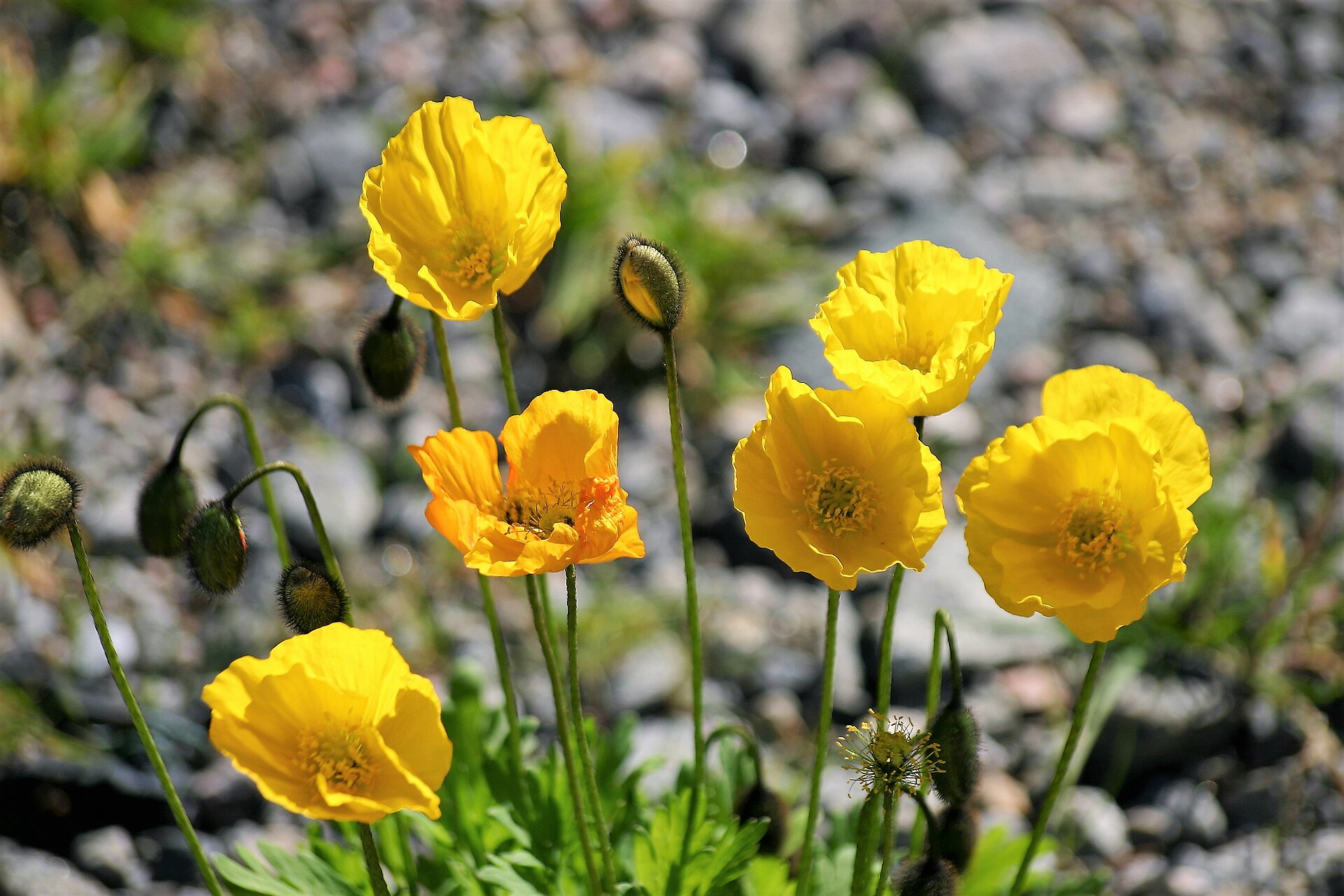
Iceland Poppy
Papaver nudicaule
The Iceland poppy is the florist's beloved poppy — wiry stems topped with tissue-thin, crepe-petalled cups in sherbet shades of apricot, peach, lemon and blush. Prized for editorial and fine-art wedding work, it brings movement and a hand-painted delicacy nothing else quite matches. Its glory is fleeting: even well conditioned, blooms last only a few days, and stems must be seared to survive cutting. Buy in bud and let the papery sheath crack open in the vase for the longest show.
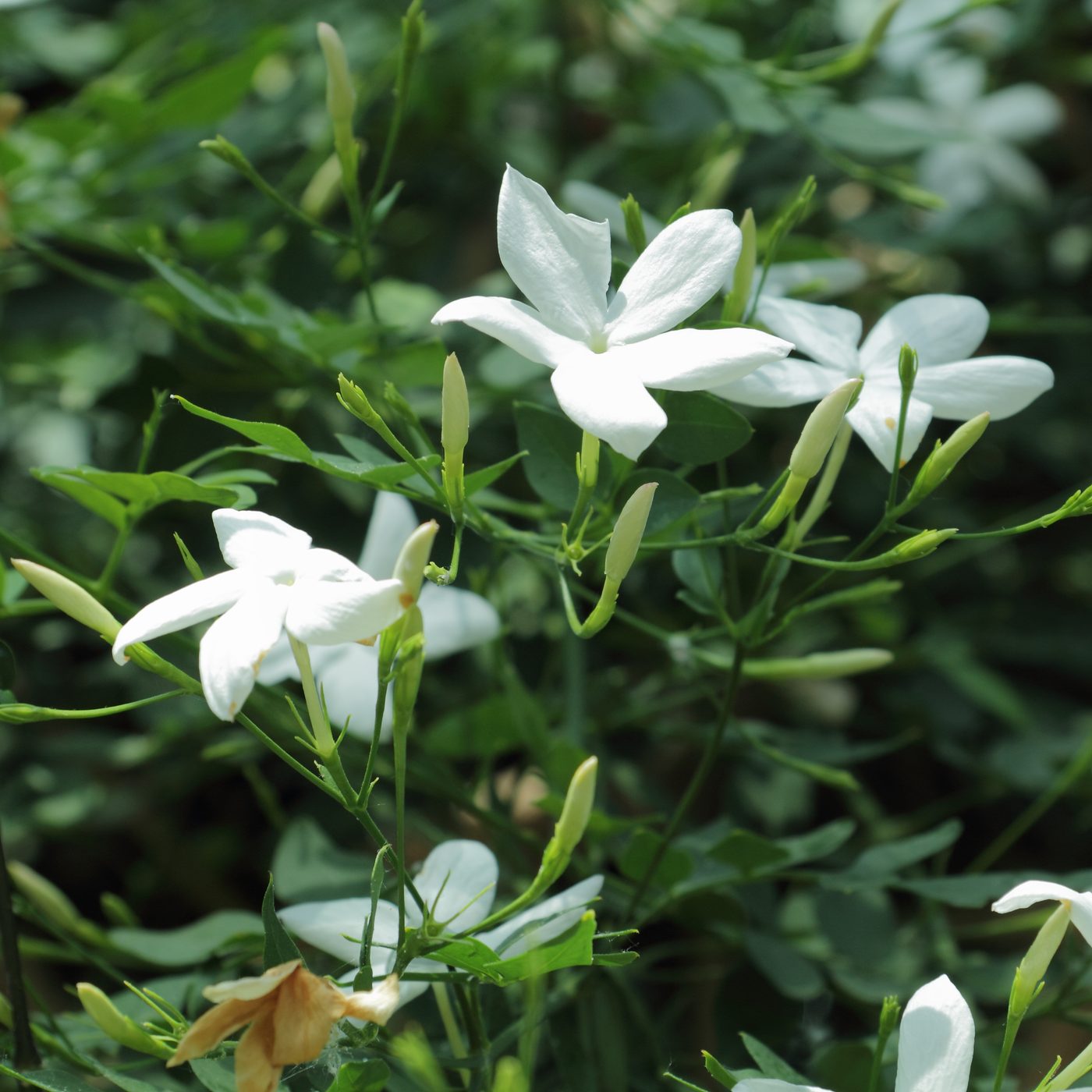
Jasmine
Jasminum
Jasmine's fragrance is one of the most powerful in the flower world — a single sprig can perfume a room. Vining stems are used extensively in Indian and Arabic bridal traditions, threaded into hair and worn around wrists. Short vase life (3–5 days) makes it strictly an event-day flower; plan accordingly.
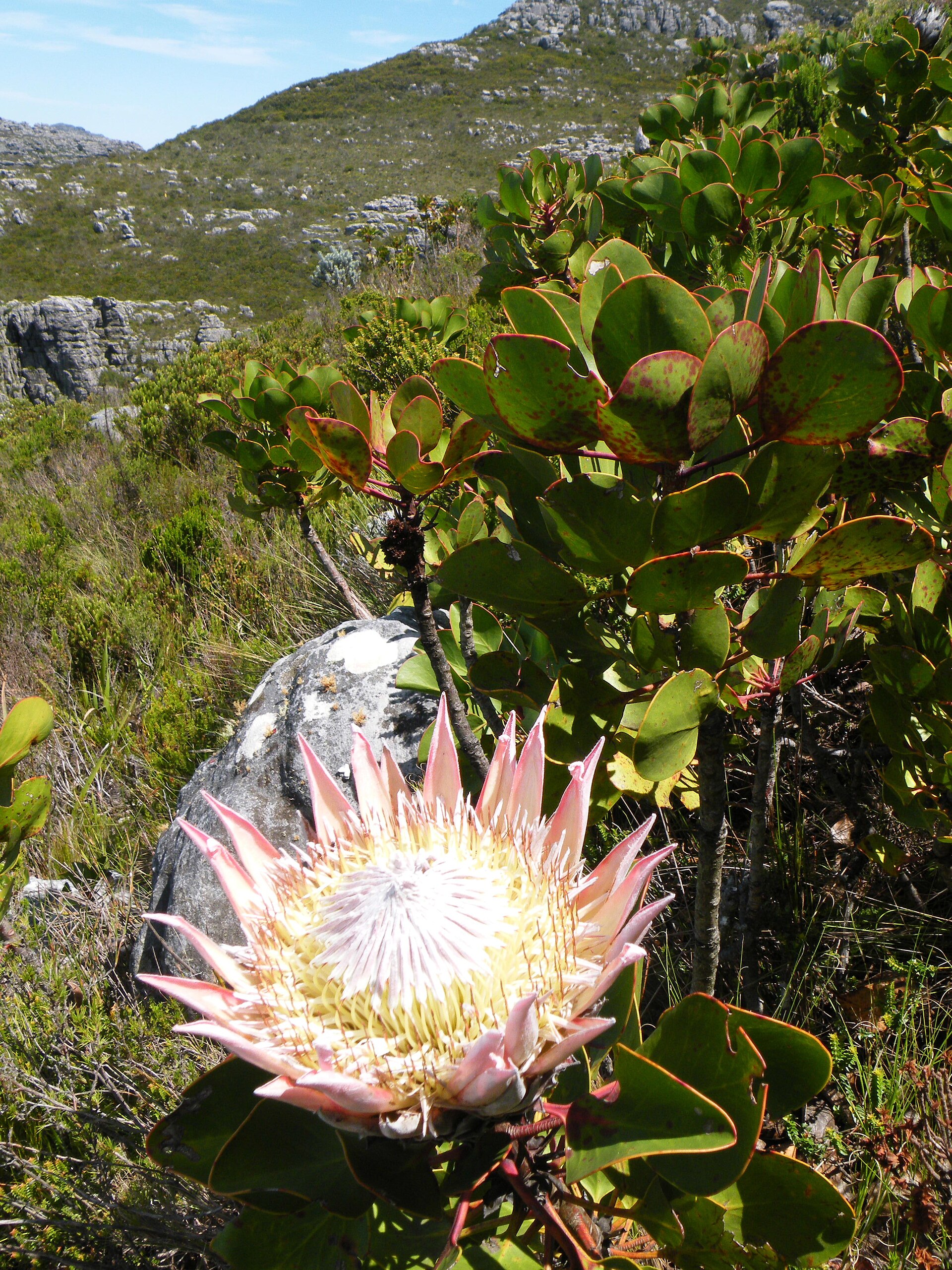
King Protea
Protea cynaroides
The King Protea is the largest of all proteas and the national flower of South Africa, crowned by a bowl of stiff, pointed bracts around a dense central cone. Florists prize it as a bold, architectural focal flower that anchors modern, luxury and autumnal designs. A single bloom can carry an entire arrangement, and its woody stem gives an exceptionally long vase life. It also dries beautifully, holding its sculptural shape for months.
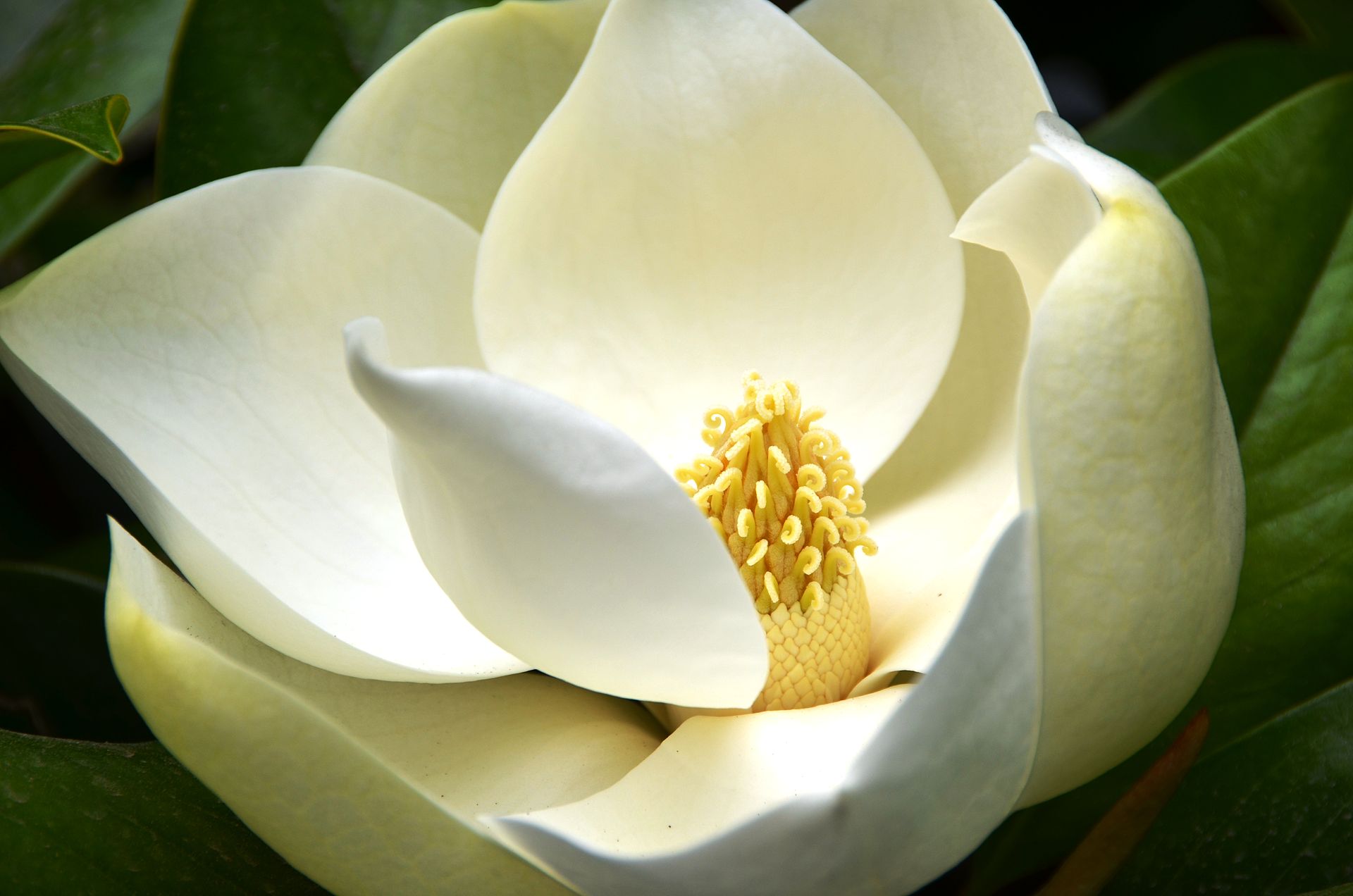
Magnolia
Magnolia grandiflora
Magnolia grandiflora is a stately evergreen tree offering two gifts to florists: enormous, lemon-scented cream flowers and thick, glossy leaves backed with suede-brown felt. The blooms are among the most fragrant and architectural focals available, while the branches and foliage anchor large-scale installations and wreaths year-round. Cut flowers open quickly and are fleeting, so they are used at their moment of glory in luxury and event work. Few materials bring the same sculptural presence and Southern-garden grandeur.
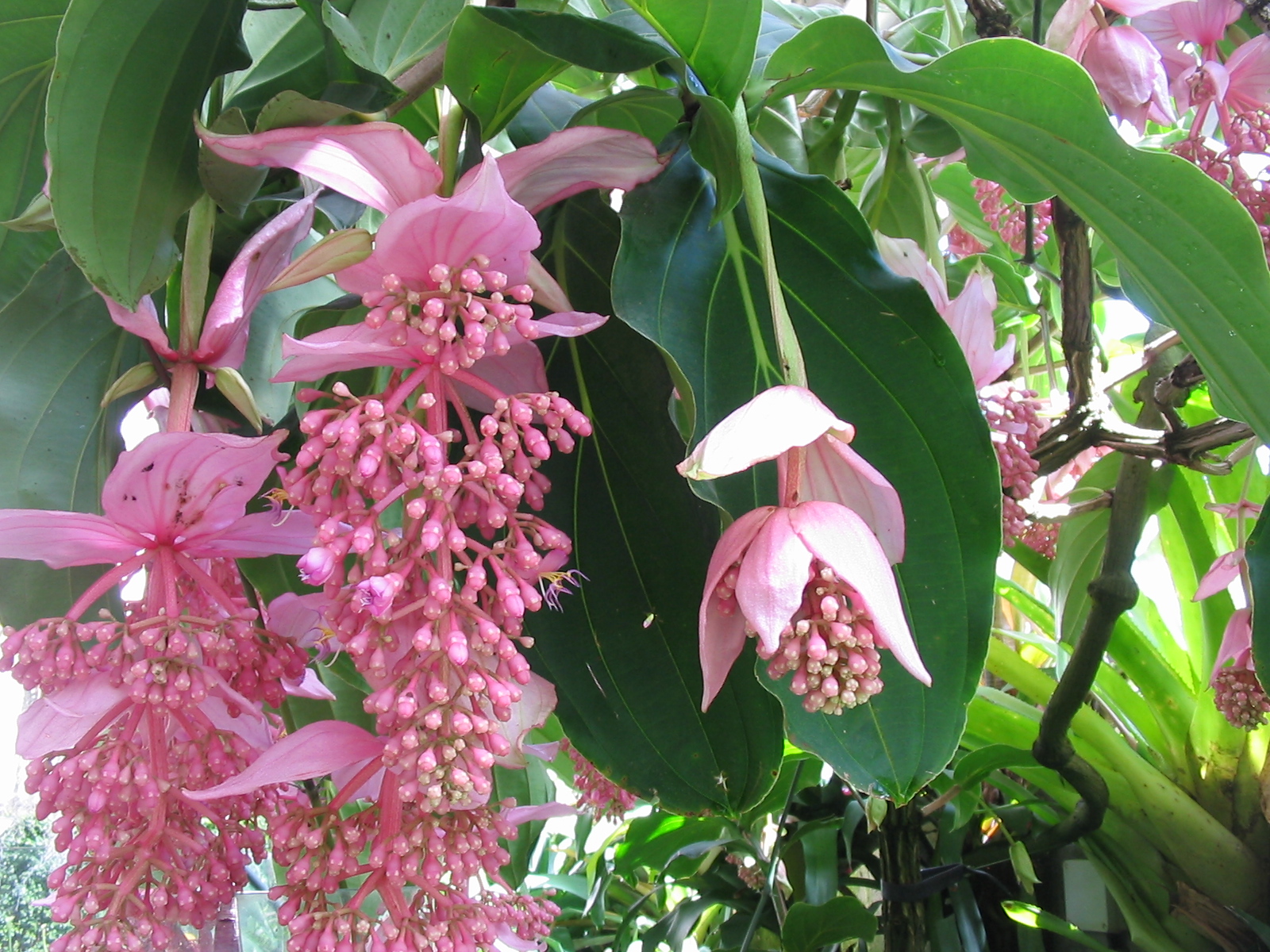
Medinilla
Medinilla magnifica
Medinilla is a spectacular tropical showpiece prized for its cascading panicles of coral-pink flowers cradled by large papery bracts, resembling a chandelier of grapes. Native to the humid mountain forests of the Philippines, it is grown as a specialty cut and commands a premium price. Florists reach for it when a design needs a single, unforgettable focal with pendulous movement — it suits luxury and tropical weddings and high-end editorial work. Its drama comes at a cost: it is delicate, chill-sensitive and best featured on its own rather than crowded into mixed arrangements.
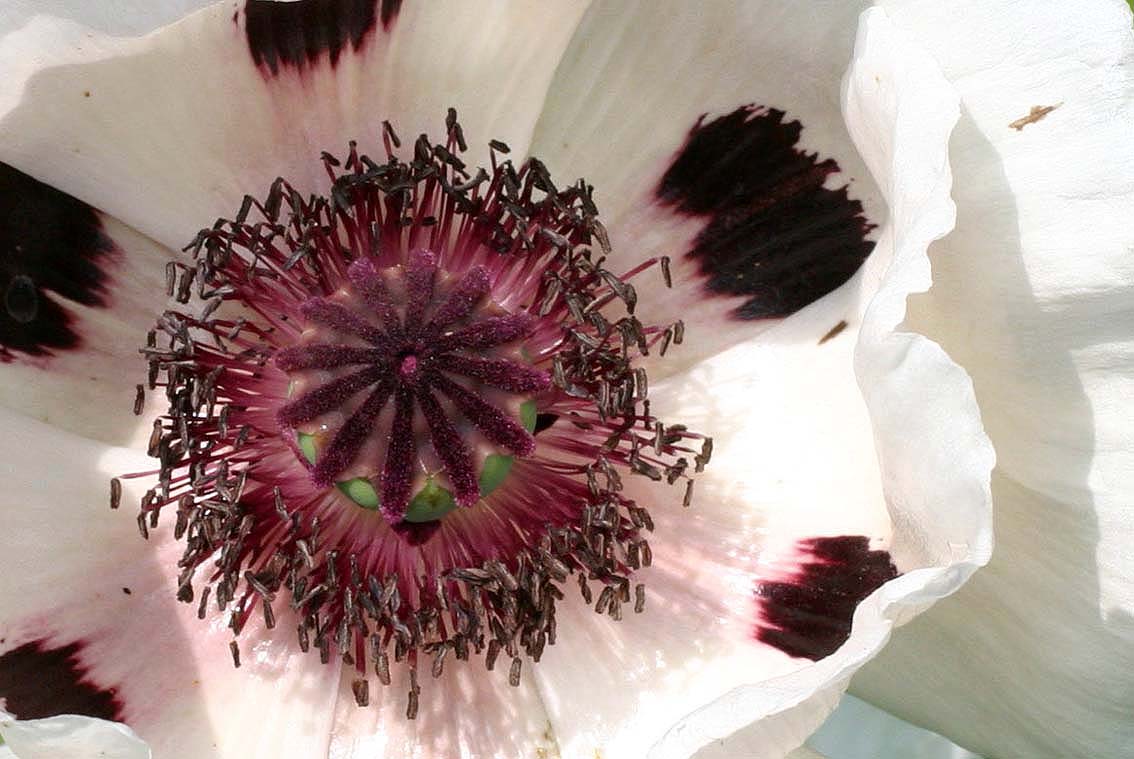
Oriental Poppy
Papaver orientale
Oriental poppy is the big, blowsy garden poppy — enormous silky bowls of scarlet, coral or blush cradling a boss of near-black stamens. Dramatic and painterly, it is a coveted focal for garden-style and editorial work but is almost never sold commercially because of its brief vase life. Cut it at dawn in tight bud and sear the stems, or the flowers collapse within hours. When they do perform, few blooms are as arresting.
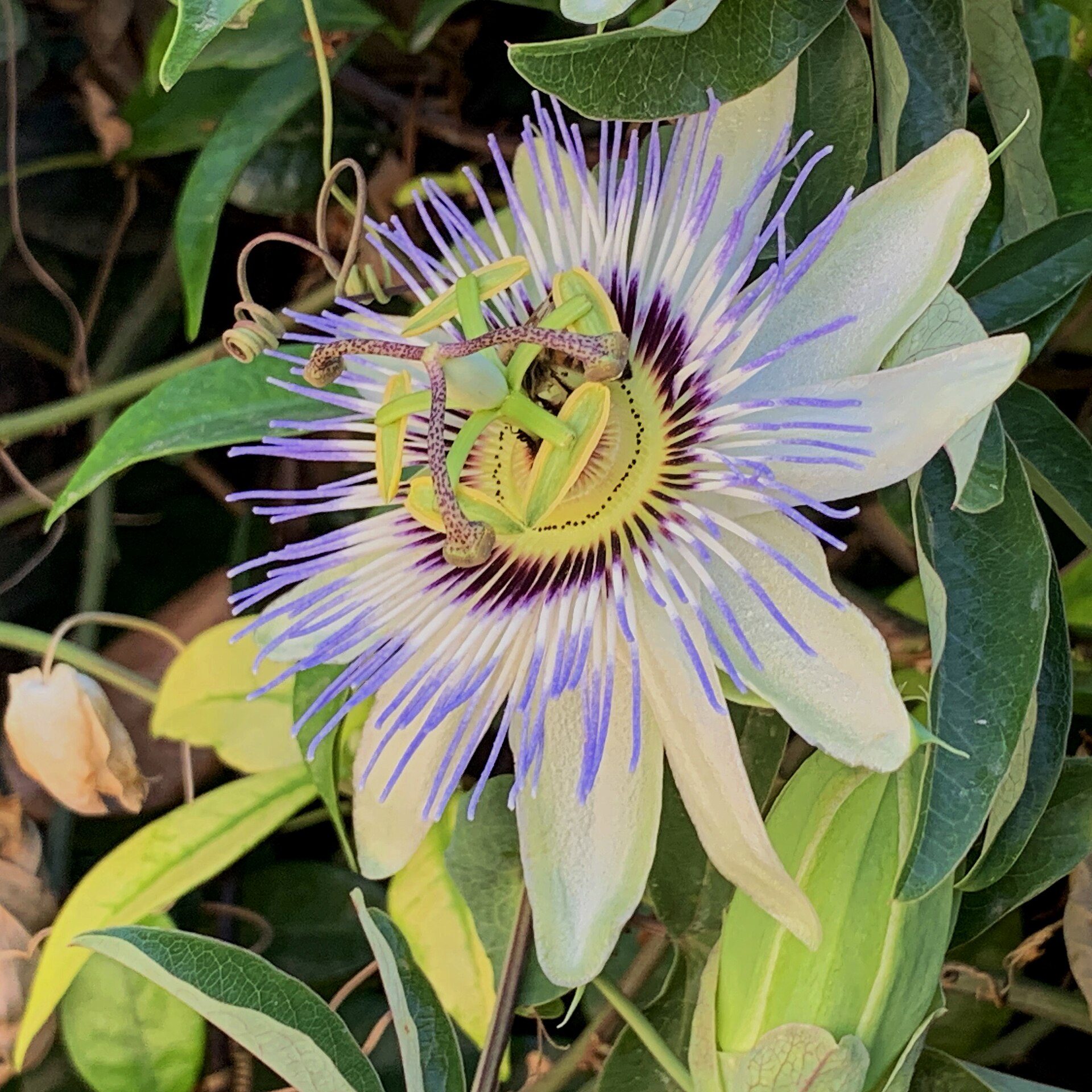
Passionflower Vine
Passiflora caerulea
The passionflower vine (Passiflora caerulea) is grown for its intricate, otherworldly blooms and curling tendrils. Florists use its foliage and tendrils for exotic movement in editorial and garden-style work, with the striking purple-and-white flowers as a fleeting focal accent. Each flower lasts only a day, so it is a specialist, high-impact material rather than a workhorse. Its symbolism of faith and passion adds meaning to romantic designs.
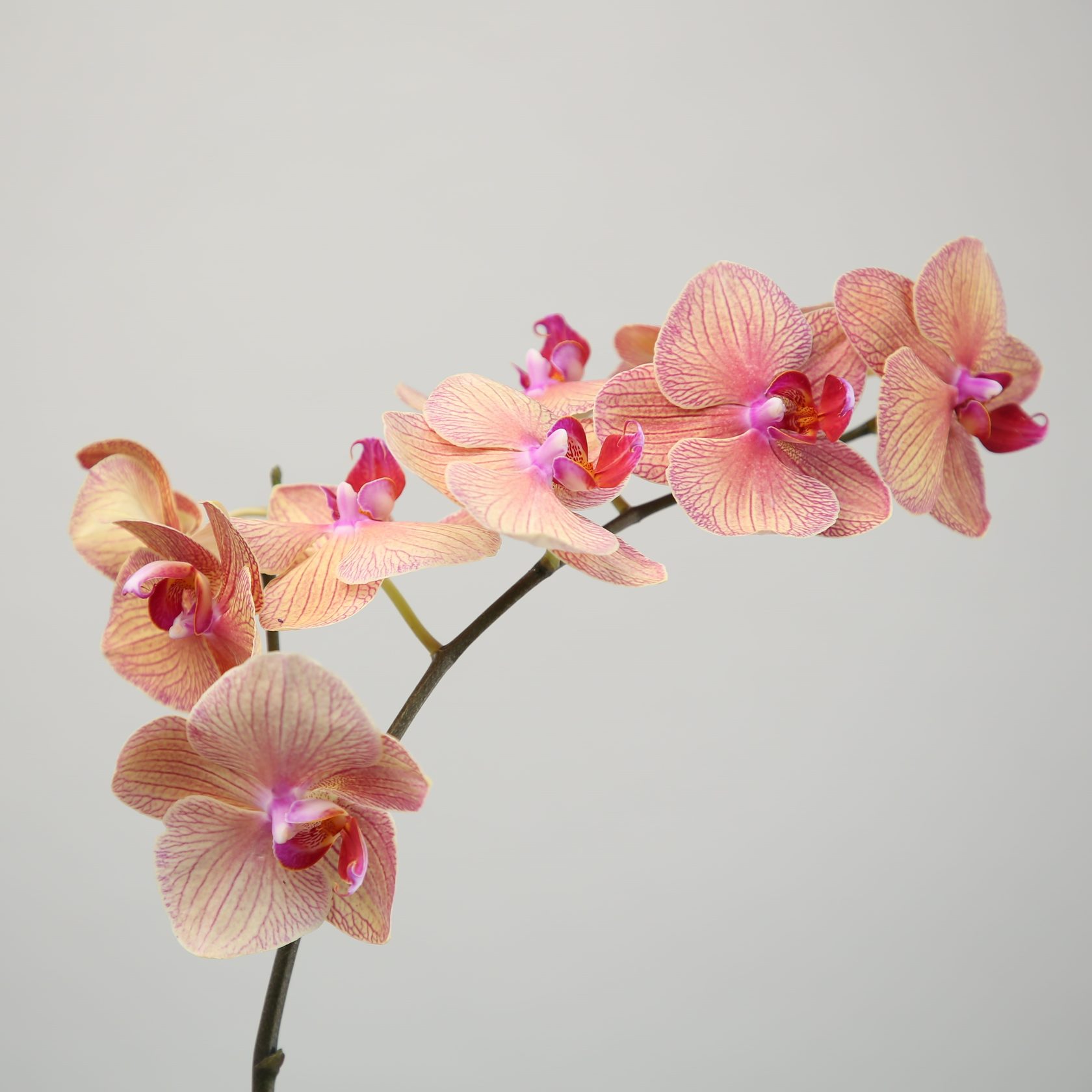
Phalaenopsis orchid
Phalaenopsis
The phalaenopsis is the flower of high-end hotel arrangements and luxury weddings. Individual florets can be wired for buttonholes, cake work, or delicate hair pieces. Standard commercial colours are white and pink; specialty growers produce lime, chocolate, and heavily spotted 'harlequin' varieties. Cut stems can arch elegantly over the edge of an arrangement.
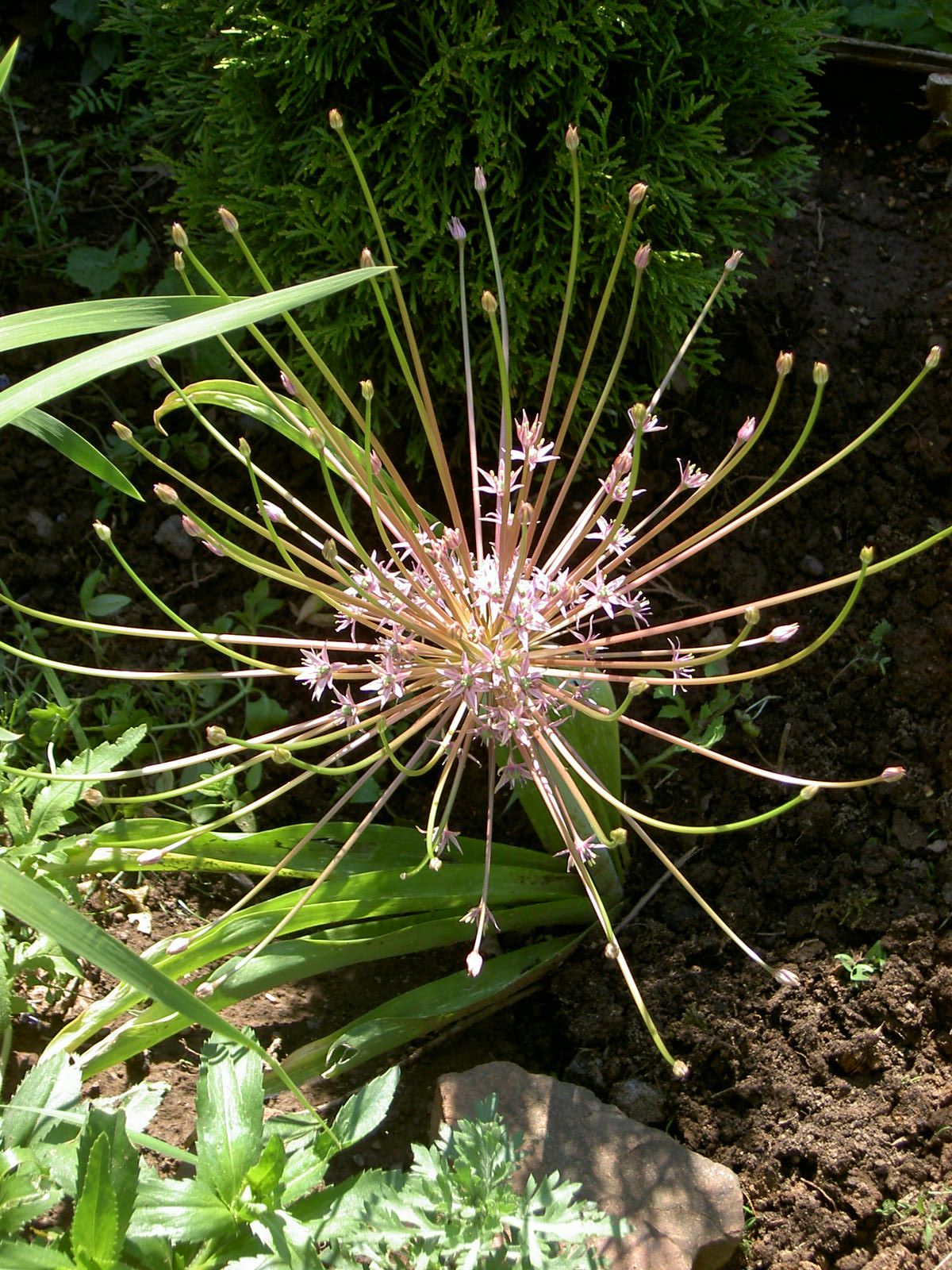
Schubert Allium
Allium schubertii
Schubert allium is the most spectacular of the ornamental onions, forming a vast exploding sphere of purple-pink florets on stalks of varying length, like a frozen firework. The airy, up-to-a-foot-wide head makes an instant sculptural focal point in modern and editorial designs. It lasts for weeks fresh and dries beautifully, holding its dramatic starburst form for months. Florists use it to add scale, architecture and a sense of drama to installations and statement arrangements.
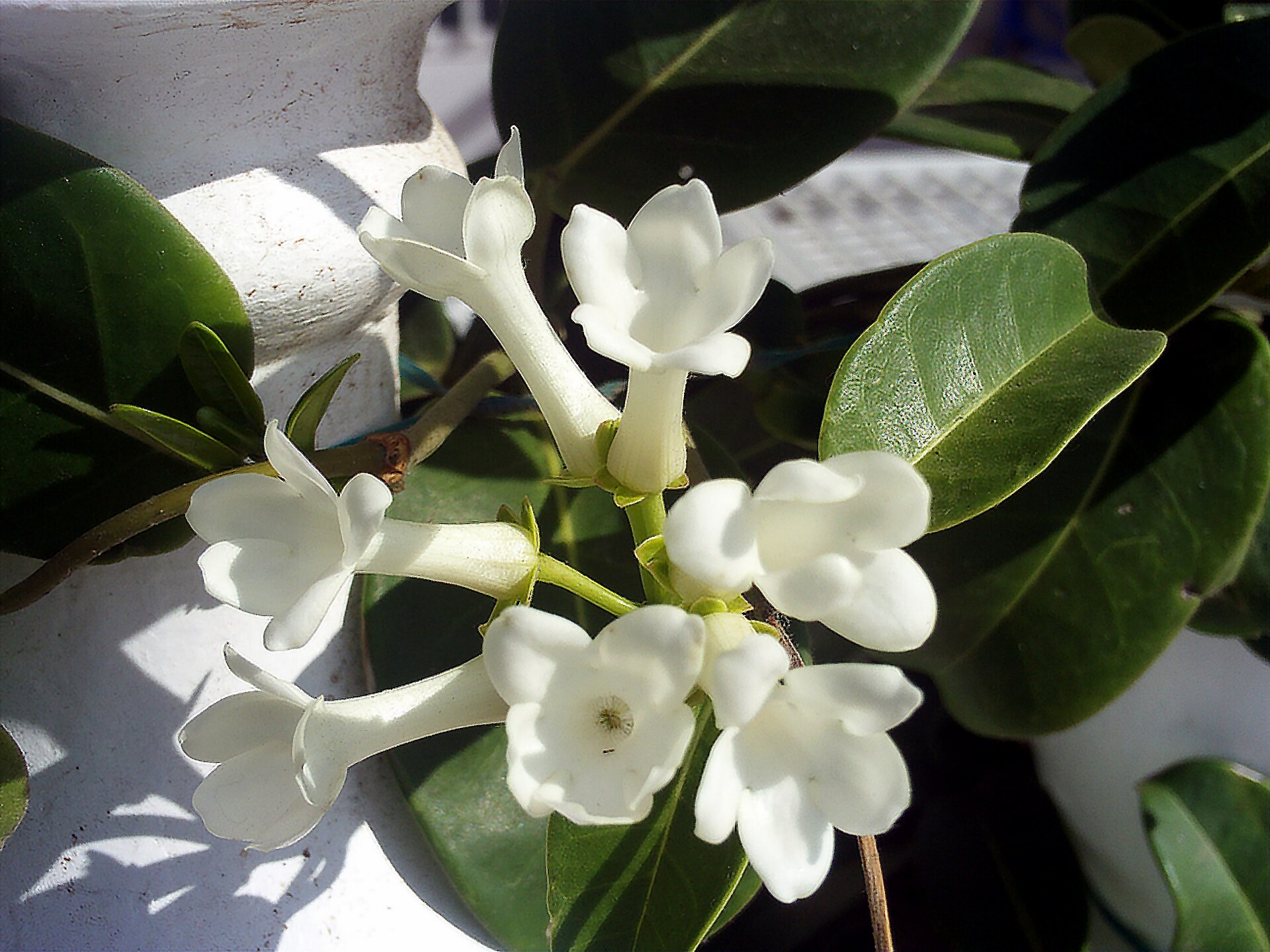
Stephanotis
Stephanotis floribunda
Stephanotis is a fragrant Madagascan vine whose pure-white, waxy trumpets are among the most cherished flowers in bridal work — hence the name 'bridal wreath'. The starry florets are usually sold as individual blooms and wired by hand into bouquets, headpieces and buttonholes for a jewel-like, perfumed detail. They are demanding: delicate, short-lived off the vine and requiring patient wiring. In return they give an unrivalled combination of purity, perfume and old-world wedding romance.
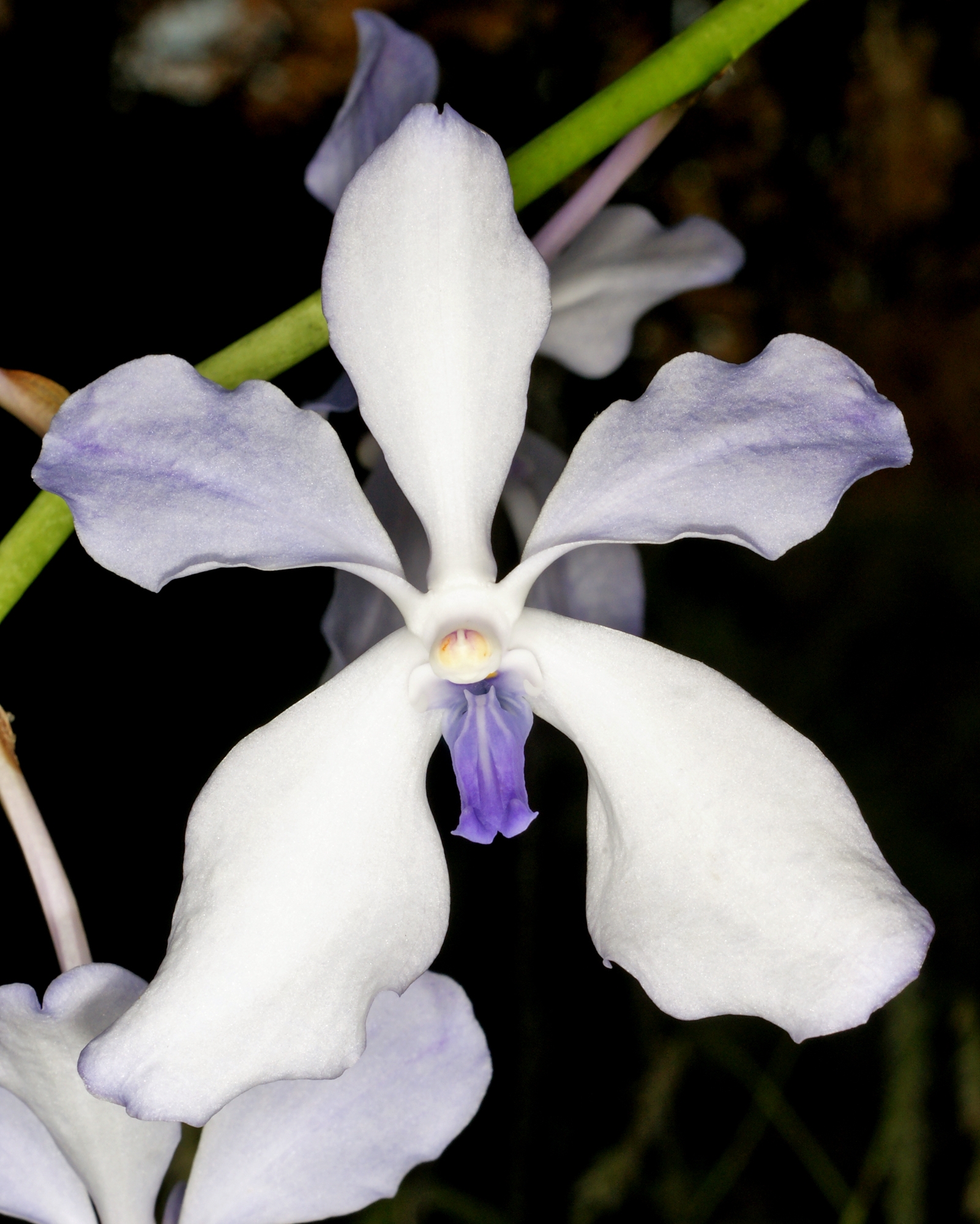
Vanda Orchid
Vanda
Vanda orchids are among the most coveted of all cut orchids, famous for the electric blue and violet lattice of Vanda coerulea and its hybrids — colours almost unheard of elsewhere in the flower world. Each thick stem carries a row of large, flat, jewel-toned blooms with remarkable substance and vase life. A true statement flower, vanda anchors luxury and editorial designs and dazzles in modern, minimal work. Its rarity and saturated colour place it firmly at the premium end of the orchid spectrum.