Flowers in season in April
83 flowers at their natural peak in April — seasonal, better priced and longer-lasting. Peak varies by hemisphere and greenhouse supply.
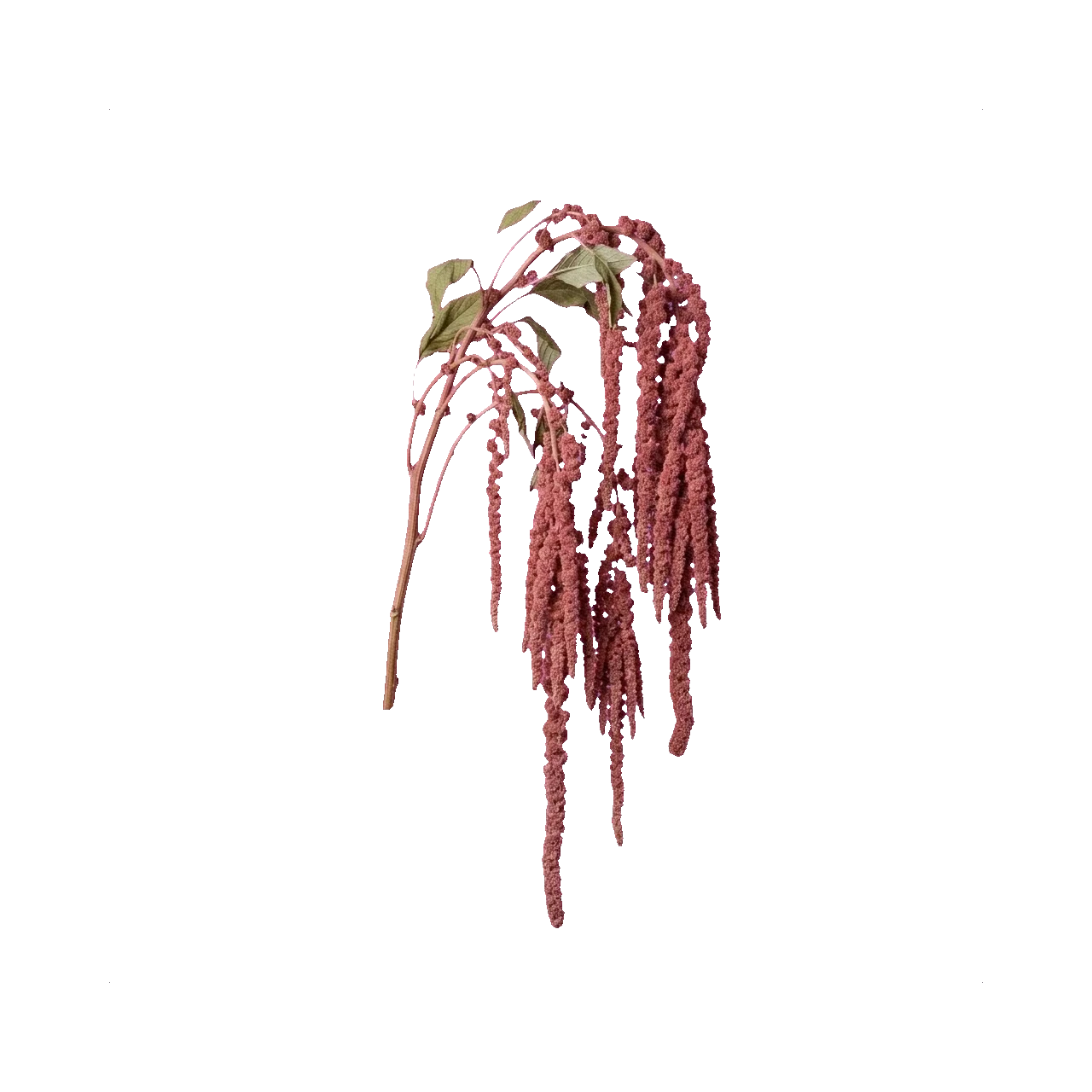
Amaranthus (preserved)
Amaranthus
Amaranthus (preserved) (Amaranthus) — a dried flower. Holds shape for months — for dried arrangements and décor.
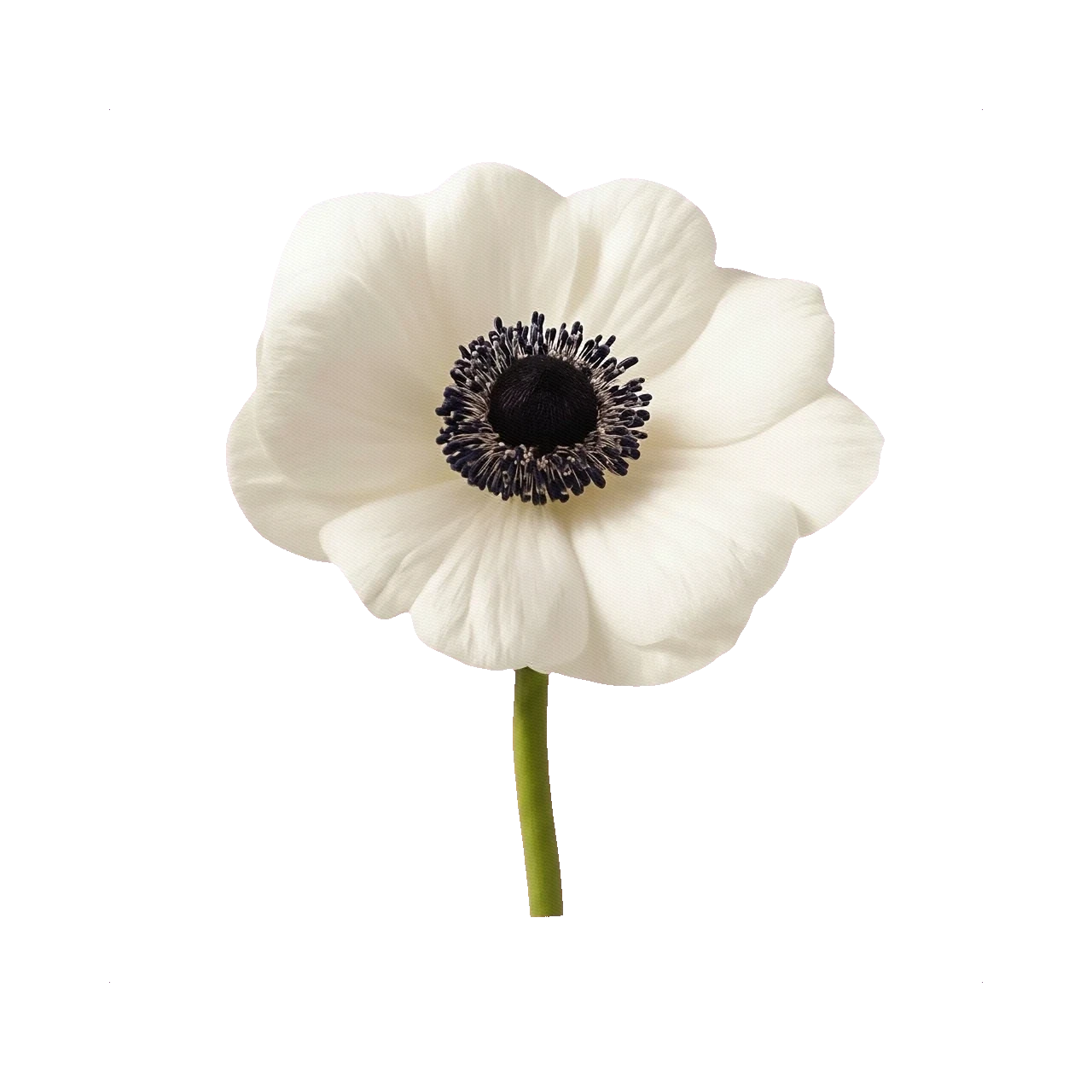
Anemone
Anemone coronaria
The anemone's dark navy or black centre against pure white, blood-red or deep purple petals is one of the strongest contrast points in commercial floristry. Italian Mistral cultivars are the premium tier — large heads, strong stems, saturated colour. Anemones photograph beautifully but are unforgiving of heat; they belong in cool spaces.

Asparagus
Asparagus
Asparagus (Asparagus) — decorative greenery. Adds backdrop, volume and line.

Bear grass
Xerophyllum tenax
Bear grass (Xerophyllum tenax) — decorative greenery. Adds backdrop, volume and line.

Beech foliage
Fagus sylvatica
Beech foliage (Fagus sylvatica) — decorative greenery. Adds backdrop, volume and line.

Brunia
Brunia
Brunia (Brunia) — a cut flower. Works well in mixed and mono bouquets.
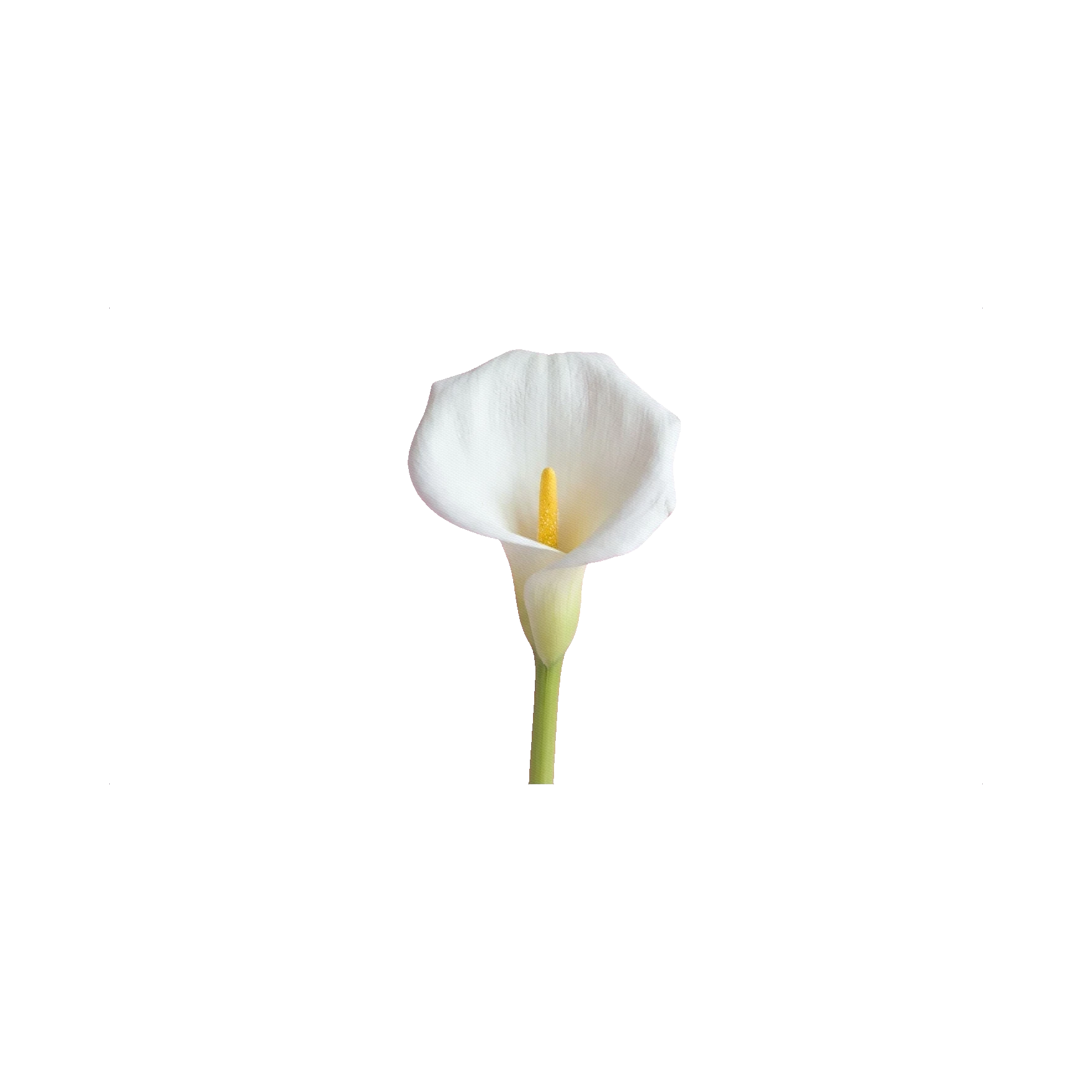
Calla lily
Zantedeschia
The calla is the sculptural flower — a single elegant curve of a spathe wrapping a yellow spadix. White callas are the classic wedding flower for minimal, modern brides; the coloured 'mini' callas (burgundy, near-black, sunset-orange) have expanded the design vocabulary. Stems curve naturally toward light — a feature to use, not fight.
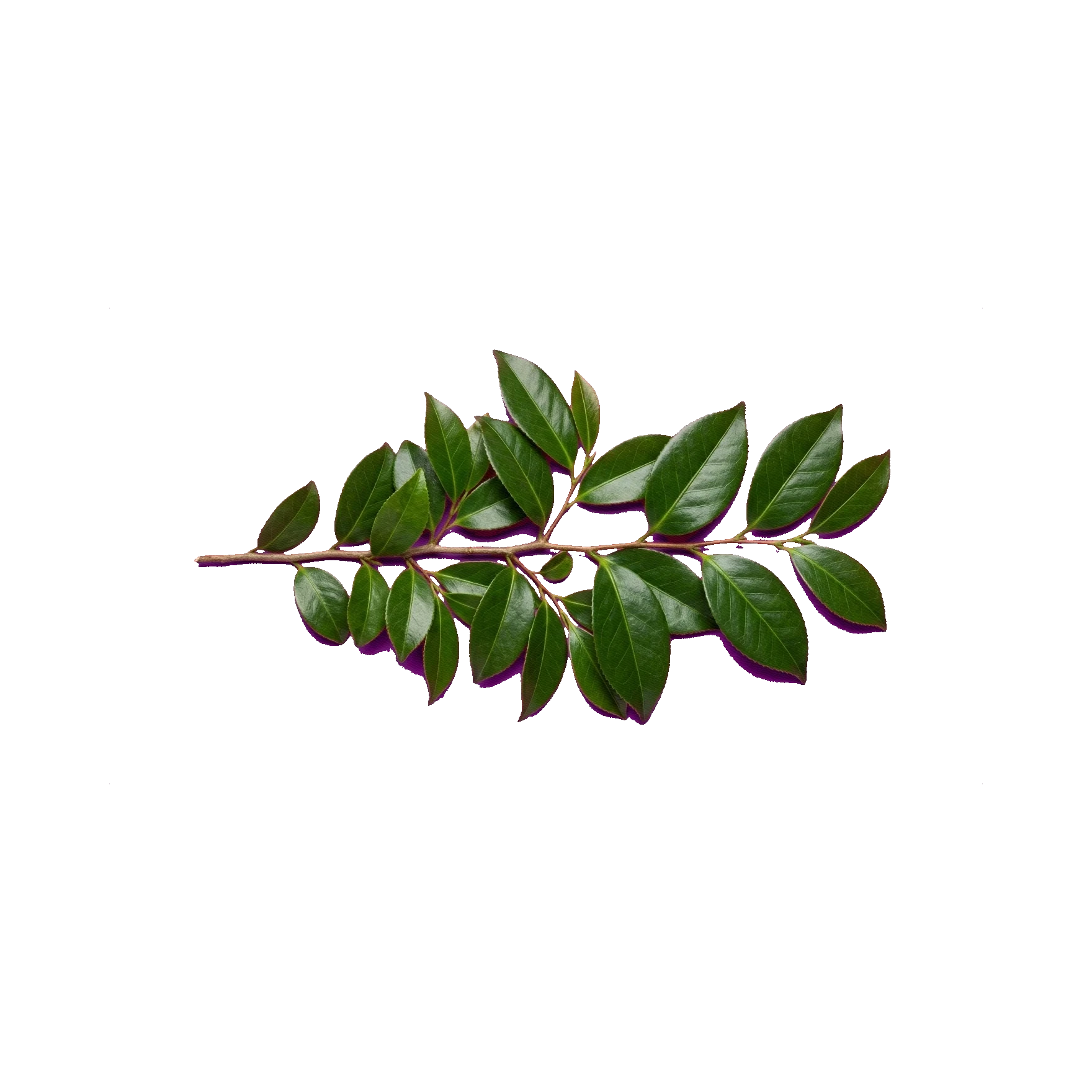
Camellia foliage
Camellia
Camellia foliage (Camellia) — decorative greenery. Adds backdrop, volume and line.
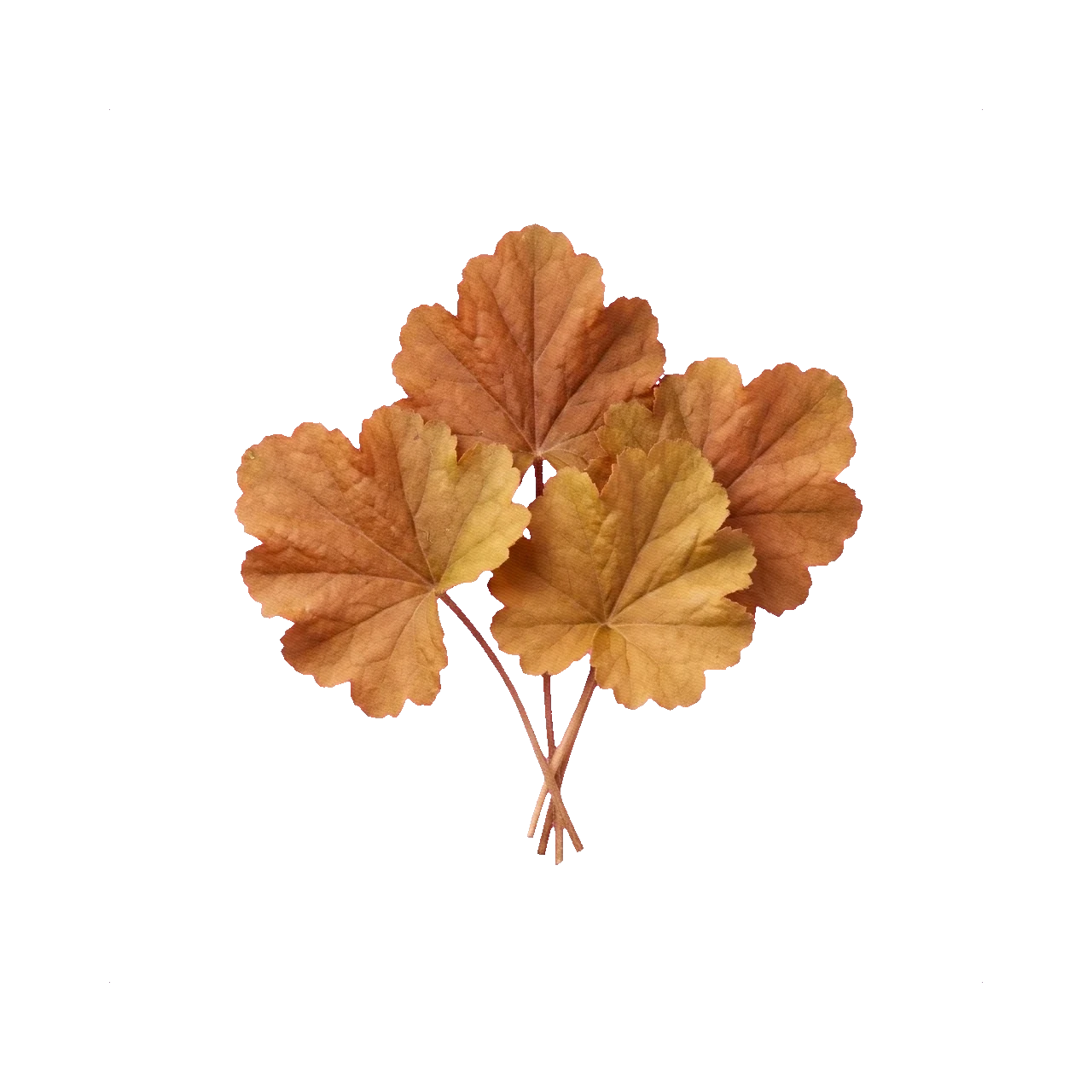
Coral bells foliage
Heuchera
Coral bells foliage (Heuchera) — decorative greenery. Adds backdrop, volume and line.

Cordyline
Cordyline
Cordyline (Cordyline) — decorative greenery. Adds backdrop, volume and line.
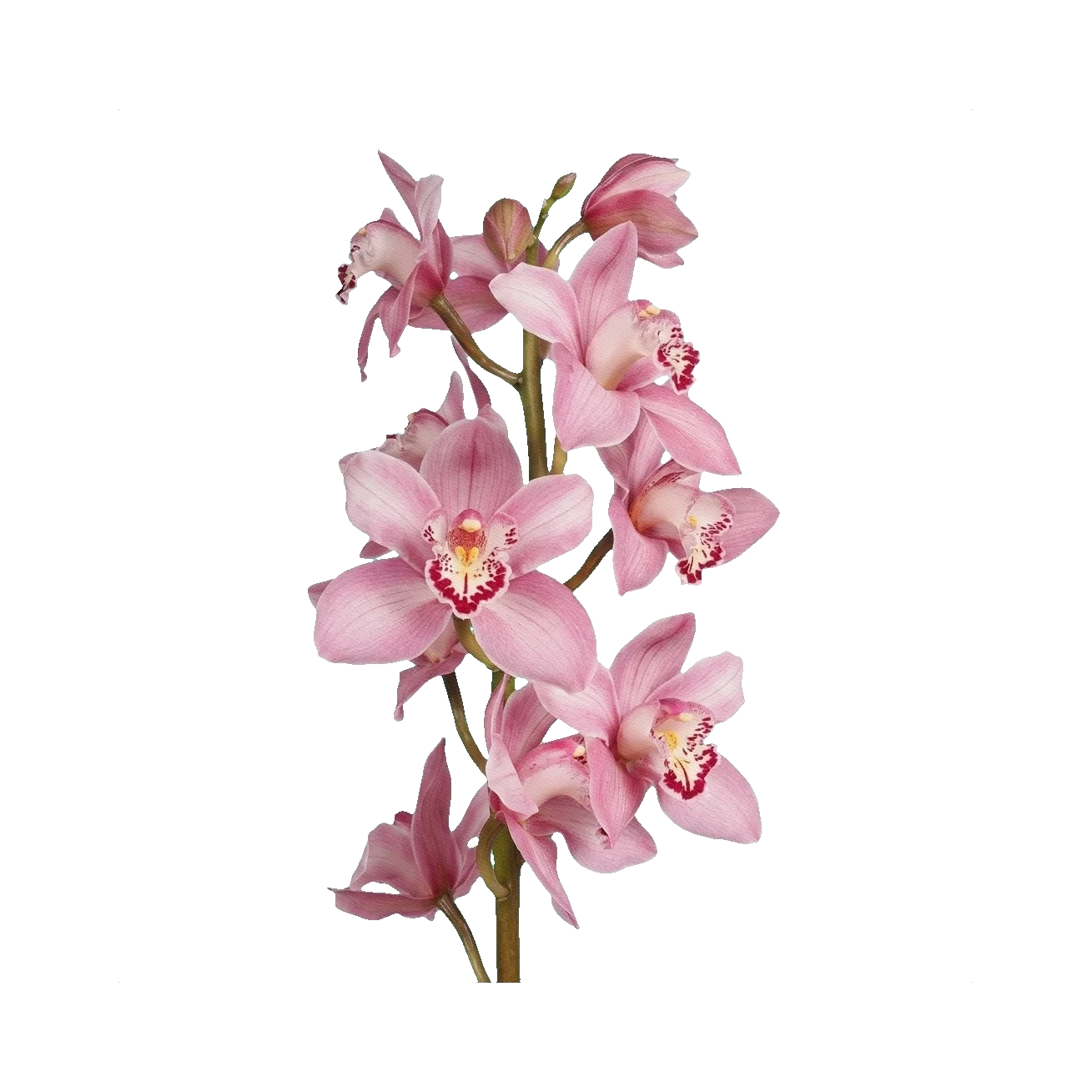
Cymbidium orchid
Cymbidium
A cymbidium orchid with waxy blooms (Cymbidium). A premium exotic accent.
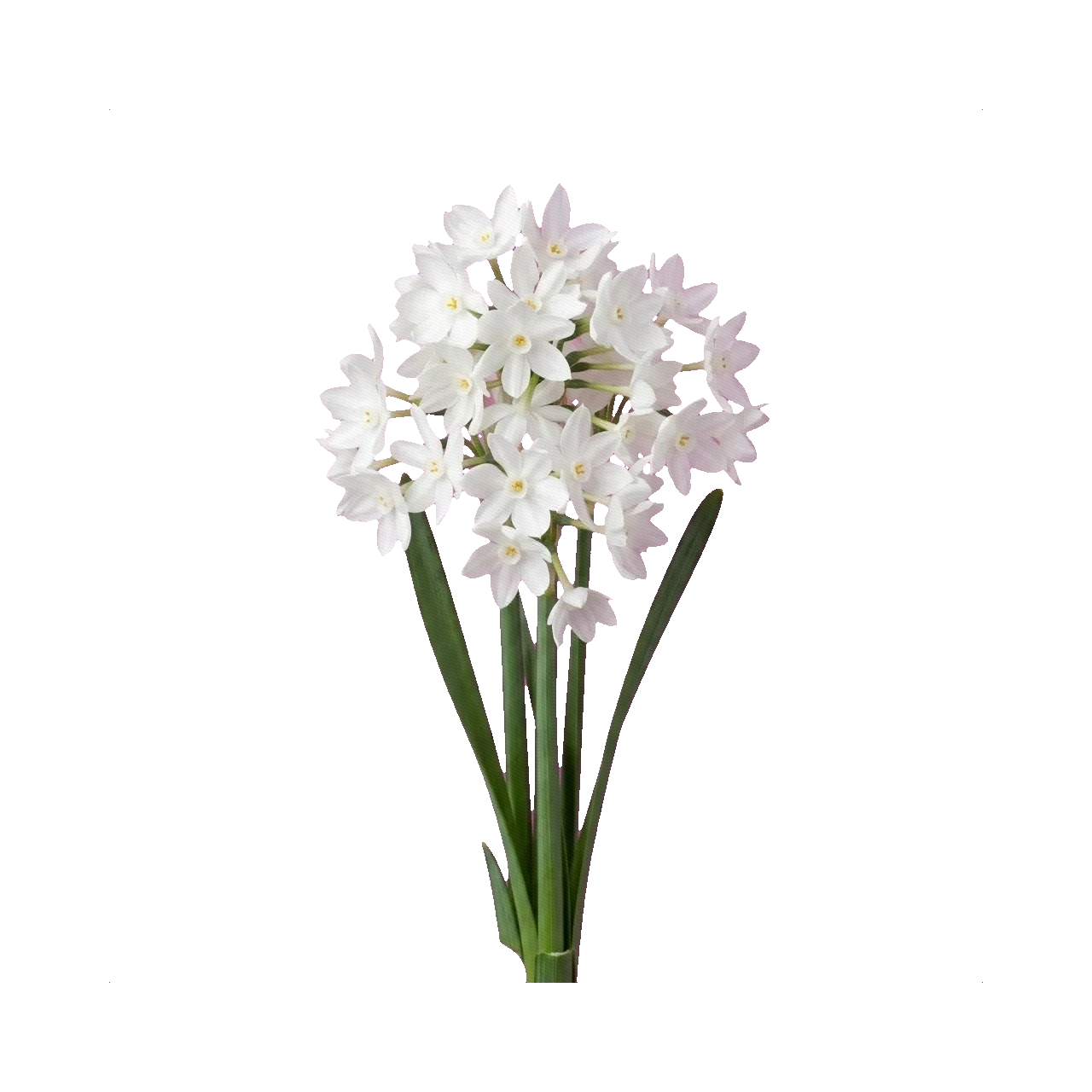
Daffodil
Narcissus
The daffodil is the first widely-recognised flower of spring — a fresh, uncomplicated shape carrying powerful cultural associations across Europe (Wales' national flower, Easter and new beginnings). Critical warning: daffodils secrete a sap that poisons other flowers in shared water; always condition alone first, then combine without recutting.
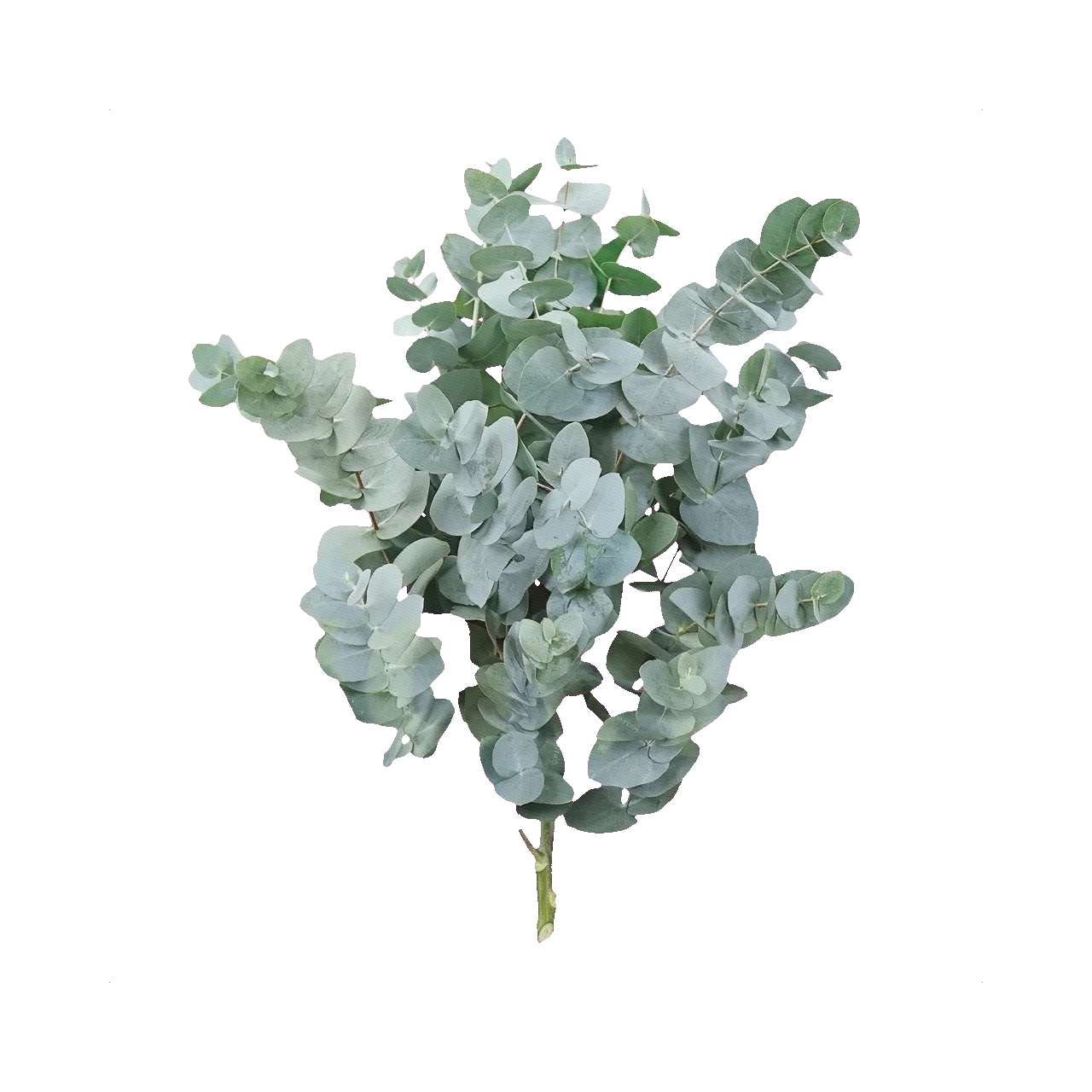
Eucalyptus
Eucalyptus
Eucalyptus — aromatic silvery-green foliage (Eucalyptus). Backdrop and texture for any bouquet.
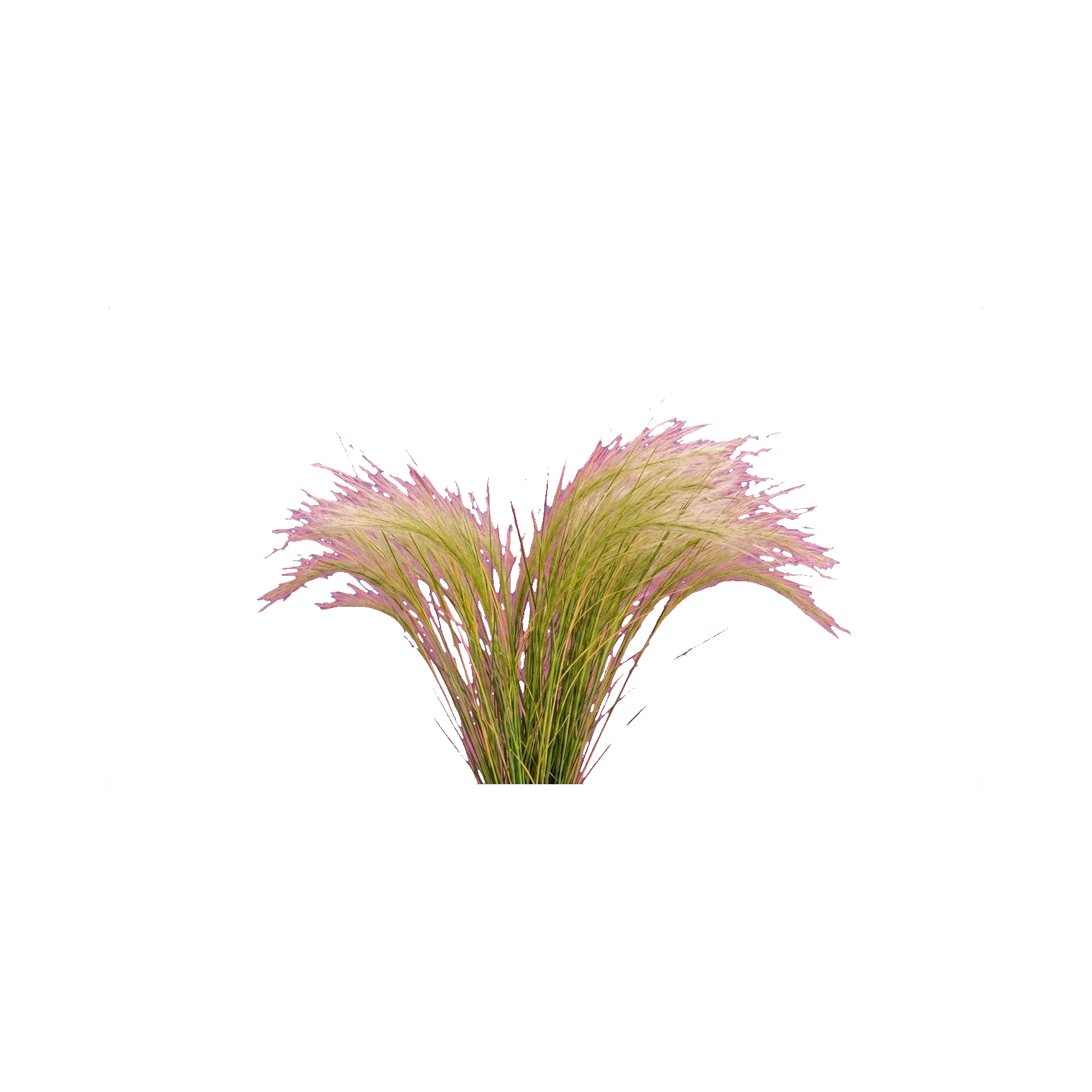
Feather grass
Stipa
Feather grass (Stipa) — a dried flower. Holds shape for months — for dried arrangements and décor.

Fern
Polypodiophyta
Fern (Polypodiophyta) — decorative greenery. Adds backdrop, volume and line.

Floral foam
Floral foam — floristry packaging and supplies. For wrapping and assembling bouquets.

Floral paper
Floral paper — floristry packaging and supplies. For wrapping and assembling bouquets.
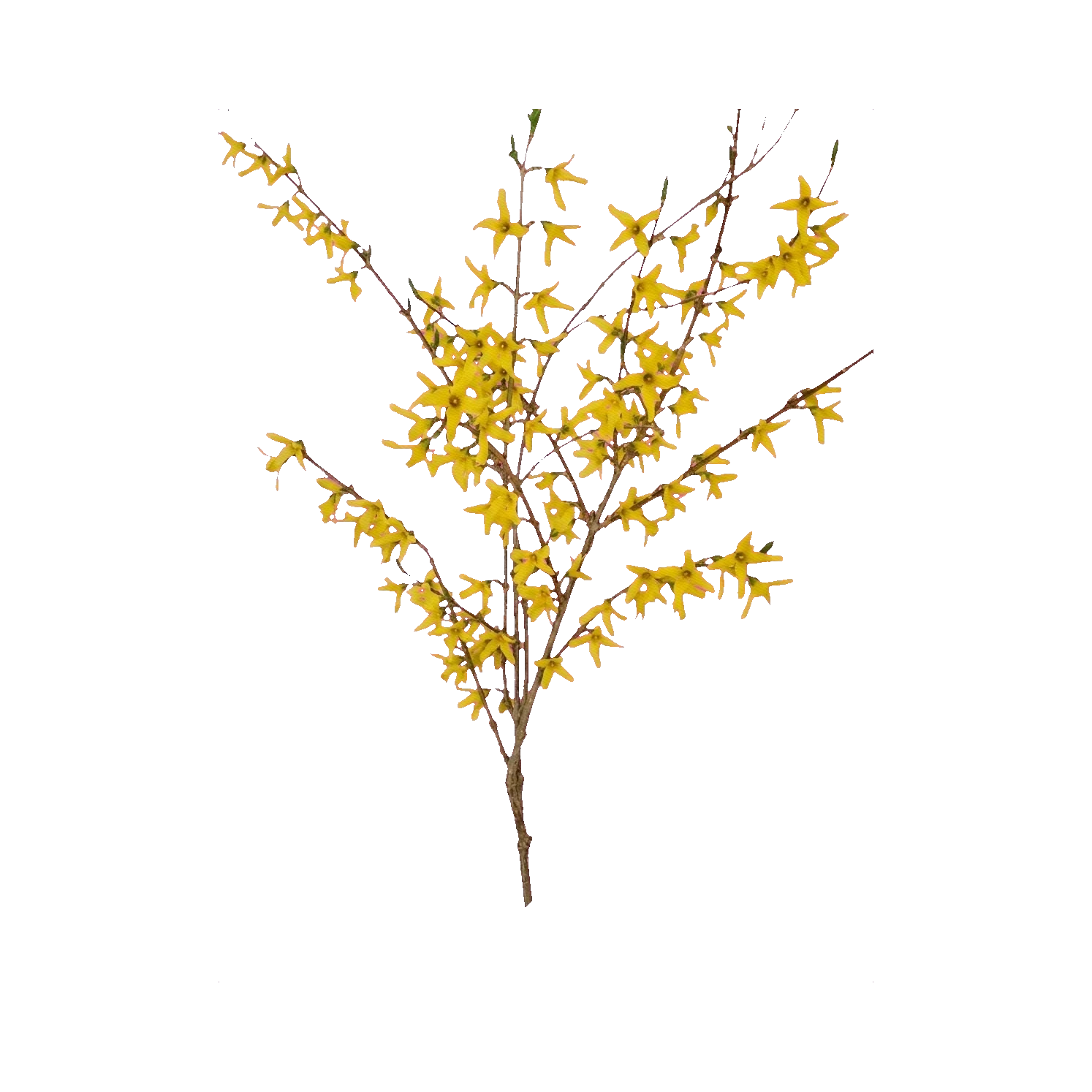
Forsythia
Forsythia × intermedia
Forsythia is one of the first heralds of spring — bare, arching branches that erupt in a haze of bright yellow, star-shaped flowers before any leaves appear. Florists use it as a graceful woody line, bringing airy height and vivid seasonal colour to large arrangements, branch installations and mantel displays. Cut while still in bud, it can be forced open indoors weeks ahead of the garden. Its zigzag, leafless form gives sculptural movement that few other flowers can match.
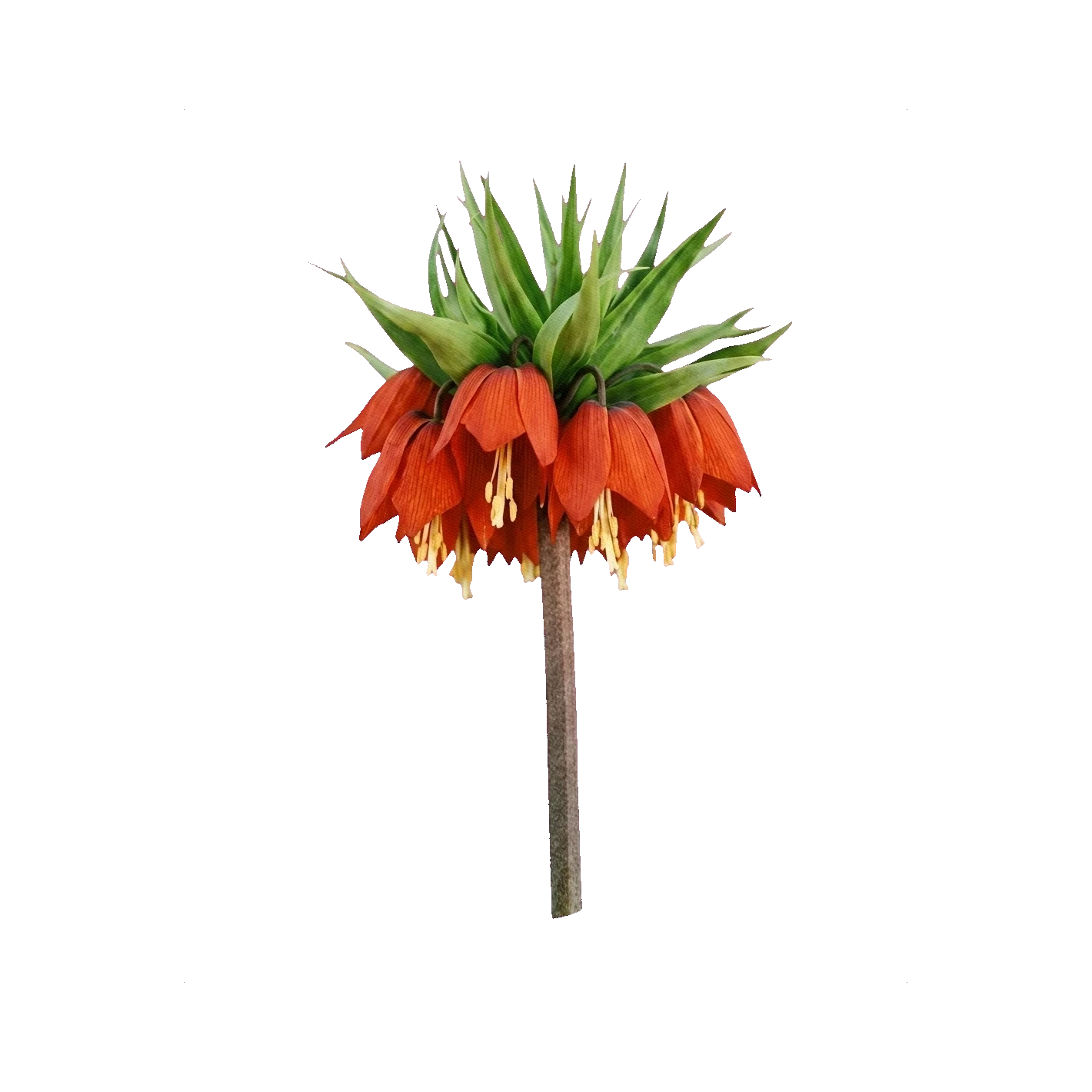
Fritillaria
Fritillaria imperialis
Fritillaria imperialis, the crown imperial, is one of spring's most theatrical bulb flowers, carrying a whorl of pendant bells beneath a topknot of leafy bracts on a tall, sturdy stem. Florists prize it for statement work, where its burnt-orange, gold or red bells add height and architecture to seasonal designs. Its unmistakable musky scent means it is best used with an editorial eye rather than in intimate bouquets. At its finest in April and May, it lends a regal, botanical drama to luxury spring arrangements and installations.

Galax
Galax urceolata
Galax is a low woodland groundcover whose round, leathery, heart-shaped leaves are a florist staple for backing and finishing. The flat, glossy foliage turns rich bronze and burgundy in cold weather, giving a warm alternative to plain green. Because the leaves are so durable and long-lasting, they are ideal as bouquet collars, corsage backing and neat wraps around hand-tied stems. Inexpensive and endlessly useful, galax is a quiet workhorse in wedding and everyday design.

Grape hyacinth
Muscari
Muscari — grape hyacinth — is the small, saturated-blue spring flower that fills the true-blue gap in early-season bridal work. Tiny bell-shaped florets stack tightly on a short stem. The blue is real, not dyed. Use in shallow bouquets, hair work, and boutonnieres where the short stem length works.

Hazel
Corylus
Hazel (Corylus) — decorative greenery. Adds backdrop, volume and line.
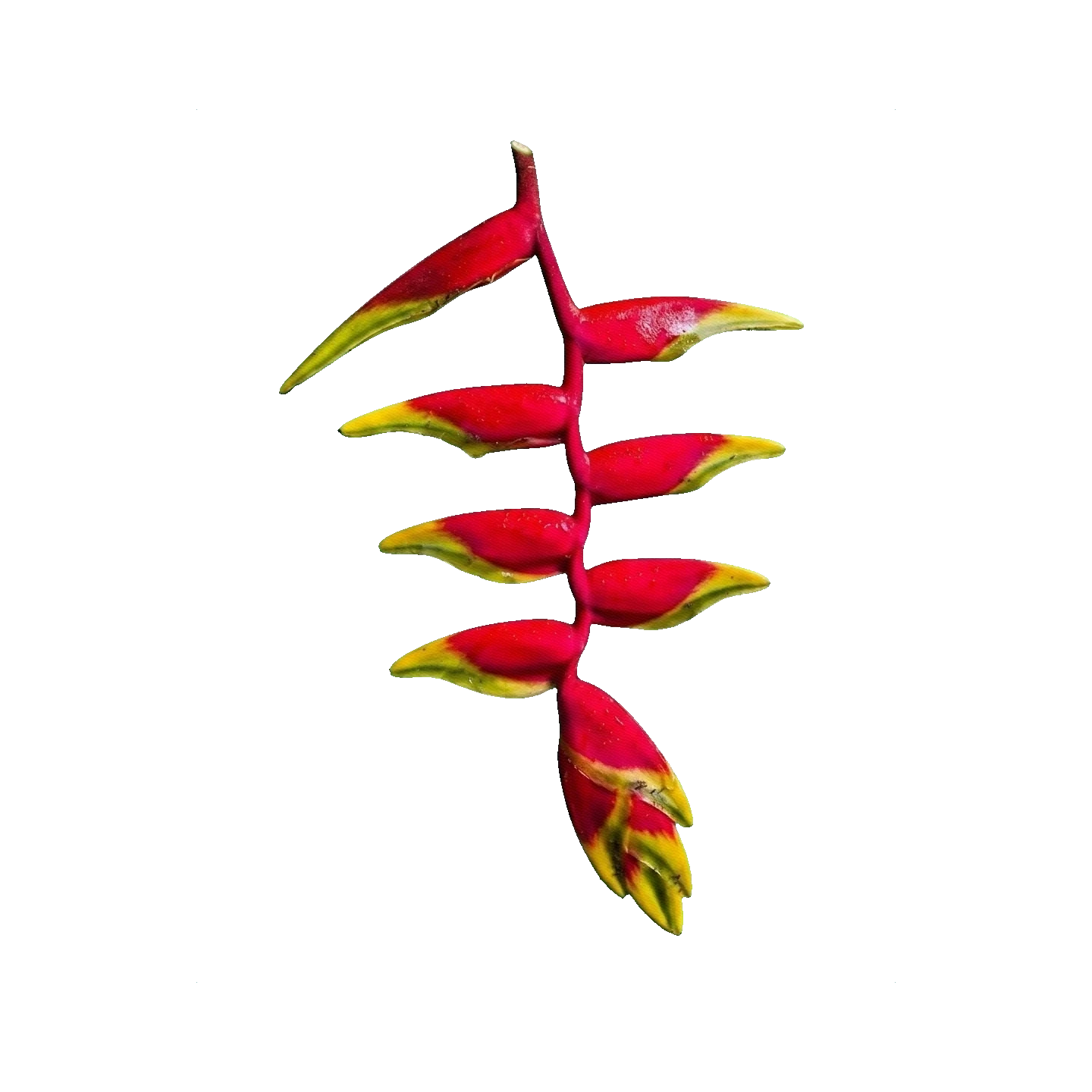
Heliconia
Heliconia
Heliconia, often called lobster claw or false bird-of-paradise, is a boldly architectural tropical whose waxy, boat-shaped bracts zig-zag up a tall stem in vivid red, orange and yellow. Native to the tropical Americas, it brings instant drama, scale and a sculptural line to large-scale and tropical designs. Its thick stems and long vase life make it a workhorse for installations, tall arrangements and event work. Few flowers deliver the same tropical impact from a single stem.
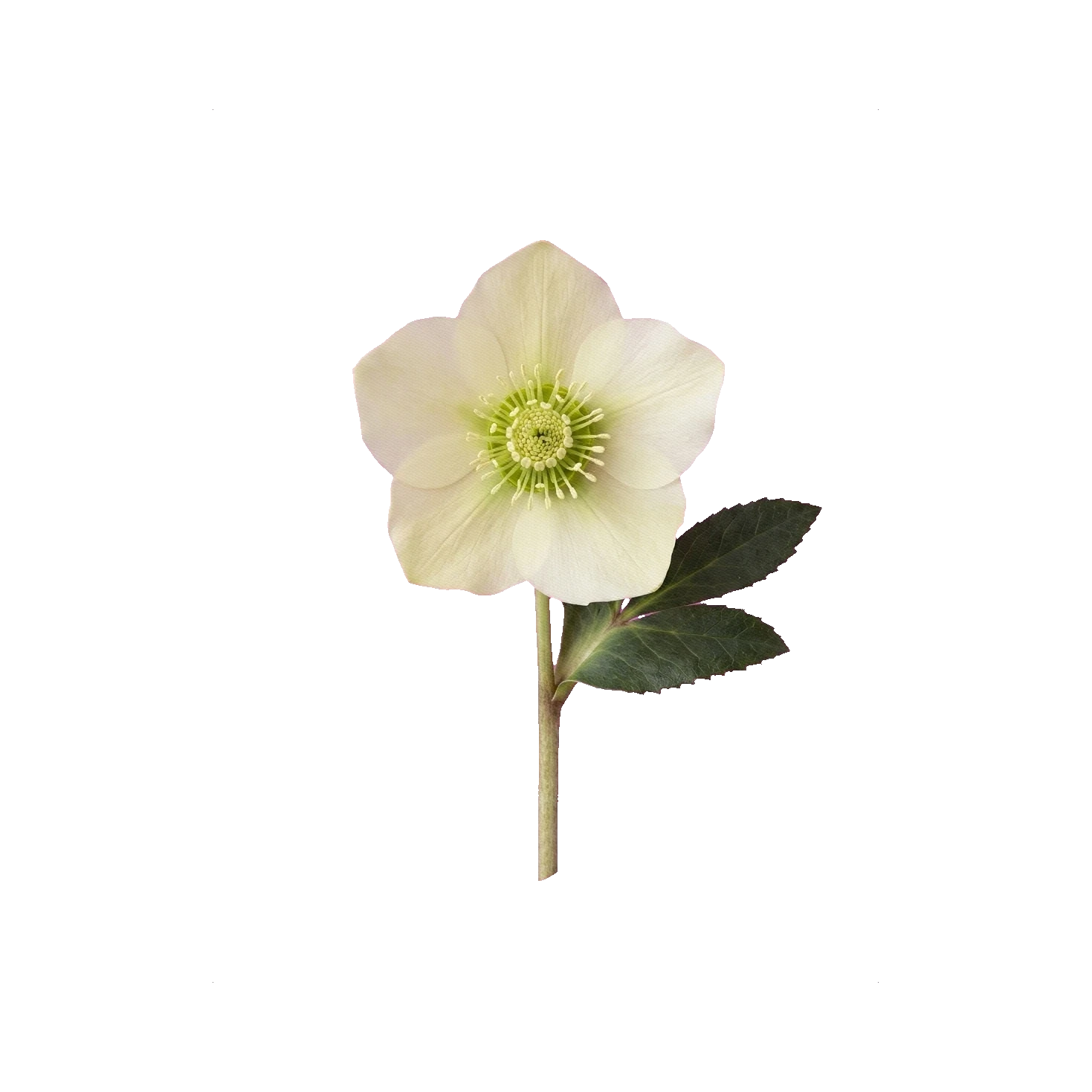
Hellebore
Helleborus
The hellebore is the winter florist's secret — nodding, downward-facing blooms in a colour palette (near-black, deep burgundy, dusty green, freckled cream) that no other cool-season flower matches. Notoriously short-lived in the vase unless properly conditioned with a boiling-water dip. Buy mature blooms with visible seed heads — they outlast tight buds.
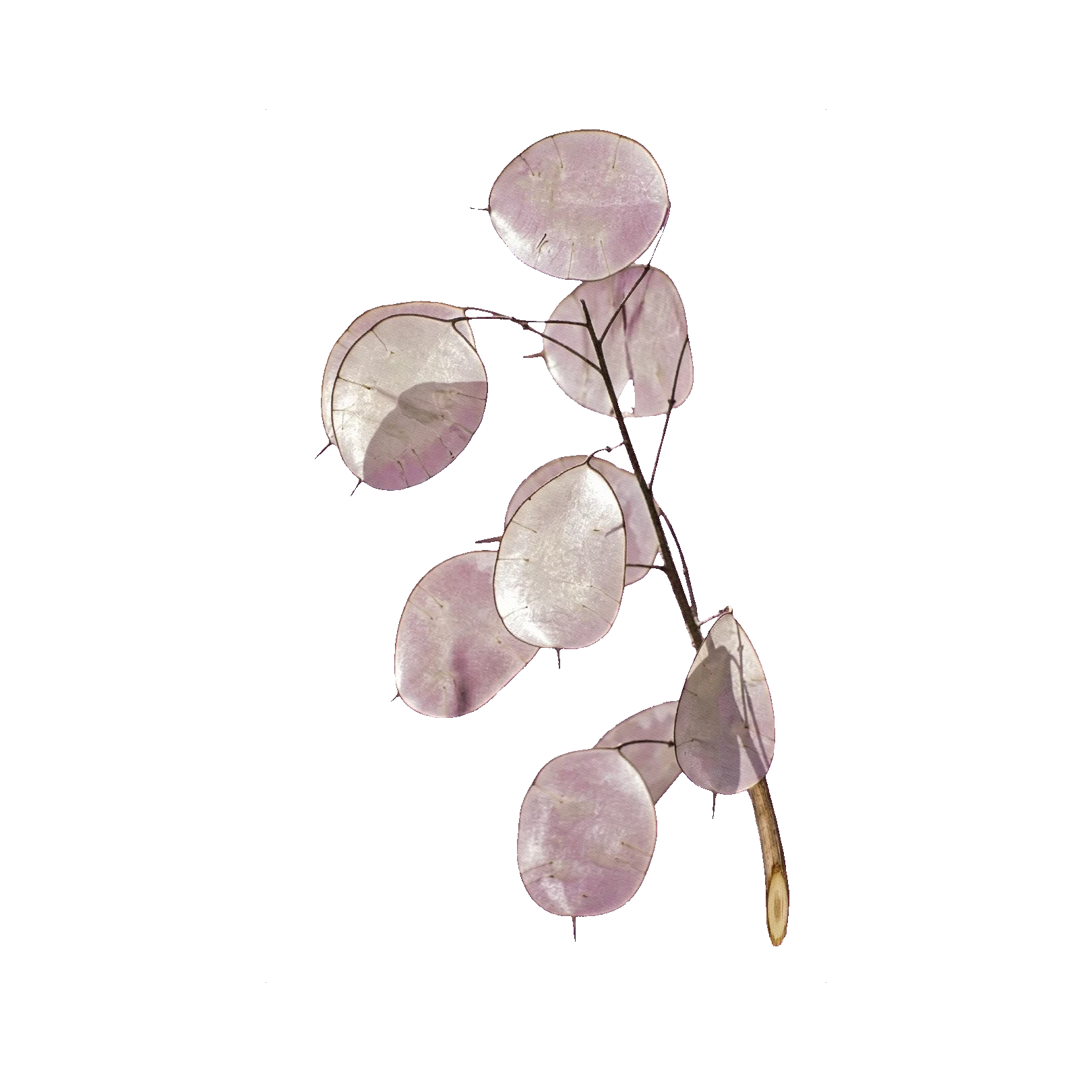
Honesty
Lunaria annua
Lunaria, honesty, is a European biennial best known not for its early purple flowers but for the translucent, coin-shaped seed pods it leaves behind. Once the brown outer cases are rubbed away, each pod reveals a papery, pearlescent silver disc that shimmers like a small moon. Florists prize these 'silver dollars' as a luminous, textural element in dried arrangements, wreaths and winter or bridal work. Long-lasting and weightless, dried honesty brings a quiet, silvery light that few other materials can match.
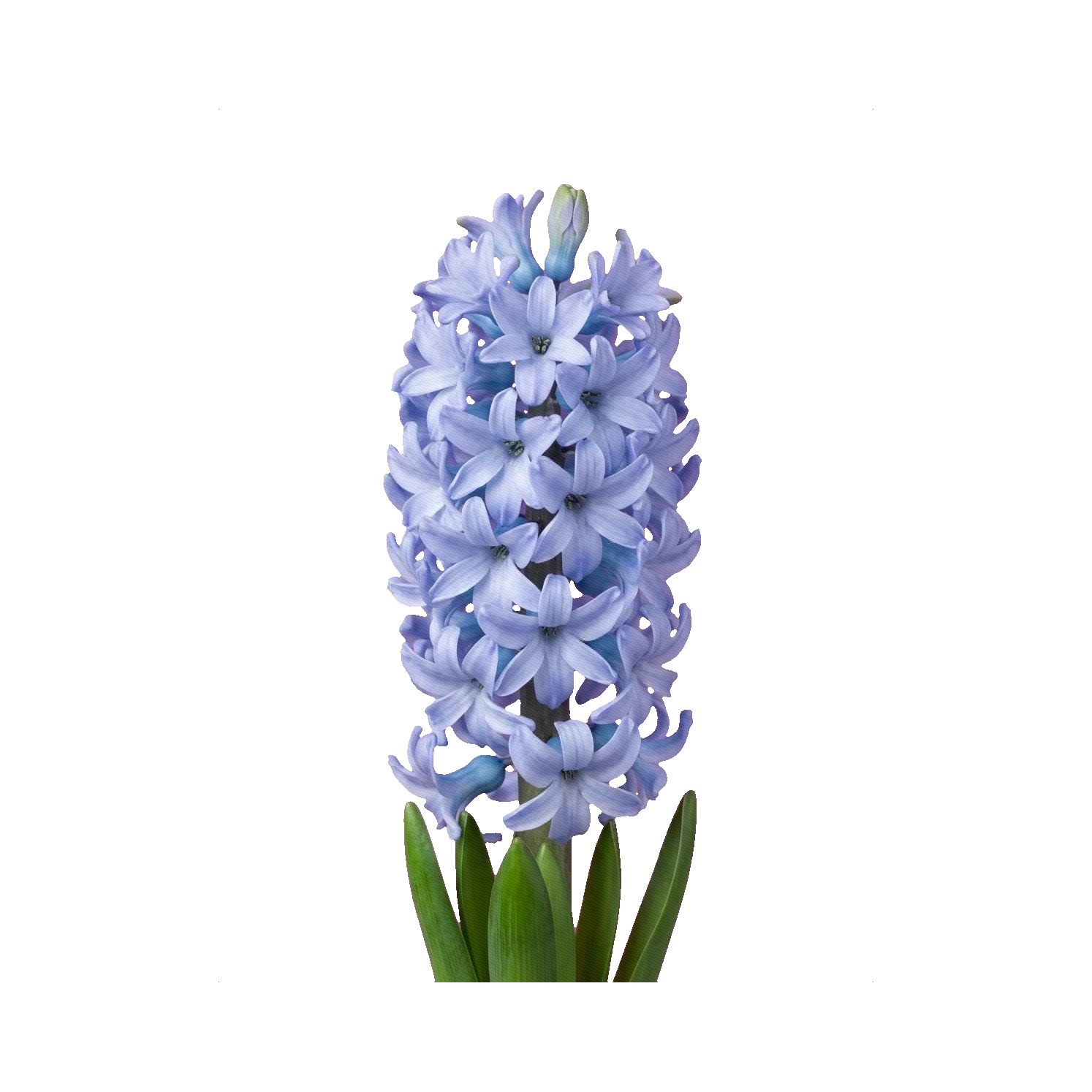
Hyacinth
Hyacinthus orientalis
The hyacinth is the fragrance flower of early spring — a densely packed spire of florets that perfumes a room within minutes. Grown almost exclusively in the Netherlands for the global cut trade. The stem-sap causes contact dermatitis in some people; wear gloves when conditioning.

Iris
Iris
The iris is one of the most sculptural spring flowers — three upright petals (standards) and three drooping (falls), often in a bicolour arrangement. Dutch iris (from bulbs) dominates the cut trade; bearded iris (from rhizomes) is a garden and specialty flower. Blue iris is the go-to when you need a true, saturated blue without dyeing.
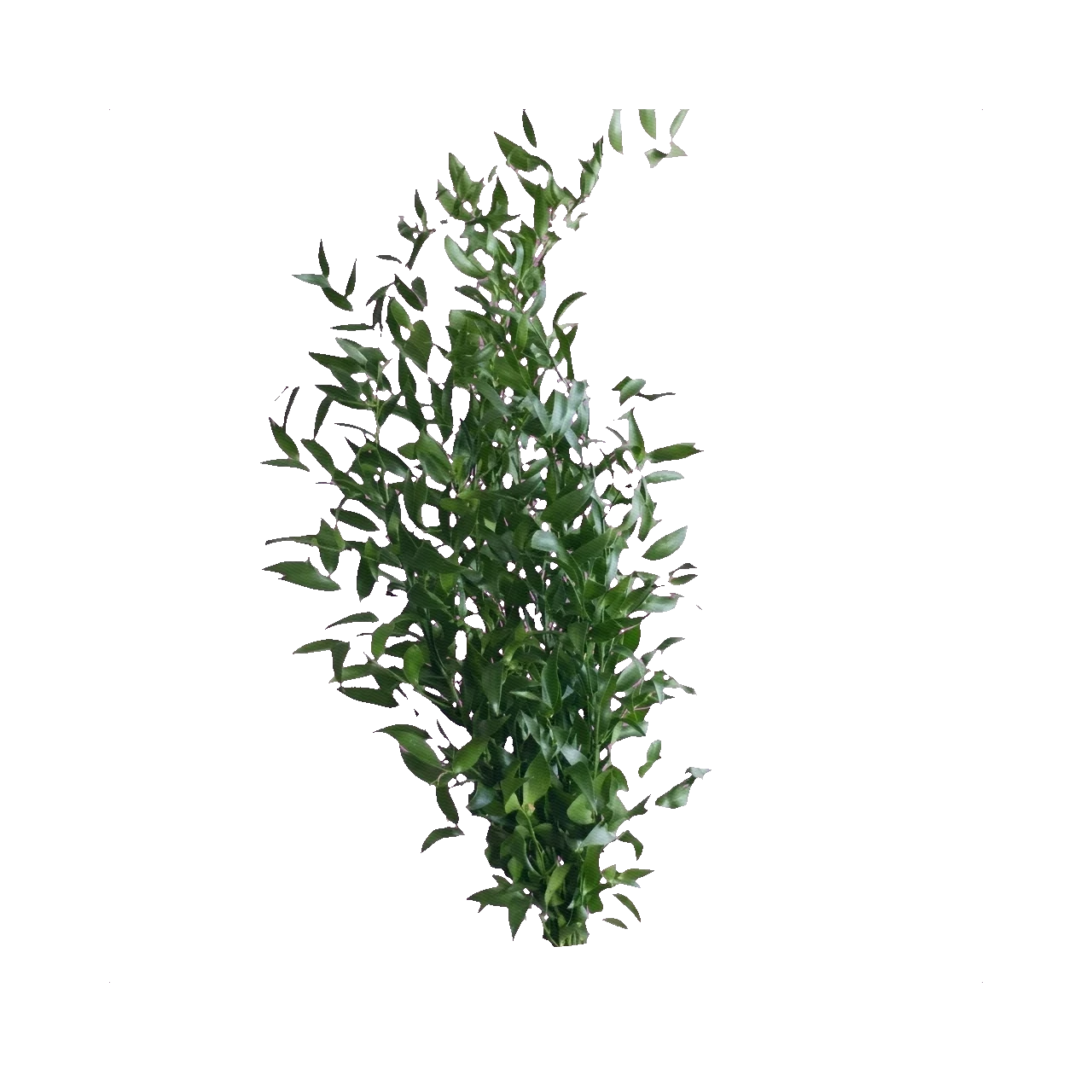
Italian ruscus
Danae racemosa
Italian ruscus (Danae racemosa) — decorative greenery. Adds backdrop, volume and line.

Jatropha
Jatropha podagrica
Jatropha (Jatropha podagrica) — a cut flower. Works well in mixed and mono bouquets.

Lilac
Syringa vulgaris
The scent of lilac in a wedding venue is unforgettable — and unattainable at any other time of year. Short season (six weeks), short vase life (a week at best), and demanding conditioning requirements make lilac a luxury flower even when technically in season. Split the stems; strip the leaves; use the day it arrives.
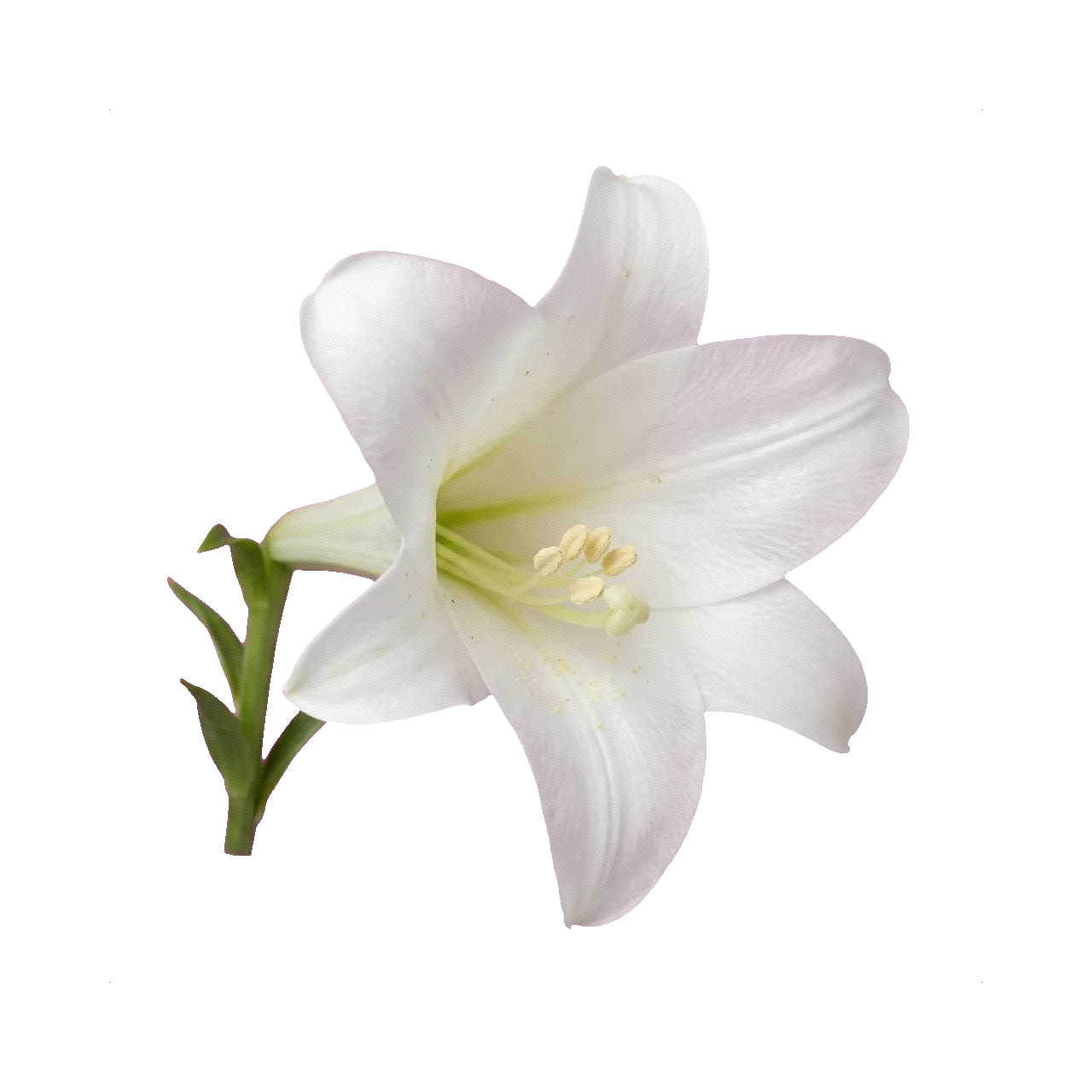
Lily
Lilium
A lily with large expressive blooms (Lilium). A fragrant focal flower; one stem sets the volume.
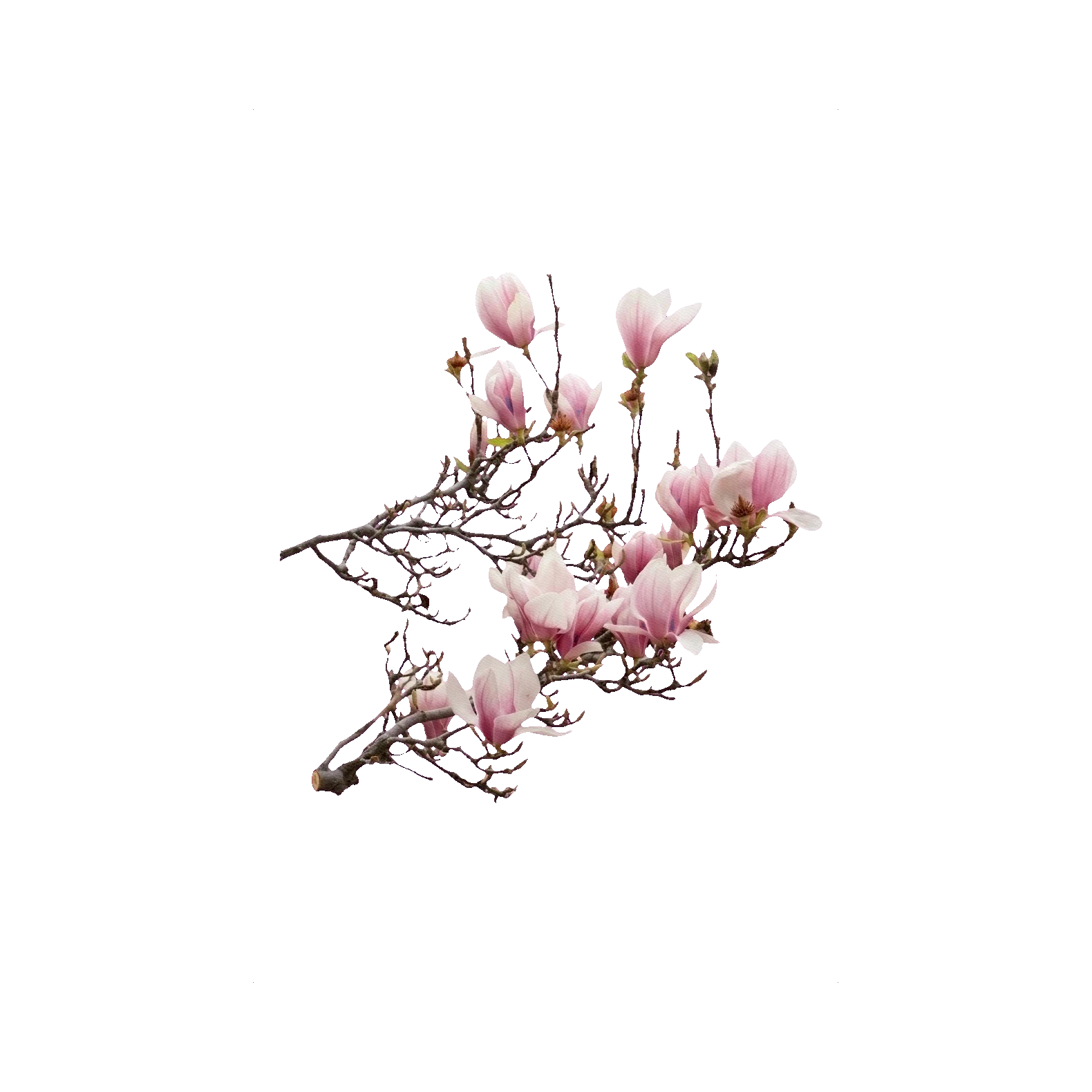
Magnolia branch
Magnolia
Magnolia branch (Magnolia) — a cut flower. Works well in mixed and mono bouquets.
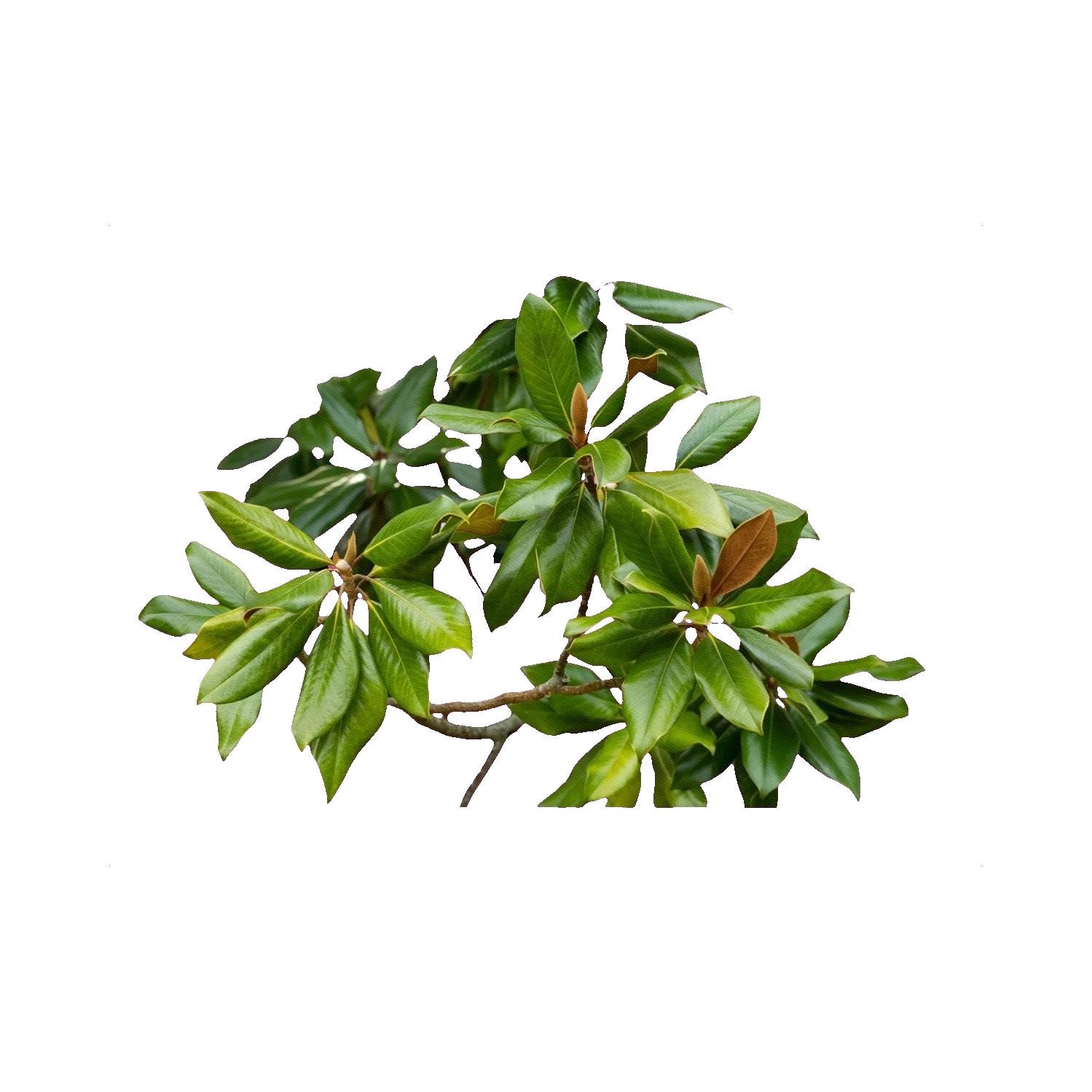
Magnolia Leaf
Magnolia grandiflora
Magnolia leaf (Magnolia grandiflora) is a bold, glossy evergreen foliage with large leathery leaves that are deep green above and a warm suede-brown beneath. Florists prize the two-tone effect, turning leaves to show the felted copper reverse in wreaths, garlands and grand arrangements. The stiff, architectural leaves are extremely long-lasting and dry without dropping, making them a Christmas and installation staple. Cut branches bring instant structure and a rich, Southern elegance.

Matthiola
Matthiola incana
Matthiola (also known as stock) carries a vertical spire of clove-scented florets — a workhorse of spring wedding work. The Iron series from Japan (double-flowered, dense) has raised the design ceiling on what was previously a supporting flower. Fragile foliage; strip aggressively at conditioning to keep vase water clean.
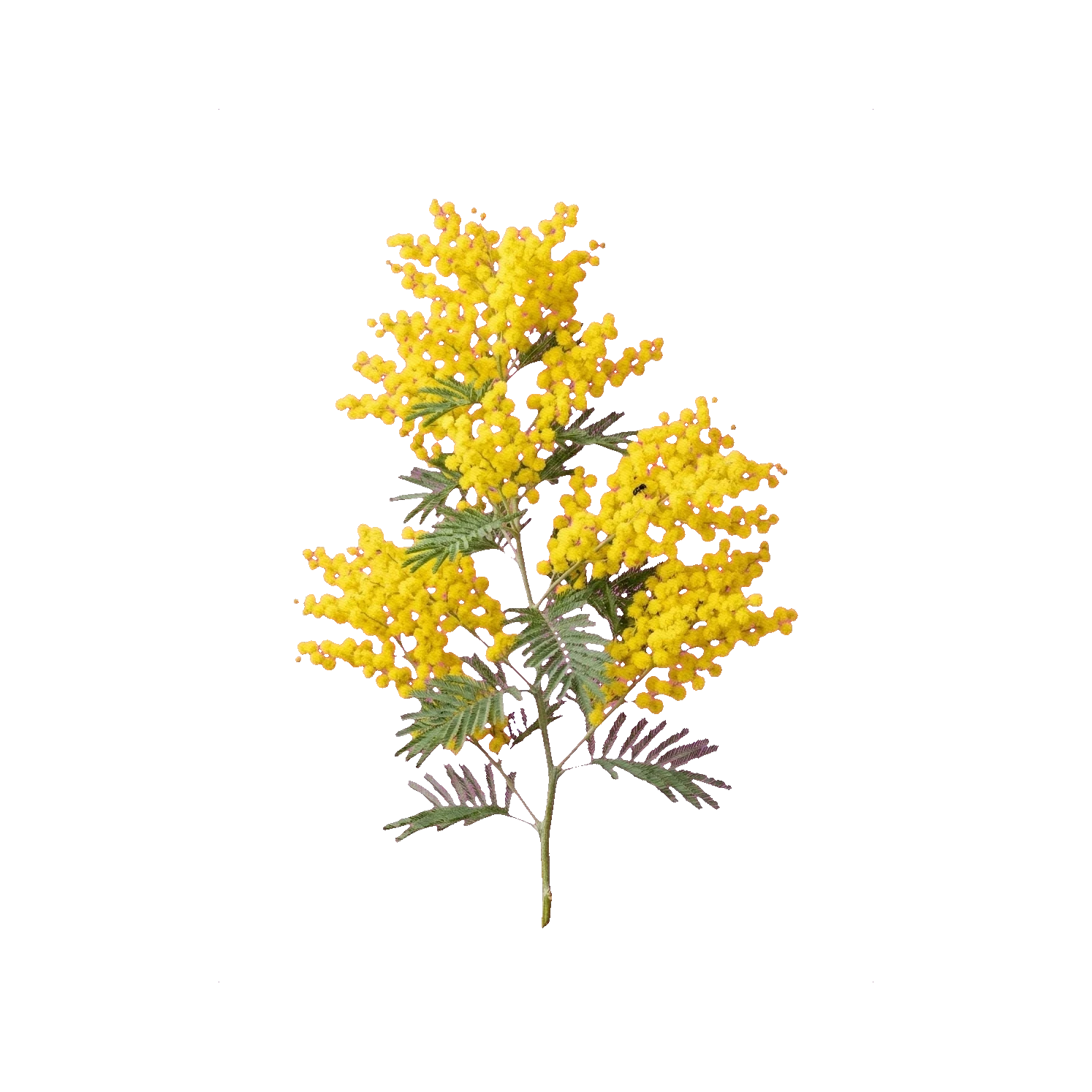
Mimosa (Acacia)
Acacia dealbata
Mimosa (Acacia) (Acacia dealbata) — a cut flower. Works well in mixed and mono bouquets.

Monstera Leaf
Monstera deliciosa
The monstera leaf, cut from Monstera deliciosa, is one of the most recognisable foliages in modern floristry — a large, glossy, deep-green blade slashed with natural holes and splits. Native to Central American rainforests, it brings bold scale, clean line and a lush tropical mood to arrangements and installations. Exceptionally long-lasting out of water and easy to handle, a single leaf can define a modern bouquet, backdrop or table runner. It is the signature green of tropical and contemporary design.

Palm leaf
Arecaceae
Palm leaf (Arecaceae) — decorative greenery. Adds backdrop, volume and line.
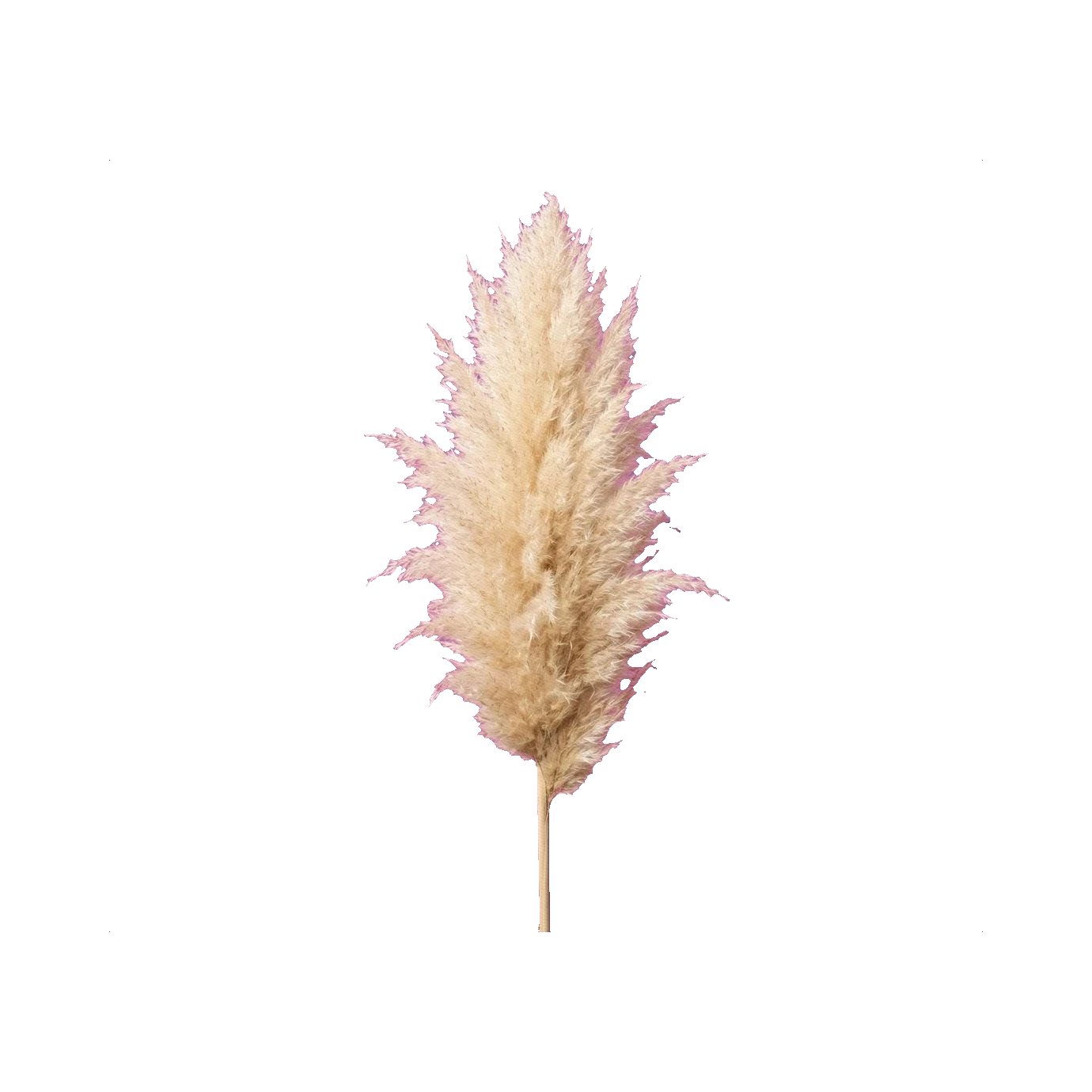
Pampas grass
Cortaderia selloana
Pampas grass with a fluffy plume (Cortaderia selloana). A large dried grass for interior décor.

Phalaenopsis orchid
Phalaenopsis
A phalaenopsis orchid (Phalaenopsis). A refined, long-lasting accent.
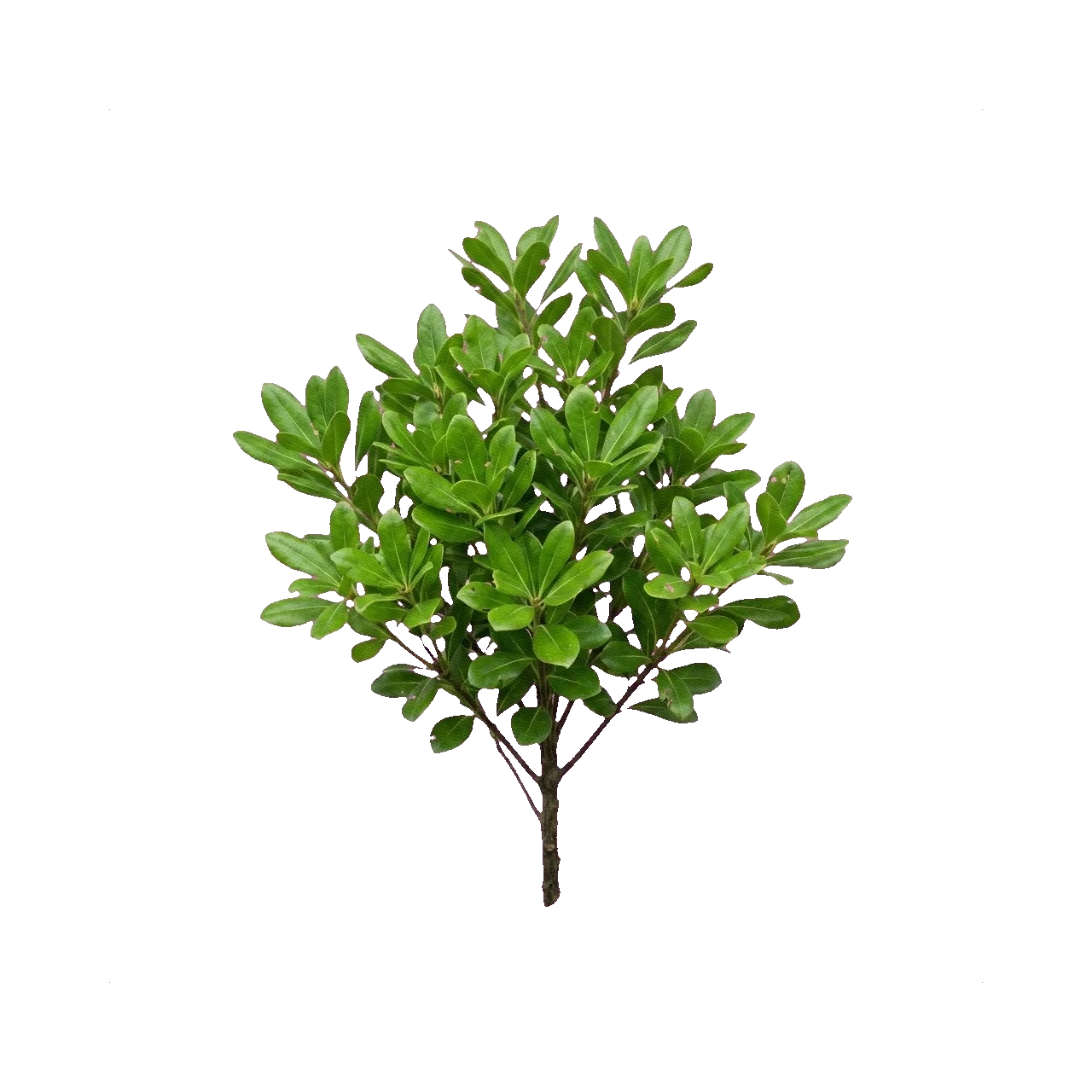
Pittosporum
Pittosporum tenuifolium
Pittosporum is a versatile evergreen foliage prized for its dense, glossy oval leaves arranged along wiry stems. Florists reach for it constantly as a filler and greenery base, valuing its neat texture and exceptional longevity. Varieties range from bright green to silvery variegated and near-black 'Nigra', letting it read fresh or moody. It bridges the gap between fine and broad foliage in bouquets, arrangements and wedding work.
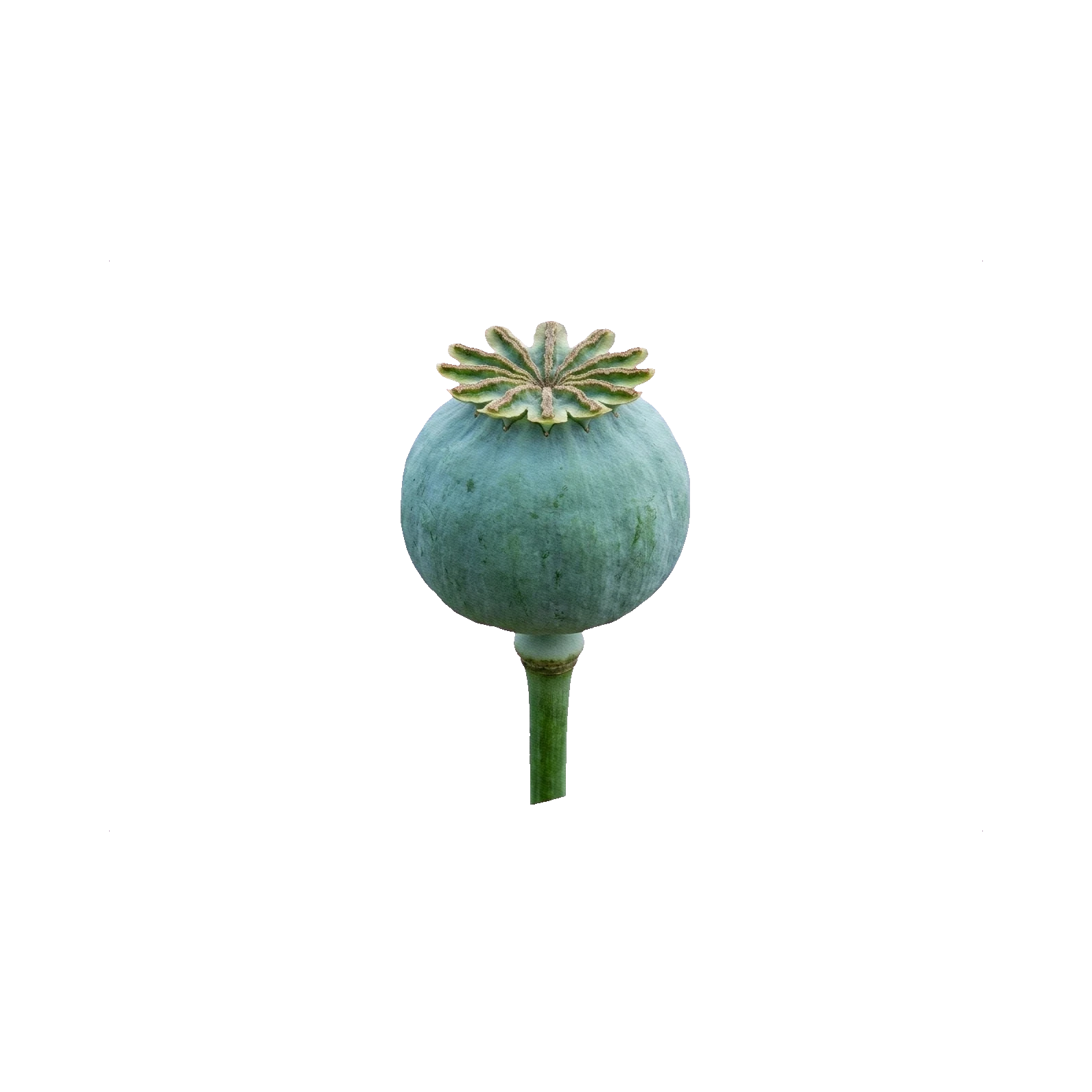
Poppy
Papaver
The poppy unfurls from a papery bud with theatrical drama — one of the most photogenic openings in commercial floristry. Icelandic poppies come in dawn-sky pastels; oriental poppies in blood-red intensity. Fragile in every dimension: sear the stem end, handle by the stem only, and use on the day of the event.

Preserved rose
Rosa (preserved)
Preserved rose (Rosa (preserved)) — a preserved material. Keeps a fresh look for years without water.
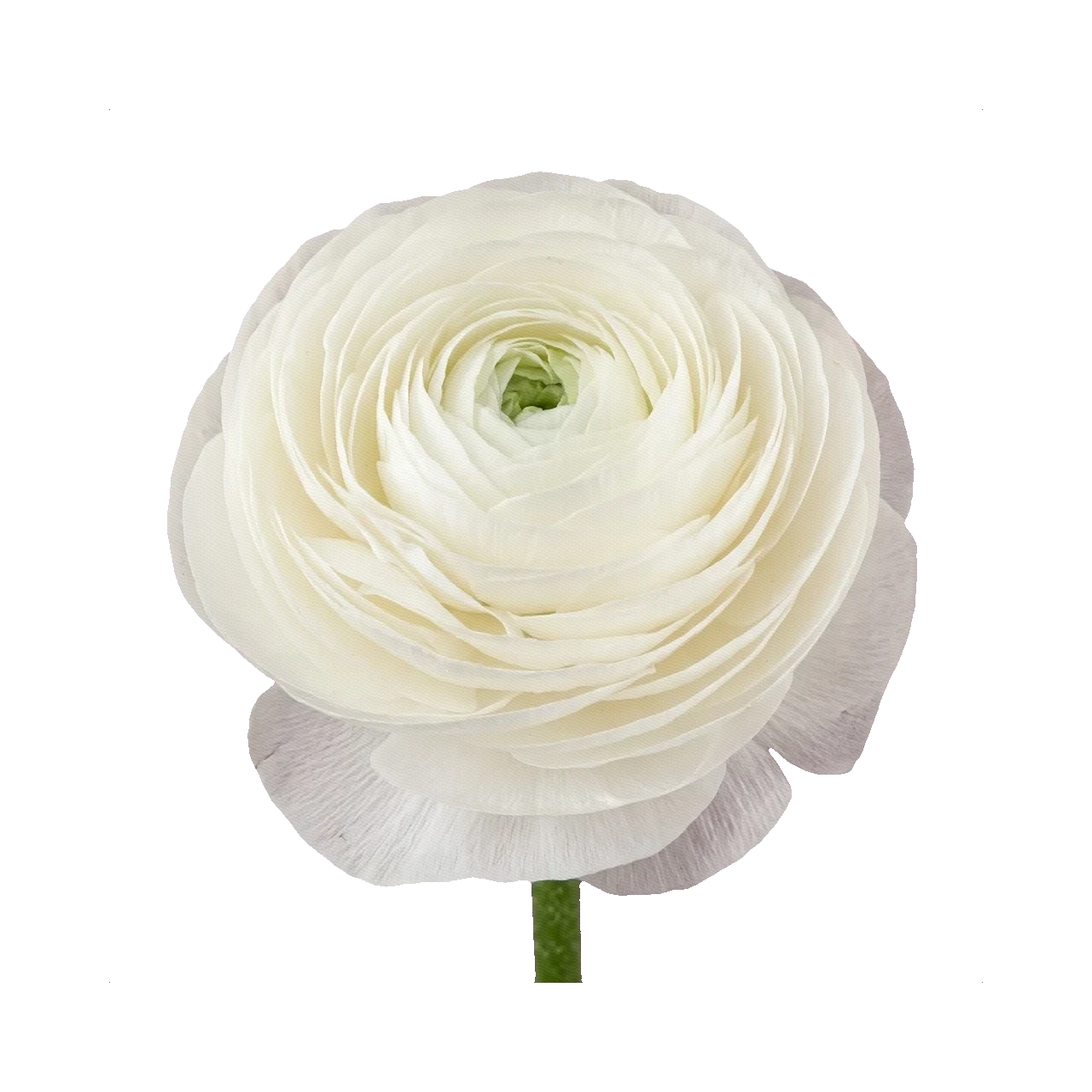
Ranunculus
Ranunculus asiaticus
Ranunculus offer the layered, papery petals of a peony at half the size and in a wider colour range. Italian Cloni Success and Elegance strains lead the premium market — huge heads (up to 10 cm) on strong stems. Ranunculus perform best in the first three days of vase life; plan accordingly for events.
Ribbon
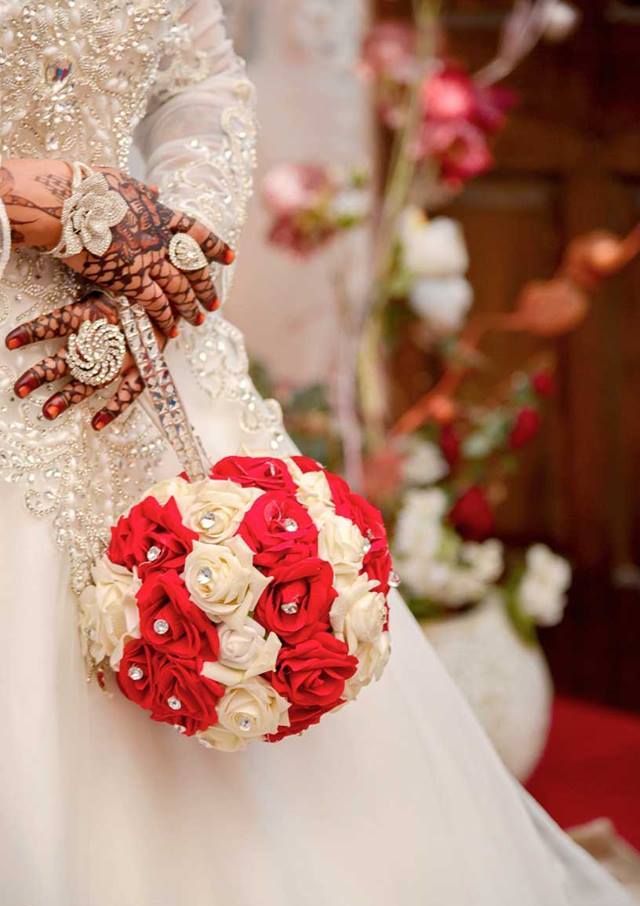
Ribbon — floristry packaging and supplies. For wrapping and assembling bouquets.

Rose
Rosa
A classic cut rose (Rosa). Perfect for mono bouquets and elaborate arrangements.
Salal
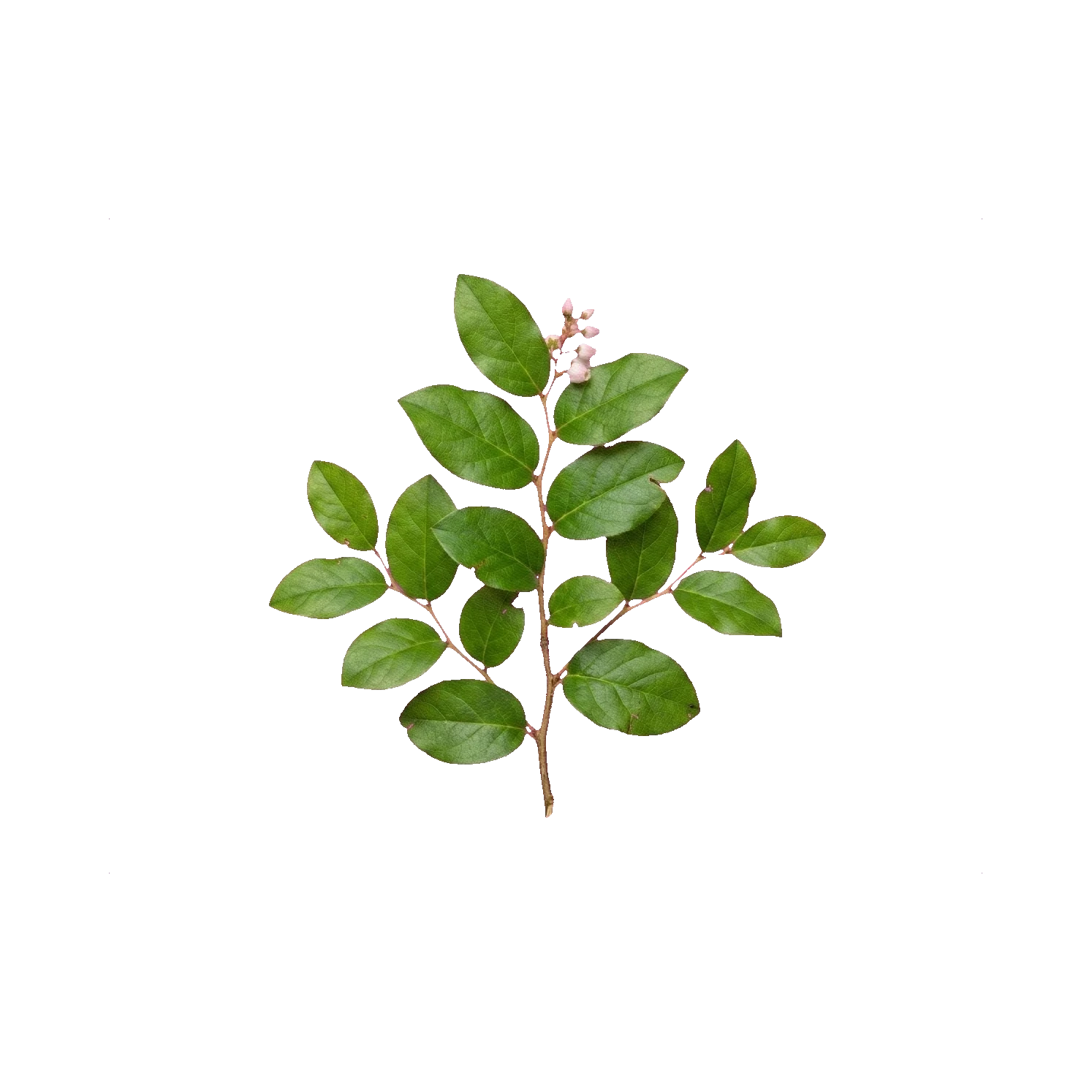
Gaultheria shallon
Salal (Gaultheria shallon) is a broadleaf evergreen from the Pacific Northwest, prized as one of the most reliable and inexpensive cut foliages in the trade. Its leathery, oval leaves grow densely along woody stems, giving an even backdrop of deep green that is slow to wilt. Florists reach for it constantly to green up bouquets, line arrangements and fill gaps behind focal blooms. It ships and stores exceptionally well, making it a workhorse for weddings and everyday work alike.

Spurge
Euphorbia
Spurge (Euphorbia) — decorative greenery. Adds backdrop, volume and line.
Sweet pea
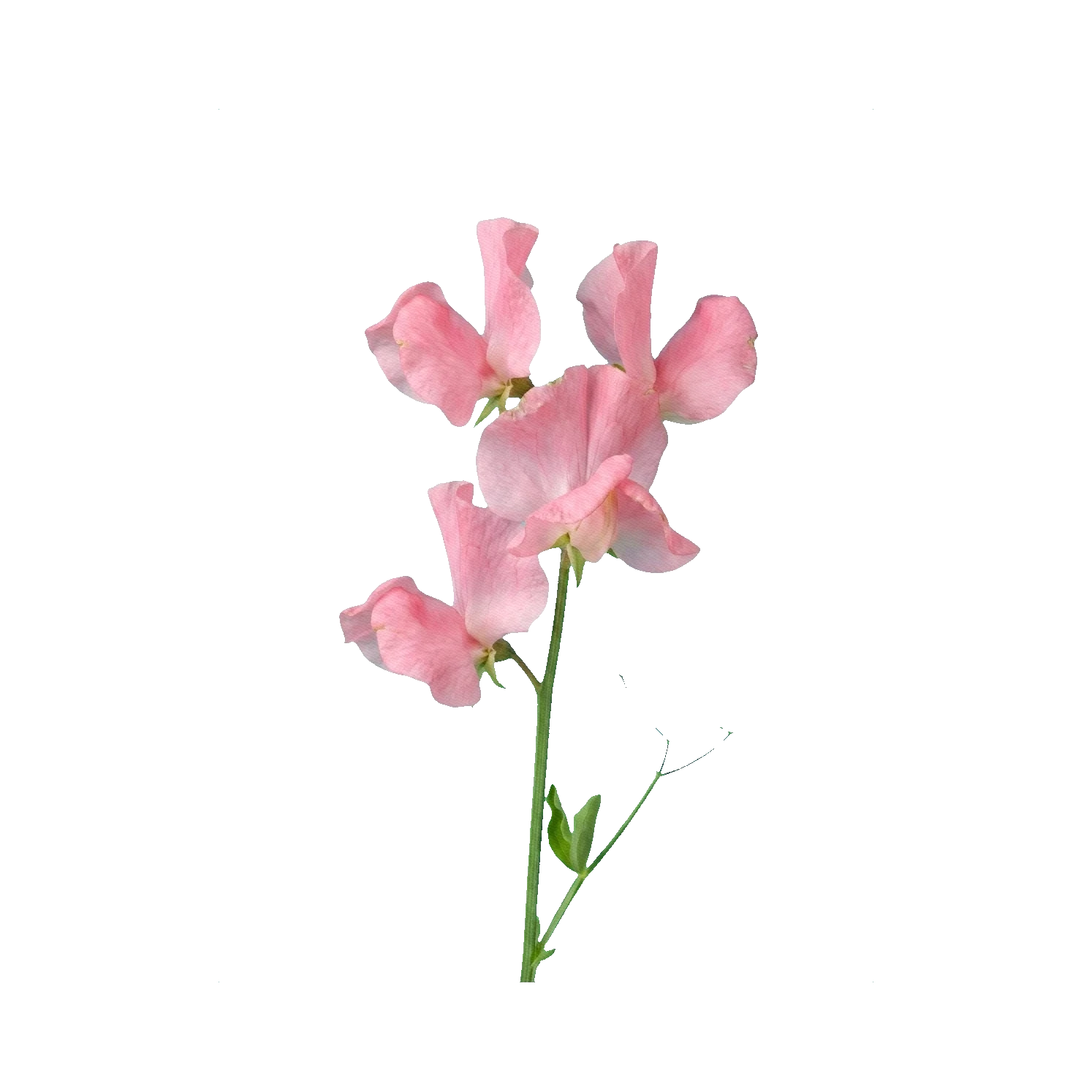
Lathyrus odoratus
Sweet peas are the honey-scented, tissue-paper flower of spring — beloved by wedding florists but unforgiving in vase life. The Winter Sunshine series (Japanese-bred) reaches 50 cm stems and lasts up to 5 days; classic garden sweet peas last barely 3. Both are worth the trouble for the fragrance alone.
Tulip
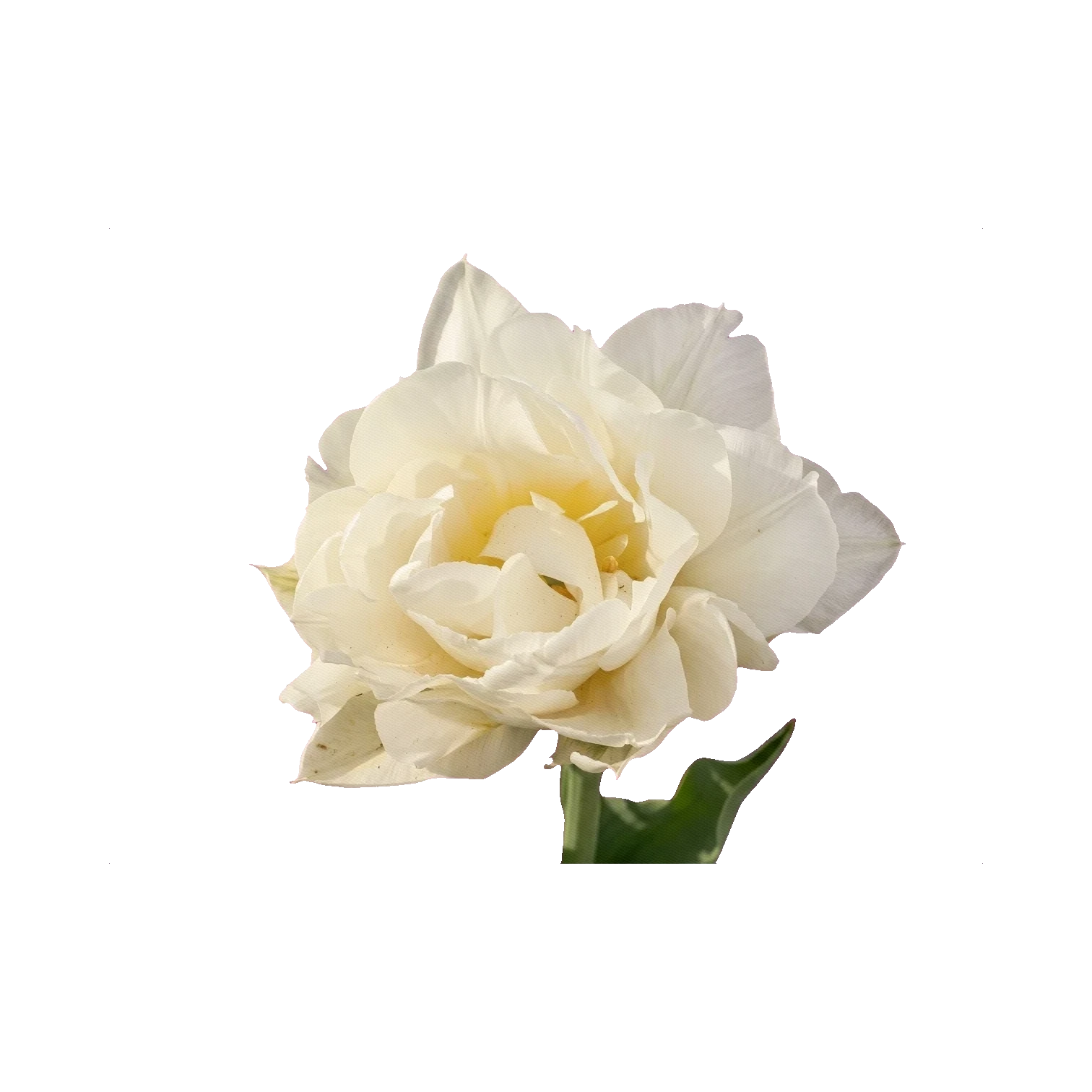
Tulipa
The most-produced cut flower in the world (Netherlands ships 2+ billion stems annually). Tulips are actively alive in the vase — they grow, bend toward light, and open with the day. This movement is a feature, not a defect: modern floristry embraces the natural curve. Double-flowered varieties (peony tulips) can substitute peonies out of season.
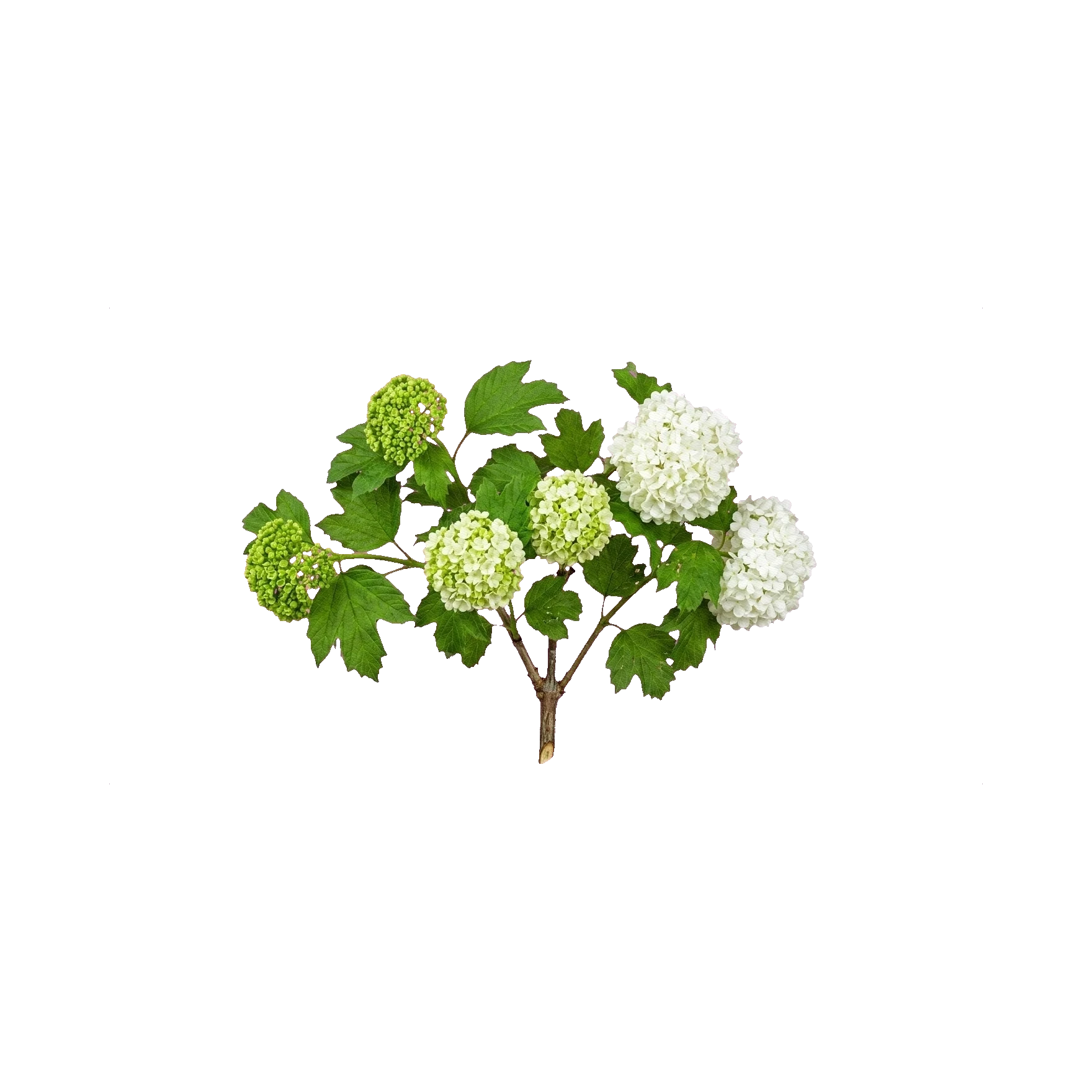
Viburnum
Viburnum opulus 'Roseum'
Viburnum opulus 'Roseum' — snowball viburnum — produces round bloom clusters that shift from acid green to pure white over the vase week. Long, strong stems make it a wedding-arch and installation favourite. One of the few pure-green cut flowers, and unmatched for the effect.
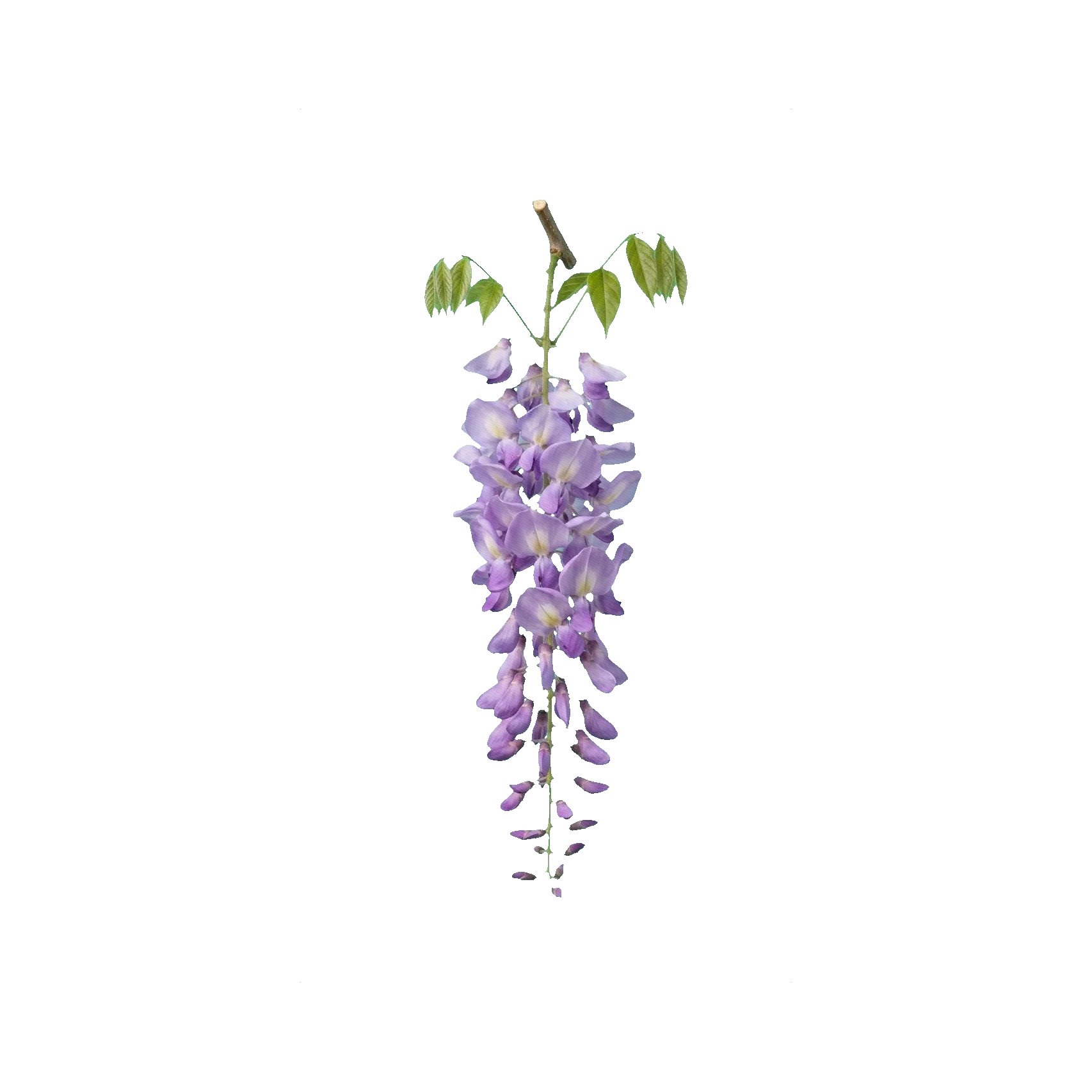
Wisteria
Wisteria
Wisteria (Wisteria) — a cut flower. Works well in mixed and mono bouquets.
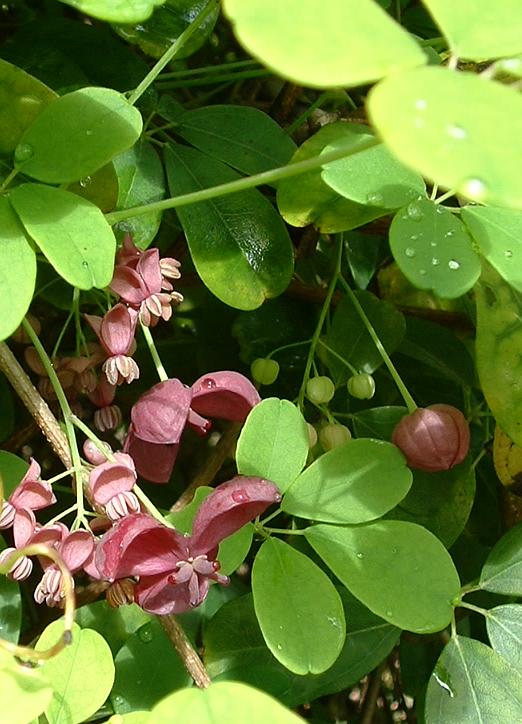
Akebia
Akebia quinata
Akebia quinata, the chocolate vine, is an East-Asian climber with elegant five-part leaves and unusual purple spring flowers that carry a soft chocolate-vanilla scent. Florists value its pliable stems and refined foliage for training into arcs and adding a quiet, garden-gathered elegance to installations. The curious flowers make it a coveted, premium seasonal material. Its flexible growth suits arches and cascading designs.
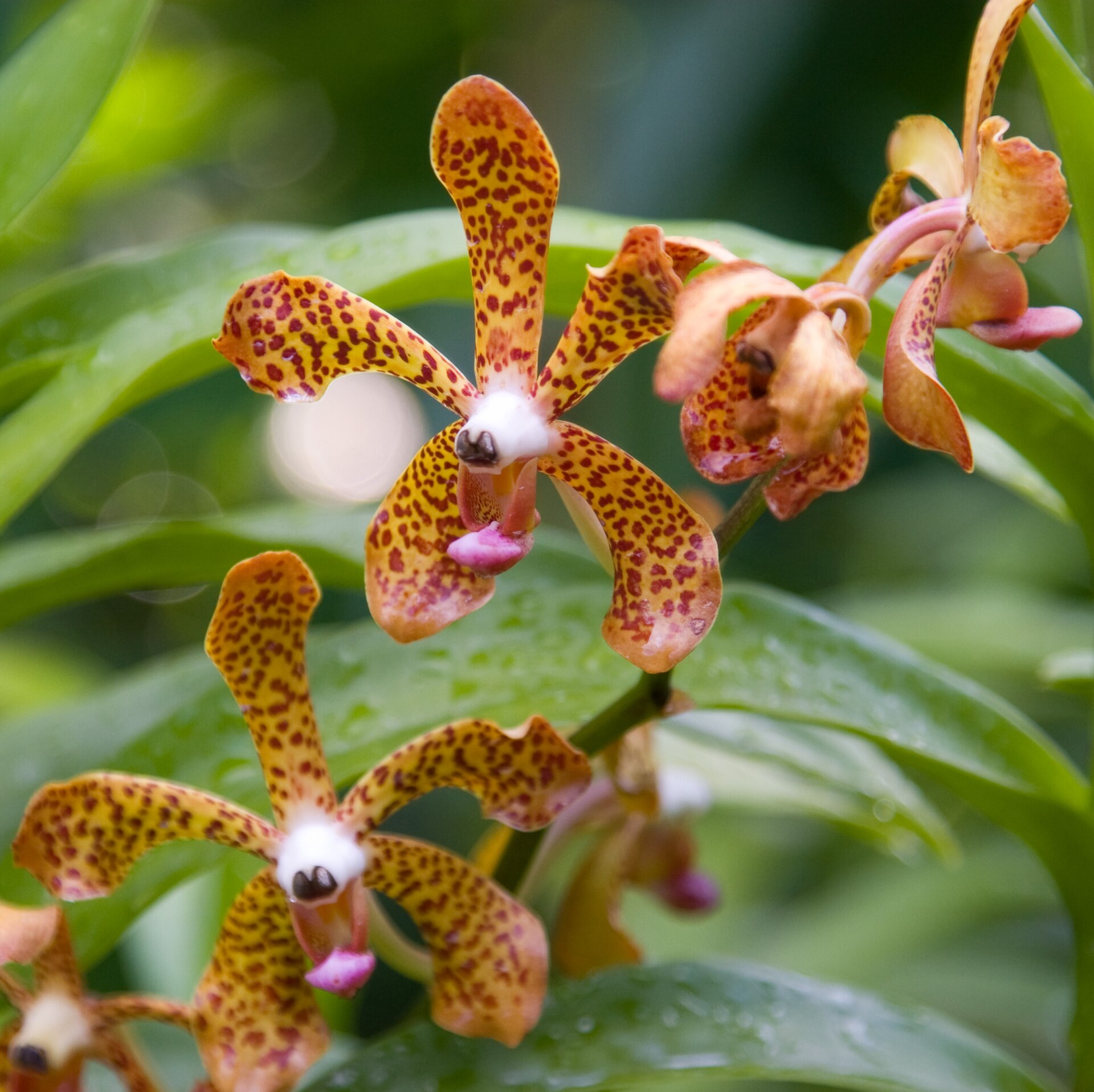
Aranda Orchid
Aranda (Arachnis × Vanda)
Aranda is a hardy hybrid orchid crossing Arachnis and Vanda, carrying rows of flat, often spotted or veined blooms along a tall, wiry spray — the reason it is nicknamed the scorpion orchid. Grown commercially in Singapore and Malaysia, it offers moody purples, blues and bronzed browns rarely found in cut flowers. Florists value it as a tropical line element that draws the eye upward in tall arrangements and modern event pieces. Robust and long-lasting for an orchid, it holds up to bolder, architectural designs.
Asparagus Fern
Asparagus setaceus
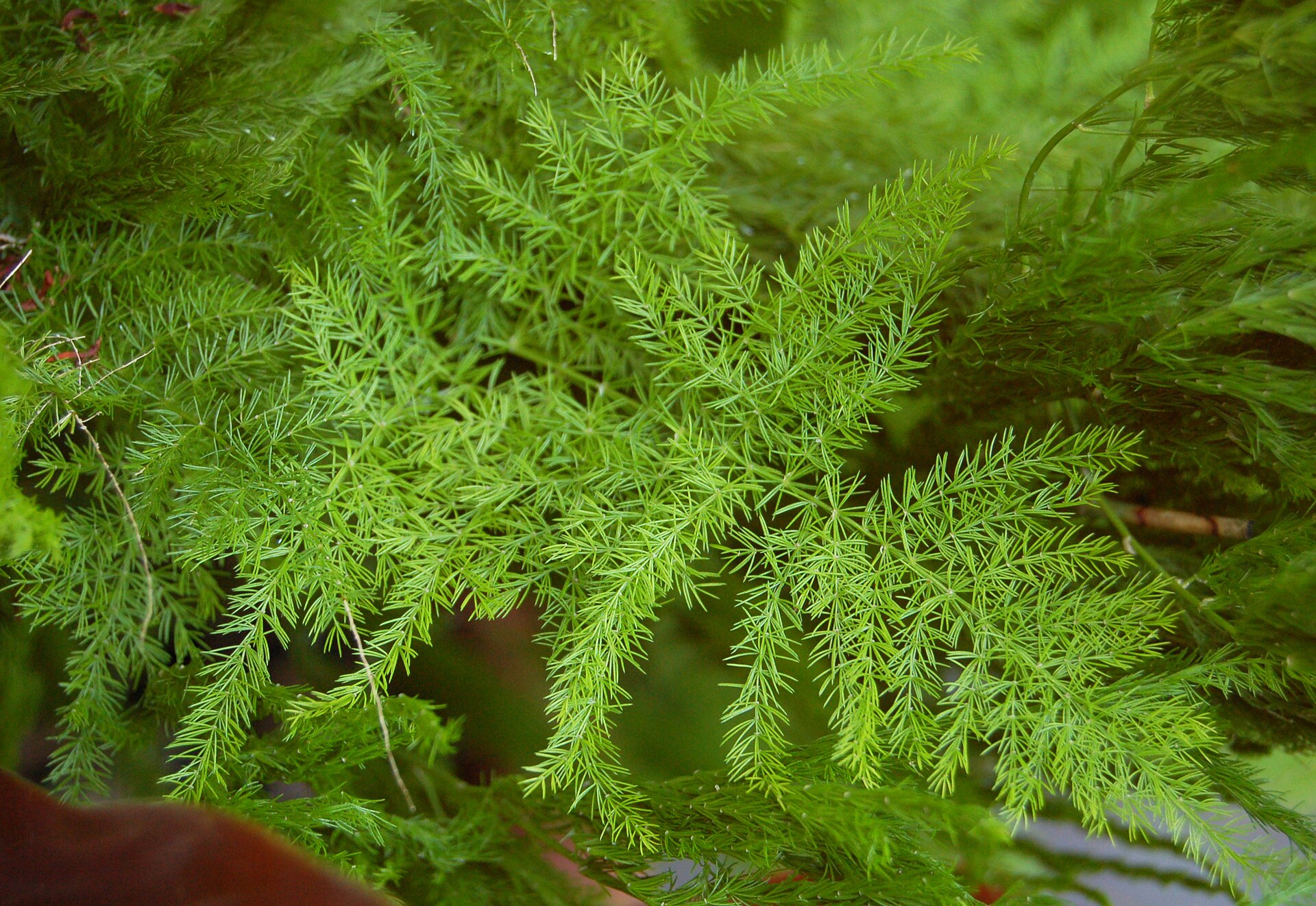
Asparagus fern (Asparagus setaceus) is not a true fern at all but a member of the asparagus family, valued for its feathery, lace-like sprays of fine green needles. It brings soft, cloud-like texture and a delicate, airy elegance to bouquets and boutonnieres. The flat, horizontal fronds add width and a romantic, old-fashioned softness. It is affordable and widely available, though more perishable than tougher greens, so it is best used fresh.
Banana Leaf
Musa × paradisiaca
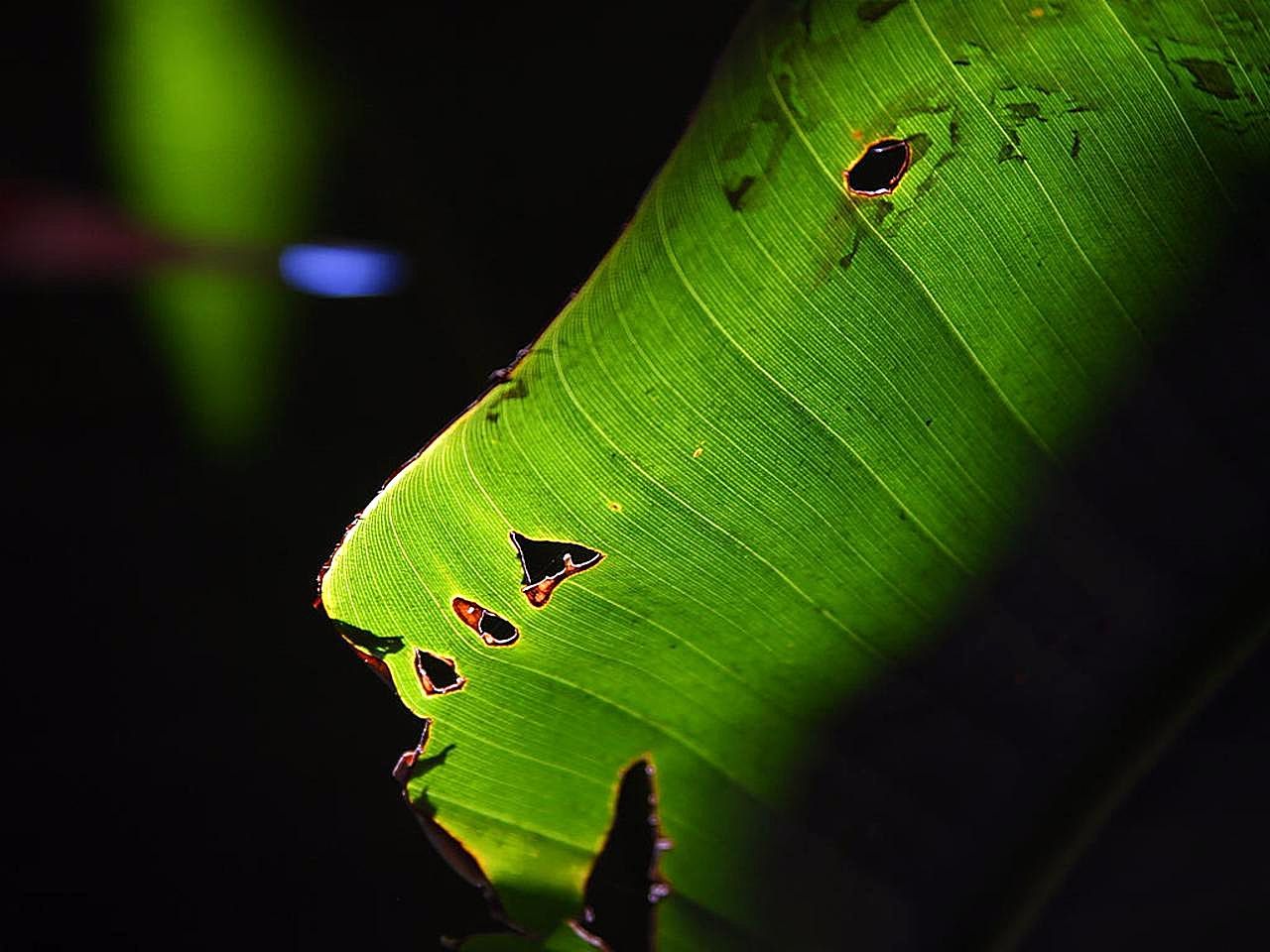
Banana leaf is a broad, glossy paddle of foliage prized for its clean tropical geometry and versatility. Florists use it whole for bold architectural greenery, roll or fold it to line the inside of glass vases, or cut it into strips and sculptural forms for modern and tropical designs. Inexpensive and widely available year-round, it brings instant lushness and scale to installations and event work. It is best used fresh, as the cut blade gradually dries and curls at the edges.
Bay Laurel
Laurus nobilis
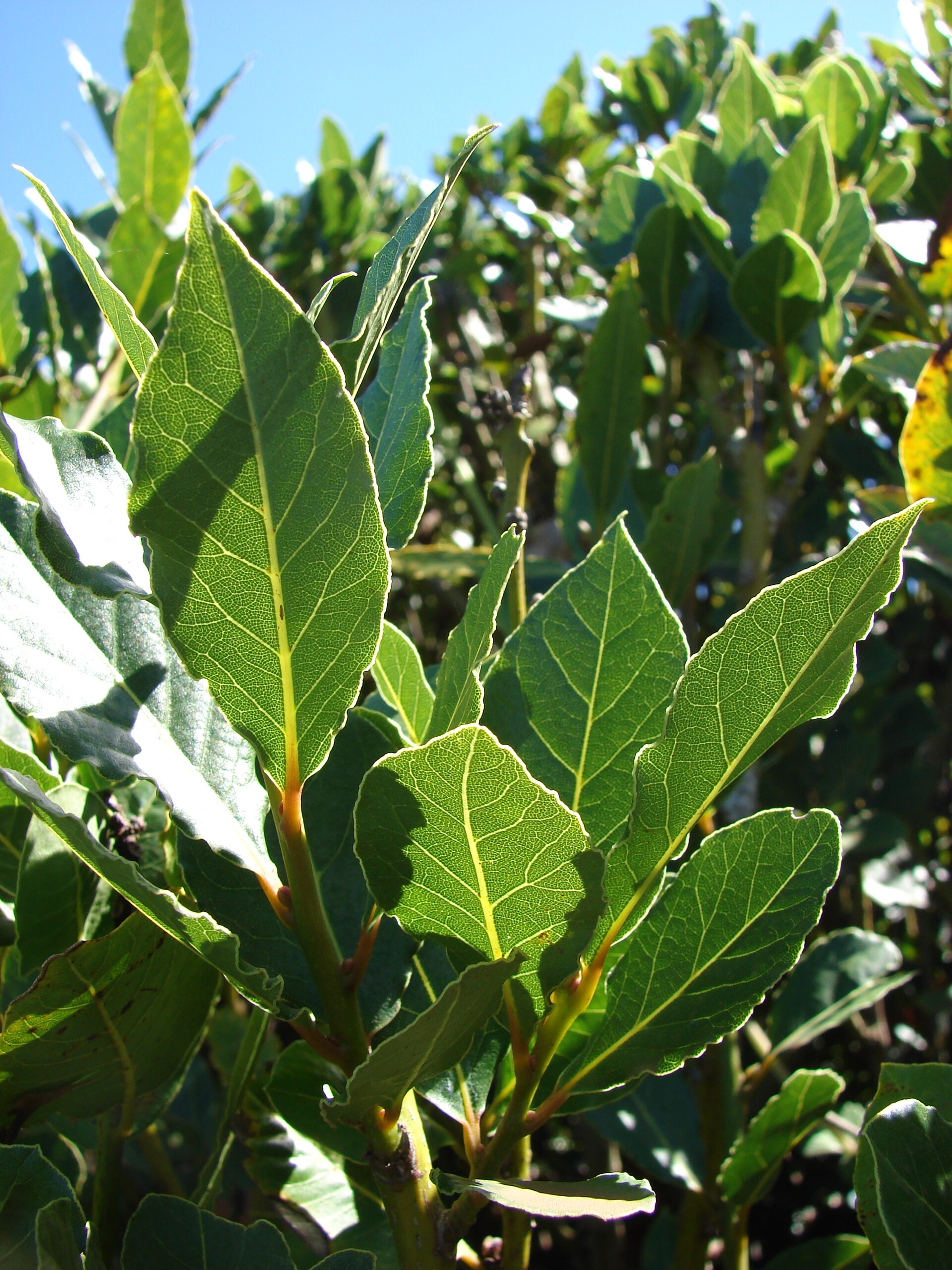
Bay laurel (Laurus nobilis) is the aromatic evergreen of classical wreaths and Mediterranean cooking, valued by florists for its firm, glossy dark-green leaves and warm, spicy scent. The sturdy, upright stems make crisp foliage for garlands, wreaths and structured arrangements. Leaves are long-lasting and dry beautifully, holding shape and fragrance for months. Its rich history of honour and victory adds meaning to celebratory work.
Calathea Leaf
Goeppertia (syn. Calathea)
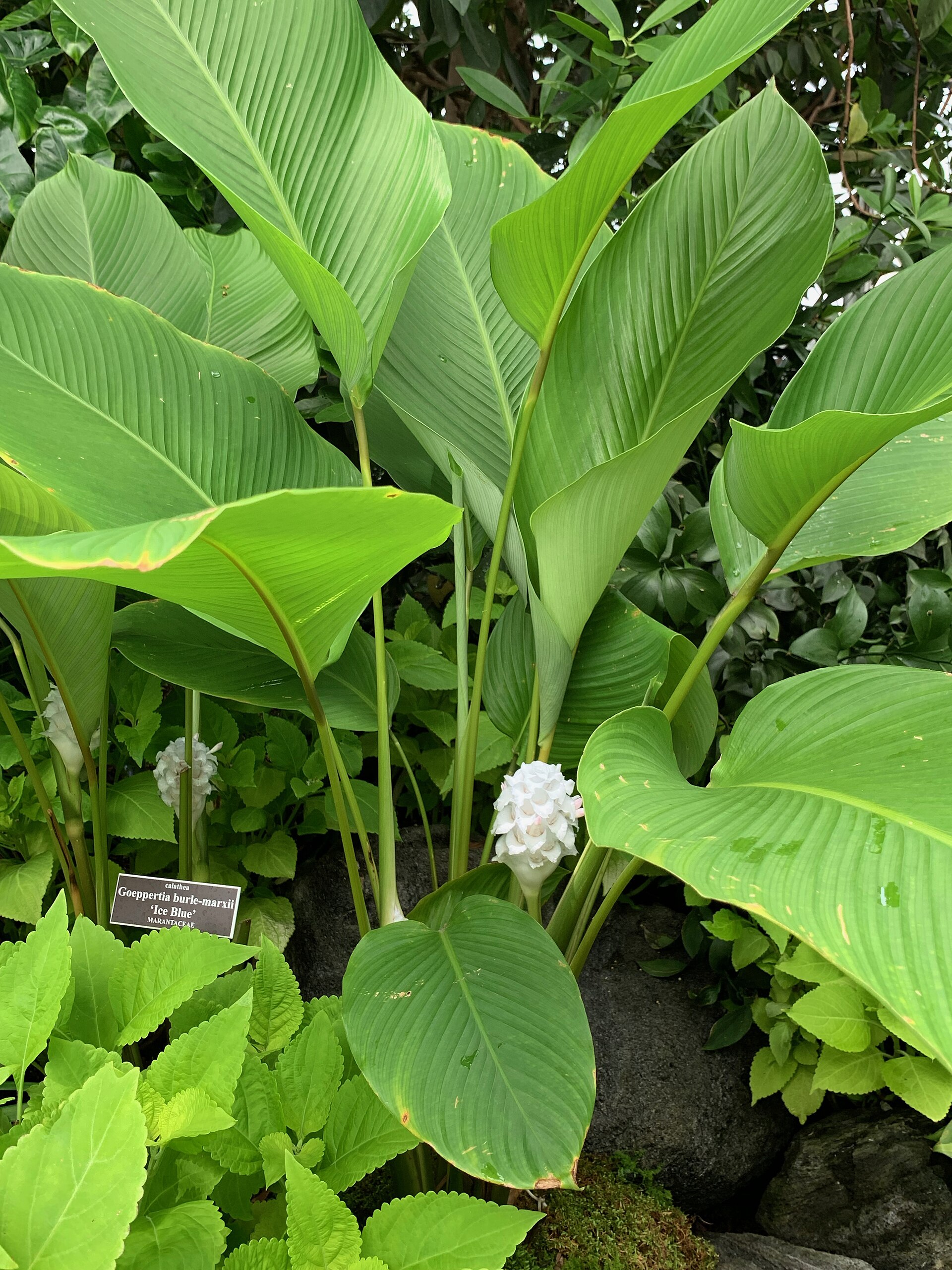
Calathea leaf is a striking patterned foliage whose oval blades carry feathered stripes, spots or veins in deep greens, often with a dramatic burgundy underside. Native to the tropical Americas, it is a favourite for adding graphic texture and colour to modern and tropical arrangements. Florists use it both face-up for its peacock-like markings and reversed to show the wine-red back. More resilient as a cut than many exotic leaves, it holds its beauty for one to two weeks when kept warm and hydrated.
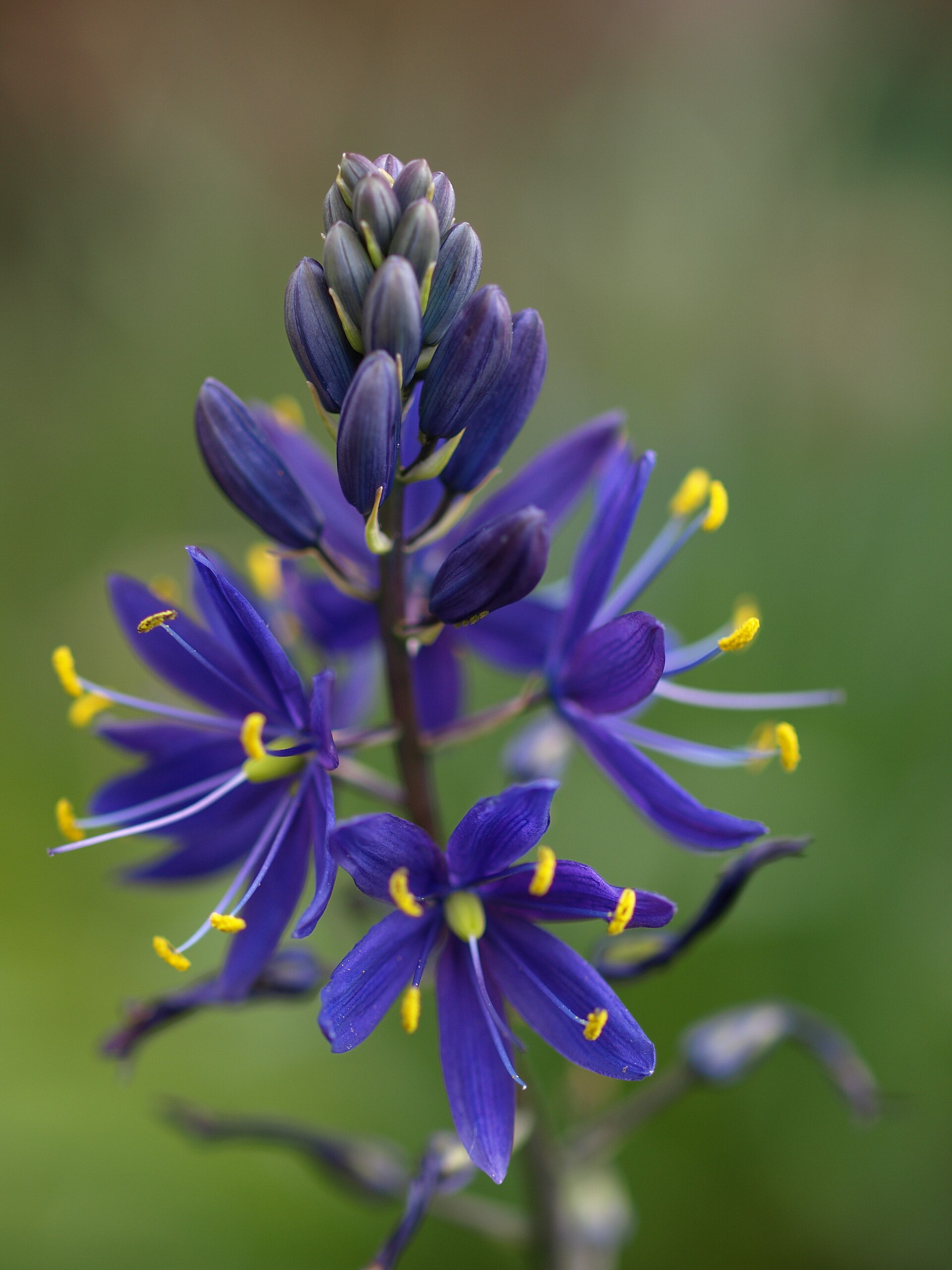
Camassia
Camassia leichtlinii
Camassia sends up slender, tapering spires of star-shaped flowers in soft blues, violets and creamy whites, opening gradually from the base of the spike. A prairie and meadow native, it gives florists a graceful, naturalistic line flower that adds vertical rhythm and gentle colour to spring designs. Its wild-hyacinth look suits garden-style bouquets, tall arrangements and loose installations. Blooming across April and May, it captures the fresh, untamed feel of a spring meadow.
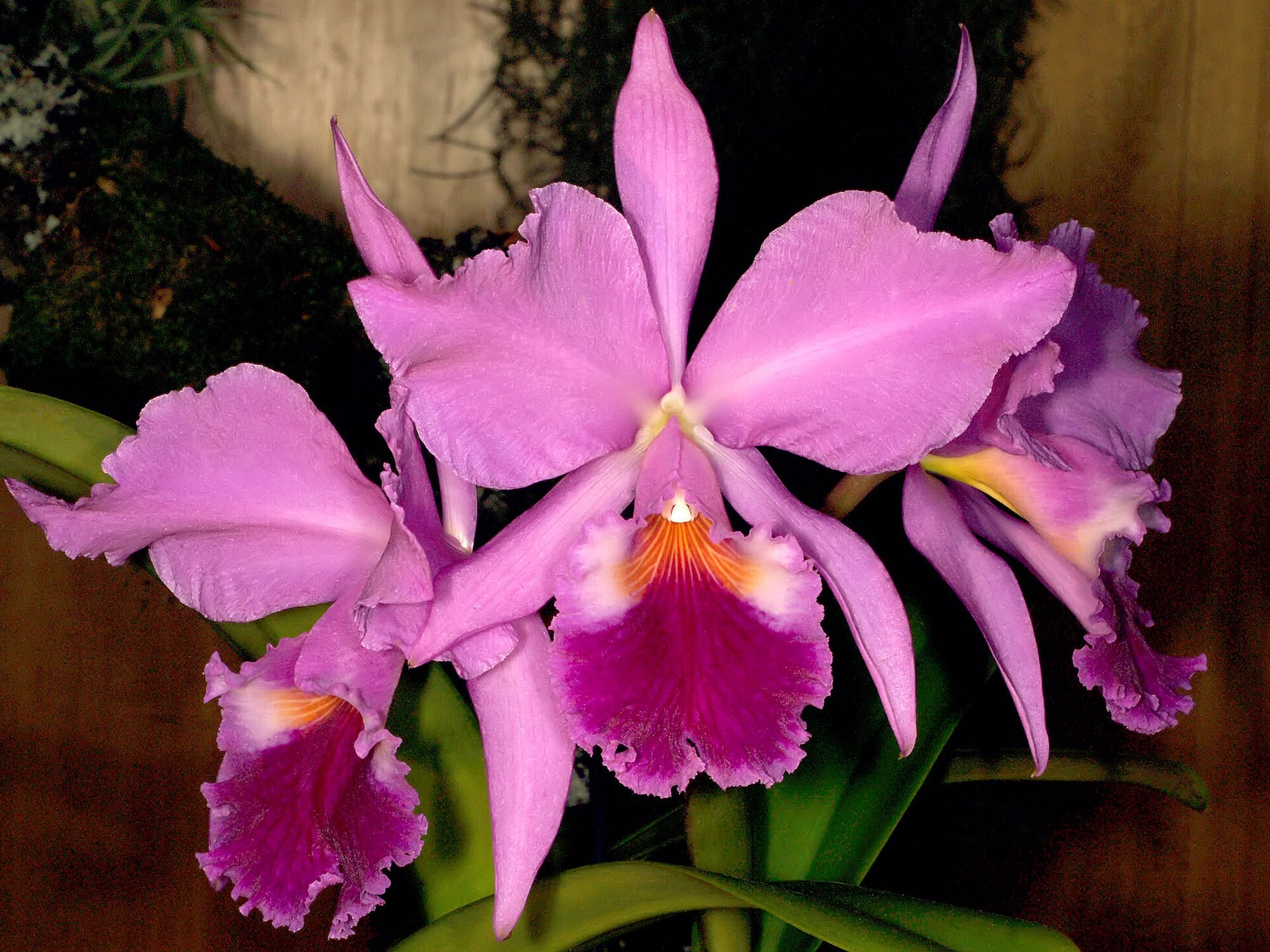
Cattleya Orchid
Cattleya
Cattleya is the classic 'corsage orchid' — large, ruffled and richly fragrant, with a flamboyant frilled lip that made it the emblem of old-fashioned glamour. Blooms come in lavender, white, pink, coral and yellow, often with a contrasting throat, and their heady perfume sets them apart from most orchids. More delicate and shorter-lived than dendrobium or vanda, cattleya is used where it can be shown off: corsages, boutonnieres and luxury focal work. It remains a traditional Mother's Day flower and a byword for refined, showy beauty.
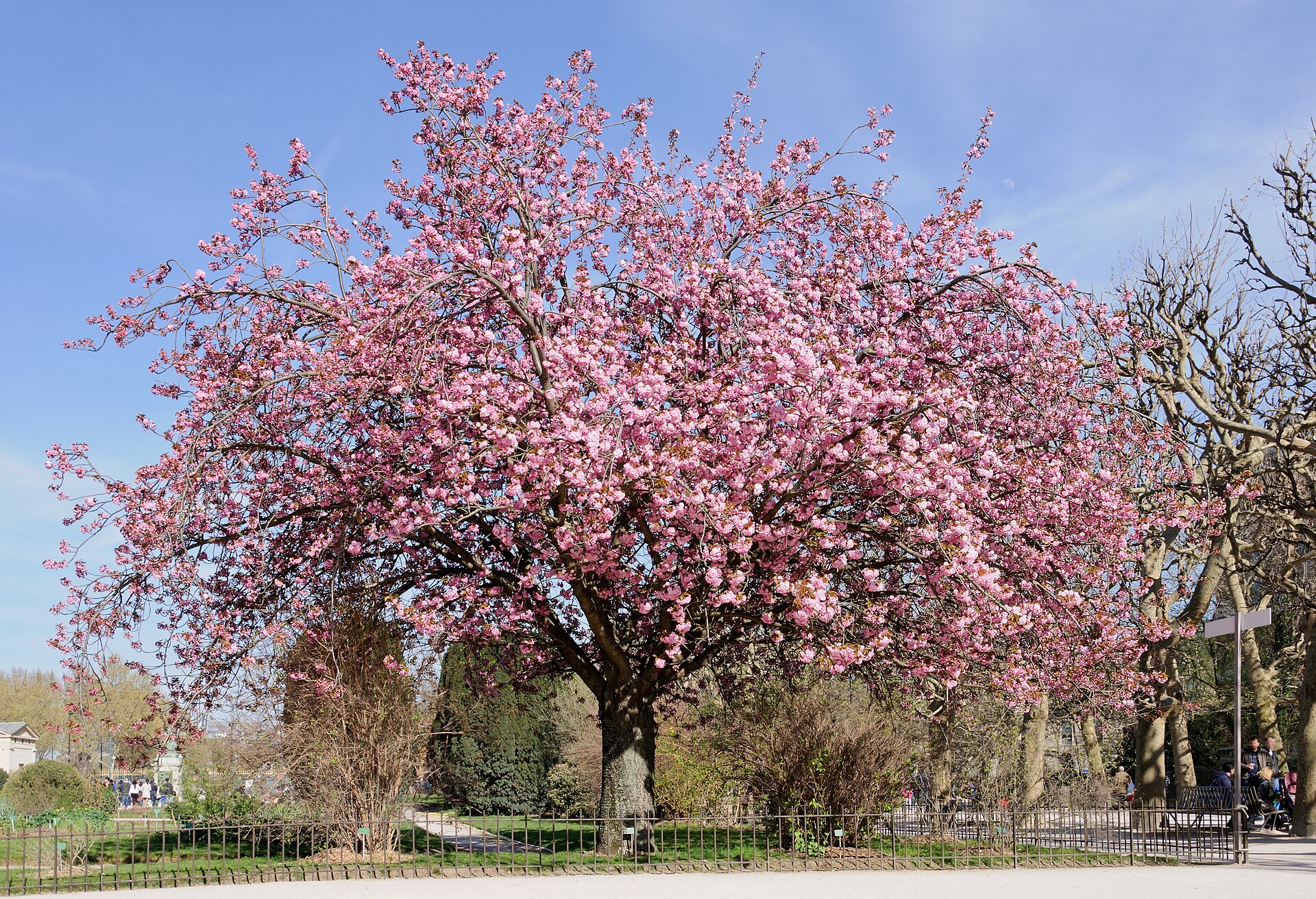
Cherry Blossom
Prunus serrulata
Cherry blossom is the fleeting emblem of spring — woody branches clouded with soft pink and white five-petalled flowers along their length. Florists treasure it for dramatic, ethereal height in luxury weddings, ceiling installations and grand arrangements, where its blush-toned branches create an instant sense of romance. The bloom window is famously brief, which makes the branches feel precious and highly seasonal. Cut in bud, they can be gently forced open indoors ahead of the outdoor season.
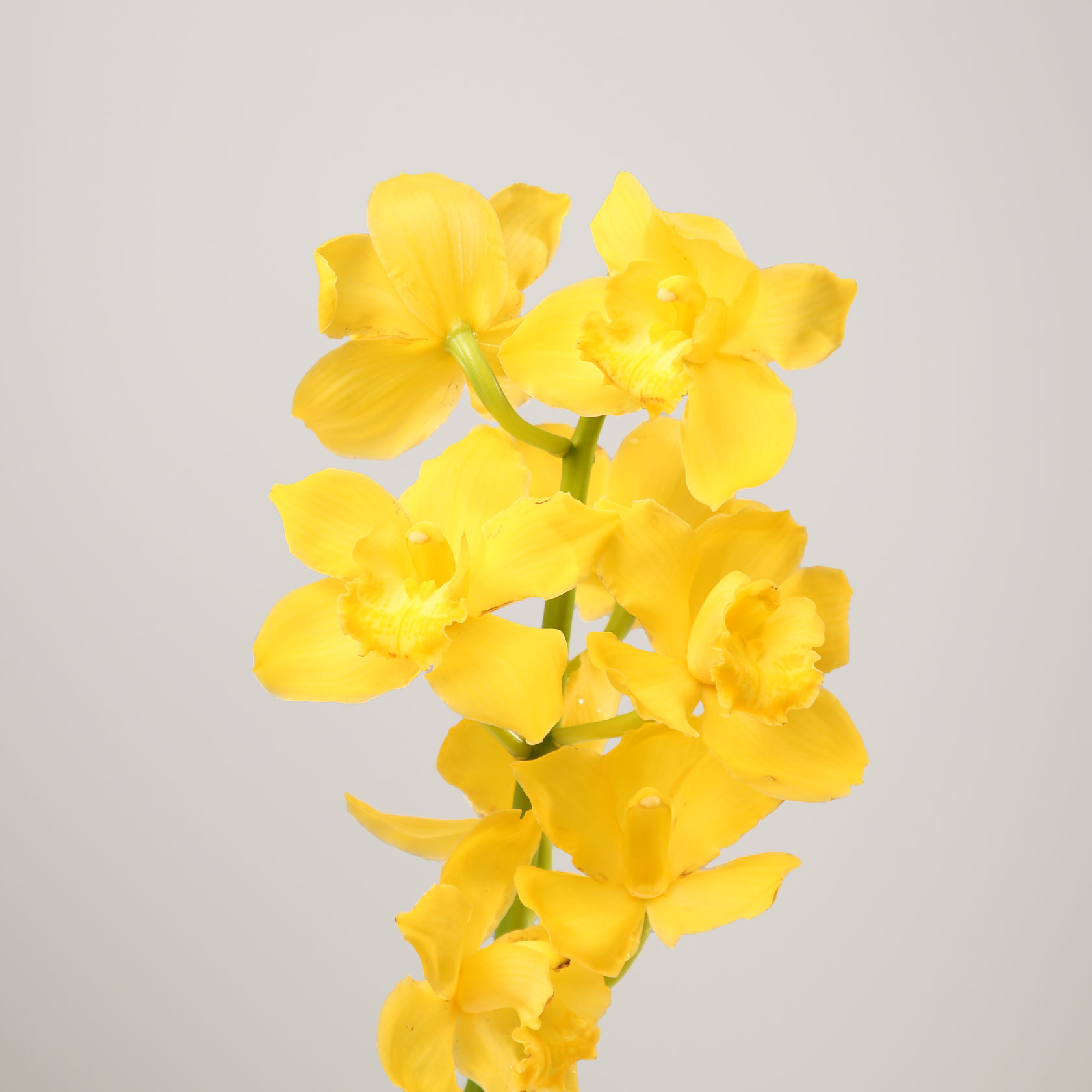
Cymbidium orchid
Cymbidium
The cymbidium is the winter orchid — a single stem carries 8–15 florets that last a full month once cut. Green cymbidiums with a burgundy lip are the editorial designer's favourite. Each floret can be broken off and wired for corsage or cake decoration, extending the value of a single stem across a whole event.
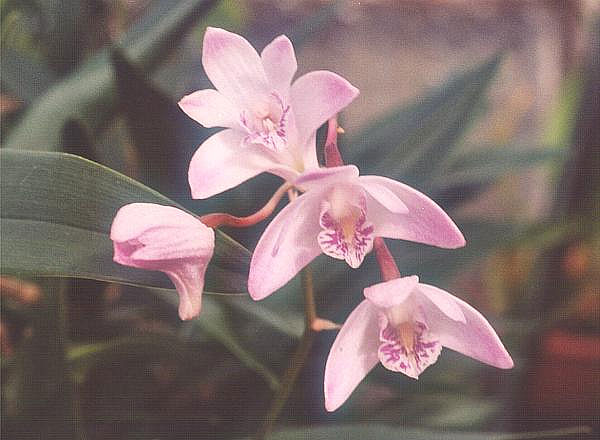
Dendrobium Orchid
Dendrobium
Dendrobium is one of the largest orchid genera, and its long, arching sprays of waxy florets are a florist staple grown year-round in Southeast Asia. Prized for exceptional vase life and a clean, architectural line, each stem carries anywhere from a handful to a dozen blooms in white, purple, pink, green and lime. Florists reach for it in bridal work, corsages and tropical designs, while single florets are ideal for cake work and boutonnieres. Sturdy yet elegant, it delivers exotic polish at a friendlier price than most orchids.
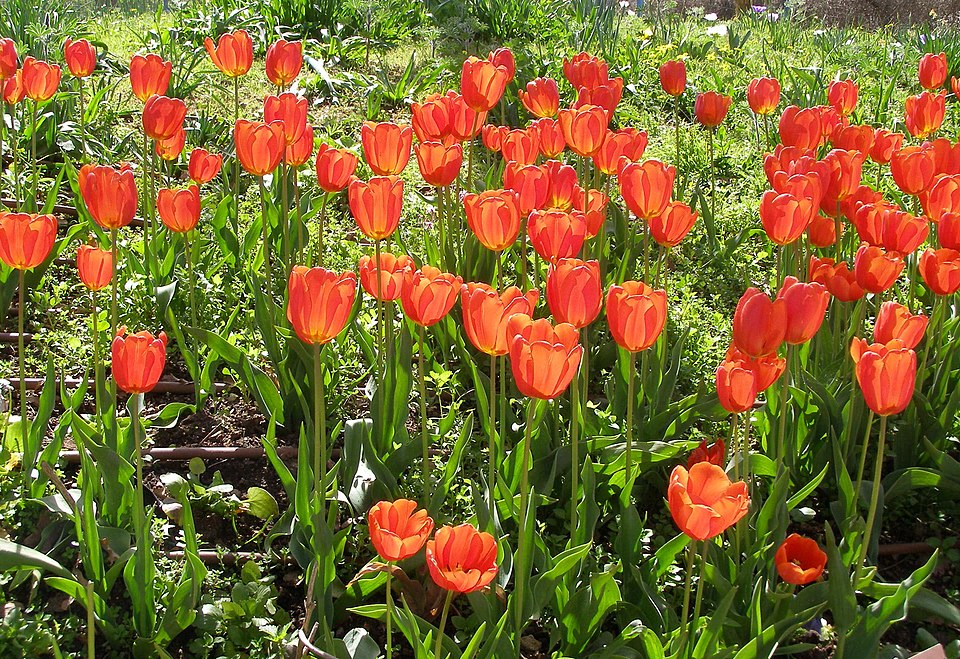
Double tulip
Tulipa (double-flowered varieties)
Double tulips — often marketed as 'peony tulips' — carry a peony-shaped bloom on a tulip stem. During the peony gap (July–April in the northern hemisphere), double tulips are the closest substitute at a fraction of the cost. La Belle Époque is the wedding favourite: dusty peach fading to cream.
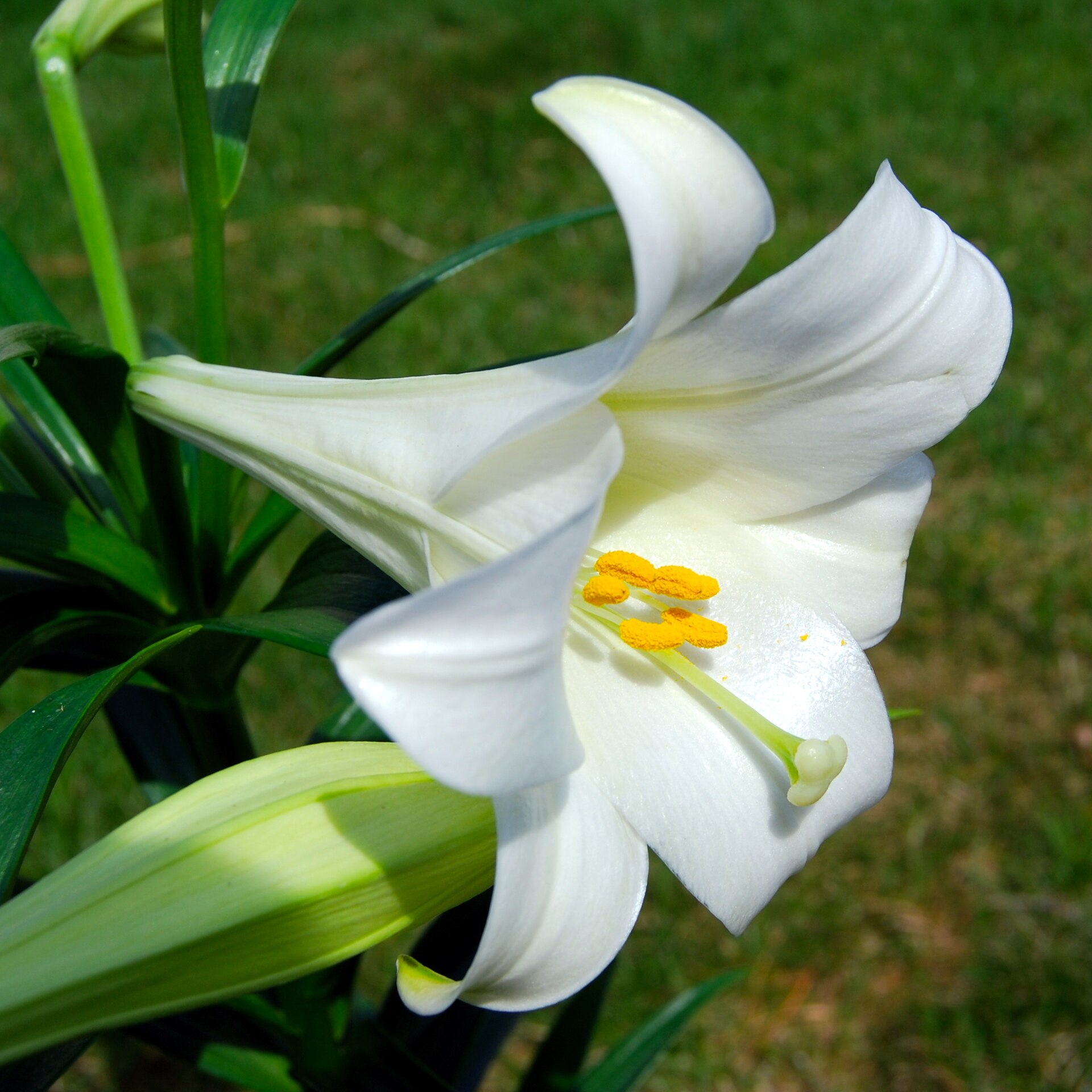
Easter Lily
Lilium longiflorum
The Easter lily is the classic pure-white trumpet lily, its long, elegant flowers carrying a sweet fragrance that defines spring church and ceremonial work. Native to the Ryukyu Islands of Japan and forced heavily for the Easter market, it brings a serene, formal note to weddings and sympathy tributes alike. Florists value its statuesque stems and crisp white trumpets, though the potent pollen must be managed. Its symbolism of purity and rebirth makes it a mainstay of spring celebrations and memorial arrangements.
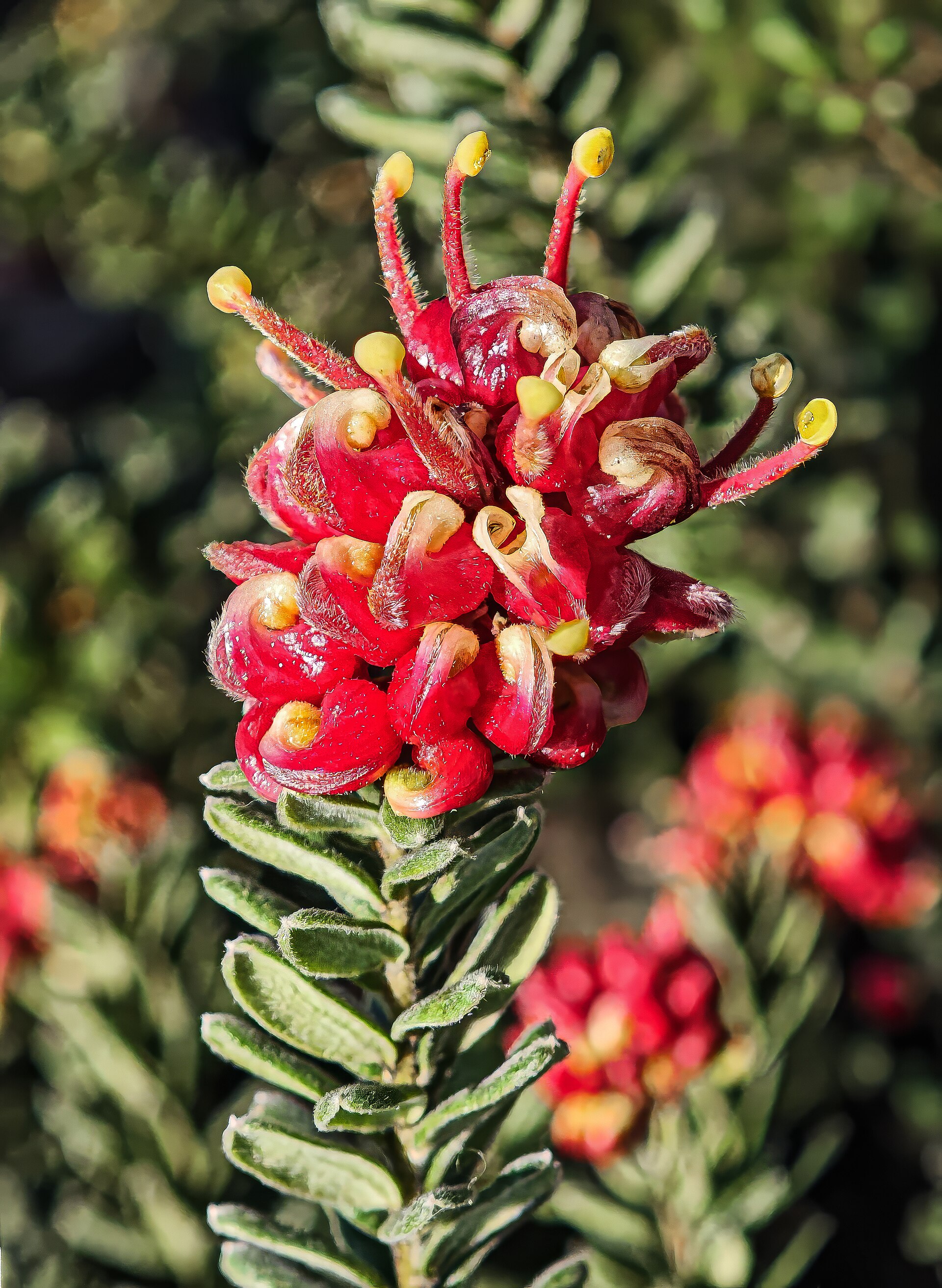
Grevillea
Grevillea
Grevillea is an Australian native grown for its finely divided, fern-like foliage and curious clusters of curling 'spider' flowers in reds, pinks and creams. Designers use it chiefly as a soft, textural foliage or filler that adds movement and a wild, garden-gathered feel. It is hardy and long-lasting, weaving greenery and flashes of flower colour through bouquets and arrangements. The delicate leaves contrast beautifully with bolder proteas and banksias.
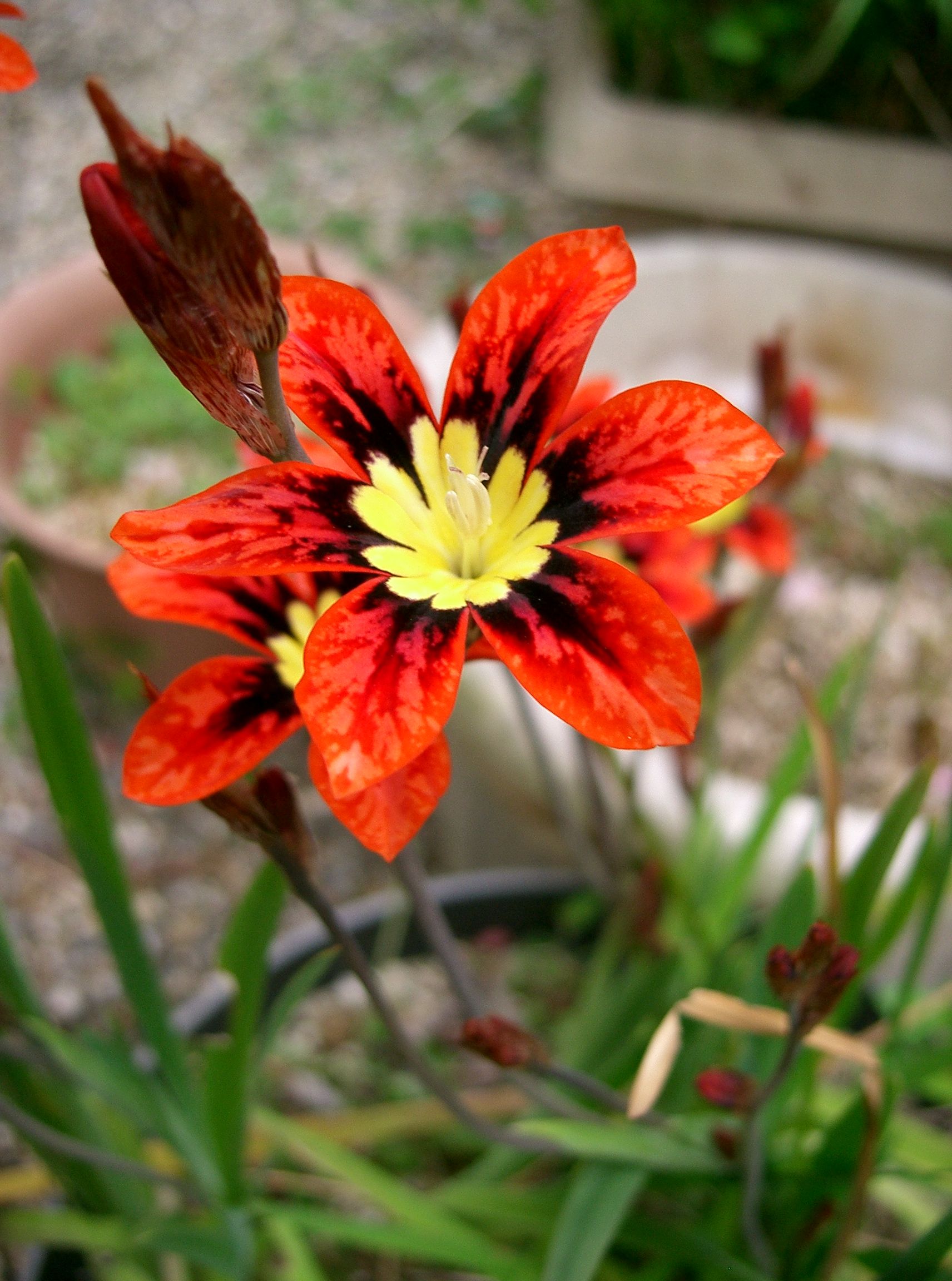
Harlequin Flower
Sparaxis tricolor
Harlequin flower earns its name from vivid, multicoloured blooms that often flare orange, yellow and purple with a dark central eye. A South African corm flowering in spring, it brings jewel-bright colour and a jaunty, informal charm to small-scale work. Florists use its short, wiry stems as a lively filler in bouquets and posies. Its bold contrasts make it a standout accent in playful, garden-style spring designs.
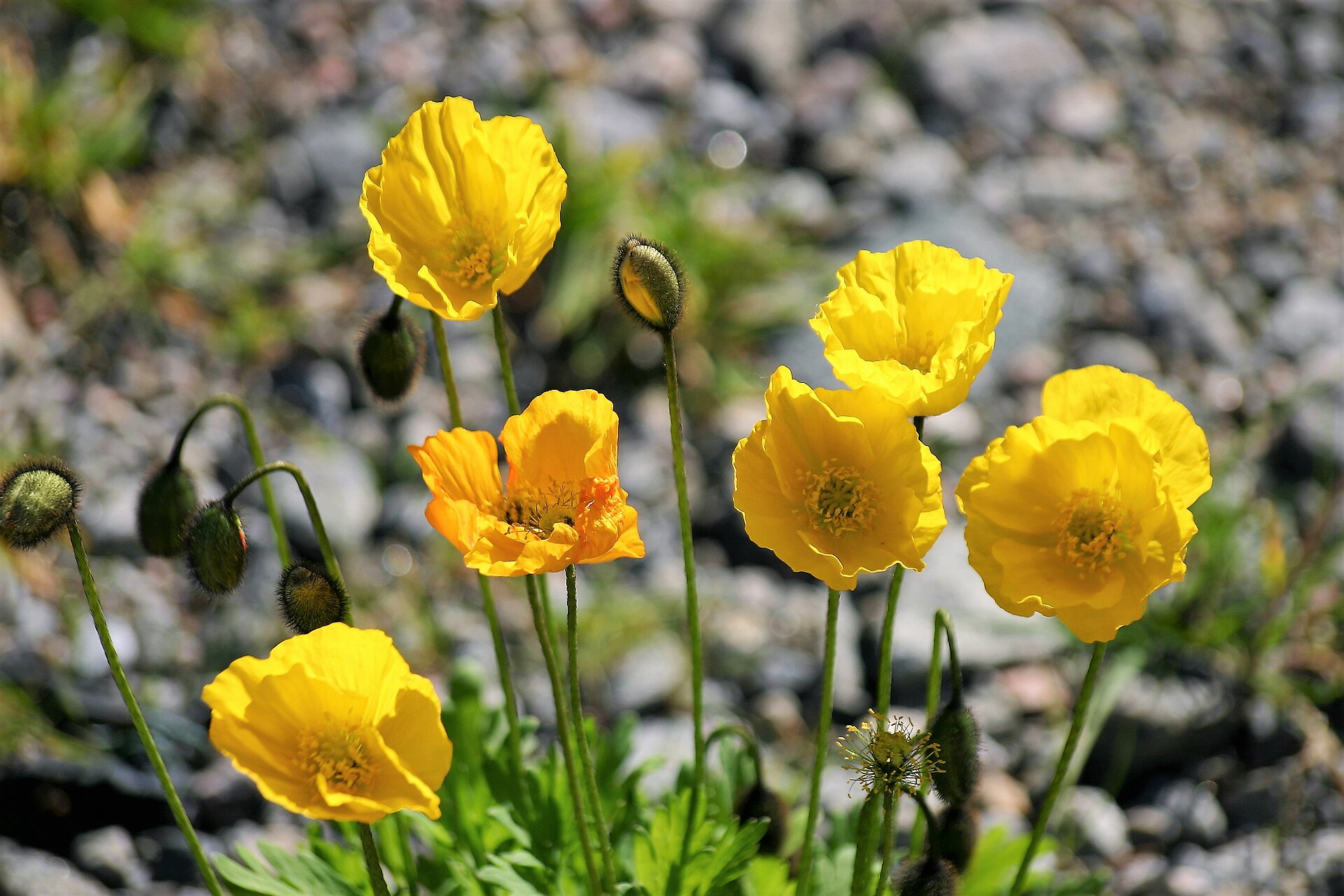
Iceland Poppy
Papaver nudicaule
The Iceland poppy is the florist's beloved poppy — wiry stems topped with tissue-thin, crepe-petalled cups in sherbet shades of apricot, peach, lemon and blush. Prized for editorial and fine-art wedding work, it brings movement and a hand-painted delicacy nothing else quite matches. Its glory is fleeting: even well conditioned, blooms last only a few days, and stems must be seared to survive cutting. Buy in bud and let the papery sheath crack open in the vase for the longest show.
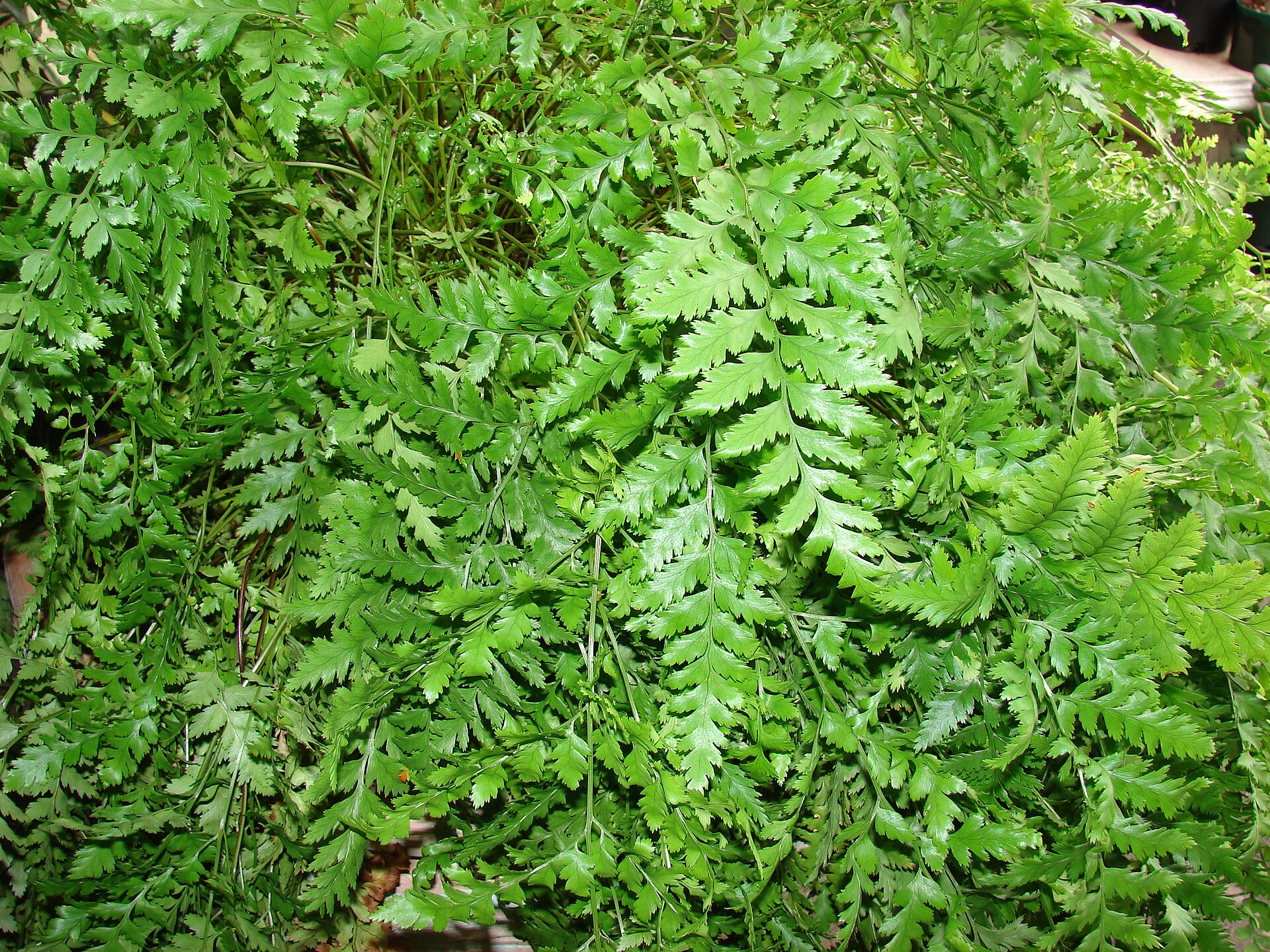
Leatherleaf Fern
Rumohra adiantiformis
Leatherleaf fern (Rumohra adiantiformis) is the florist's default fern — a tough, triangular frond with a firm, almost plasticky texture that holds up far better than most ferns out of water. Deep glossy green and finely divided, it adds airy depth and a woodland feel without wilting. It is grown commercially on a huge scale and is one of the cheapest, most available cut greens worldwide. Florists use it to back corsages, line hand-tied bouquets and soften funeral and everyday designs.
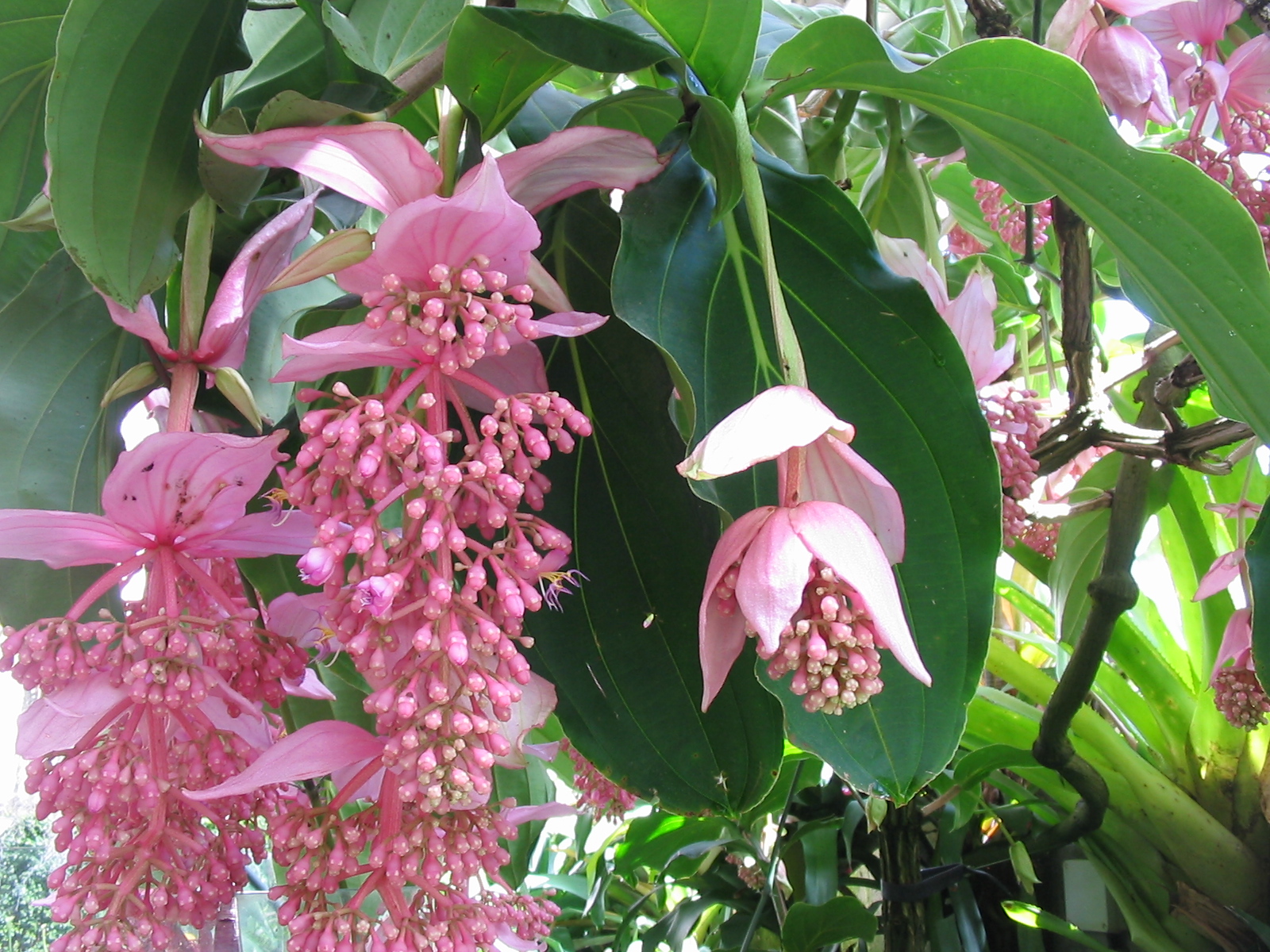
Medinilla
Medinilla magnifica
Medinilla is a spectacular tropical showpiece prized for its cascading panicles of coral-pink flowers cradled by large papery bracts, resembling a chandelier of grapes. Native to the humid mountain forests of the Philippines, it is grown as a specialty cut and commands a premium price. Florists reach for it when a design needs a single, unforgettable focal with pendulous movement — it suits luxury and tropical weddings and high-end editorial work. Its drama comes at a cost: it is delicate, chill-sensitive and best featured on its own rather than crowded into mixed arrangements.
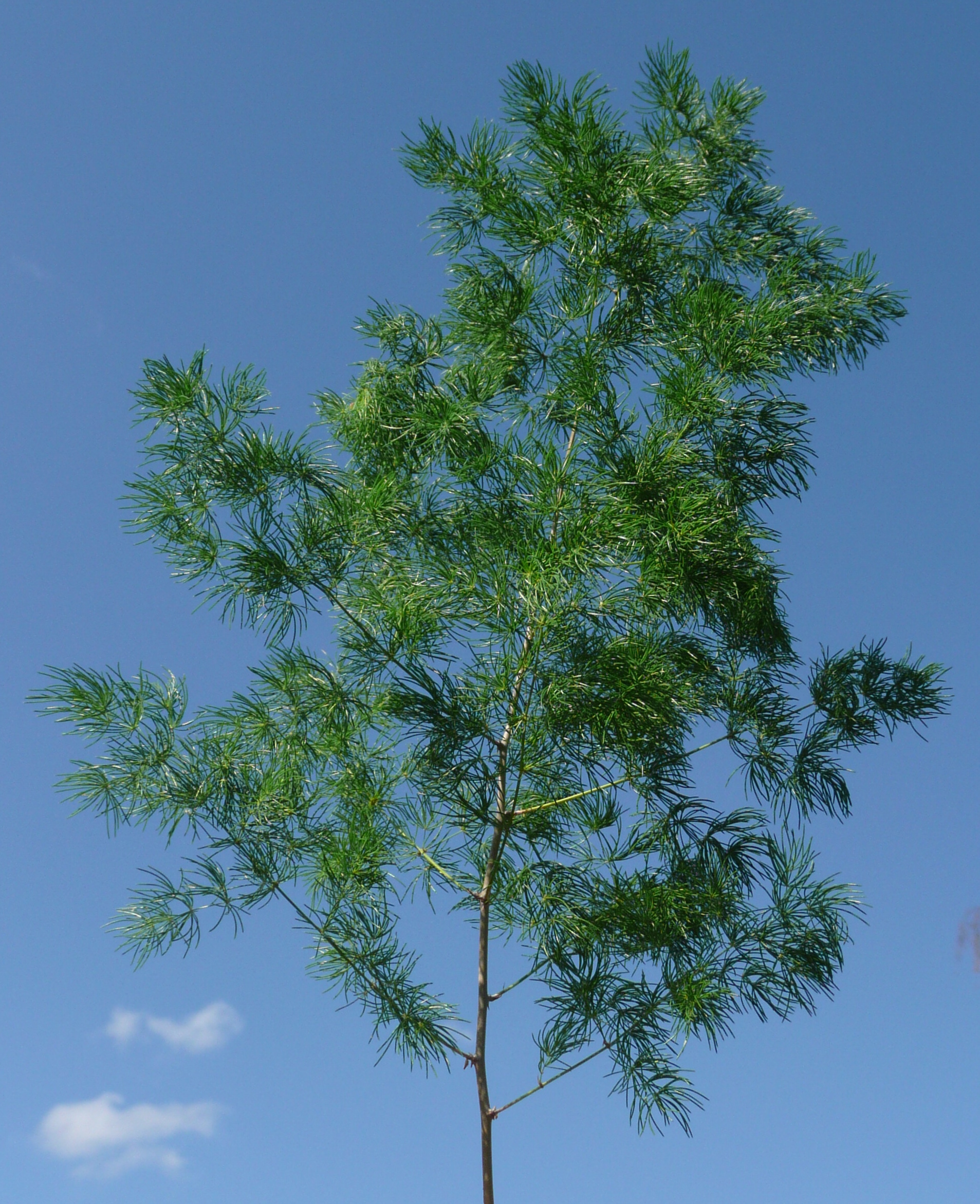
Ming Fern
Asparagus retrofractus
Ming fern is another ornamental asparagus rather than a true fern, recognised by its stiff, zig-zagging stems topped with fluffy pompom tufts of fine green needles. The clustered, cloud-like texture adds depth and structure to arrangements, and its long, strong stems suit large-scale and architectural work. It is notably durable, holding well in and out of water, which makes it a dependable choice for events and installations. Florists prize its distinctive sculptural silhouette.
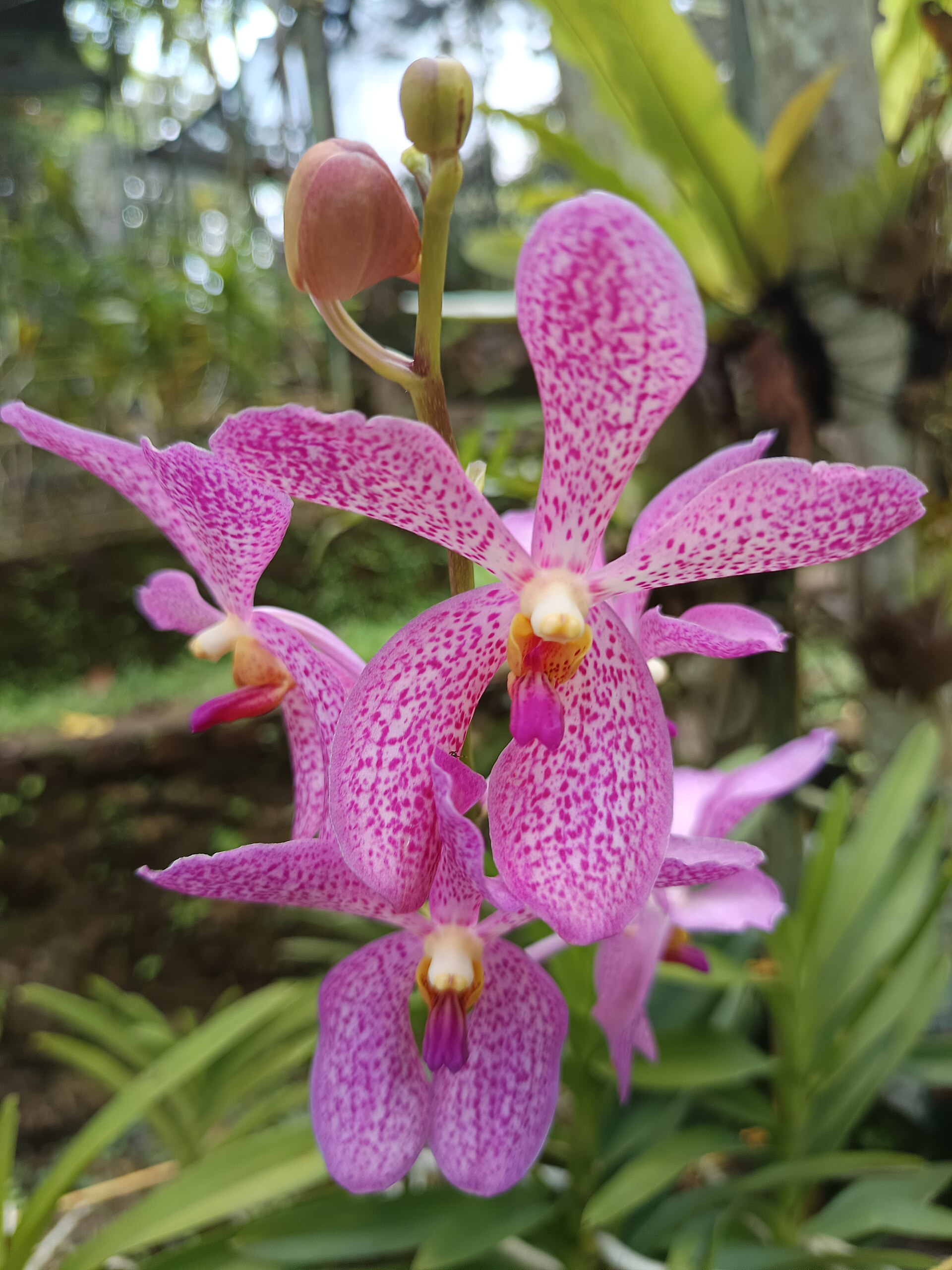
Mokara Orchid
Mokara (Arachnis × Ascocentrum × Vanda)
Mokara is a vibrant, single-flowered spray orchid bred from Arachnis, Ascocentrum and Vanda, giving it saturated colour and a flat, open face on a slender upright stem. Cultivated year-round in Southeast Asia, it is a florist staple for adding jewel-toned tropical punch to bouquets, buttonholes and event work. Each stem carries several evenly spaced blooms that last well out of water, making it a favourite for corsages and boutonnieres. Its clean geometry and long vase life earn it a place in both modern and tropical designs.
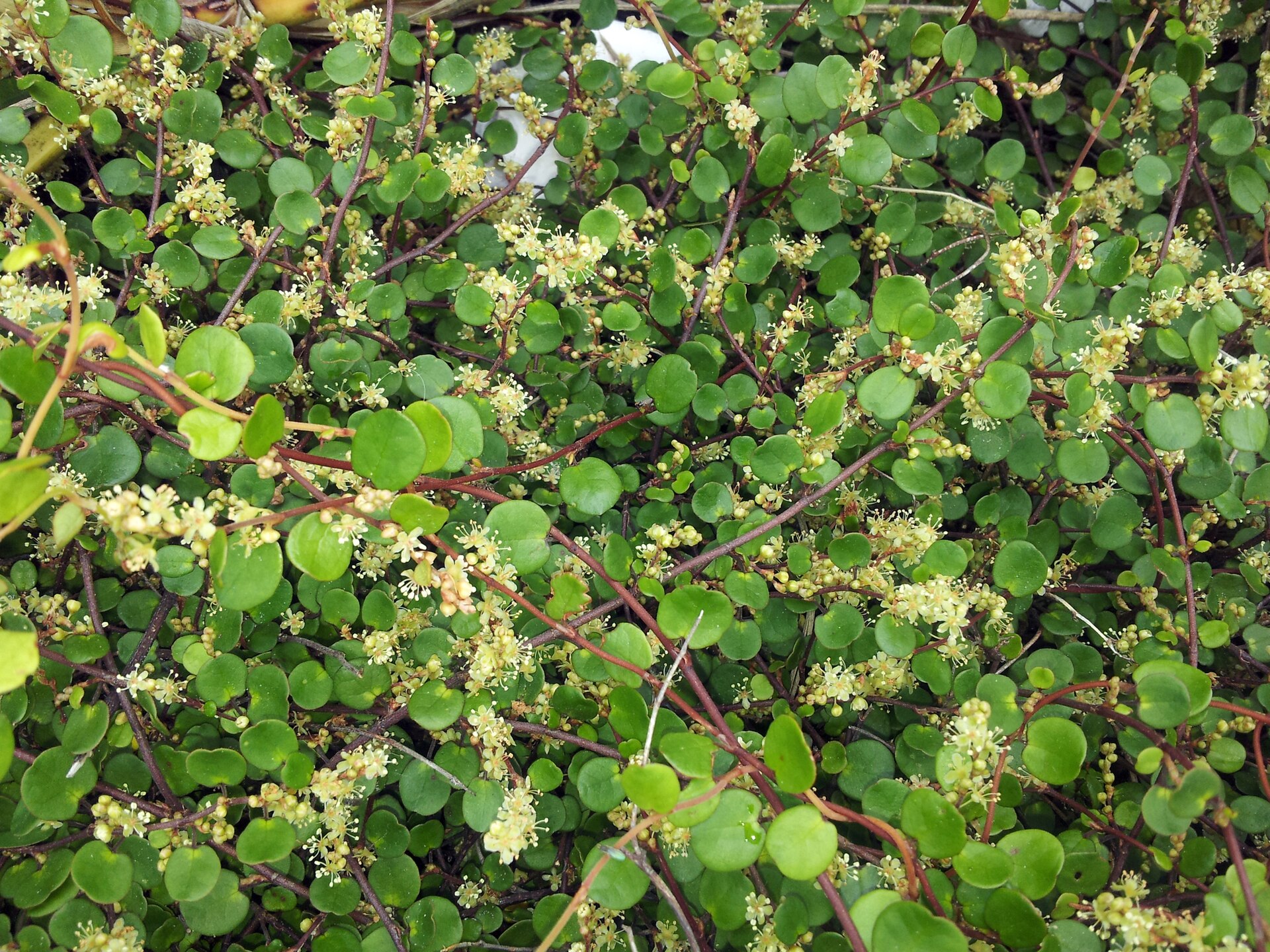
Muehlenbeckia
Muehlenbeckia complexa
Muehlenbeckia, often sold as wire vine or angel vine, is a New Zealand climber with fine, dark, wiry stems set with tiny round leaves. Its delicate, tangling texture makes it a favourite for wiring into crowns, garlands and intricate installations. It is durable, forgiving to handle and dries well, so it earns its place year-round. Florists reach for it whenever they want a light, airy green line with movement.
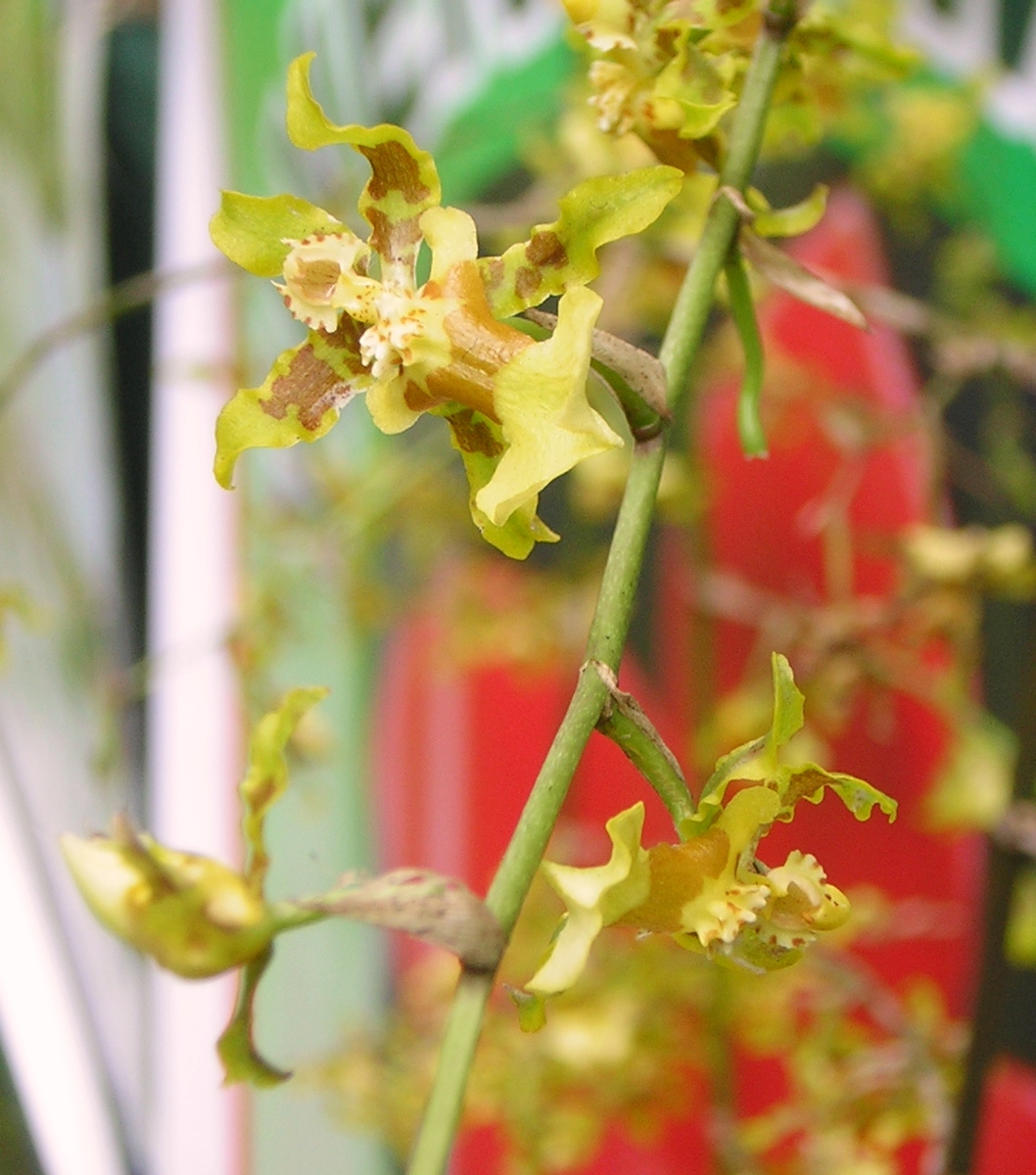
Oncidium Orchid
Oncidium
Oncidium, the 'dancing lady' orchid, produces airy, branching sprays scattered with dozens of small ruffled florets — most often in cheerful golden yellow marked with mahogany. Its cloud-like form adds movement and a fine, filler-like texture that softens tropical and modern arrangements alike. Long-lasting and playful, it reads as luxurious without the weight of a large focal orchid. Florists use it to add rhythm, spill and a sense of joy to bouquets and installations.
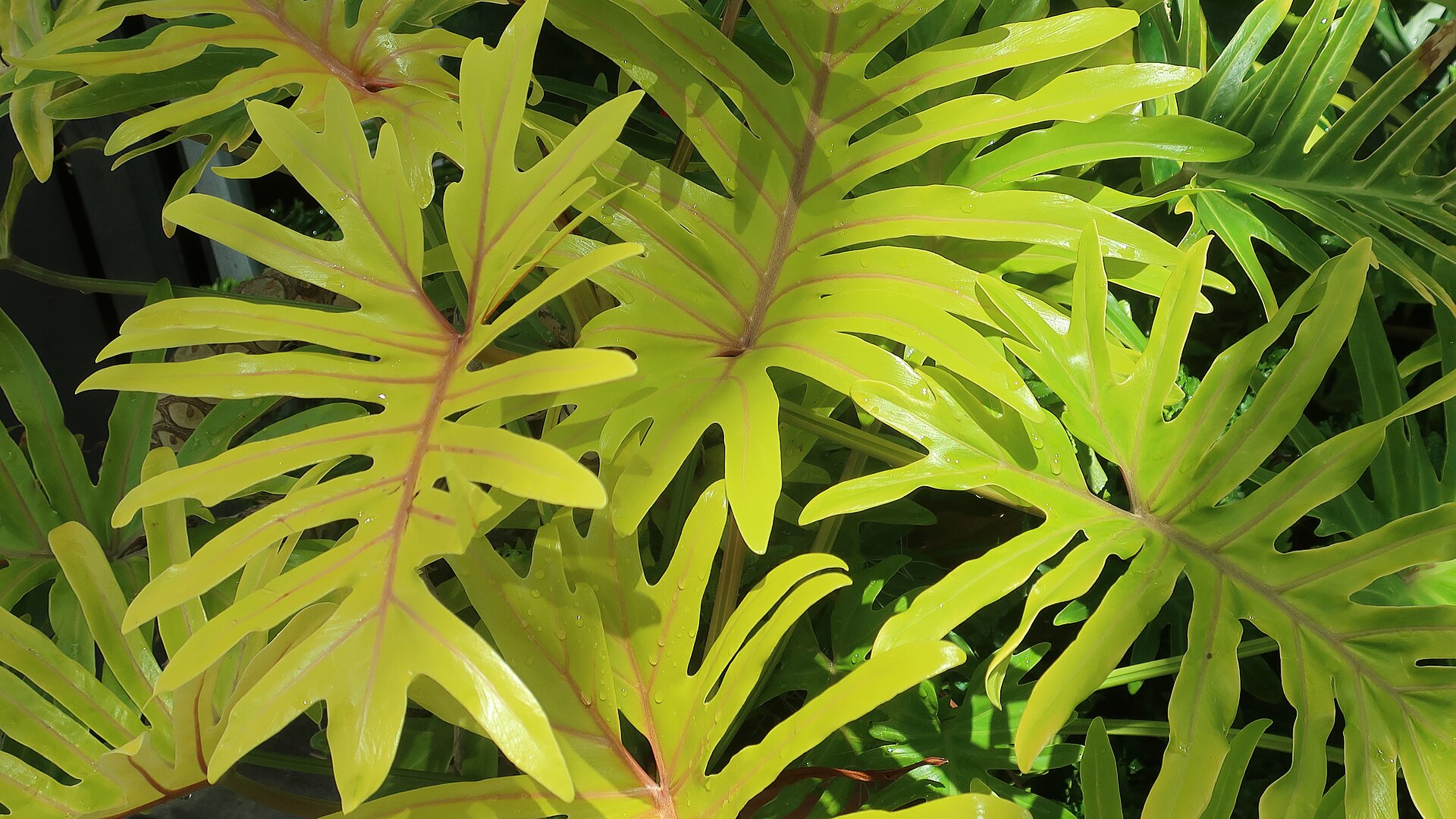
Philodendron Leaf
Philodendron bipinnatifidum
Philodendron leaf is a large, deeply lobed tropical foliage that brings instant scale and drama to bold arrangements. Its glossy, split blades read as sculptural greenery, ideal for tropical bouquets, corporate pieces and large-format installations. A single leaf can anchor a design or line a tall vase, and the foliage lasts for weeks with basic care. Florists reach for it whenever they want architectural, jungle-lush structure with minimal fuss.
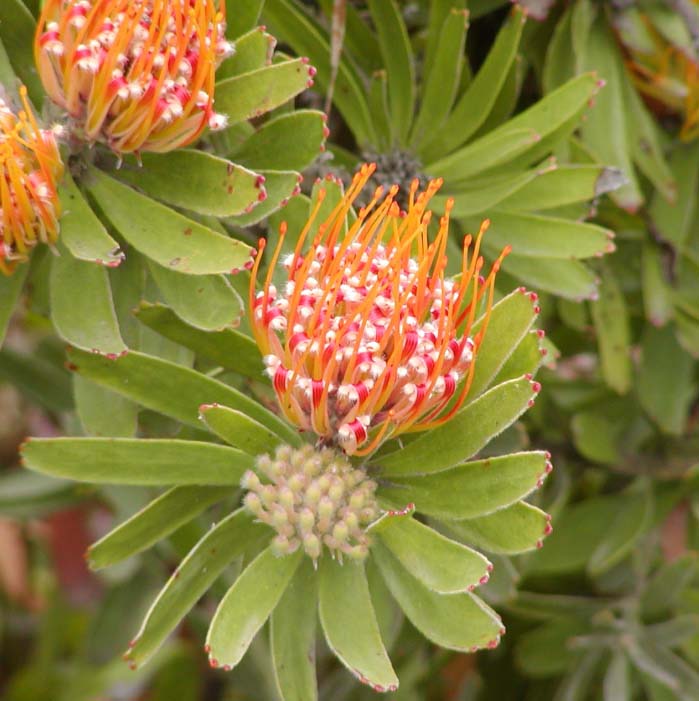
Pincushion Protea
Leucospermum
Leucospermum, better known as the pincushion protea, opens into a rounded dome of curving styles that look like pins in a cushion, in vivid oranges, yellows and corals. It brings fiery colour and playful texture to tropical, bohemian and contemporary work. The wiry, woody stems are long-lasting and hold up well out of water for a time, making the flower a favourite for bouquets and installations. Each bloom reads as a small burst of sunlight.
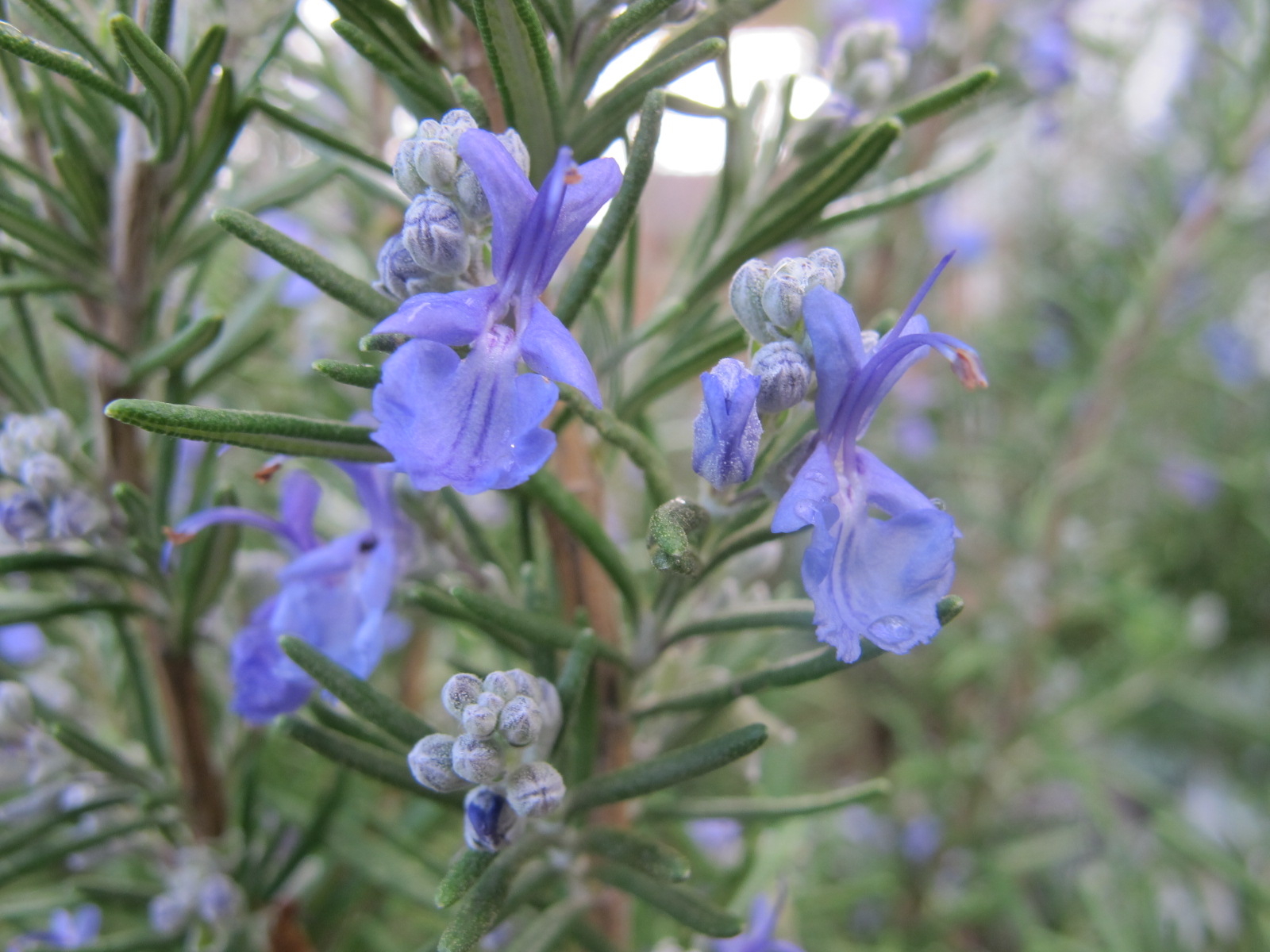
Rosemary
Salvia rosmarinus
Rosemary (Salvia rosmarinus) is the fragrant Mediterranean herb whose needle-like grey-green leaves release a fresh, resinous scent when brushed. Florists tuck short sprigs into bridal bouquets, boutonnieres and wedding favours as a scented, meaningful accent. Its slender, upright habit and aromatic foliage suit rustic, garden and herb-inspired designs. Long associated with remembrance and fidelity, it carries sentiment as well as texture.
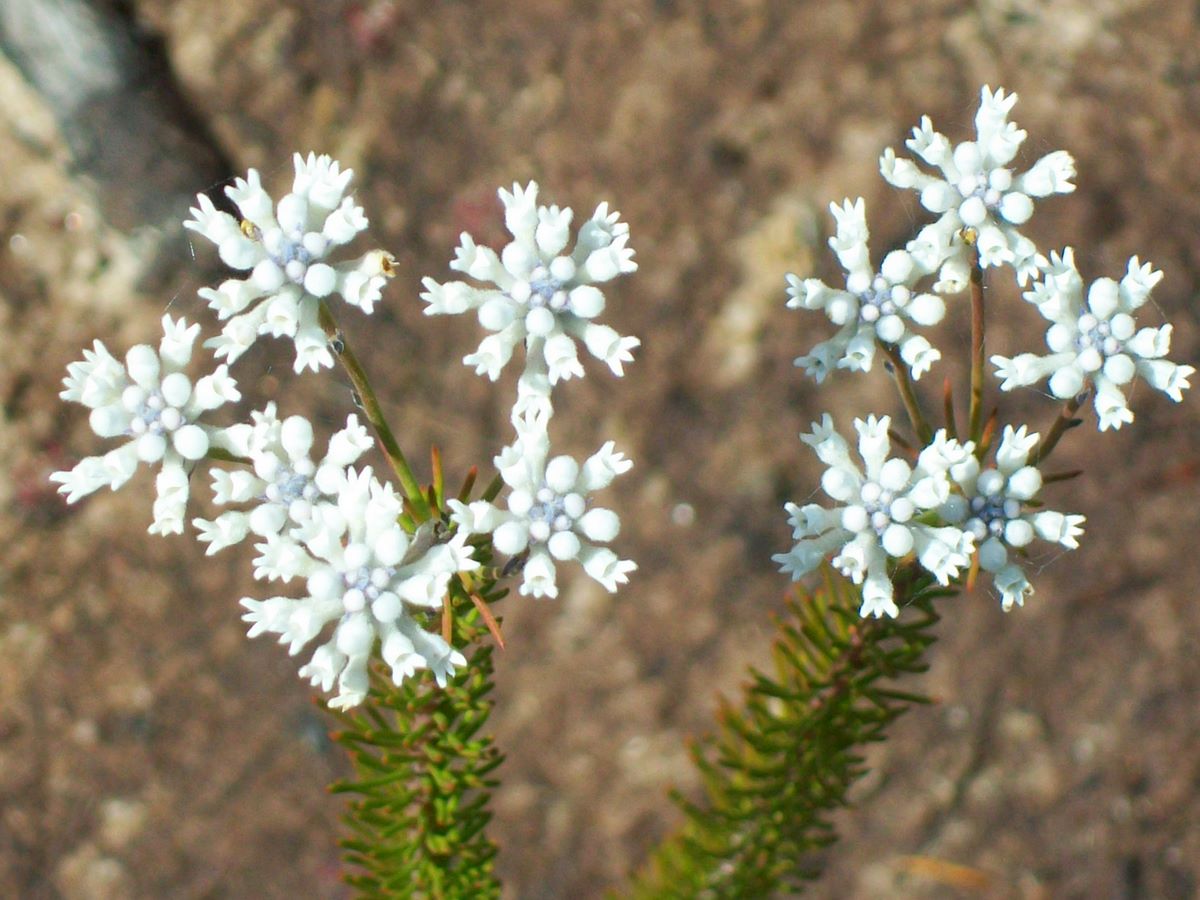
Smokebush
Conospermum
Smokebush, or Conospermum, is a Western Australian native whose masses of tiny, woolly flowers create a soft grey-white haze, like drifting smoke. It is a delicate, airy filler that lends a romantic, misty texture to bouquets and loose, natural designs. The fine stems are long-lasting fresh and dry exceptionally well, keeping their smoky cloud for months. It pairs beautifully with proteas, textural foliage and pastel blooms.
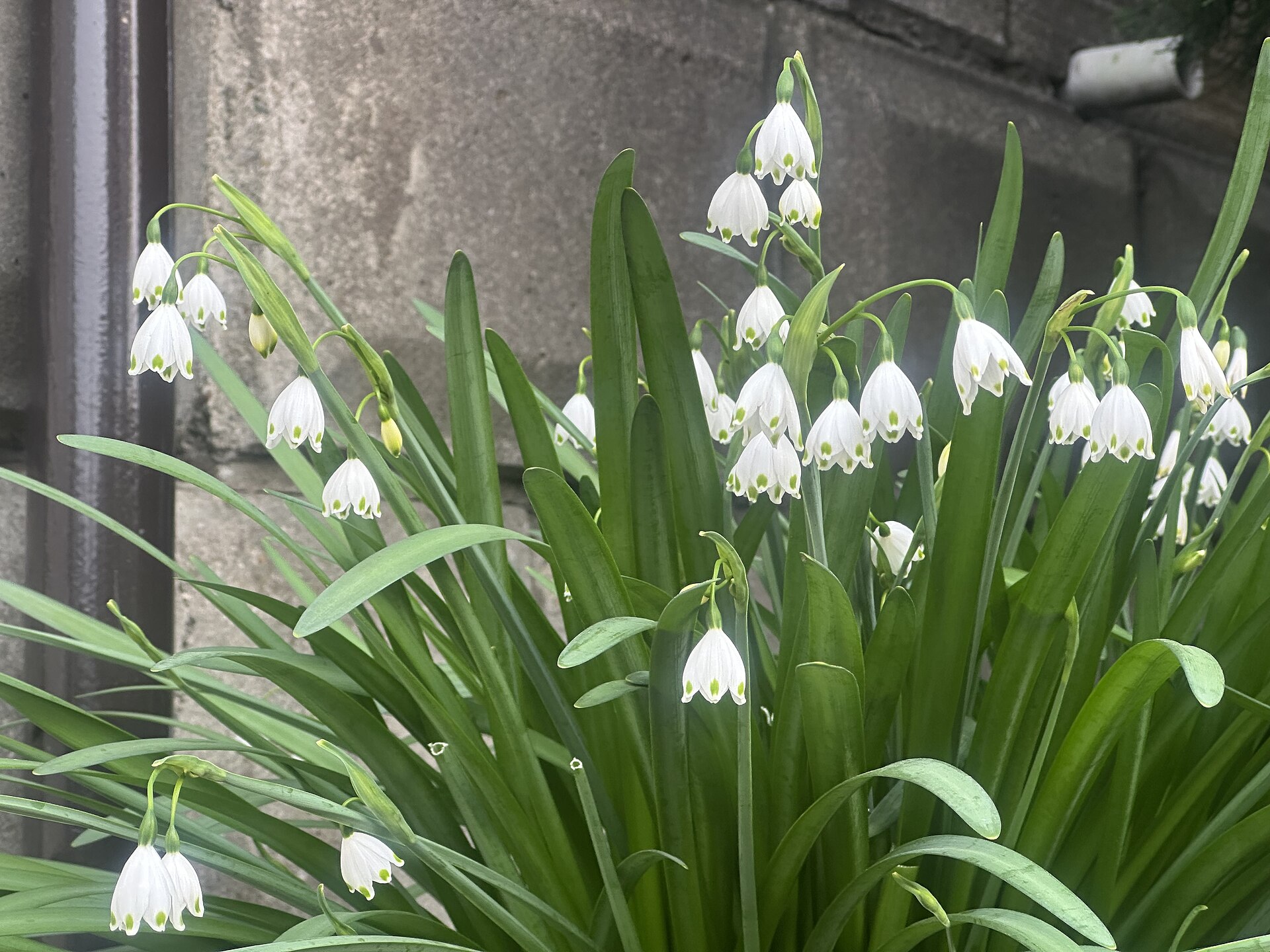
Snowflake
Leucojum aestivum
Leucojum, the summer snowflake, carries clusters of nodding white bells, each petal tipped with a fresh green dot, on slim arching stems. Despite its name it is a true spring flower, and florists love it for the dainty, woodland softness it lends to bouquets and delicate arrangements. Its cool white-and-green colouring pairs beautifully with other spring bulbs and makes it a natural for pared-back, garden-style work. Fine-stemmed and quietly charming, it reads as a more relaxed cousin to lily-of-the-valley.
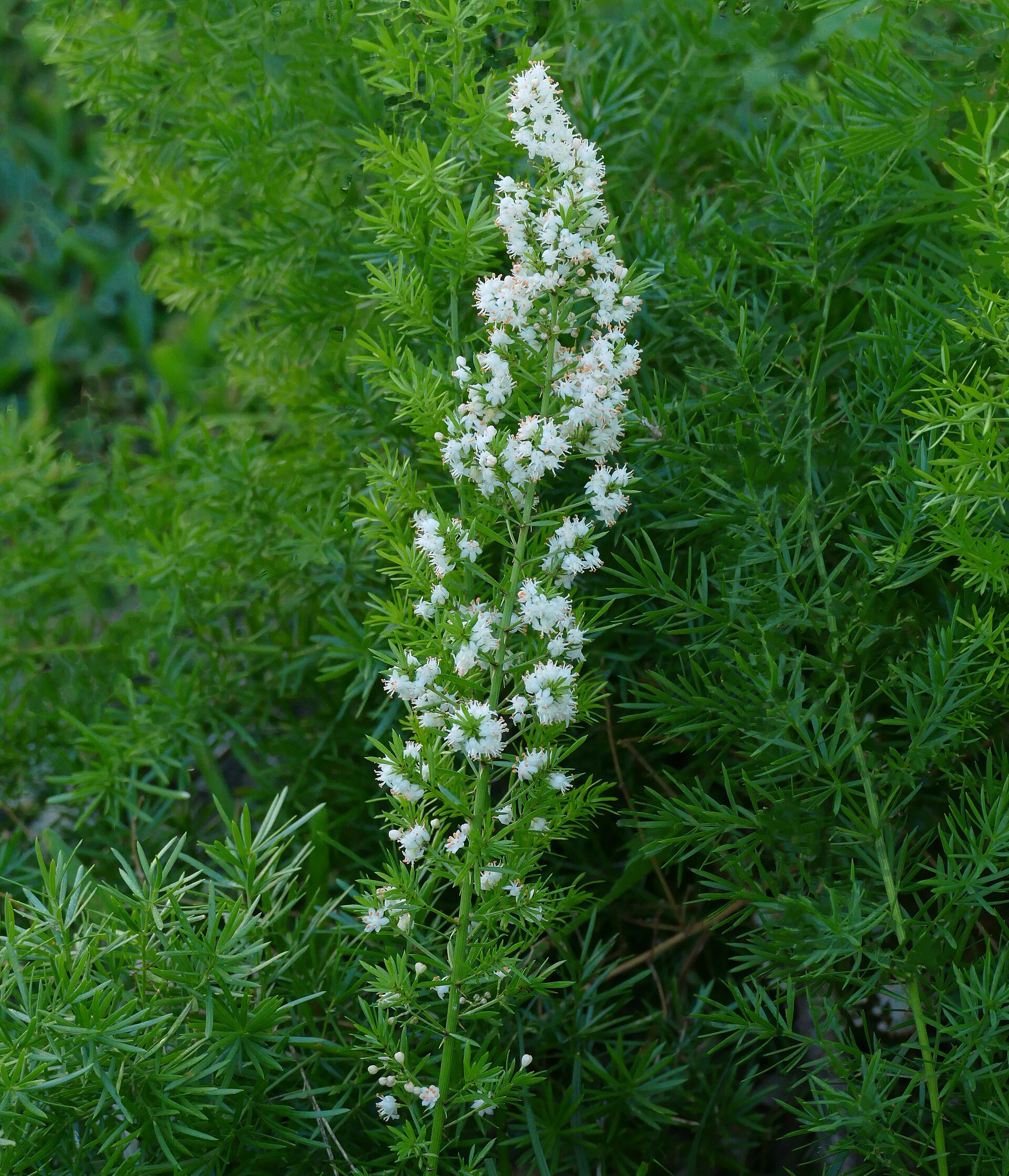
Sprengeri Fern
Asparagus densiflorus 'Sprengeri'
Sprengeri fern is not a true fern but a trailing form of ornamental asparagus, valued for its soft, feathery sprays of bright emerald needles. Its arching, cascading habit makes it a favourite for loose garden-style bouquets, table runners and anywhere a light, airy trail of green is needed. The fine foliage softens edges and fills gaps without adding visual weight. Cheap, plentiful and easy to work with, it is a reliable everyday greenery, though fine thorns mean careful handling.
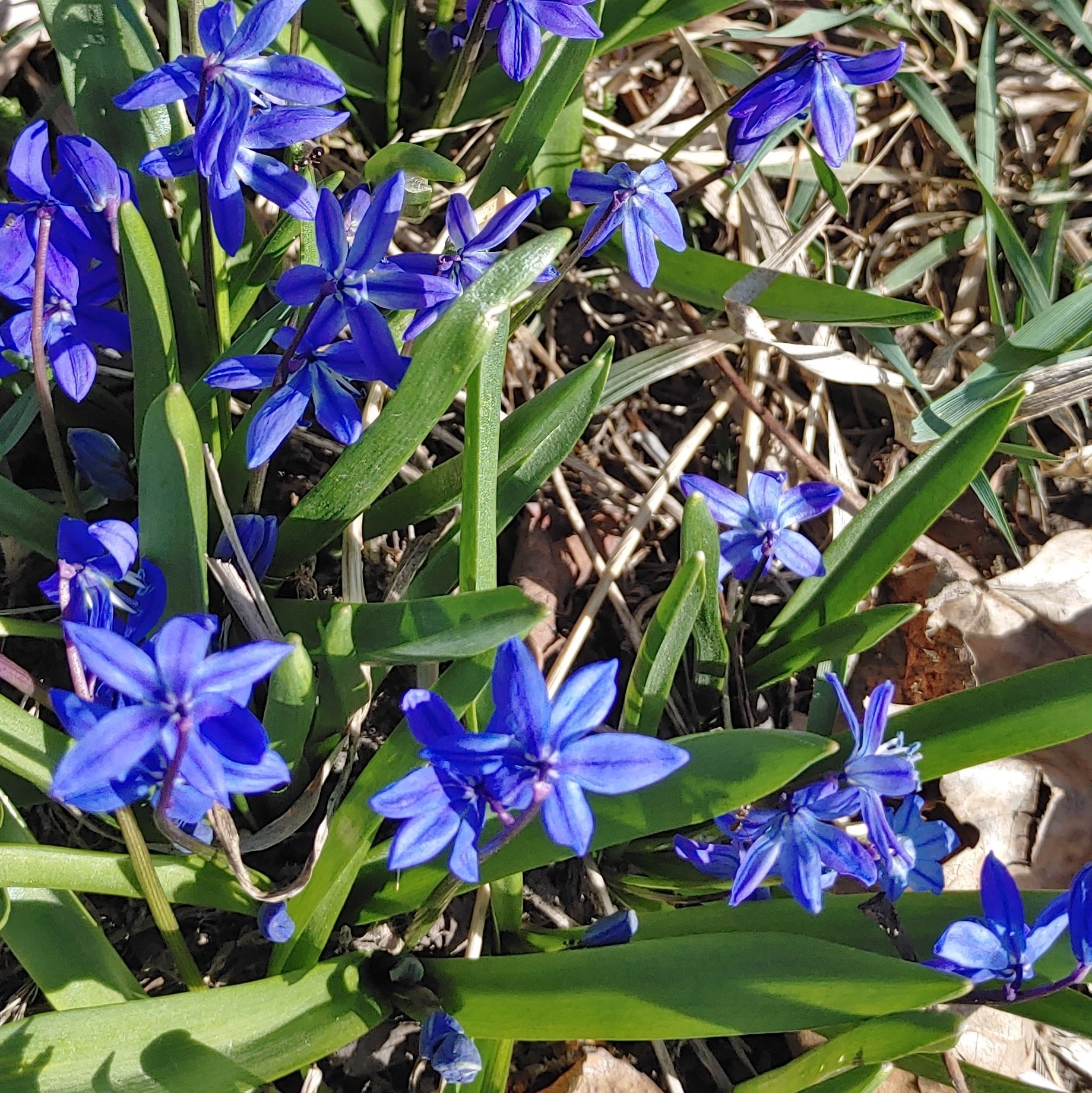
Squill
Scilla siberica
Scilla, or Siberian squill, is a tiny spring bulb bearing nodding, star-shaped bells in an intense gentian blue that is rare among cut flowers. Its diminutive stature and short stems make it a specialist choice, used to add jewel-like flecks of true blue to boutonnieres, corsages and small woodland-style pieces. Vase life is brief, so it is best enjoyed as a fleeting seasonal accent close to the moment. Where a florist needs an honest, saturated blue in early spring, scilla is hard to beat.
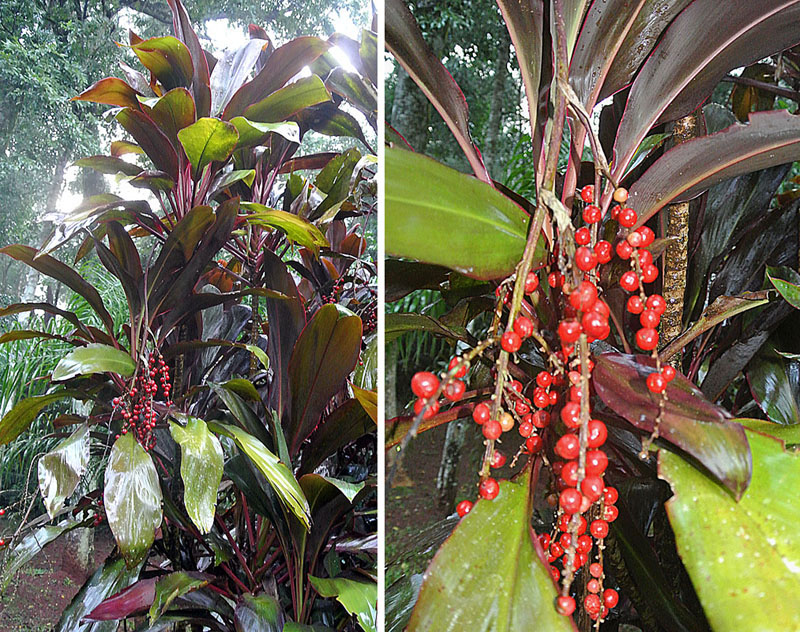
Ti Leaf
Cordyline fruticosa
Ti leaf comes from the tropical cordyline, a plant long grown across the Pacific for luck and protection. Its long, glossy blades range from deep green to vivid burgundy, red and pink, giving florists sleek, colourful lines for modern and tropical design. The flexible leaves are often rolled, folded or looped inside vases as a decorative liner, and they last for weeks with minimal care. Bold, durable and dramatic, ti leaf is a mainstay of contemporary and event floristry.
Torch Ginger
Etlingera elatior
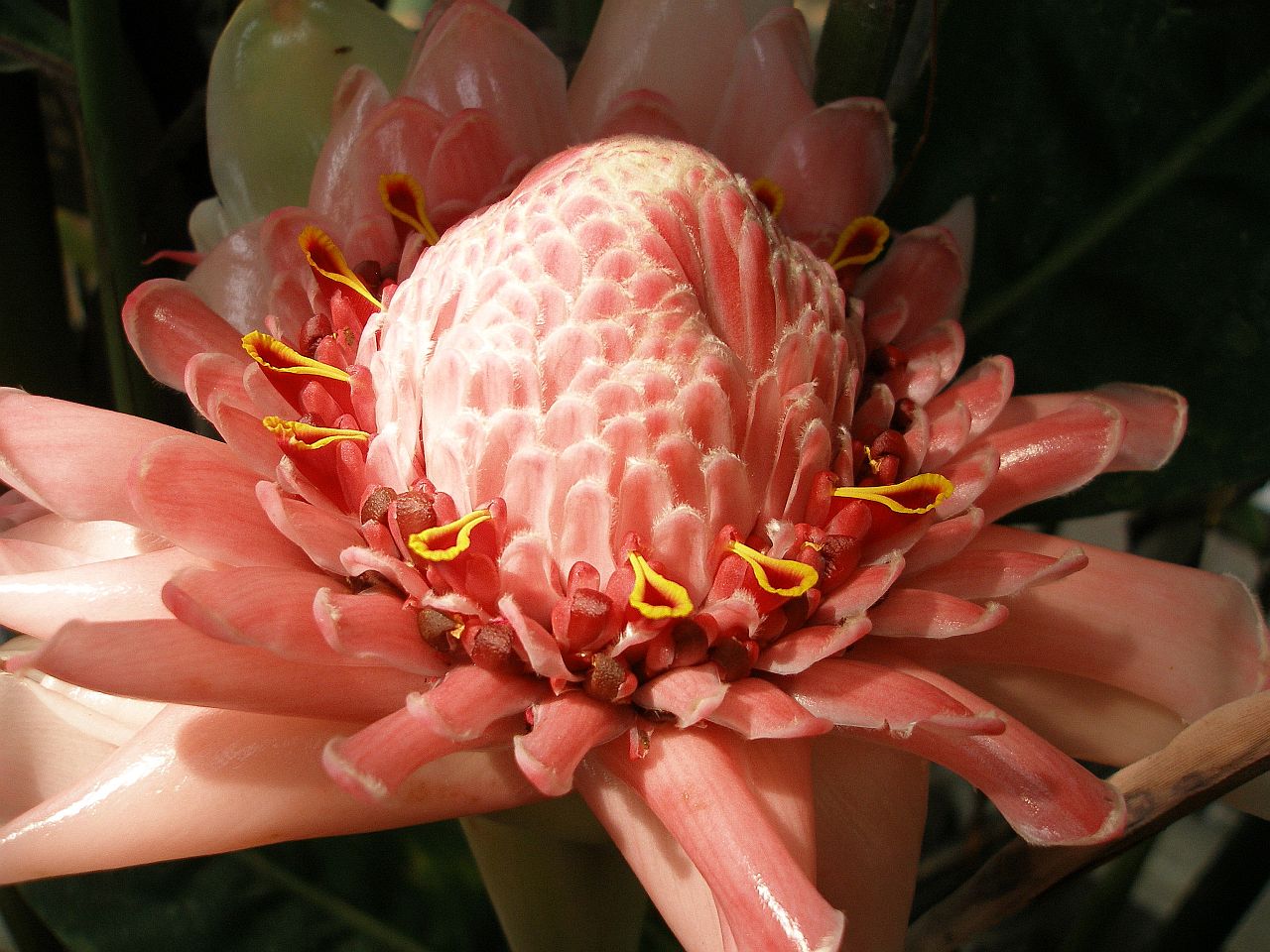
Torch ginger sends up a tall, sturdy stalk topped by a glossy, waxy inflorescence of tightly overlapped bracts, most often in vivid red or pink — hence its other name, porcelain rose. A member of the ginger family from Southeast Asia, it is a dramatic tropical focal with excellent vase life and real presence in large designs. Florists use it for tropical weddings, installations and statement arrangements where scale and saturated colour are wanted. Its sculptural, torch-like head reads as exotic and luxurious in equal measure.
Vanda Orchid
Vanda
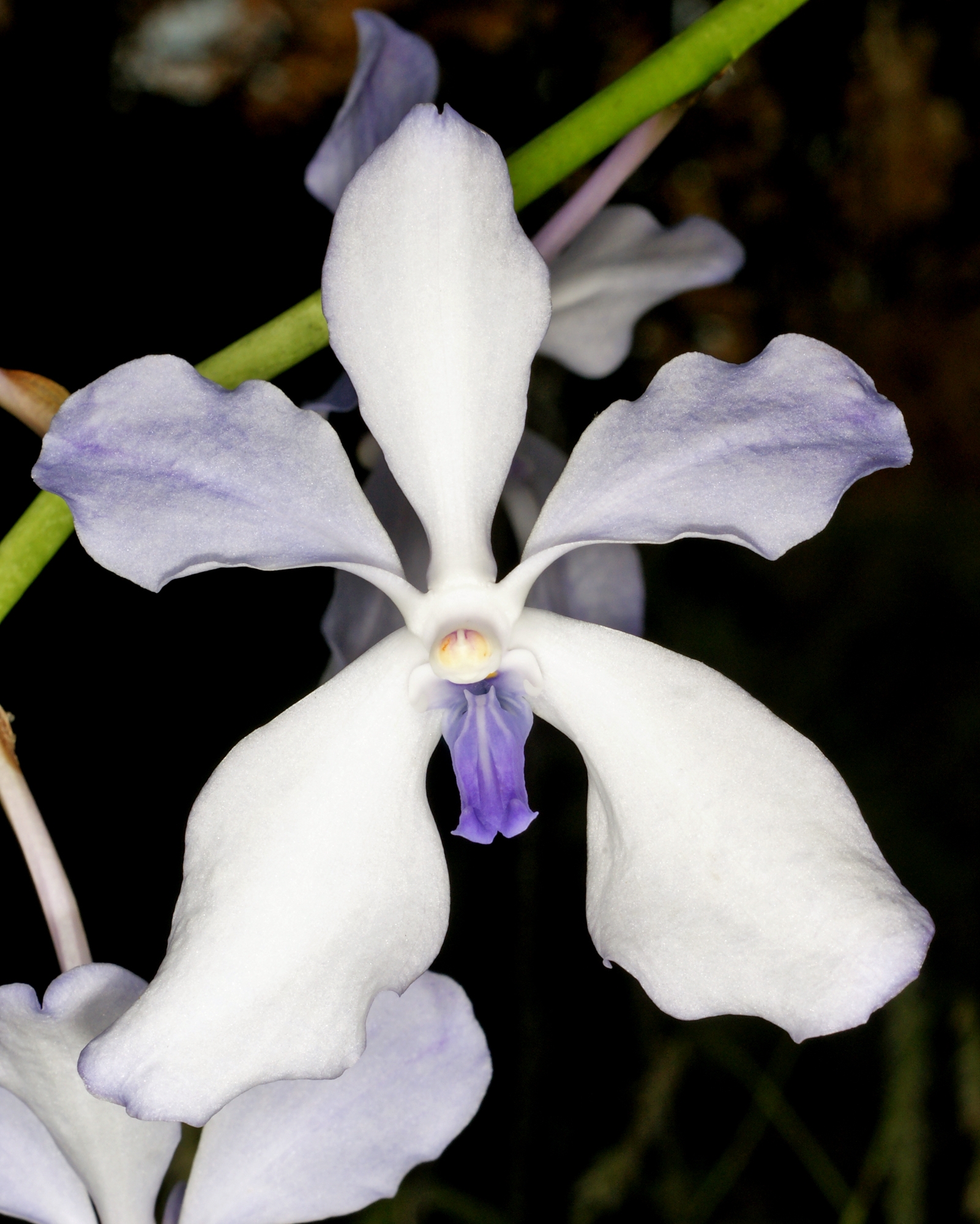
Vanda orchids are among the most coveted of all cut orchids, famous for the electric blue and violet lattice of Vanda coerulea and its hybrids — colours almost unheard of elsewhere in the flower world. Each thick stem carries a row of large, flat, jewel-toned blooms with remarkable substance and vase life. A true statement flower, vanda anchors luxury and editorial designs and dazzles in modern, minimal work. Its rarity and saturated colour place it firmly at the premium end of the orchid spectrum.