Editorial flowers
92 flowers our studio reaches for in editorial work — filtered from the Lacy Bird catalog by role, season and colour. Open any flower for its full data card.
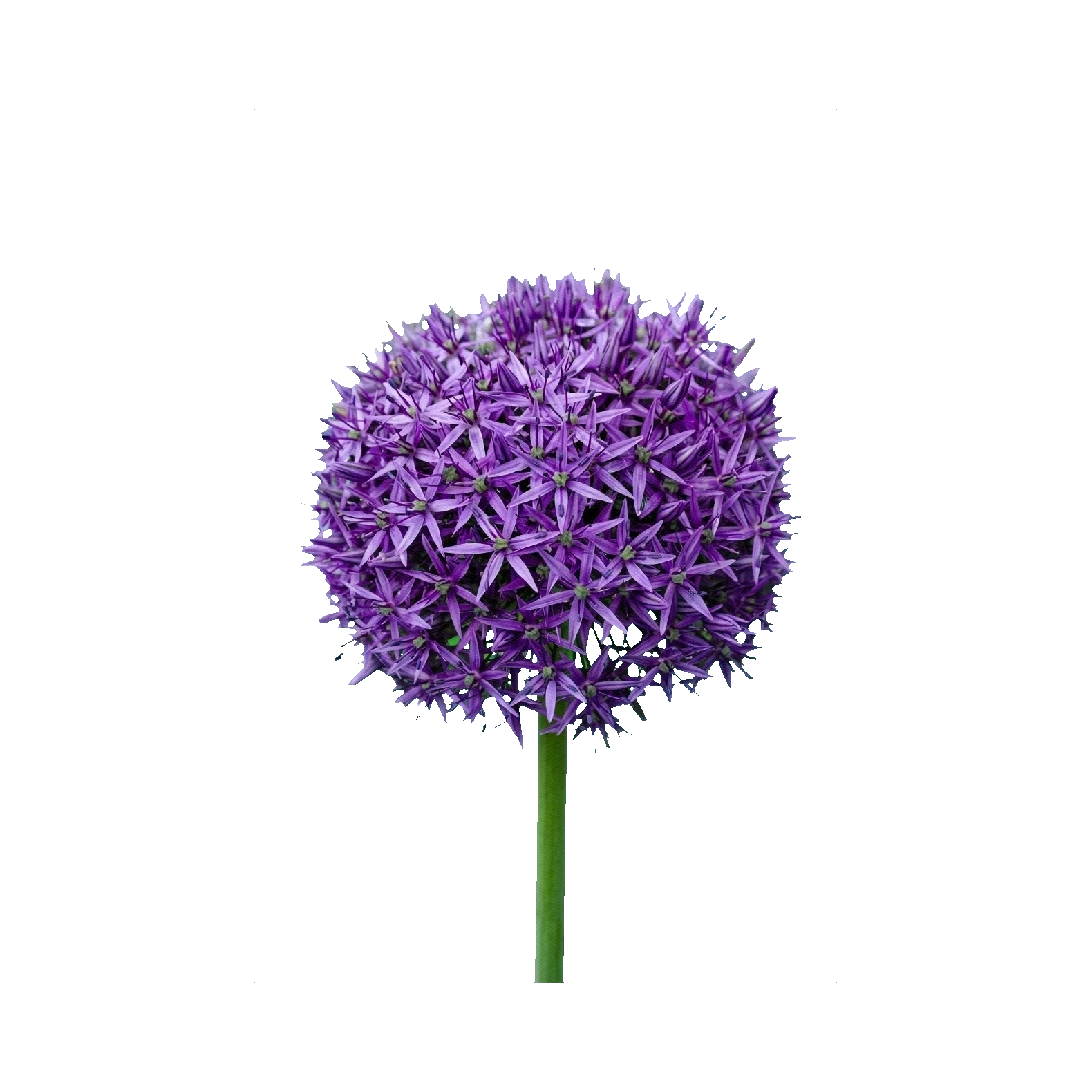
Allium
Allium
Allium — the ornamental onion — carries a perfect round pom-pom head made of dozens of tiny florets on a long naked stem. Giant Allium (A. giganteum) reaches 20 cm in head diameter. Sculptural, long-lasting, and dries perfectly. Handle stems in water to reduce the mild onion scent.
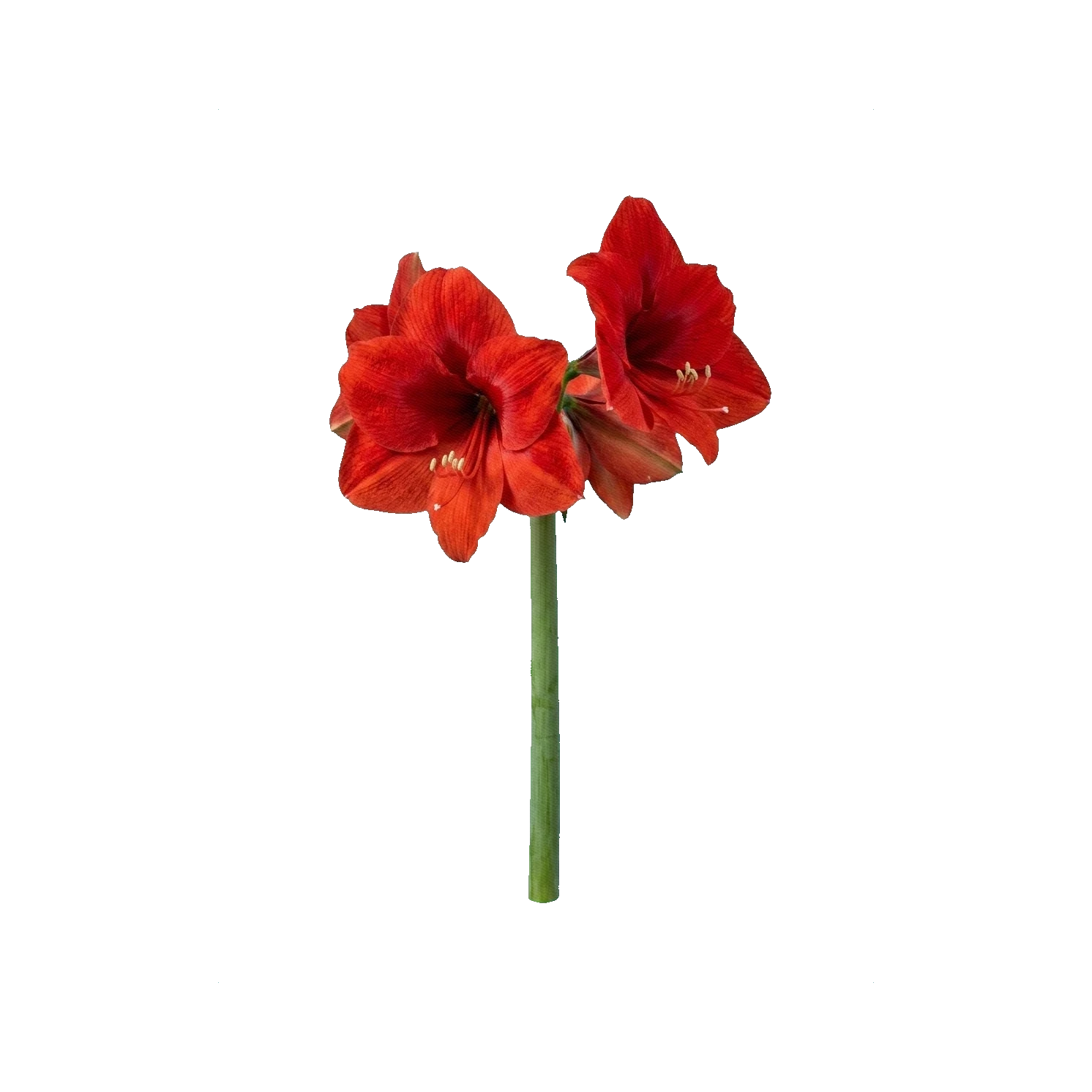
Amaryllis
Hippeastrum
The amaryllis is the December power flower — a single stem carries 2–4 trumpet blooms that can reach 20 cm across. Red amaryllis is a Christmas staple; blush and white cultivars carry weight in winter weddings. Beware the fragile hollow stem — a bamboo skewer inserted from the base gives structural support for tall arrangements.
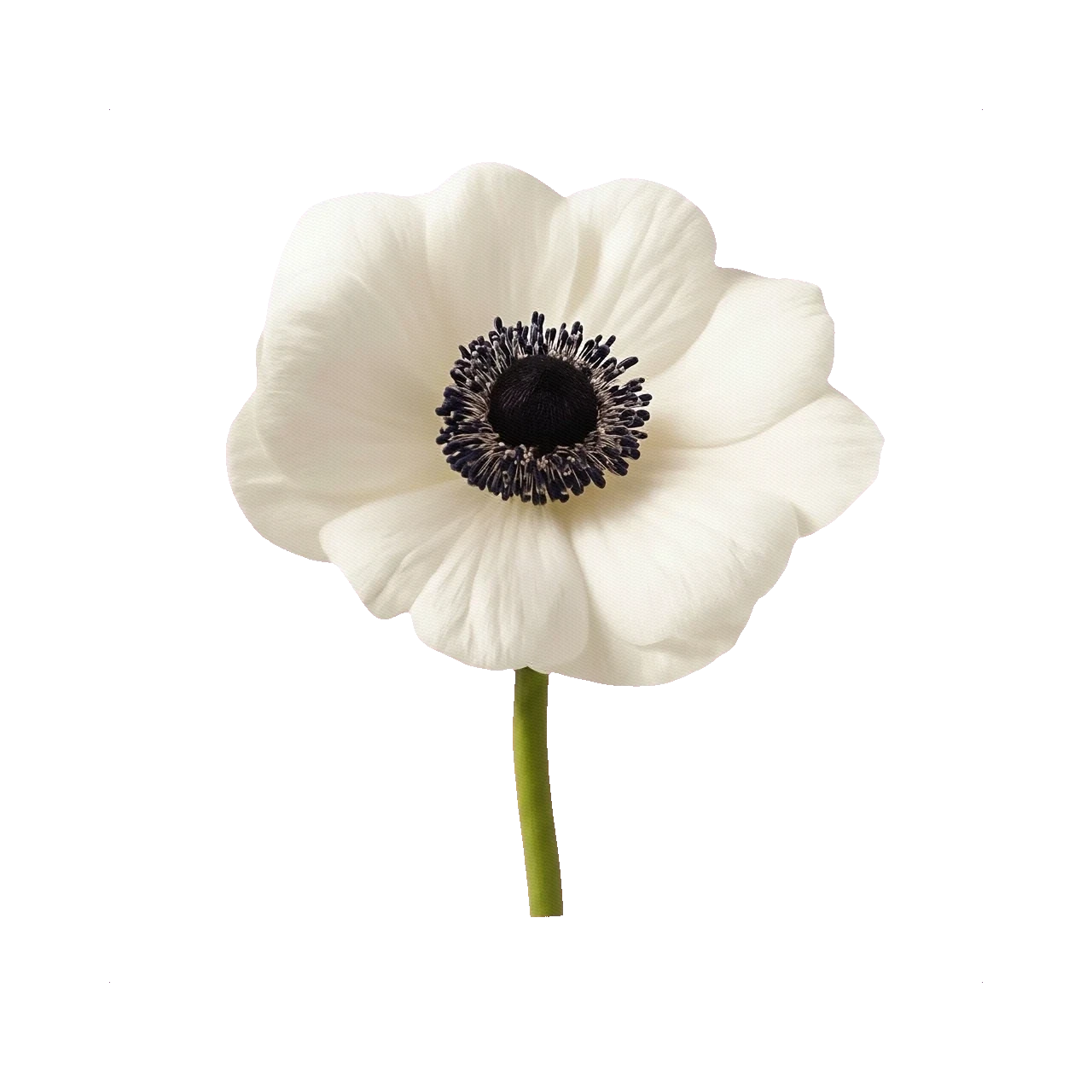
Anemone
Anemone coronaria
The anemone's dark navy or black centre against pure white, blood-red or deep purple petals is one of the strongest contrast points in commercial floristry. Italian Mistral cultivars are the premium tier — large heads, strong stems, saturated colour. Anemones photograph beautifully but are unforgiving of heat; they belong in cool spaces.
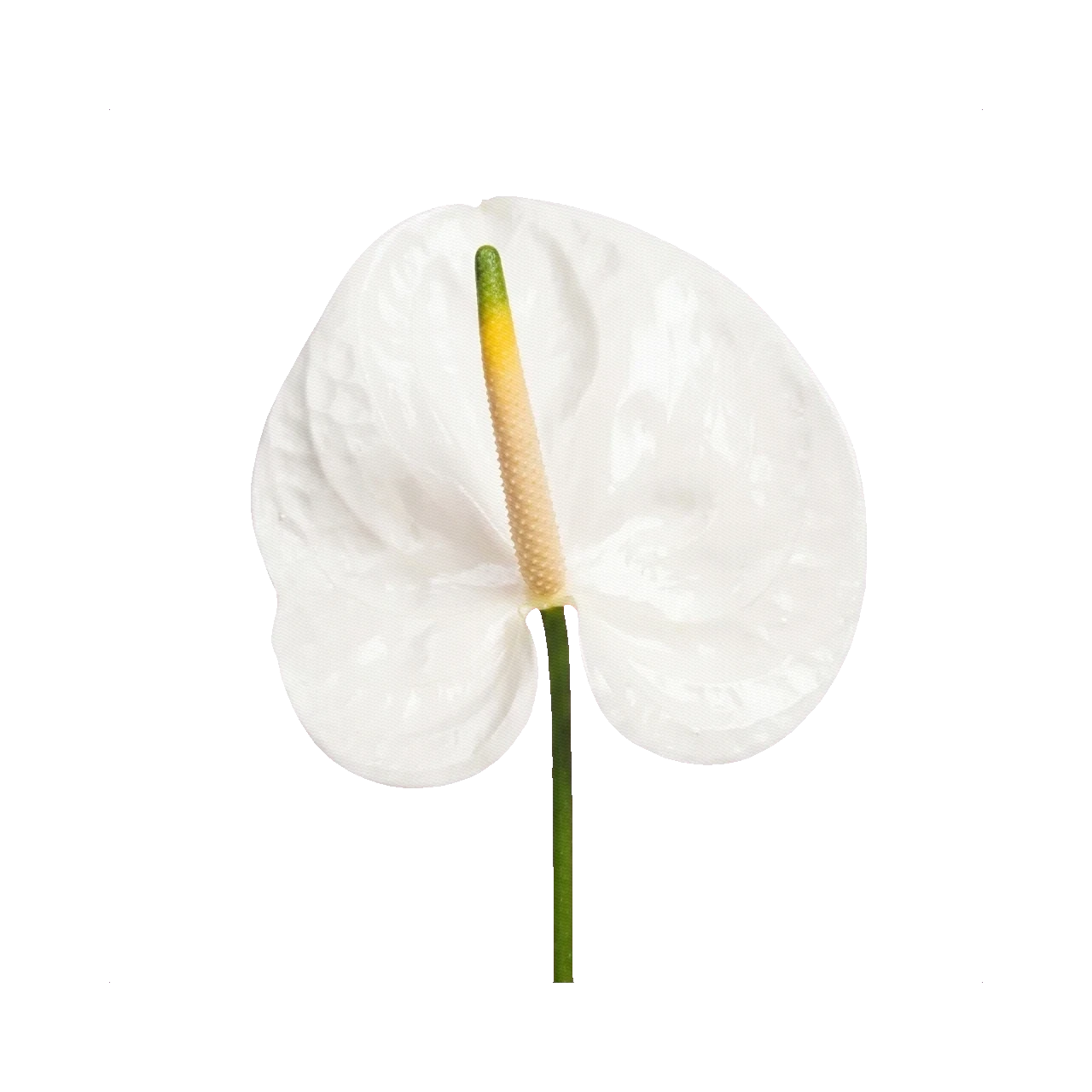
Anthurium
Anthurium andraeanum
The anthurium's heart-shaped, waxy spathe (the coloured part is not a flower, botanically — it's a modified leaf) delivers a graphic, tropical statement. Modern hybrids include chocolate, black, and jade-green cultivars beloved by editorial designers. Vase life is exceptional — 4 weeks with basic care.

Aspidistra
Aspidistra elatior
Aspidistra, the cast iron plant, supplies florists with broad, glossy, deep-green leaves on long slender stalks. Almost indestructible, it is a favourite for structural and contemporary designs where a single leaf can be looped, rolled, folded or stitched. Some cultivars carry cream stripes or speckles for extra interest. Its clean lines and remarkable vase life make it a staple of modern, architectural and ikebana-style work.
Astrantia
Astrantia major
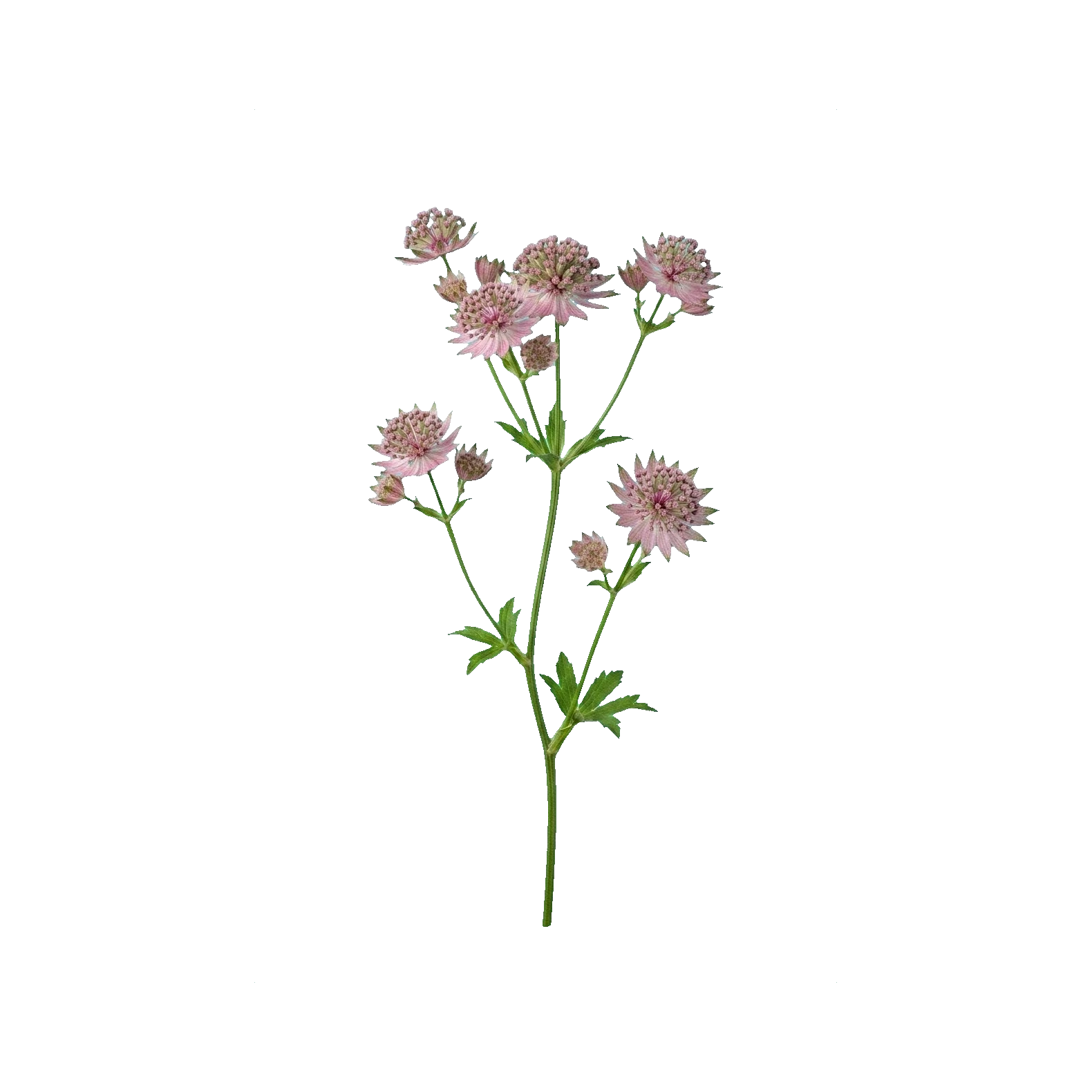
Astrantia, or masterwort, produces intricate pincushion heads ringed by a papery collar of pointed bracts, giving each bloom the look of a tiny, star-like nosegay. Florists love it for the delicate texture and soft, painterly colours it lends to garden-style bouquets and buttonholes. It reads beautifully at close range and photographs like fine detail, making it a wedding favourite. It is long-lasting fresh and dries gracefully, extending its use into everlasting work.
Banksia
Banksia
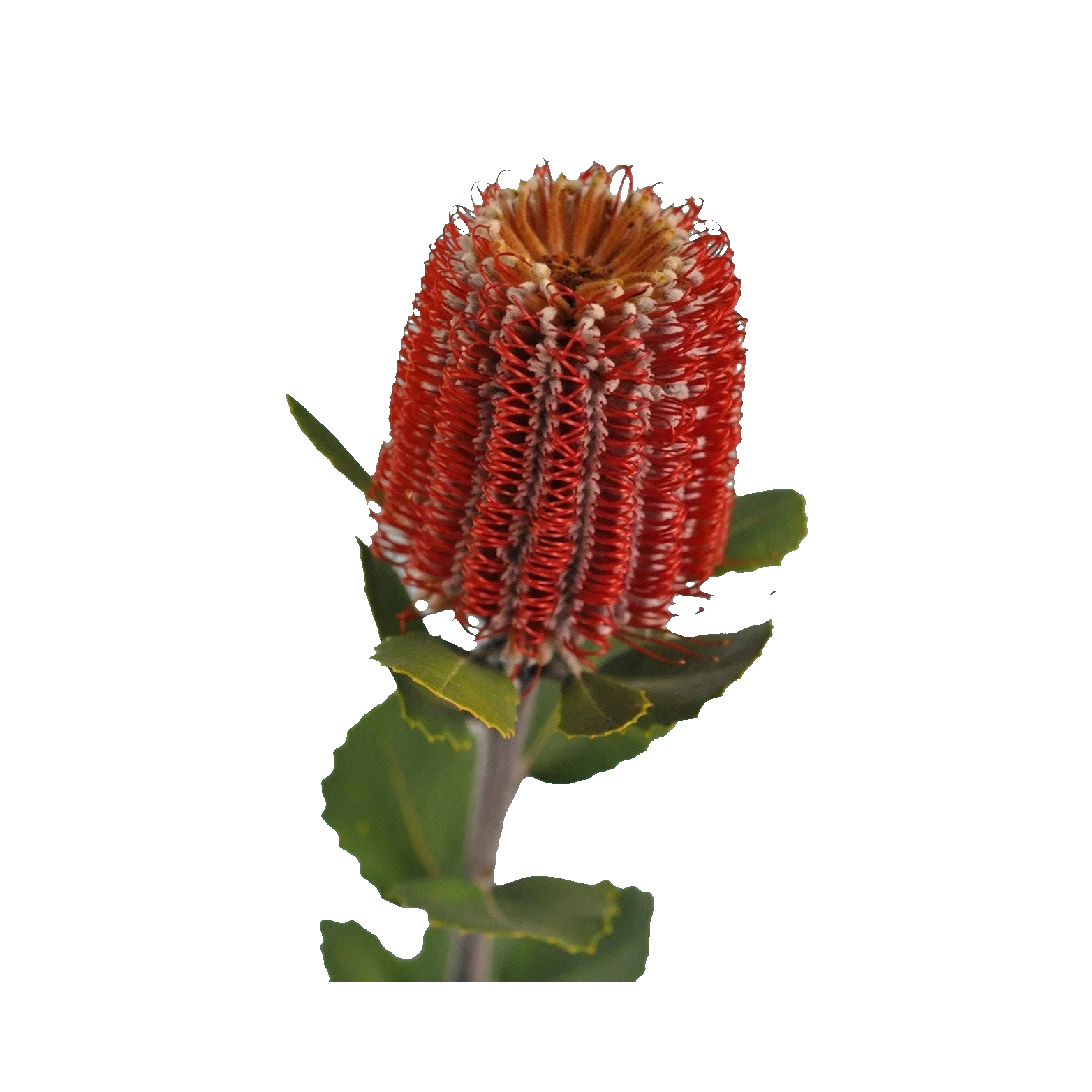
Banksia is an iconic Australian native whose flowers form dense, cylindrical spikes of hundreds of tiny blooms, framed by leathery, saw-toothed leaves. Florists reach for it as a rugged, sculptural focal that suits rustic, textural and autumnal designs. Its woody stems are remarkably long-lived in the vase and dry to keep their form and colour almost indefinitely. Shades range from soft yellow and orange to deep bronze and burgundy.

Bird of paradise
Strelitzia reginae
The bird of paradise is instantly recognisable — an orange-and-blue bird-shaped inflorescence that has become the visual shorthand for tropical floristry. One stem carries multiple 'birds' that emerge in sequence over 2-3 weeks, giving unusually long display value. The signature flower of Hawaiian and California modernist arrangements.
Calla lily
Zantedeschia
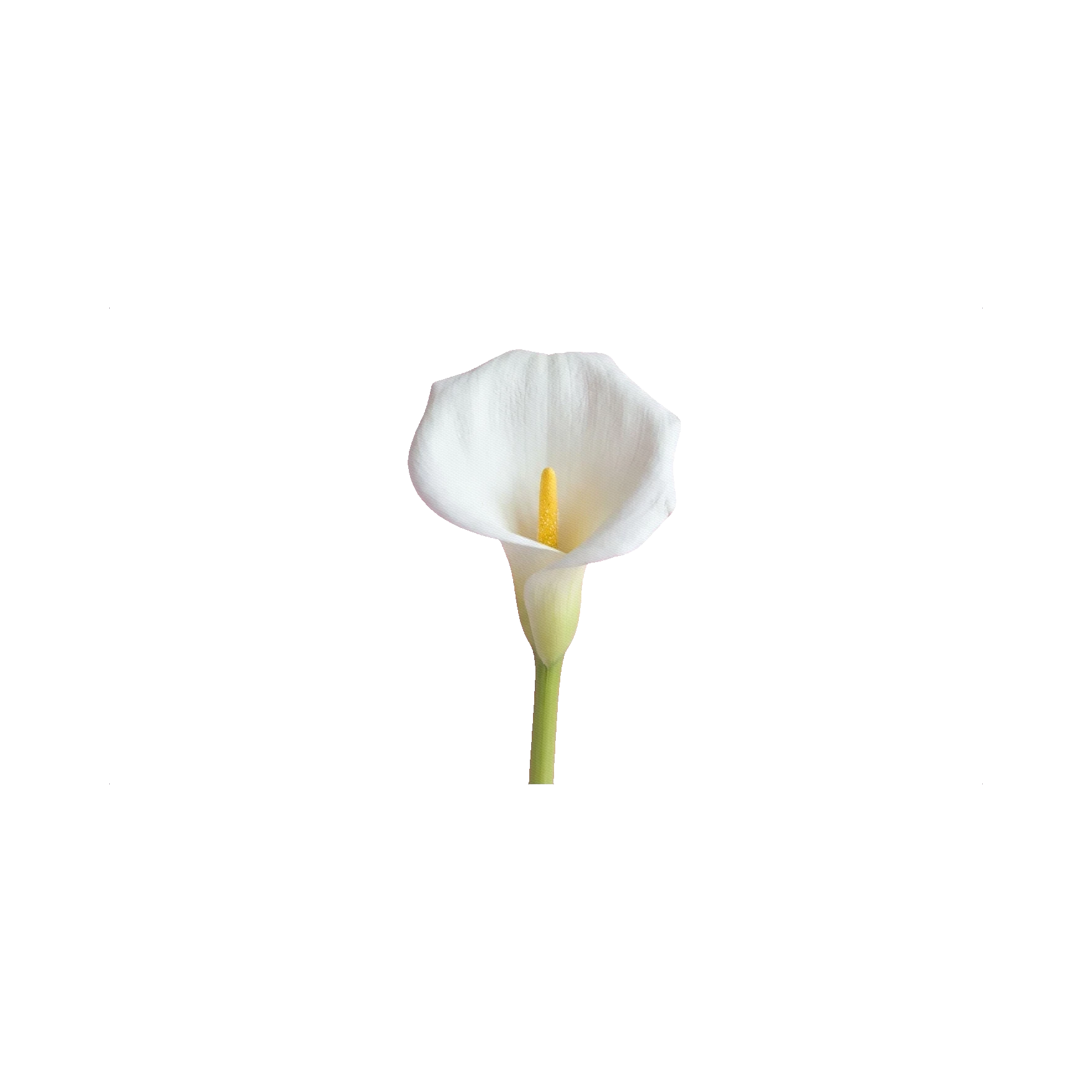
The calla is the sculptural flower — a single elegant curve of a spathe wrapping a yellow spadix. White callas are the classic wedding flower for minimal, modern brides; the coloured 'mini' callas (burgundy, near-black, sunset-orange) have expanded the design vocabulary. Stems curve naturally toward light — a feature to use, not fight.
Clematis
Clematis
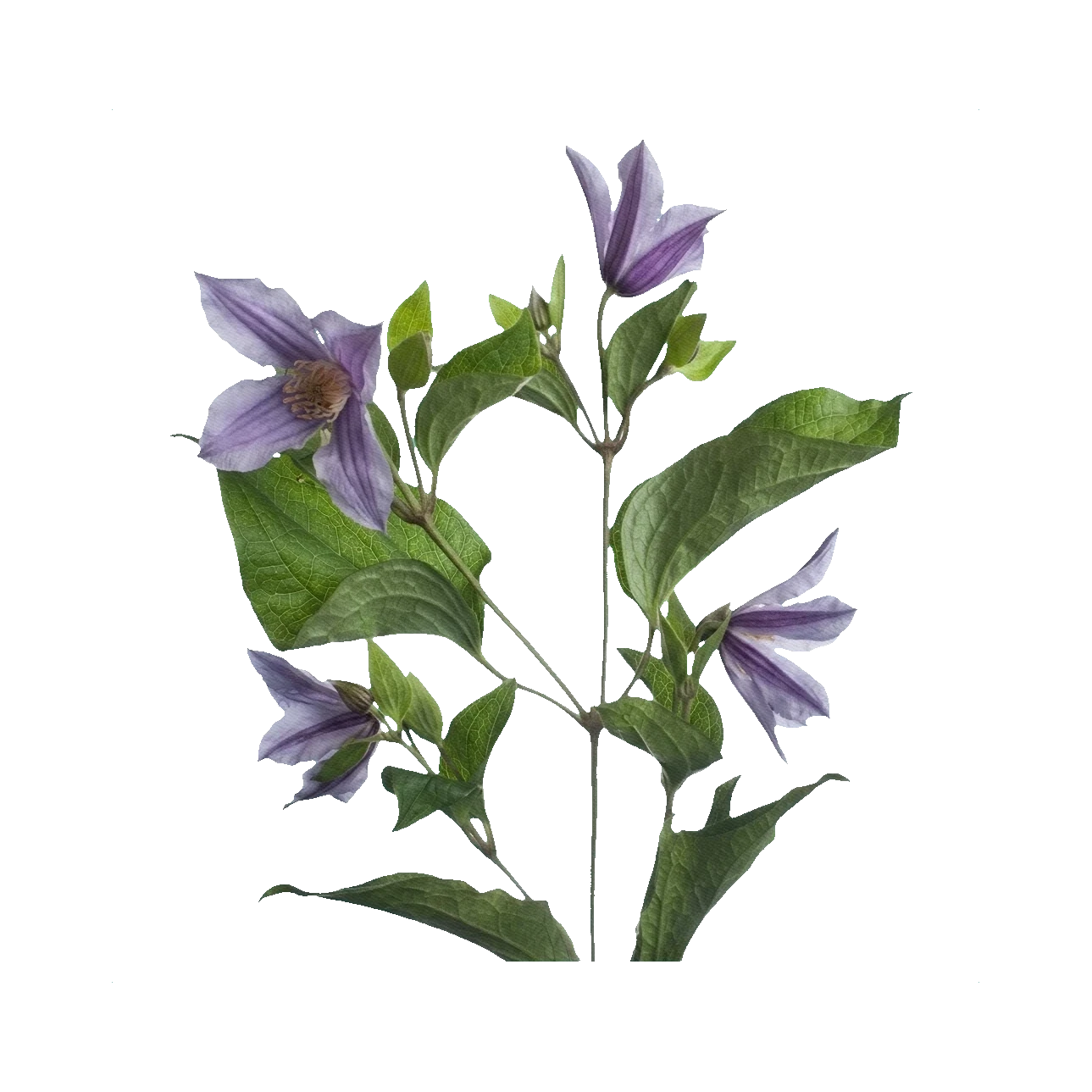
Clematis is the vining flower that has migrated from garden to cut-flower over the last decade. Dutch breeder Amazing Amsterdam produced the first commercially viable blue clematis in cut form — genuinely rare and photogenic. Vining stems make it the perfect edge flower for cascading bridal bouquets.
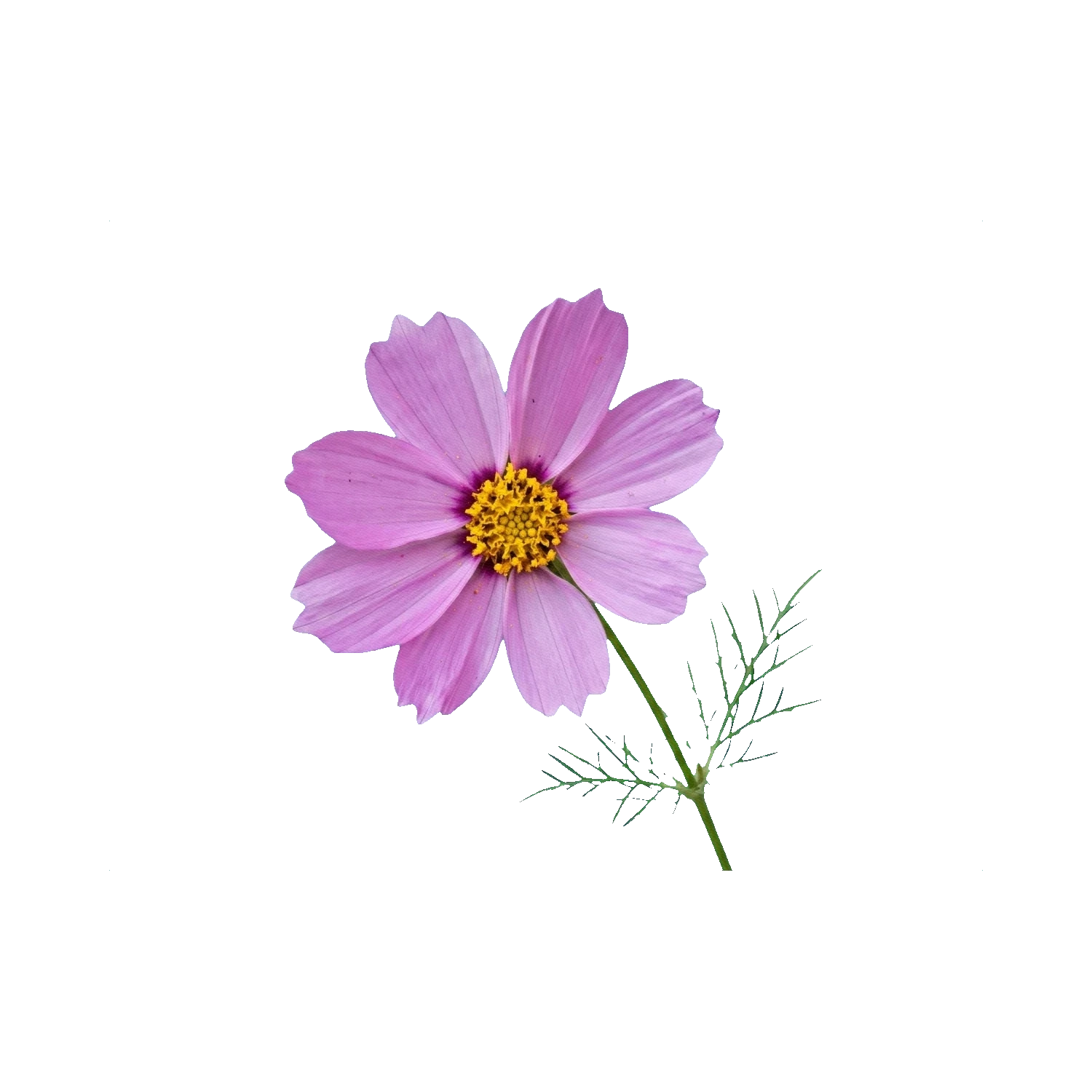
Cosmos
Cosmos bipinnatus
Cosmos is the flower of the modern garden-to-vase movement — delicate, airy, and hyper-seasonal. Chocolate cosmos (C. atrosanguineus) is the specialty version, with a deep burgundy-brown colour and a genuine chocolate scent. Fragile in every dimension; a day-of-event flower, not a shipping flower.

Dicranopteris fern
Dicranopteris linearis
The forked fern's architectural fronds have become a signature editorial foliage in modern floral design. Native to tropical Asia and Pacific rainforests, it holds shape for weeks once cut and provides a linear, gestural quality no other filler foliage matches. Best used sparingly for line work in luxury bouquets and hanging installations.
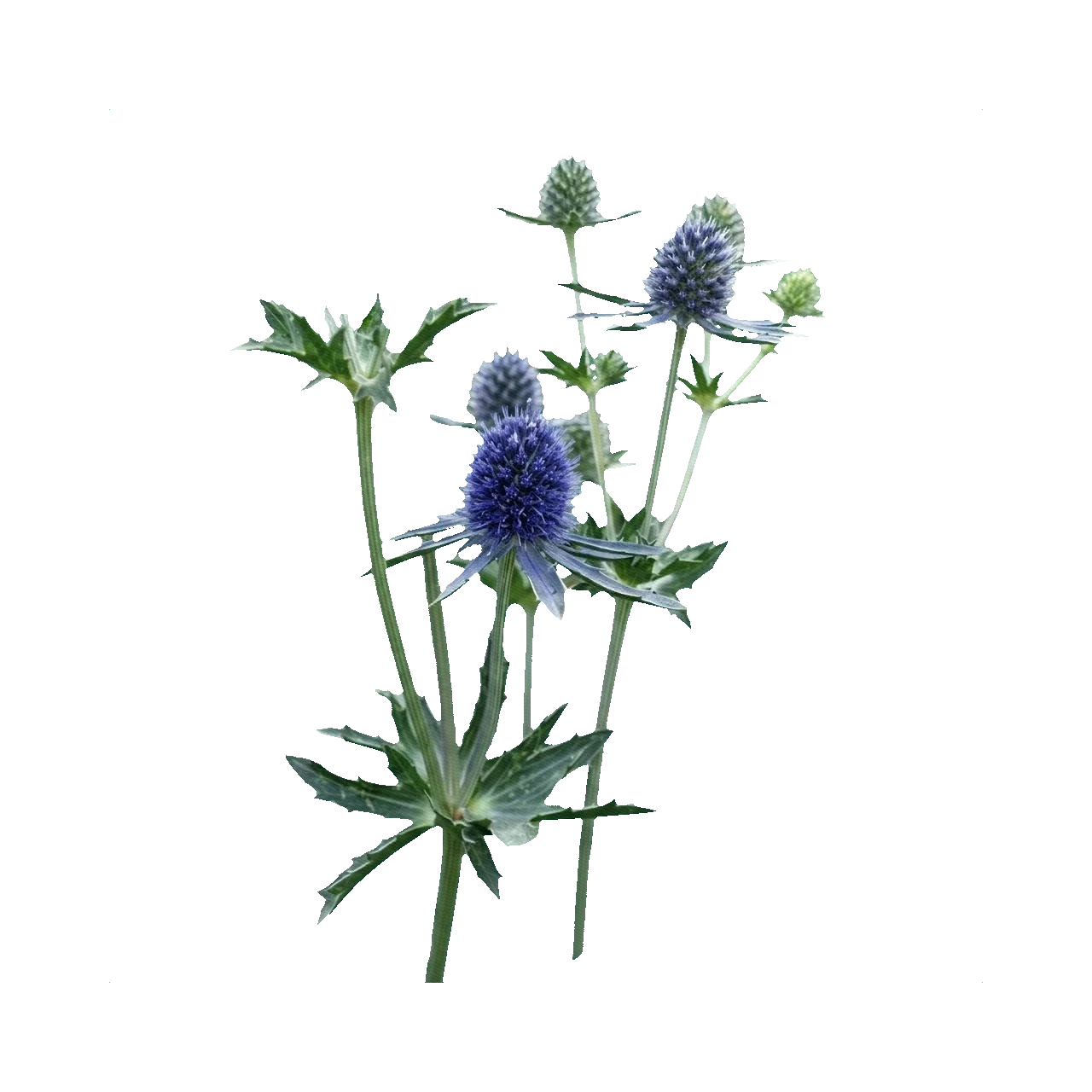
Eryngium
Eryngium
Eryngium delivers a rare naturally-blue cut flower in a sculptural, cone-headed form. Photographs like nothing else in a bouquet; also dries perfectly and holds its silver-blue colour for years. One caveat: the spines will draw blood — always handle in gloves.
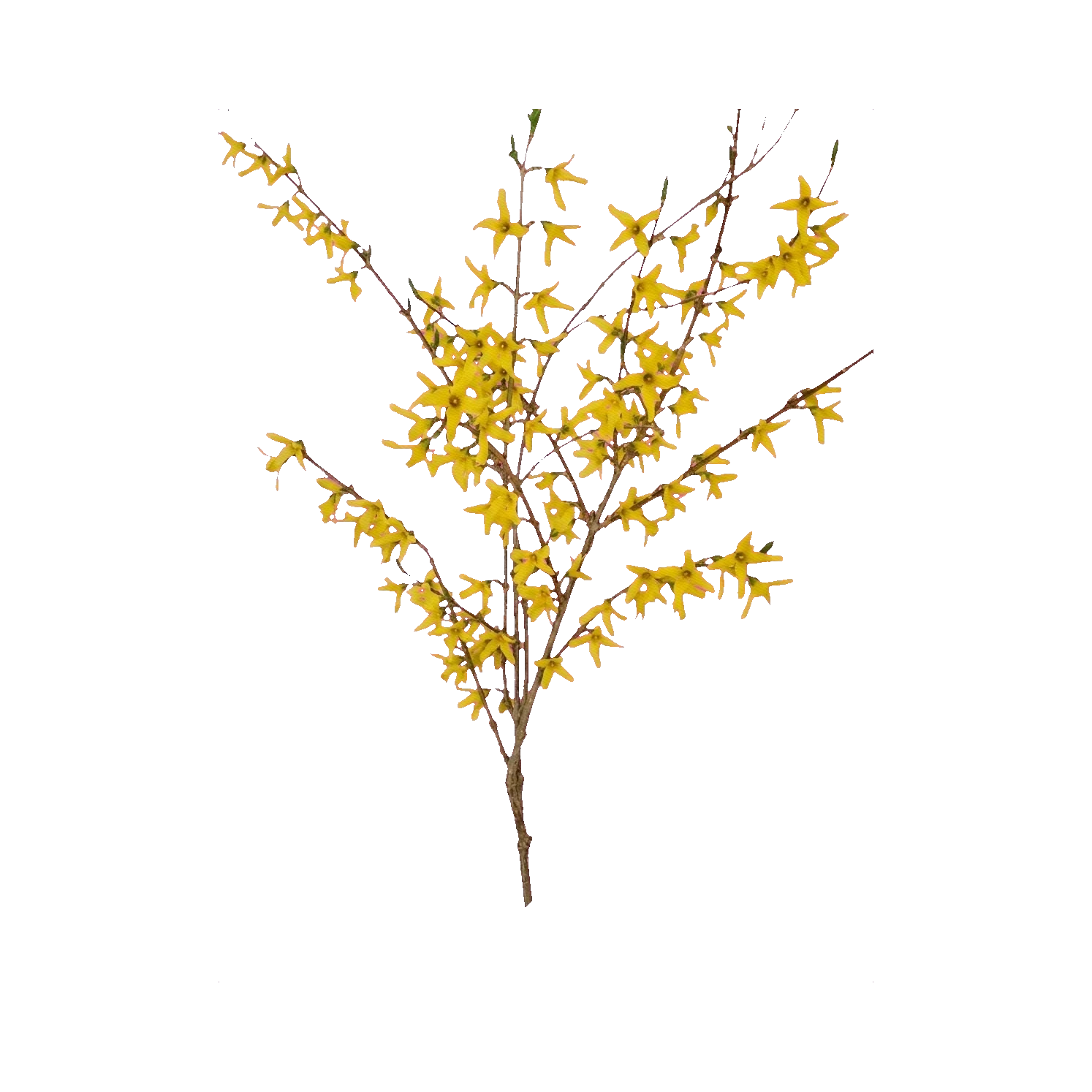
Forsythia
Forsythia × intermedia
Forsythia is one of the first heralds of spring — bare, arching branches that erupt in a haze of bright yellow, star-shaped flowers before any leaves appear. Florists use it as a graceful woody line, bringing airy height and vivid seasonal colour to large arrangements, branch installations and mantel displays. Cut while still in bud, it can be forced open indoors weeks ahead of the garden. Its zigzag, leafless form gives sculptural movement that few other flowers can match.
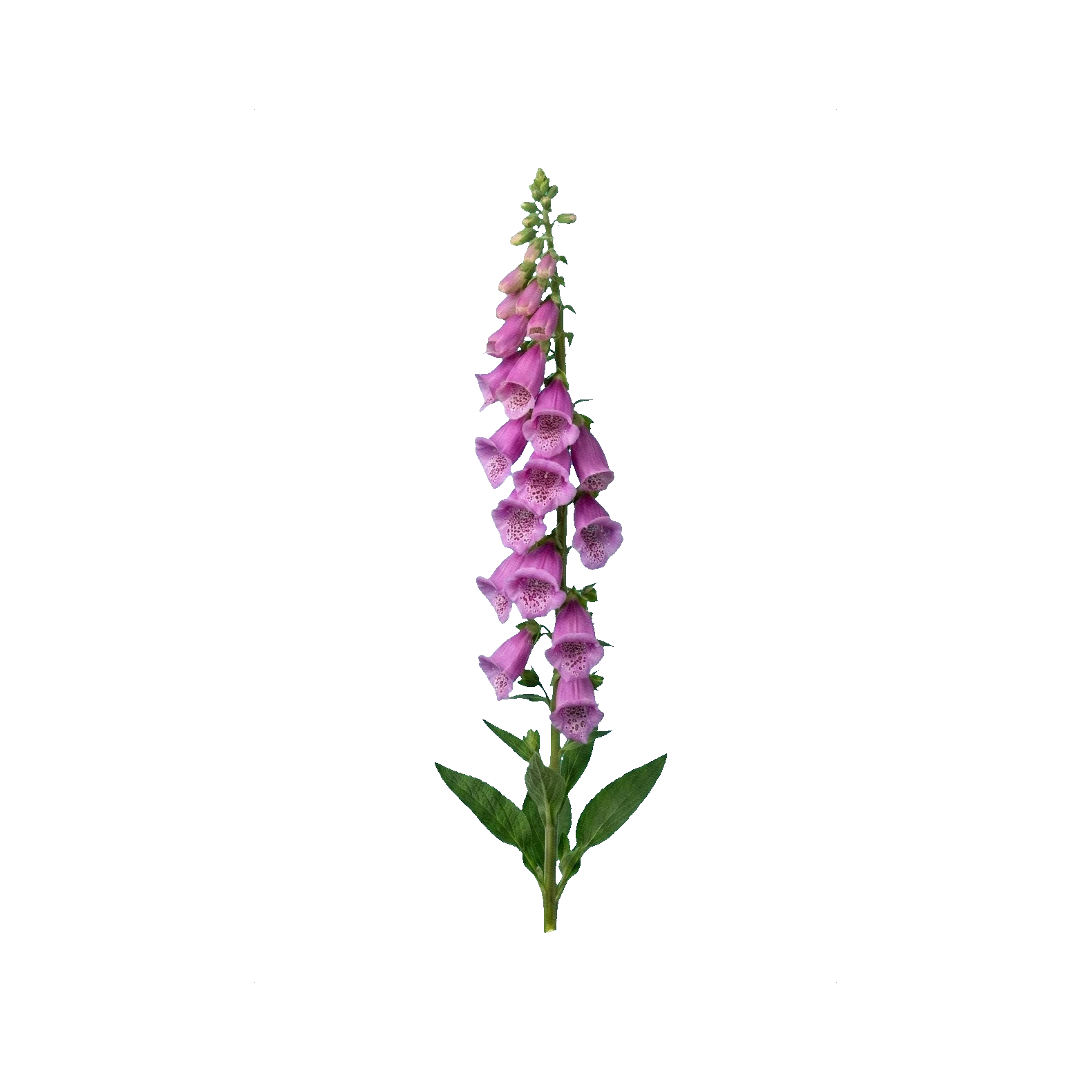
Foxglove
Digitalis purpurea
Foxglove is the quintessential cottage-garden spire, its tall stems hung with tubular, freckle-throated bells in soft pinks, purples, apricots and clean whites. Florists prize it for instant height and an English-garden romance that anchors editorial and garden-style weddings. Because the spikes bloom from the bottom up and are fleetingly seasonal, they read as luxurious and of-the-moment. Handle with care: every part of the plant is poisonous.
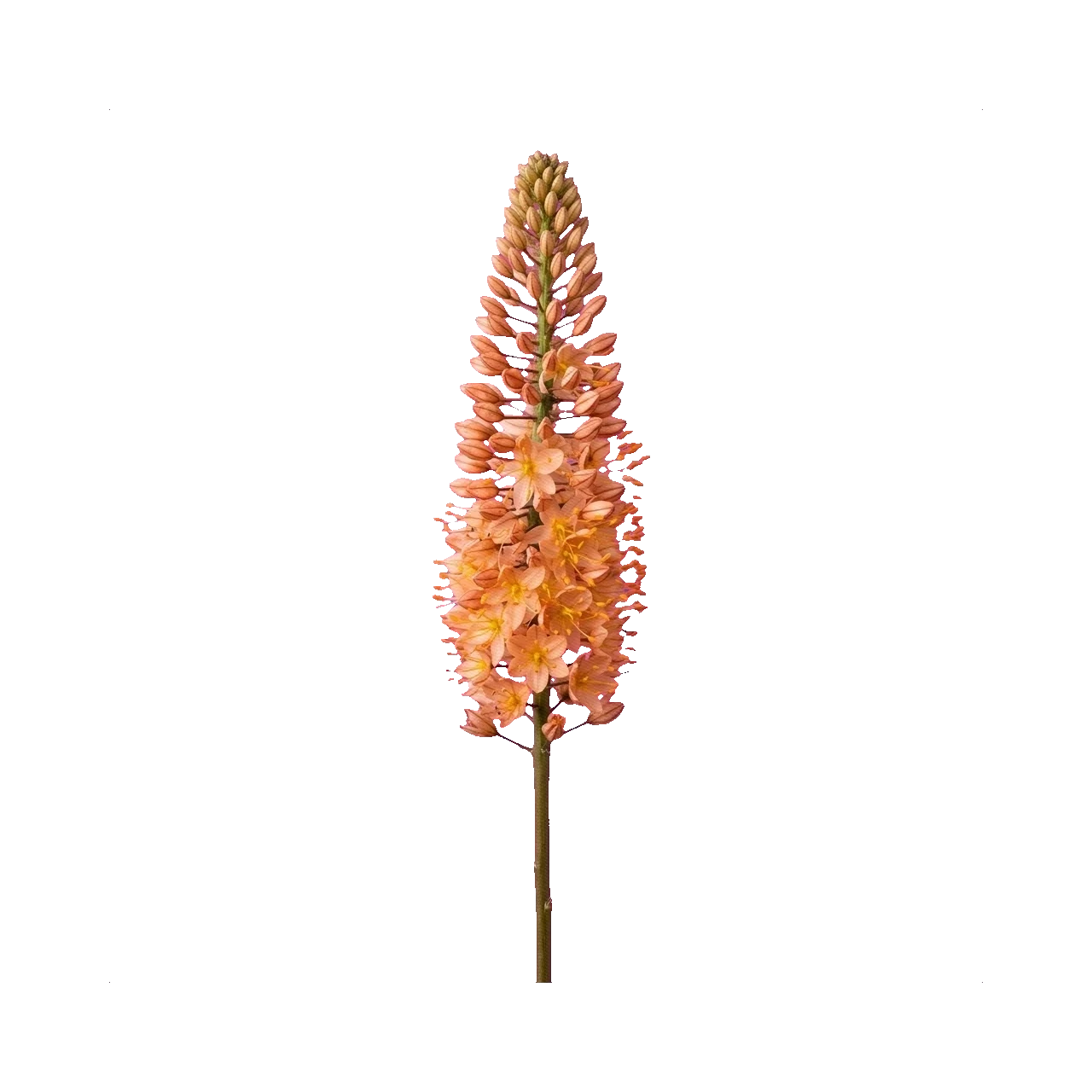
Foxtail Lily
Eremurus
Eremurus, the foxtail lily, sends up towering tapered spires studded with hundreds of tiny star-shaped florets that open from the base upward. Florists prize it as a dramatic line flower that brings height, movement and an airy, architectural quality to large-scale designs and tall arrangements. Available in warm sunset shades of yellow, orange, peach and apricot as well as soft white, it is a signature stem for luxury summer weddings and grand installations. Its bold vertical form reads beautifully from a distance, making it a favourite for statement pedestal work.
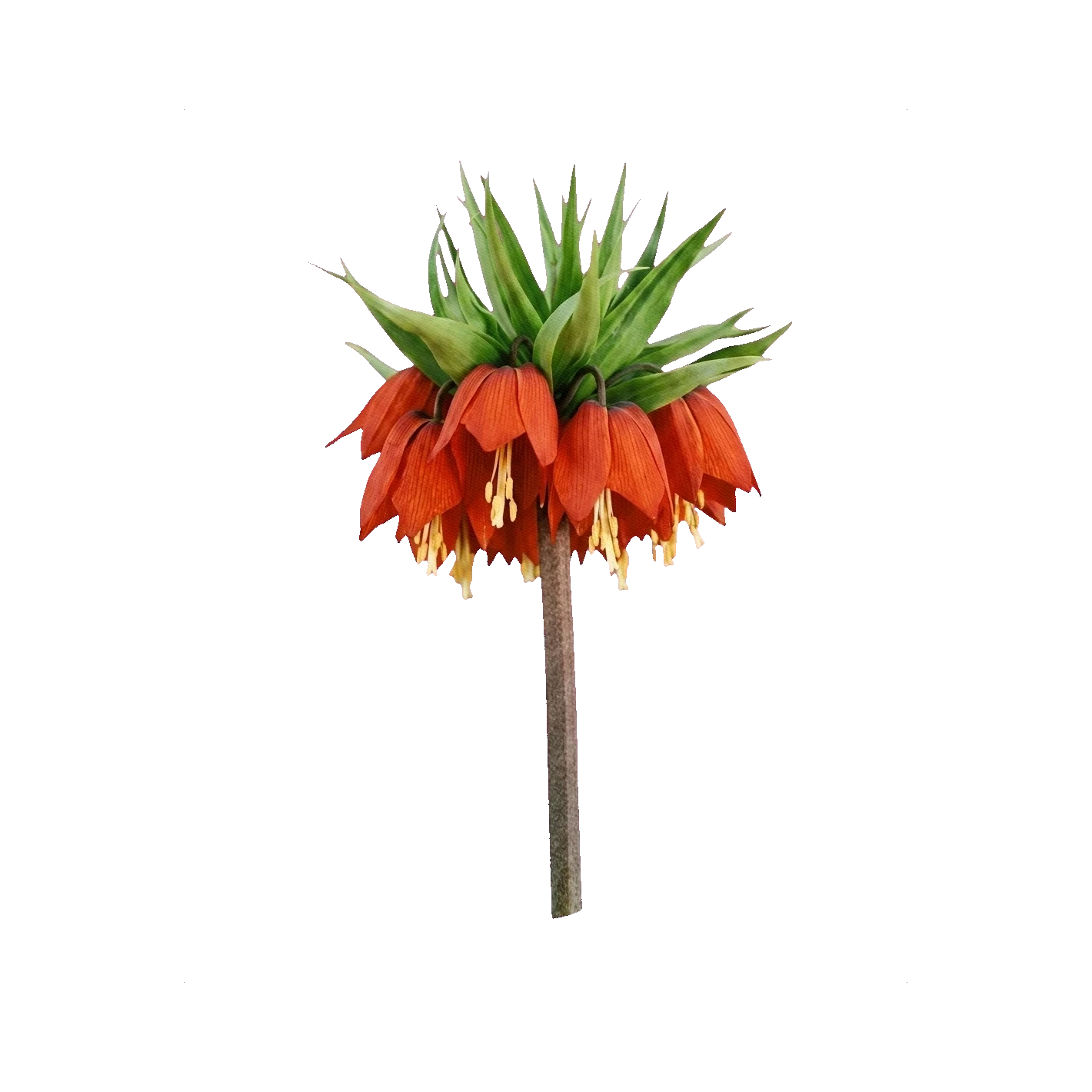
Fritillaria
Fritillaria imperialis
Fritillaria imperialis, the crown imperial, is one of spring's most theatrical bulb flowers, carrying a whorl of pendant bells beneath a topknot of leafy bracts on a tall, sturdy stem. Florists prize it for statement work, where its burnt-orange, gold or red bells add height and architecture to seasonal designs. Its unmistakable musky scent means it is best used with an editorial eye rather than in intimate bouquets. At its finest in April and May, it lends a regal, botanical drama to luxury spring arrangements and installations.

Galax
Galax urceolata
Galax is a low woodland groundcover whose round, leathery, heart-shaped leaves are a florist staple for backing and finishing. The flat, glossy foliage turns rich bronze and burgundy in cold weather, giving a warm alternative to plain green. Because the leaves are so durable and long-lasting, they are ideal as bouquet collars, corsage backing and neat wraps around hand-tied stems. Inexpensive and endlessly useful, galax is a quiet workhorse in wedding and everyday design.
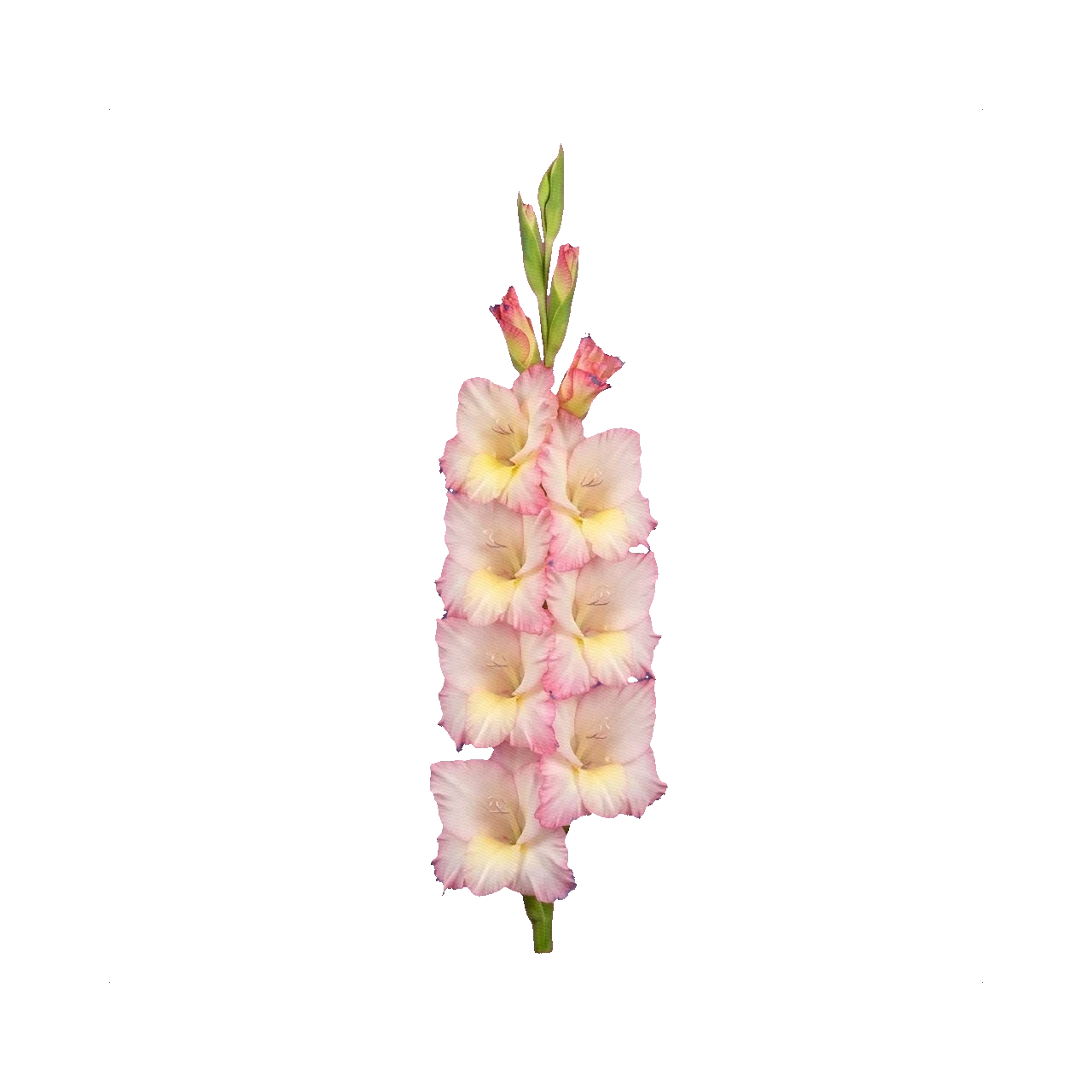
Gladiolus
Gladiolus
The gladiolus is the line flower of late summer — reaching 150 cm on strong stems with 8–15 florets that open bottom-up over ten days. Snap off the top 2–3 unopened buds at purchase; they'll never open properly and steal energy from lower florets. A funeral and sympathy staple in North America, an everyday flower elsewhere.

Gloriosa Lily
Gloriosa superba
Gloriosa is the flame lily — exotic, flickering flowers with wavy, swept-back petals in fiery reds and golds that seem to leap off the stem. A climbing plant from tropical Africa and Asia, it delivers unmatched drama in a small, jewel-like bloom, making it a favourite for editorial and luxury work. Florists prize it for boutonnieres, intricate bridal detailing and modern designs where one flower must command attention. It is beautiful but genuinely toxic, so it demands careful, gloved handling.
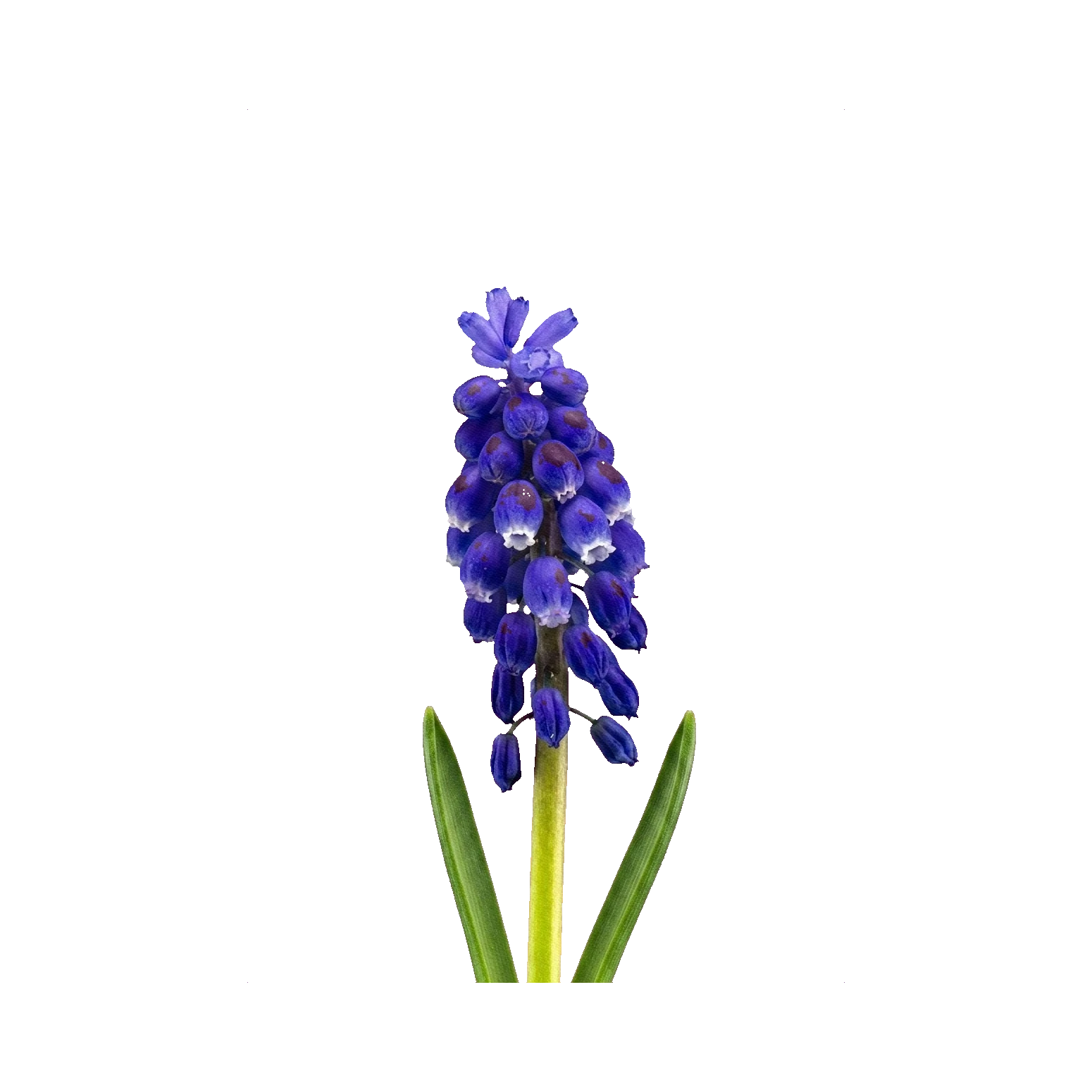
Grape hyacinth
Muscari
Muscari — grape hyacinth — is the small, saturated-blue spring flower that fills the true-blue gap in early-season bridal work. Tiny bell-shaped florets stack tightly on a short stem. The blue is real, not dyed. Use in shallow bouquets, hair work, and boutonnieres where the short stem length works.
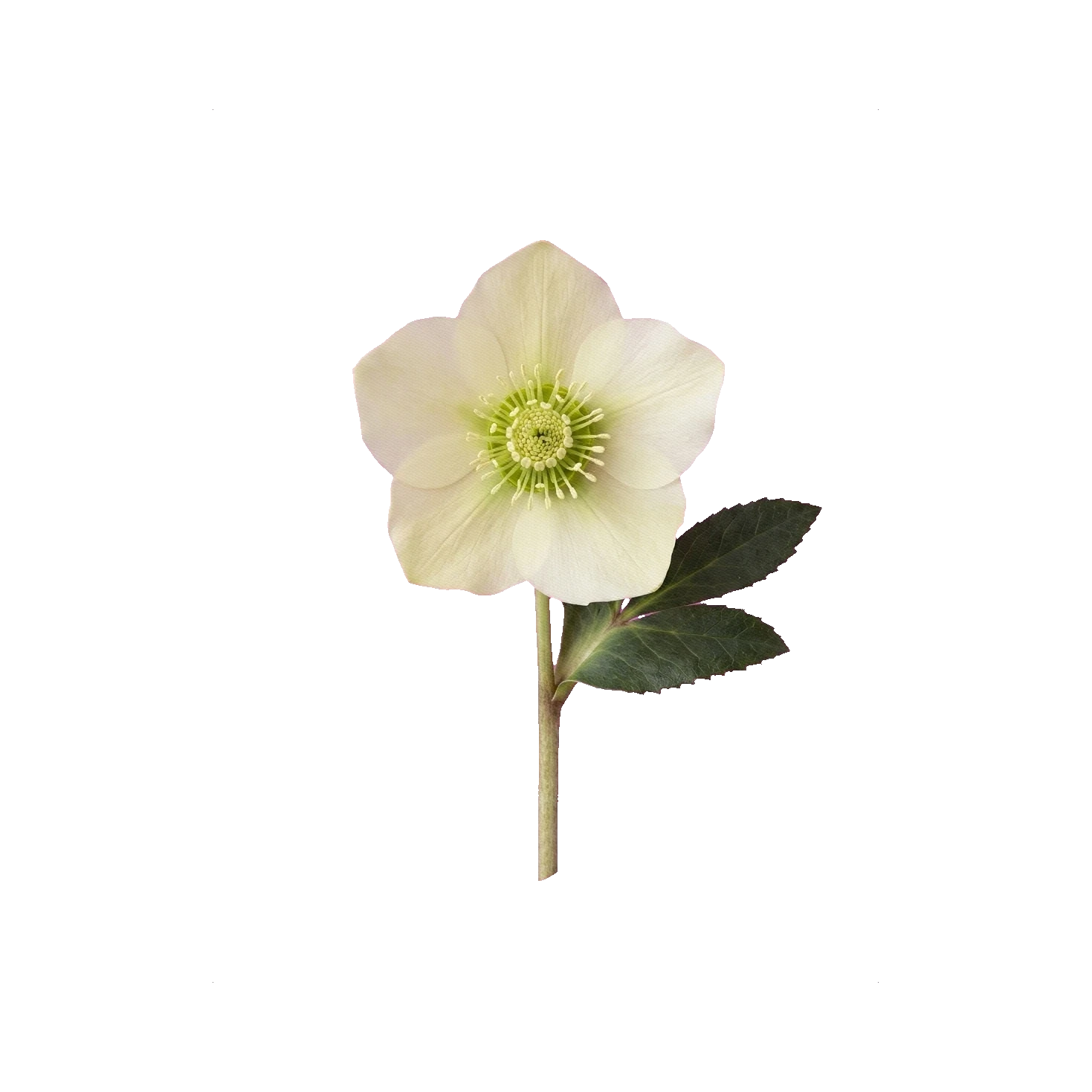
Hellebore
Helleborus
The hellebore is the winter florist's secret — nodding, downward-facing blooms in a colour palette (near-black, deep burgundy, dusty green, freckled cream) that no other cool-season flower matches. Notoriously short-lived in the vase unless properly conditioned with a boiling-water dip. Buy mature blooms with visible seed heads — they outlast tight buds.
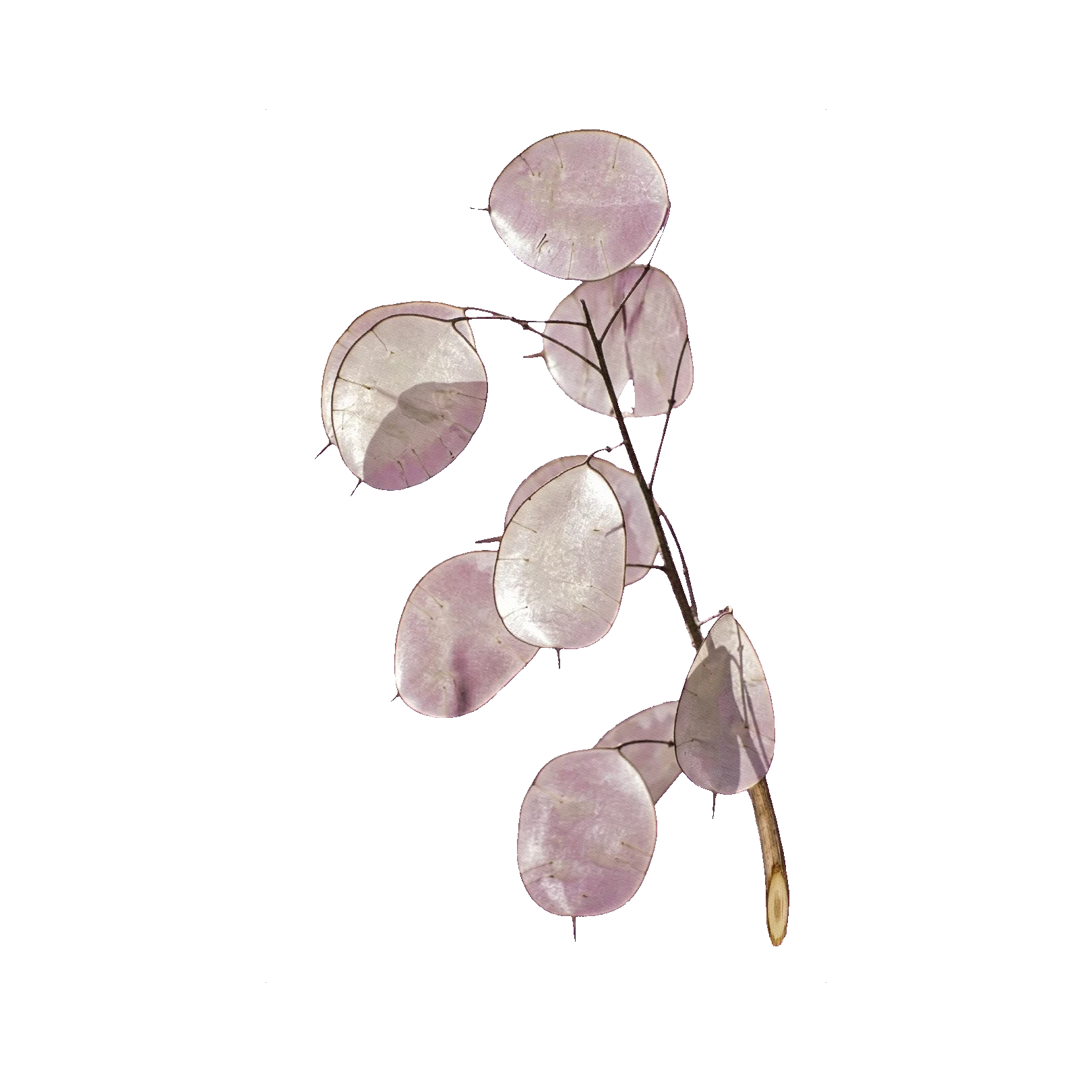
Honesty
Lunaria annua
Lunaria, honesty, is a European biennial best known not for its early purple flowers but for the translucent, coin-shaped seed pods it leaves behind. Once the brown outer cases are rubbed away, each pod reveals a papery, pearlescent silver disc that shimmers like a small moon. Florists prize these 'silver dollars' as a luminous, textural element in dried arrangements, wreaths and winter or bridal work. Long-lasting and weightless, dried honesty brings a quiet, silvery light that few other materials can match.
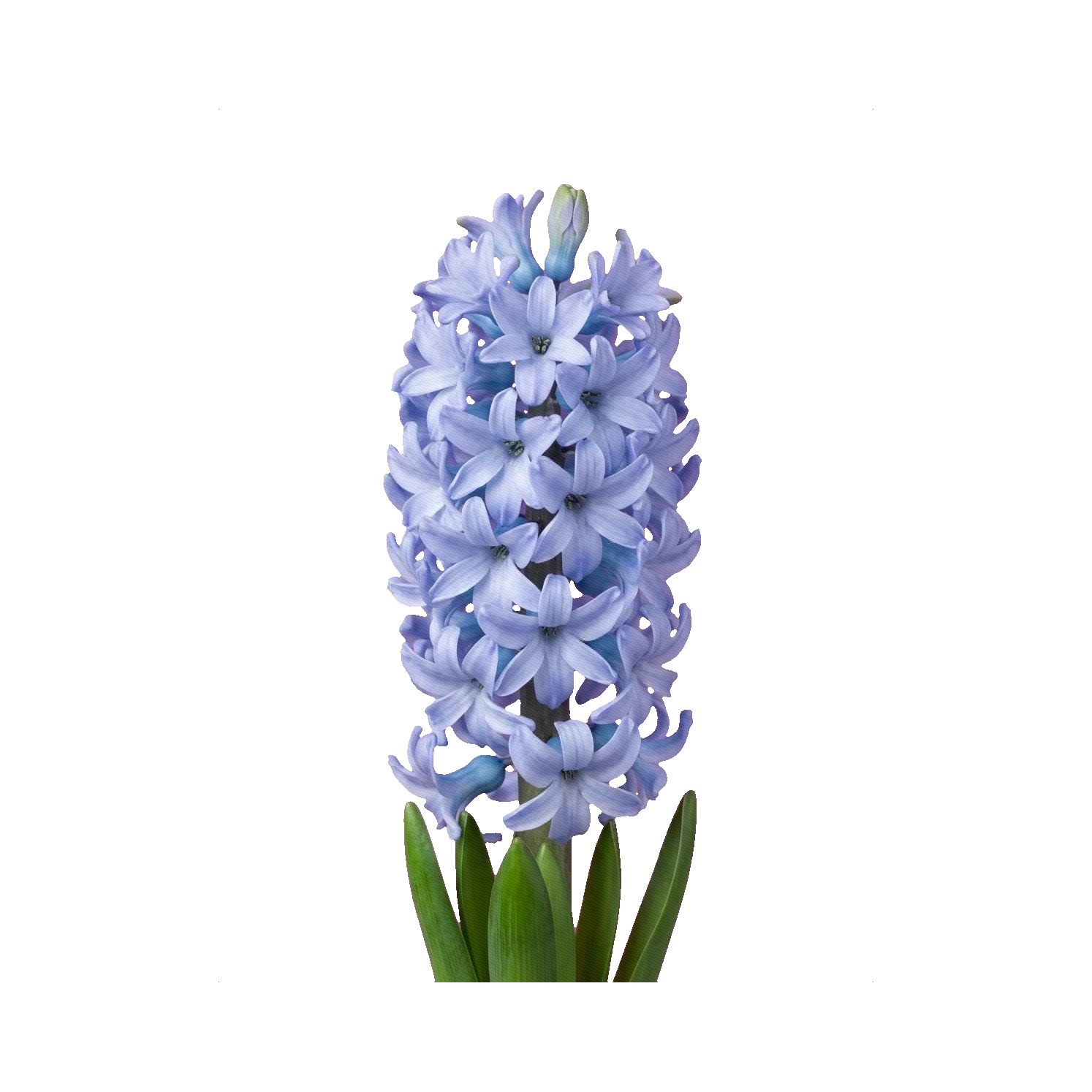
Hyacinth
Hyacinthus orientalis
The hyacinth is the fragrance flower of early spring — a densely packed spire of florets that perfumes a room within minutes. Grown almost exclusively in the Netherlands for the global cut trade. The stem-sap causes contact dermatitis in some people; wear gloves when conditioning.

Iris
Iris
The iris is one of the most sculptural spring flowers — three upright petals (standards) and three drooping (falls), often in a bicolour arrangement. Dutch iris (from bulbs) dominates the cut trade; bearded iris (from rhizomes) is a garden and specialty flower. Blue iris is the go-to when you need a true, saturated blue without dyeing.
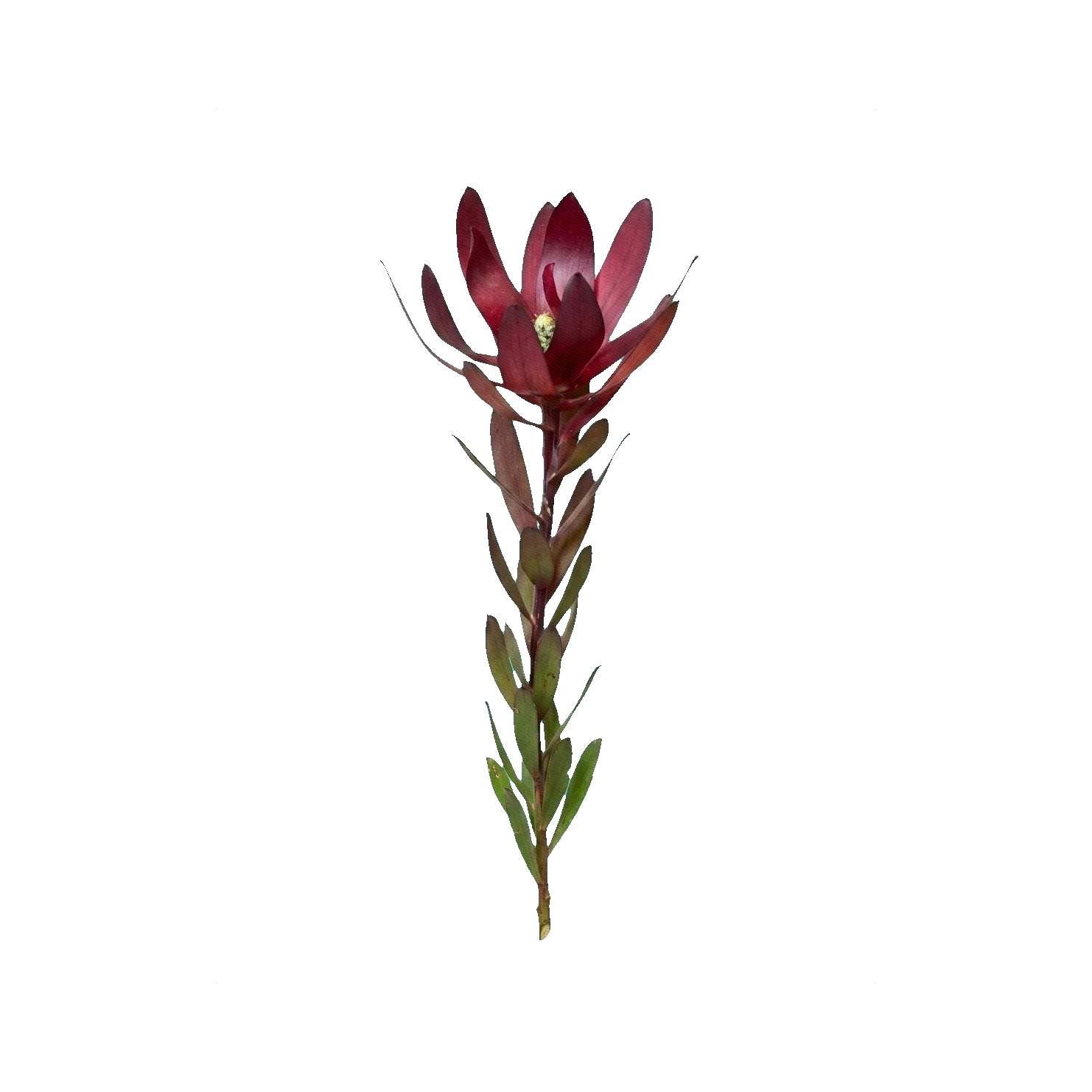
Leucadendron
Leucadendron
Leucadendron — cousin of the protea from South Africa's Cape — is the modern editorial designer's autumn signature. The Sunset variety in particular provides warm burgundy-to-copper coloration that no other cut flower matches. Exceptional vase life (up to 4 weeks) makes it a favourite for luxury installation work where flowers need to hold across a multi-day event.
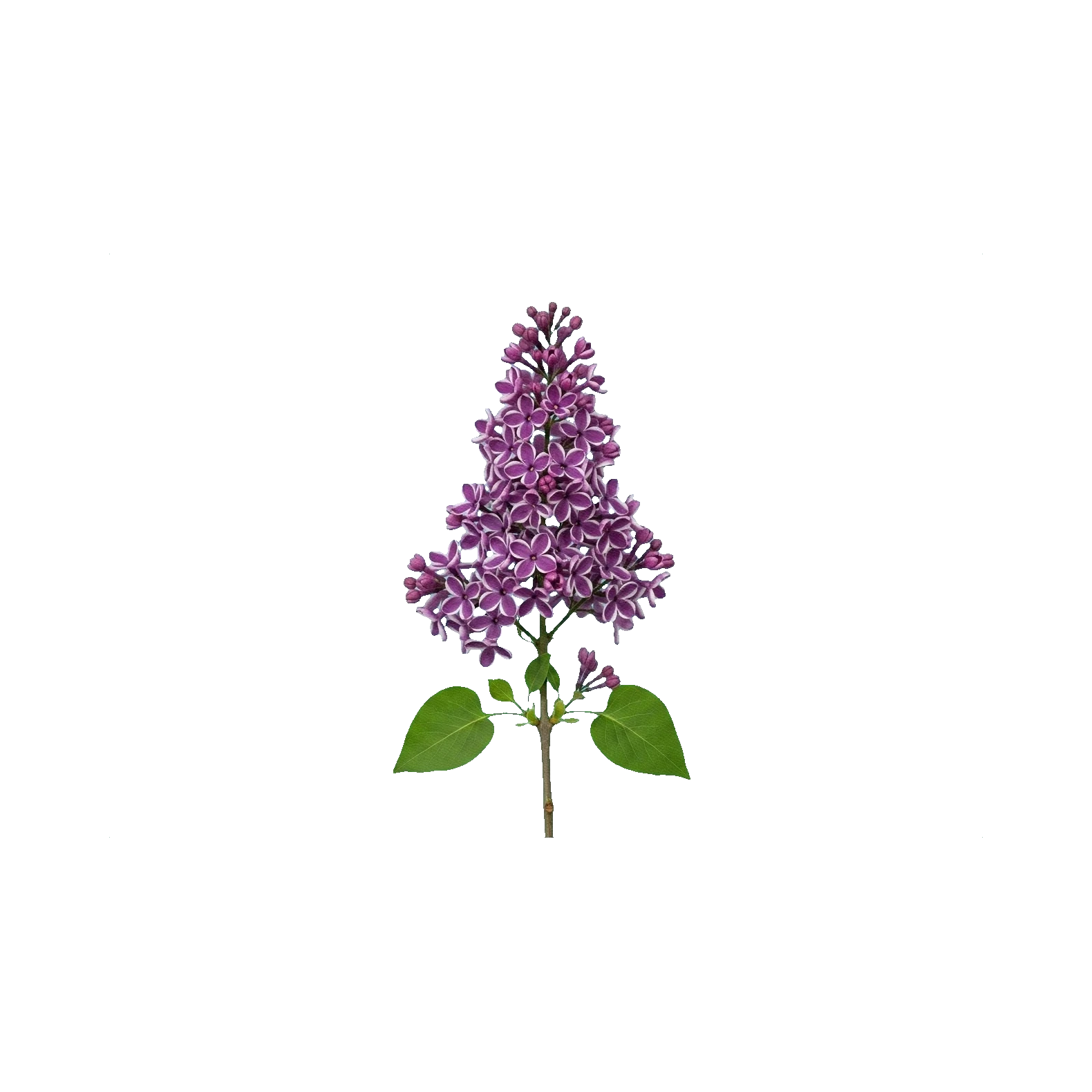
Lilac
Syringa vulgaris
The scent of lilac in a wedding venue is unforgettable — and unattainable at any other time of year. Short season (six weeks), short vase life (a week at best), and demanding conditioning requirements make lilac a luxury flower even when technically in season. Split the stems; strip the leaves; use the day it arrives.
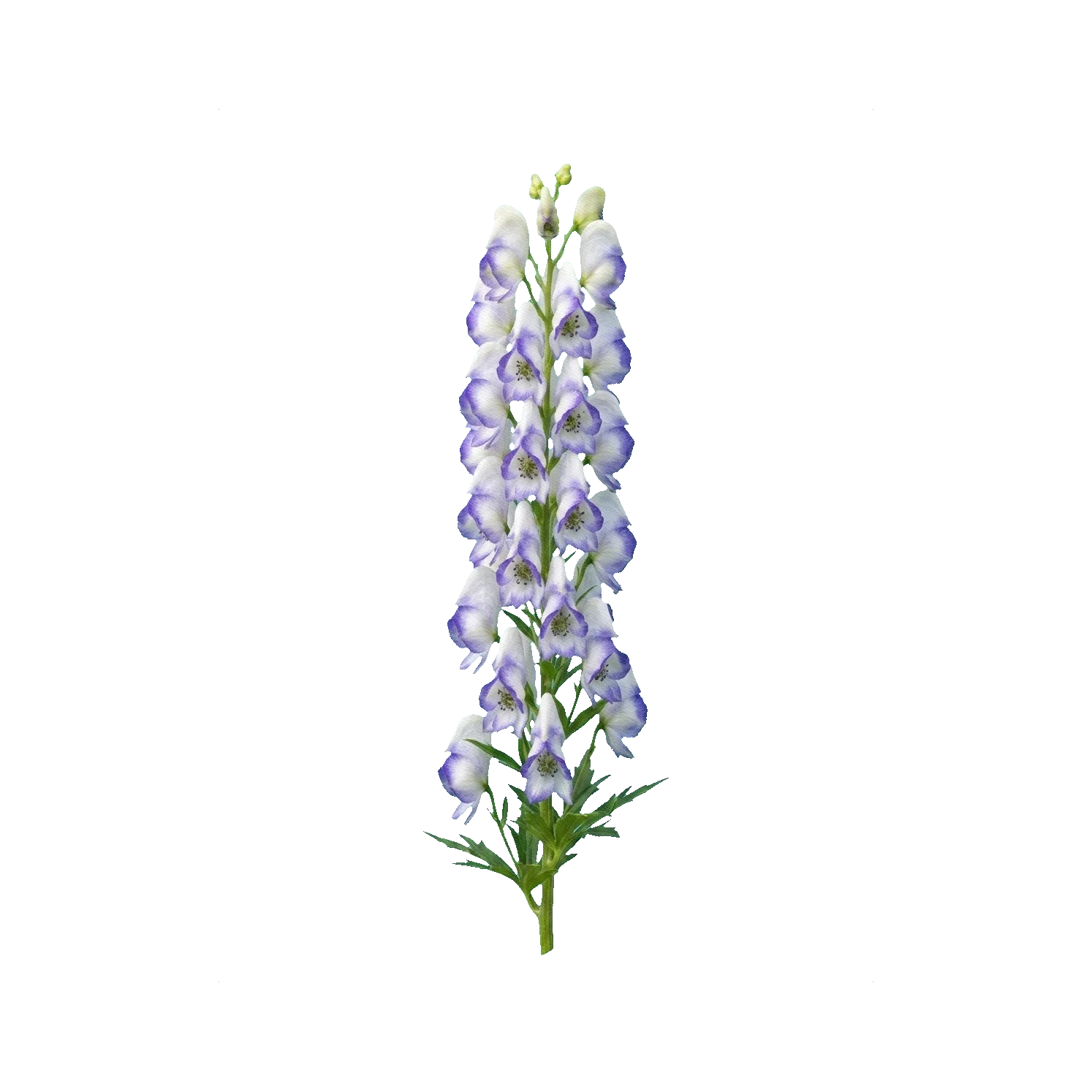
Monkshood
Aconitum napellus
Aconitum, known as monkshood, produces stately spires of hooded, helmet-shaped blooms in rich blues, purples and cool whites. Florists reach for it as a moody line flower that adds depth, height and an old-world garden character to autumn arrangements and editorial work. Every part of the plant is highly toxic, so it must be handled with gloves and kept well away from children, pets and food. Its deep sapphire tones are hard to find in other flowers, making it a treasured accent for dramatic, jewel-toned palettes.
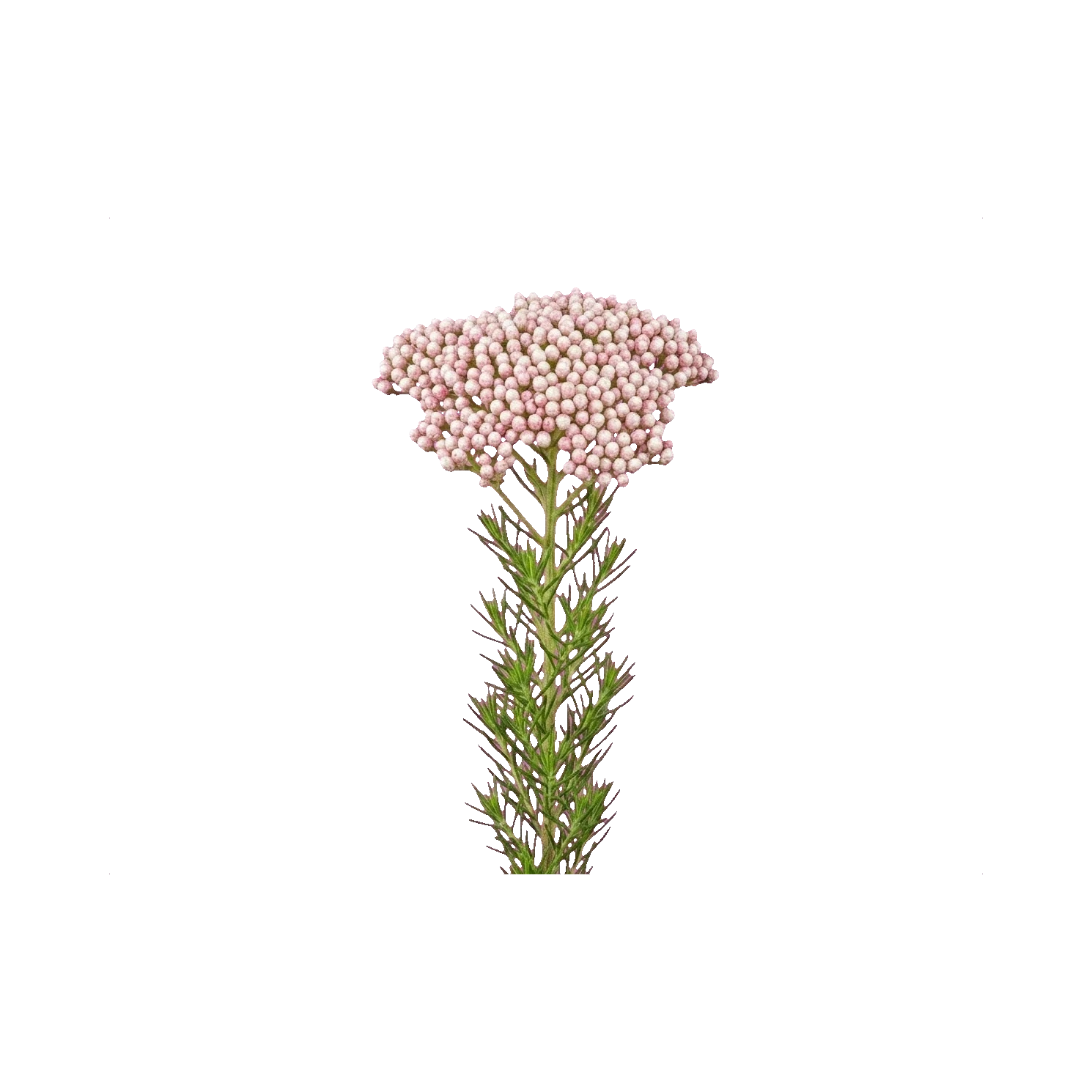
Ozothamnus (rice flower)
Ozothamnus diosmifolium
Ozothamnus — the Australian native sometimes called rice flower for its clustered pearl-like buds — is a signature filler for modern bridal work. Its neutral cream tones sit beautifully alongside white or blush focal flowers, and its 3-week vase life makes it the most cost-efficient filler per day of any commercial commercial variety. Dries in place with no loss of shape.
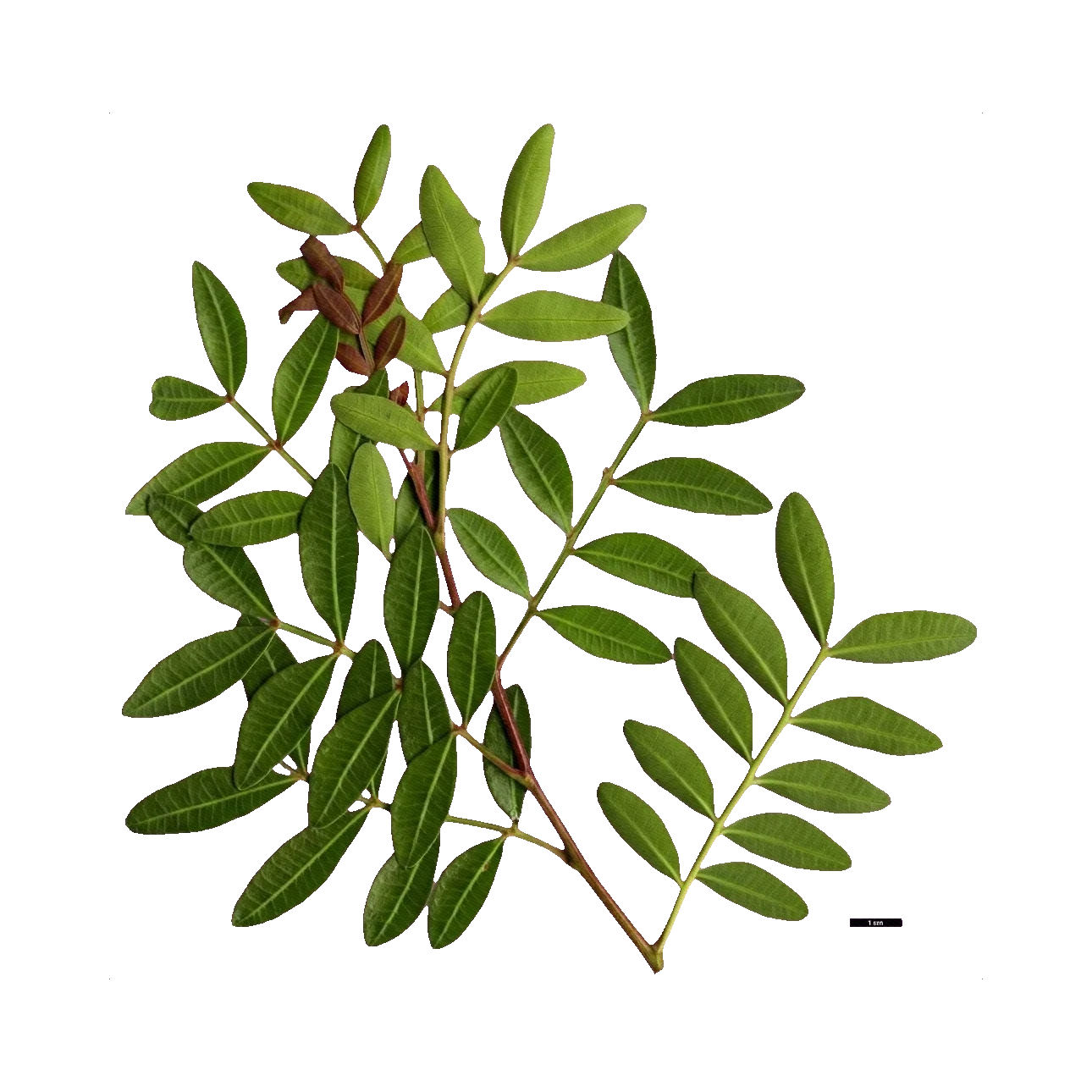
Pistacia
Pistacia lentiscus
Pistacia is the workhorse of commercial floristry — inexpensive Mediterranean greenery that creates volume inside a bouquet without ever being seen. Modern florists use pistacia as the structural skeleton of oversized bouquets, allowing focal flowers to sit airily on top. See our journal piece on [technical greenery](/journal/technique/technical-greenery/).
Poppy
Papaver
The poppy unfurls from a papery bud with theatrical drama — one of the most photogenic openings in commercial floristry. Icelandic poppies come in dawn-sky pastels; oriental poppies in blood-red intensity. Fragile in every dimension: sear the stem end, handle by the stem only, and use on the day of the event.
Protea
Protea
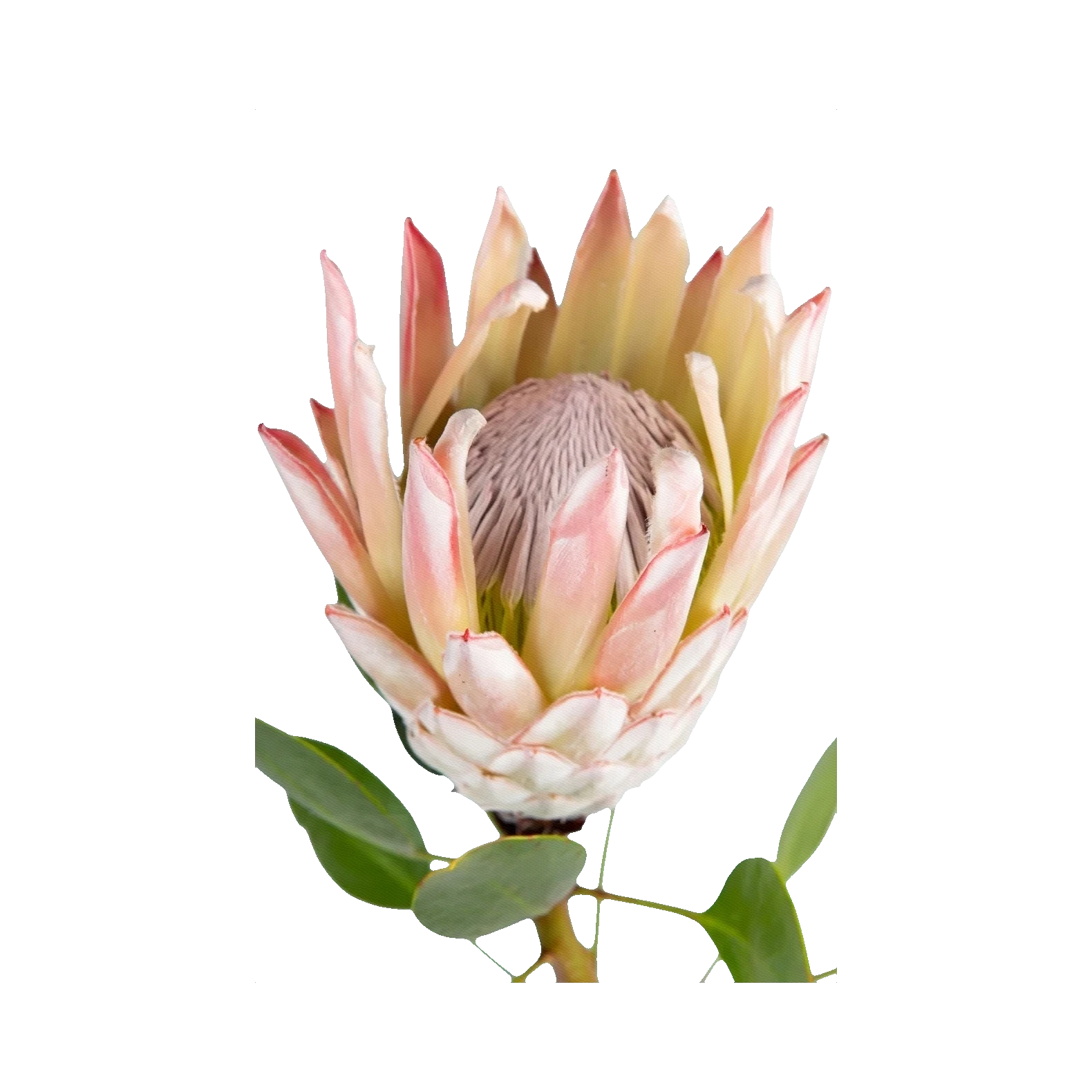
The protea is a flower with a personality — 300 million years of evolution, a South African native, and the design language of modern desert and tropical floristry. The king protea (P. cynaroides) reaches 25 cm across and functions as an entire arrangement in one stem. Dries perfectly; used widely in preserved wall art.
Red Hot Poker
Kniphofia uvaria
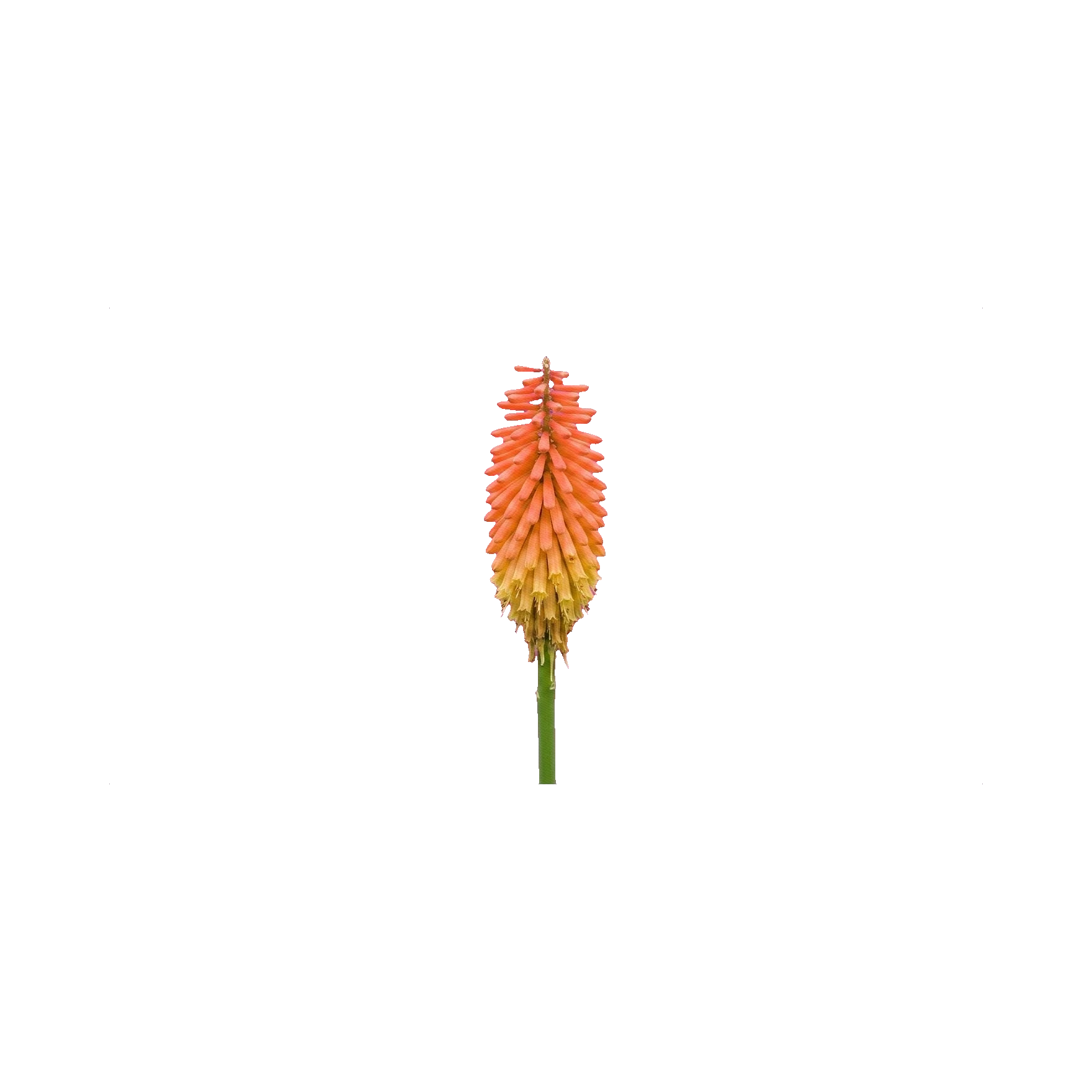
Kniphofia, the red hot poker, forms dense, torch-like spikes of tubular florets that blaze from fiery red through orange to yellow, often on a single ombre stem. Florists use it as a bold, architectural line flower that injects heat, height and tropical drama into summer and installation designs. Its sculptural form and vivid gradient make it an instant focal accent in large-scale work. Long, sturdy stems and striking colour give it real presence in modern and tropical arrangements.
Scabiosa
Scabiosa atropurpurea
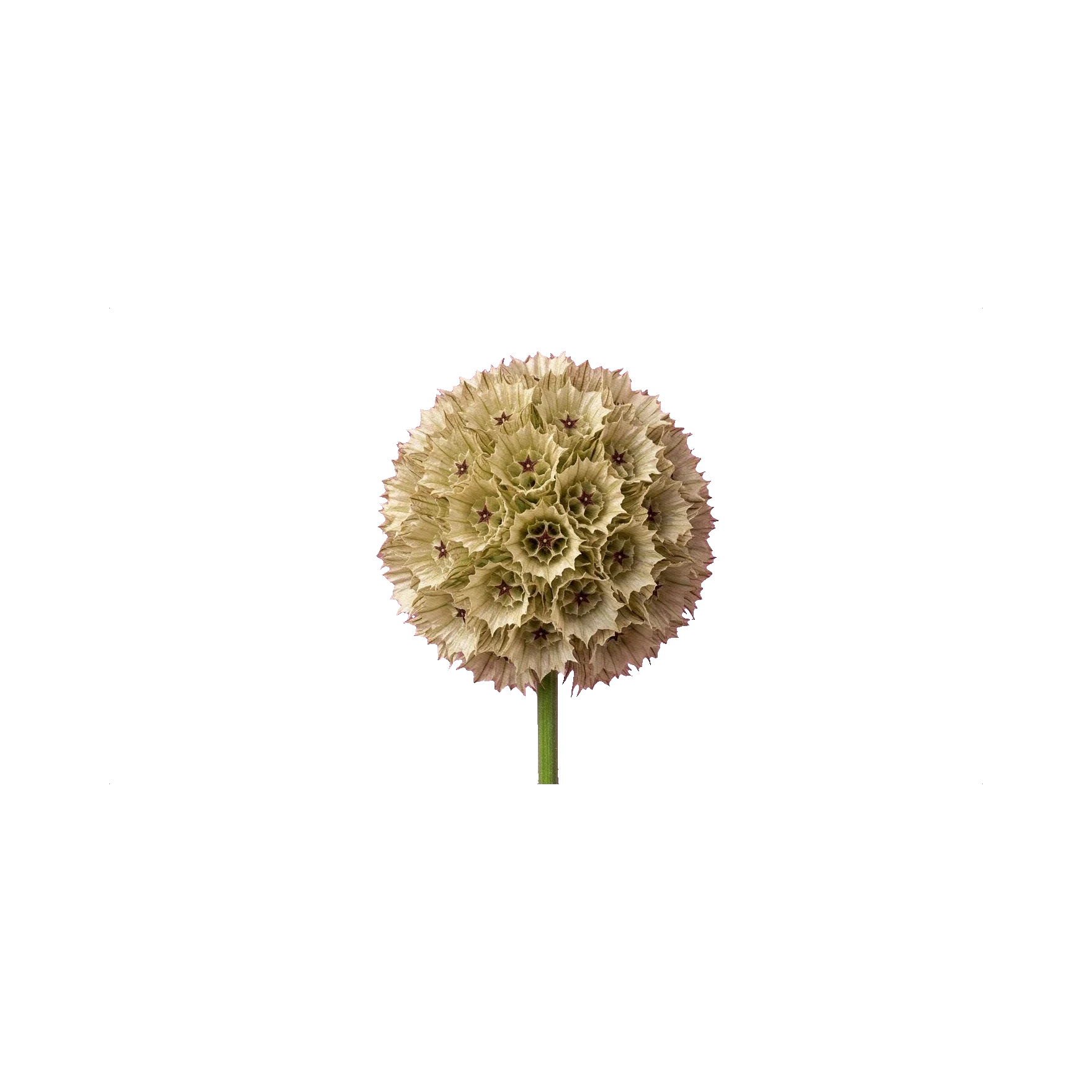
Scabiosa produces two design assets from one plant: the pincushion flower (papery, textural, in white-through-near-black) and the drumstick seed heads that follow. Both are prized in editorial and wedding work. Black Knight (deep burgundy) is the go-to for moody palettes; Snoeboul (pure white) for classical bridal work.
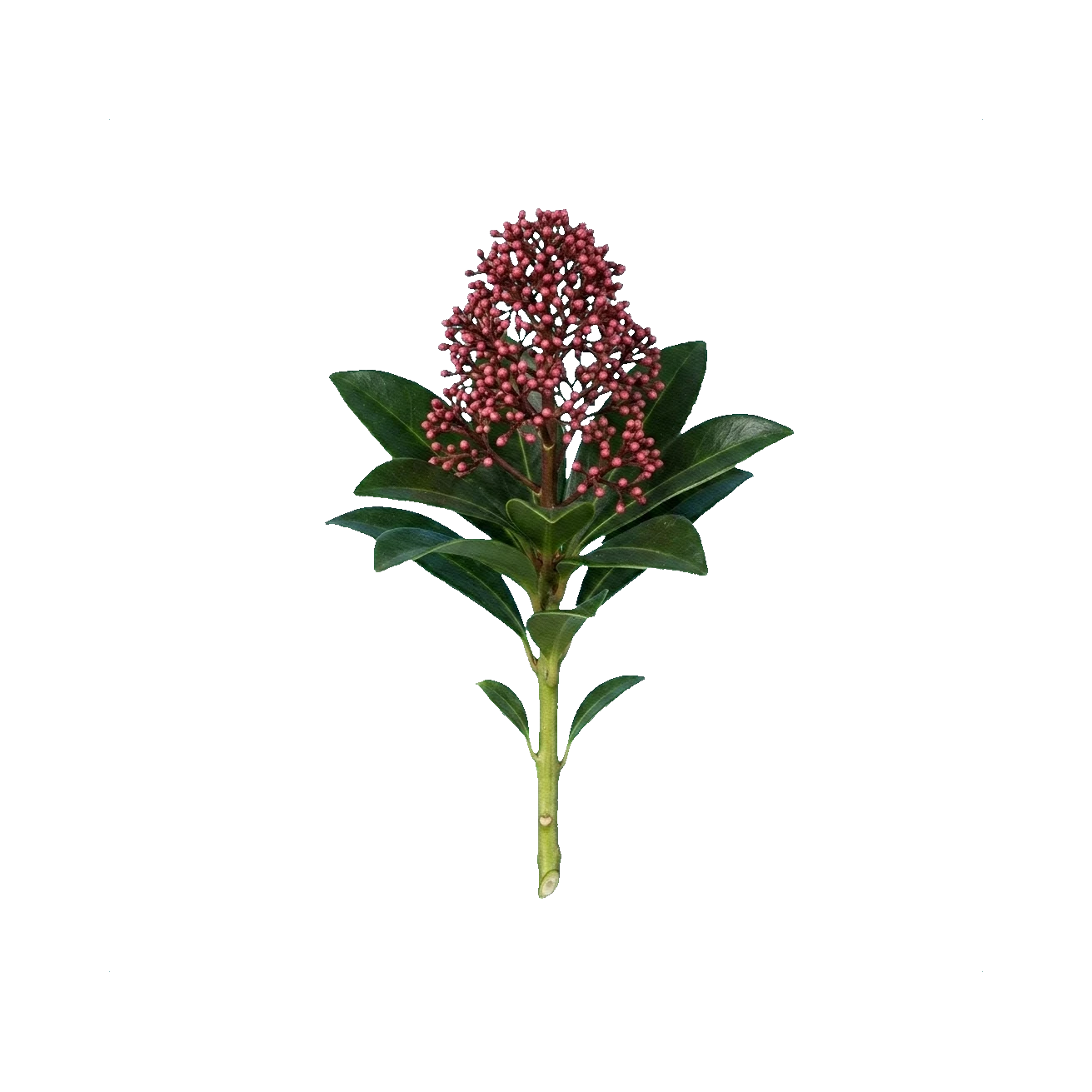
Skimmia
Skimmia japonica
Skimmia — the Japanese Rubella variety in particular — is a professional winter florist secret: clustered red or pink buds against glossy green leaves, holding for weeks in vase. Modern winter wedding designers combine it with white ranunculus, silver eucalyptus, and hellebore for a naturalistic Christmas-adjacent palette that avoids the traditional red-and-green cliche.
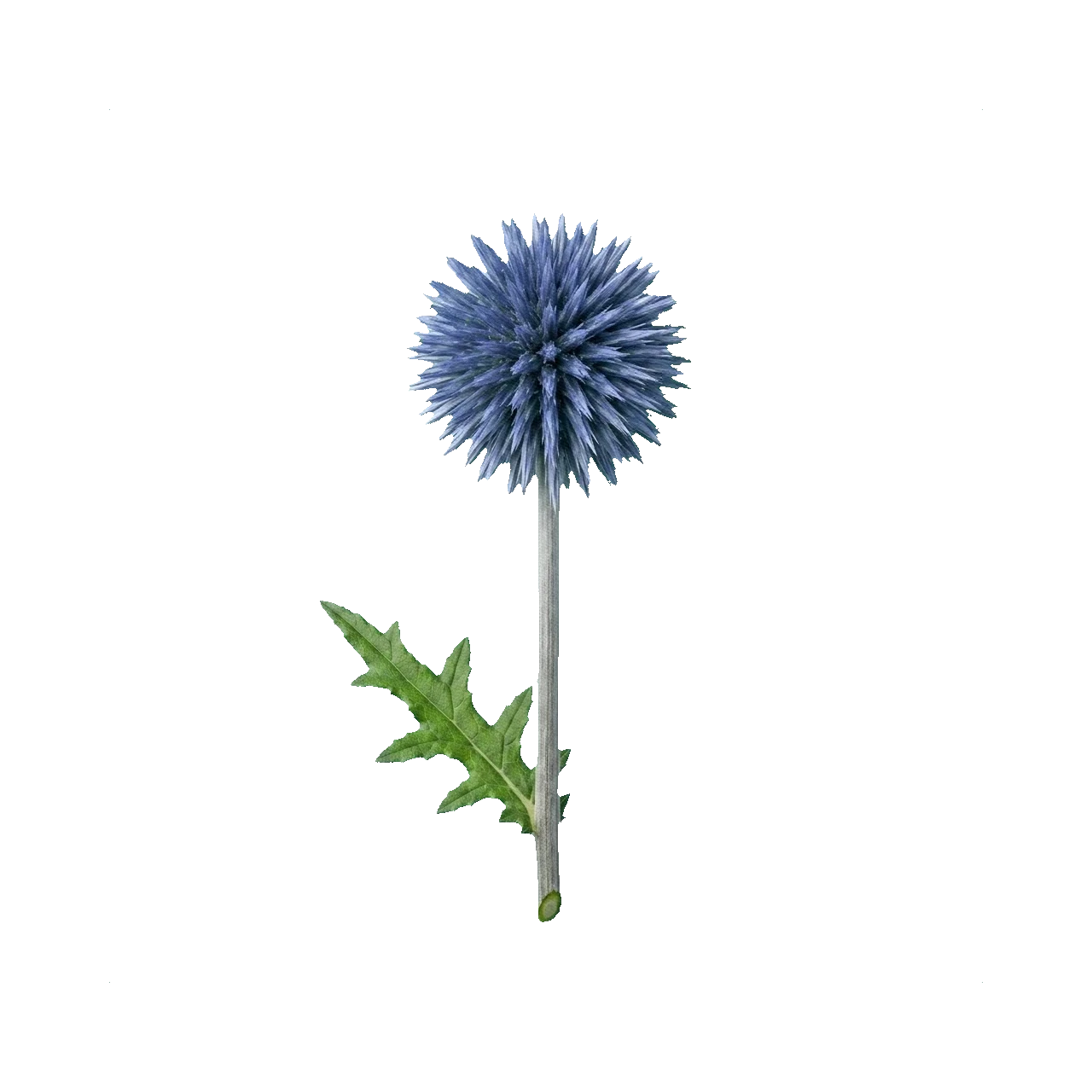
Thistle
Echinops
Globe thistle produces perfect spherical heads in metallic silver-blue — one of the most sculpturally distinctive cut flowers available. Dries in the vase and holds its colour indefinitely. Highly spiny; always handle in gloves. The Scottish national flower and a Highland wedding staple.
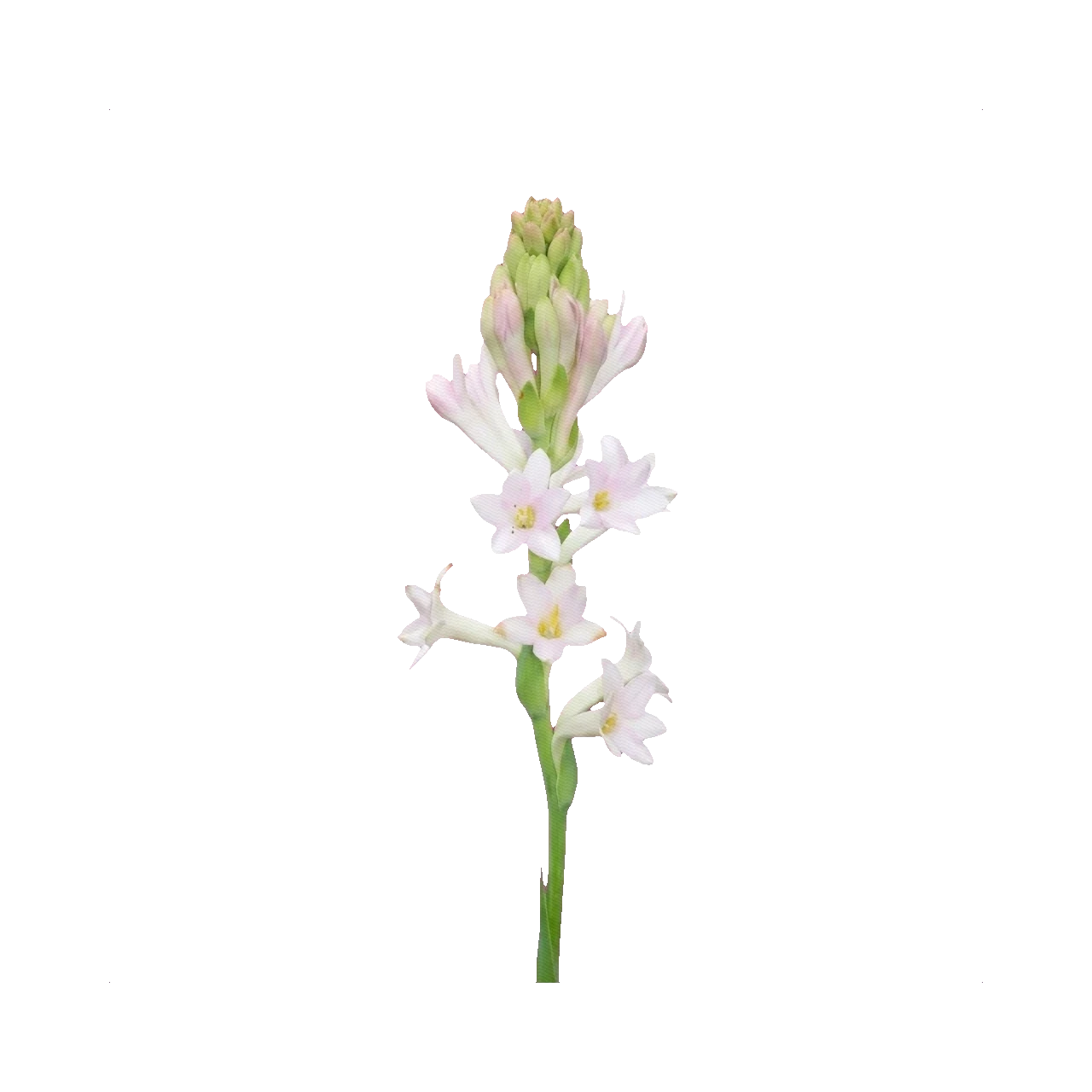
Tuberose
Polianthes tuberosa
Tuberose carries one of the most powerful fragrances in the flower world — a night-blooming, honey-jasmine scent that fills a room. Central to Indian wedding traditions (garlanded around the bride and groom); an editorial favourite in the West for evening events.
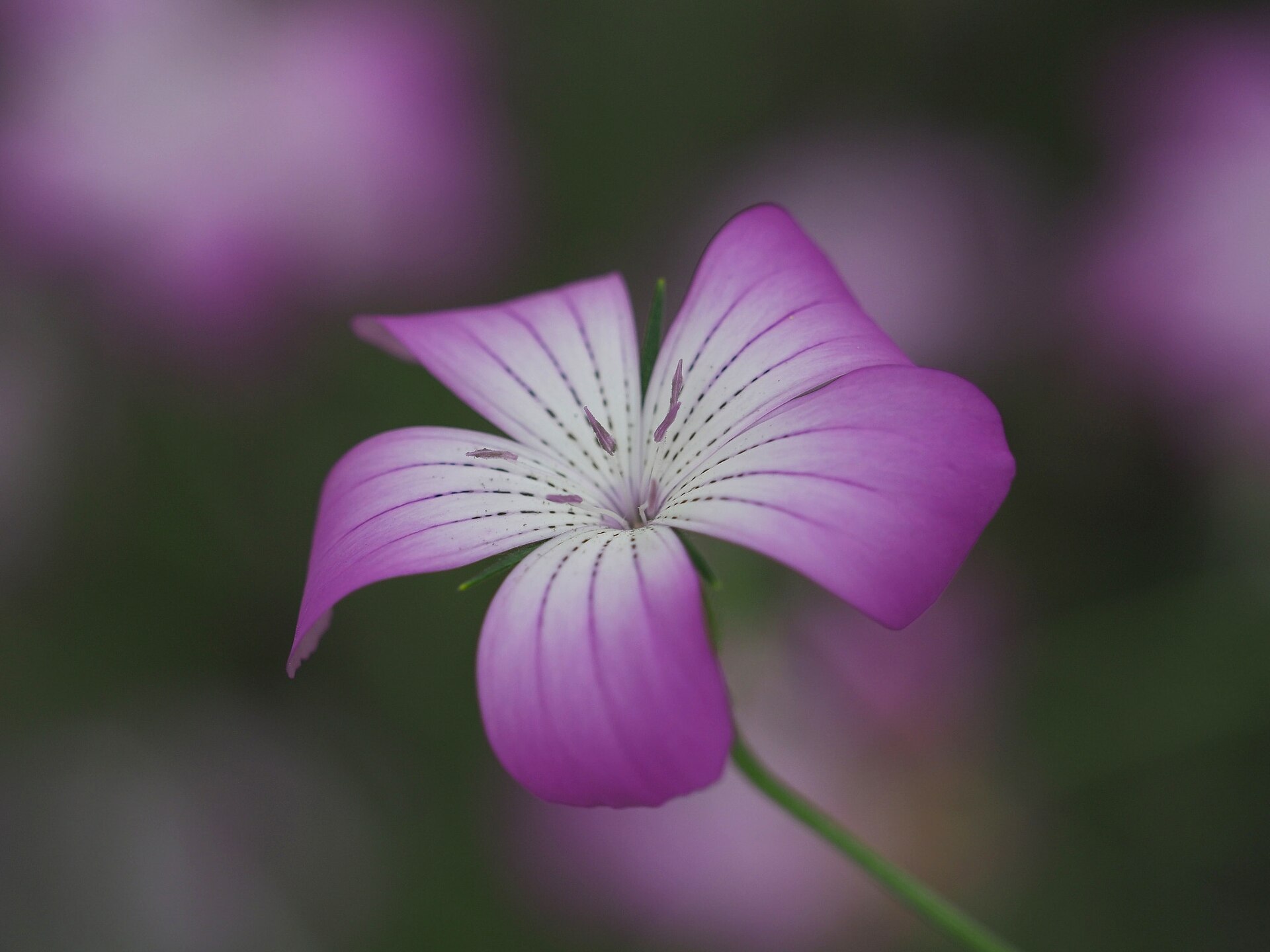
Agrostemma
Agrostemma githago
Agrostemma, or corn cockle, is a slender grain-field annual bearing wide, open trumpets of soft lilac-pink veined with fine pencil lines, held aloft on airy, wiry stems. Florists prize it for the movement and see-through height it brings to loose, meadow-inspired bouquets and arrangements. Its delicate flowers and long stems create a natural, wildflower feel perfect for garden-style and editorial work. Once a common cornfield weed, it now returns to cutting gardens for exactly that untamed grace.
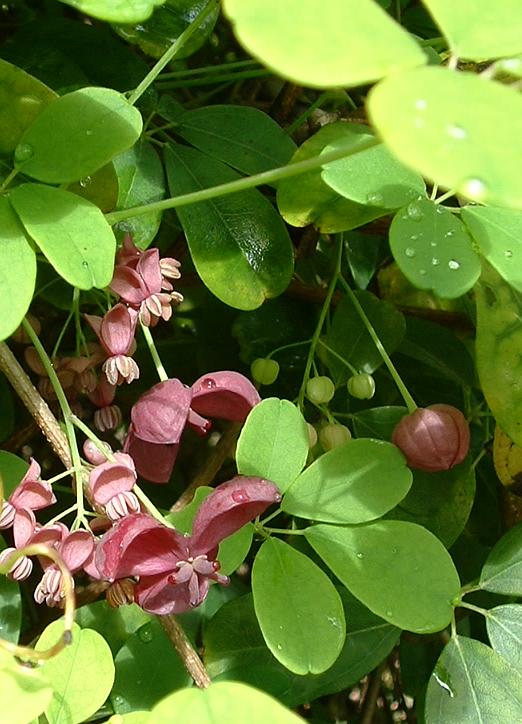
Akebia
Akebia quinata
Akebia quinata, the chocolate vine, is an East-Asian climber with elegant five-part leaves and unusual purple spring flowers that carry a soft chocolate-vanilla scent. Florists value its pliable stems and refined foliage for training into arcs and adding a quiet, garden-gathered elegance to installations. The curious flowers make it a coveted, premium seasonal material. Its flexible growth suits arches and cascading designs.
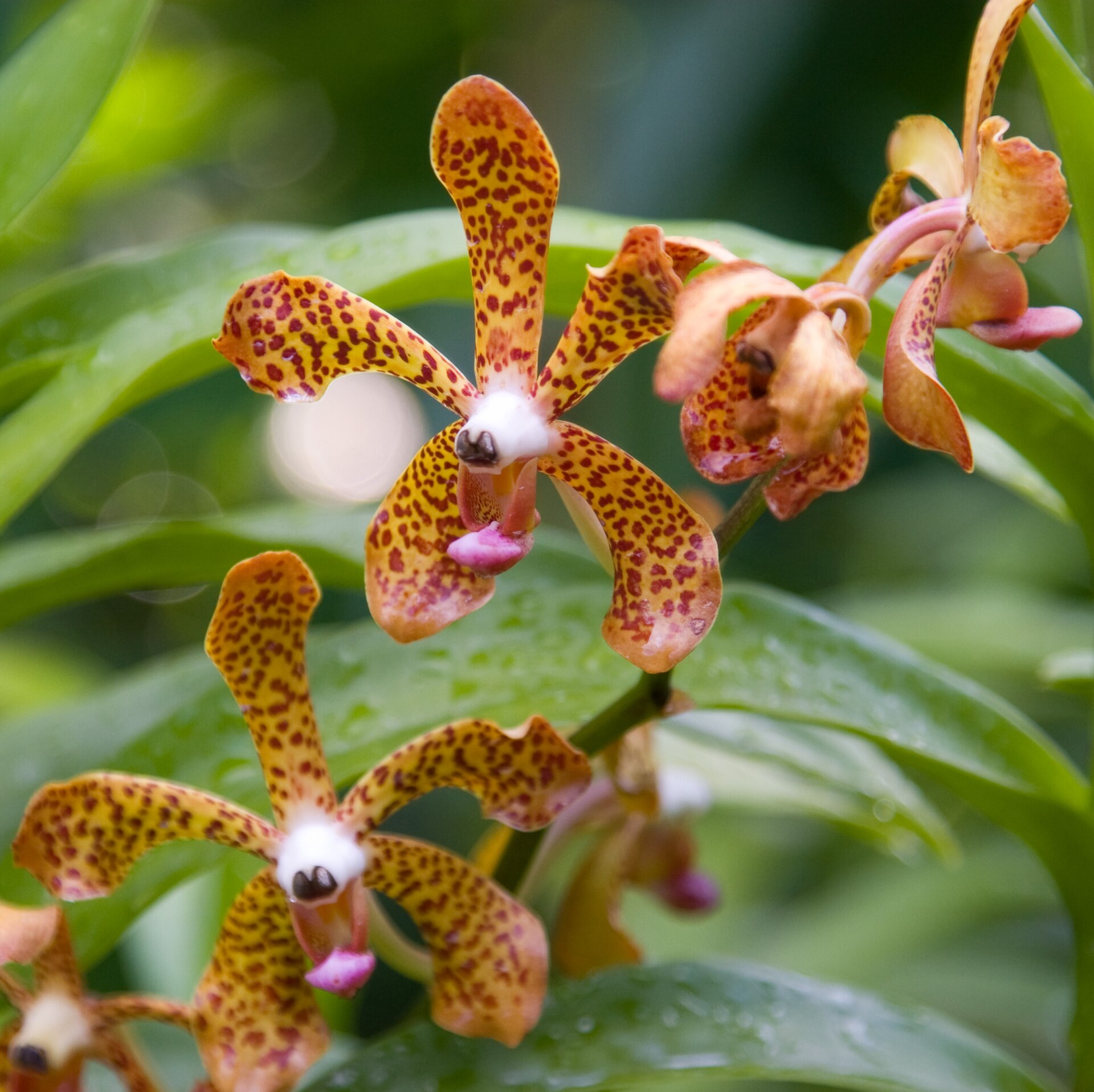
Aranda Orchid
Aranda (Arachnis × Vanda)
Aranda is a hardy hybrid orchid crossing Arachnis and Vanda, carrying rows of flat, often spotted or veined blooms along a tall, wiry spray — the reason it is nicknamed the scorpion orchid. Grown commercially in Singapore and Malaysia, it offers moody purples, blues and bronzed browns rarely found in cut flowers. Florists value it as a tropical line element that draws the eye upward in tall arrangements and modern event pieces. Robust and long-lasting for an orchid, it holds up to bolder, architectural designs.
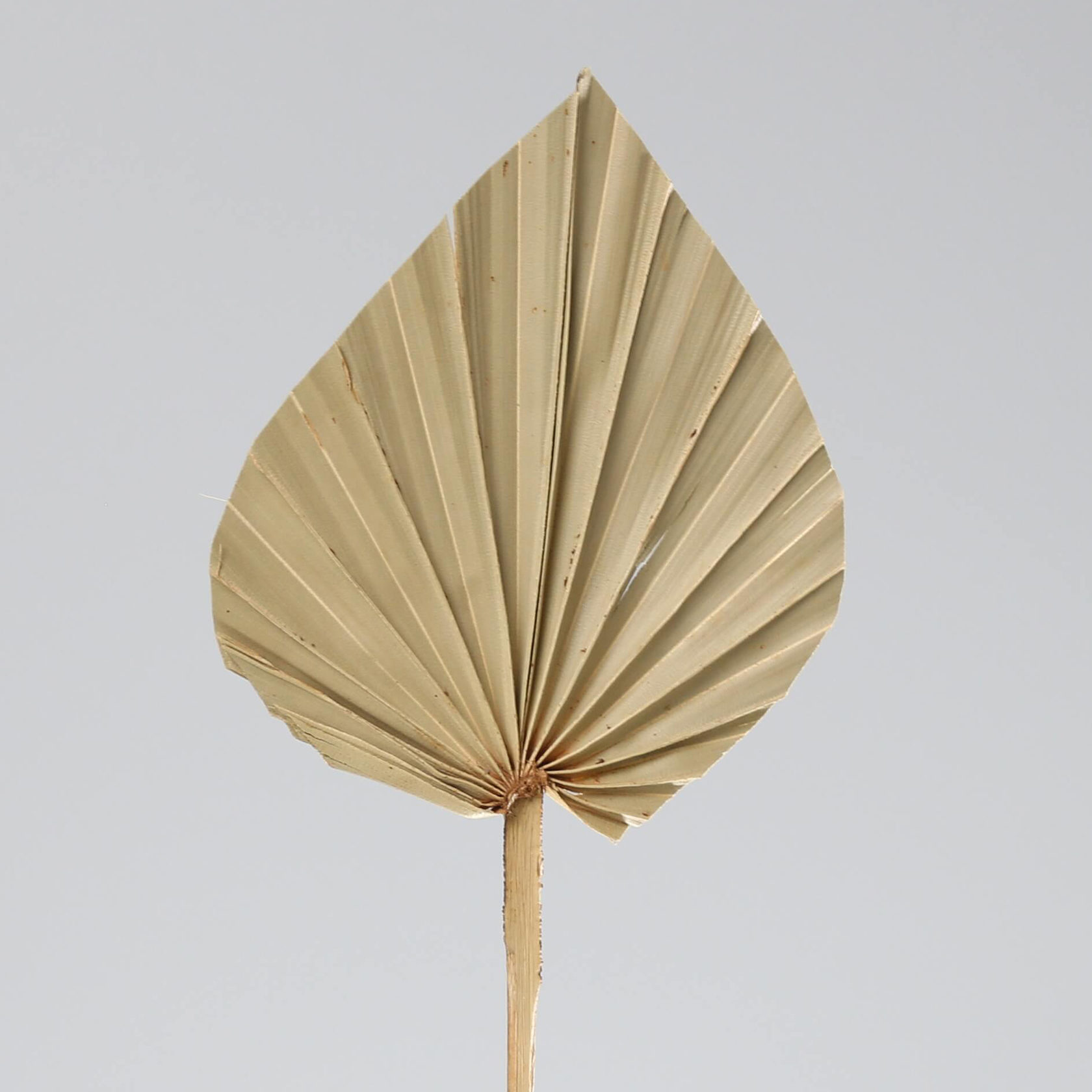
Areca palm frond
Dypsis lutescens
The Areca palm frond — cut foliage from Madagascar's golden cane palm — is the definitive tropical wedding and installation foliage. Its long feathered leaflets create instant tropical drama at destination weddings and beach events. Modern editorial designers also use it dry as a sculptural element in hotel and gallery installations.
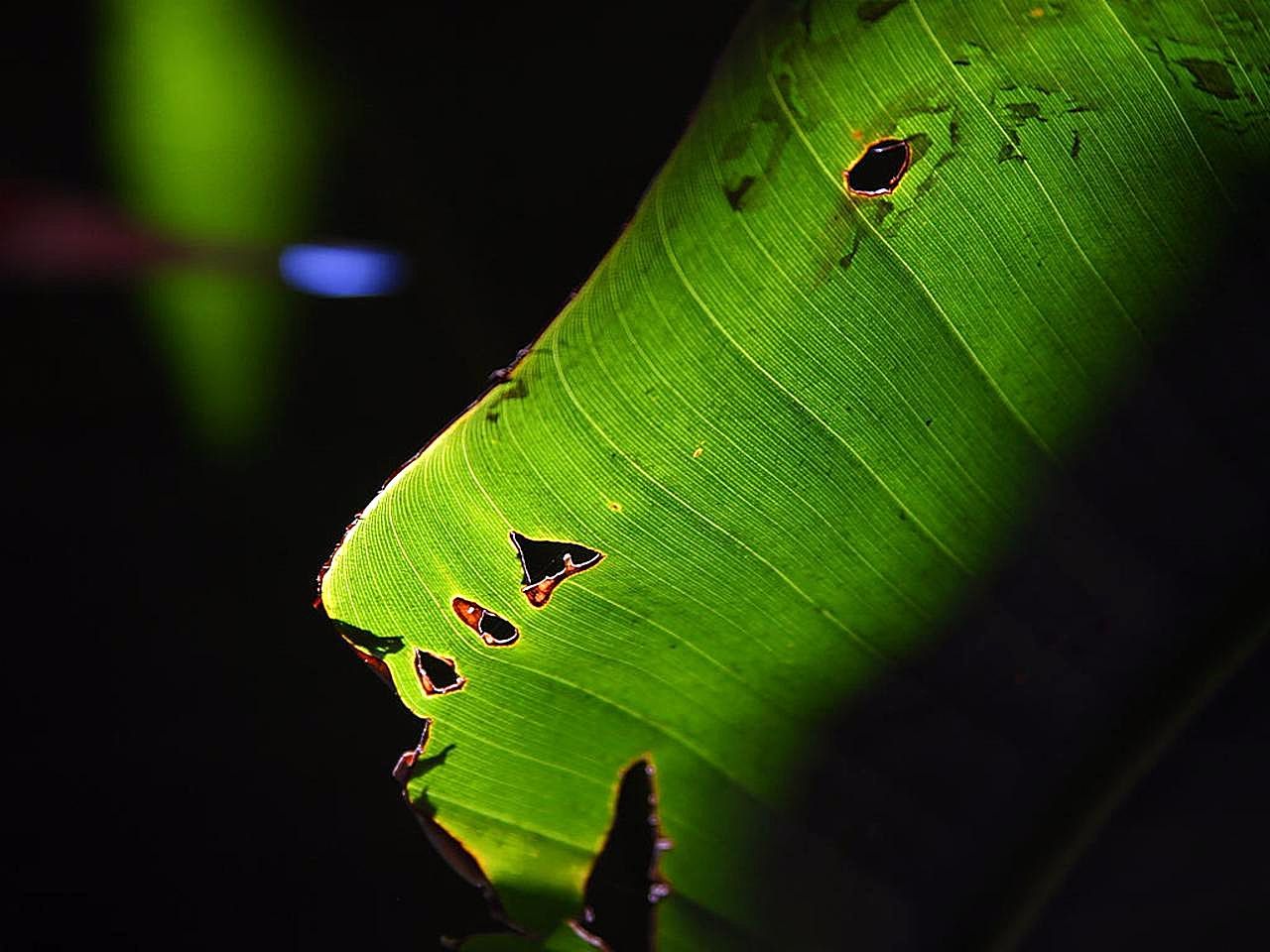
Banana Leaf
Musa × paradisiaca
Banana leaf is a broad, glossy paddle of foliage prized for its clean tropical geometry and versatility. Florists use it whole for bold architectural greenery, roll or fold it to line the inside of glass vases, or cut it into strips and sculptural forms for modern and tropical designs. Inexpensive and widely available year-round, it brings instant lushness and scale to installations and event work. It is best used fresh, as the cut blade gradually dries and curls at the edges.
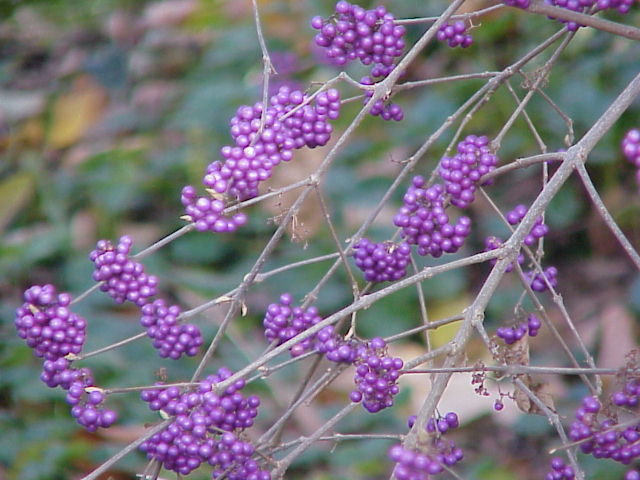
Beautyberry
Callicarpa bodinieri
Beautyberry is prized for its extraordinary clusters of tightly packed berries in an almost unreal metallic violet. Native to China, Callicarpa forms its fruit along bare or lightly leafed stems in autumn, giving florists a rare true-purple berry that photographs like jewellery. It brings a modern, jewel-toned accent to autumn bouquets, editorial work and moody seasonal arrangements. Because the foliage fades fast, florists strip the stems to let the striking berries stand alone.
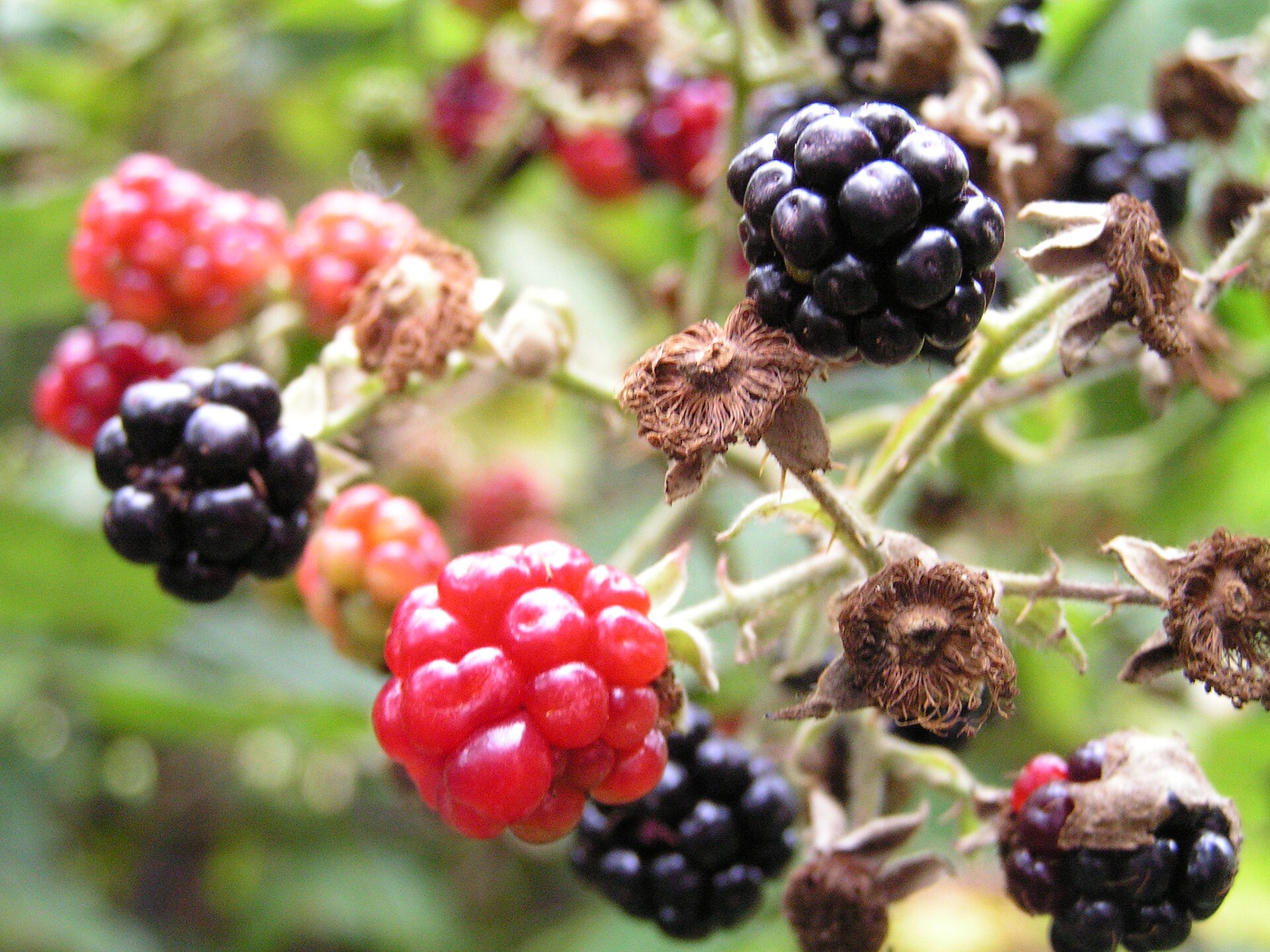
Blackberry Branch
Rubus fruticosus
Blackberry, or bramble, branches carry ripening fruit in a beautiful gradient from green through red to glossy black, often on the same arching stem. That natural colour range makes them a favourite for foraged, garden-style and editorial work through late summer and early autumn. Florists prize the wild, tumbling character they lend to loose bouquets and installations. The soft ripe fruit is short-lived and stains readily, so bramble is best used fresh for close-up seasonal moments.
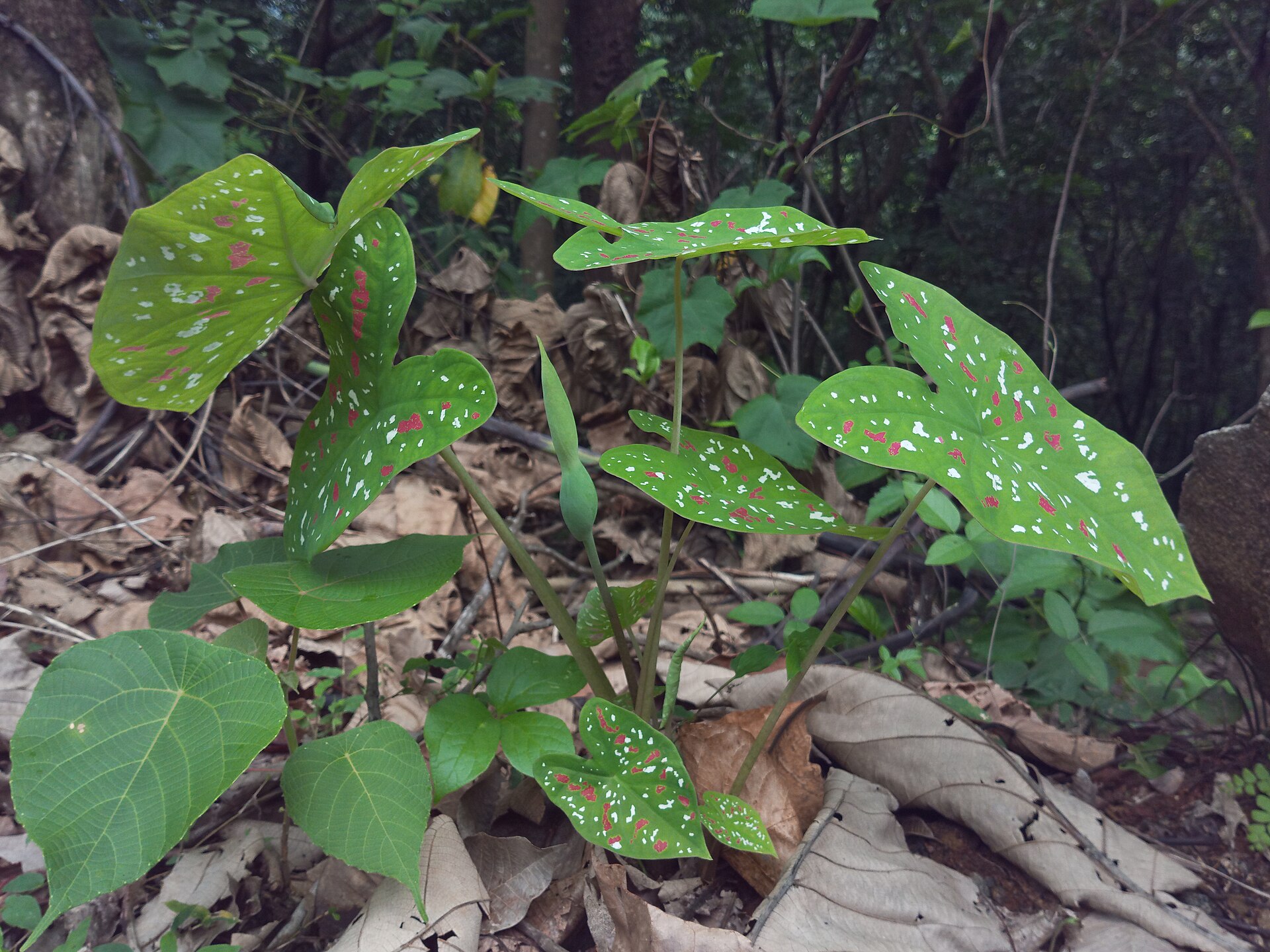
Caladium Leaf
Caladium bicolor
Caladium leaf is a painterly heart-shaped blade splashed with pink, red, white and green veining, giving it the nickname angel wings. Native to the Amazon, it brings extraordinary colour to tropical designs where most foliage stays plain green. Florists use it as a decorative accent leaf in bouquets, editorial pieces and low arrangements where its markings can be admired up close. It is delicate and short-lived once cut, so it rewards careful handling and warm conditions.
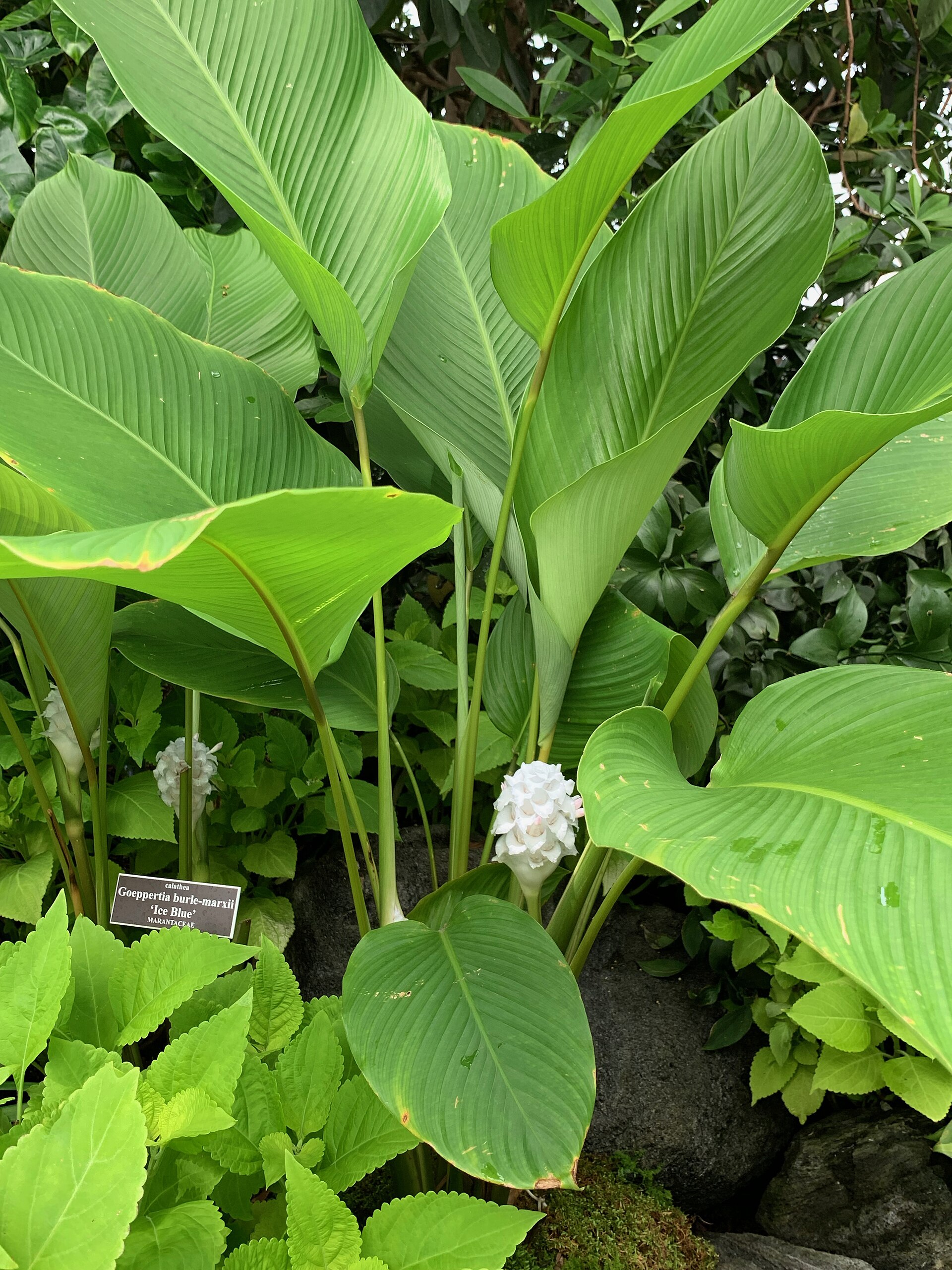
Calathea Leaf
Goeppertia (syn. Calathea)
Calathea leaf is a striking patterned foliage whose oval blades carry feathered stripes, spots or veins in deep greens, often with a dramatic burgundy underside. Native to the tropical Americas, it is a favourite for adding graphic texture and colour to modern and tropical arrangements. Florists use it both face-up for its peacock-like markings and reversed to show the wine-red back. More resilient as a cut than many exotic leaves, it holds its beauty for one to two weeks when kept warm and hydrated.
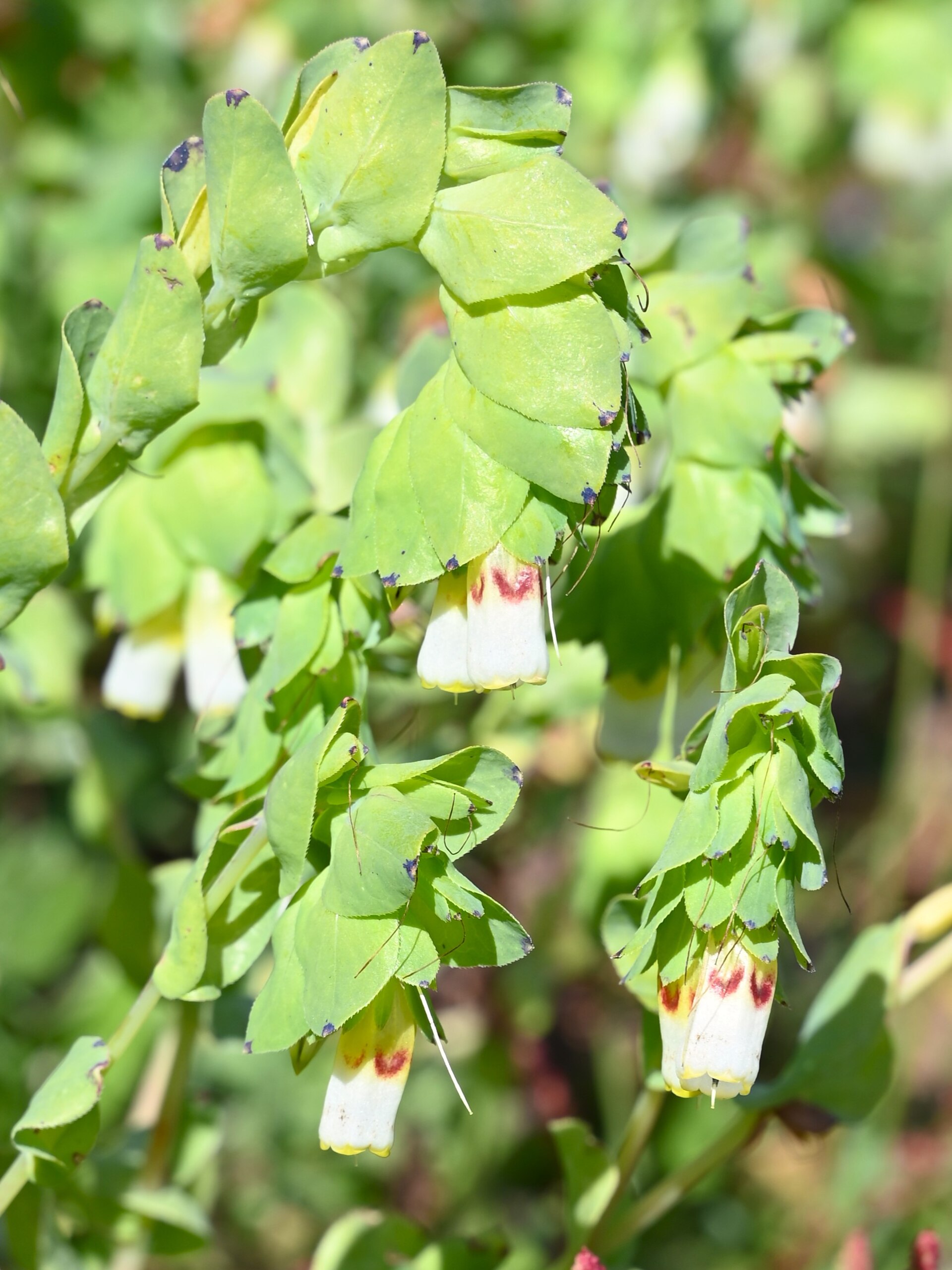
Cerinthe
Cerinthe major
Cerinthe, or honeywort, is an unusual member of the borage family grown for its glaucous blue-green foliage and nodding, deep purple-blue bracts that shade toward gunmetal at the tips. Florists reach for it when a bouquet needs a moody, painterly accent and a colour that bridges blue, teal and green. Its arching stems add graceful movement to garden-style and editorial designs. It is a designer's curiosity rather than a mass flower, and best enjoyed while freshly cut.
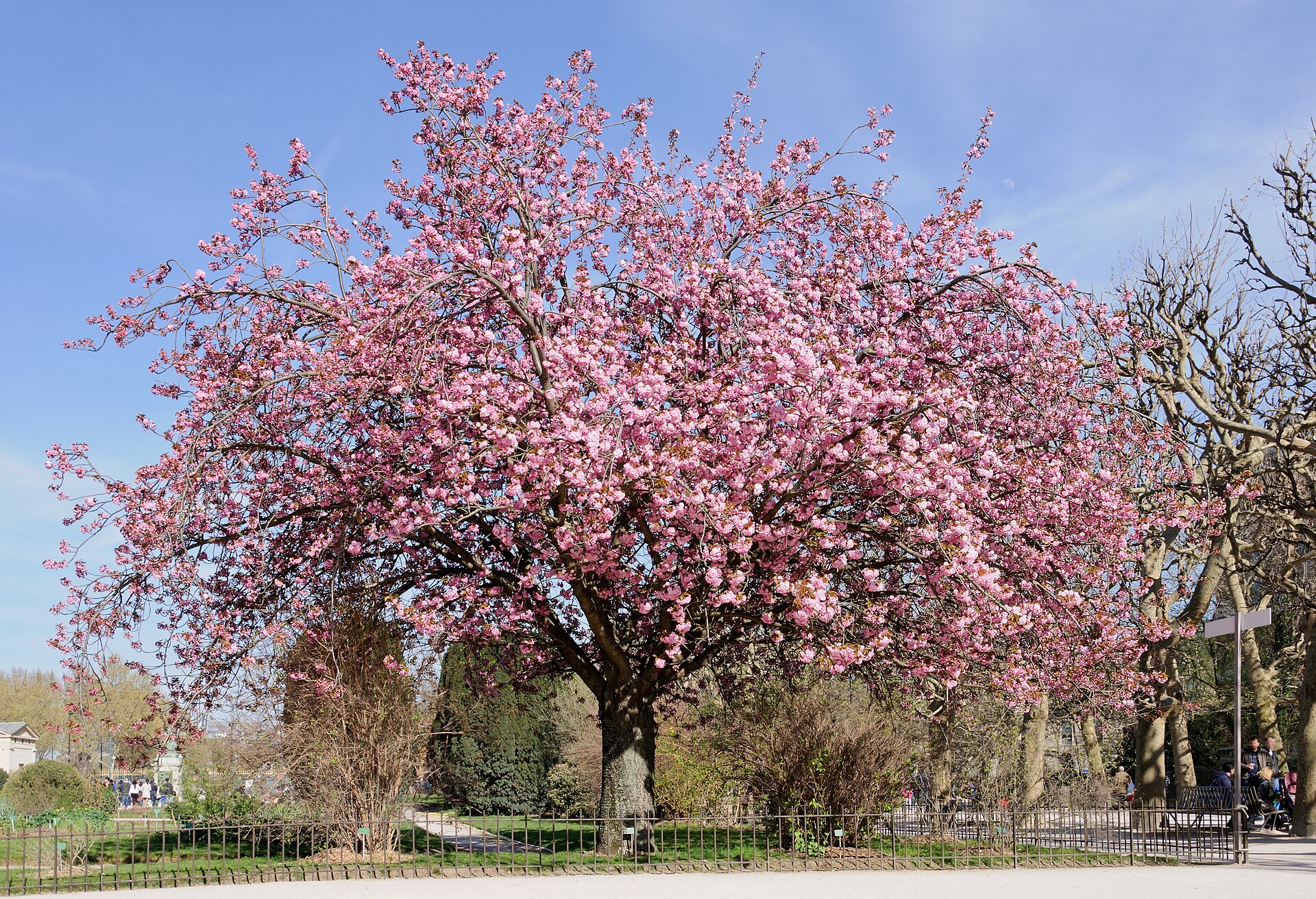
Cherry Blossom
Prunus serrulata
Cherry blossom is the fleeting emblem of spring — woody branches clouded with soft pink and white five-petalled flowers along their length. Florists treasure it for dramatic, ethereal height in luxury weddings, ceiling installations and grand arrangements, where its blush-toned branches create an instant sense of romance. The bloom window is famously brief, which makes the branches feel precious and highly seasonal. Cut in bud, they can be gently forced open indoors ahead of the outdoor season.
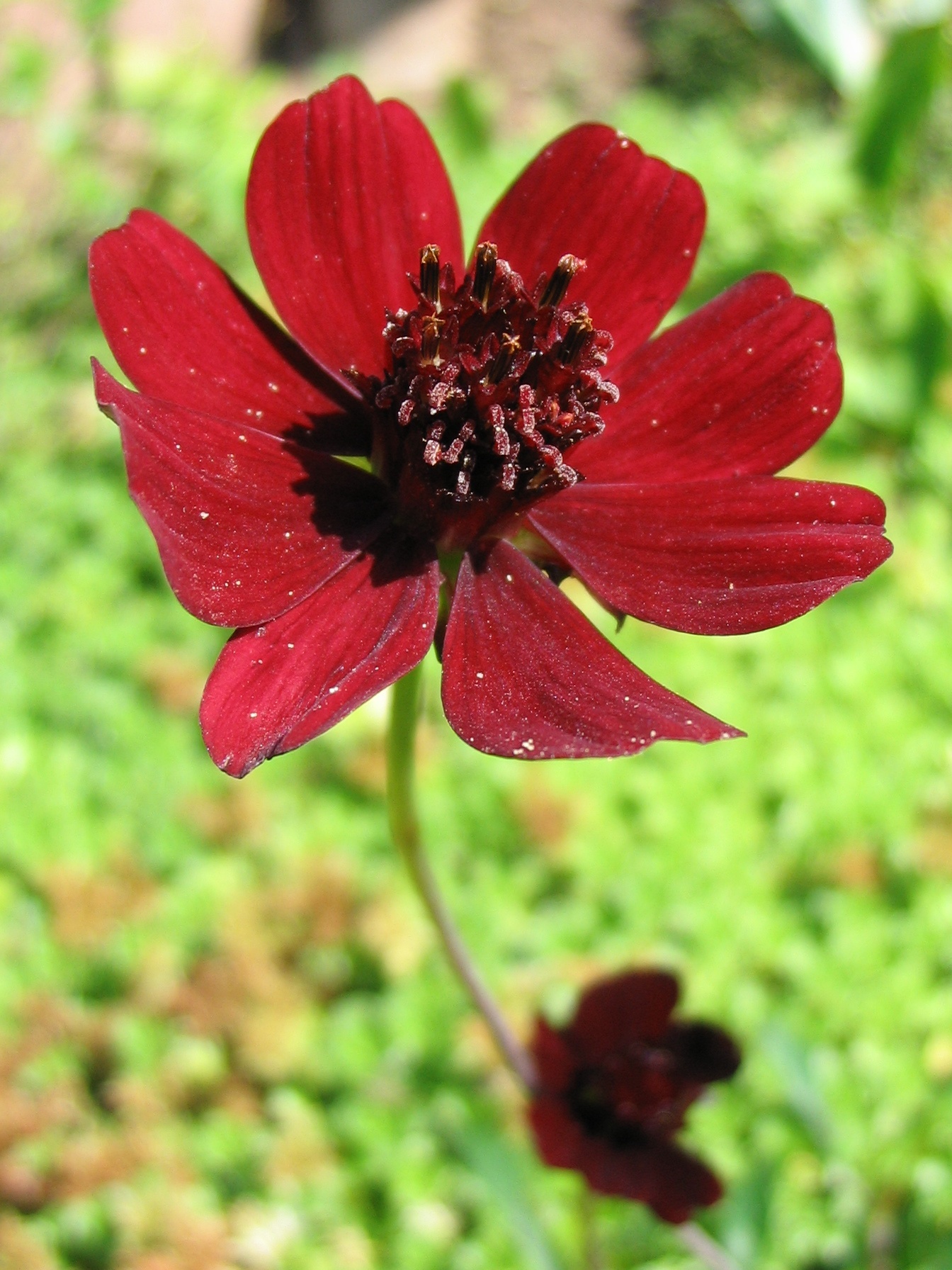
Chocolate Cosmos
Cosmos atrosanguineus
Chocolate cosmos is a coveted rarity: small, velvety daisy flowers in deep maroon-brown that carry a genuine scent of chocolate and vanilla. Florists treasure it for luxury and editorial work where its moody, near-black tone and unique fragrance set an arrangement apart. The blooms sit on fine, dark stems and read as jewel-like accents rather than mass flowers. Delicate, seasonal and premium-priced, it is a designer's flower for intimate, sophisticated palettes.
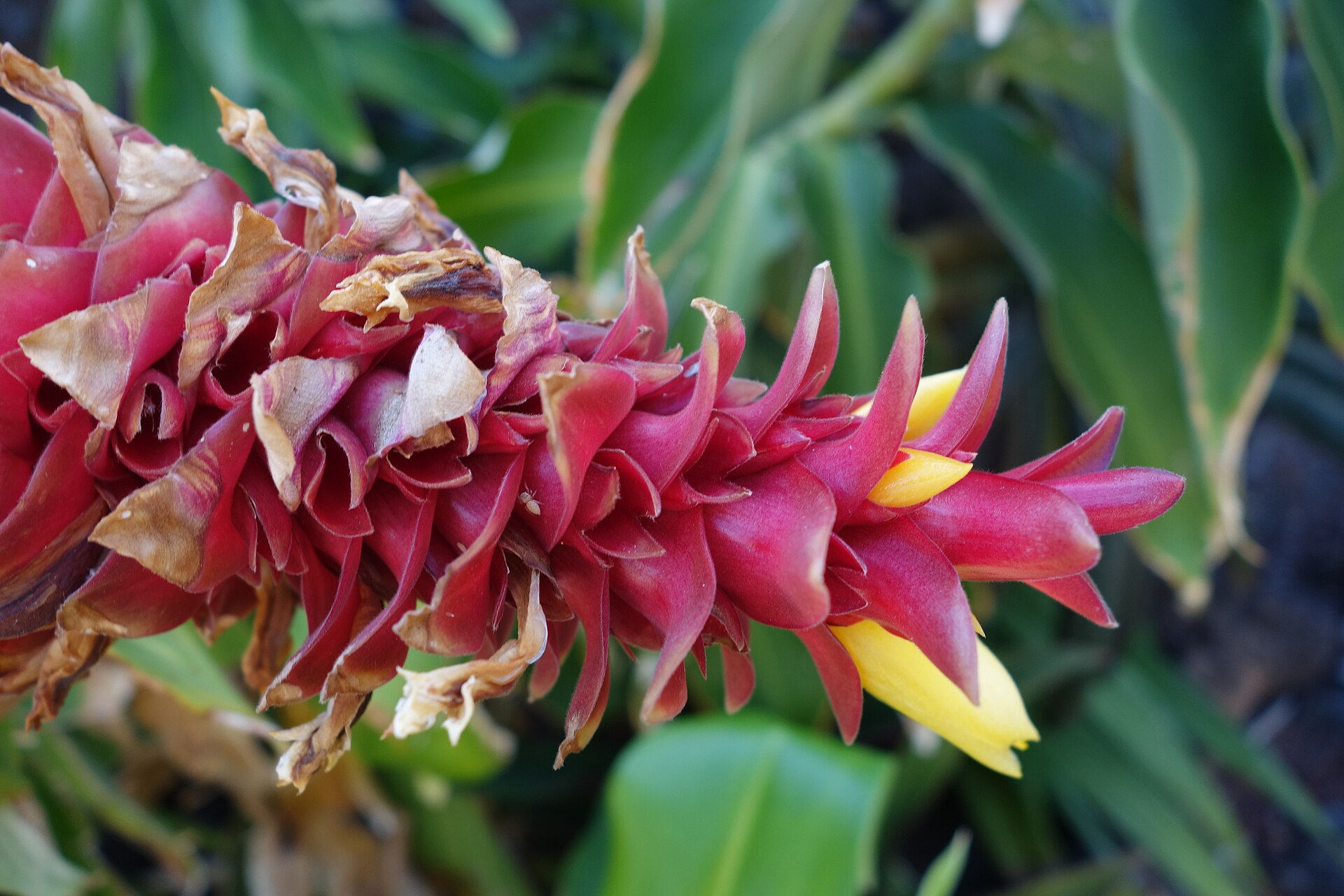
Costus
Costus barbatus
Costus, the spiral ginger, forms a striking cone of waxy crimson bracts arranged in an overlapping spiral, from which small tubular yellow flowers peek. A member of the spiral-ginger family Costaceae and native to Central America, it delivers the same tropical drama as true ginger with a distinctive geometric twist. Florists use it as a sculptural focal in tropical event work, tall arrangements and installations, where its bold red tower holds attention. Sturdy and long-lasting, it is an easygoing exotic that keeps its colour for well over a week.
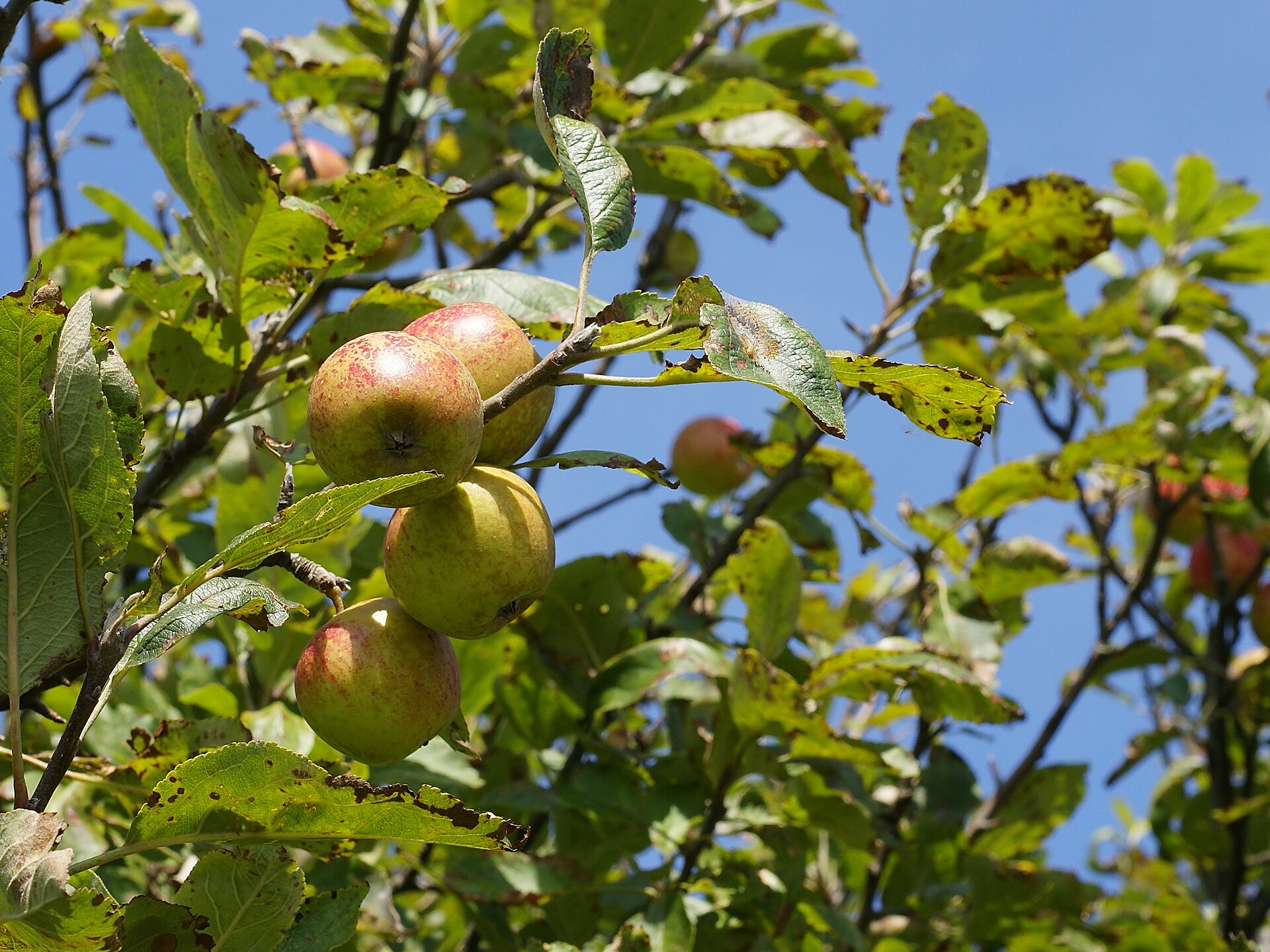
Crab Apple
Malus sylvestris
Crab apple branches carry clusters of glossy miniature apples in shades of red, gold and burgundy, often still clothed in autumn leaves. Their weight and orchard character make them a natural focal texture for large-scale seasonal and editorial designs. Florists use them to add depth, movement and a sense of ripe abundance to autumn arch installations and tall arrangements. Firm and long-lasting, the fruit holds its colour well when kept cool.
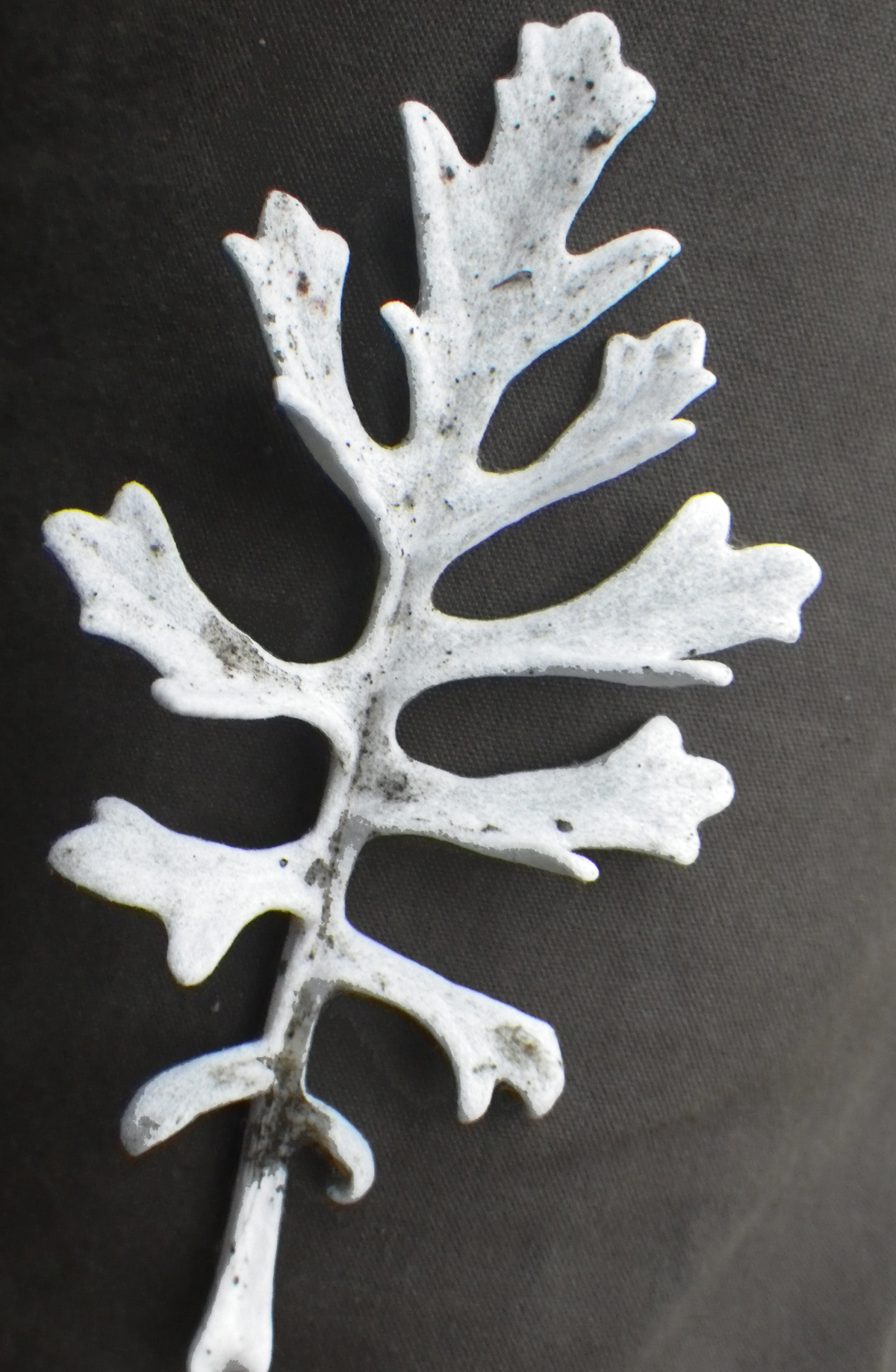
Dusty Miller
Jacobaea maritima
Dusty Miller is grown for its soft, deeply lobed leaves coated in fine silvery-white felt, a cool foil for almost any flower. Florists use it as a delicate silver foliage that brightens bouquets, boutonnieres and winter or wedding work. The felted surface gives a velvety, moonlit quality that pairs especially well with whites, blush and muted tones. Though its stems are shorter and softer than woody greenery, it lasts well when kept dry and cool.
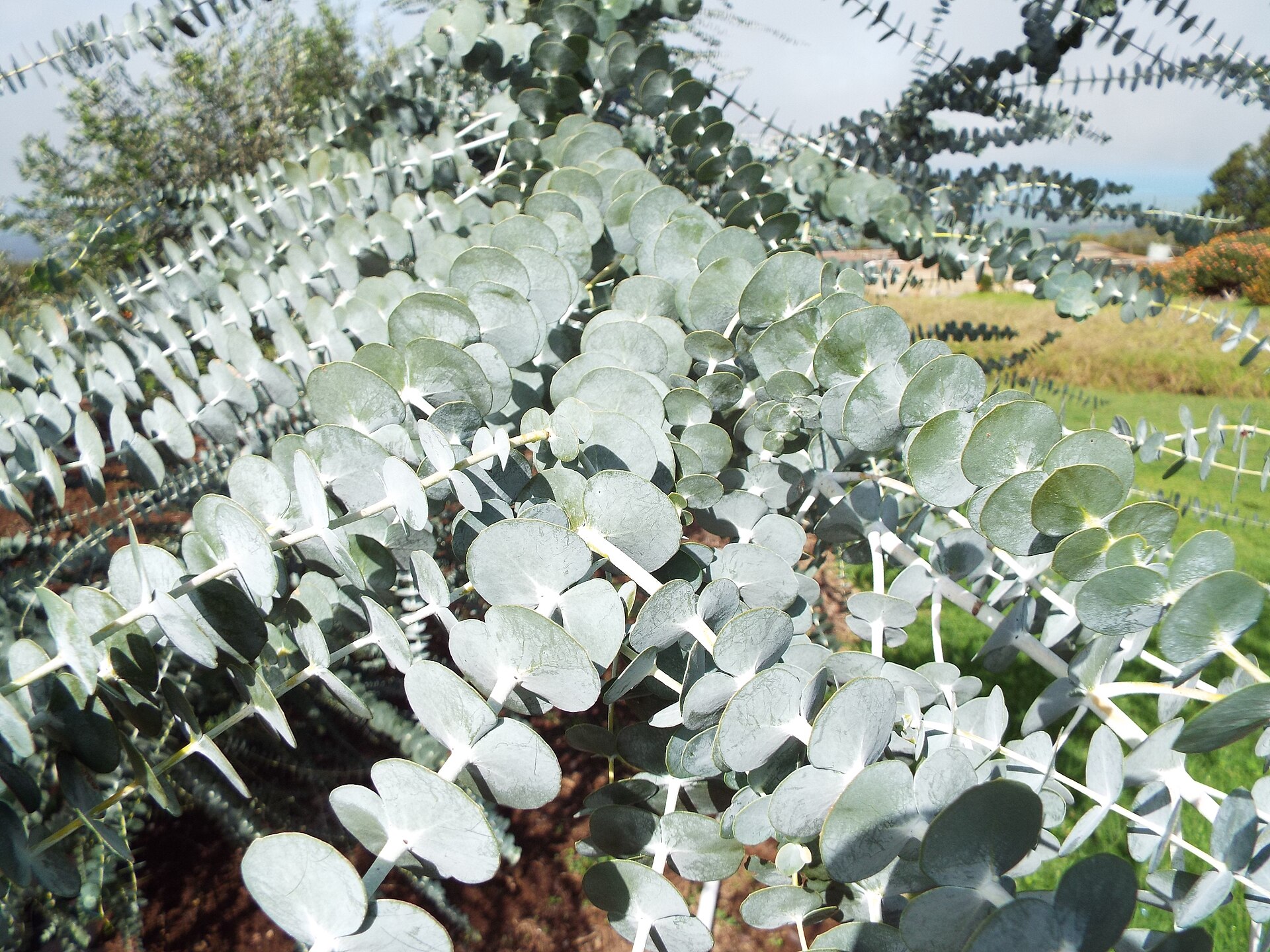
Eucalyptus Baby Blue
Eucalyptus pulverulenta 'Baby Blue'
Eucalyptus 'Baby Blue' is a compact Australian foliage prized for its rounded, powder-blue leaves arranged neatly along straight stems. Florists use it as a versatile, fragrant greenery that softens bouquets, trails through installations and cools warmer palettes. It is easy to handle, long-lasting and dries well while keeping its silvery-blue tone. Its clean eucalyptus scent is a signature of modern and garden-style weddings.
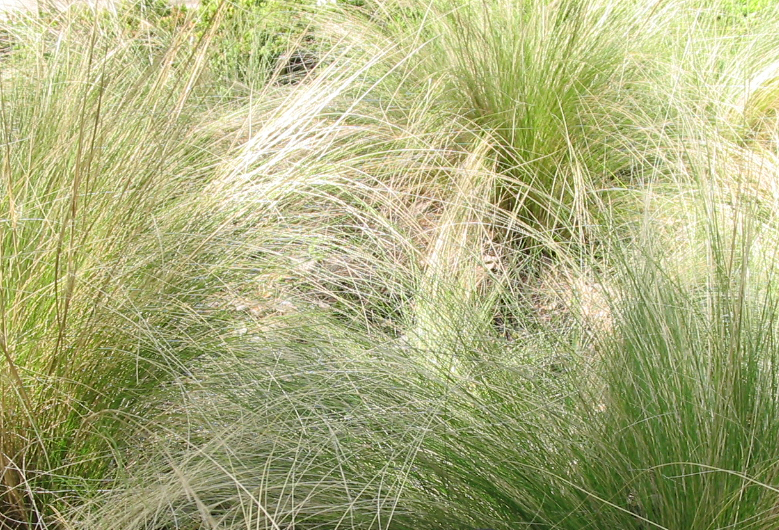
Feather Grass
Stipa pennata
Feather grass is an ornamental grass whose seed heads extend into long, silky, feather-like awns that drift with the slightest movement. Soft cream to pale bronze, Stipa brings weightless texture and a wild, windswept quality unlike any other filler. Florists prize it in boho and editorial dried work, where its airy plumes soften bouquets and installations with romantic movement. Delicate to handle but long-lasting once dried, it is a signature ingredient of the naturalistic, meadow-inspired style.
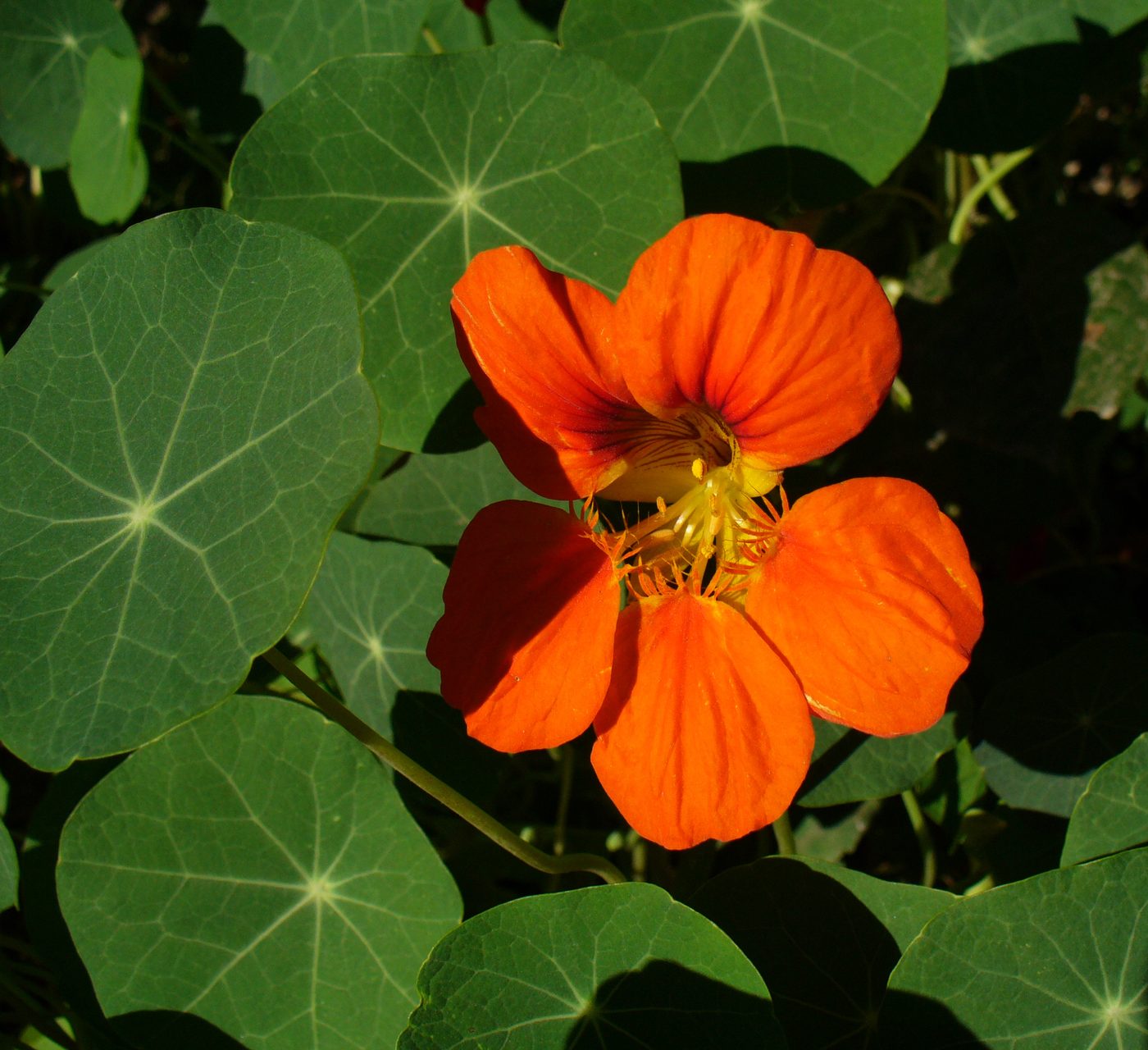
Garden nasturtium
Tropaeolum majus
Nasturtium is the vining, edible flower of the garden-to-cake movement — peppery petals used in salads and on wedding cakes, round shield-leaves as textural interest, trailing stems that cascade over bouquet edges. Fragile and hyper-seasonal; buy from local farms during summer only.
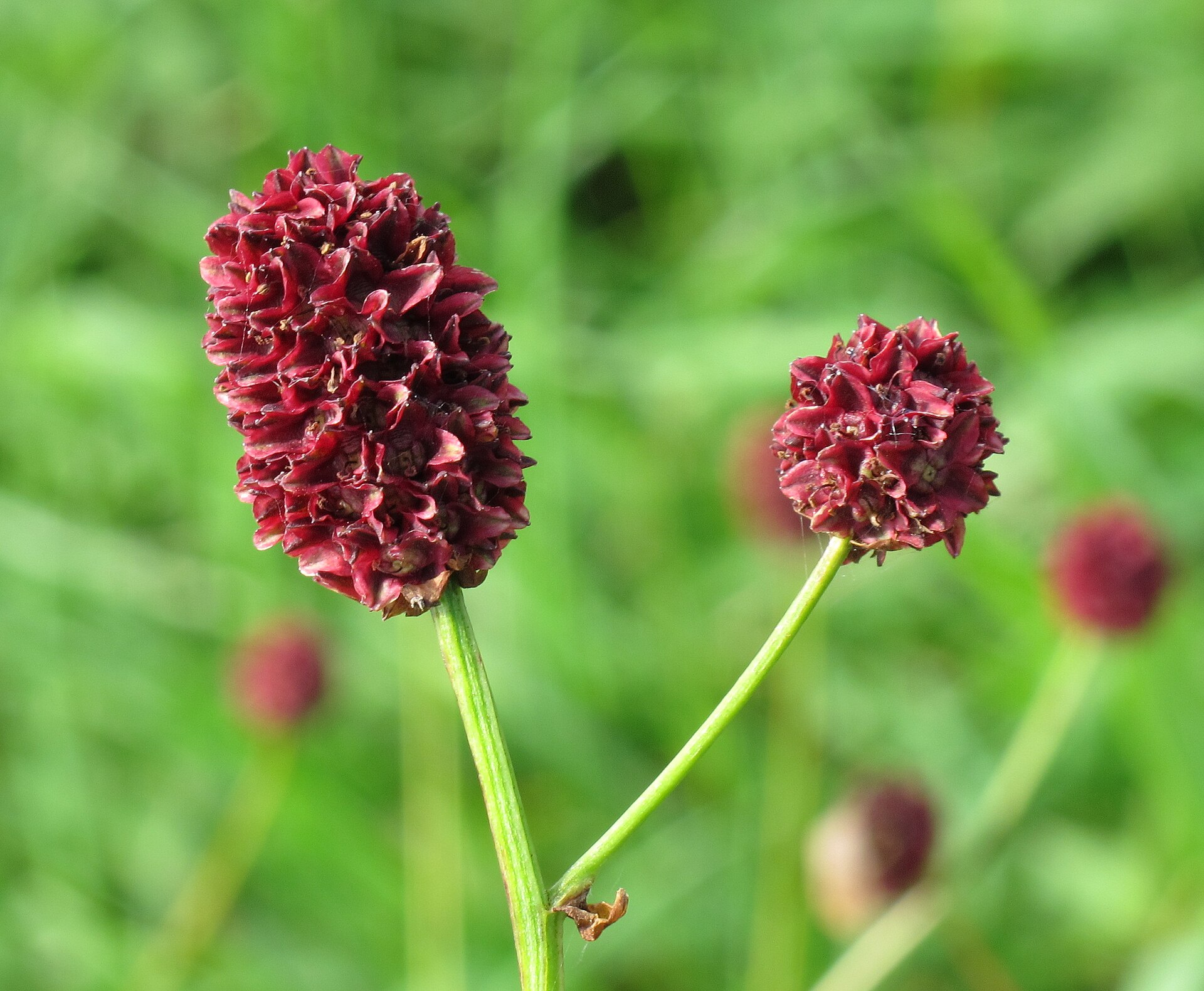
Great Burnet
Sanguisorba officinalis
Sanguisorba, or great burnet, scatters tiny bottlebrush-like flower heads in deep burgundy, red and pink atop wiry, branching stems. Florists love it as an airy, textural accent that adds movement, depth and a wild, meadow feel to garden-style and rustic arrangements. Its dark, bobbing buttons float beautifully among softer blooms, lending a loose, foraged look. Delicate yet characterful, it is a go-to detail for editorial and naturalistic wedding designs.
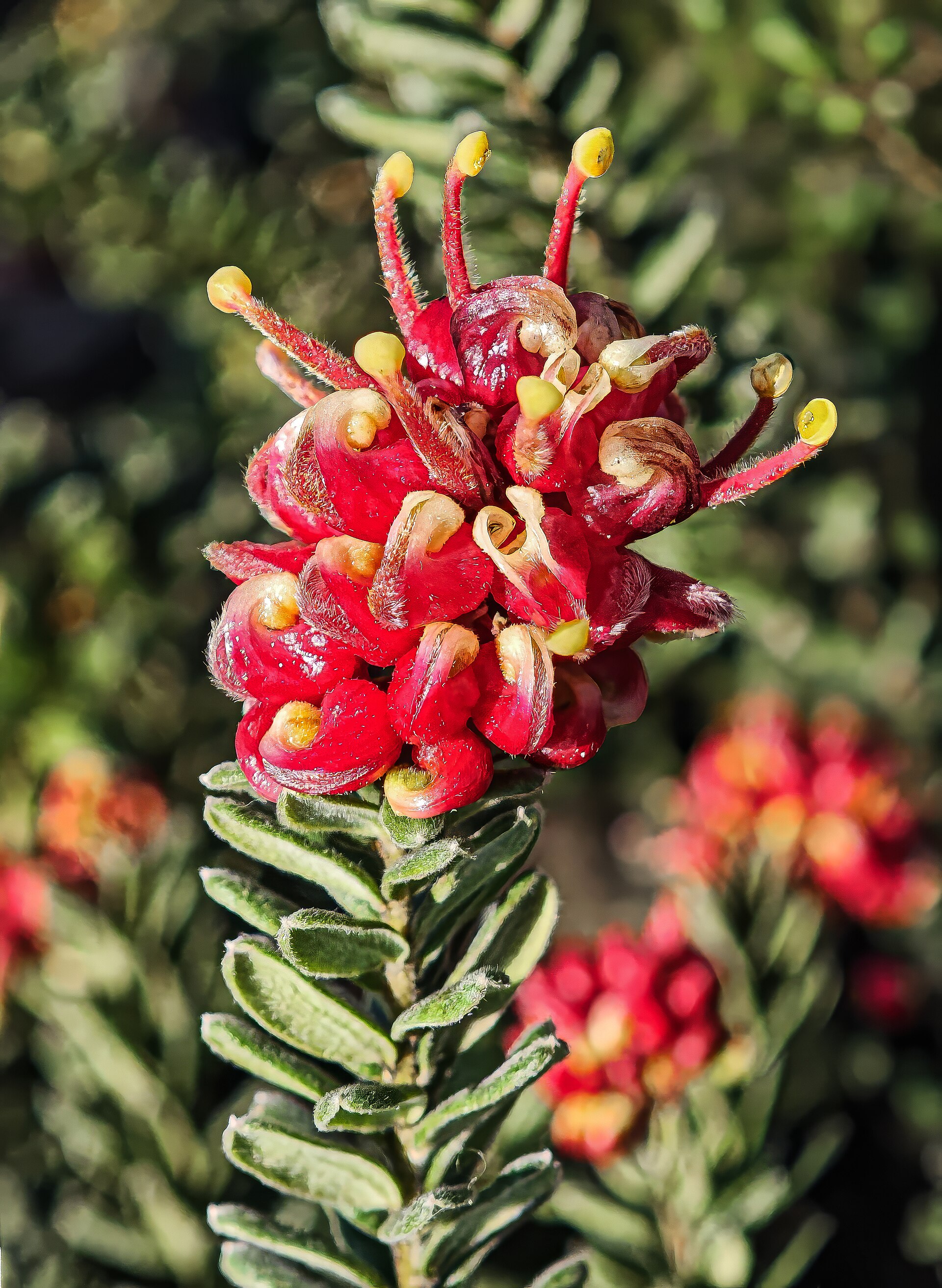
Grevillea
Grevillea
Grevillea is an Australian native grown for its finely divided, fern-like foliage and curious clusters of curling 'spider' flowers in reds, pinks and creams. Designers use it chiefly as a soft, textural foliage or filler that adds movement and a wild, garden-gathered feel. It is hardy and long-lasting, weaving greenery and flashes of flower colour through bouquets and arrangements. The delicate leaves contrast beautifully with bolder proteas and banksias.
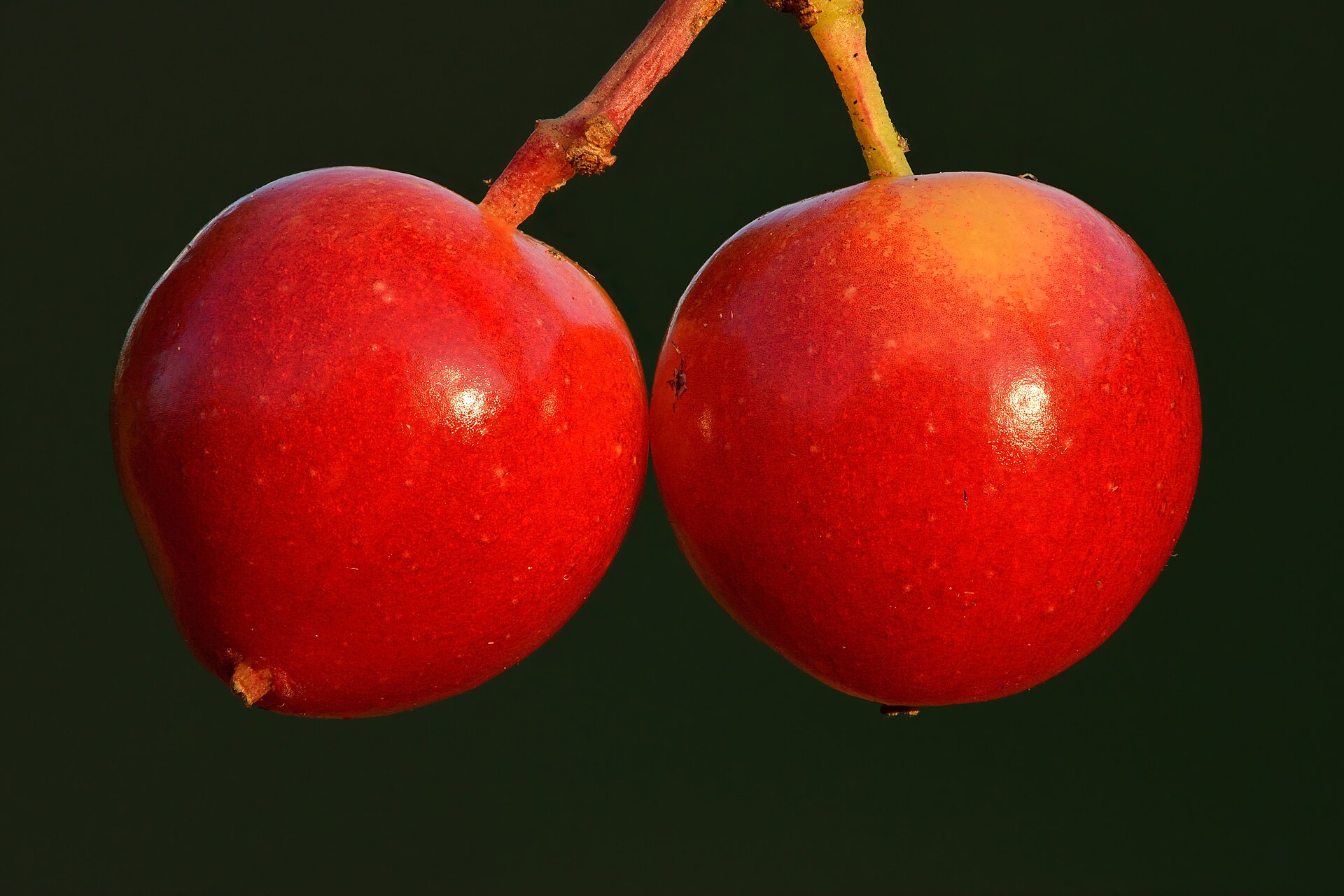
Guelder Rose Berries
Viburnum opulus
Guelder rose is the berried form of Viburnum opulus, prized in autumn for its heavy clusters of glossy, near-translucent scarlet berries that catch the light like glass beads. Where the spring 'snowball' viburnum offers creamy flower globes, the autumn stem is all about jewel-toned fruit and rich seasonal colour. Florists reach for it to add ripe, orchard-like abundance to rustic and editorial autumn work. It is best used fresh and kept cool, as the soft berries drop once past their peak.
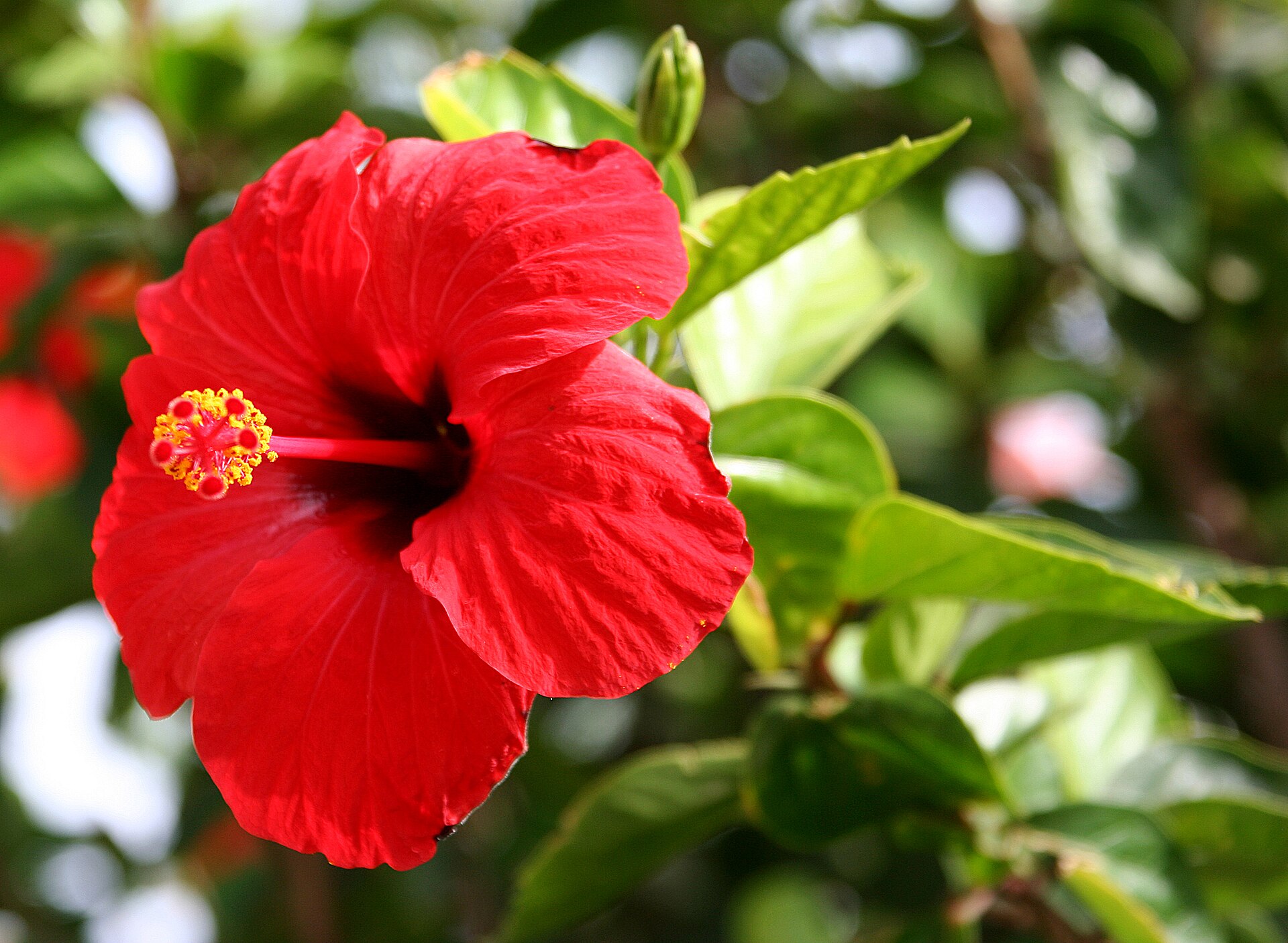
Hibiscus
Hibiscus rosa-sinensis
Hibiscus rosa-sinensis is the flamboyant tropical shrub behind the classic single-day flower — a broad, silky trumpet with a long central column of stamens. Colours run from fiery red and coral to yellow, apricot and white, each bloom lasting only about a day whether cut or on the plant. Florists reach for it in tropical and editorial designs where drama outweighs longevity, often floating blooms in water or placing them at the very last moment. Nothing signals the tropics more instantly than its open, saturated face.
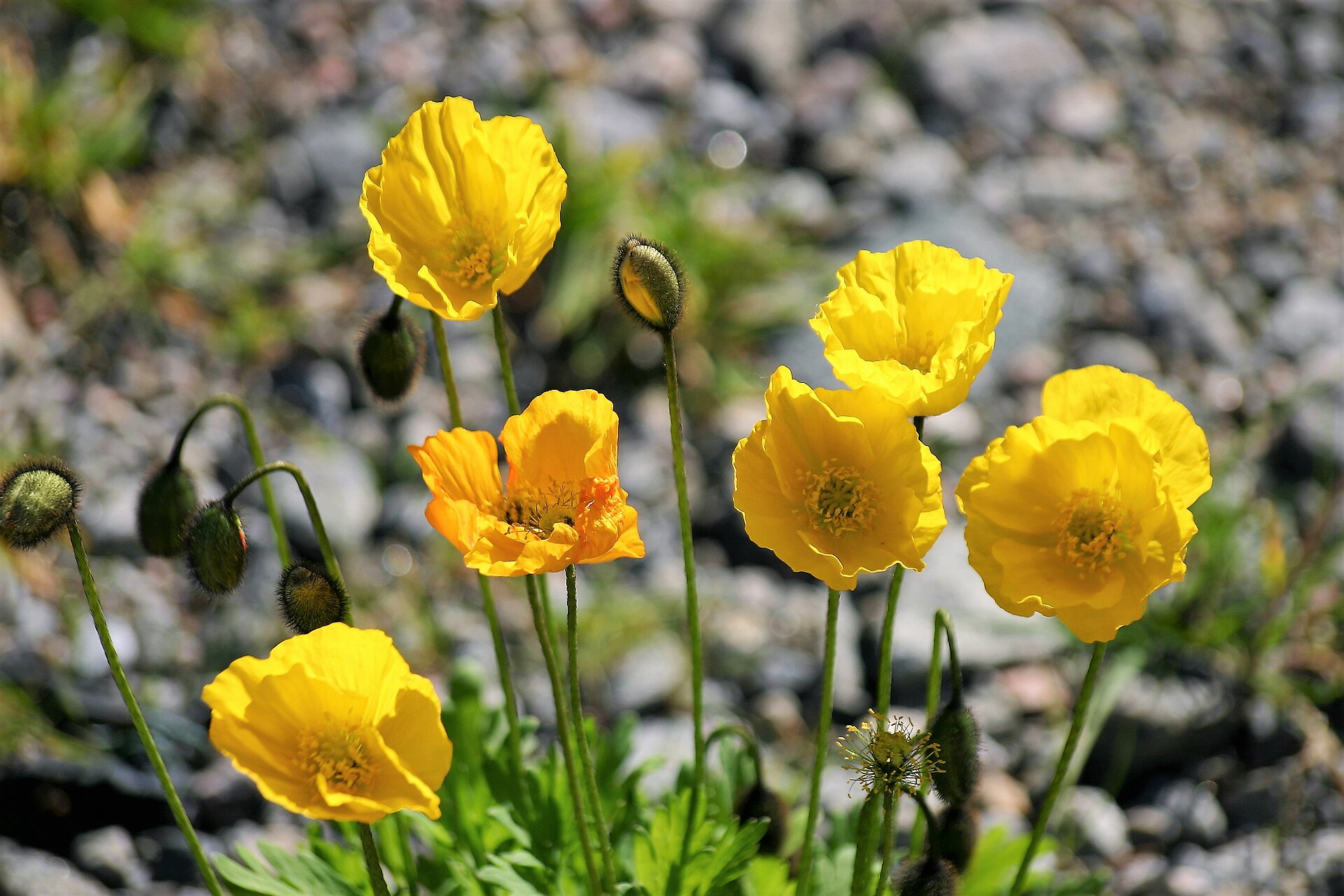
Iceland Poppy
Papaver nudicaule
The Iceland poppy is the florist's beloved poppy — wiry stems topped with tissue-thin, crepe-petalled cups in sherbet shades of apricot, peach, lemon and blush. Prized for editorial and fine-art wedding work, it brings movement and a hand-painted delicacy nothing else quite matches. Its glory is fleeting: even well conditioned, blooms last only a few days, and stems must be seared to survive cutting. Buy in bud and let the papery sheath crack open in the vase for the longest show.
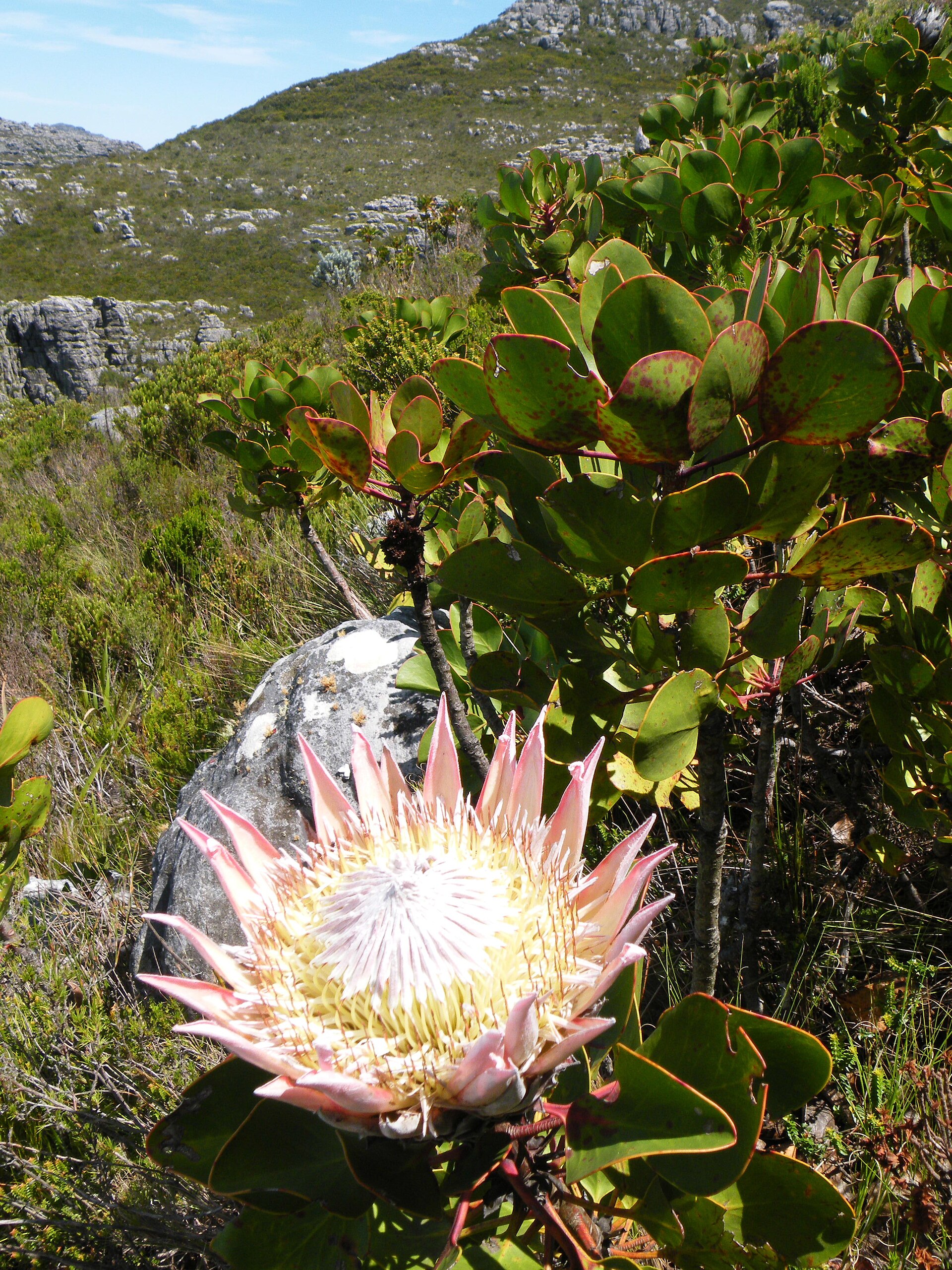
King Protea
Protea cynaroides
The King Protea is the largest of all proteas and the national flower of South Africa, crowned by a bowl of stiff, pointed bracts around a dense central cone. Florists prize it as a bold, architectural focal flower that anchors modern, luxury and autumnal designs. A single bloom can carry an entire arrangement, and its woody stem gives an exceptionally long vase life. It also dries beautifully, holding its sculptural shape for months.
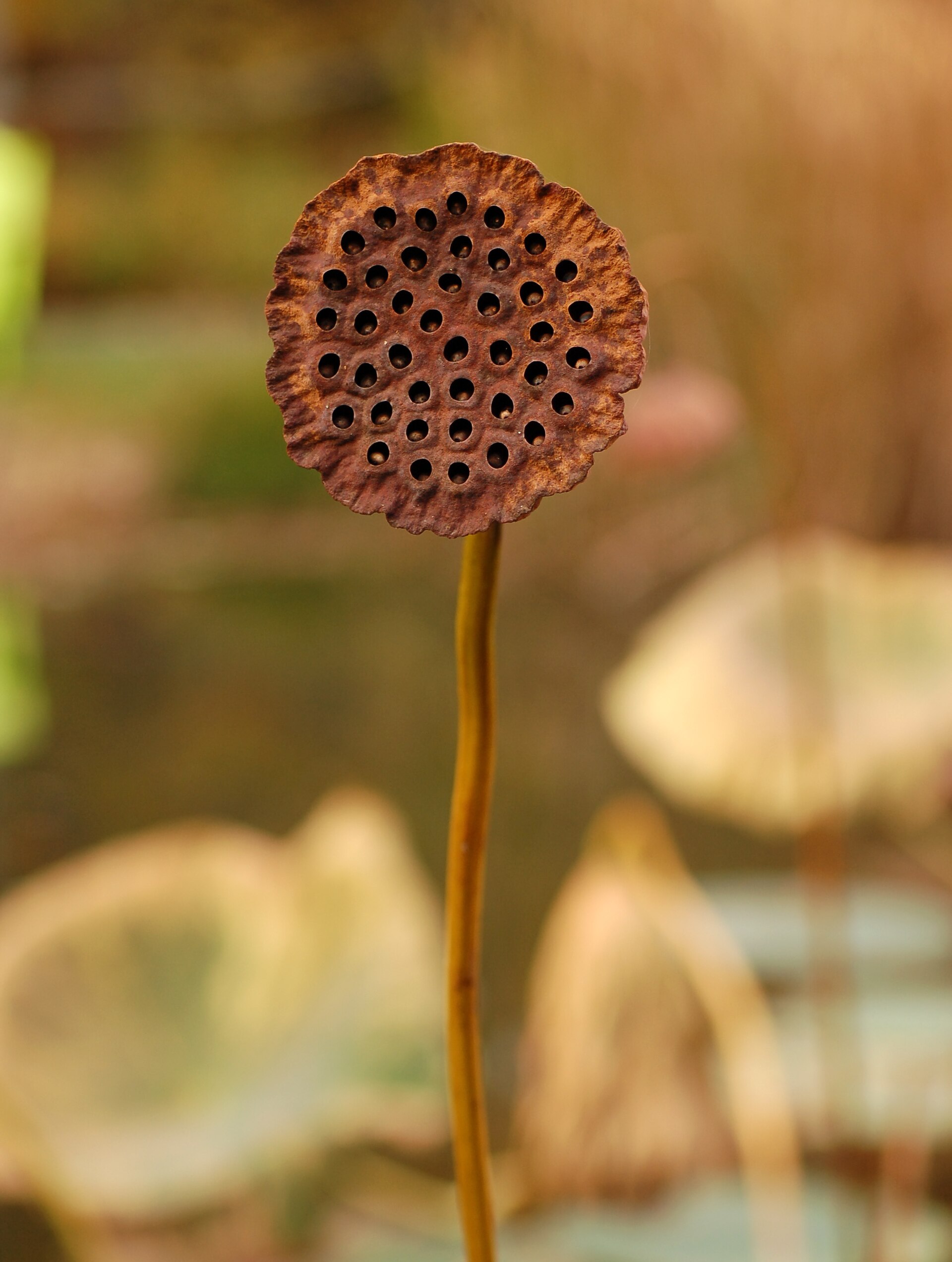
Lotus Pod
Nelumbo nucifera
The lotus pod is the woody seed head of the sacred lotus, a sculptural, honeycombed disc that brings bold, architectural texture to modern and dried design. Fresh pods read cool green and gradually cure to a rich woody brown that lasts indefinitely once dried. Florists use them as arresting focal accents in installations, autumn arrangements and editorial work, where their graphic form contrasts beautifully with softer blooms. Long-lasting and endlessly reusable, they are a staple of the dried and textural palette.
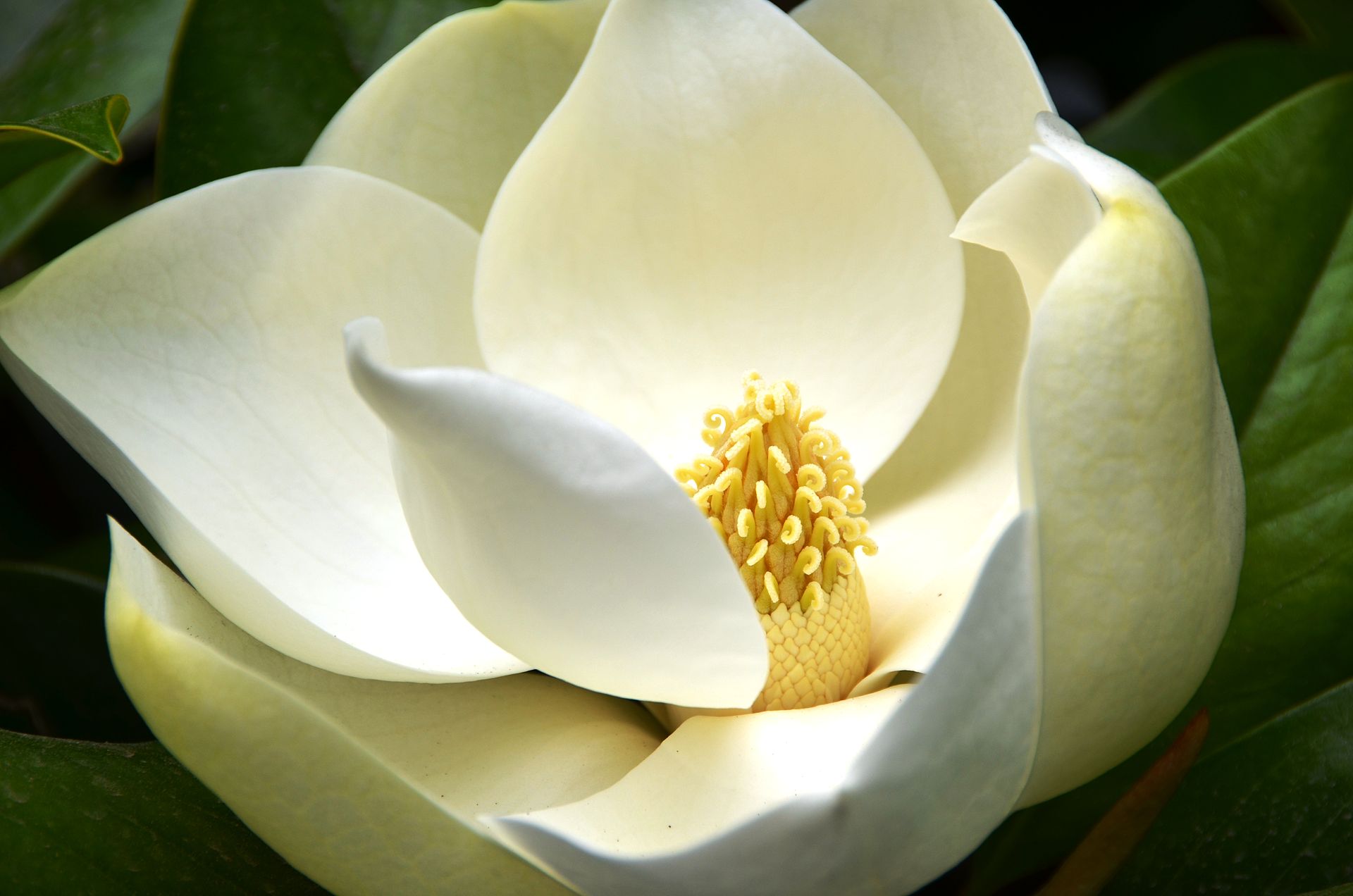
Magnolia
Magnolia grandiflora
Magnolia grandiflora is a stately evergreen tree offering two gifts to florists: enormous, lemon-scented cream flowers and thick, glossy leaves backed with suede-brown felt. The blooms are among the most fragrant and architectural focals available, while the branches and foliage anchor large-scale installations and wreaths year-round. Cut flowers open quickly and are fleeting, so they are used at their moment of glory in luxury and event work. Few materials bring the same sculptural presence and Southern-garden grandeur.
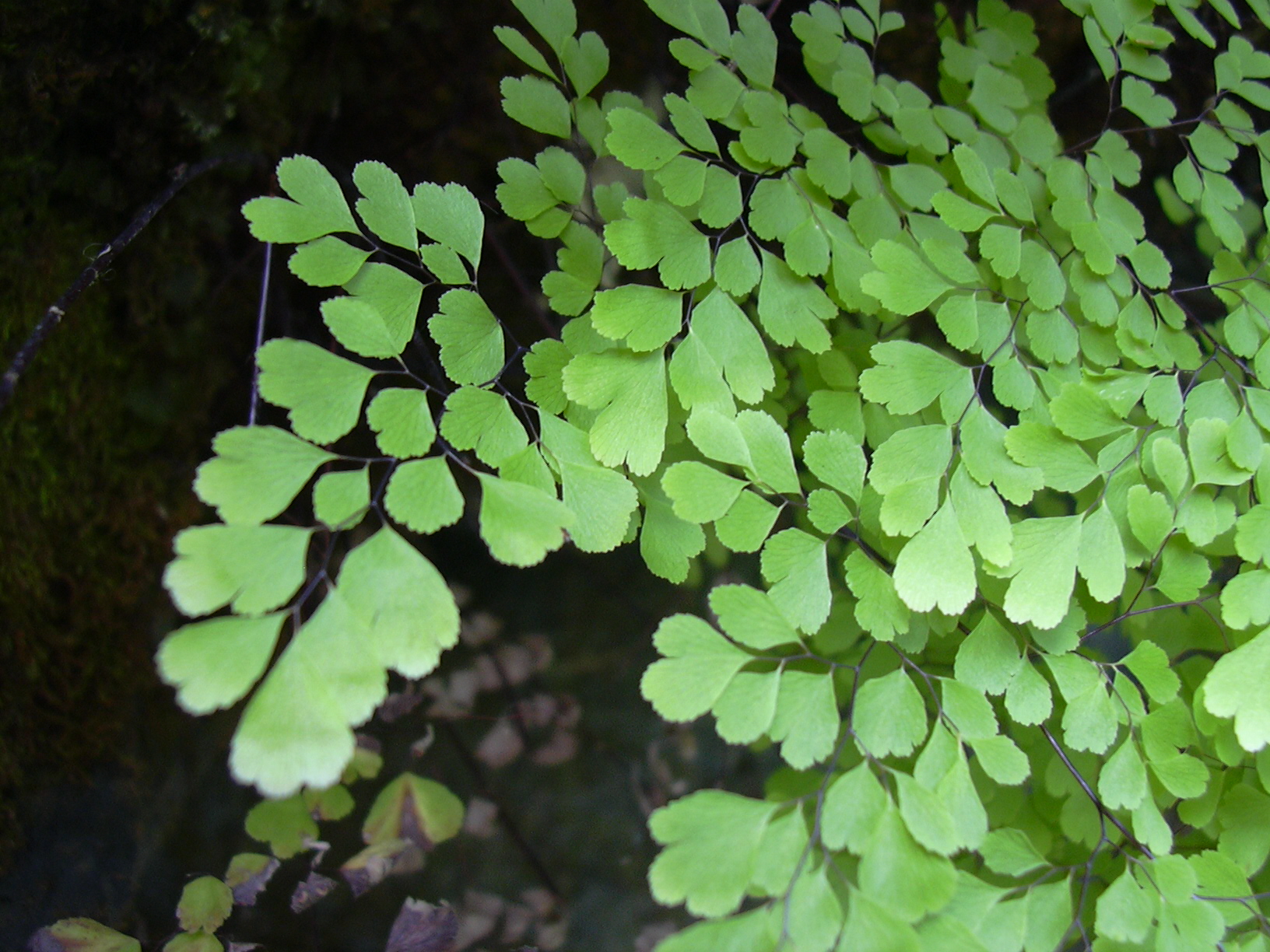
Maidenhair Fern
Adiantum raddianum
Maidenhair fern is a delicate foliage of fan-shaped, papery leaflets held on fine, wiry black stems. Its airy, cascading fronds bring softness and movement unmatched by any other green, making it a coveted accent in luxury and bridal work. It is, however, notoriously thirsty and short-lived once cut, demanding careful handling. Florists reserve it for pieces where its ethereal, romantic texture will be seen and appreciated quickly.
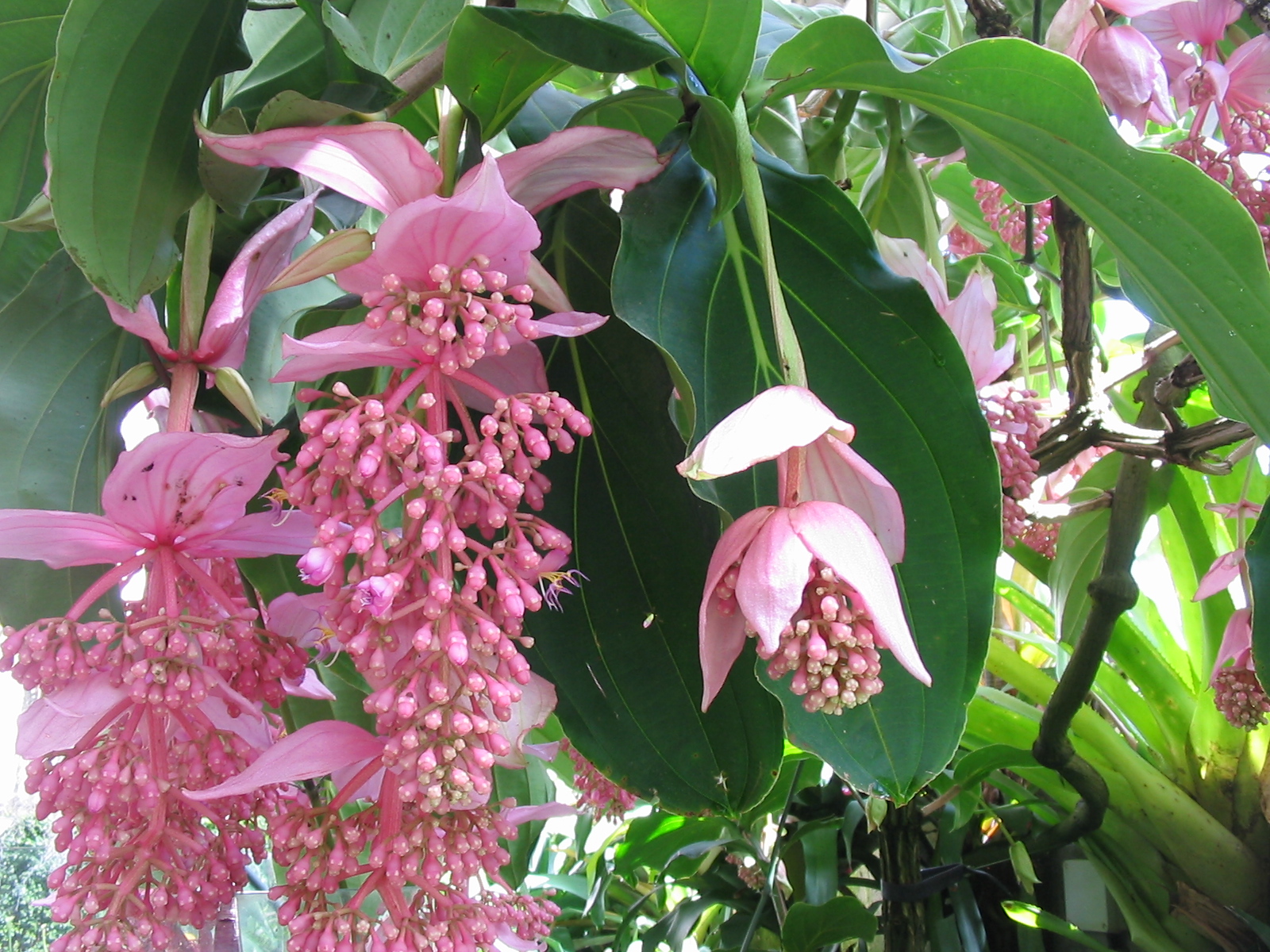
Medinilla
Medinilla magnifica
Medinilla is a spectacular tropical showpiece prized for its cascading panicles of coral-pink flowers cradled by large papery bracts, resembling a chandelier of grapes. Native to the humid mountain forests of the Philippines, it is grown as a specialty cut and commands a premium price. Florists reach for it when a design needs a single, unforgettable focal with pendulous movement — it suits luxury and tropical weddings and high-end editorial work. Its drama comes at a cost: it is delicate, chill-sensitive and best featured on its own rather than crowded into mixed arrangements.
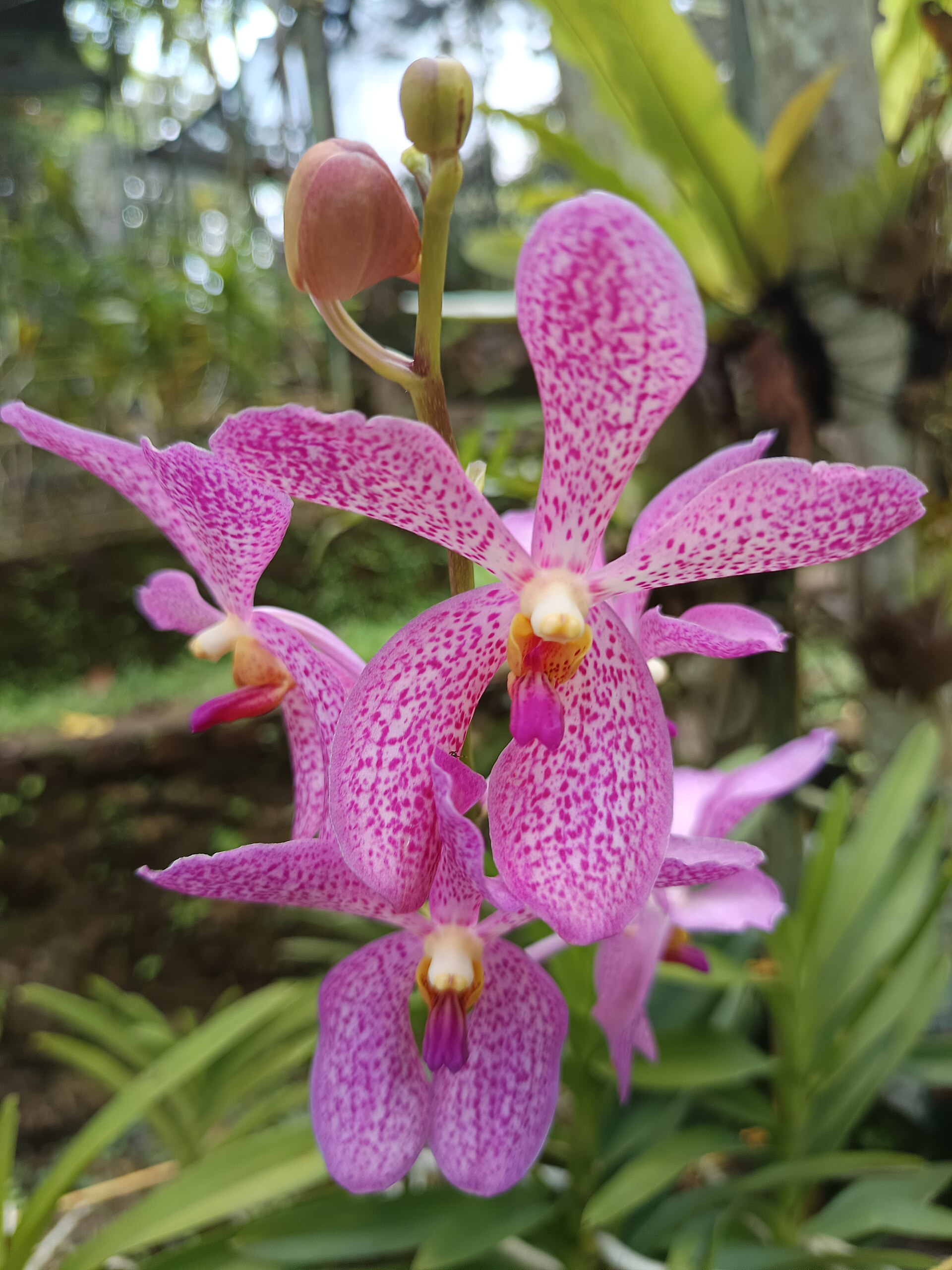
Mokara Orchid
Mokara (Arachnis × Ascocentrum × Vanda)
Mokara is a vibrant, single-flowered spray orchid bred from Arachnis, Ascocentrum and Vanda, giving it saturated colour and a flat, open face on a slender upright stem. Cultivated year-round in Southeast Asia, it is a florist staple for adding jewel-toned tropical punch to bouquets, buttonholes and event work. Each stem carries several evenly spaced blooms that last well out of water, making it a favourite for corsages and boutonnieres. Its clean geometry and long vase life earn it a place in both modern and tropical designs.
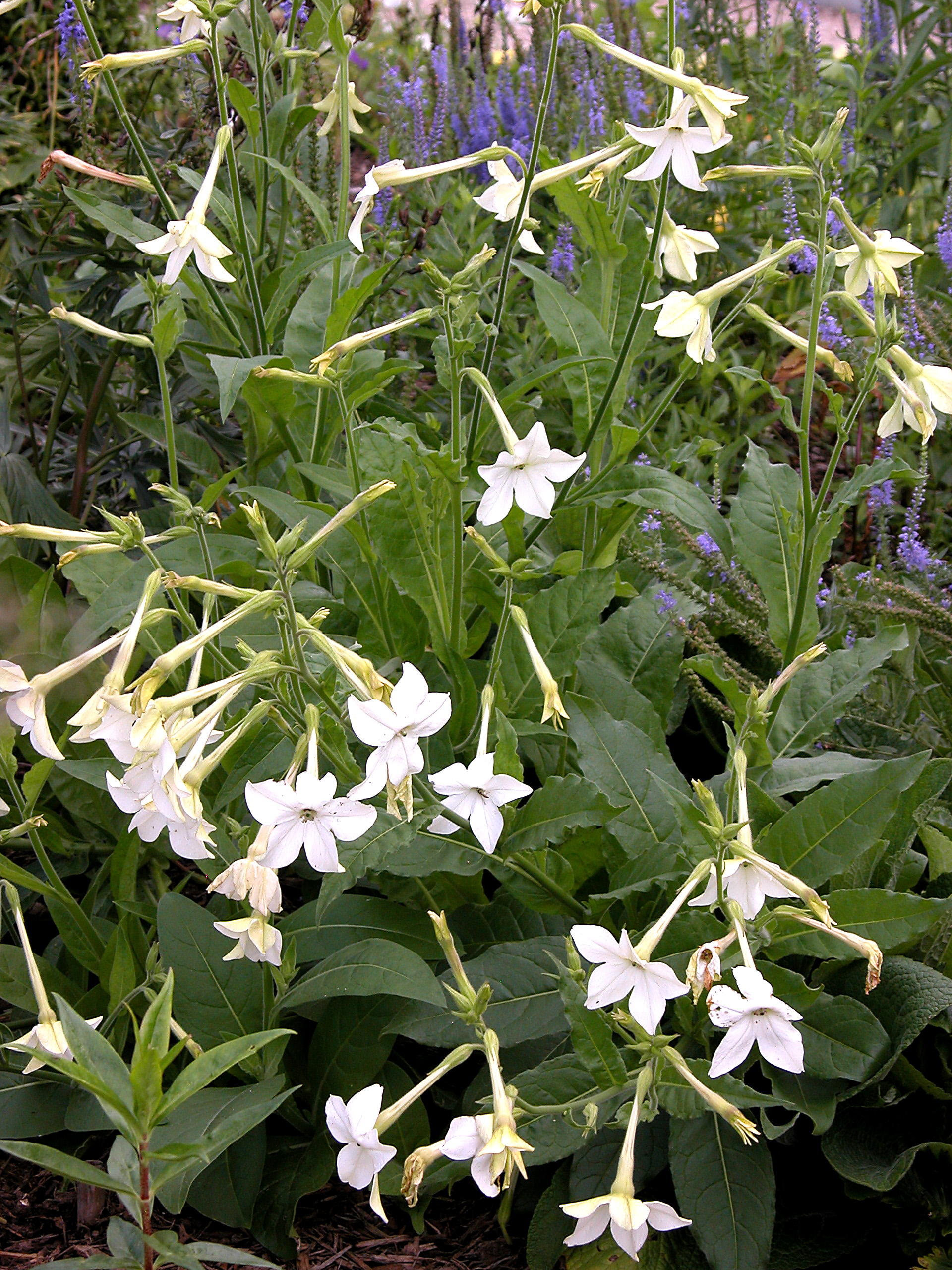
Nicotiana
Nicotiana alata
Nicotiana, or flowering tobacco, bears loose sprays of star-shaped, trumpet flowers in shades of lime-green, white and dusky pink. Florists use it as an airy filler that lends height, an unusual colour and a soft evening fragrance to garden-style arrangements. The lime-green forms are especially useful for cooling and lifting a palette. It brings a relaxed, cottage-garden charm to summer bouquets.
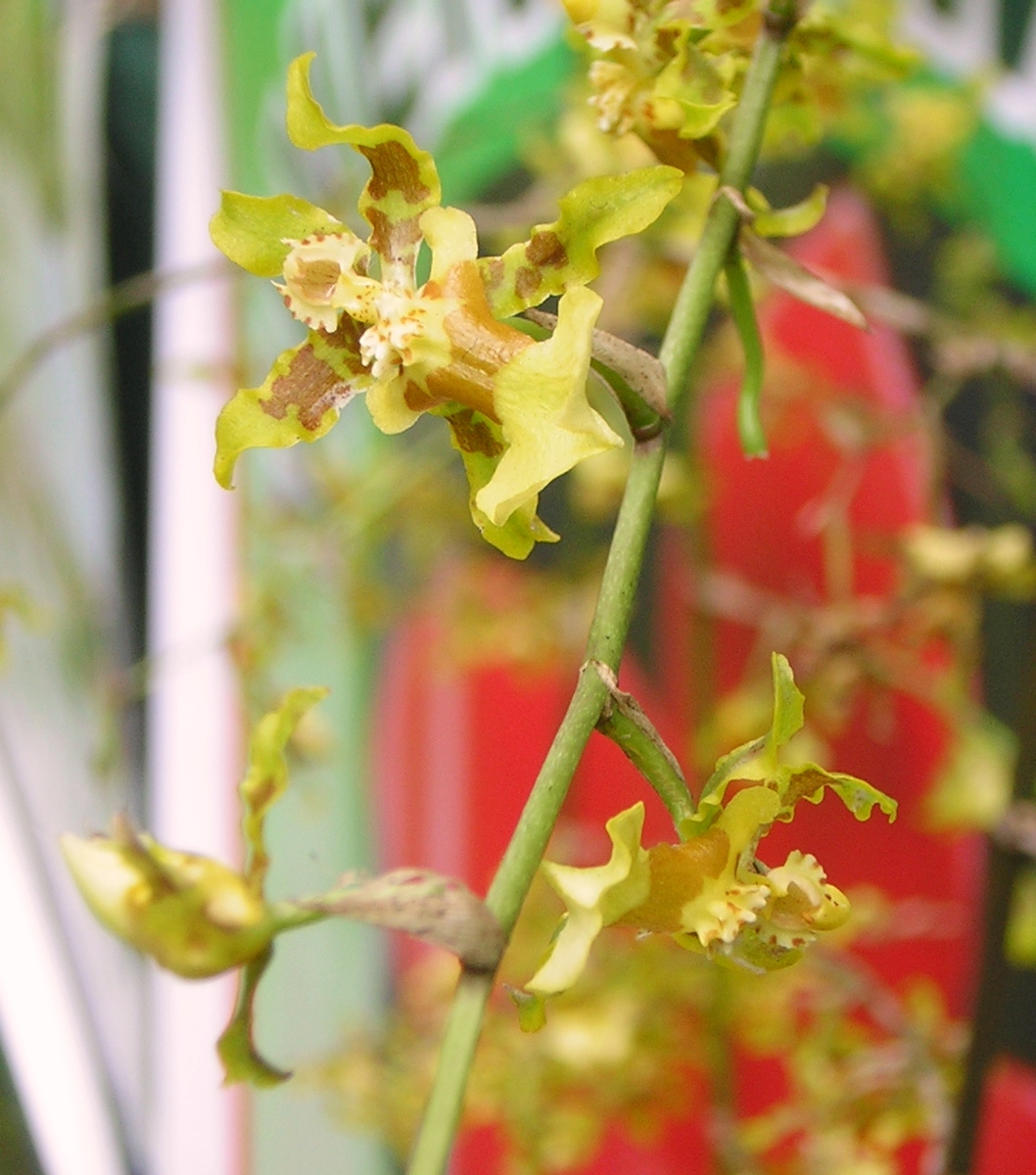
Oncidium Orchid
Oncidium
Oncidium, the 'dancing lady' orchid, produces airy, branching sprays scattered with dozens of small ruffled florets — most often in cheerful golden yellow marked with mahogany. Its cloud-like form adds movement and a fine, filler-like texture that softens tropical and modern arrangements alike. Long-lasting and playful, it reads as luxurious without the weight of a large focal orchid. Florists use it to add rhythm, spill and a sense of joy to bouquets and installations.
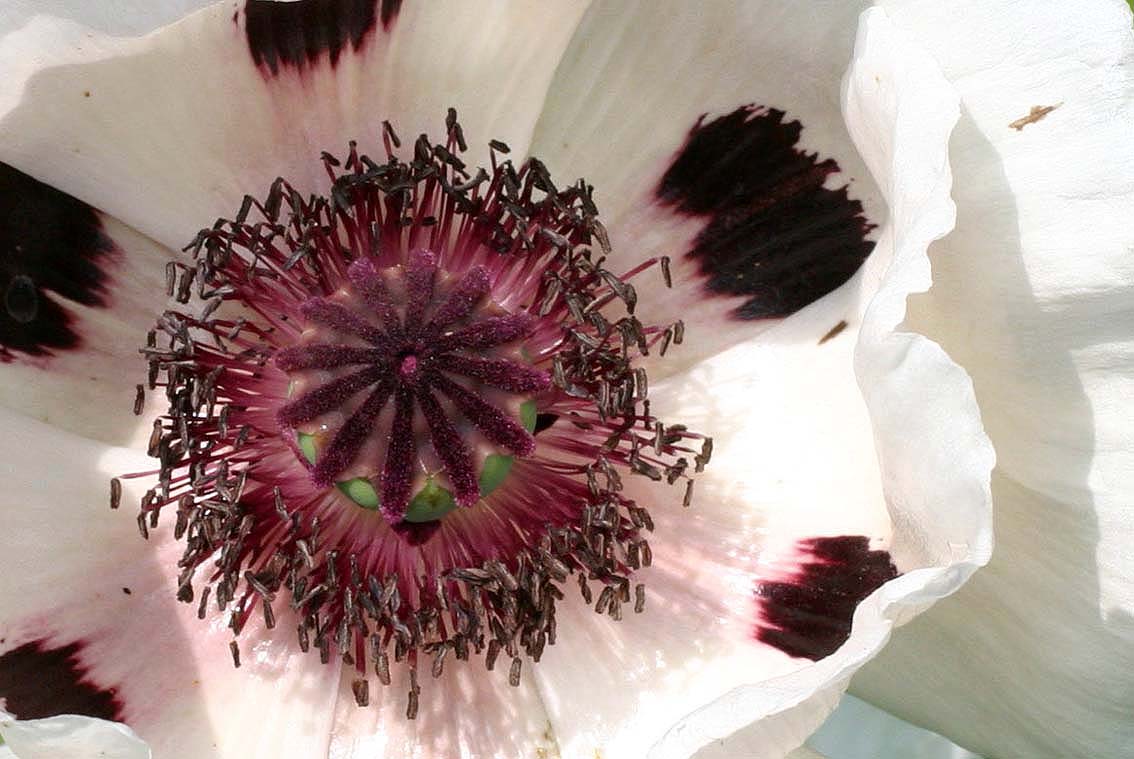
Oriental Poppy
Papaver orientale
Oriental poppy is the big, blowsy garden poppy — enormous silky bowls of scarlet, coral or blush cradling a boss of near-black stamens. Dramatic and painterly, it is a coveted focal for garden-style and editorial work but is almost never sold commercially because of its brief vase life. Cut it at dawn in tight bud and sear the stems, or the flowers collapse within hours. When they do perform, few blooms are as arresting.
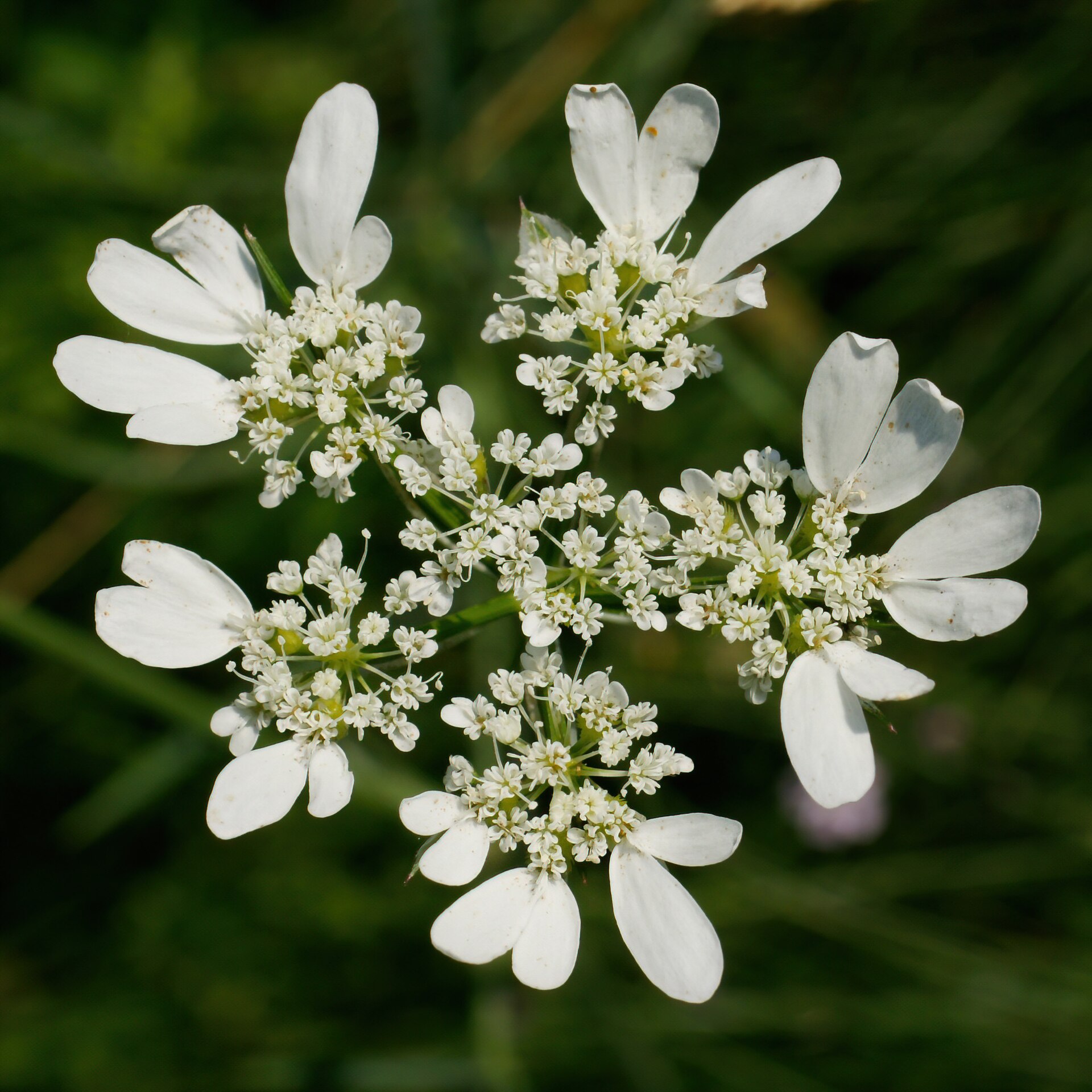
Orlaya
Orlaya grandiflora
Orlaya, sometimes called white lace flower or Minoan lace, is a refined relative of Queen Anne's lace with larger, cleaner white florets held in flat, airy umbels. Florists use it as a soft, luminous filler that adds lace-like romance and movement to bridal bouquets without visual weight. Its crisp white and fine texture make it a favourite for garden-style and spring weddings. Slightly more delicate than cow parsley, it rewards gentle handling and a cool workroom.
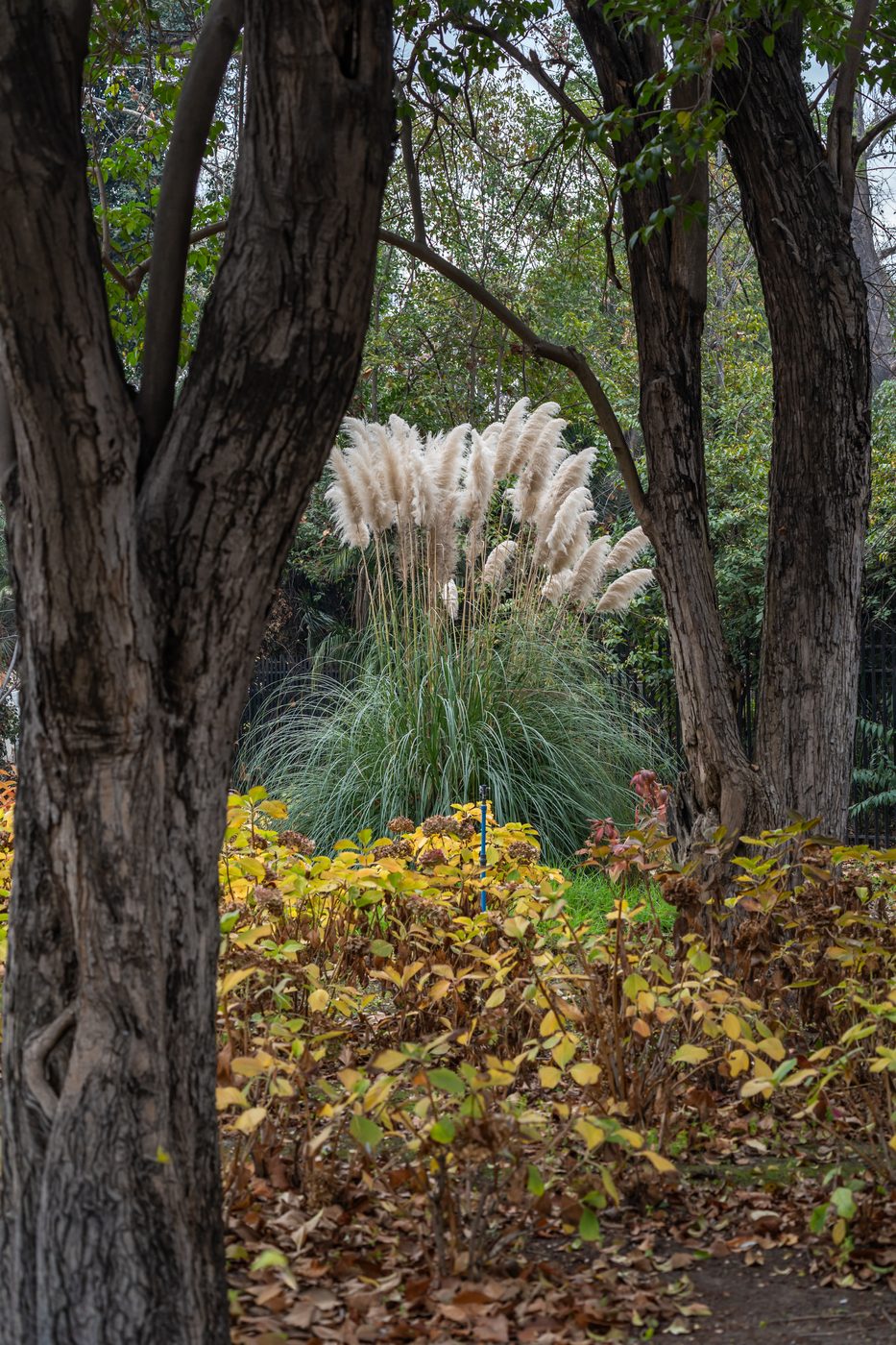
Pampas grass
Cortaderia selloana
Pampas grass is the defining installation material of the 2020s boho-wedding aesthetic — soft, cloud-like plumes on tall stems, sold pre-dried and lasting years. Used for arches, floor installations, and oversized fireplace arrangements. Environmental note: pampas is invasive in California and the Mediterranean; sustainable buyers seek US or European commercial crops.
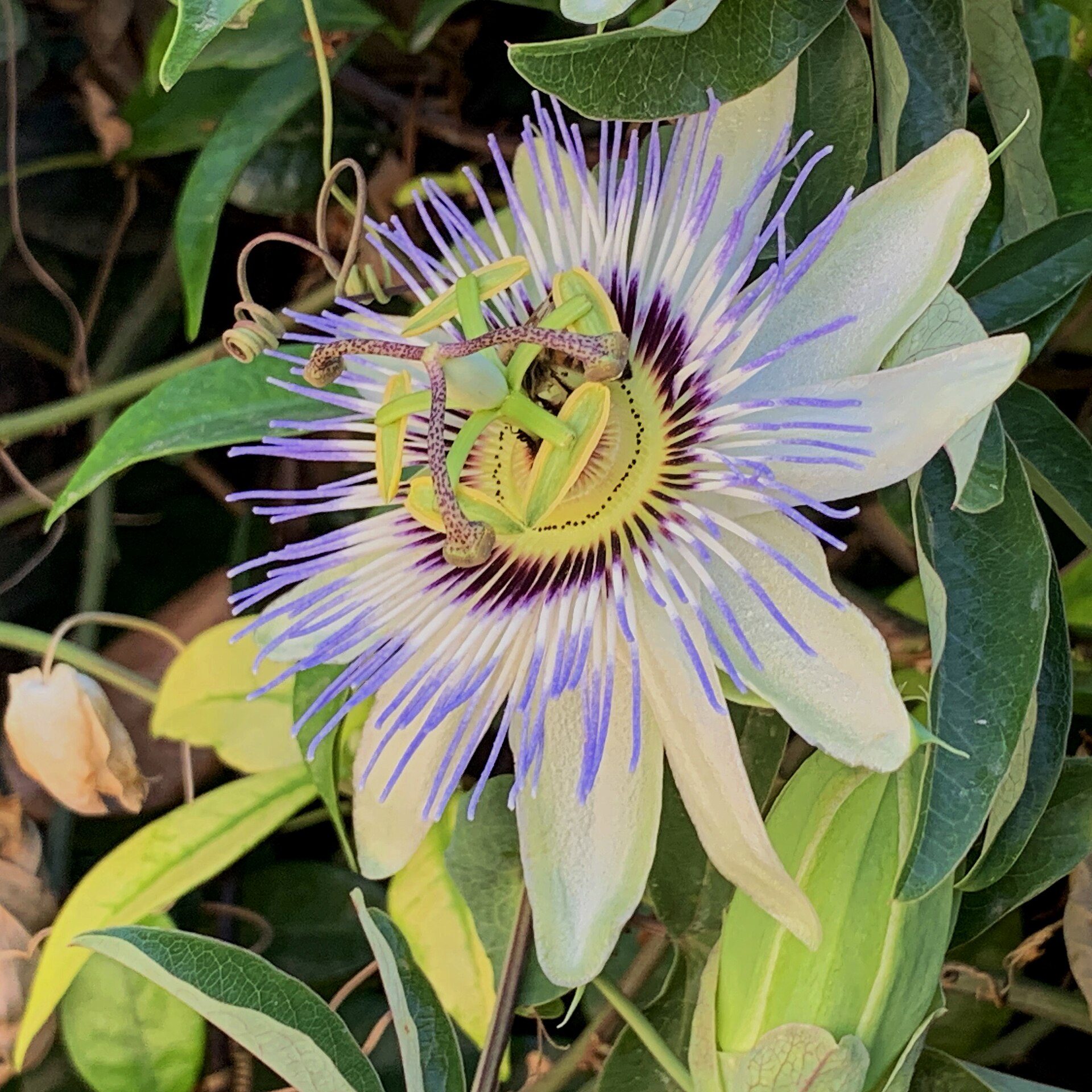
Passionflower Vine
Passiflora caerulea
The passionflower vine (Passiflora caerulea) is grown for its intricate, otherworldly blooms and curling tendrils. Florists use its foliage and tendrils for exotic movement in editorial and garden-style work, with the striking purple-and-white flowers as a fleeting focal accent. Each flower lasts only a day, so it is a specialist, high-impact material rather than a workhorse. Its symbolism of faith and passion adds meaning to romantic designs.
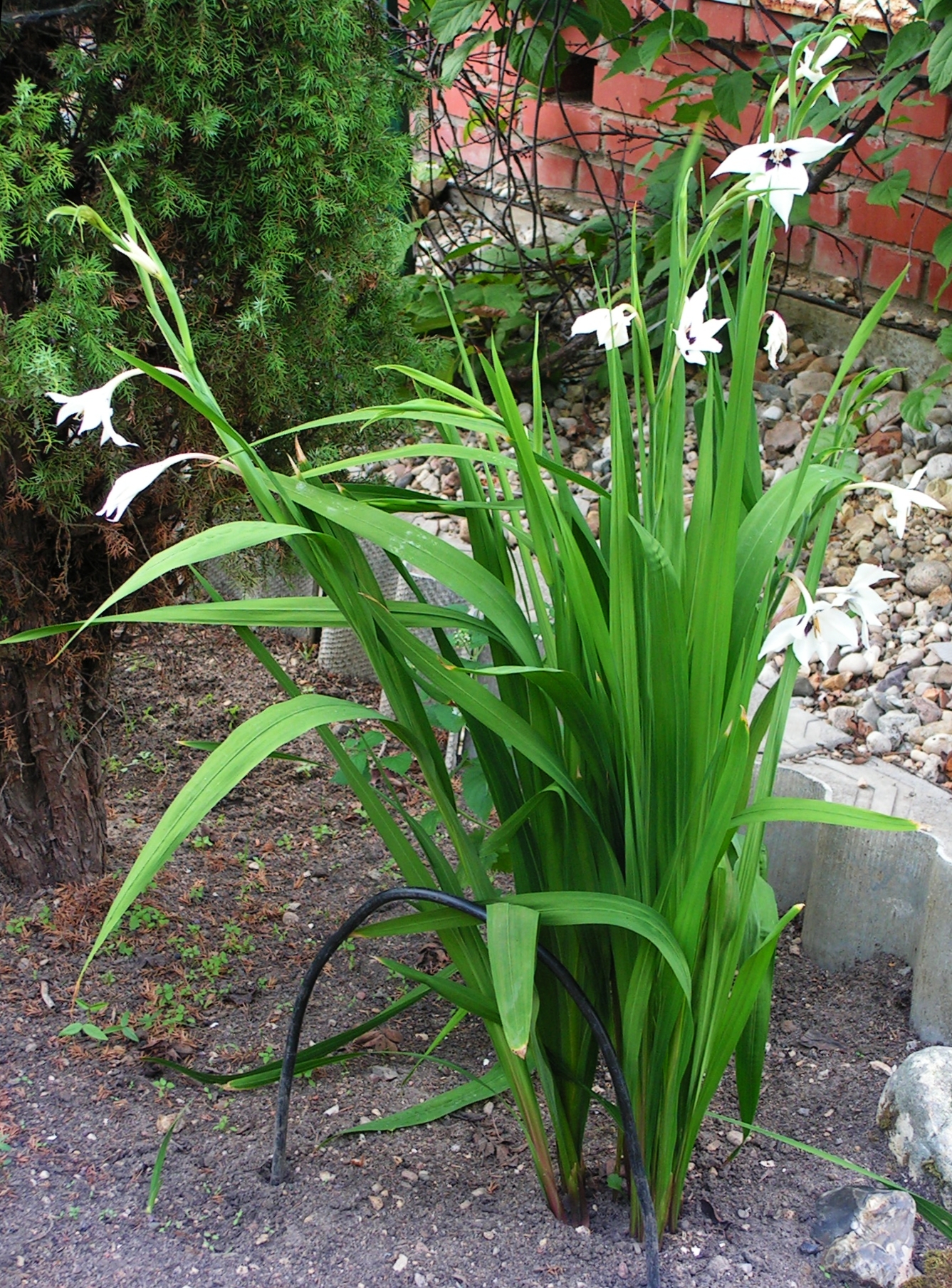
Peacock Orchid
Gladiolus murielae
Peacock orchid is a graceful late-summer relative of the gladiolus, bearing nodding white stars marked with a deep maroon central blotch. Native to the Ethiopian highlands, it is treasured above all for its sweet, jasmine-like evening fragrance. Its slender, arching spikes bring an airy elegance that feels far more delicate than a standard gladiolus. Florists reach for it in romantic, garden-style and luxury wedding work where perfume and refinement count.
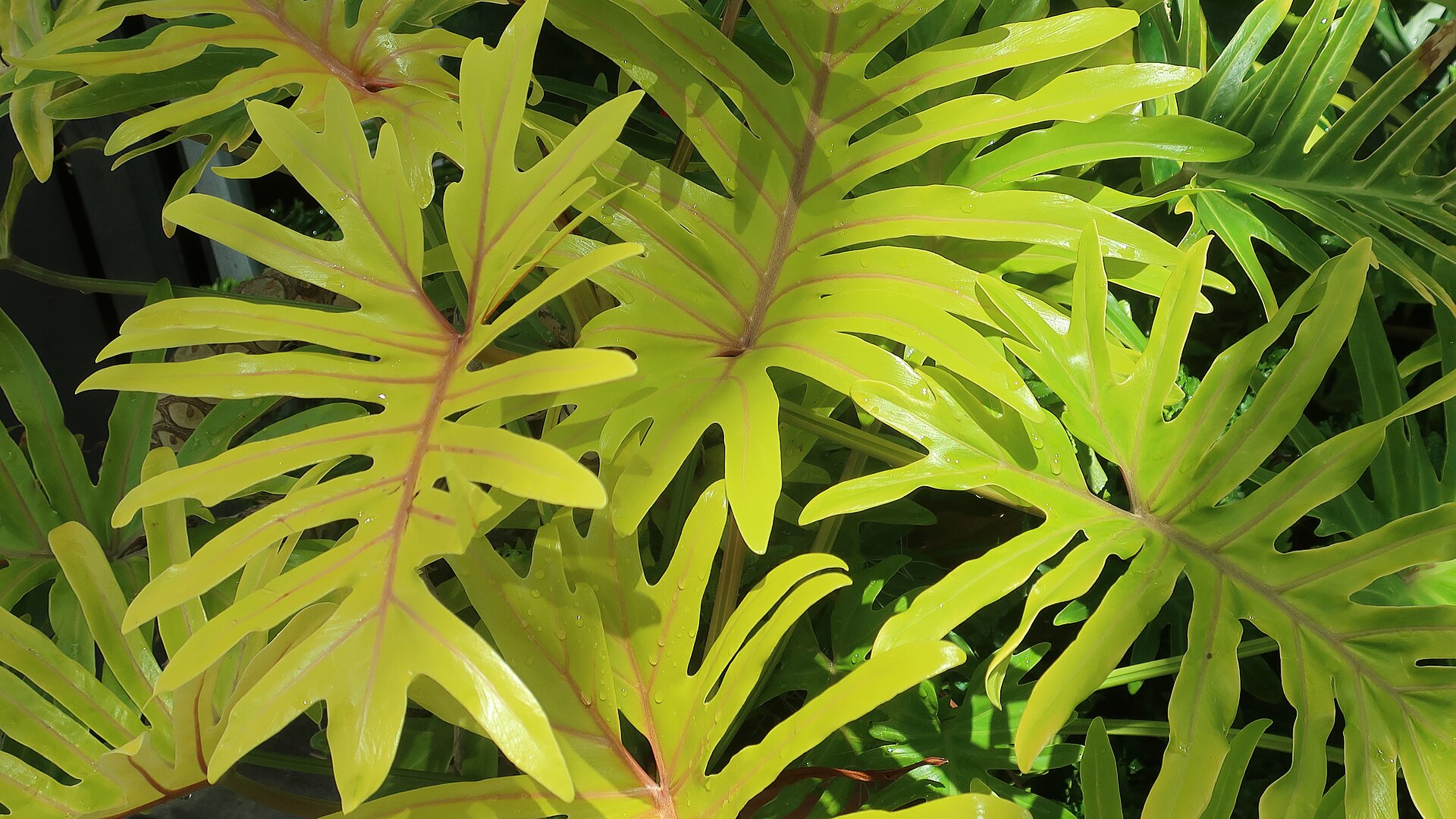
Philodendron Leaf
Philodendron bipinnatifidum
Philodendron leaf is a large, deeply lobed tropical foliage that brings instant scale and drama to bold arrangements. Its glossy, split blades read as sculptural greenery, ideal for tropical bouquets, corporate pieces and large-format installations. A single leaf can anchor a design or line a tall vase, and the foliage lasts for weeks with basic care. Florists reach for it whenever they want architectural, jungle-lush structure with minimal fuss.
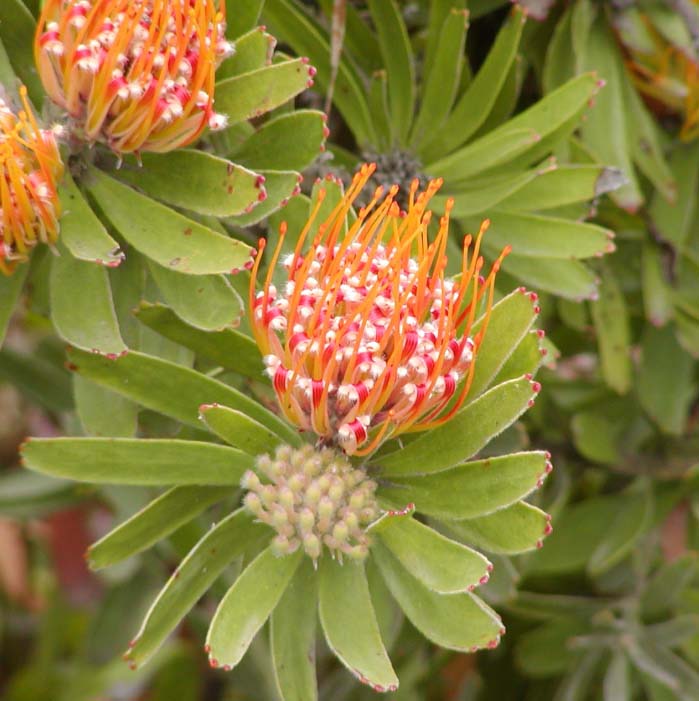
Pincushion Protea
Leucospermum
Leucospermum, better known as the pincushion protea, opens into a rounded dome of curving styles that look like pins in a cushion, in vivid oranges, yellows and corals. It brings fiery colour and playful texture to tropical, bohemian and contemporary work. The wiry, woody stems are long-lasting and hold up well out of water for a time, making the flower a favourite for bouquets and installations. Each bloom reads as a small burst of sunlight.
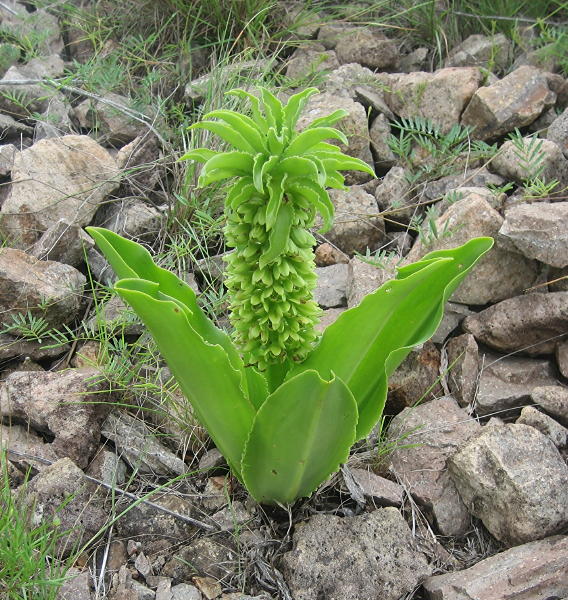
Pineapple Lily
Eucomis comosa
Pineapple lily is a striking summer bulb whose star-packed flower spike is crowned by a leafy tuft that mimics a pineapple top. Florists prize it for its bold, sculptural silhouette and remarkable vase life, which easily outlasts most soft summer flowers. The blooms shade from lime green through cream to dusky burgundy, giving arrangements a fresh, slightly tropical edge. It anchors tall modern designs and adds unexpected texture to summer wedding work.
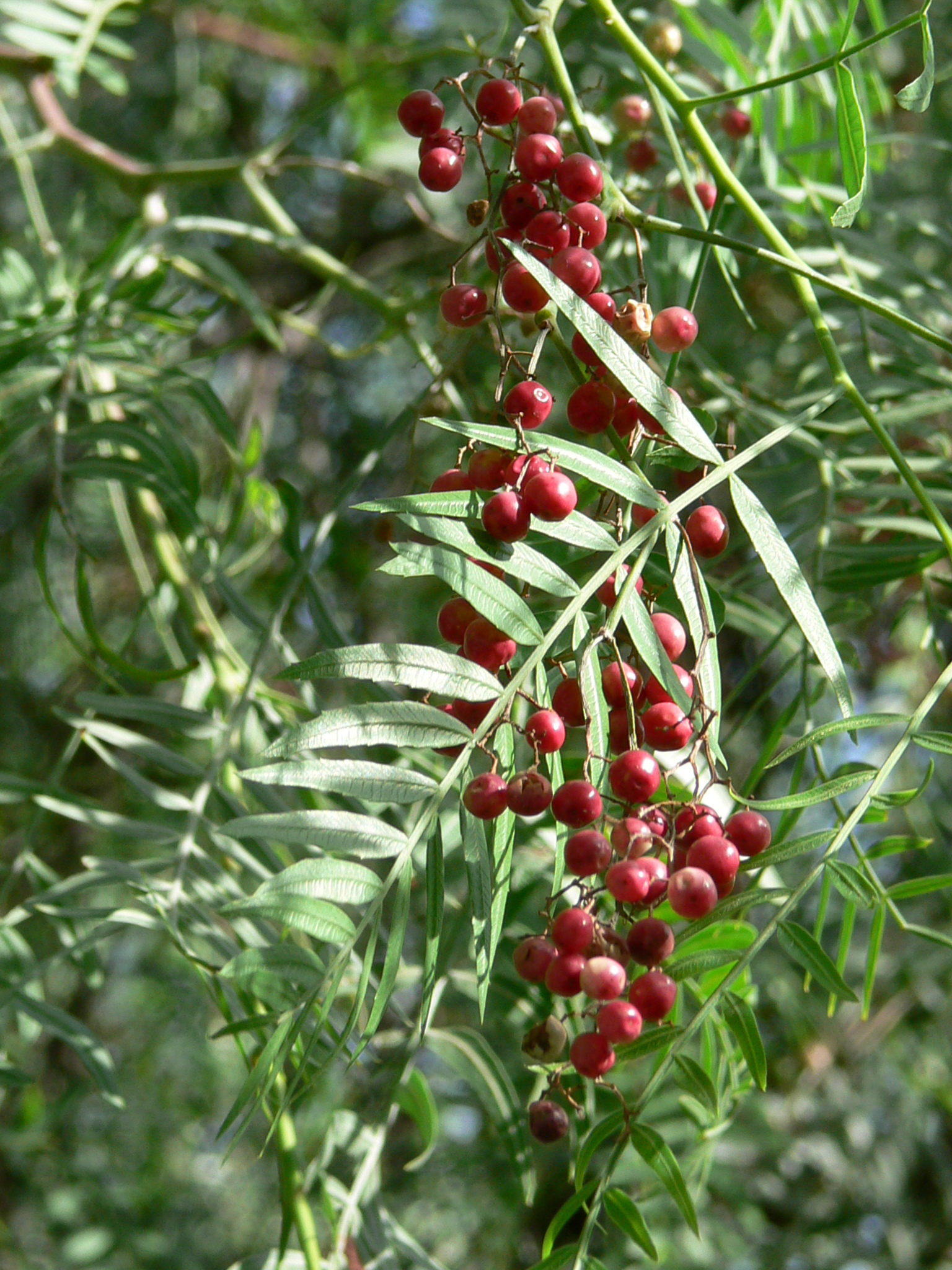
Pink Pepperberry
Schinus molle
Pink pepperberry comes from the Peruvian pepper tree, whose fine weeping branches carry cascades of tiny rose-blushed berries. The delicate, softly drooping clusters bring a romantic, feminine texture that reads especially well in winter and festive palettes. Florists use it as an airy filler and trailing accent in bouquets, boho designs and Christmas work, where its blush tones warm cooler schemes. Pretty but fragile, the little berries need gentle handling, and they dry gracefully for lasting arrangements.
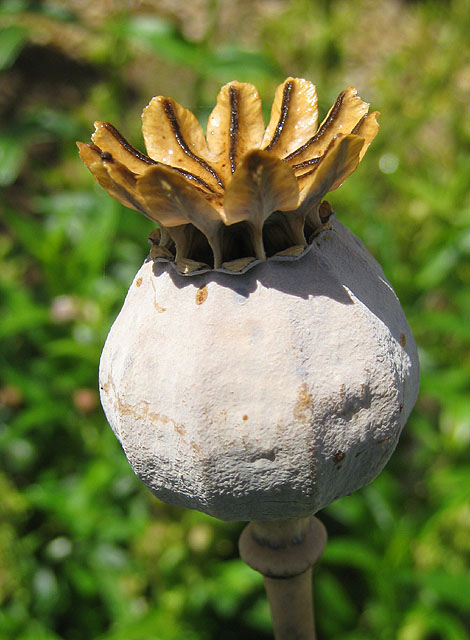
Poppy Pod
Papaver somniferum
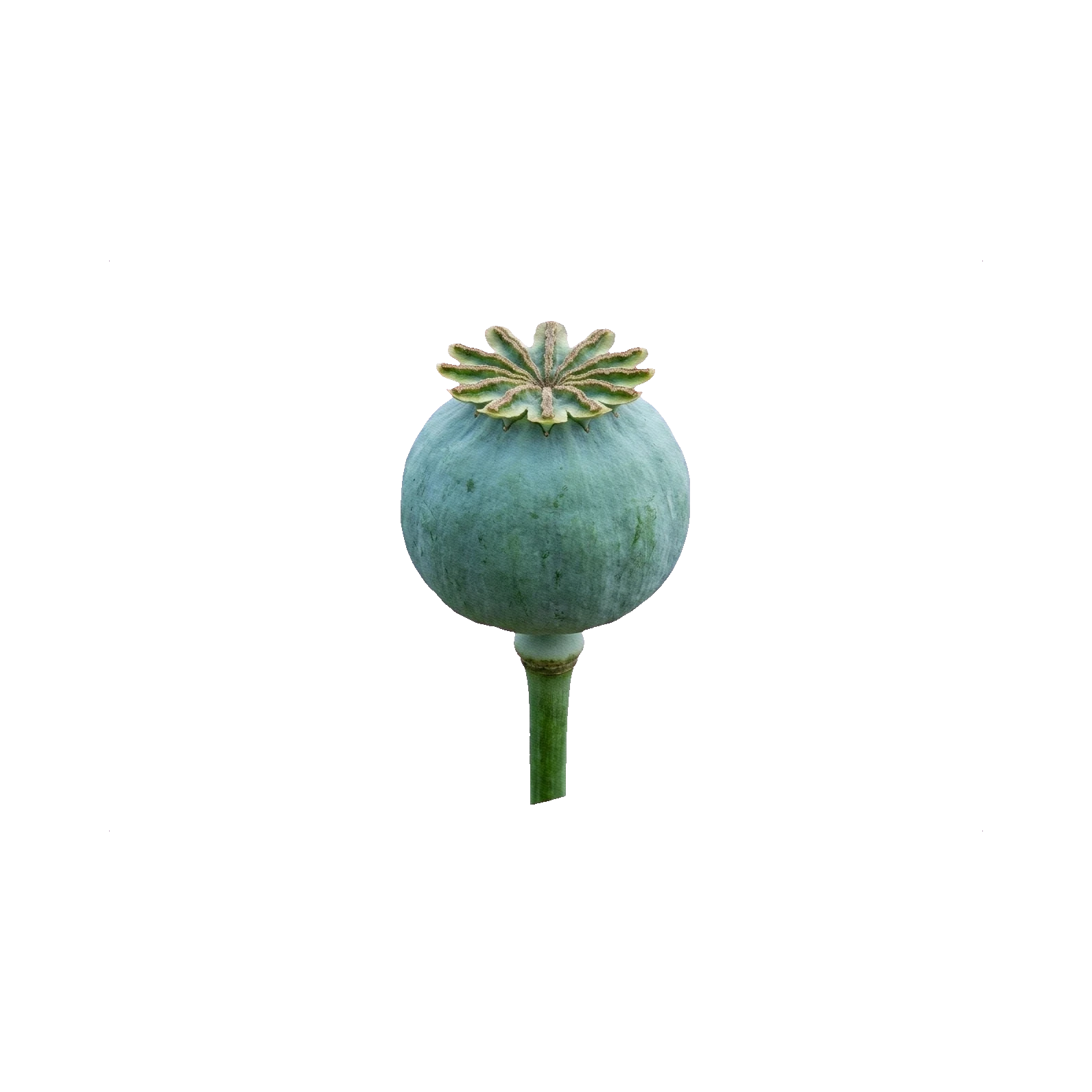
The poppy pod is the swollen, crowned seed head left after the bloom of Papaver somniferum has dropped its petals. Smooth and rounded with a distinctive ridged cap, it reads as a small sculptural sphere on a slender stem. Florists use pods fresh in a cool blue-green or dried to a muted grey-brown, prizing them for architectural texture in modern and minimalist designs. Long-lasting and endlessly reusable when dried, they add quiet, graphic structure to bouquets and installations.
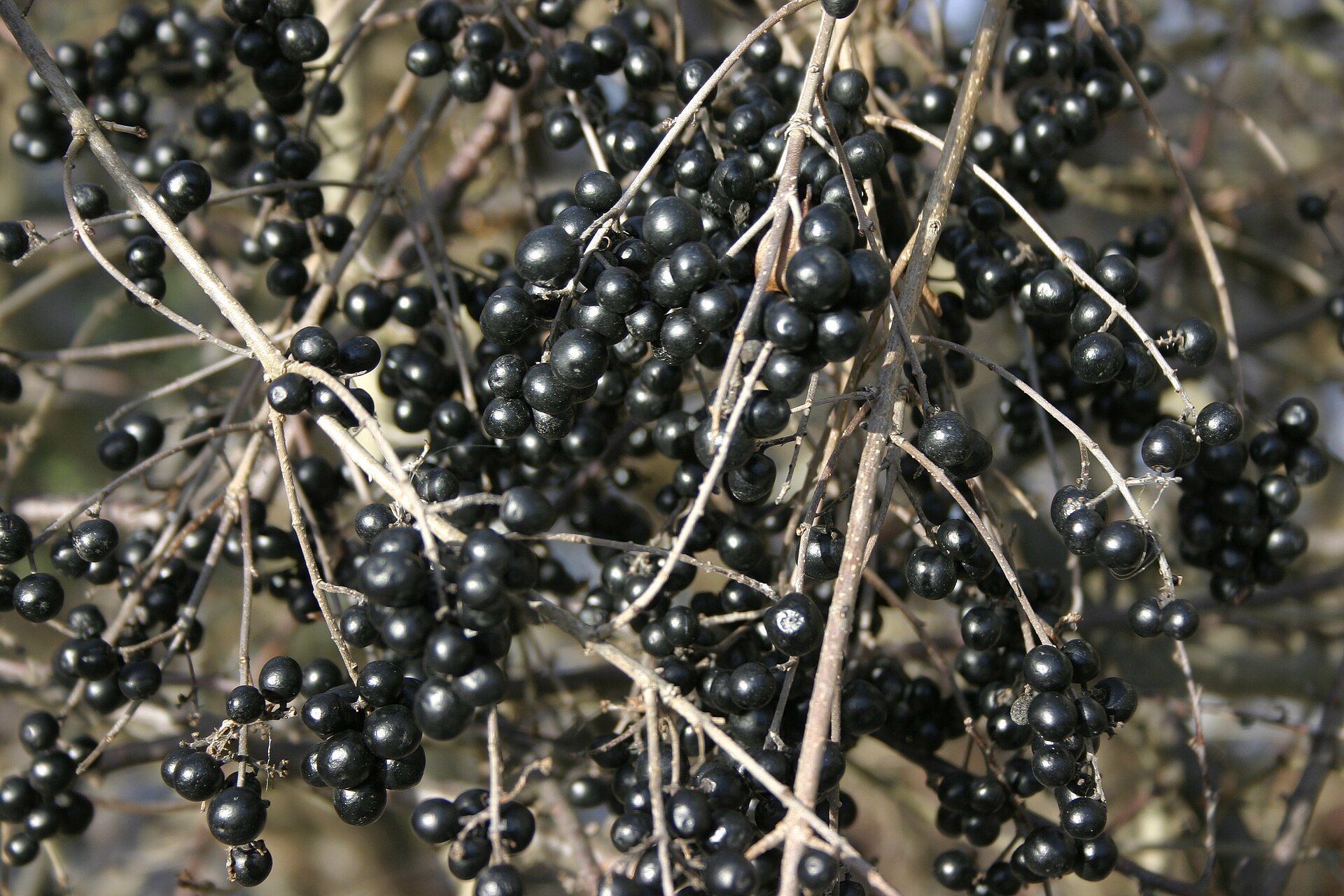
Privet Berry
Ligustrum vulgare
Privet berry brings dusky, matte-black clusters of small fruit on airy semi-woody sprays, offering florists a rare dark-toned berry for moody autumn and editorial palettes. The tiny spherical berries read almost blue-black against foliage, adding depth and shadow that balances brighter seasonal fruit. It is inexpensive, easy to condition and generous in supply through late autumn. Note that every part of the plant is toxic if eaten, so it should never appear near food or be within reach of children and pets.
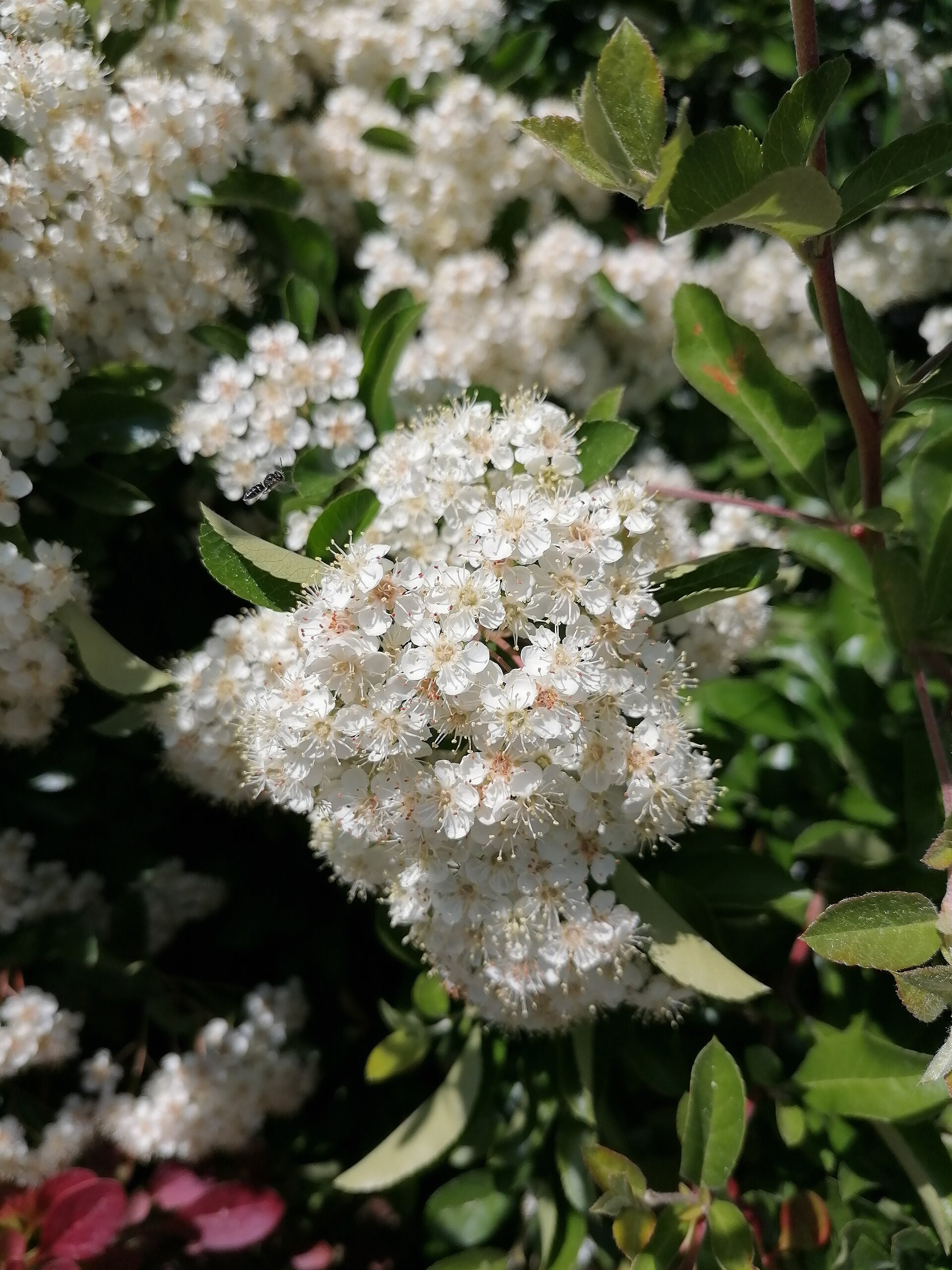
Pyracantha
Pyracantha coccinea
Pyracantha, or firethorn, is a thorny evergreen branch smothered in dense clusters of small, firm berries in fiery orange, scarlet or amber. Long-lasting and richly coloured, it brings a blaze of autumn and Christmas warmth to wreaths, garlands and seasonal arrangements. Florists value how tightly the berries cling to the stem, giving reliable colour that outlasts most cut fruit. The vicious thorns demand gloves, but the payoff is bold, weatherproof texture for holiday work.
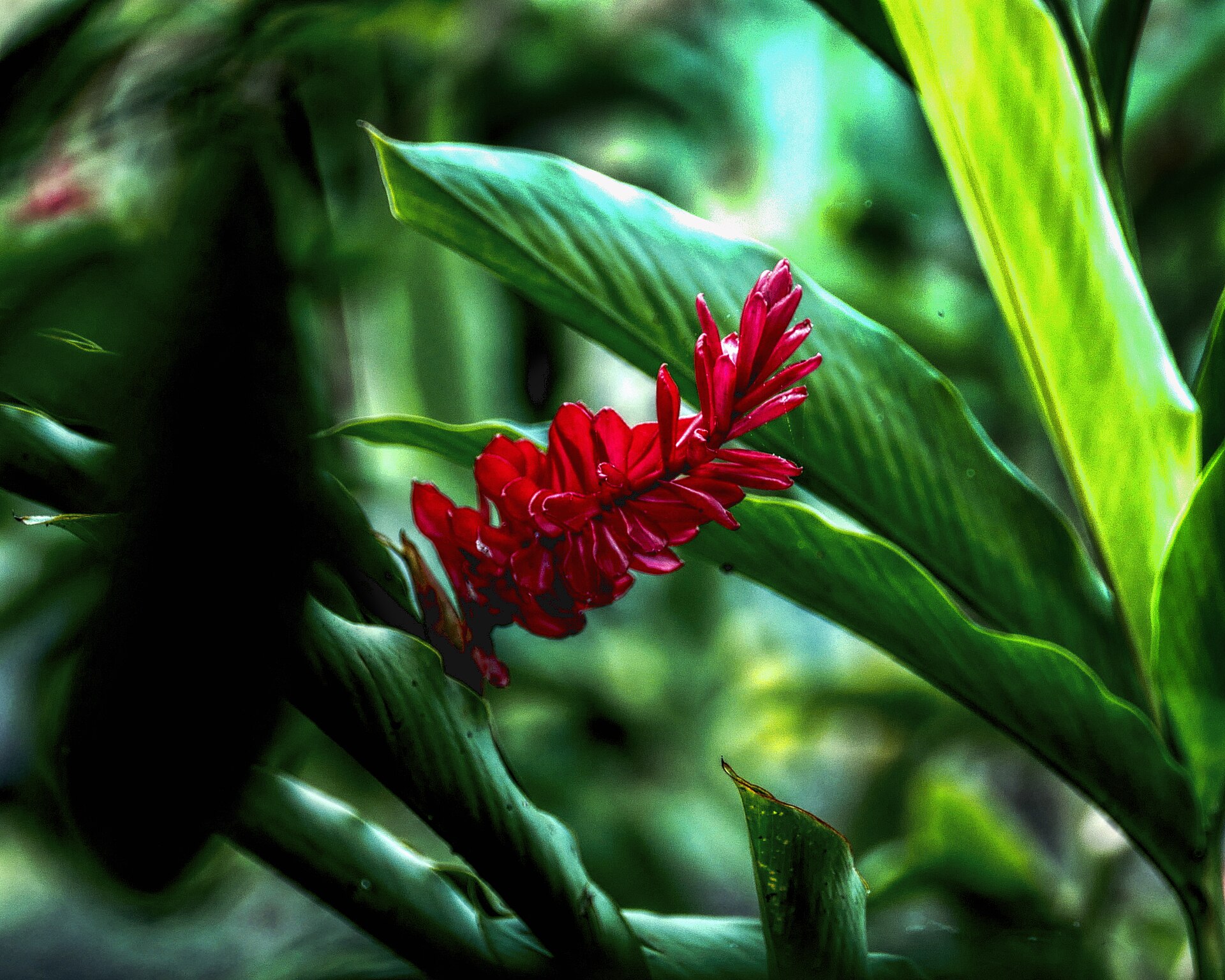
Red Ginger
Alpinia purpurata
Red ginger is an iconic tropical focal formed from a dense cone of glossy, waxy bracts in vivid scarlet or hot pink, held upright on a tall leafy stem. Native to Malaysia and naturalised across the Pacific, it is a workhorse of tropical floristry thanks to an exceptional vase life that can reach three weeks. Its bold, sculptural form anchors large event arrangements, tropical bridal work and hotel installations. Sturdy and forgiving to handle, it delivers maximum drama for a moderate price.
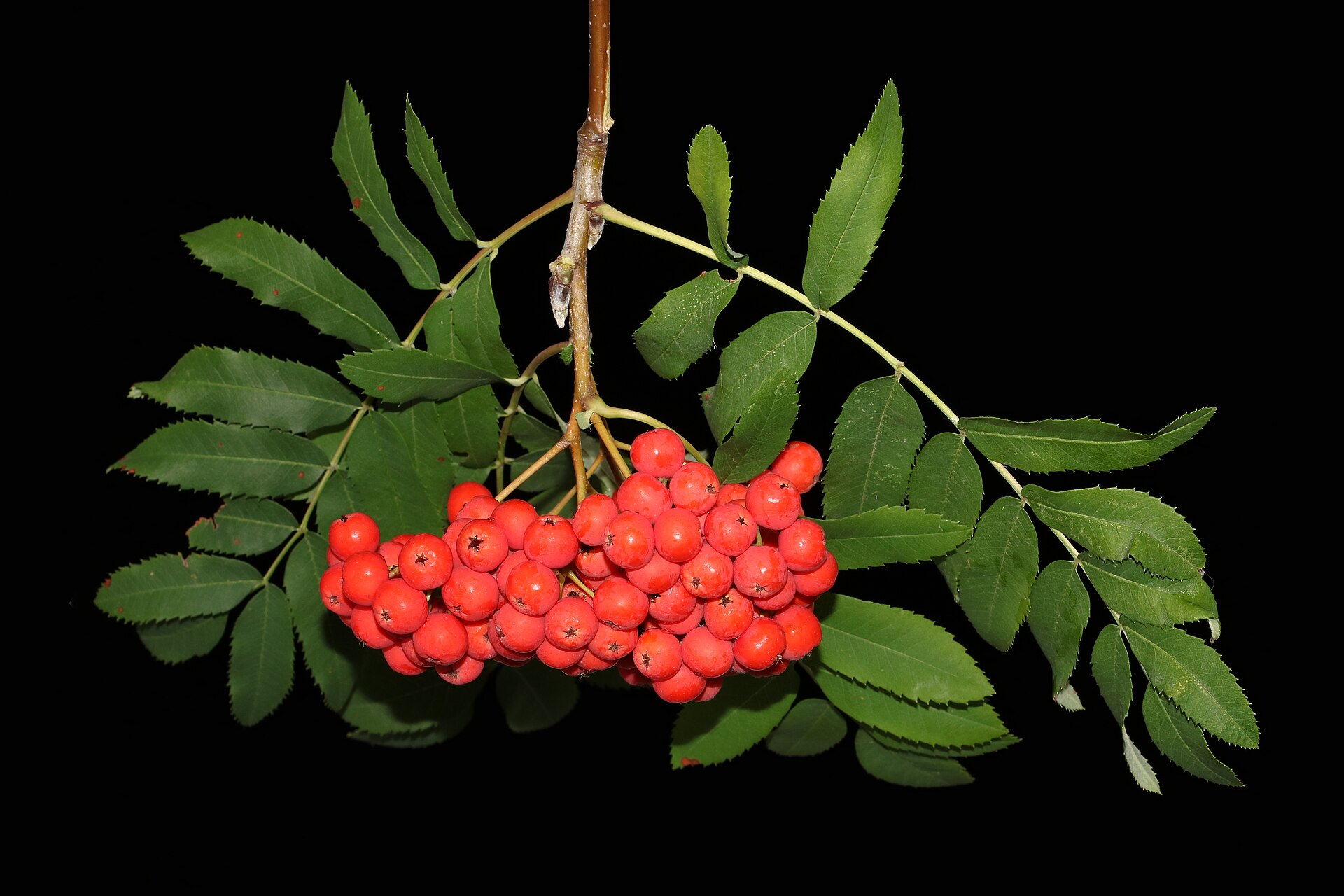
Rowan
Sorbus aucuparia
Rowan, or mountain ash, produces generous drooping clusters of vivid orange-red berries above feathery pinnate leaves, a classic signal of early autumn. Steeped in northern European folklore as a tree of protection, it brings both colour and a wild, hedgerow storytelling quality to seasonal designs. Florists use it for warm autumnal texture in rustic and editorial arrangements. The bright berries are eye-catching but drop with age, so rowan is best conditioned cool and used fresh.
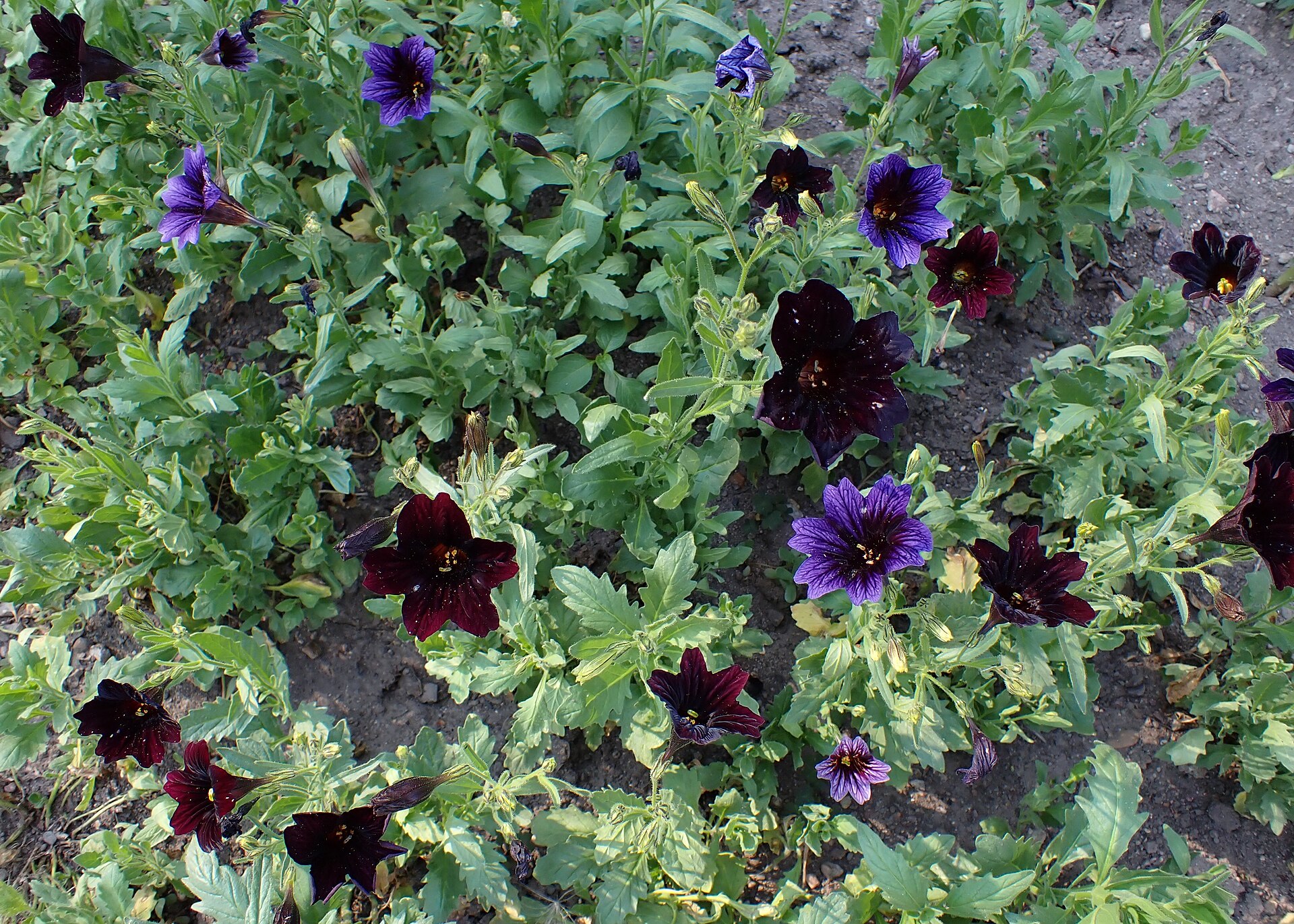
Salpiglossis
Salpiglossis sinuata
Salpiglossis, or painted tongue, produces trumpet-shaped blooms in rich, velvety tones intricately veined with contrasting gold, bronze or purple. A tender annual related to petunias, it brings an almost antique, tapestry-like quality to summer arrangements. Florists value it for its unusual coloring and cottage-garden charm, though its softer stems and shorter vase life ask for gentle handling. It works beautifully as an airy filler among roses and dahlias in editorial and garden-style designs.
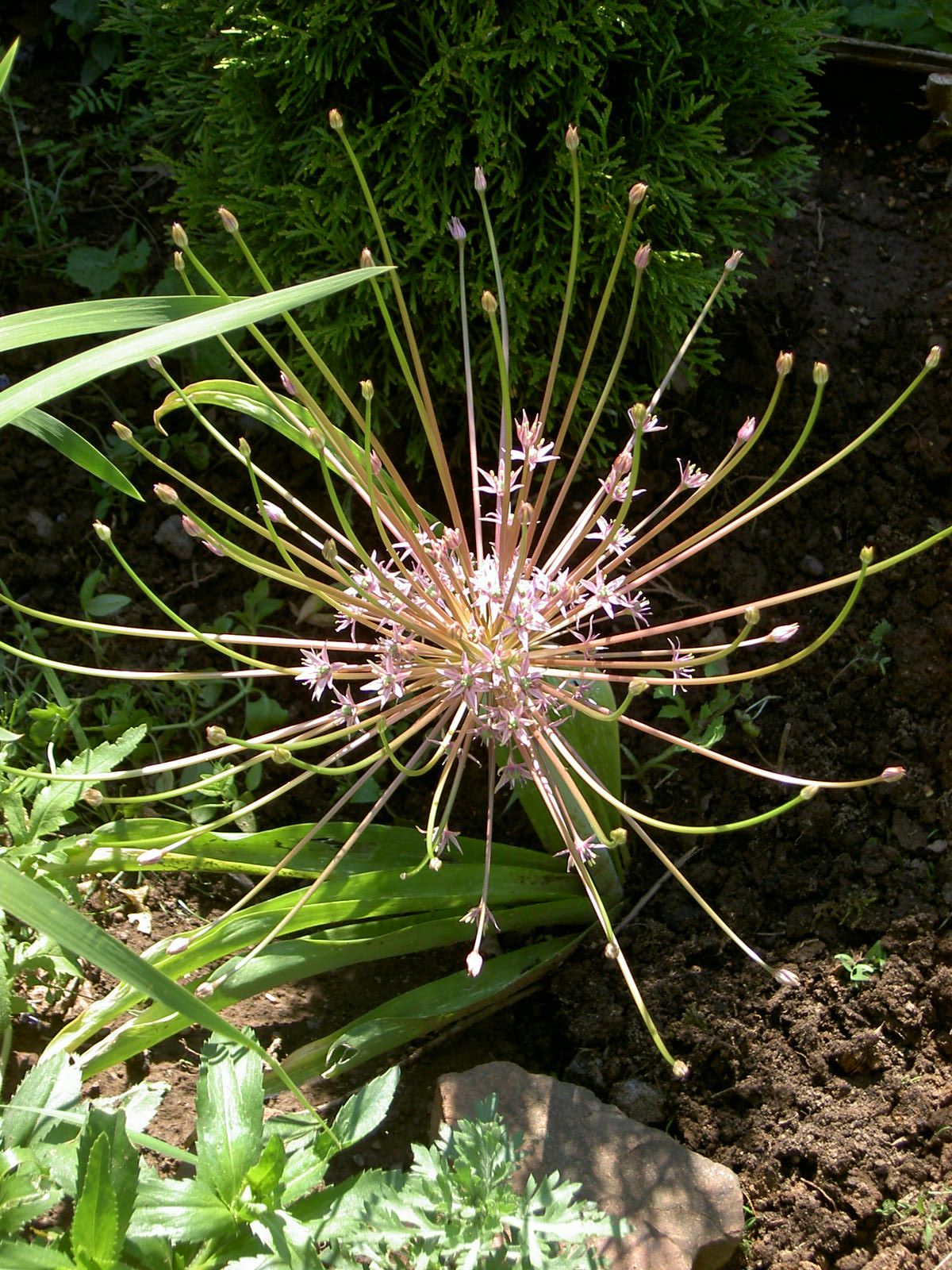
Schubert Allium
Allium schubertii
Schubert allium is the most spectacular of the ornamental onions, forming a vast exploding sphere of purple-pink florets on stalks of varying length, like a frozen firework. The airy, up-to-a-foot-wide head makes an instant sculptural focal point in modern and editorial designs. It lasts for weeks fresh and dries beautifully, holding its dramatic starburst form for months. Florists use it to add scale, architecture and a sense of drama to installations and statement arrangements.
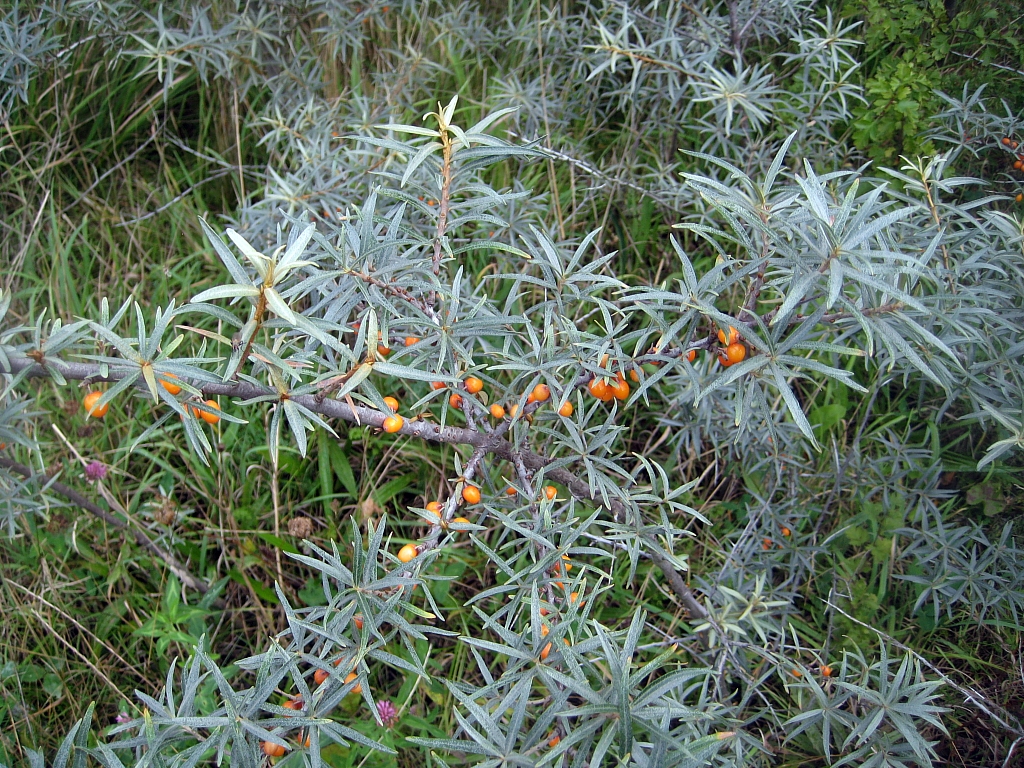
Sea Buckthorn
Hippophae rhamnoides
Sea buckthorn is a thorny coastal branch densely studded with vivid orange berries running the full length of the stem, framed by narrow silvery-green leaves. Its striking, almost graphic colour and long arching line make it a standout for architectural and editorial autumn work. Florists prize how firmly the berries cling, giving one of the longest-lasting fruit displays available. The berries are an edible superfood but ferociously sour, and the vicious thorns mean gloves are essential.
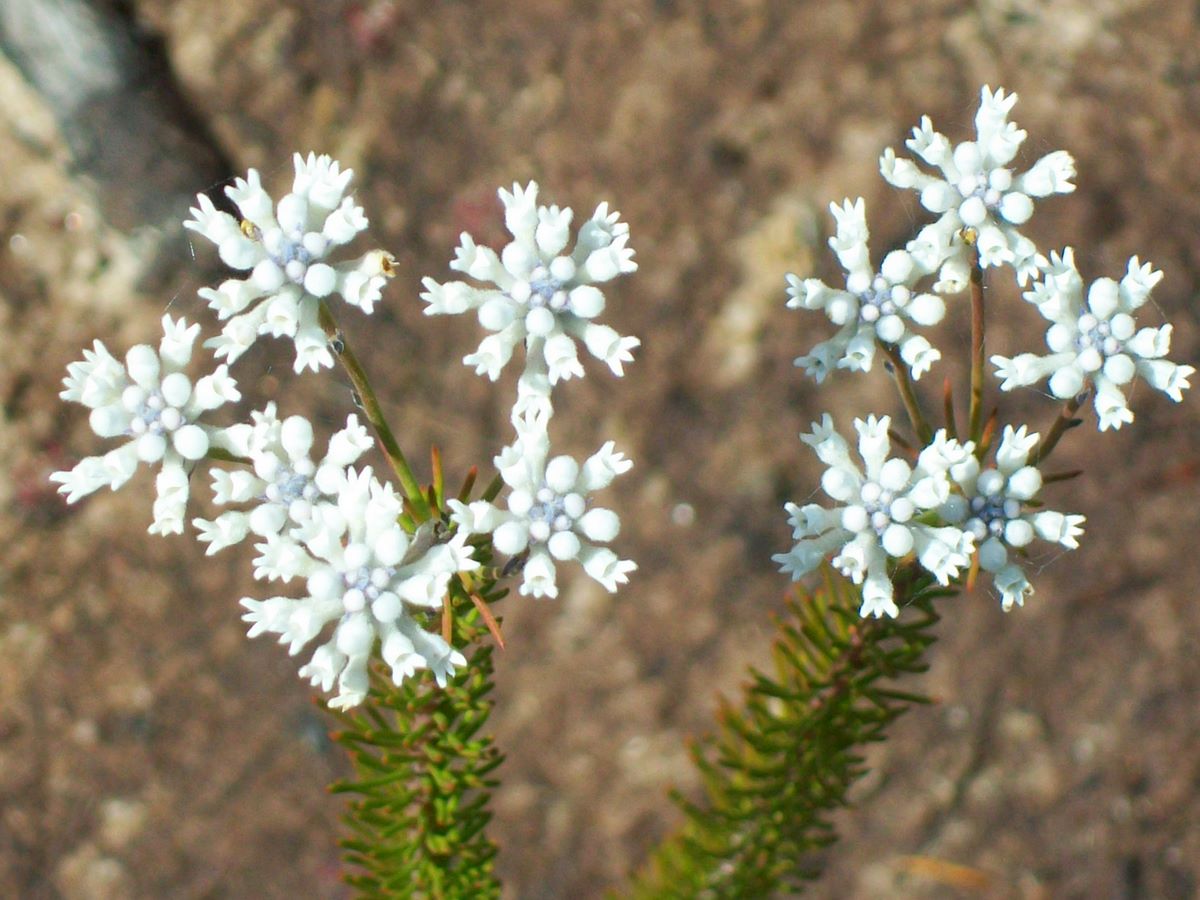
Smokebush
Conospermum
Smokebush, or Conospermum, is a Western Australian native whose masses of tiny, woolly flowers create a soft grey-white haze, like drifting smoke. It is a delicate, airy filler that lends a romantic, misty texture to bouquets and loose, natural designs. The fine stems are long-lasting fresh and dry exceptionally well, keeping their smoky cloud for months. It pairs beautifully with proteas, textural foliage and pastel blooms.
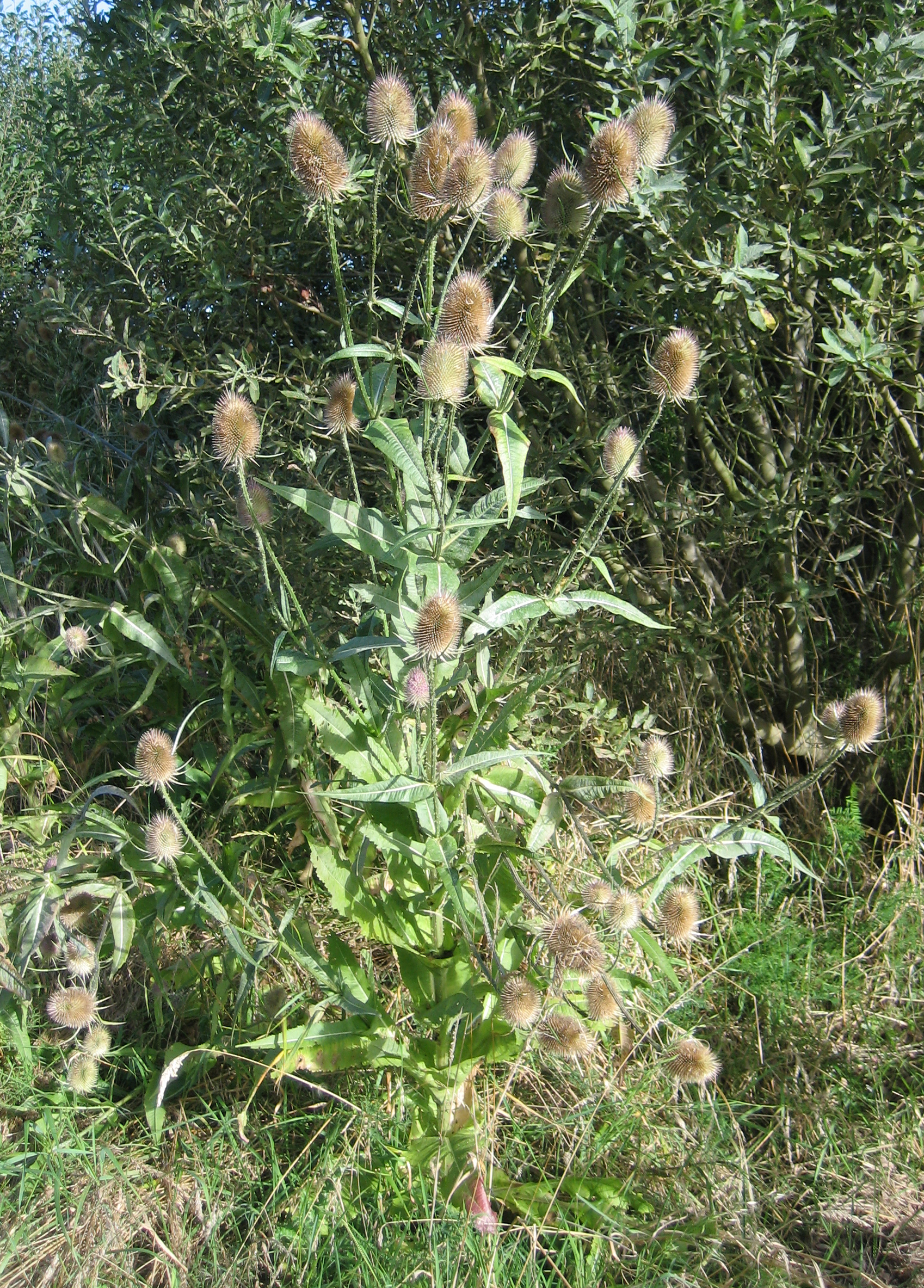
Teasel
Dipsacus fullonum
Teasel is a tall wild biennial whose egg-shaped, densely spined seed heads sit atop rigid, prickly stems. Instantly recognisable for their bristling texture, the heads shift from green in summer to a warm architectural brown as they dry. Florists reach for teasel to add height, structure and a spiky, foraged edge to rustic and contemporary dried work. It is inexpensive, robust and lasts for months, though its sharp spines call for careful handling.
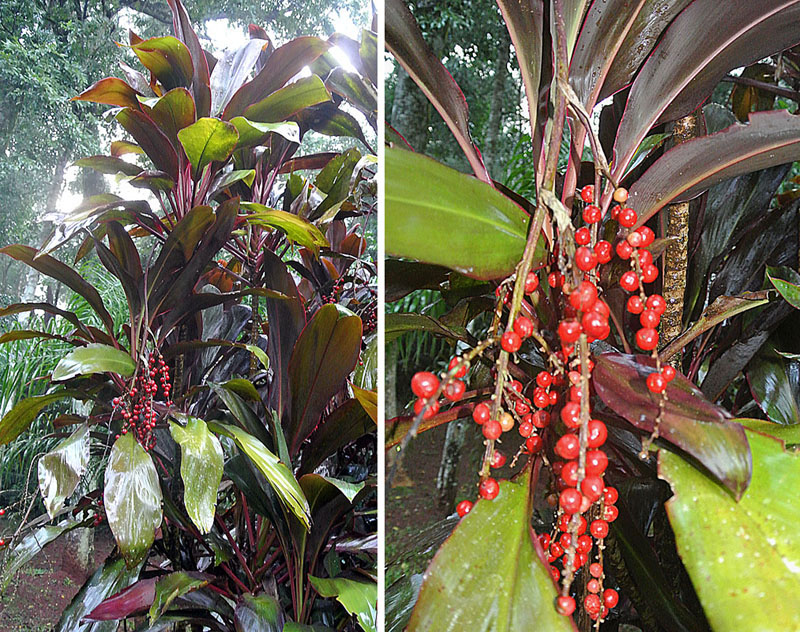
Ti Leaf
Cordyline fruticosa
Ti leaf comes from the tropical cordyline, a plant long grown across the Pacific for luck and protection. Its long, glossy blades range from deep green to vivid burgundy, red and pink, giving florists sleek, colourful lines for modern and tropical design. The flexible leaves are often rolled, folded or looped inside vases as a decorative liner, and they last for weeks with minimal care. Bold, durable and dramatic, ti leaf is a mainstay of contemporary and event floristry.
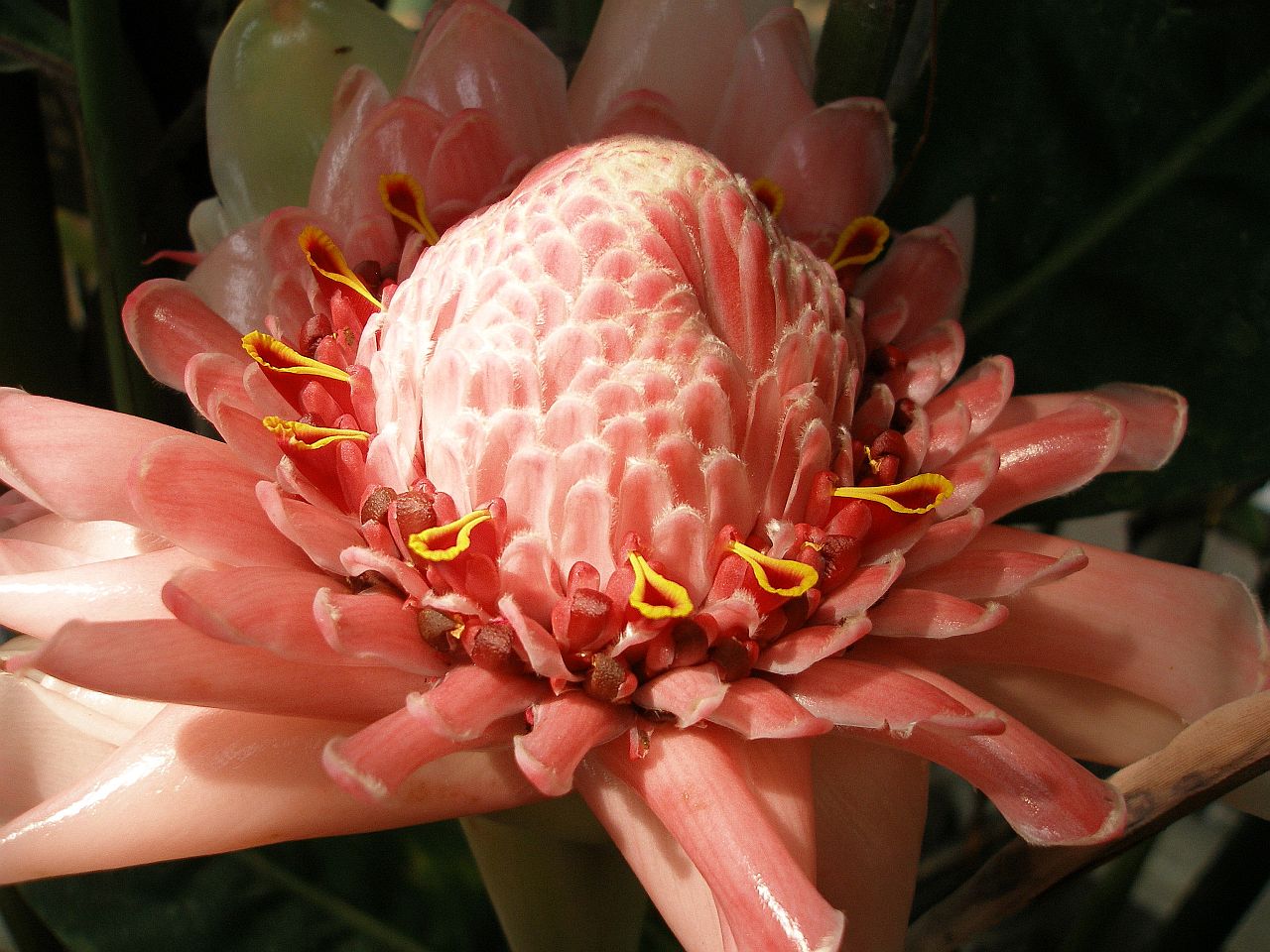
Torch Ginger
Etlingera elatior
Torch ginger sends up a tall, sturdy stalk topped by a glossy, waxy inflorescence of tightly overlapped bracts, most often in vivid red or pink — hence its other name, porcelain rose. A member of the ginger family from Southeast Asia, it is a dramatic tropical focal with excellent vase life and real presence in large designs. Florists use it for tropical weddings, installations and statement arrangements where scale and saturated colour are wanted. Its sculptural, torch-like head reads as exotic and luxurious in equal measure.
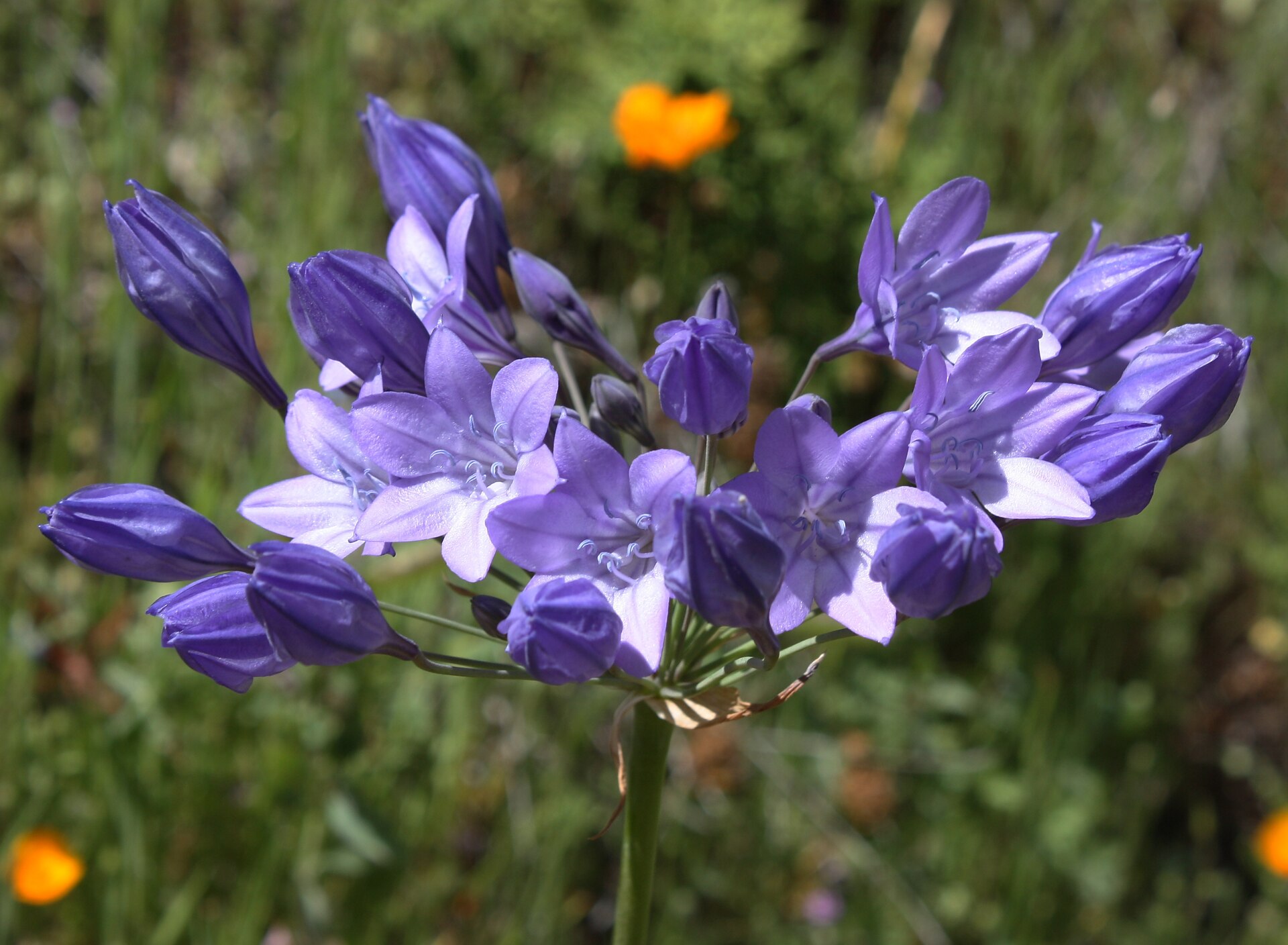
Triplet Lily
Triteleia laxa
Triplet lily produces loose, starry umbels of blue to violet trumpets held aloft on slim, leafless stems. Native to the grasslands of the American West, it gives arrangements a light, meadowy movement and a rare true-blue tone. Florists value its long vase life and its ability to float colour through a bouquet without adding weight. It suits airy garden-style and boho wedding work where softness and natural rhythm matter.
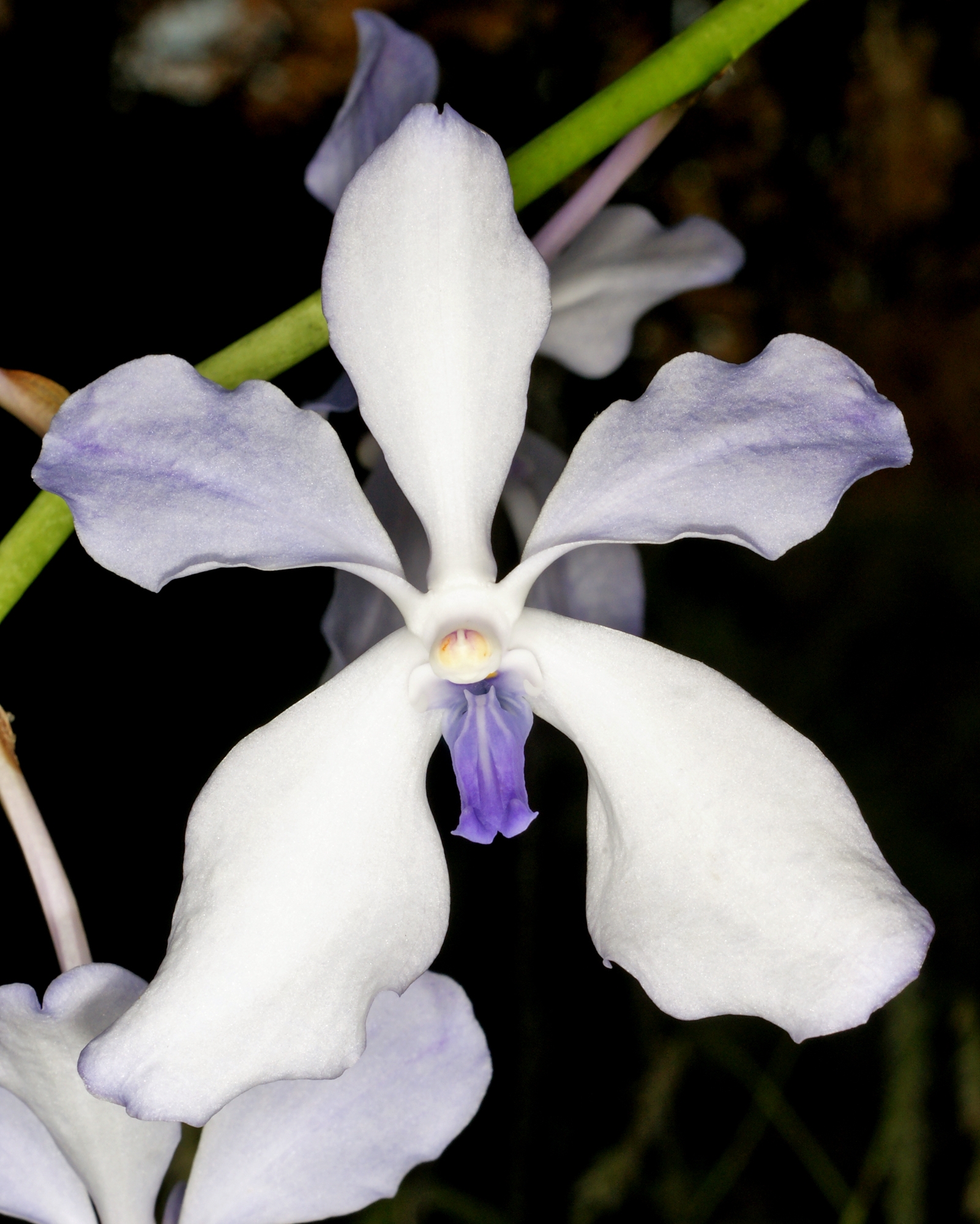
Vanda Orchid
Vanda
Vanda orchids are among the most coveted of all cut orchids, famous for the electric blue and violet lattice of Vanda coerulea and its hybrids — colours almost unheard of elsewhere in the flower world. Each thick stem carries a row of large, flat, jewel-toned blooms with remarkable substance and vase life. A true statement flower, vanda anchors luxury and editorial designs and dazzles in modern, minimal work. Its rarity and saturated colour place it firmly at the premium end of the orchid spectrum.
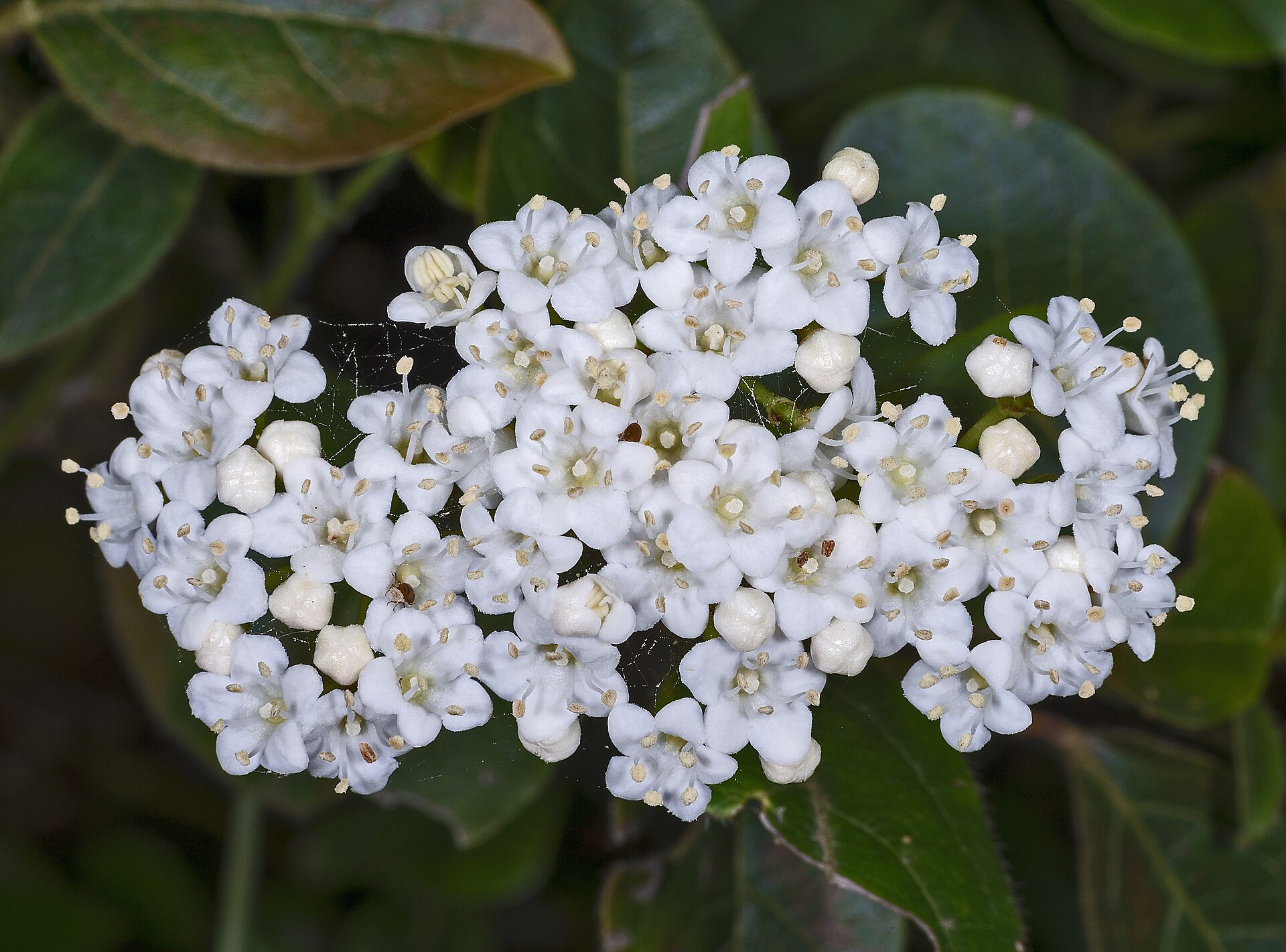
Viburnum Tinus
Viburnum tinus
Viburnum tinus, or laurustinus, is the winter-berrying viburnum, carrying tight clusters of extraordinary metallic blue-black berries against dark evergreen leaves. Where the flowering viburnum belongs to spring, this is its cool-season counterpart, offering one of the very few naturally blue-toned fruits in the florist's palette. That rare iridescent colour makes it a quiet luxury in winter and editorial designs. Hardy and easy to condition, it delivers rich, jewel-like texture through the coldest months.