Boutonnière & corsage flowers
41 flowers our studio reaches for in boutonnière & corsage work — filtered from the Lacy Bird catalog by role, season and colour. Open any flower for its full data card.
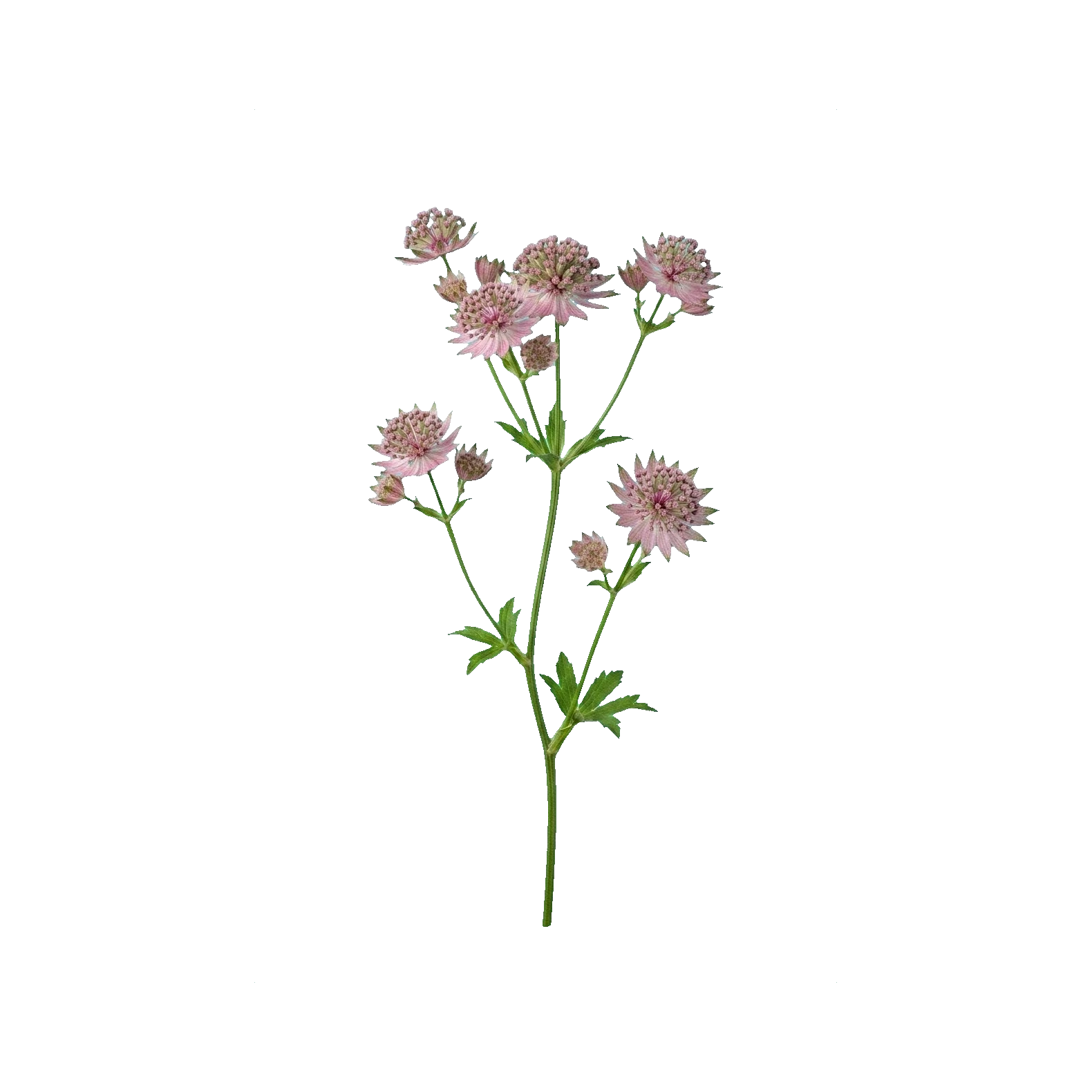
Astrantia
Astrantia major
Astrantia, or masterwort, produces intricate pincushion heads ringed by a papery collar of pointed bracts, giving each bloom the look of a tiny, star-like nosegay. Florists love it for the delicate texture and soft, painterly colours it lends to garden-style bouquets and buttonholes. It reads beautifully at close range and photographs like fine detail, making it a wedding favourite. It is long-lasting fresh and dries gracefully, extending its use into everlasting work.
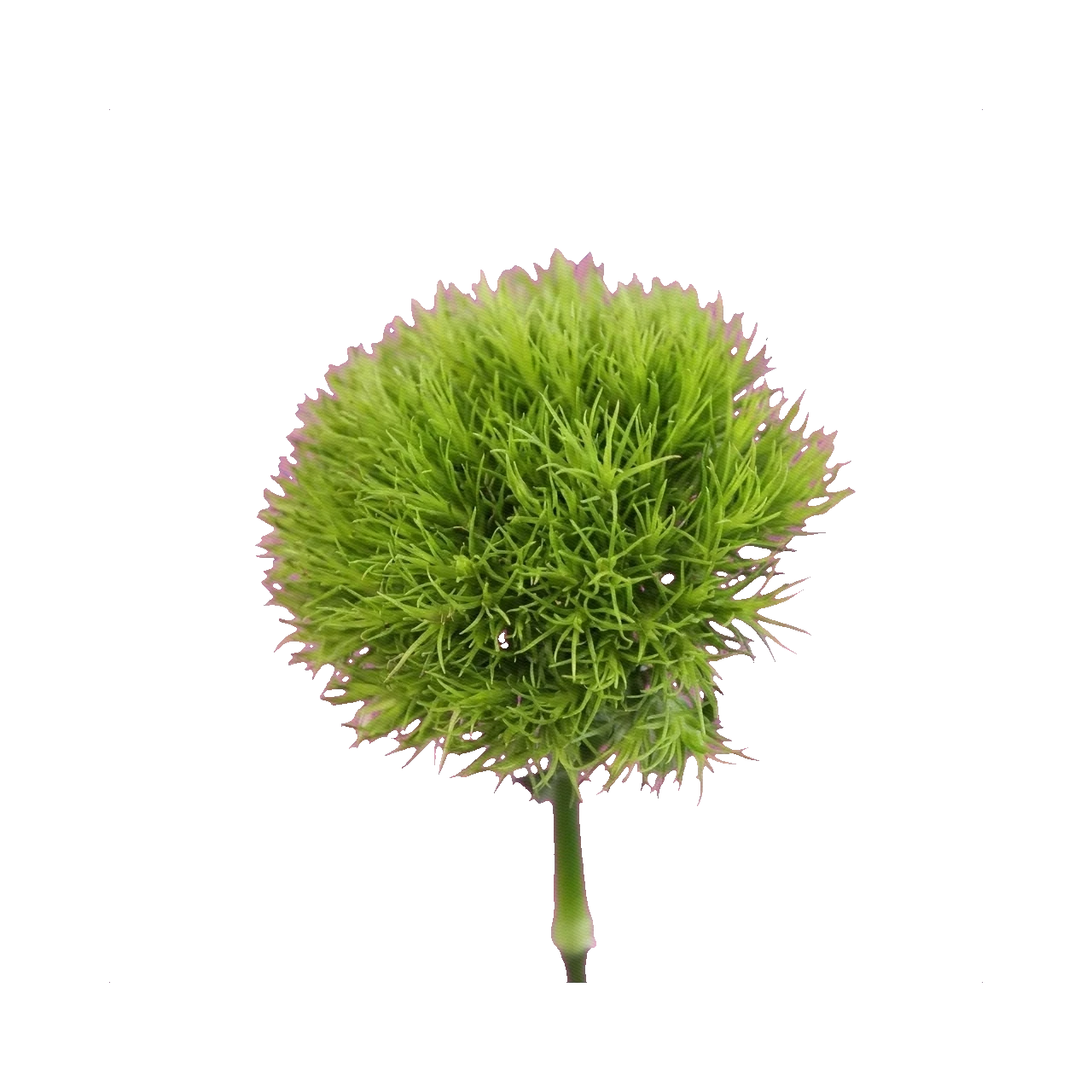
Carnation
Dianthus caryophyllus
The carnation was the default cheap flower of the 1980s and paid for it with a lasting image problem. Modern breeding has restored it — the Mörelex, Lege, and Prado series carry 60+ petals in painterly colour gradients that rival garden roses at 20% of the price. A revival flower for florists willing to look past legacy stigma.

Cornflower
Centaurea cyanus
Cornflower is the intense, true-blue button of the summer meadow, a wild grain-field annual florists prize for a shade of blue few flowers can match. Its slender wiry stems and fringed, thistle-like heads bring an airy, informal sparkle to hand-tied bouquets and buttonholes. Though the classic blue is the signature, it also comes in pink, white and deep plum. Best used fresh and loosely, it is a cottage-garden staple for rustic and boho weddings.
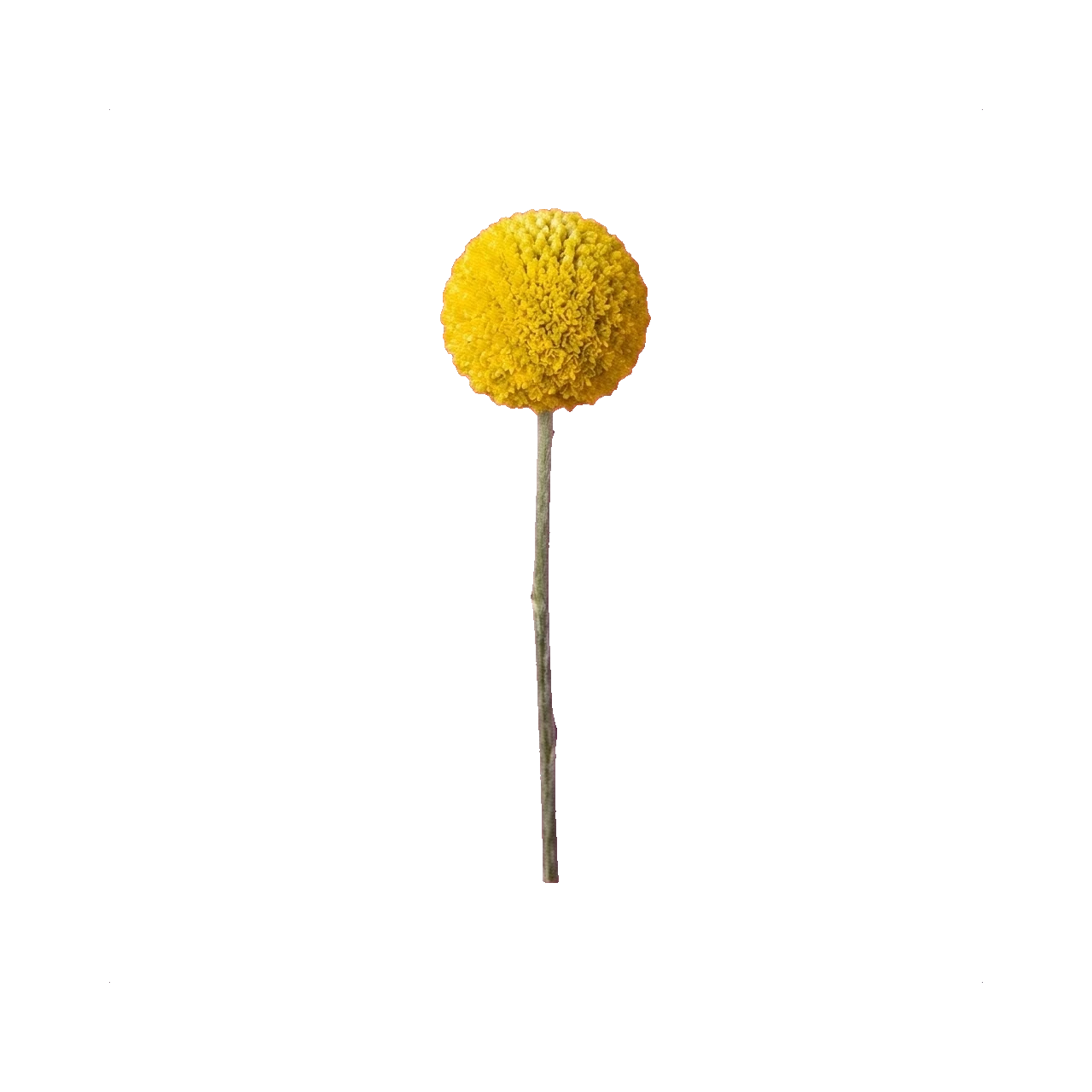
Craspedia
Craspedia globosa
Craspedia — the billy button — carries a perfect round yellow drumstick head on a leafless stem. Nothing else in floristry looks like it. Extremely long vase life (2-4 weeks), dries perfectly, and provides the playful yellow accent that modern arrangements often need. A boutonniere favourite for its sculptural clarity.
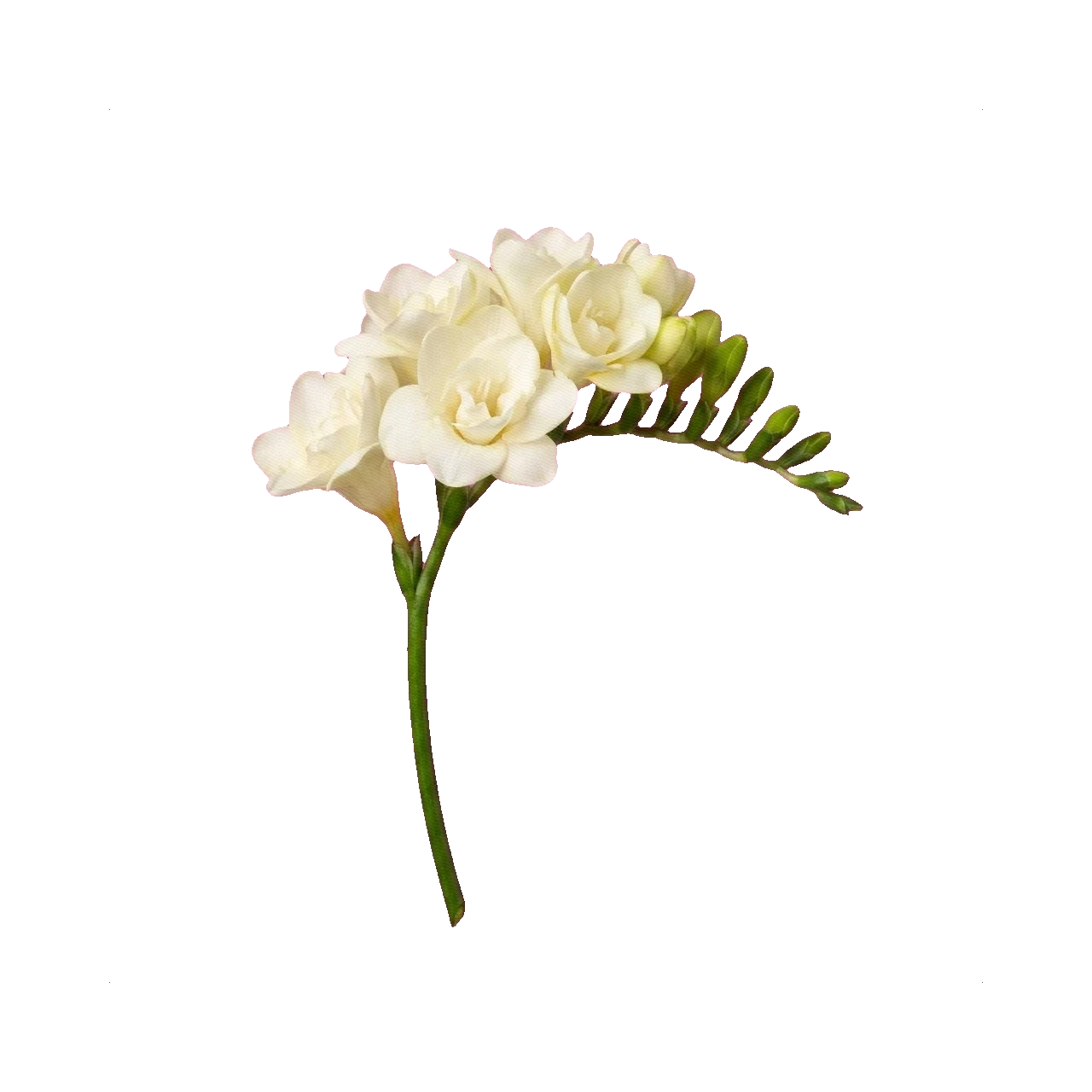
Freesia
Freesia
Freesia carries an arched stem of 6–10 trumpet-shaped florets that open in sequence over a week. Its fragrance is one of the most pleasant in the floral world — subtle, citrus-honey. Popular in wedding work as a secondary flower and boutonniere staple. Widely available year-round at consistent prices.

Galax
Galax urceolata
Galax is a low woodland groundcover whose round, leathery, heart-shaped leaves are a florist staple for backing and finishing. The flat, glossy foliage turns rich bronze and burgundy in cold weather, giving a warm alternative to plain green. Because the leaves are so durable and long-lasting, they are ideal as bouquet collars, corsage backing and neat wraps around hand-tied stems. Inexpensive and endlessly useful, galax is a quiet workhorse in wedding and everyday design.
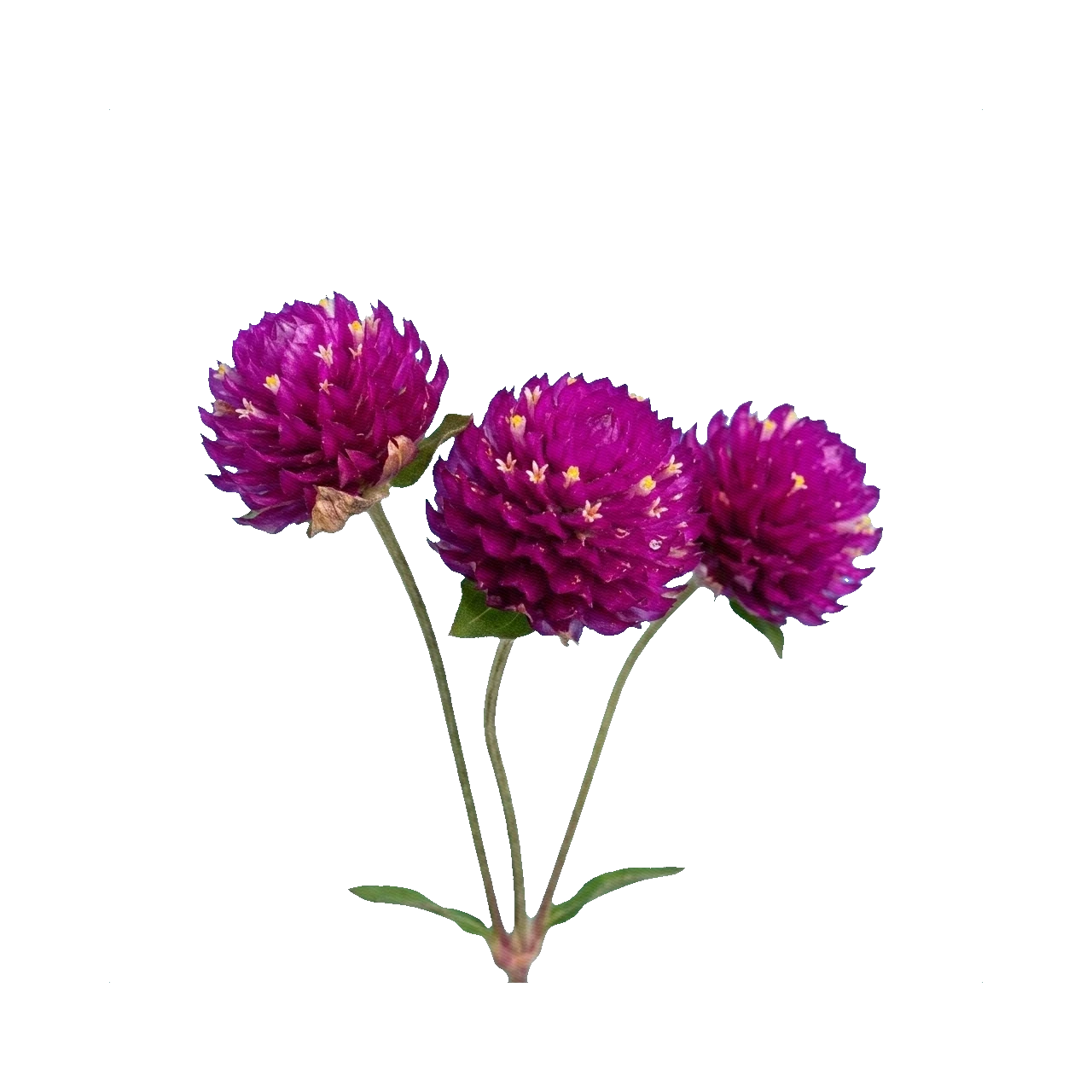
Globe amaranth
Gomphrena globosa
Gomphrena delivers papery, clover-shaped heads in saturated colours that never fade — the flower will last 2-3 weeks in a vase and indefinitely dried. A workhorse for summer wedding filler and boutonniere work, and a foundation for preserved-flower installations.

Gloriosa Lily
Gloriosa superba
Gloriosa is the flame lily — exotic, flickering flowers with wavy, swept-back petals in fiery reds and golds that seem to leap off the stem. A climbing plant from tropical Africa and Asia, it delivers unmatched drama in a small, jewel-like bloom, making it a favourite for editorial and luxury work. Florists prize it for boutonnieres, intricate bridal detailing and modern designs where one flower must command attention. It is beautiful but genuinely toxic, so it demands careful, gloved handling.
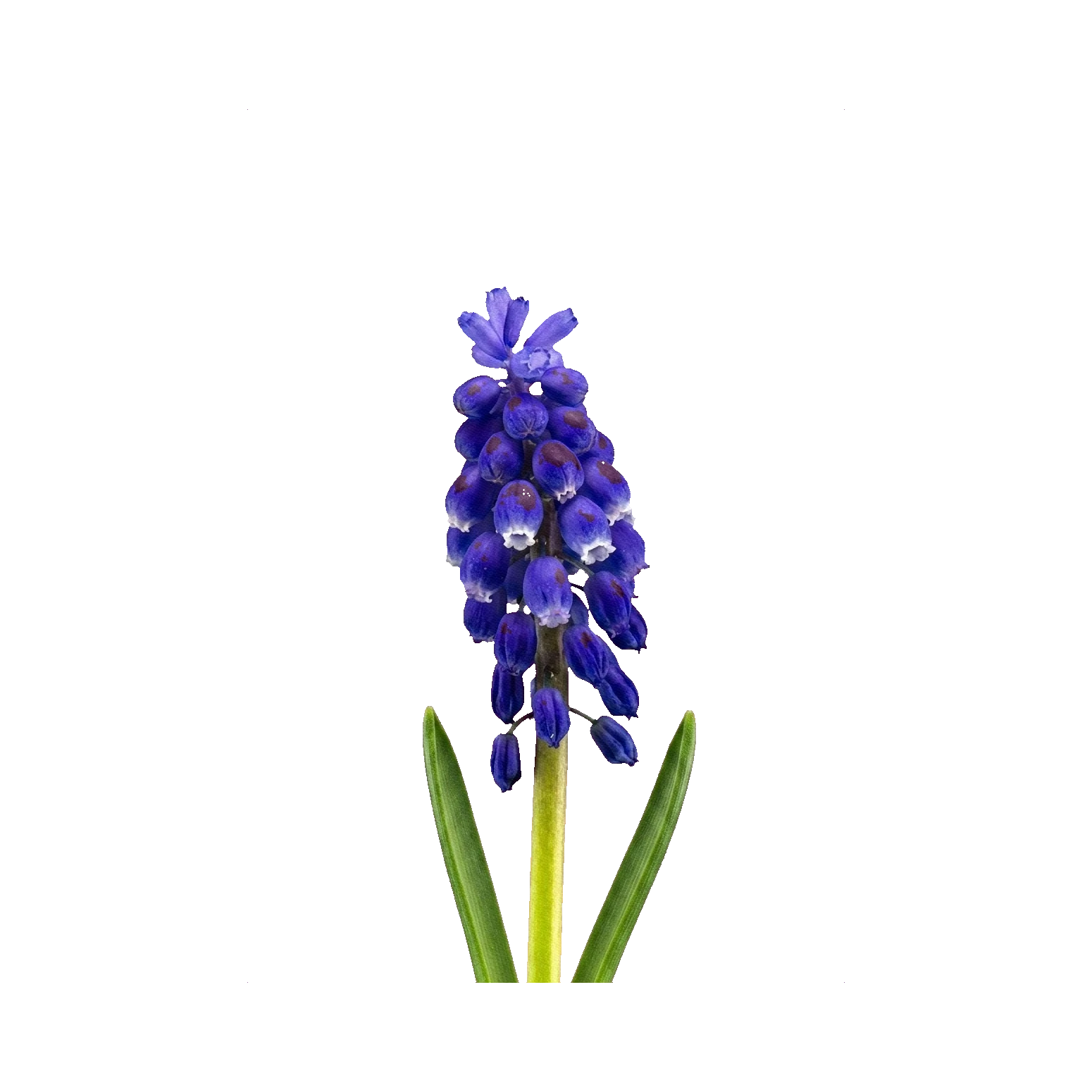
Grape hyacinth
Muscari
Muscari — grape hyacinth — is the small, saturated-blue spring flower that fills the true-blue gap in early-season bridal work. Tiny bell-shaped florets stack tightly on a short stem. The blue is real, not dyed. Use in shallow bouquets, hair work, and boutonnieres where the short stem length works.
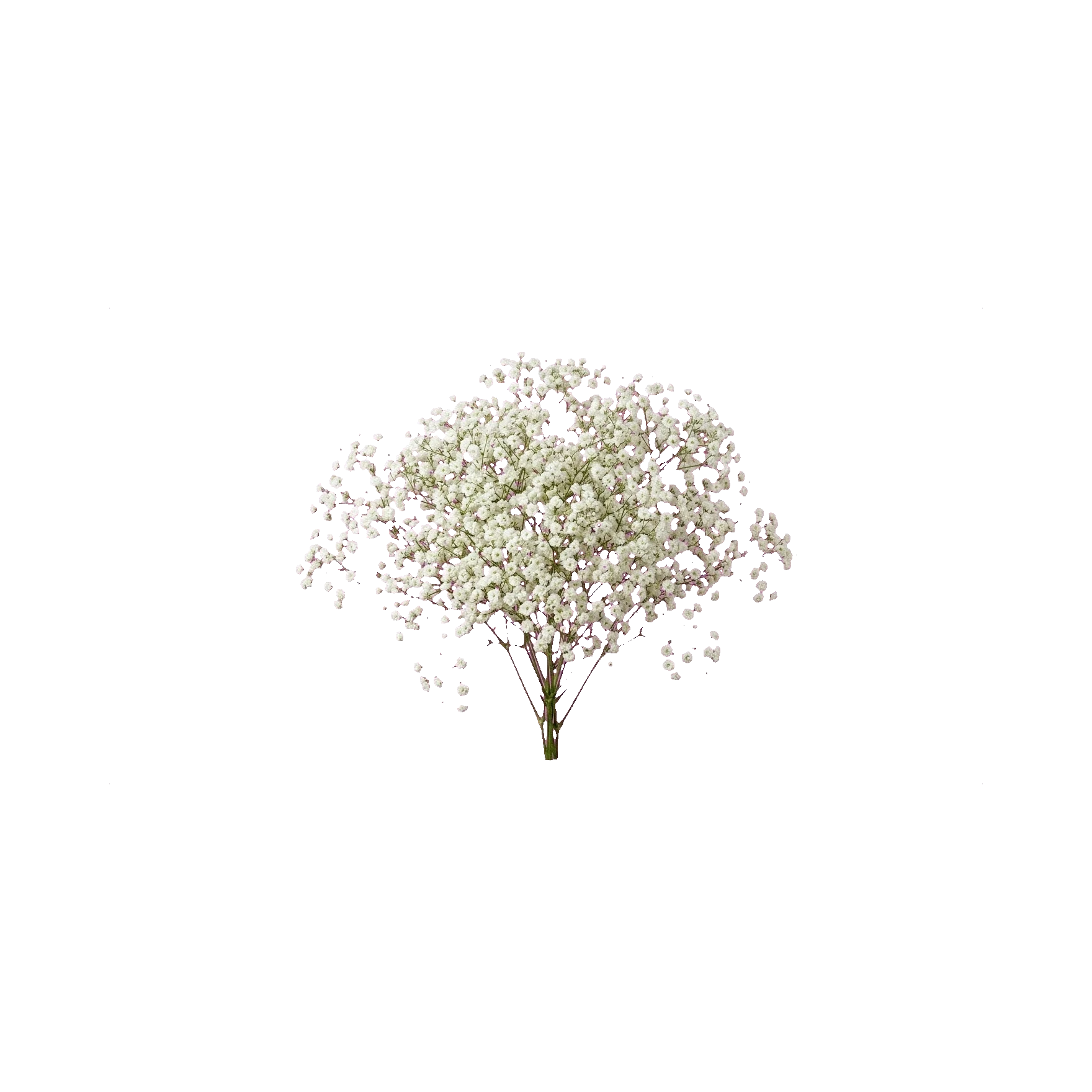
Gypsophila
Gypsophila paniculata
Baby's breath has moved through the full trend cycle — from grandmother's flower to Pinterest wedding staple to modern-again as a cloud-like installation material. One stem breaks into 20+ side stems, giving unmatched coverage per dollar. Dries perfectly, making it a foundation for preserved-flower wall art.
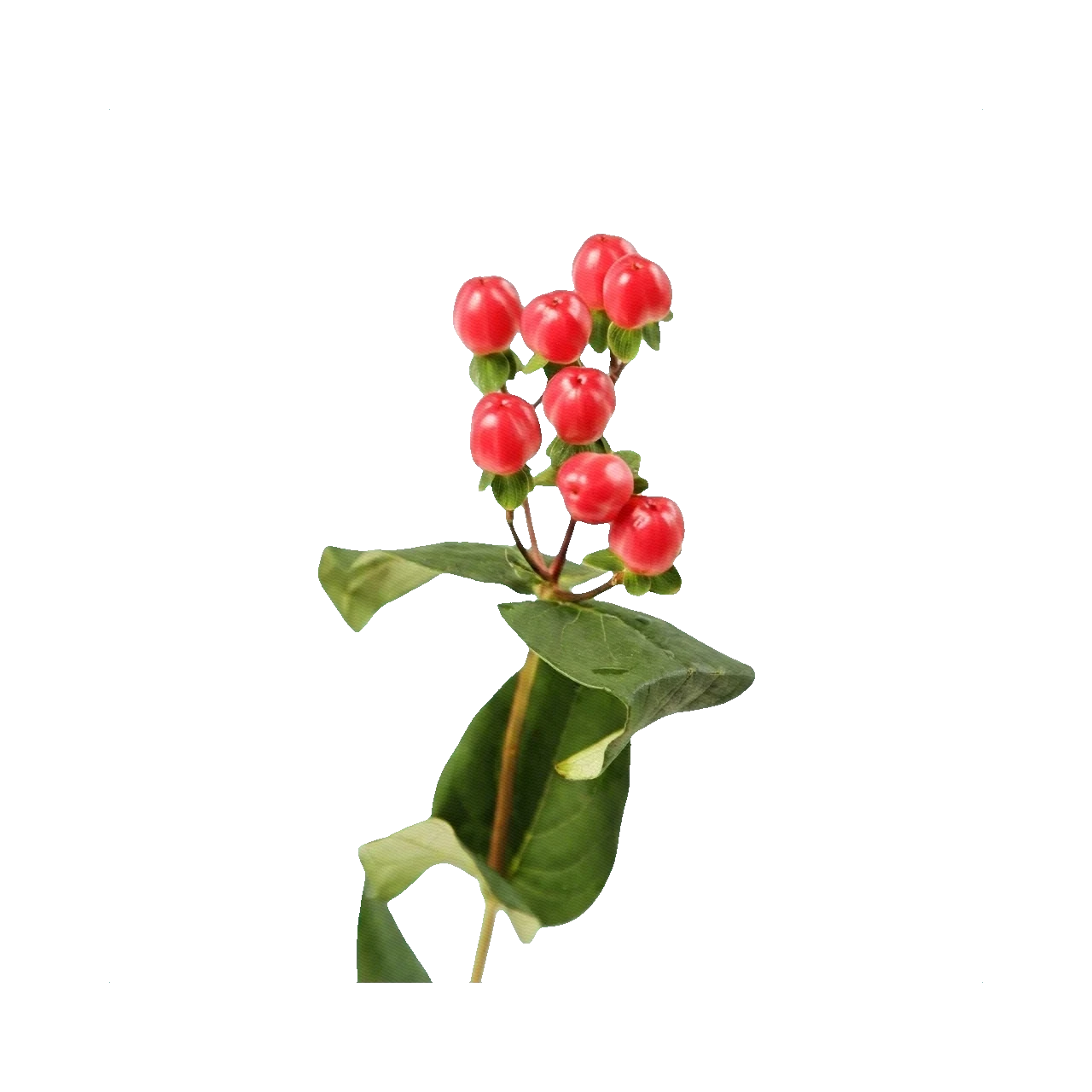
Hypericum Berry
Hypericum androsaemum
Hypericum, known for its glossy St John's wort berries, is a woody stem crowned with clusters of firm, jewel-like fruits in red, green, peach, cream and burgundy. Florists reach for it year-round as a long-lasting, textural filler that adds a pop of colour and a modern, structural note. The berries hold beautifully out of water for a short time, making them ideal for buttonholes, crowns and cascading designs. Sturdy and reliable, it is one of the hardest-working accents in the cooler.
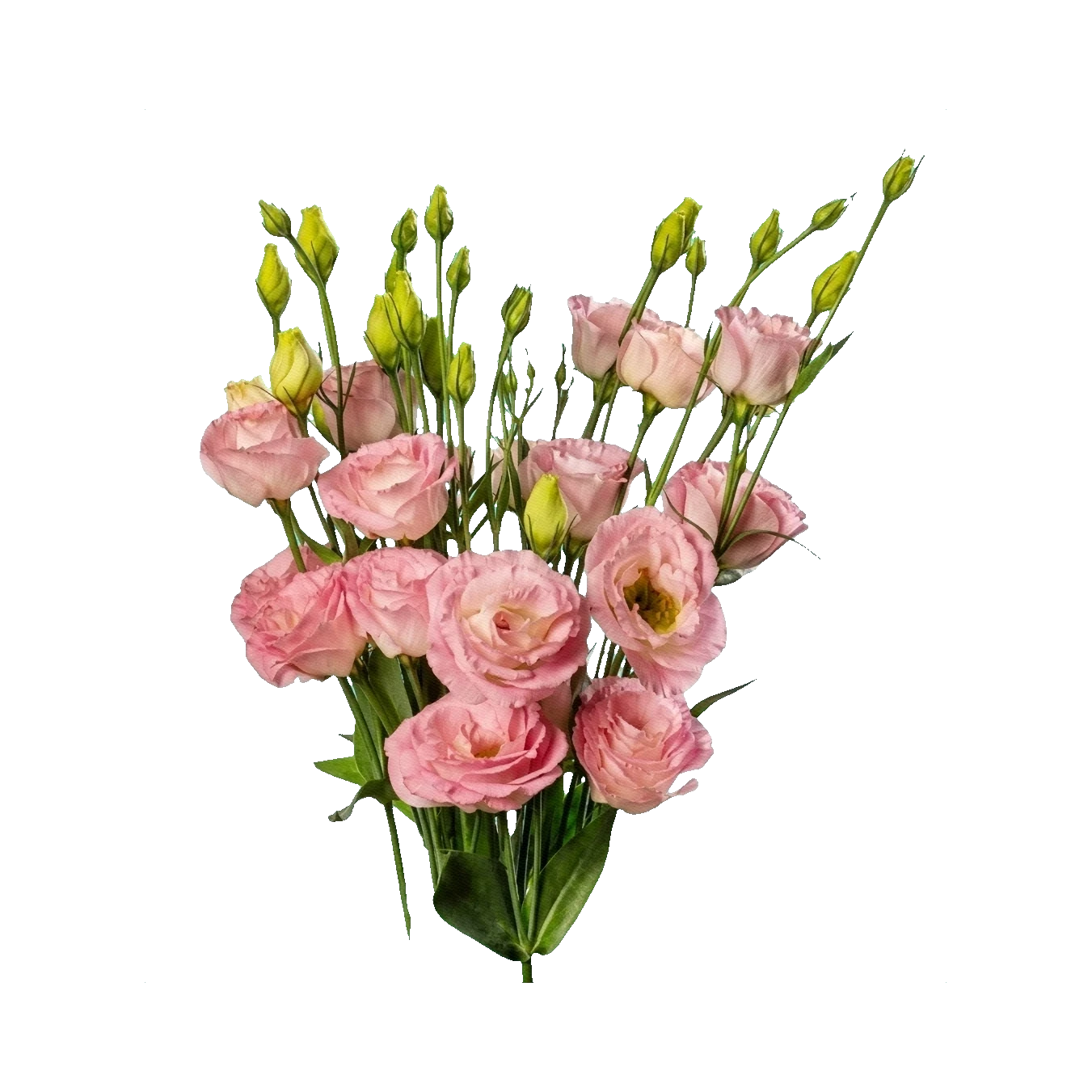
Lisianthus
Eustoma grandiflorum
Often mistaken for a small garden rose, the lisianthus offers a rose-like head with 30–50% longer vase life and better performance in heat. Japanese breeders have led lisianthus development — the picotee series (white edged in violet or pink) is a wedding staple. One stem carries 3–7 buds that open over 10 days.
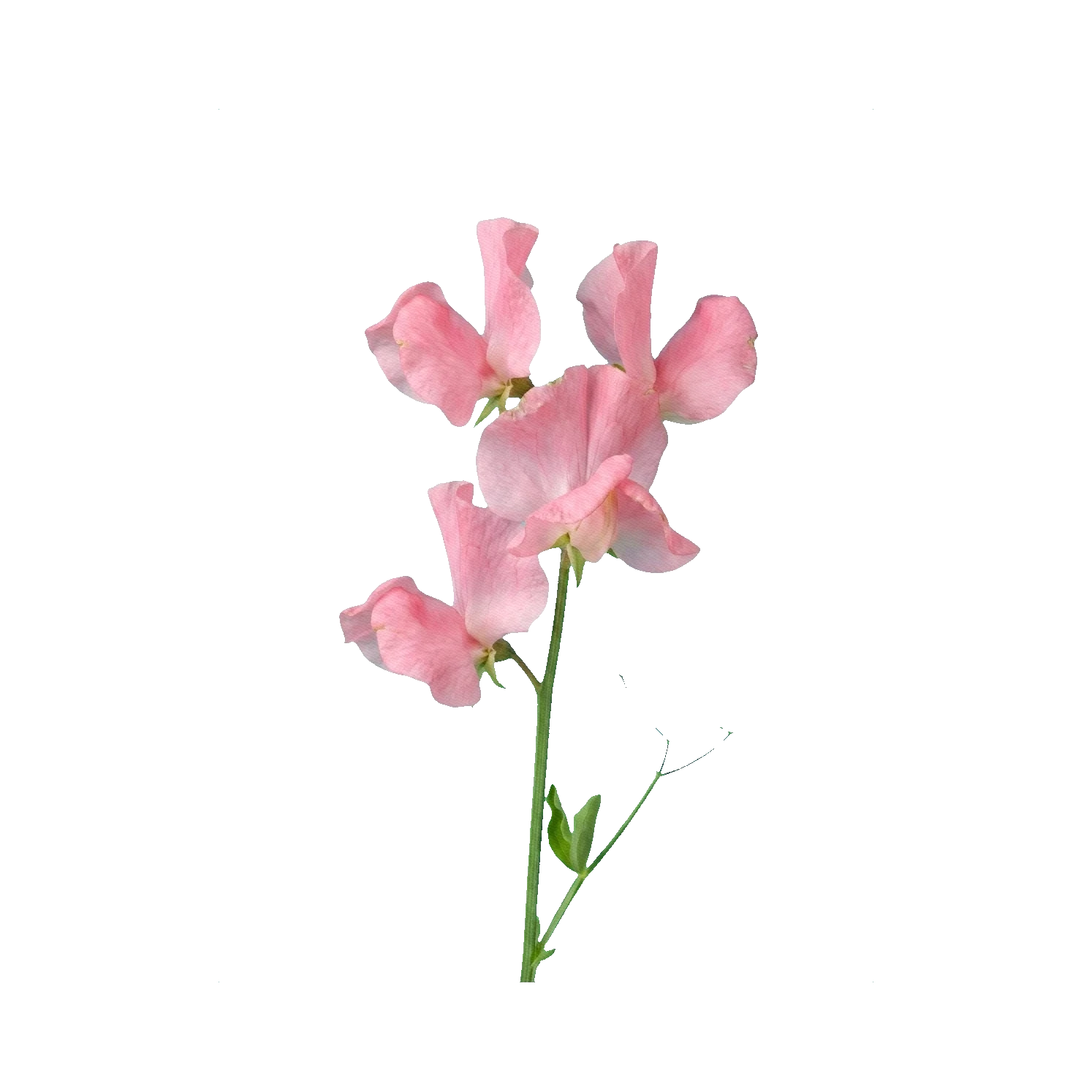
Sweet pea
Lathyrus odoratus
Sweet peas are the honey-scented, tissue-paper flower of spring — beloved by wedding florists but unforgiving in vase life. The Winter Sunshine series (Japanese-bred) reaches 50 cm stems and lasts up to 5 days; classic garden sweet peas last barely 3. Both are worth the trouble for the fragrance alone.
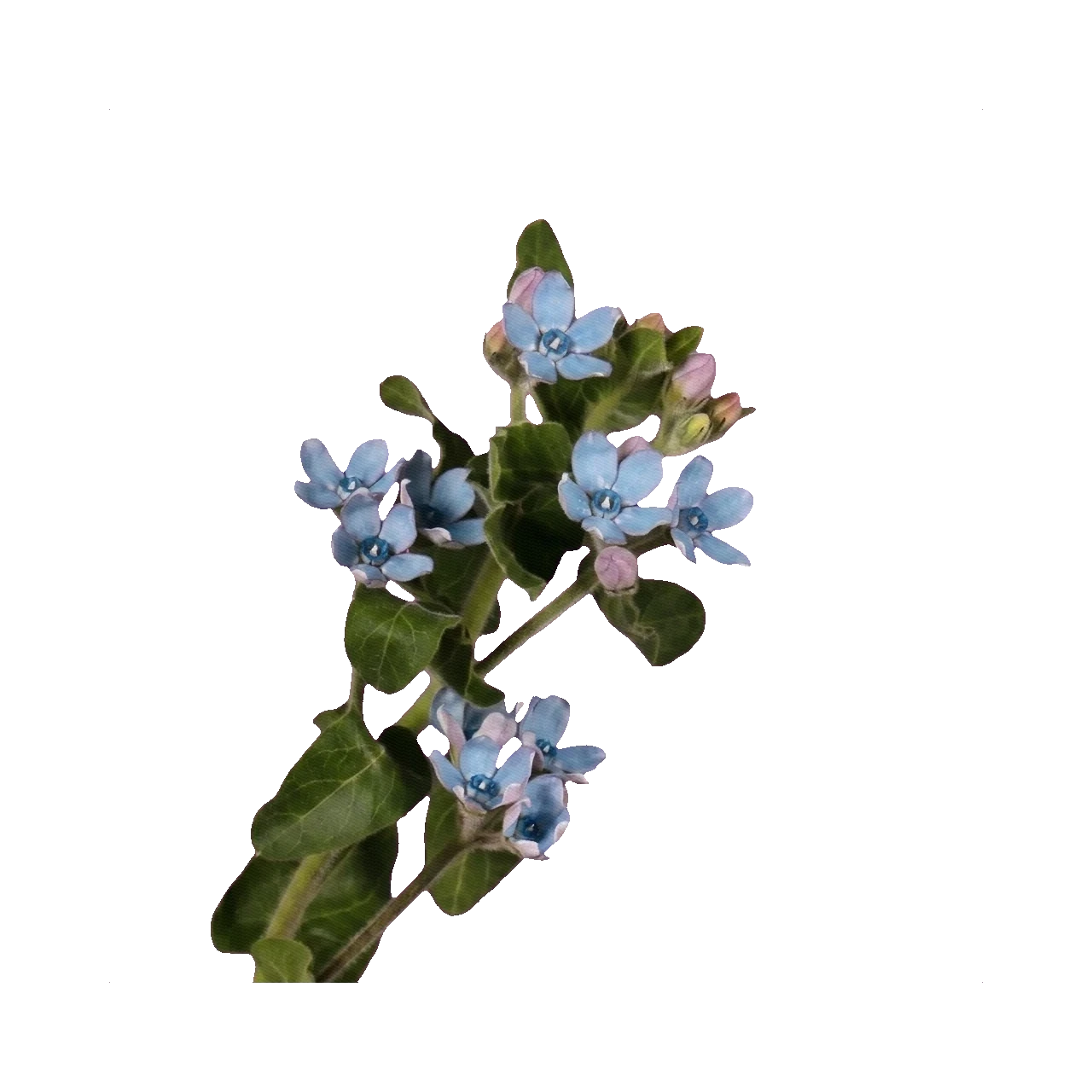
Tweedia
Tweedia caerulea
Tweedia is a tender, semi-climbing perennial usually grown as an annual, treasured for its rare, powdery sky-blue star-shaped flowers that mature to soft lavender. It is one of the most sought-after true-blue flowers for weddings, especially bridal bouquets and boutonnieres, where a touch of genuine blue is wanted. The stems exude a milky sap when cut and need searing before use. Its clusters of five-pointed stars add a delicate, romantic and slightly whimsical note.
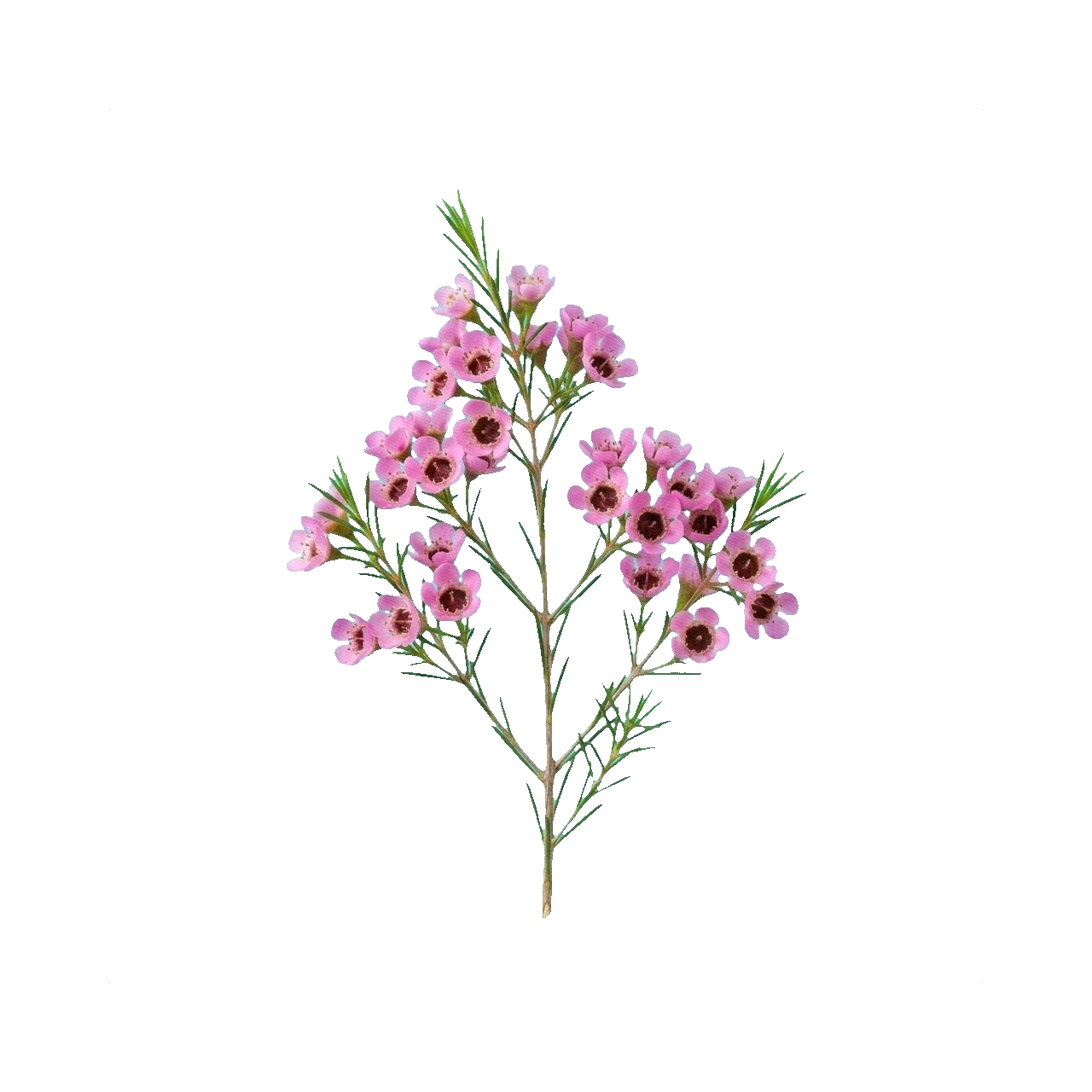
Waxflower
Chamelaucium uncinatum
Waxflower is Australia's contribution to global wedding floristry — dozens of tiny florets per stem, weeks of vase life, and a subtle citrus scent. Splits into many usable side stems, making a single bunch cover multiple boutonnieres. A rare filler that lasts longer than the focal flowers it supports.
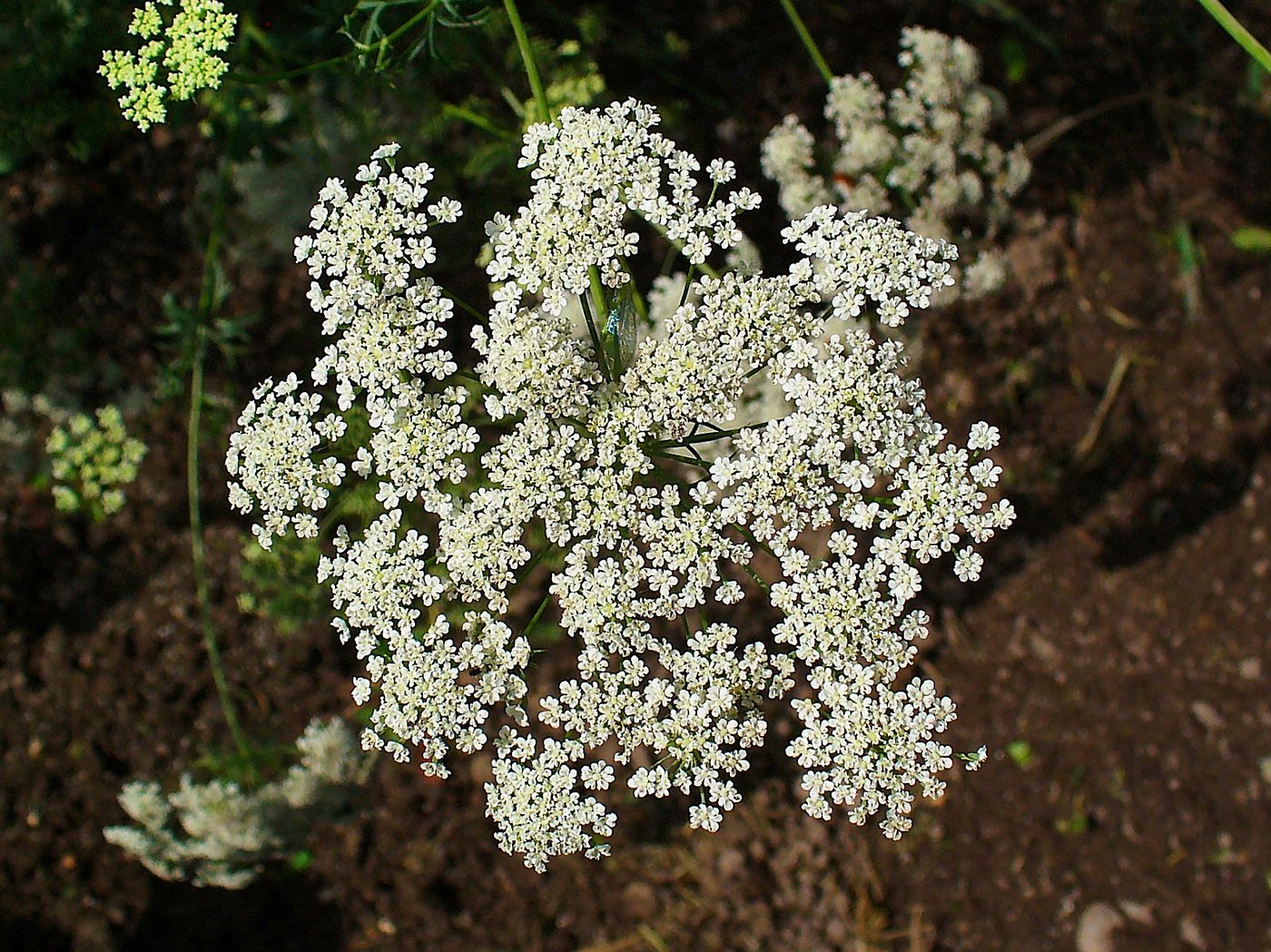
Ammi
Ammi majus
Ammi — often marketed as Queen Anne's lace — provides the airy, lacy white umbrellas that define modern cottage-garden wedding work. One stem breaks into 5–10 usable side stems, giving strong coverage. Sensitive individuals may develop skin irritation from handling; wear gloves at conditioning.
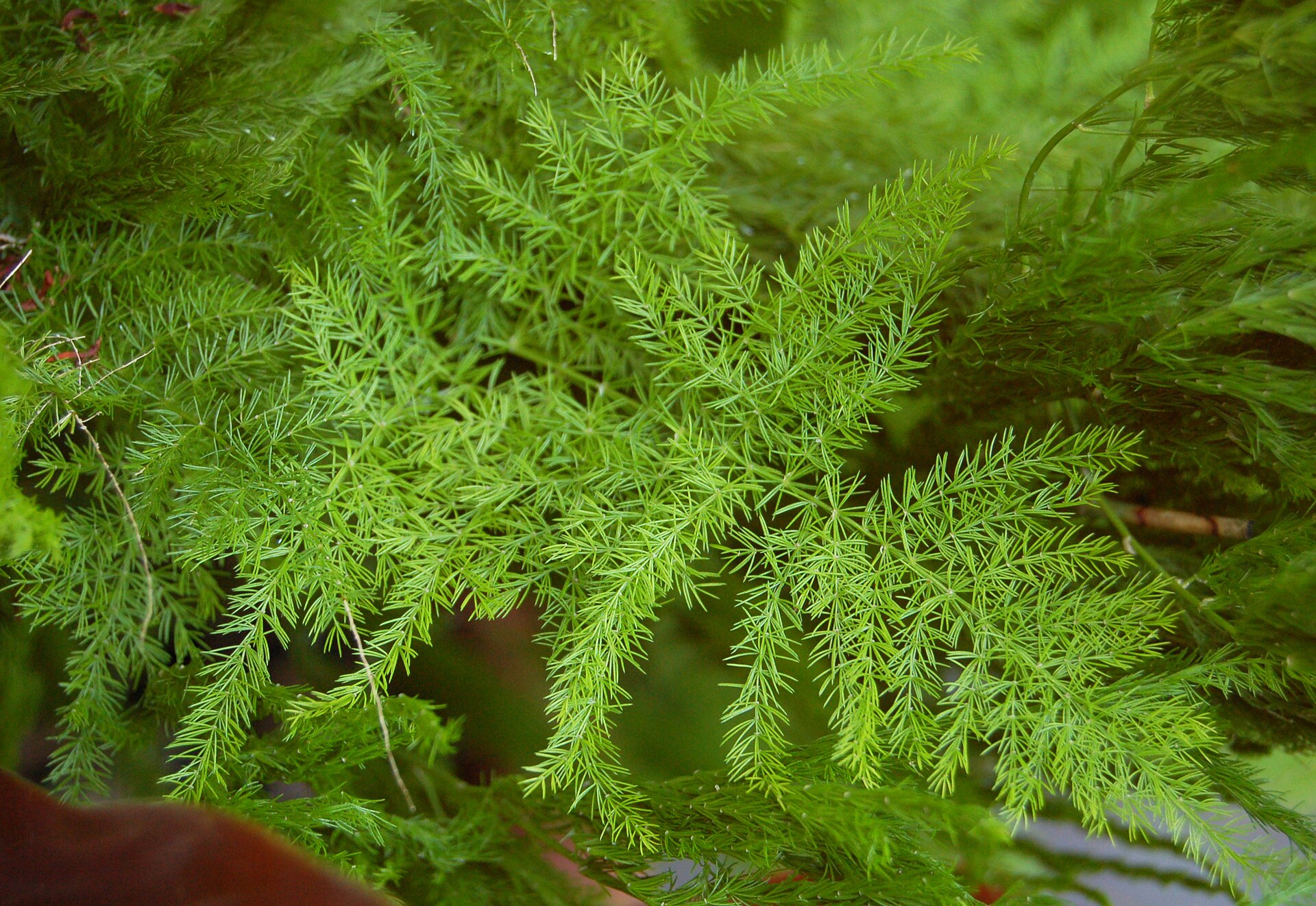
Asparagus Fern
Asparagus setaceus
Asparagus fern (Asparagus setaceus) is not a true fern at all but a member of the asparagus family, valued for its feathery, lace-like sprays of fine green needles. It brings soft, cloud-like texture and a delicate, airy elegance to bouquets and boutonnieres. The flat, horizontal fronds add width and a romantic, old-fashioned softness. It is affordable and widely available, though more perishable than tougher greens, so it is best used fresh.
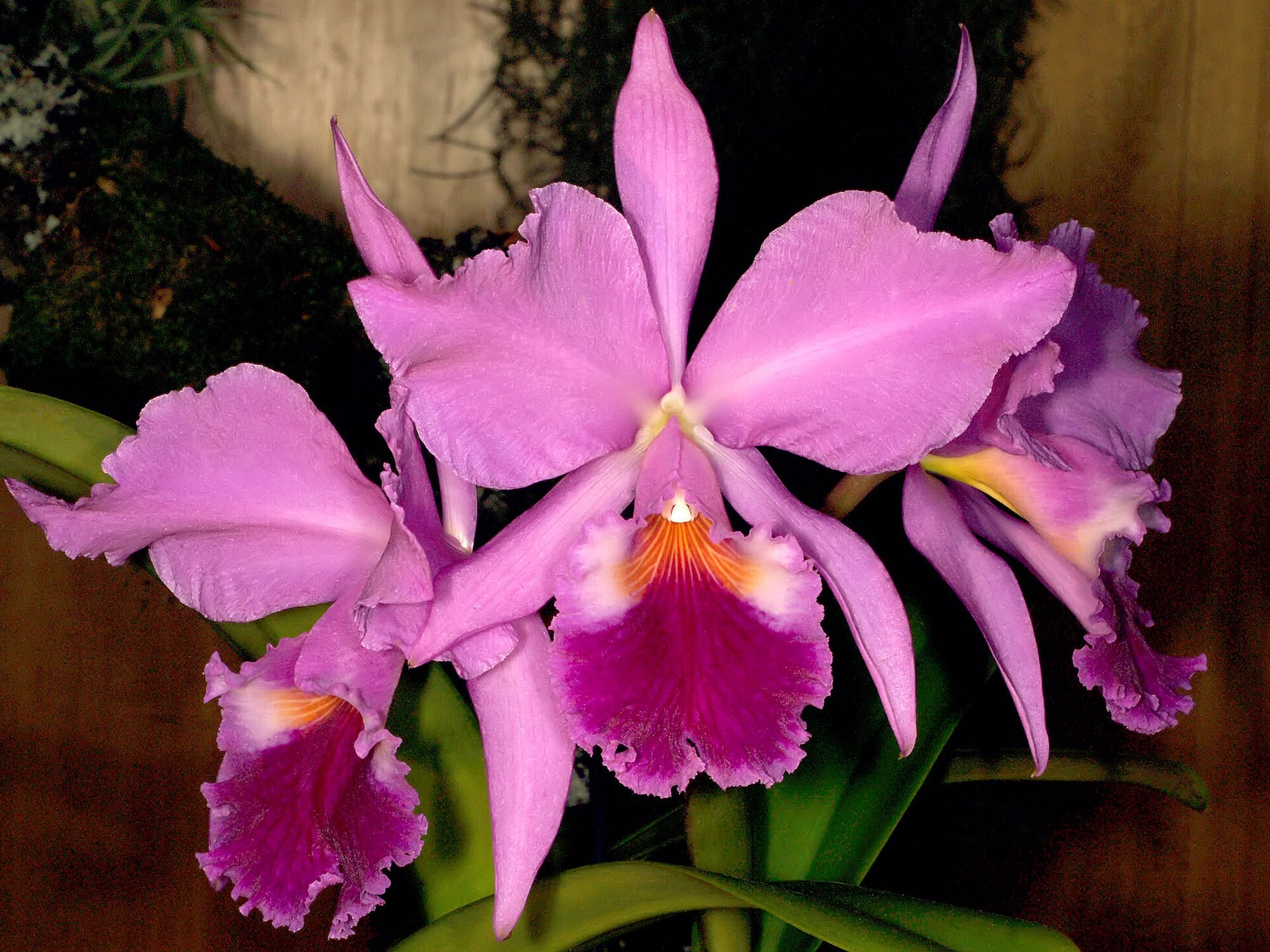
Cattleya Orchid
Cattleya
Cattleya is the classic 'corsage orchid' — large, ruffled and richly fragrant, with a flamboyant frilled lip that made it the emblem of old-fashioned glamour. Blooms come in lavender, white, pink, coral and yellow, often with a contrasting throat, and their heady perfume sets them apart from most orchids. More delicate and shorter-lived than dendrobium or vanda, cattleya is used where it can be shown off: corsages, boutonnieres and luxury focal work. It remains a traditional Mother's Day flower and a byword for refined, showy beauty.
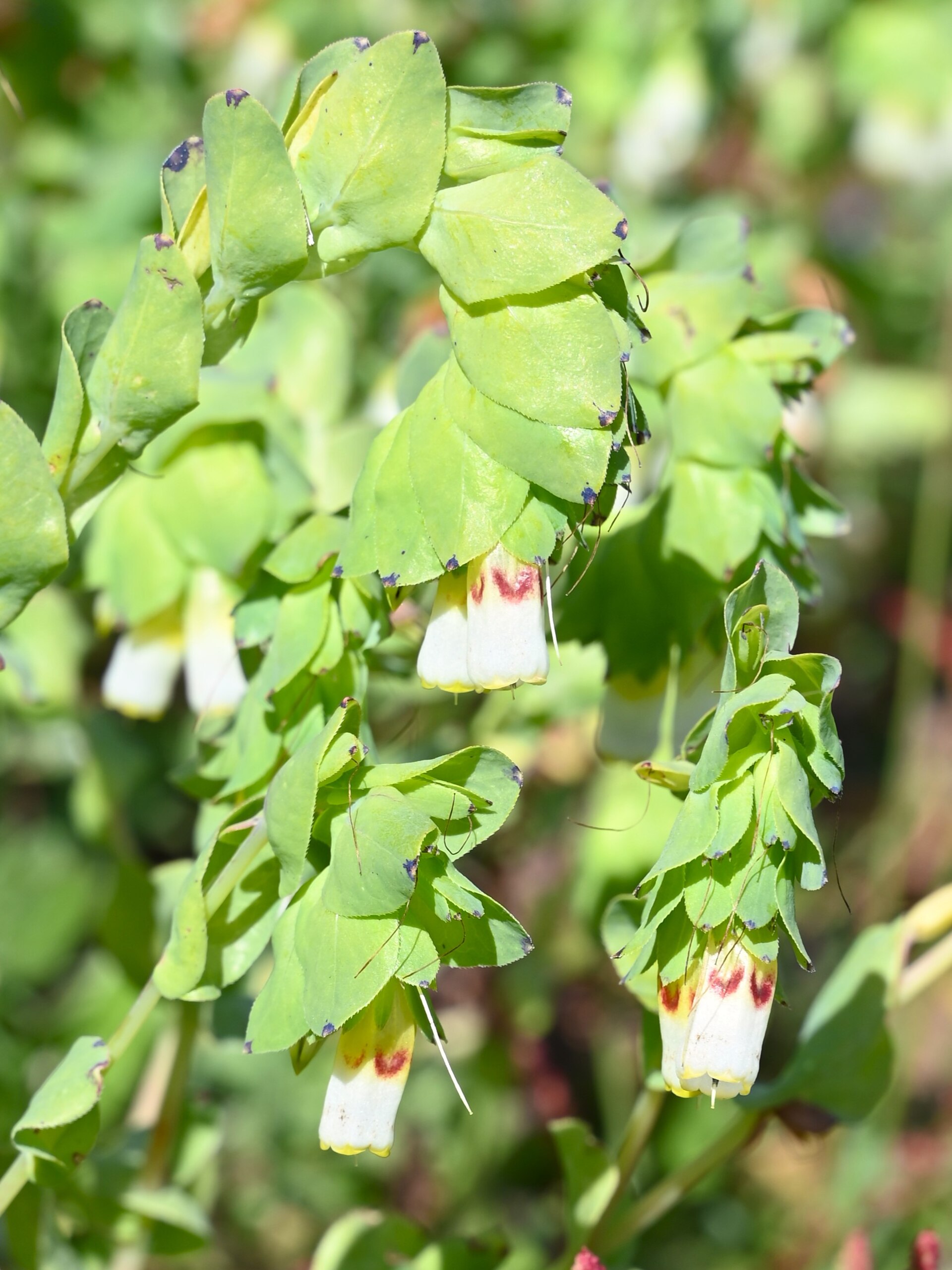
Cerinthe
Cerinthe major
Cerinthe, or honeywort, is an unusual member of the borage family grown for its glaucous blue-green foliage and nodding, deep purple-blue bracts that shade toward gunmetal at the tips. Florists reach for it when a bouquet needs a moody, painterly accent and a colour that bridges blue, teal and green. Its arching stems add graceful movement to garden-style and editorial designs. It is a designer's curiosity rather than a mass flower, and best enjoyed while freshly cut.
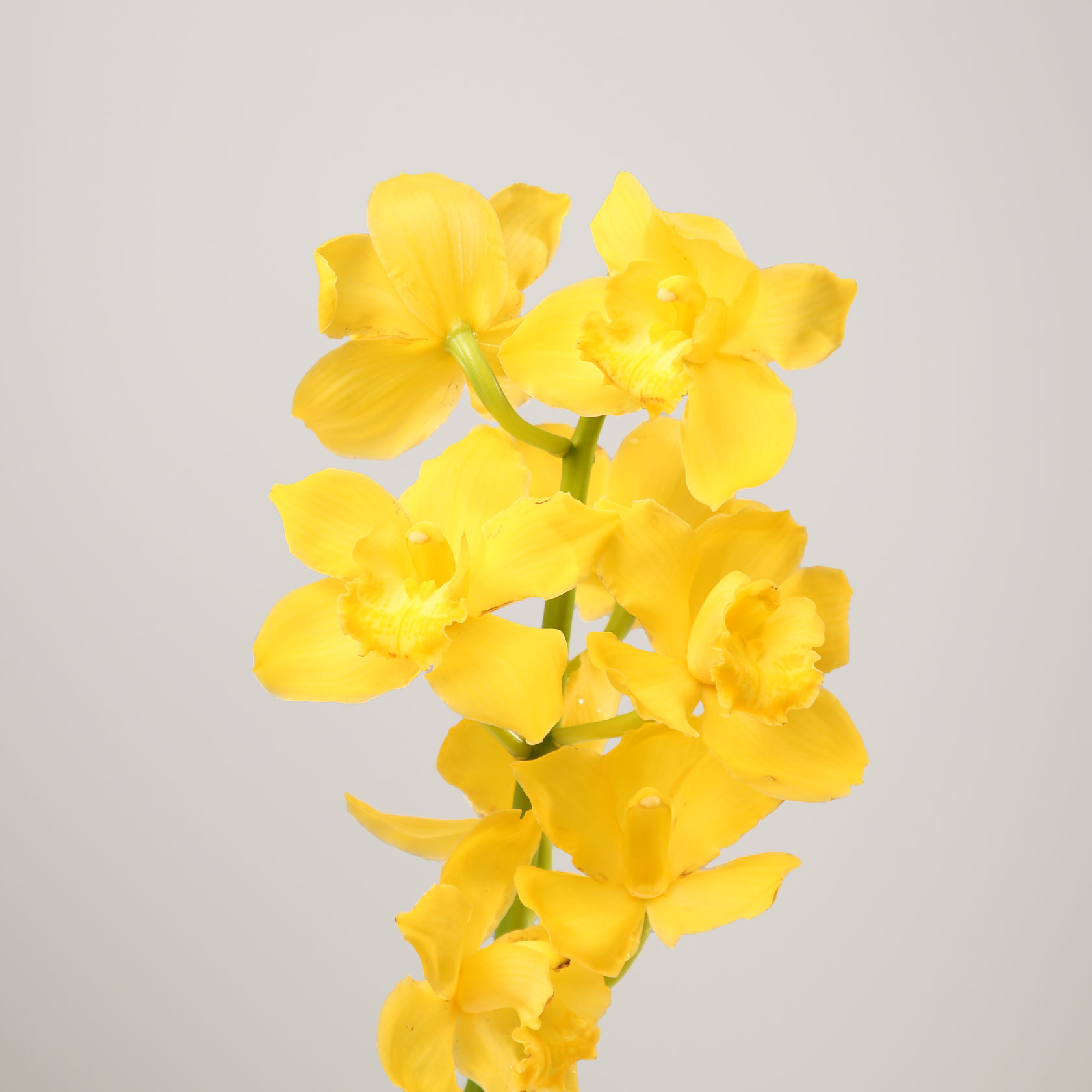
Cymbidium orchid
Cymbidium
The cymbidium is the winter orchid — a single stem carries 8–15 florets that last a full month once cut. Green cymbidiums with a burgundy lip are the editorial designer's favourite. Each floret can be broken off and wired for corsage or cake decoration, extending the value of a single stem across a whole event.
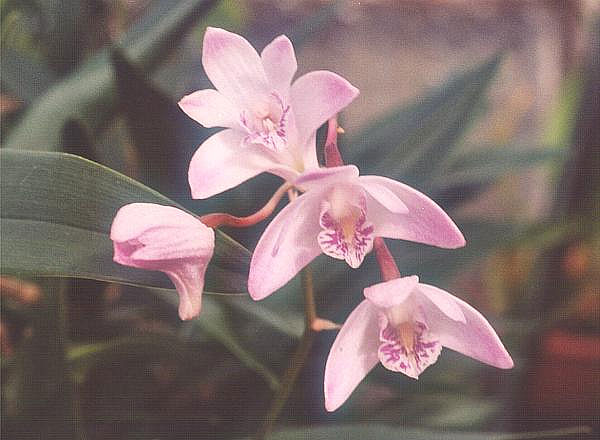
Dendrobium Orchid
Dendrobium
Dendrobium is one of the largest orchid genera, and its long, arching sprays of waxy florets are a florist staple grown year-round in Southeast Asia. Prized for exceptional vase life and a clean, architectural line, each stem carries anywhere from a handful to a dozen blooms in white, purple, pink, green and lime. Florists reach for it in bridal work, corsages and tropical designs, while single florets are ideal for cake work and boutonnieres. Sturdy yet elegant, it delivers exotic polish at a friendlier price than most orchids.
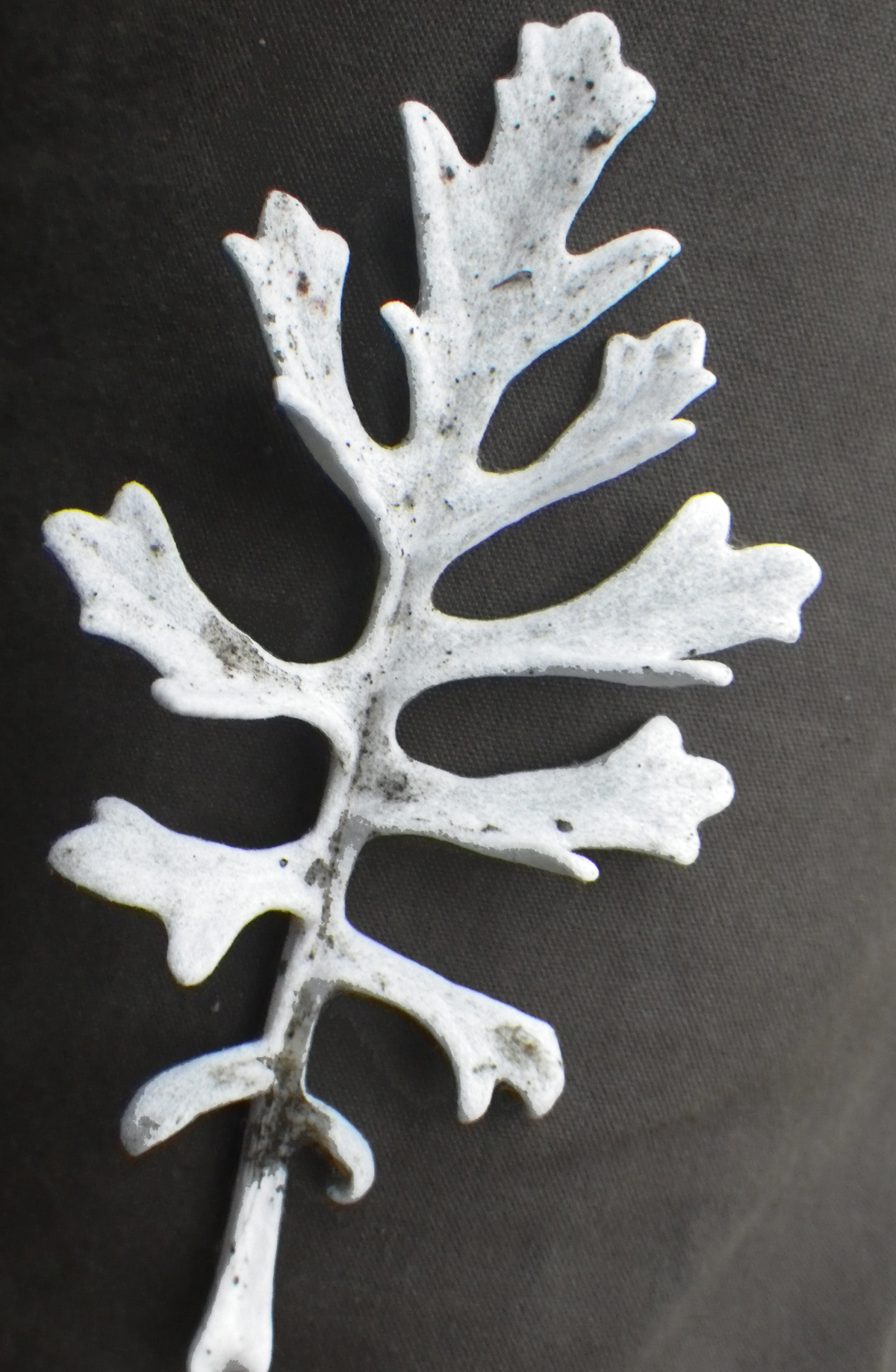
Dusty Miller
Jacobaea maritima
Dusty Miller is grown for its soft, deeply lobed leaves coated in fine silvery-white felt, a cool foil for almost any flower. Florists use it as a delicate silver foliage that brightens bouquets, boutonnieres and winter or wedding work. The felted surface gives a velvety, moonlit quality that pairs especially well with whites, blush and muted tones. Though its stems are shorter and softer than woody greenery, it lasts well when kept dry and cool.
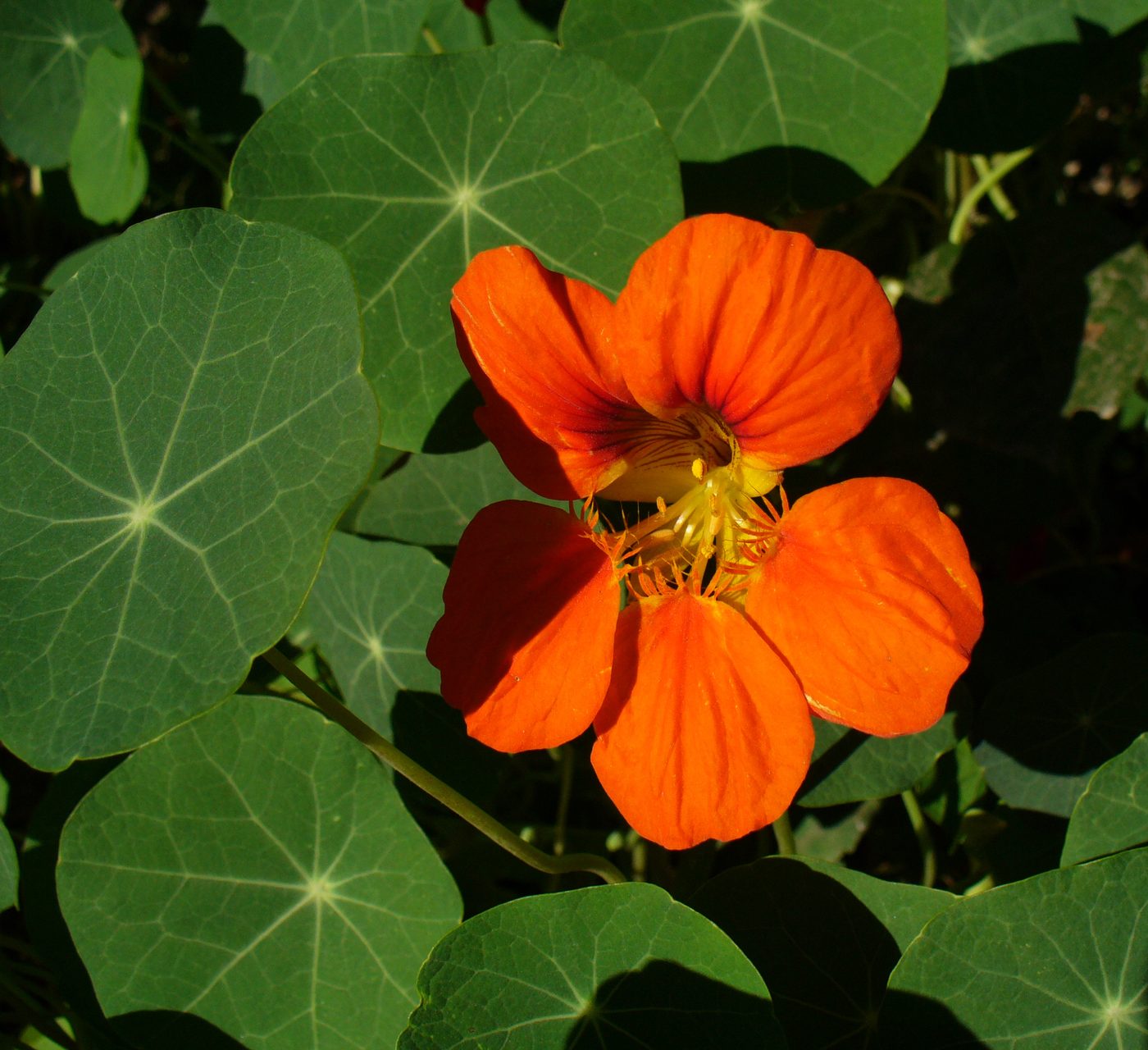
Garden nasturtium
Tropaeolum majus
Nasturtium is the vining, edible flower of the garden-to-cake movement — peppery petals used in salads and on wedding cakes, round shield-leaves as textural interest, trailing stems that cascade over bouquet edges. Fragile and hyper-seasonal; buy from local farms during summer only.
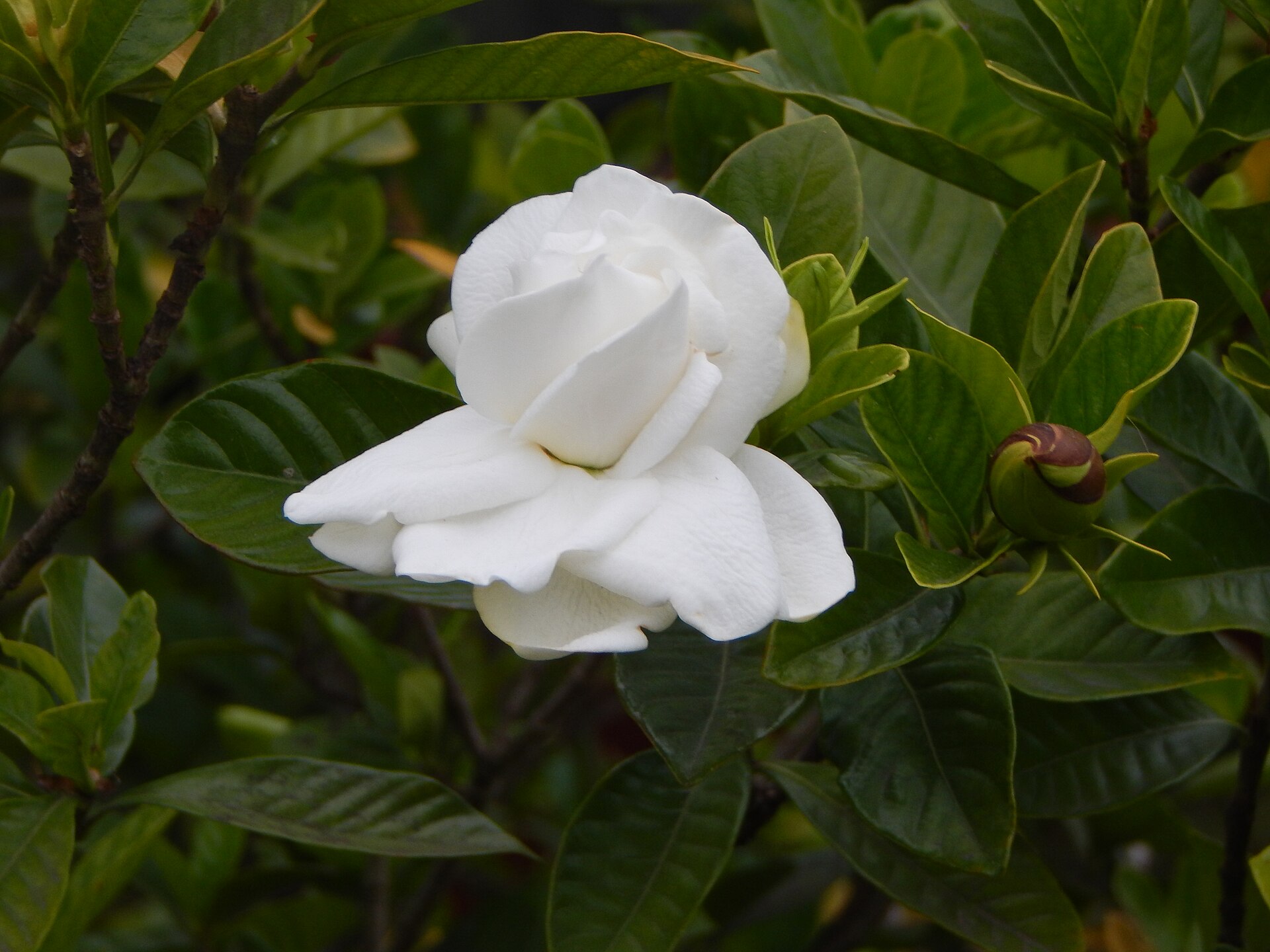
Gardenia
Gardenia jasminoides
Gardenia is a glossy-leaved evergreen shrub prized for its ivory, rose-form blooms and one of the richest fragrances in floristry. Its creamy, tightly furled petals bruise to brown at the lightest touch, so it is reserved for high-end work where its perfume and elegance justify the care. Florists use single blooms in corsages, boutonnieres and bridal bouquets, often wired and backed with the plant's own dark foliage. Nothing else delivers the same heady scent and jewel-like white form.
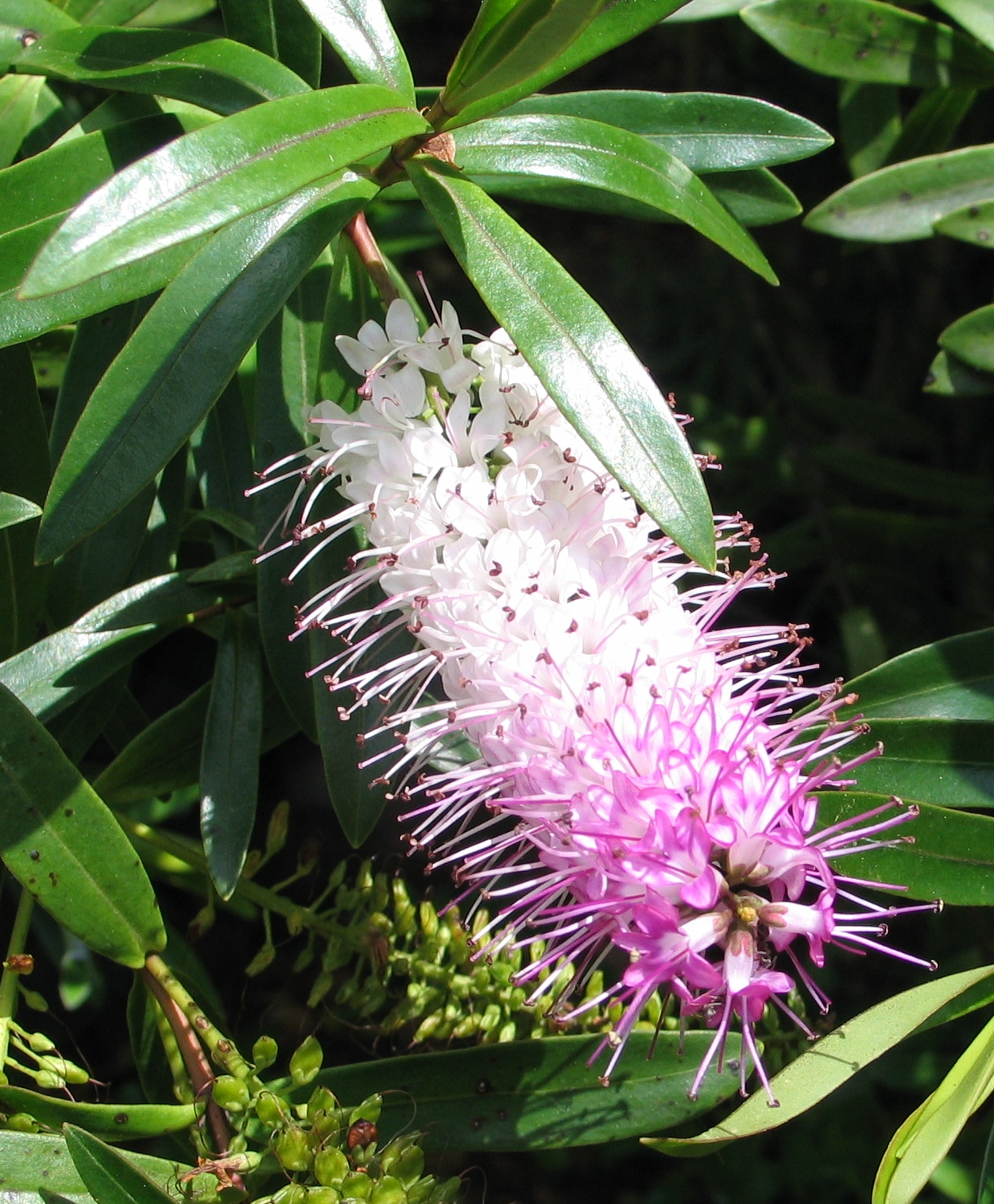
Hebe
Hebe speciosa
Hebe is a compact evergreen shrub, once classed within Veronica, prized for its tidy rosettes of small, symmetrical leaves. Green and variegated forms alike bring a clean, structured texture to bouquets and buttonholes, while flowering stems add slender spikes of purple or white. Its uniform, architectural growth makes it an easy, reliable filler that holds shape without dominating a design. Florists reach for hebe when they want neat, modern greenery with year-round availability.
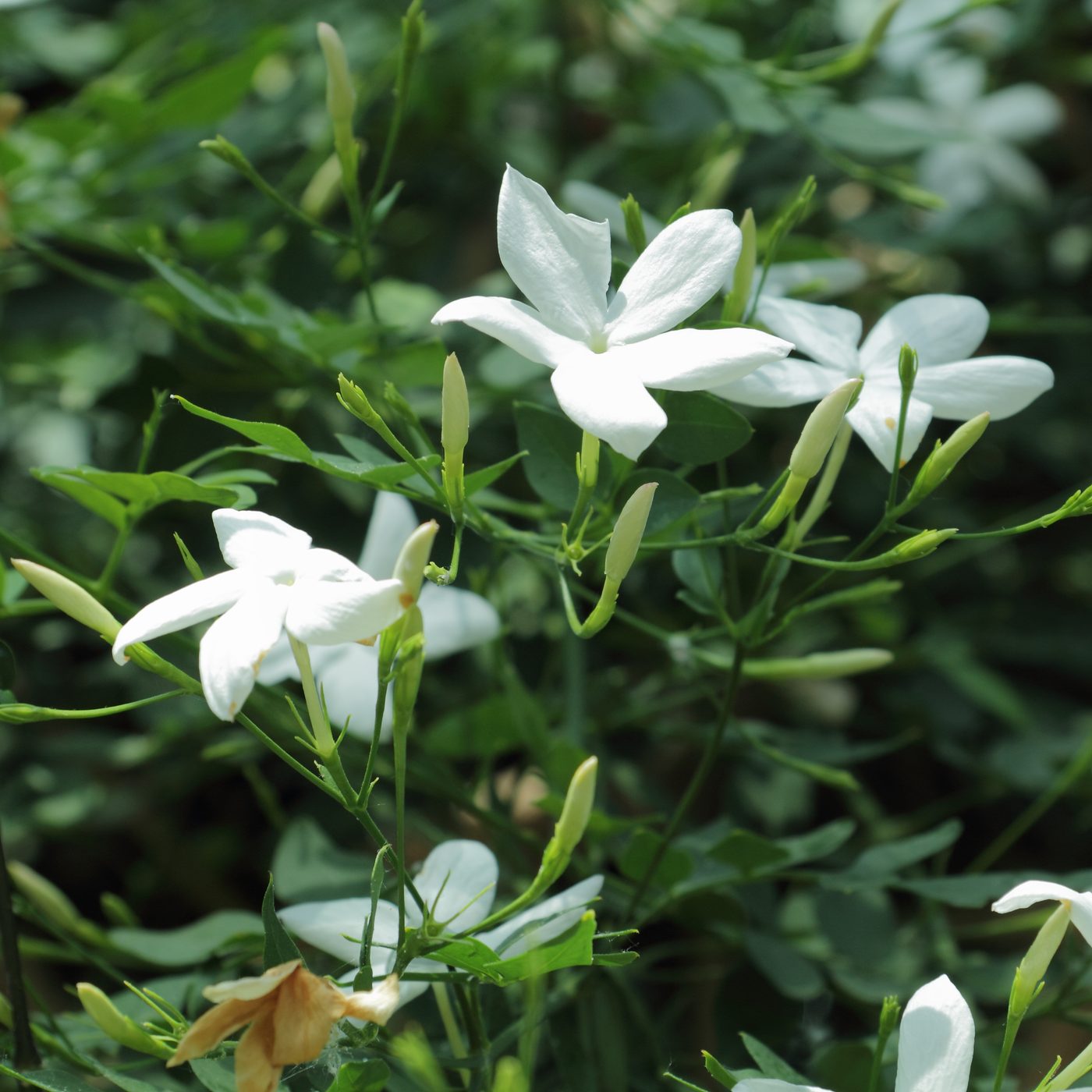
Jasmine
Jasminum
Jasmine's fragrance is one of the most powerful in the flower world — a single sprig can perfume a room. Vining stems are used extensively in Indian and Arabic bridal traditions, threaded into hair and worn around wrists. Short vase life (3–5 days) makes it strictly an event-day flower; plan accordingly.
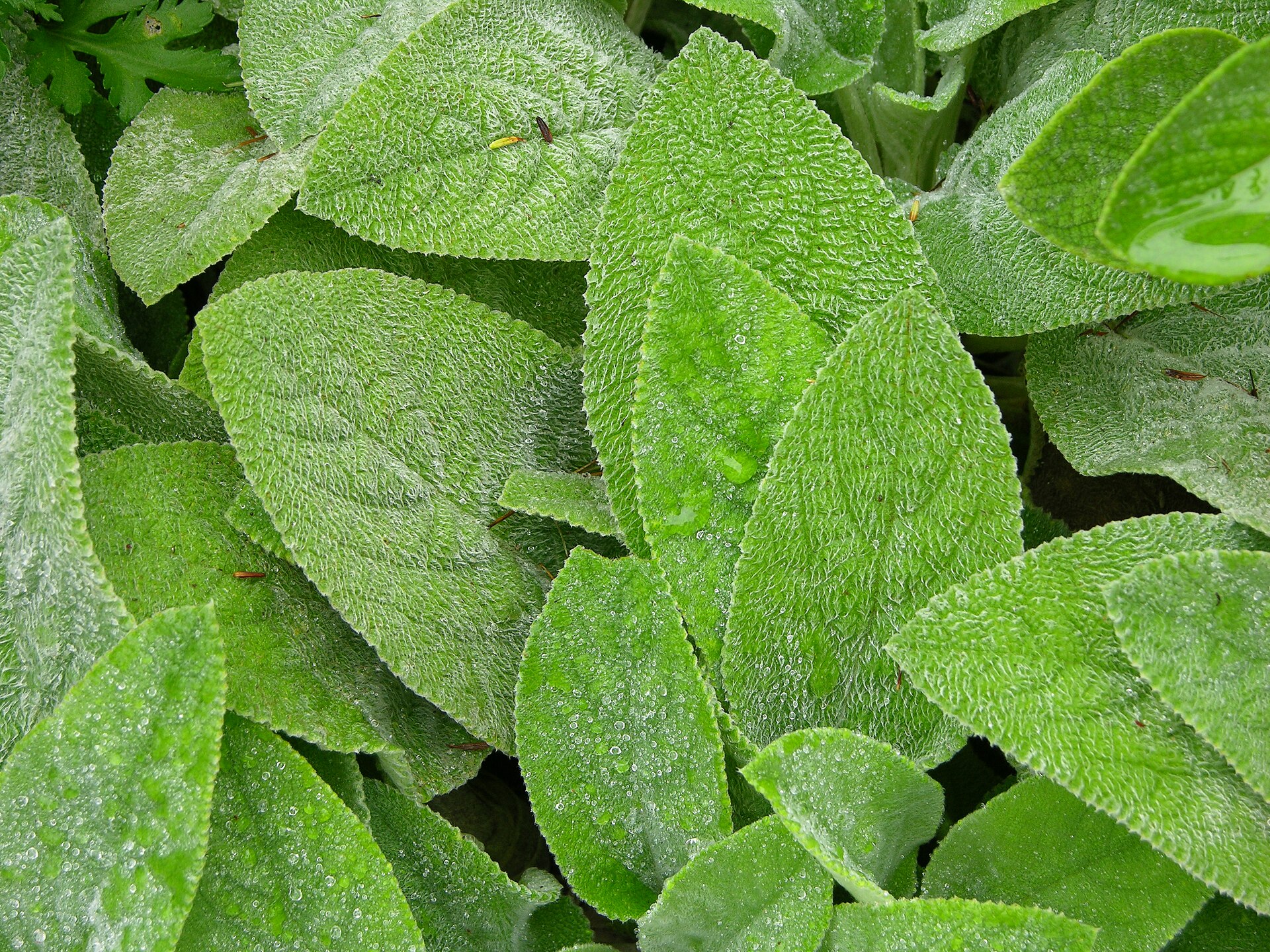
Lamb's Ear
Stachys byzantina
Lamb's ear (Stachys byzantina) is grown for its soft, silvery, velvet-textured leaves that beg to be touched. The pale, woolly foliage adds a tactile, romantic softness and a cool silver tone that flatters pastel palettes. Florists use single leaves to cuff bouquets, wrap boutonnieres or add whisper-soft texture to garden-style designs. It is delicate and short-lived out of water, so it is best used fresh and handled with care.
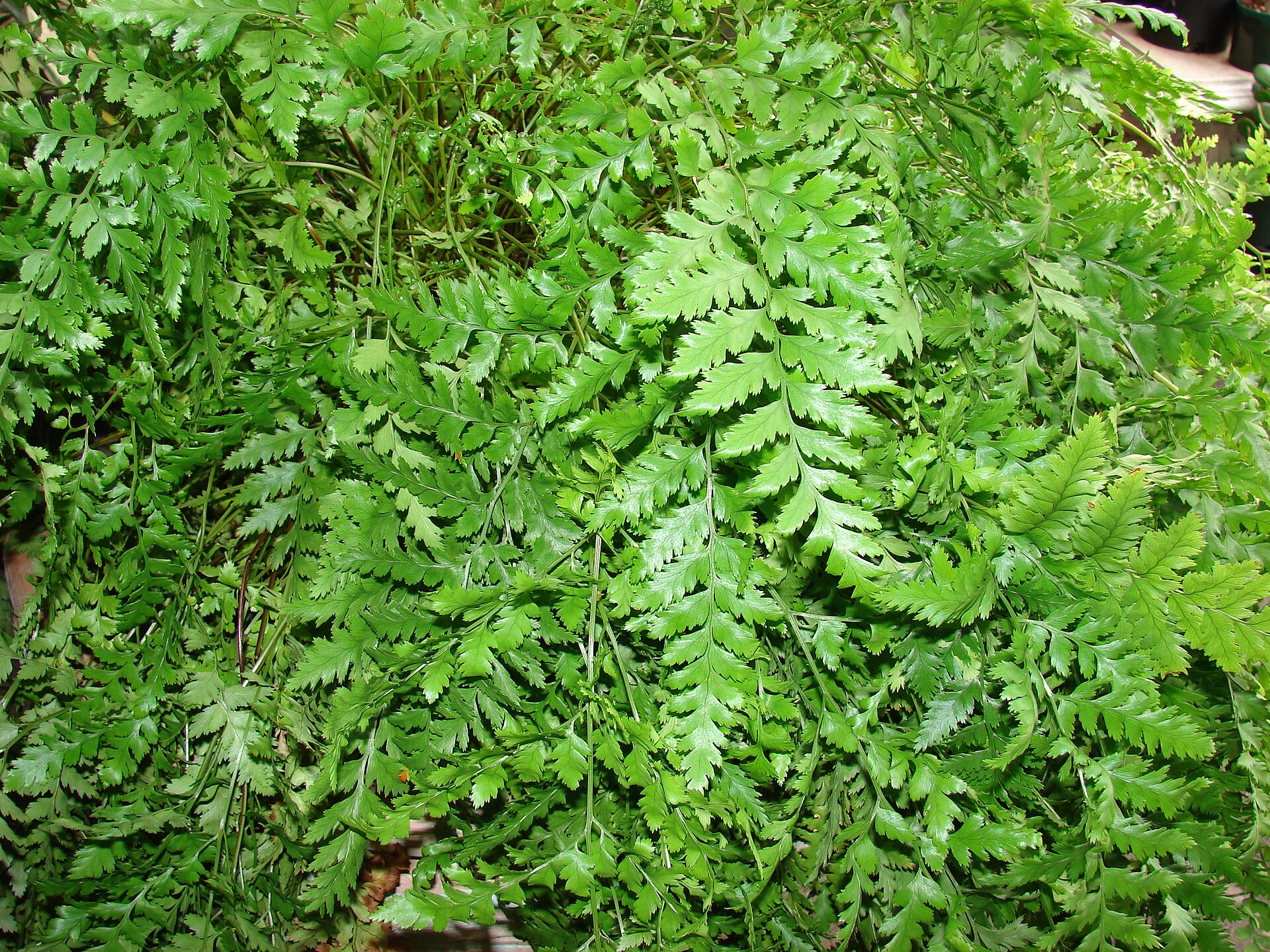
Leatherleaf Fern
Rumohra adiantiformis
Leatherleaf fern (Rumohra adiantiformis) is the florist's default fern — a tough, triangular frond with a firm, almost plasticky texture that holds up far better than most ferns out of water. Deep glossy green and finely divided, it adds airy depth and a woodland feel without wilting. It is grown commercially on a huge scale and is one of the cheapest, most available cut greens worldwide. Florists use it to back corsages, line hand-tied bouquets and soften funeral and everyday designs.
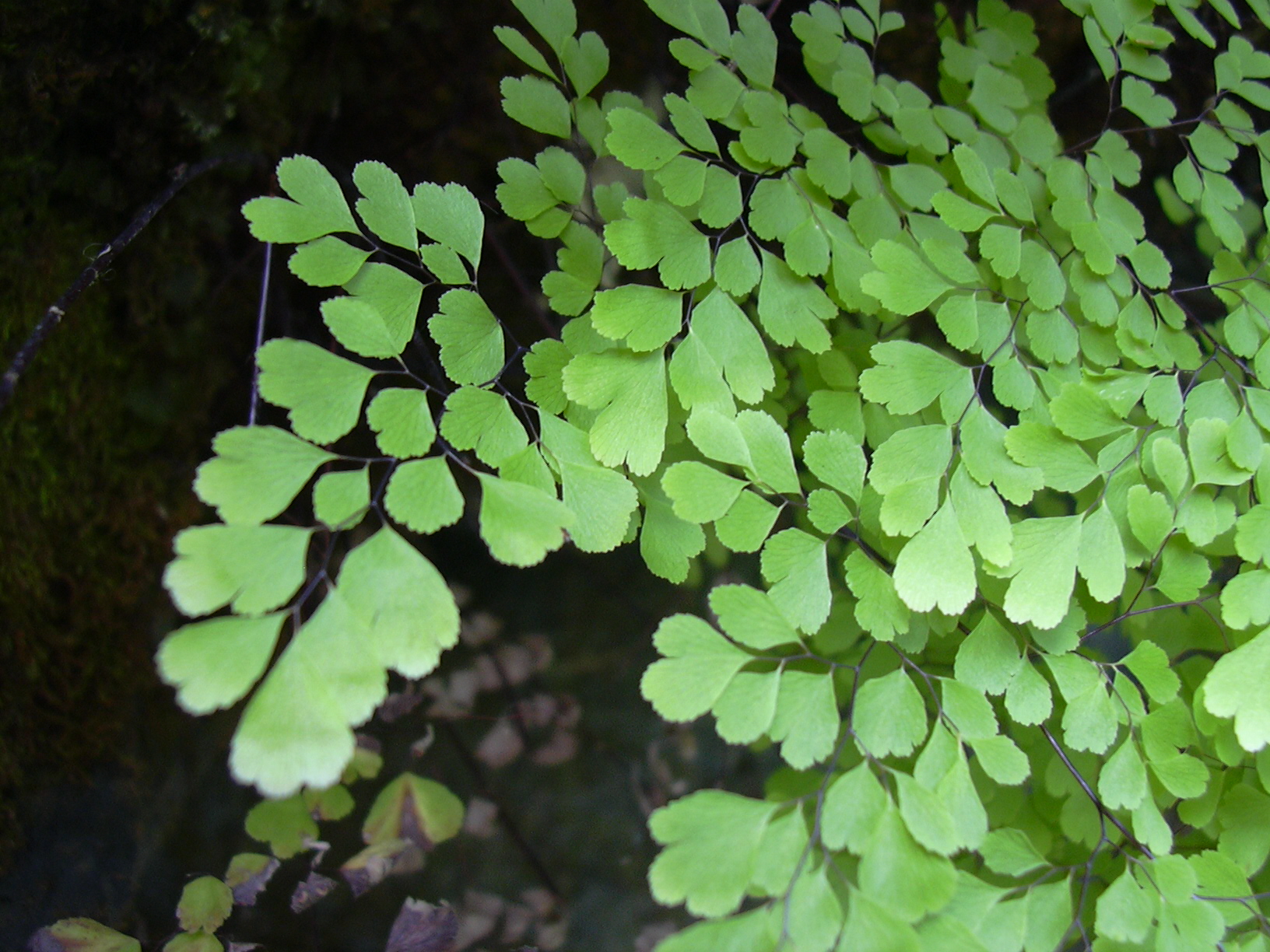
Maidenhair Fern
Adiantum raddianum
Maidenhair fern is a delicate foliage of fan-shaped, papery leaflets held on fine, wiry black stems. Its airy, cascading fronds bring softness and movement unmatched by any other green, making it a coveted accent in luxury and bridal work. It is, however, notoriously thirsty and short-lived once cut, demanding careful handling. Florists reserve it for pieces where its ethereal, romantic texture will be seen and appreciated quickly.
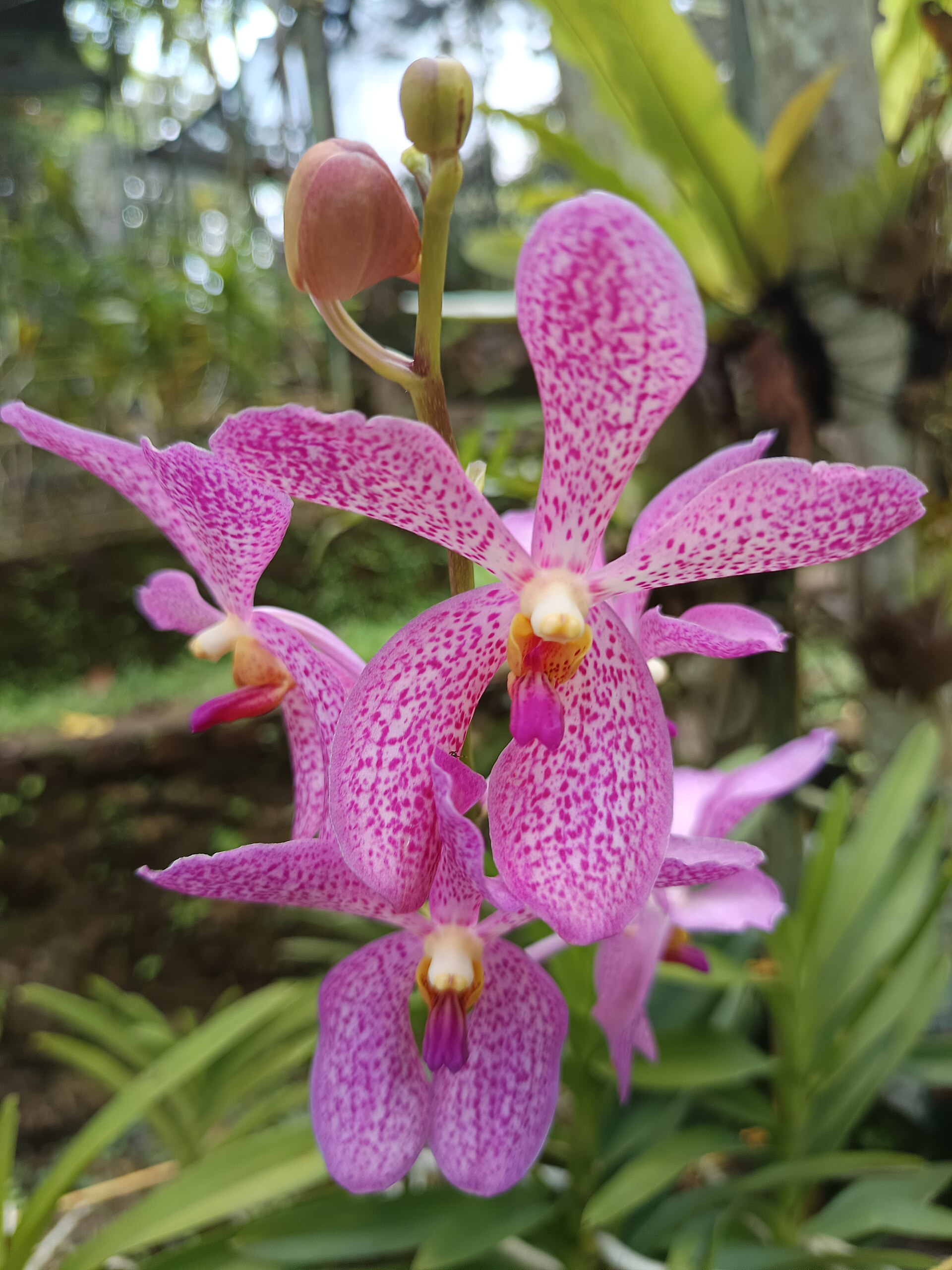
Mokara Orchid
Mokara (Arachnis × Ascocentrum × Vanda)
Mokara is a vibrant, single-flowered spray orchid bred from Arachnis, Ascocentrum and Vanda, giving it saturated colour and a flat, open face on a slender upright stem. Cultivated year-round in Southeast Asia, it is a florist staple for adding jewel-toned tropical punch to bouquets, buttonholes and event work. Each stem carries several evenly spaced blooms that last well out of water, making it a favourite for corsages and boutonnieres. Its clean geometry and long vase life earn it a place in both modern and tropical designs.
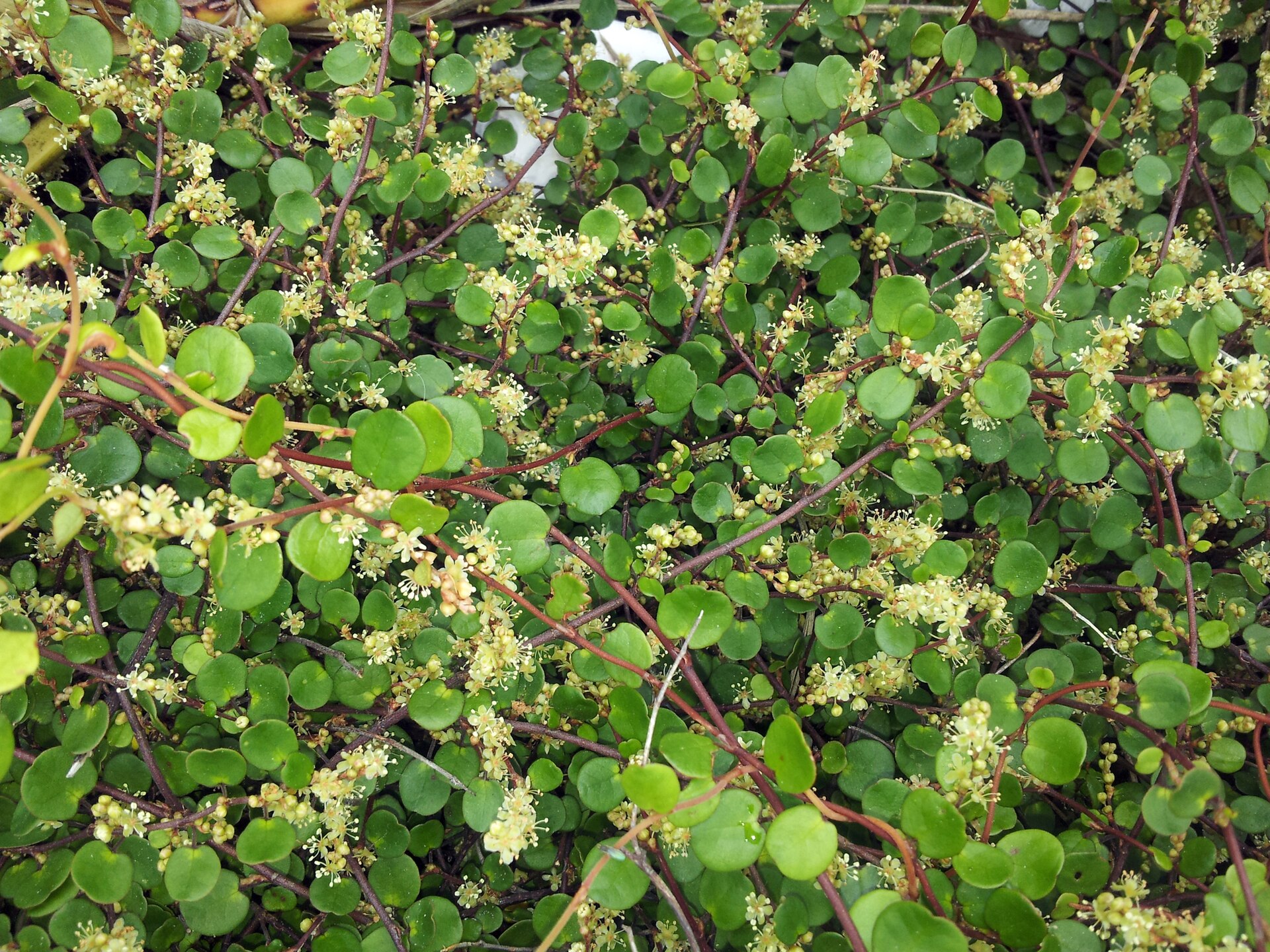
Muehlenbeckia
Muehlenbeckia complexa
Muehlenbeckia, often sold as wire vine or angel vine, is a New Zealand climber with fine, dark, wiry stems set with tiny round leaves. Its delicate, tangling texture makes it a favourite for wiring into crowns, garlands and intricate installations. It is durable, forgiving to handle and dries well, so it earns its place year-round. Florists reach for it whenever they want a light, airy green line with movement.
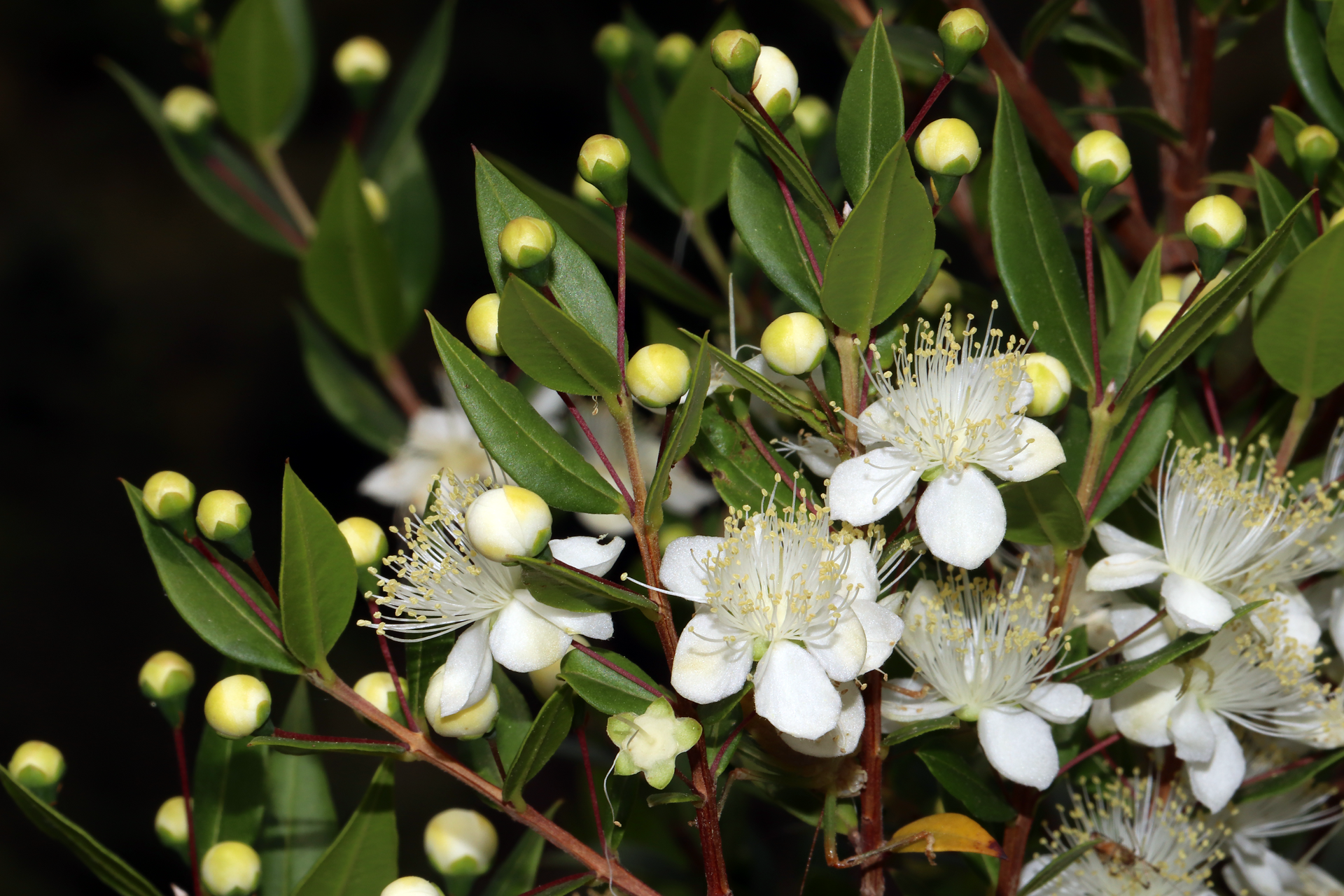
Myrtle
Myrtus communis
Myrtle is a small-leaved evergreen shrub whose glossy, aromatic foliage has scented bridal work for centuries. Its dense, fine texture makes it a favourite for bouquet edging, boutonnieres and delicate garland detail, and a sprig is traditionally woven into royal wedding bouquets. Crushed leaves release a clean, herbal fragrance, and mature stems may carry tiny white flowers or dark blue-black berries. Florists value it for its neat form, symbolism of love and long history in ceremonial design.
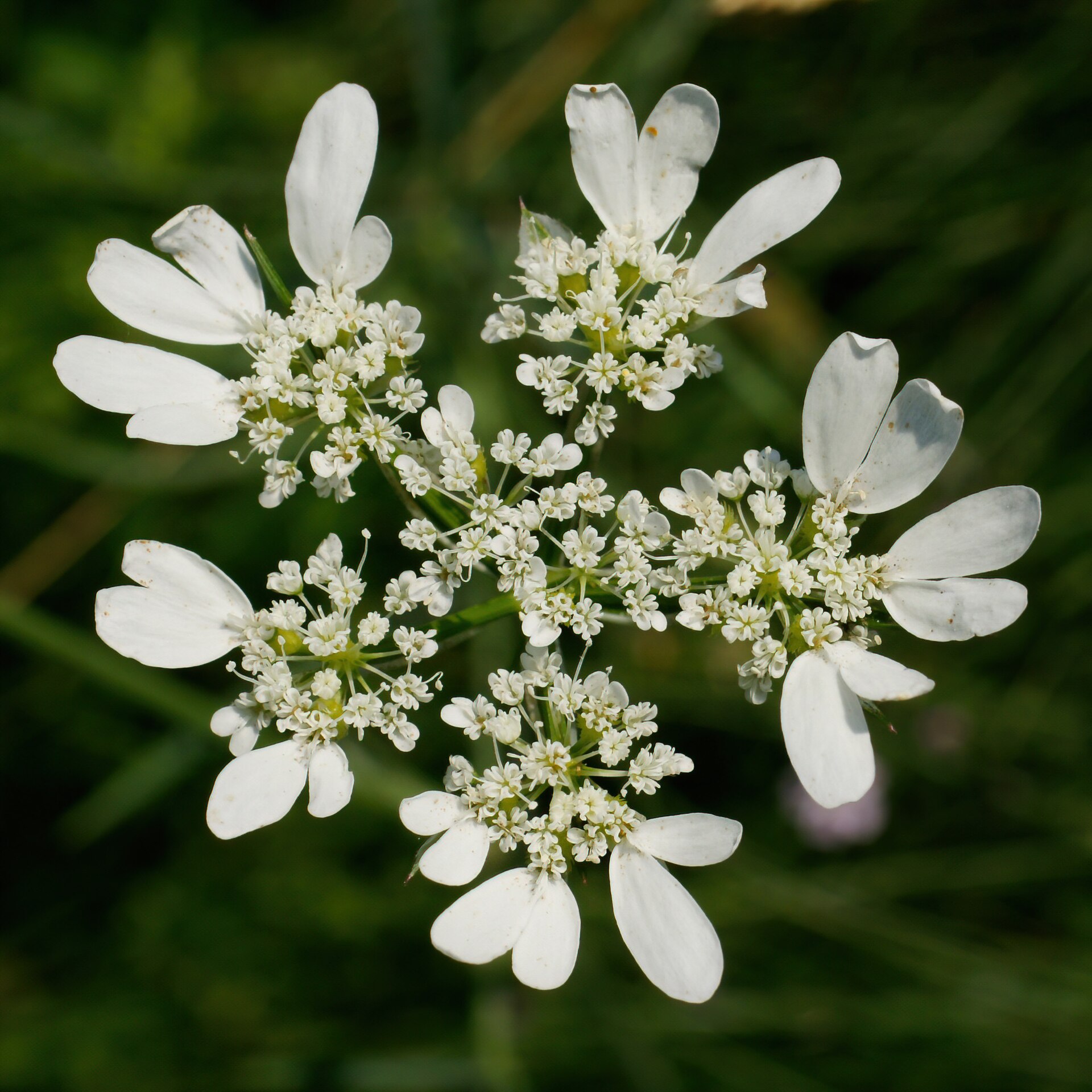
Orlaya
Orlaya grandiflora
Orlaya, sometimes called white lace flower or Minoan lace, is a refined relative of Queen Anne's lace with larger, cleaner white florets held in flat, airy umbels. Florists use it as a soft, luminous filler that adds lace-like romance and movement to bridal bouquets without visual weight. Its crisp white and fine texture make it a favourite for garden-style and spring weddings. Slightly more delicate than cow parsley, it rewards gentle handling and a cool workroom.
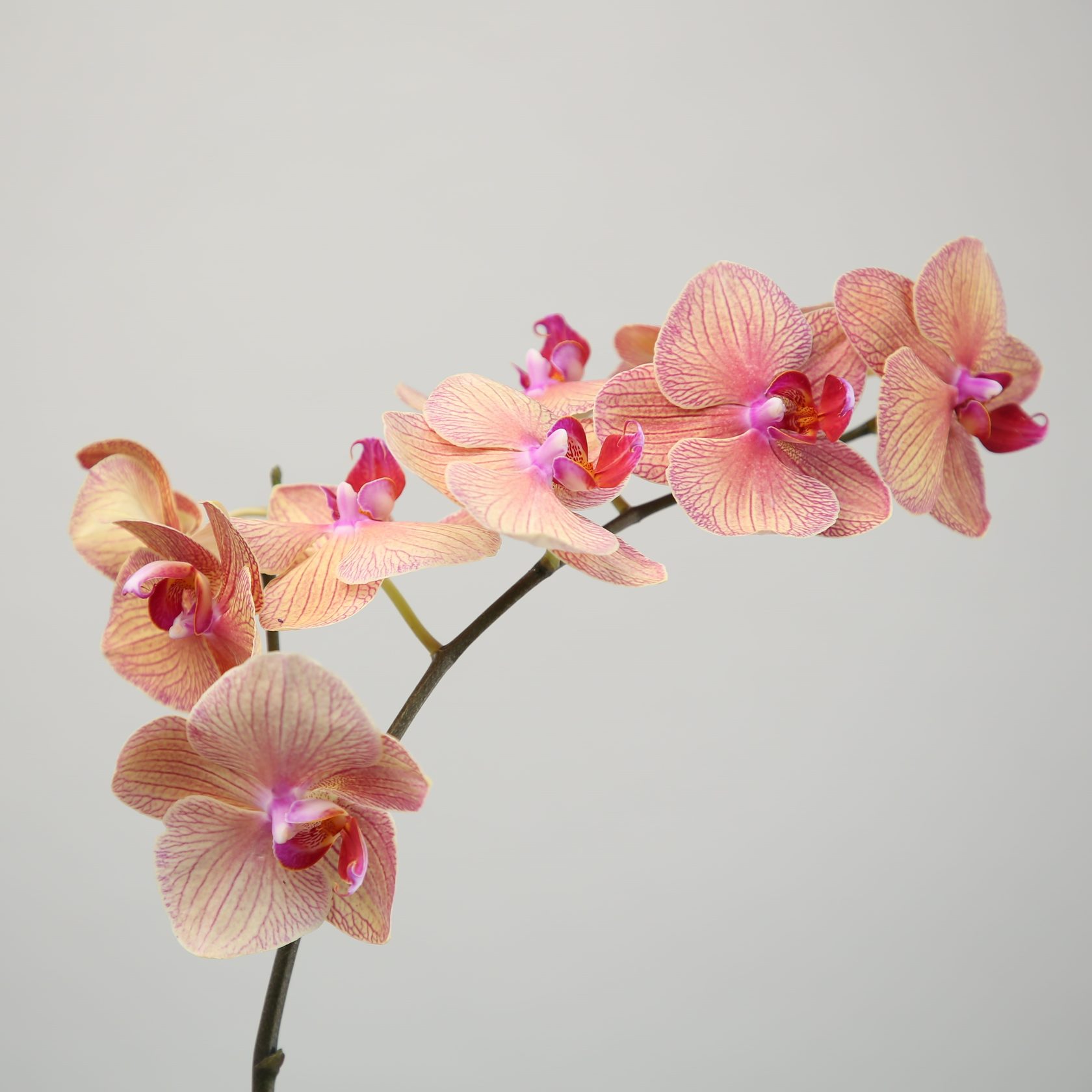
Phalaenopsis orchid
Phalaenopsis
The phalaenopsis is the flower of high-end hotel arrangements and luxury weddings. Individual florets can be wired for buttonholes, cake work, or delicate hair pieces. Standard commercial colours are white and pink; specialty growers produce lime, chocolate, and heavily spotted 'harlequin' varieties. Cut stems can arch elegantly over the edge of an arrangement.
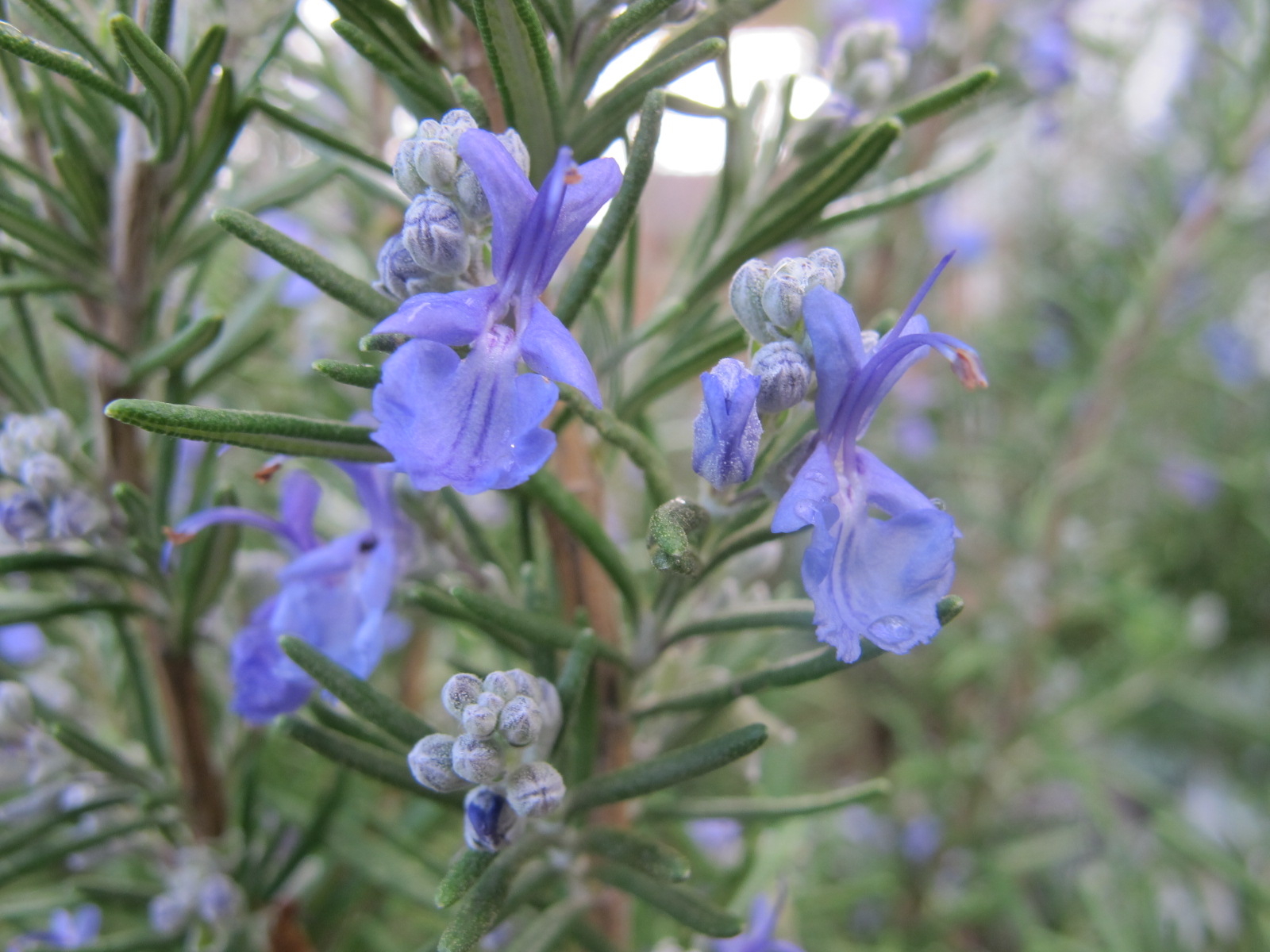
Rosemary
Salvia rosmarinus
Rosemary (Salvia rosmarinus) is the fragrant Mediterranean herb whose needle-like grey-green leaves release a fresh, resinous scent when brushed. Florists tuck short sprigs into bridal bouquets, boutonnieres and wedding favours as a scented, meaningful accent. Its slender, upright habit and aromatic foliage suit rustic, garden and herb-inspired designs. Long associated with remembrance and fidelity, it carries sentiment as well as texture.
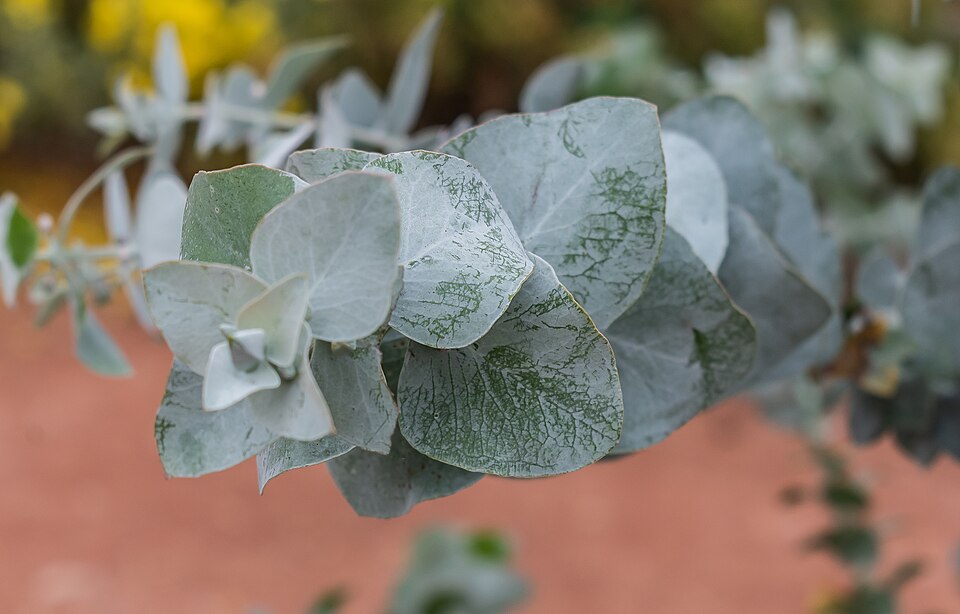
Seeded eucalyptus
Eucalyptus populus
Seeded eucalyptus carries small silver-green seed clusters along its stems — the design detail that distinguishes it from other eucalyptus varieties. The seeds catch light, hold shape when dried, and give boutonnieres their signature textural interest. A premium alternative to plain silver dollar eucalyptus.
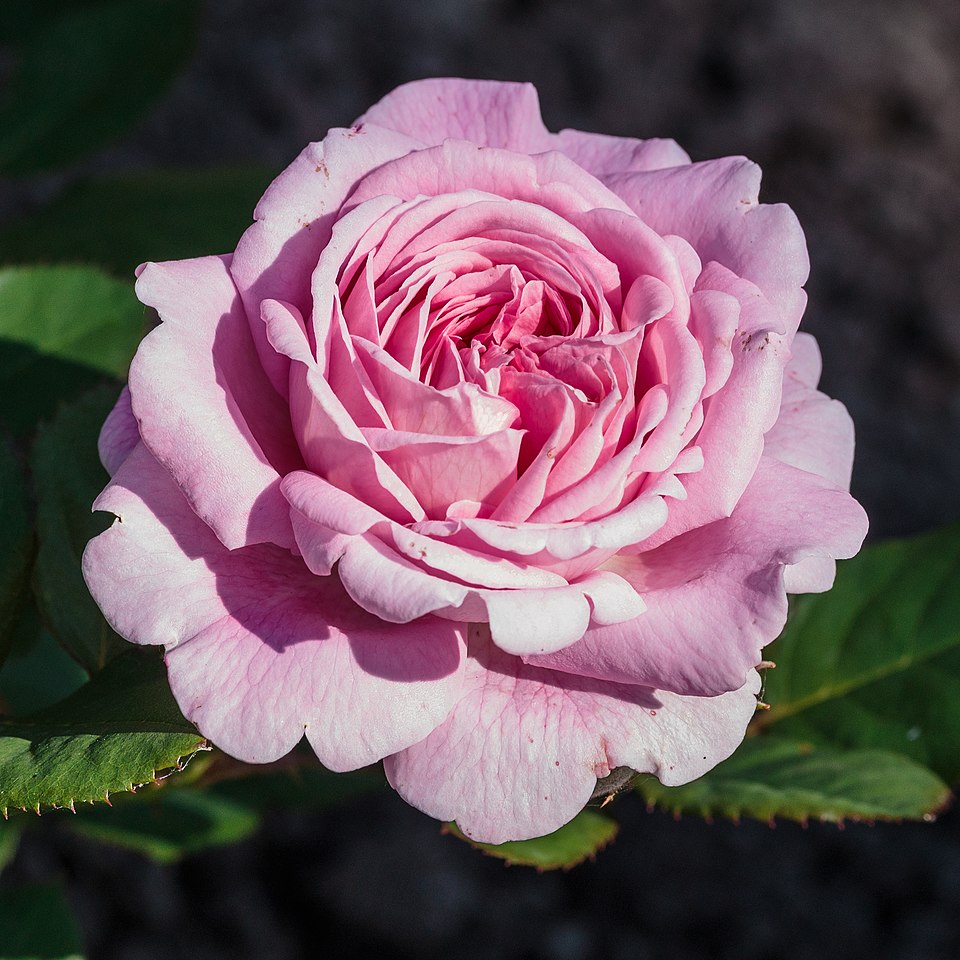
Spray rose
Rosa hybrida (multiflora)
A single stem carries 3–7 rose heads at different opening stages. Loved by wedding florists for its versatility — split into individual heads for boutonnieres, or keep whole for airy filler. Common cultivars: Majolica (cream), Yana (pink), Baby Romantica (peach). Costs 25–40% more per stem than standard roses, but delivers 3–5× the coverage.
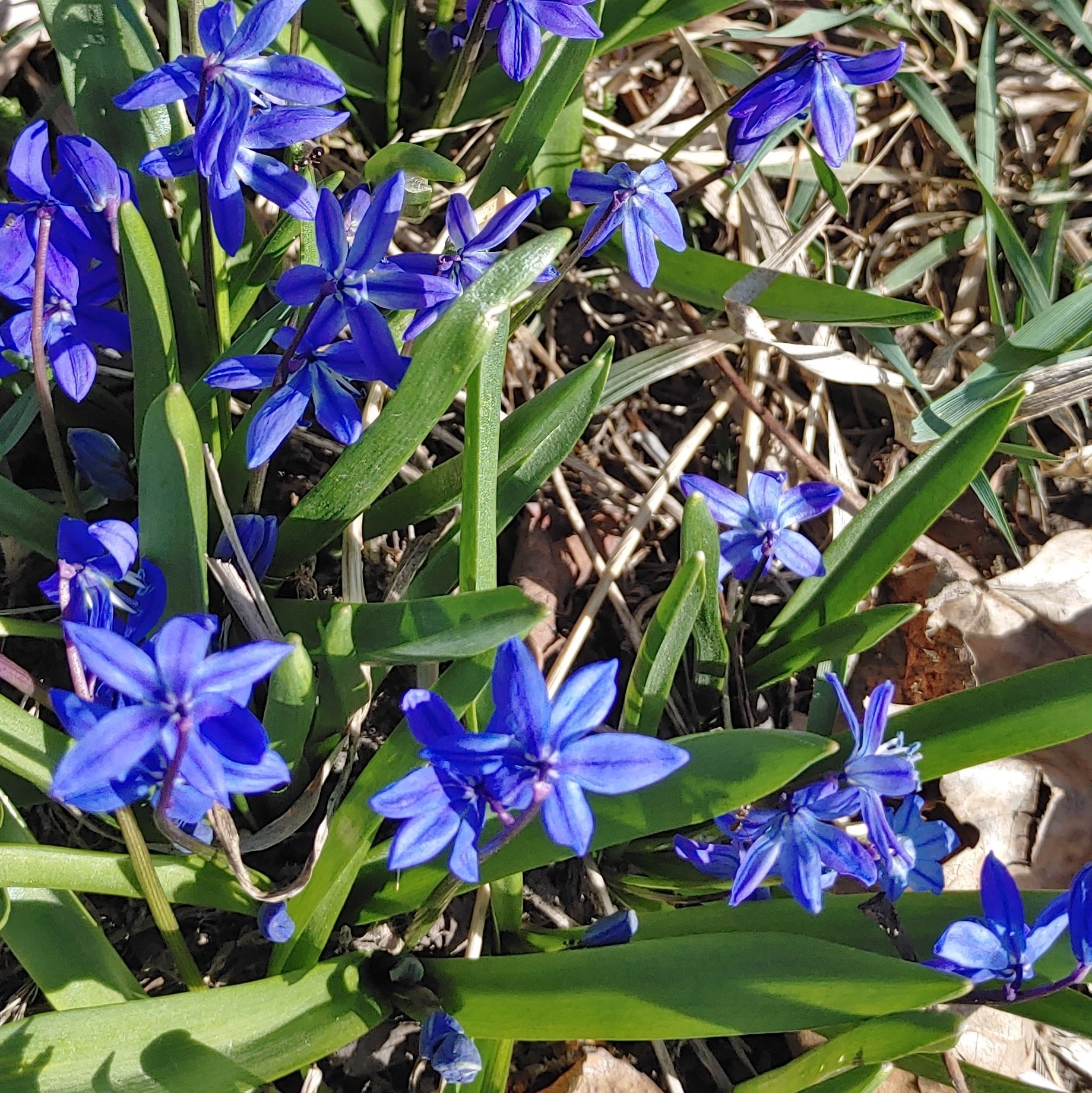
Squill
Scilla siberica
Scilla, or Siberian squill, is a tiny spring bulb bearing nodding, star-shaped bells in an intense gentian blue that is rare among cut flowers. Its diminutive stature and short stems make it a specialist choice, used to add jewel-like flecks of true blue to boutonnieres, corsages and small woodland-style pieces. Vase life is brief, so it is best enjoyed as a fleeting seasonal accent close to the moment. Where a florist needs an honest, saturated blue in early spring, scilla is hard to beat.
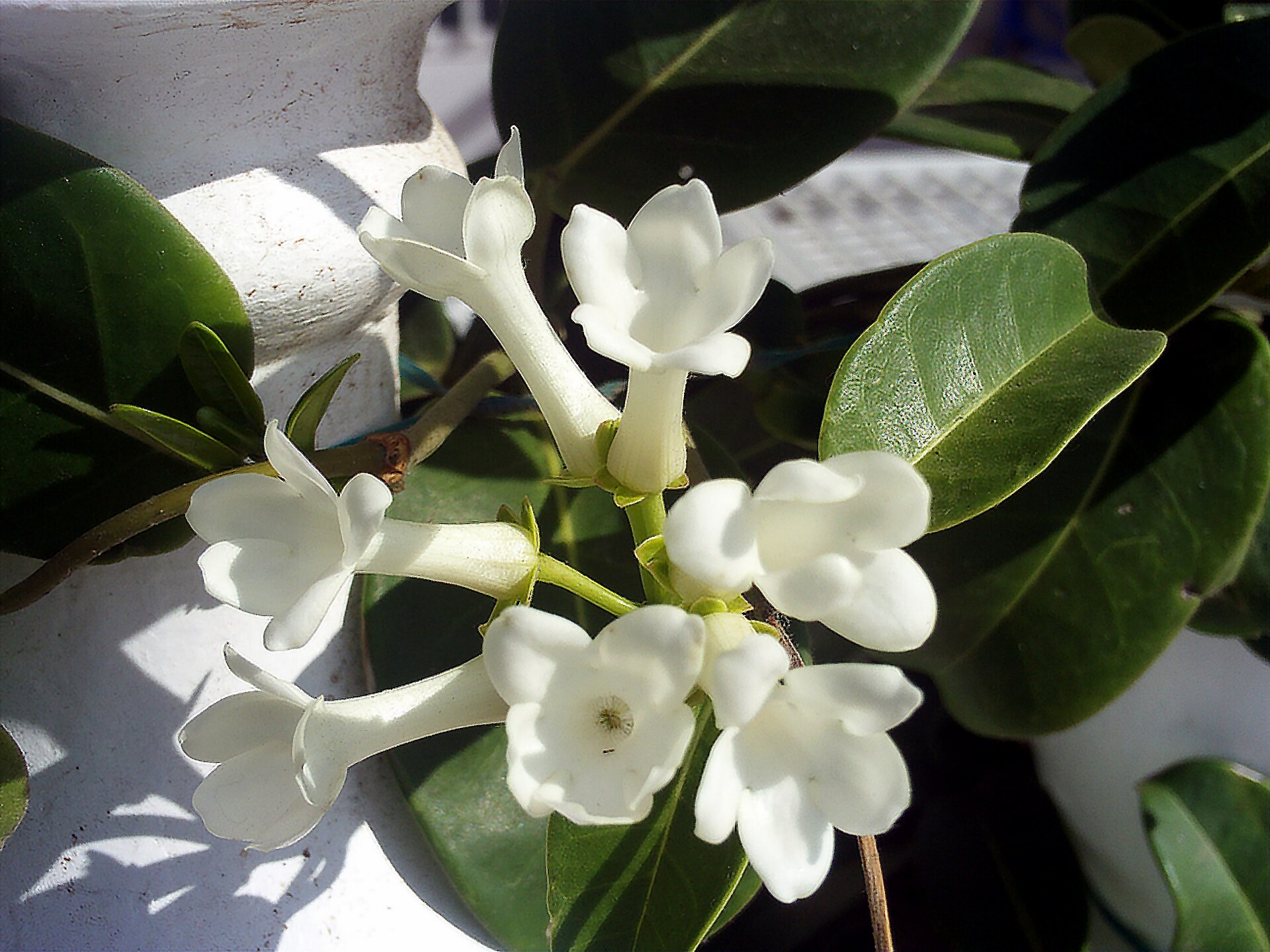
Stephanotis
Stephanotis floribunda
Stephanotis is a fragrant Madagascan vine whose pure-white, waxy trumpets are among the most cherished flowers in bridal work — hence the name 'bridal wreath'. The starry florets are usually sold as individual blooms and wired by hand into bouquets, headpieces and buttonholes for a jewel-like, perfumed detail. They are demanding: delicate, short-lived off the vine and requiring patient wiring. In return they give an unrivalled combination of purity, perfume and old-world wedding romance.
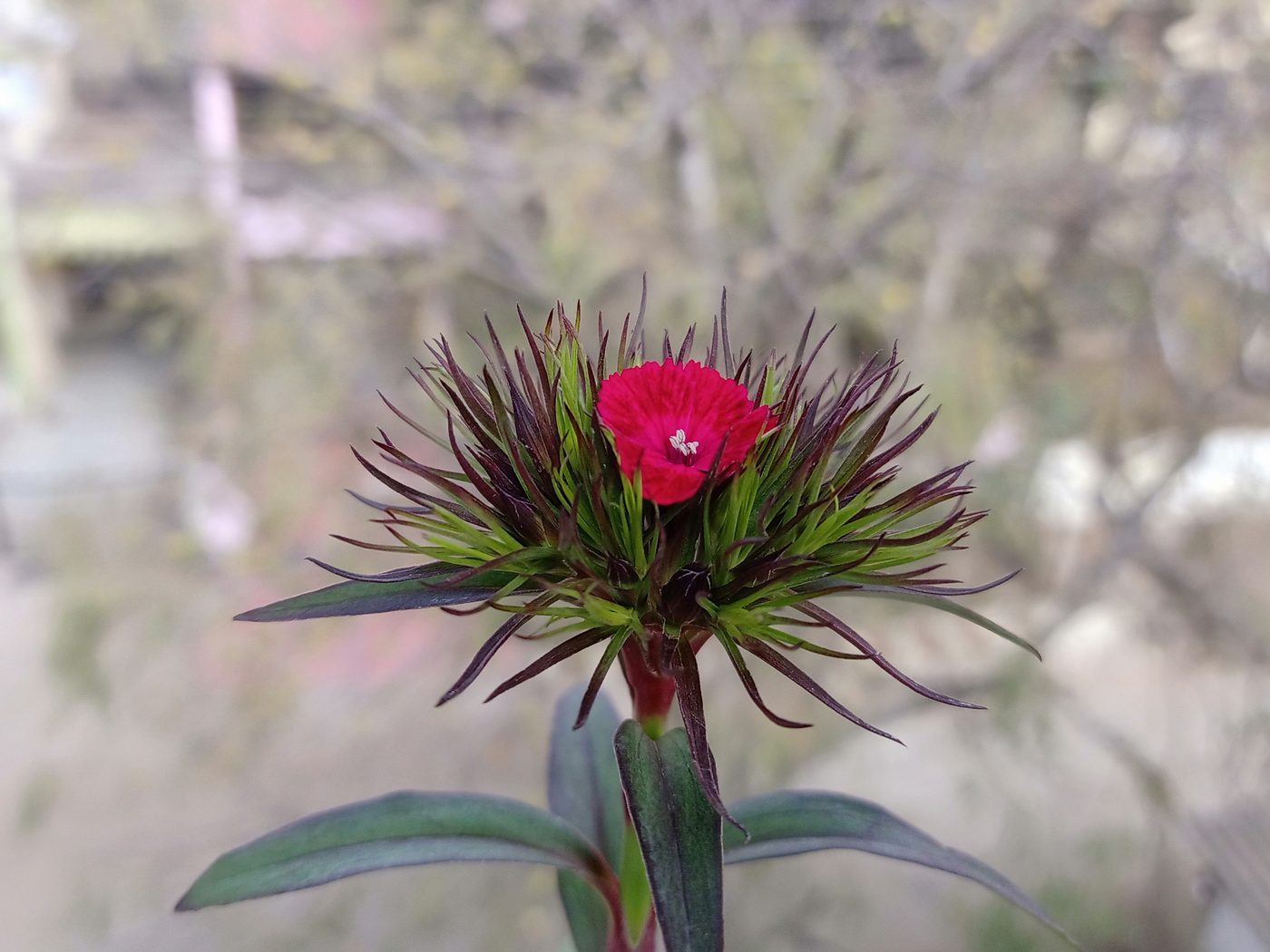
Sweet William
Dianthus barbatus
Sweet William carries a cluster of small dianthus florets in each head — filler weight with focal-flower texture. A cottage-garden staple raised in commercial profile by the royal wedding association (named for William, though probably not for the modern one). Splits beautifully for boutonniere work.
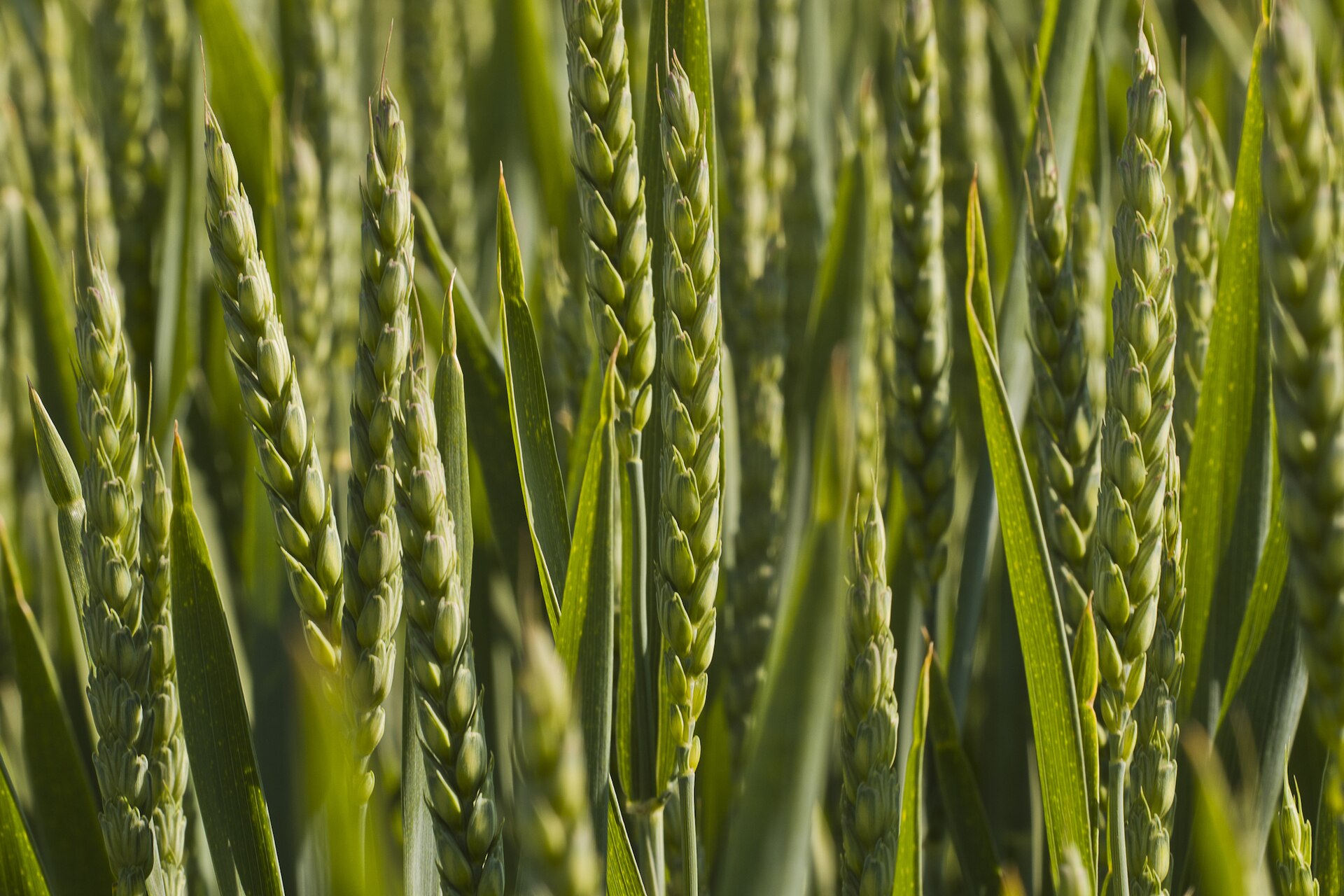
Wheat
Triticum aestivum
Wheat is the golden cereal grass whose slender bearded heads have symbolised harvest and abundance for millennia. Cut and dried to a warm honey-gold, the upright stems bring line, movement and a rustic, agricultural charm to autumn work. Florists use it in sheaf bouquets, boutonnieres, garlands and tall dried installations, where its fine awns catch the light beautifully. Cheap, long-lasting and endlessly versatile, wheat is a cornerstone of country and harvest-themed floristry.