Seasonal flowers
57 flowers our studio reaches for in seasonal work — filtered from the Lacy Bird catalog by role, season and colour. Open any flower for its full data card.
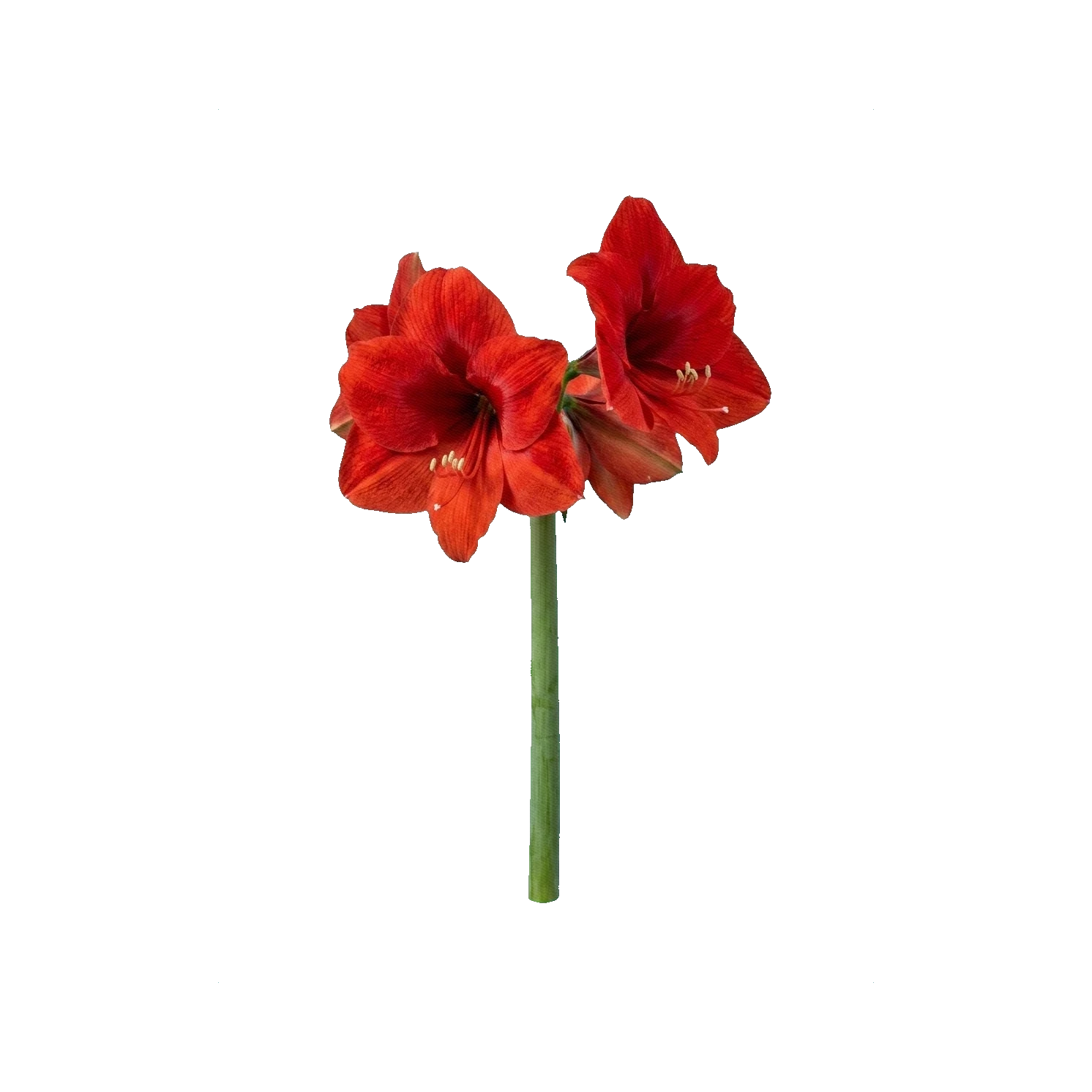
Amaryllis
Hippeastrum
The amaryllis is the December power flower — a single stem carries 2–4 trumpet blooms that can reach 20 cm across. Red amaryllis is a Christmas staple; blush and white cultivars carry weight in winter weddings. Beware the fragile hollow stem — a bamboo skewer inserted from the base gives structural support for tall arrangements.
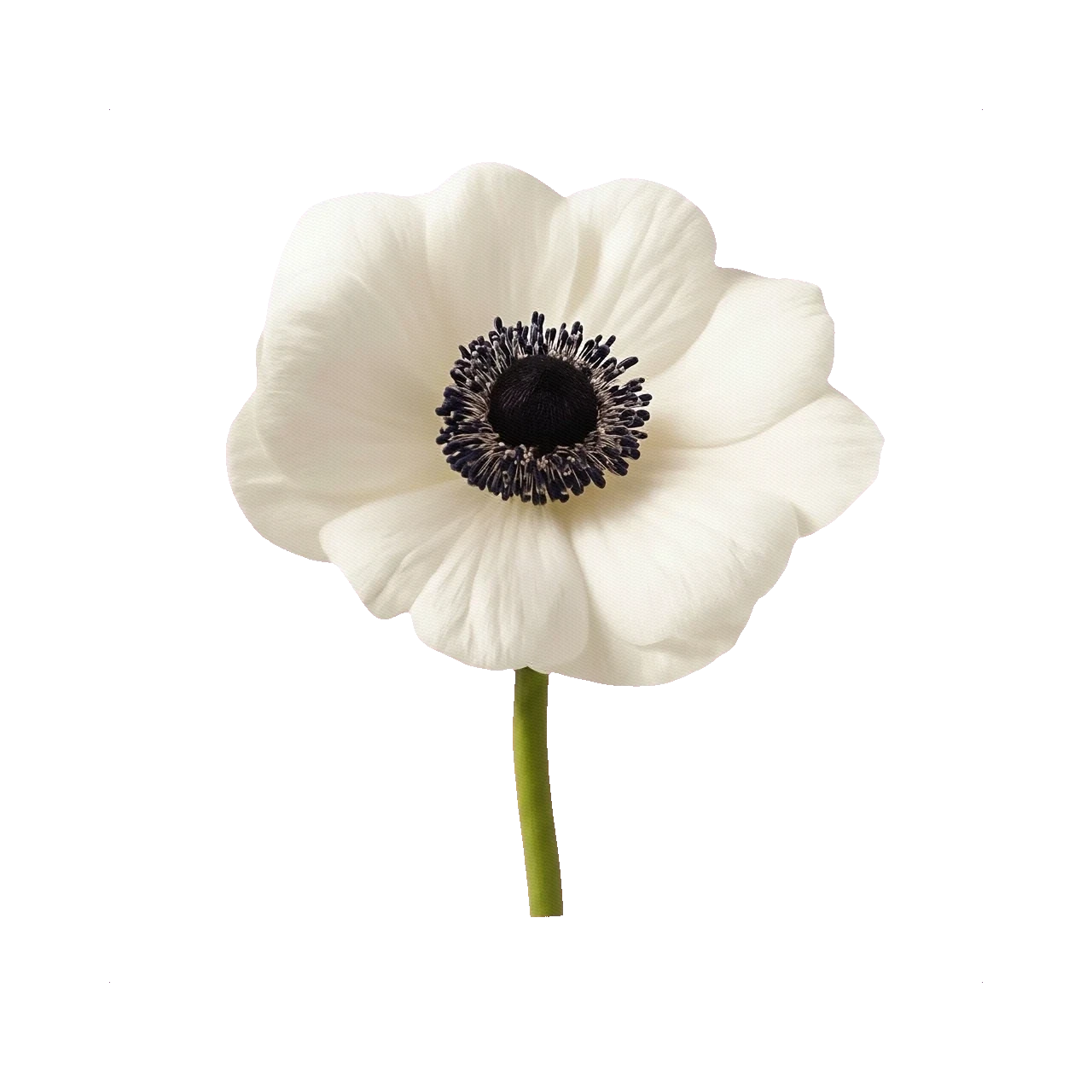
Anemone
Anemone coronaria
The anemone's dark navy or black centre against pure white, blood-red or deep purple petals is one of the strongest contrast points in commercial floristry. Italian Mistral cultivars are the premium tier — large heads, strong stems, saturated colour. Anemones photograph beautifully but are unforgiving of heat; they belong in cool spaces.
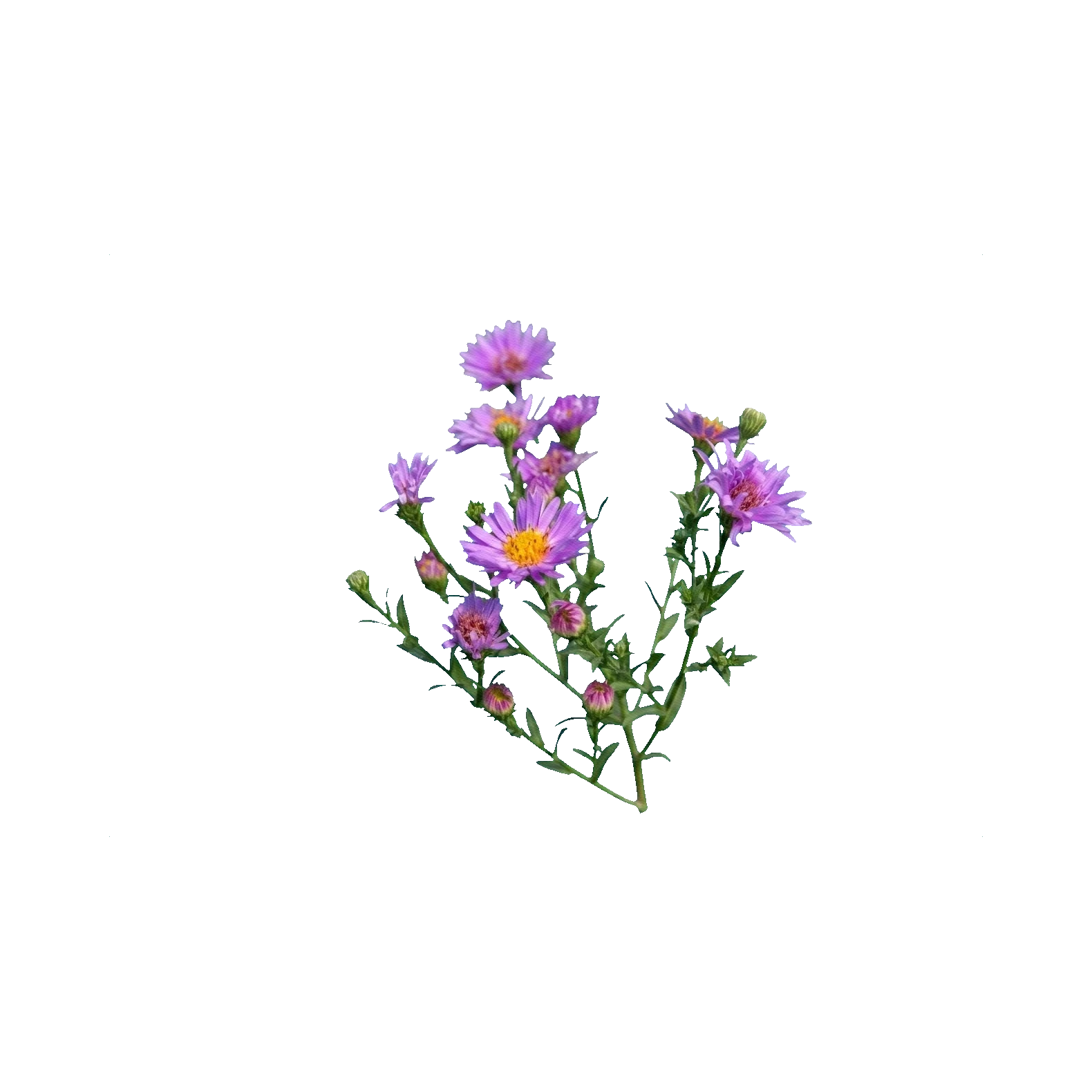
Aster
Symphyotrichum
The aster is one of the last true field flowers of the year — dozens of small daisy-like florets on branching stems, opening in September and October when little else is fresh. Purple and lavender are the classic autumn palette. Splits into many usable side stems, giving strong coverage per stem.
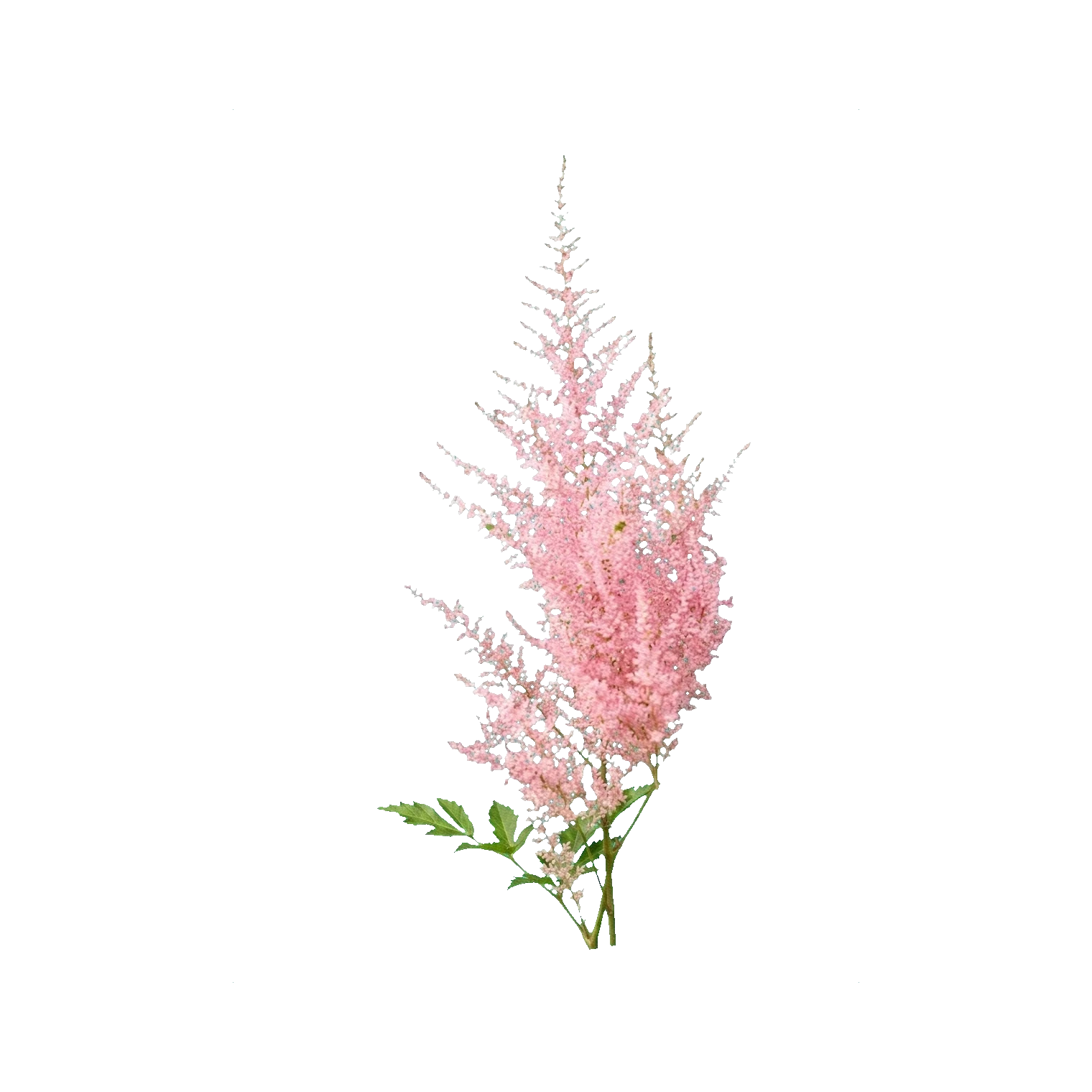
Astilbe
Astilbe × arendsii
Astilbe forms soft, feathery plumes of tiny, densely packed blooms in white, pink, red and coral. Florists love its fluffy, cloud-like texture, which adds volume and a romantic softness to bouquets and centrepieces. It reads beautifully in both garden-style and lush wedding work. Because it is thirsty, it rewards good conditioning with a delicate, airy presence.
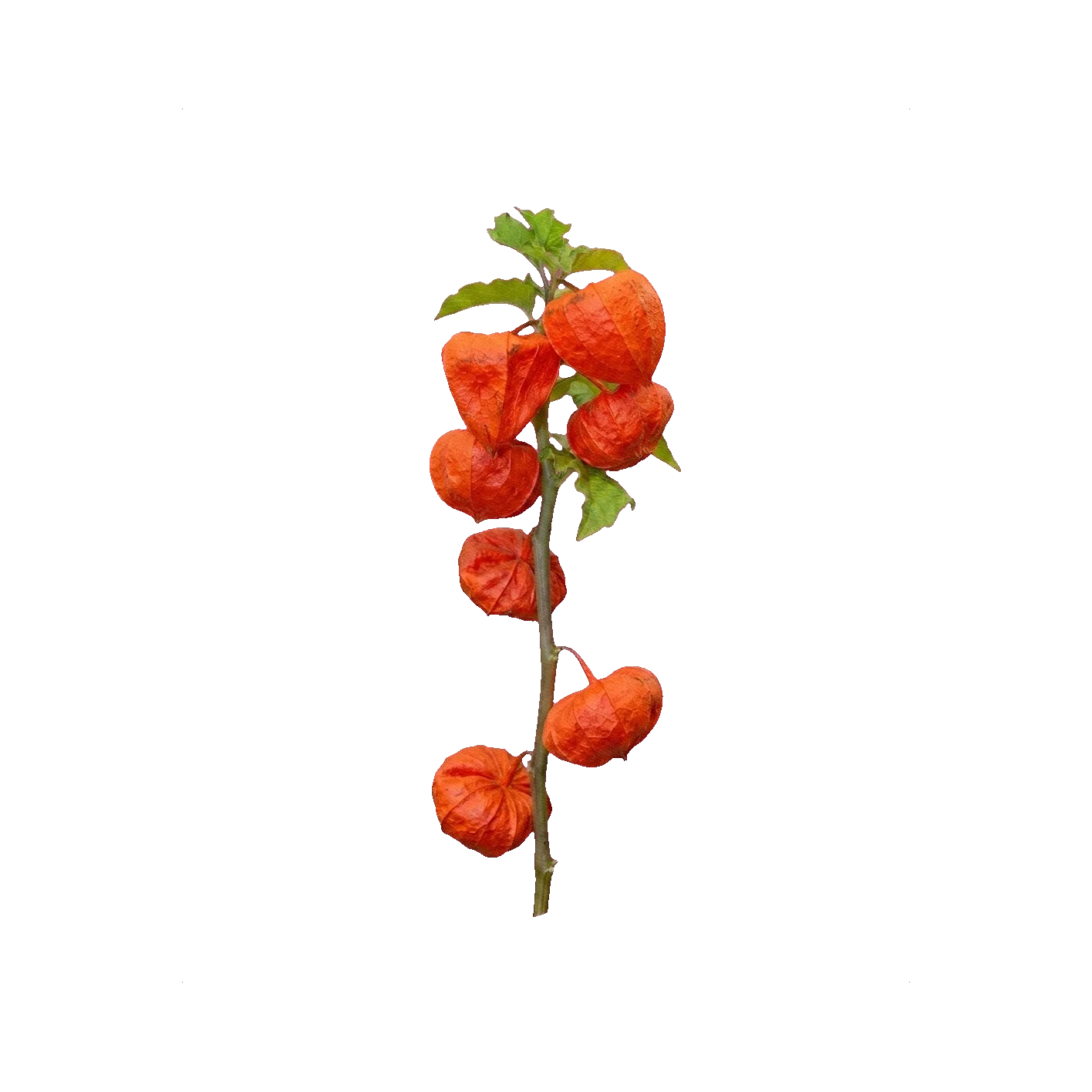
Chinese Lantern
Physalis alkekengi
Physalis, better known as Chinese lantern, produces rows of inflated papery husks that ripen to a glowing pumpkin-orange in autumn. Each lantern encloses a small round fruit, and it is the vivid, translucent casings that make the stems so distinctive. Florists love them for their warm colour and lantern-like shape in seasonal, rustic and Halloween-toned designs. They dry beautifully with no loss of colour, making them a favourite for lasting autumn and winter arrangements.
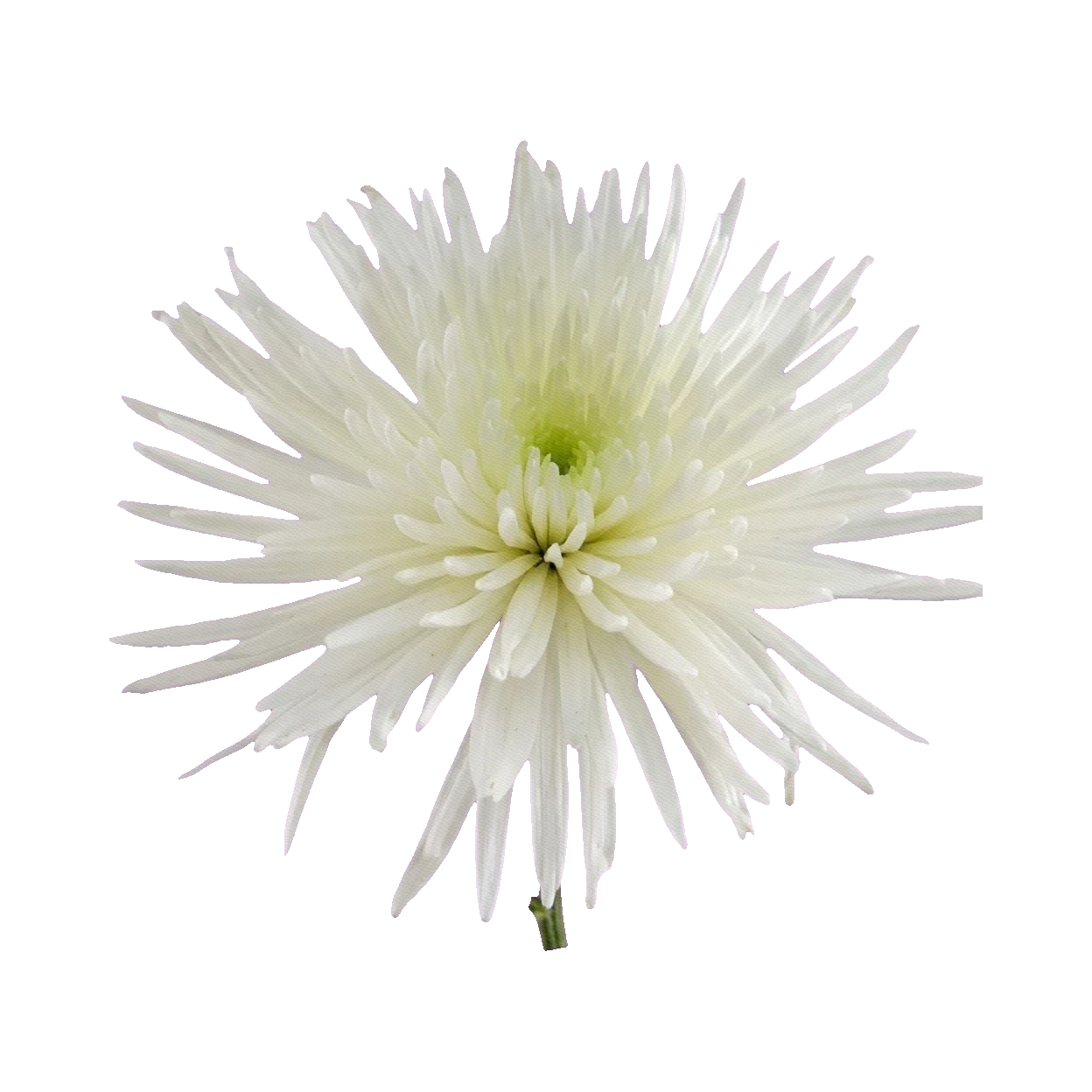
Chrysanthemum
Chrysanthemum
The workhorse of the everyday flower shop — decades-long vase life, wide colour range, and modest pricing. Disbud chrysanthemums (single bloom per stem) have been elevated by contemporary Japanese florists into a design flower rivalling roses. Culturally sensitive: chrysanthemums are the funeral flower in France, Italy, Belgium — avoid for celebration bouquets in those markets.
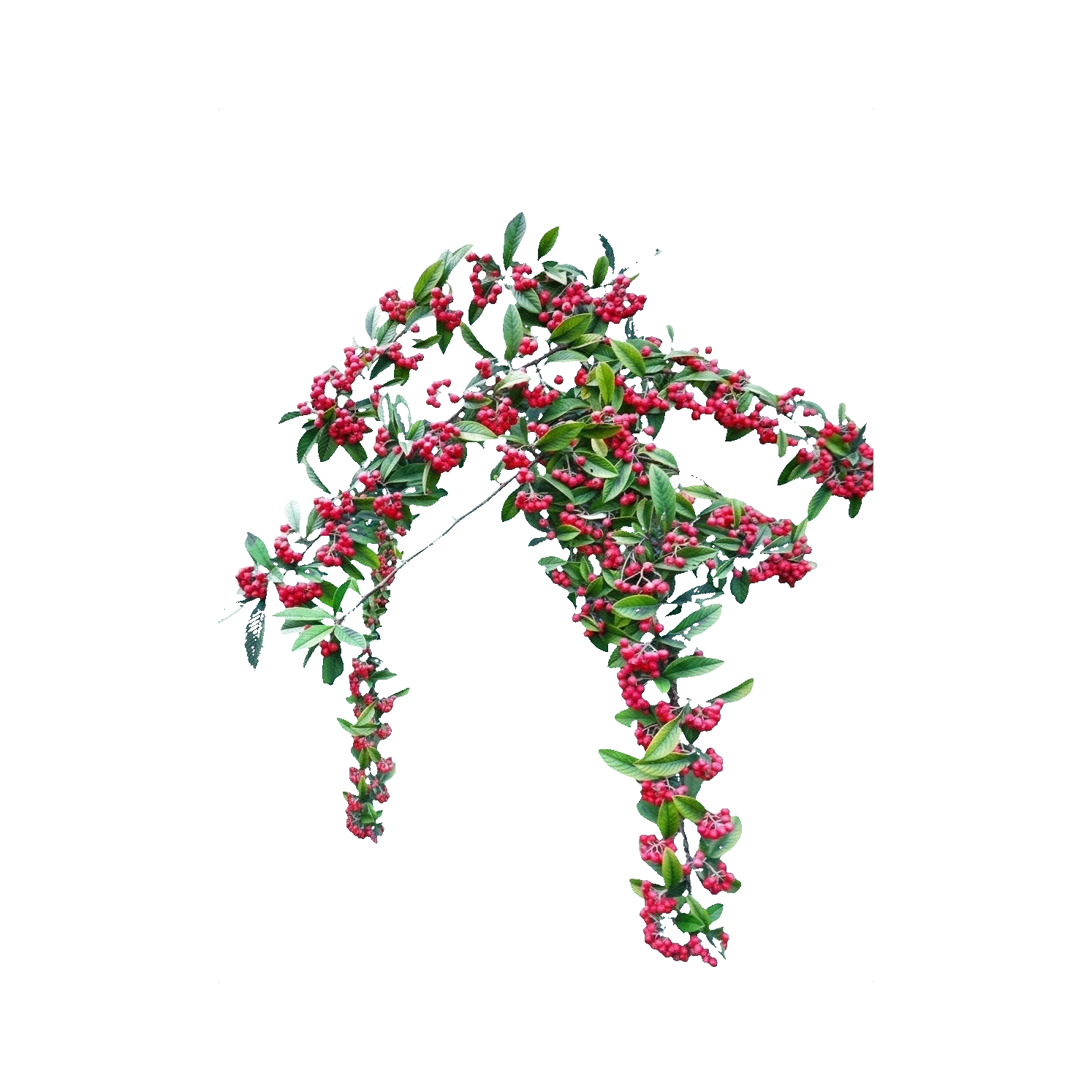
Cotoneaster
Cotoneaster horizontalis
Cotoneaster is a deciduous to semi-evergreen shrub whose arching, herringbone branches carry glossy leaves and clusters of bright red berries. Cut in autumn it brings warm seasonal colour and natural, wild movement to arrangements, wreaths and rustic table designs. As the leaves turn, the same branch offers russet foliage alongside its jewel-like fruit, giving florists two textures on one stem. It is an inexpensive, hard-wearing choice for autumn and festive work.
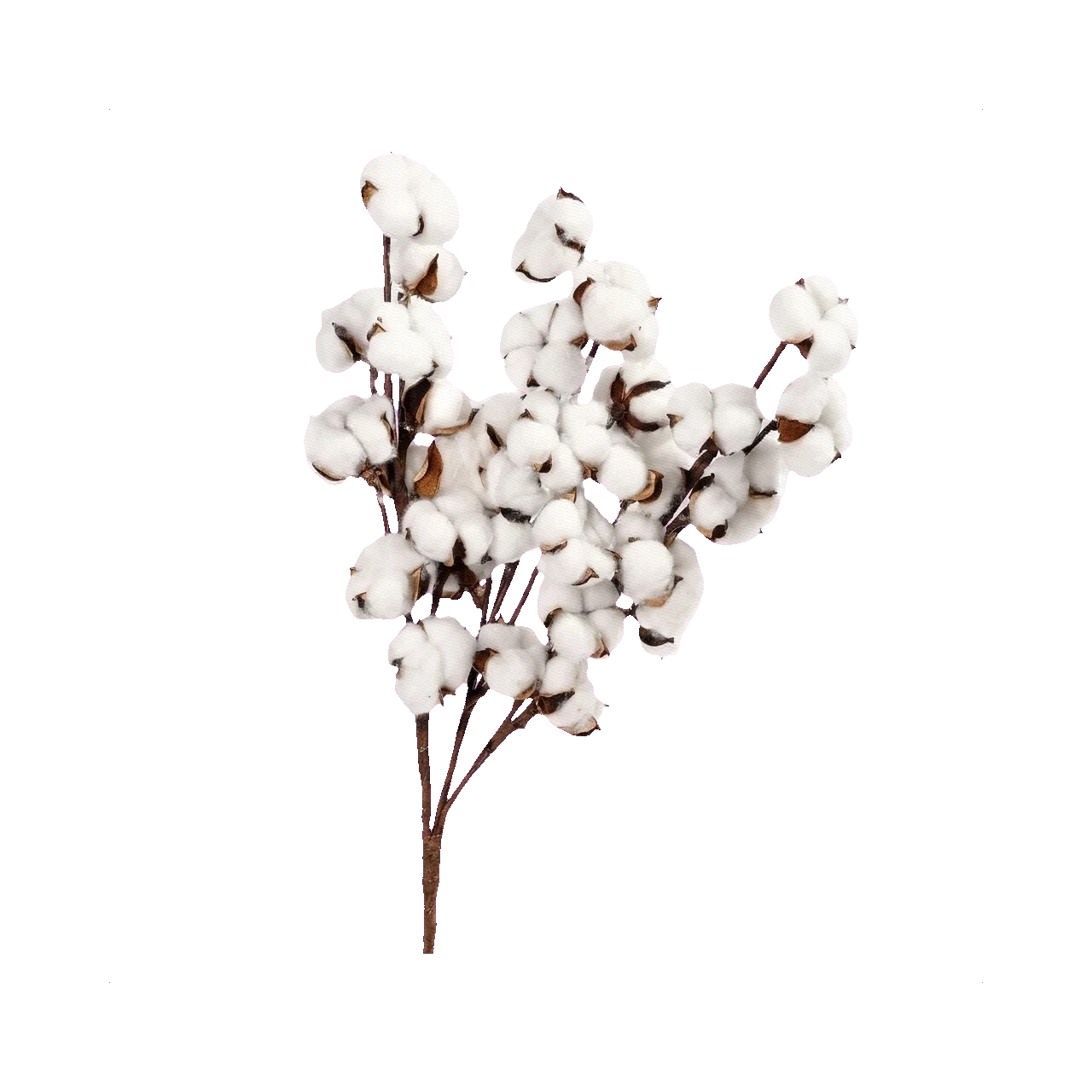
Cotton
Gossypium
Cotton branch — with open bolls exposing the soft white fibre — is the textural signature of rustic and autumn arrangement work. Sold pre-dried; adds volume at low weight and pairs beautifully with pampas, eucalyptus, and dried grasses. A staple for barn weddings and winter installations across North America.
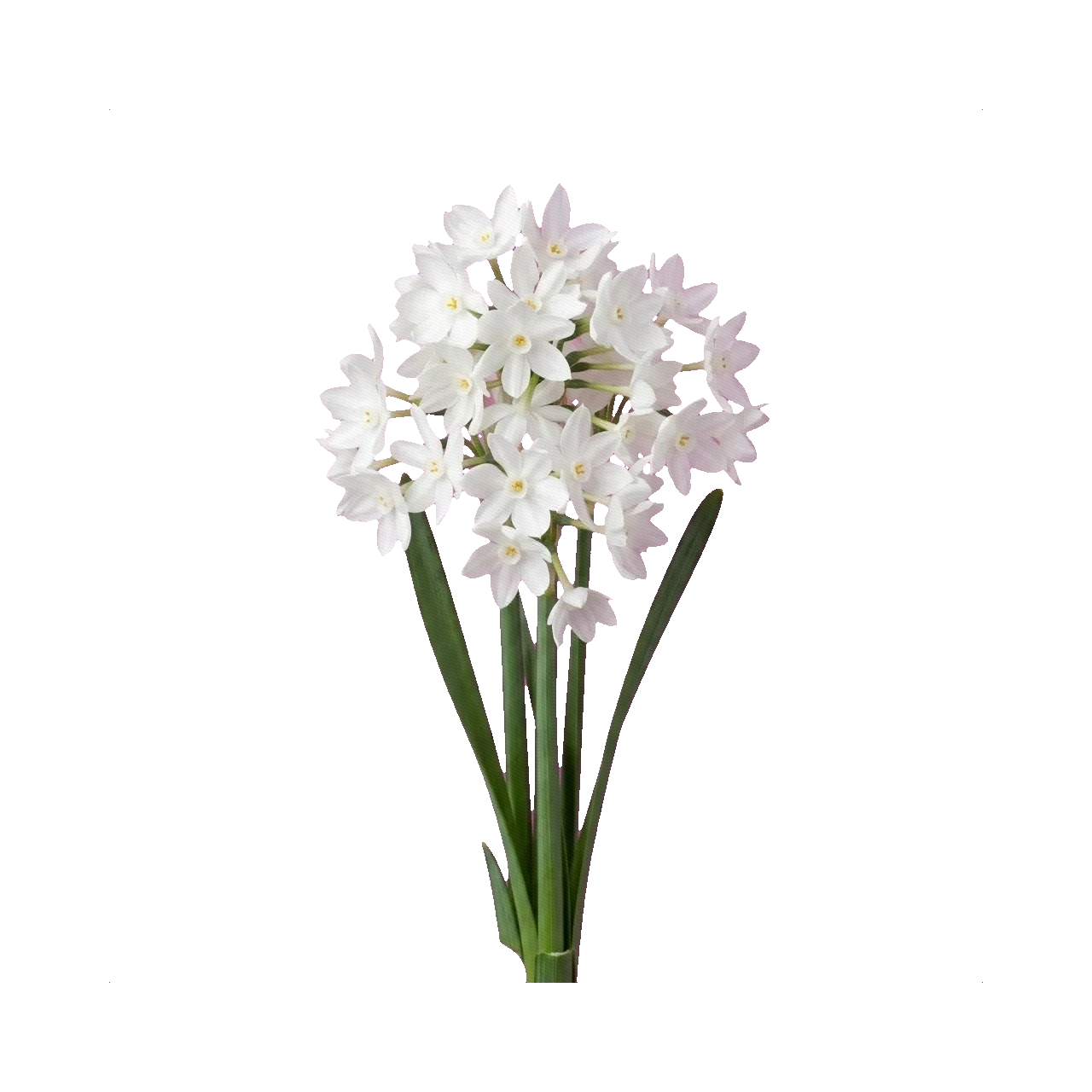
Daffodil
Narcissus
The daffodil is the first widely-recognised flower of spring — a fresh, uncomplicated shape carrying powerful cultural associations across Europe (Wales' national flower, Easter and new beginnings). Critical warning: daffodils secrete a sap that poisons other flowers in shared water; always condition alone first, then combine without recutting.
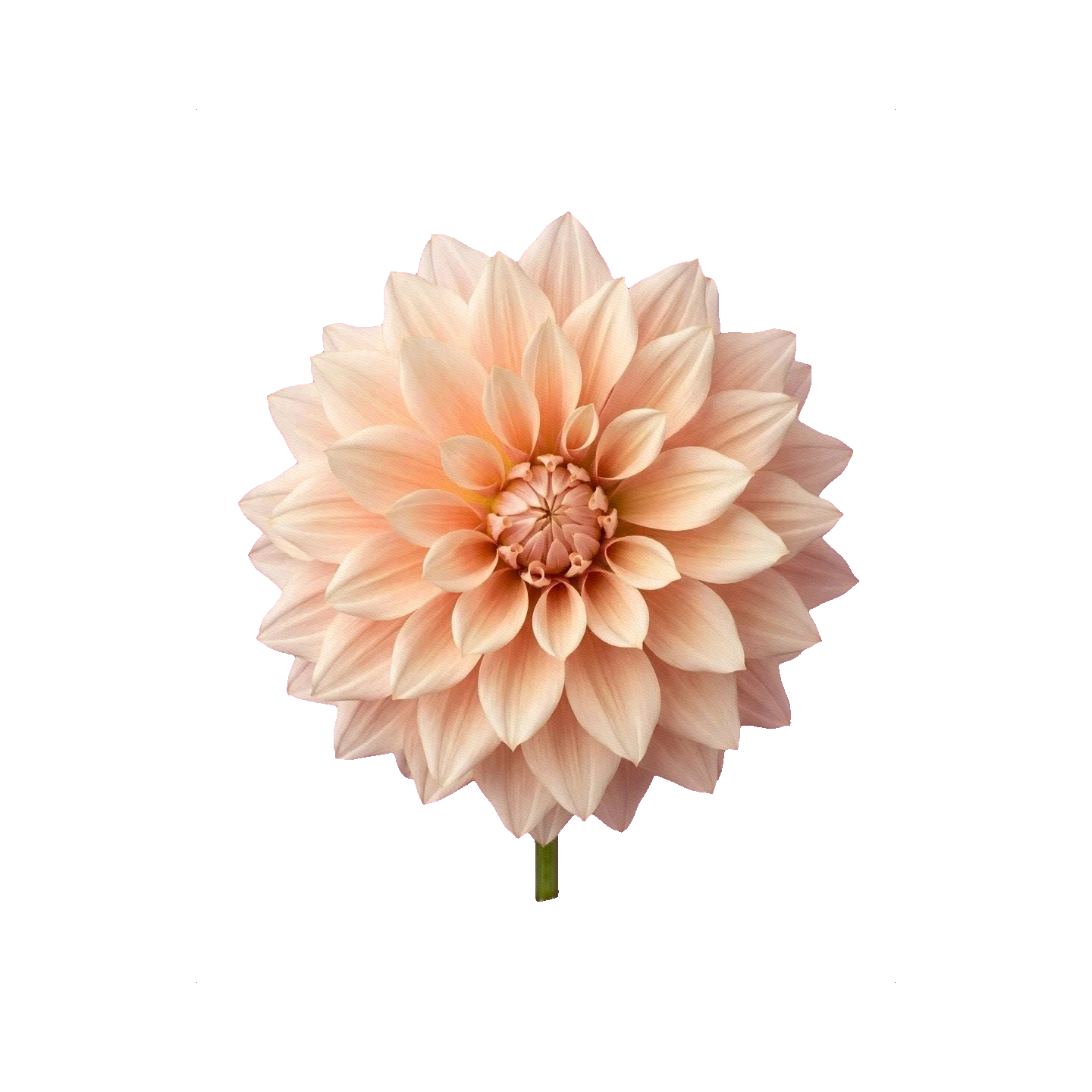
Dahlia
Dahlia
The dahlia is the flower of late summer and autumn — a season most wedding calendars underweight. From tight pom-poms (5 cm) to dinner-plate cultivars (25+ cm), dahlias cover the whole design spectrum. Café au Lait (dusty blush) is the most-requested wedding dahlia in the world. Because they are local and seasonal, dahlias reward direct-from-farm sourcing.
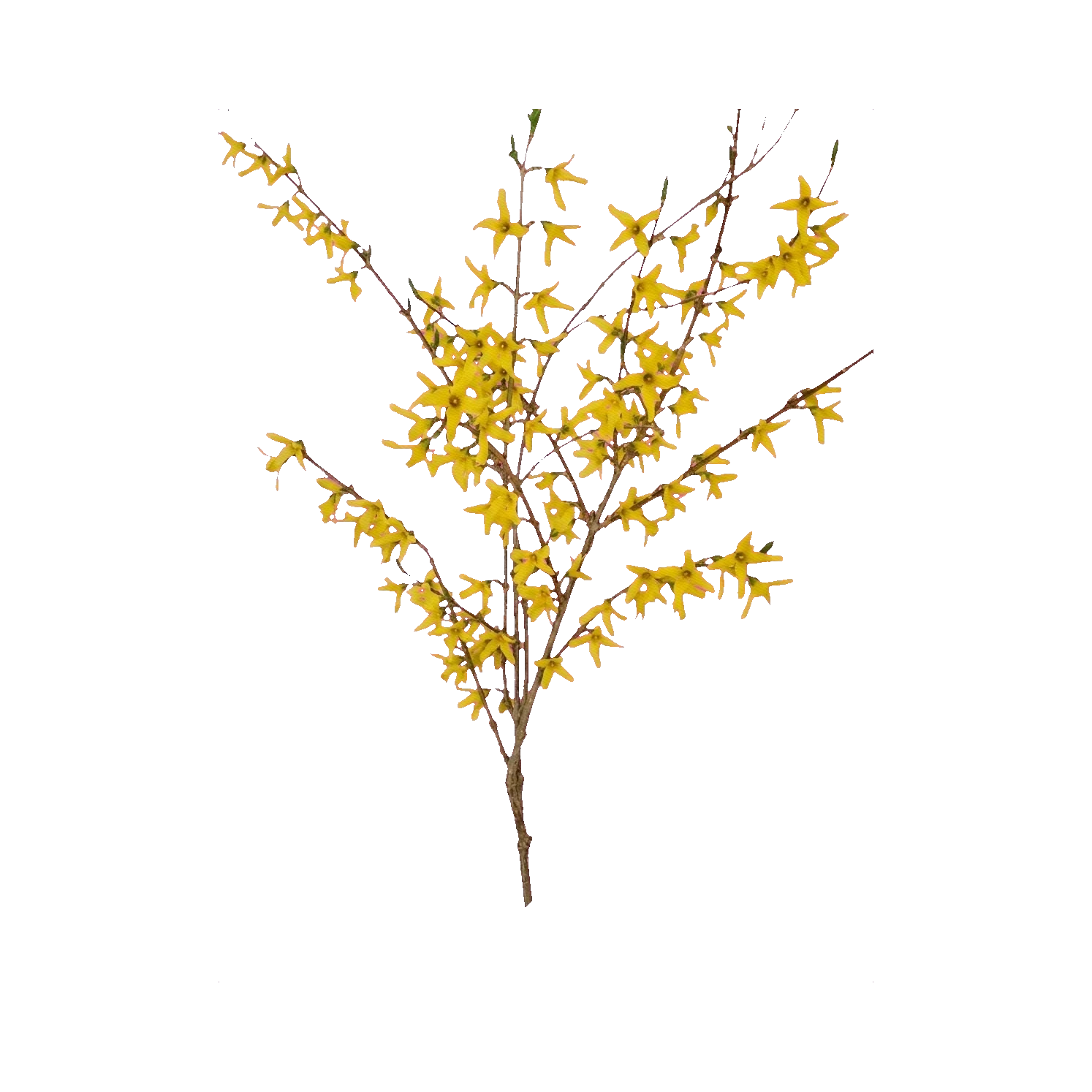
Forsythia
Forsythia × intermedia
Forsythia is one of the first heralds of spring — bare, arching branches that erupt in a haze of bright yellow, star-shaped flowers before any leaves appear. Florists use it as a graceful woody line, bringing airy height and vivid seasonal colour to large arrangements, branch installations and mantel displays. Cut while still in bud, it can be forced open indoors weeks ahead of the garden. Its zigzag, leafless form gives sculptural movement that few other flowers can match.
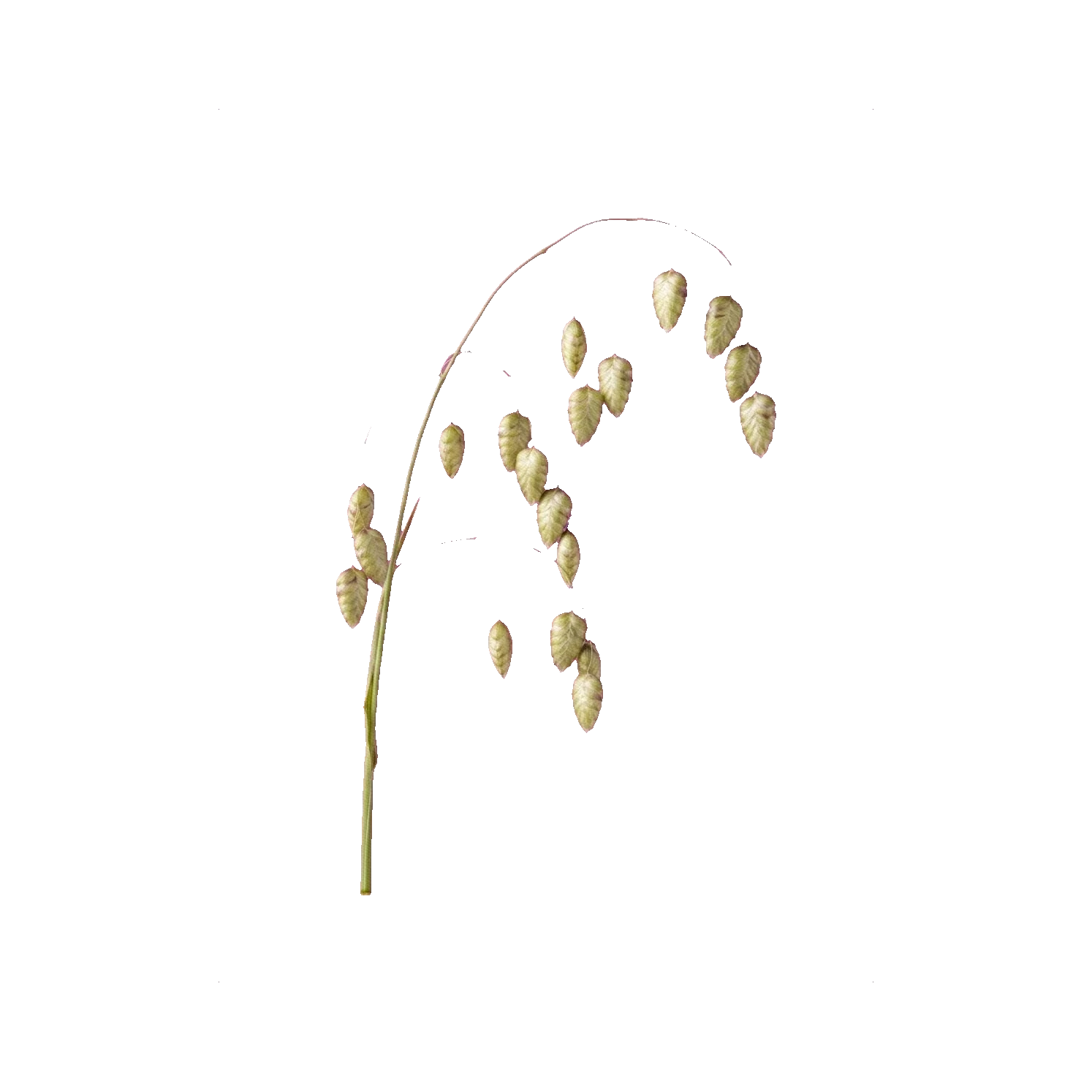
Greater Quaking Grass
Briza maxima
Greater quaking grass is an annual Mediterranean grass grown for its dangling, heart-shaped spikelets that tremble on hair-fine stems at the slightest breath of air. Florists love it as an airy, animated filler that adds movement and a cottage-garden softness to bouquets fresh, and a papery, straw-gold texture once dried. The nodding lockets start green and mature to warm bronze, reading beautifully in loose, naturalistic and boho designs. It is inexpensive, easy to handle and dries to last for years, making it a workhorse of rustic and dried arrangements.
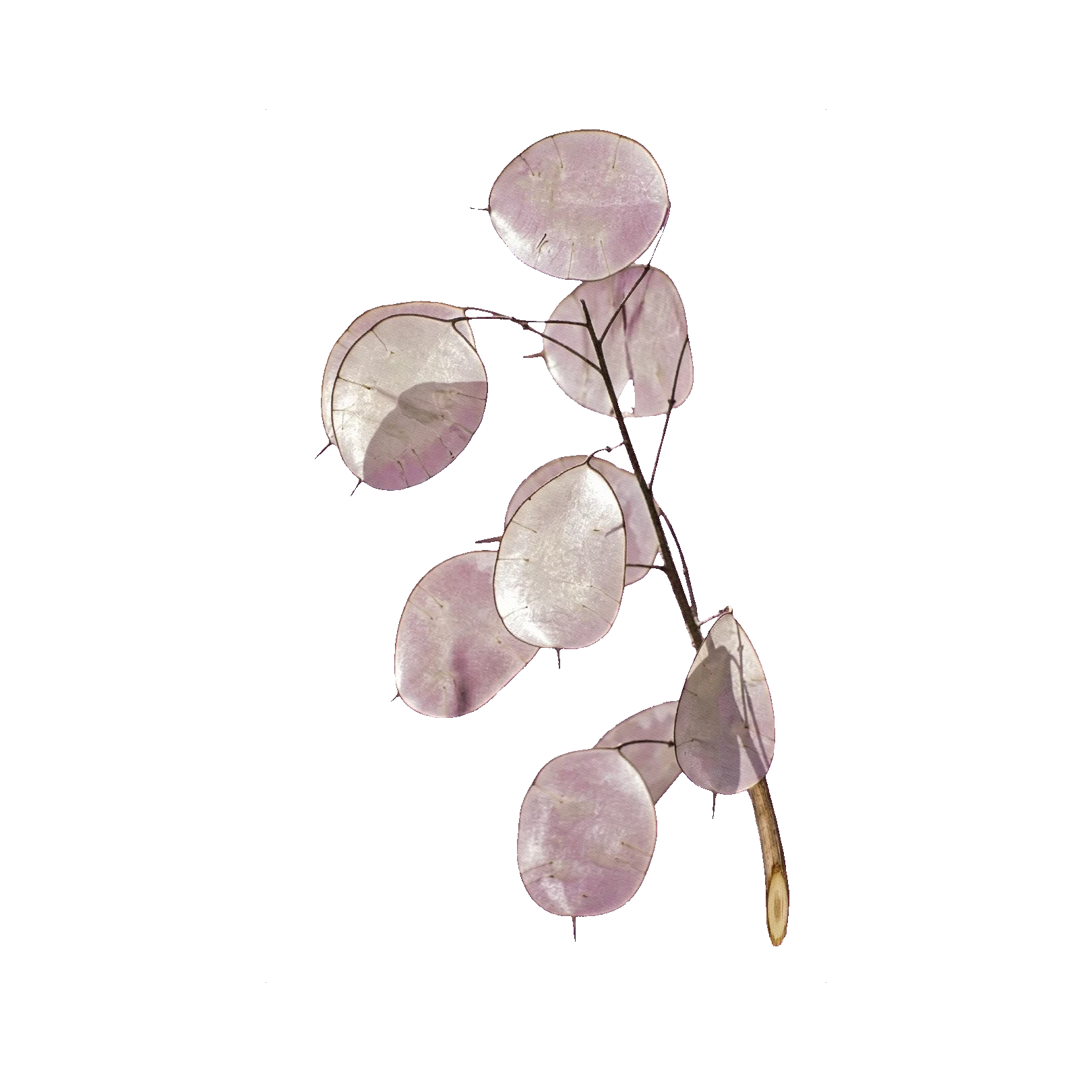
Honesty
Lunaria annua
Lunaria, honesty, is a European biennial best known not for its early purple flowers but for the translucent, coin-shaped seed pods it leaves behind. Once the brown outer cases are rubbed away, each pod reveals a papery, pearlescent silver disc that shimmers like a small moon. Florists prize these 'silver dollars' as a luminous, textural element in dried arrangements, wreaths and winter or bridal work. Long-lasting and weightless, dried honesty brings a quiet, silvery light that few other materials can match.
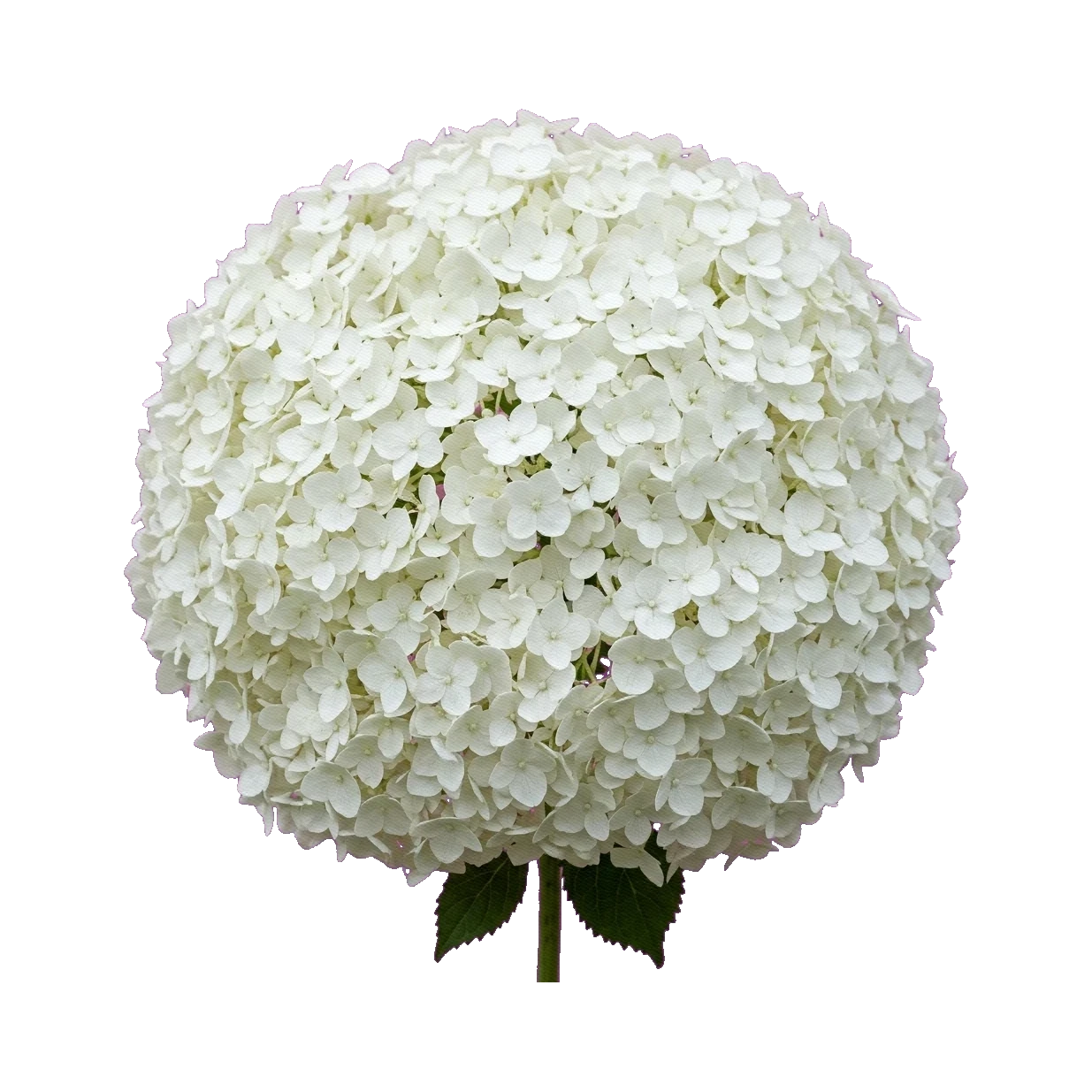
Hydrangea
Hydrangea macrophylla
One hydrangea head can carry a bouquet single-handedly — up to 20 cm of coverage per stem. Growers now offer 'antique' hydrangeas where the natural late-summer colour shift (blue → pink → green → burgundy) is preserved, creating a browsed, painterly effect that dominates editorial floristry. Fragile once cut — plan the timeline carefully.

Iris
Iris
The iris is one of the most sculptural spring flowers — three upright petals (standards) and three drooping (falls), often in a bicolour arrangement. Dutch iris (from bulbs) dominates the cut trade; bearded iris (from rhizomes) is a garden and specialty flower. Blue iris is the go-to when you need a true, saturated blue without dyeing.
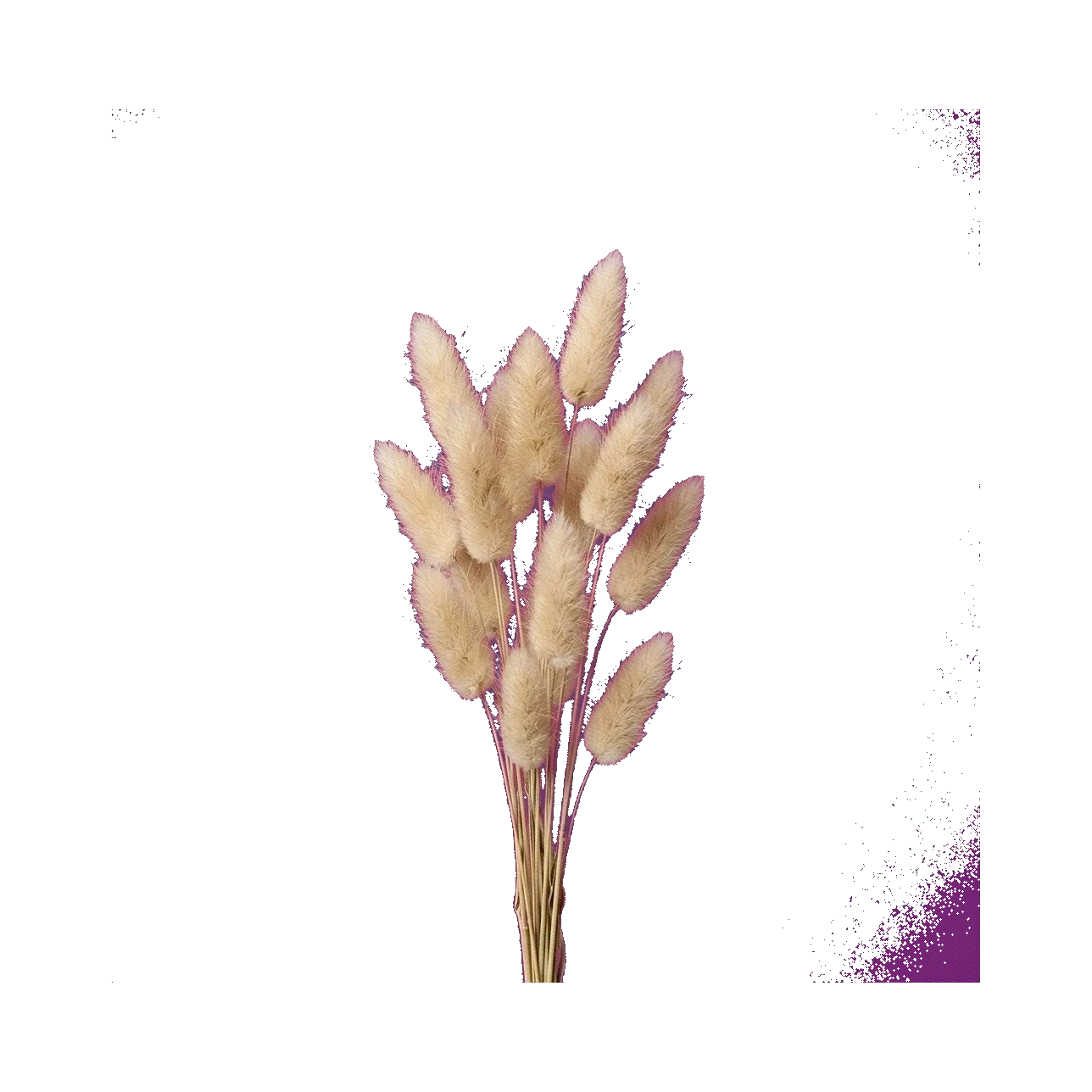
Lagurus (bunny tail grass)
Lagurus ovatus
Lagurus — the bunny tail grass — is the boho wedding designer's shortcut to instant texture and softness. Native Mediterranean grasslands but grown commercially worldwide, its fluffy tufted heads dry in place with no colour or shape loss. Available natural cream, dyed pastels, or (as in the academy library) dyed a saturated red for autumn palette work. One of the most affordable filler options per stem across all seasons.
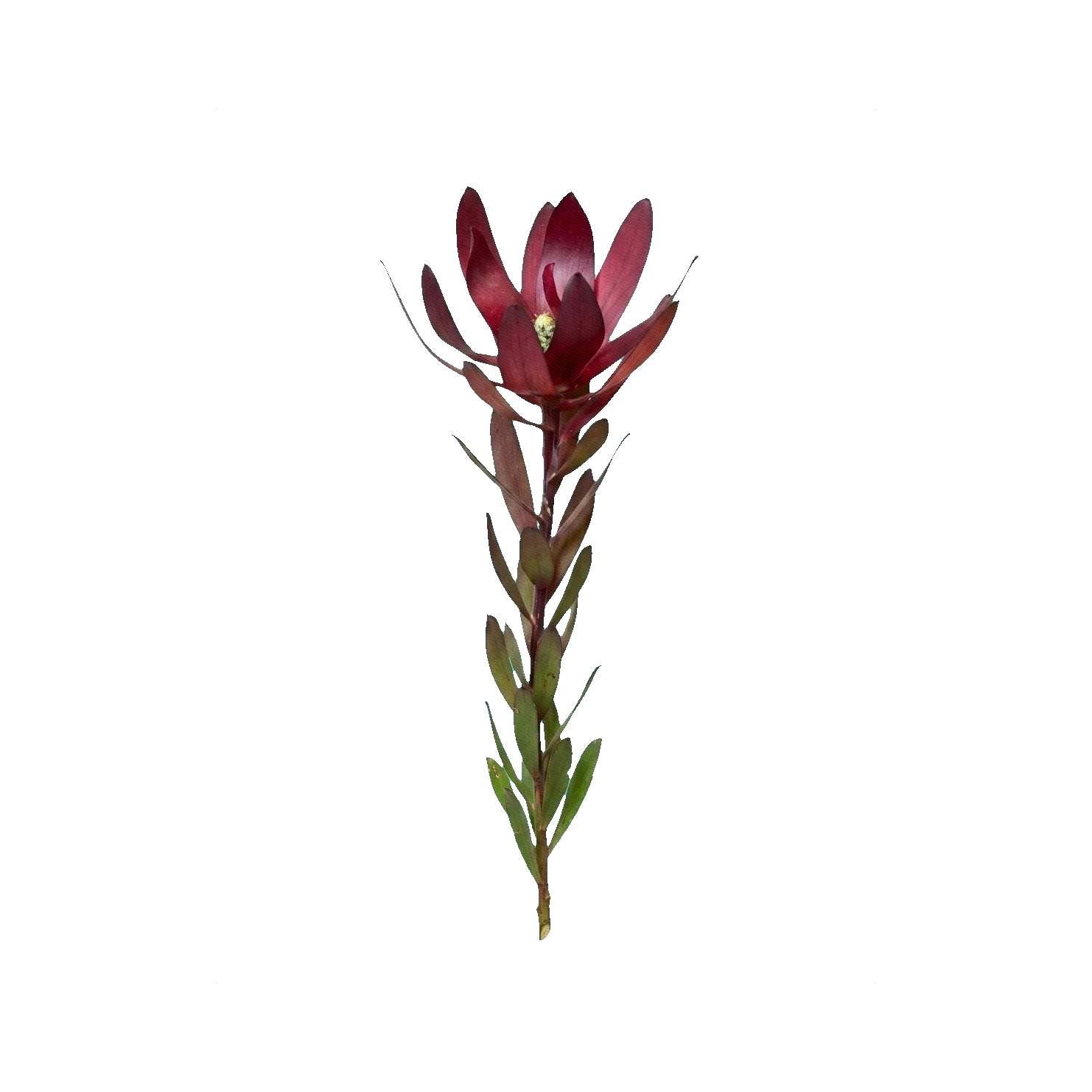
Leucadendron
Leucadendron
Leucadendron — cousin of the protea from South Africa's Cape — is the modern editorial designer's autumn signature. The Sunset variety in particular provides warm burgundy-to-copper coloration that no other cut flower matches. Exceptional vase life (up to 4 weeks) makes it a favourite for luxury installation work where flowers need to hold across a multi-day event.
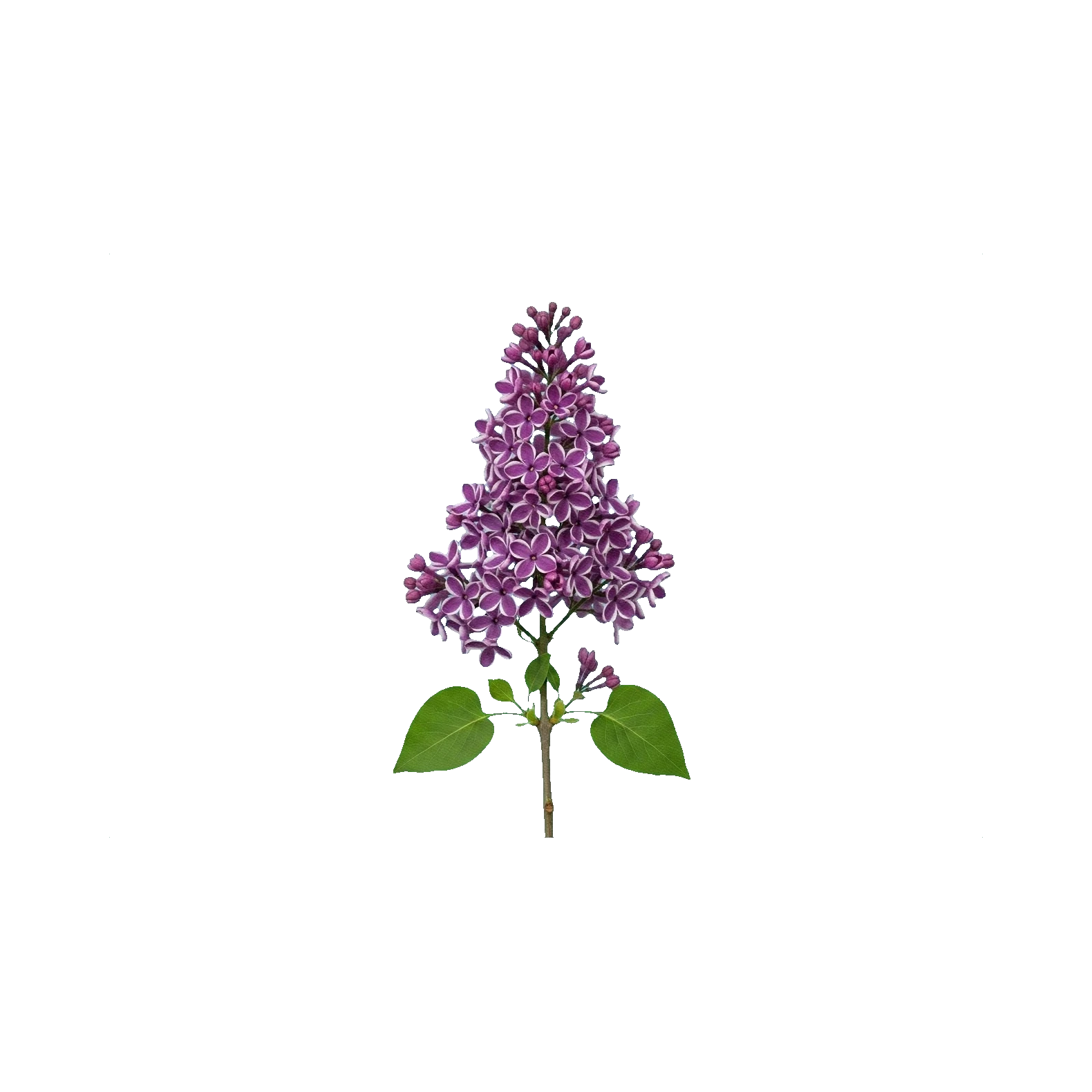
Lilac
Syringa vulgaris
The scent of lilac in a wedding venue is unforgettable — and unattainable at any other time of year. Short season (six weeks), short vase life (a week at best), and demanding conditioning requirements make lilac a luxury flower even when technically in season. Split the stems; strip the leaves; use the day it arrives.
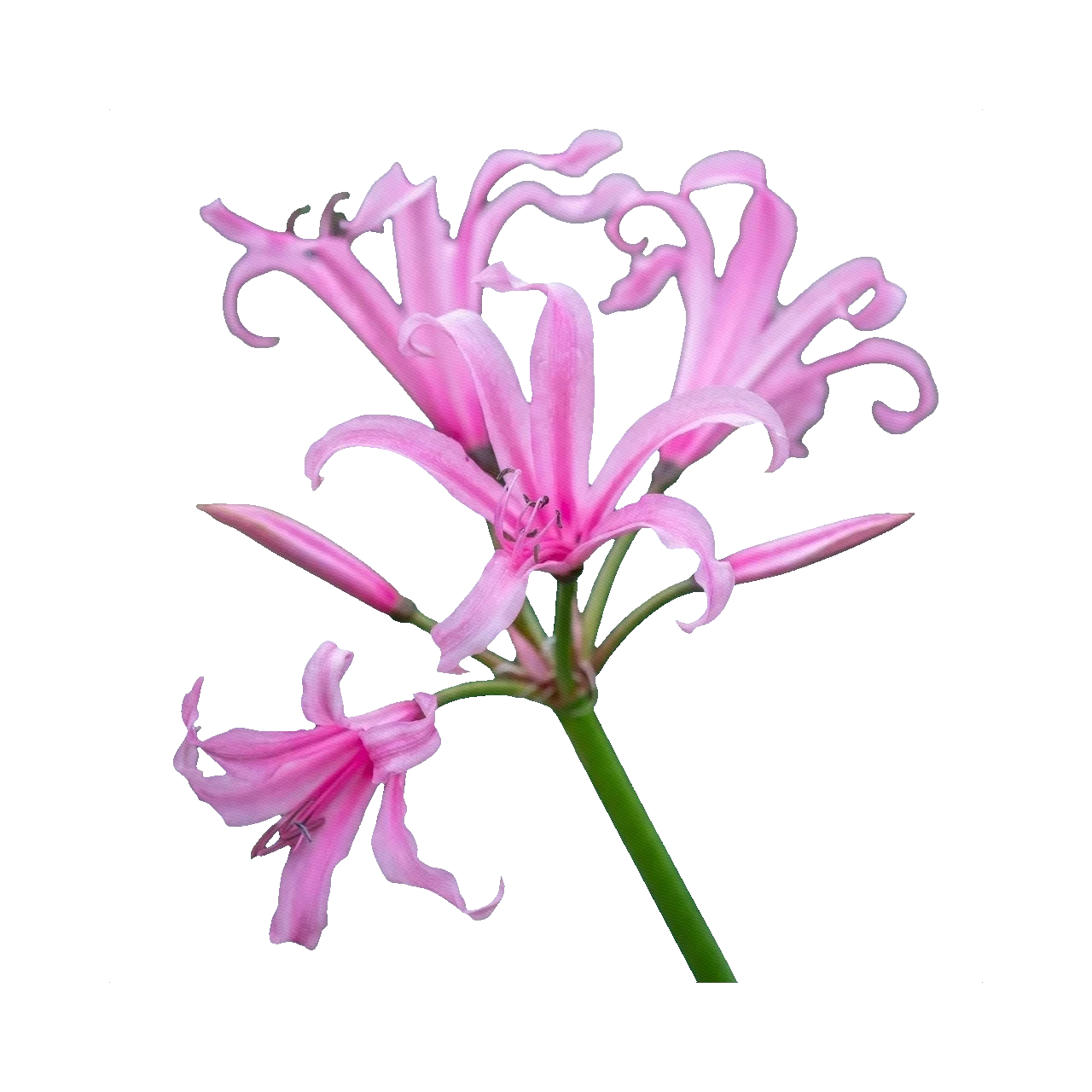
Nerine
Nerine bowdenii
Nerine is an autumn jewel — an umbel of slender, recurved petals that catch the light with an almost frosted, sugared shimmer. Native to South Africa, Nerine bowdenii flowers just as most garden blooms fade, giving florists a fresh, luminous pink for late-season weddings and arrangements. The spidery, leafless stems read as elegant and slightly exotic, and they hold impressively long in the vase. Their delicate crystalline petals bring a refined sparkle to bouquets and luxury autumn work.
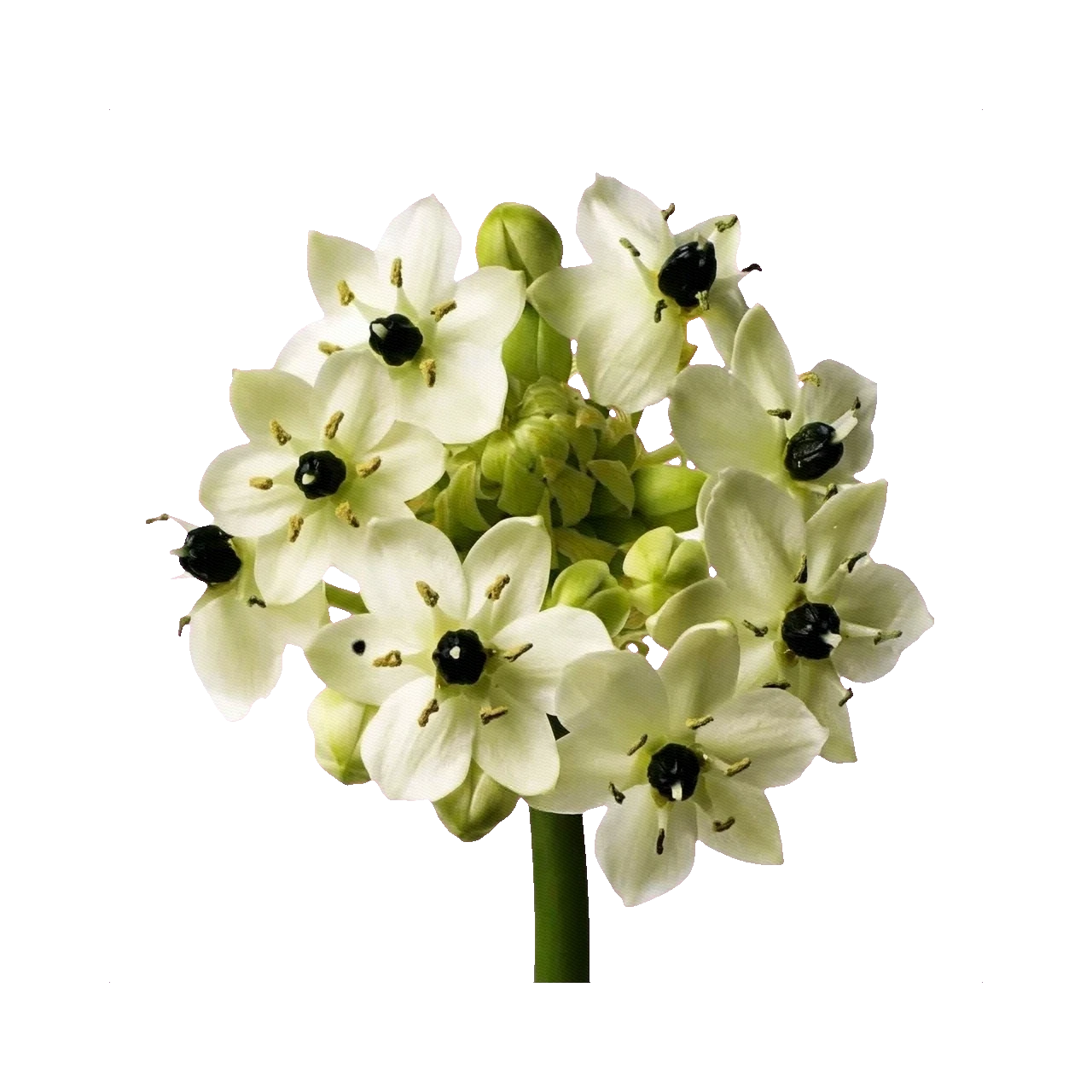
Ornithogalum
Ornithogalum thyrsoides
Ornithogalum, often sold as chincherinchee, is a spike of crisp, star-shaped white flowers renowned for an almost unbeatable vase life. Native to South Africa, its buds open steadily up the stem over two to three weeks, making it one of the most economical long-haul flowers a florist can stock. The clean, geometric florets add fresh, structured filler to bridal and everyday designs alike. Its longevity and tidy form also make it a reliable choice for corporate and event work.
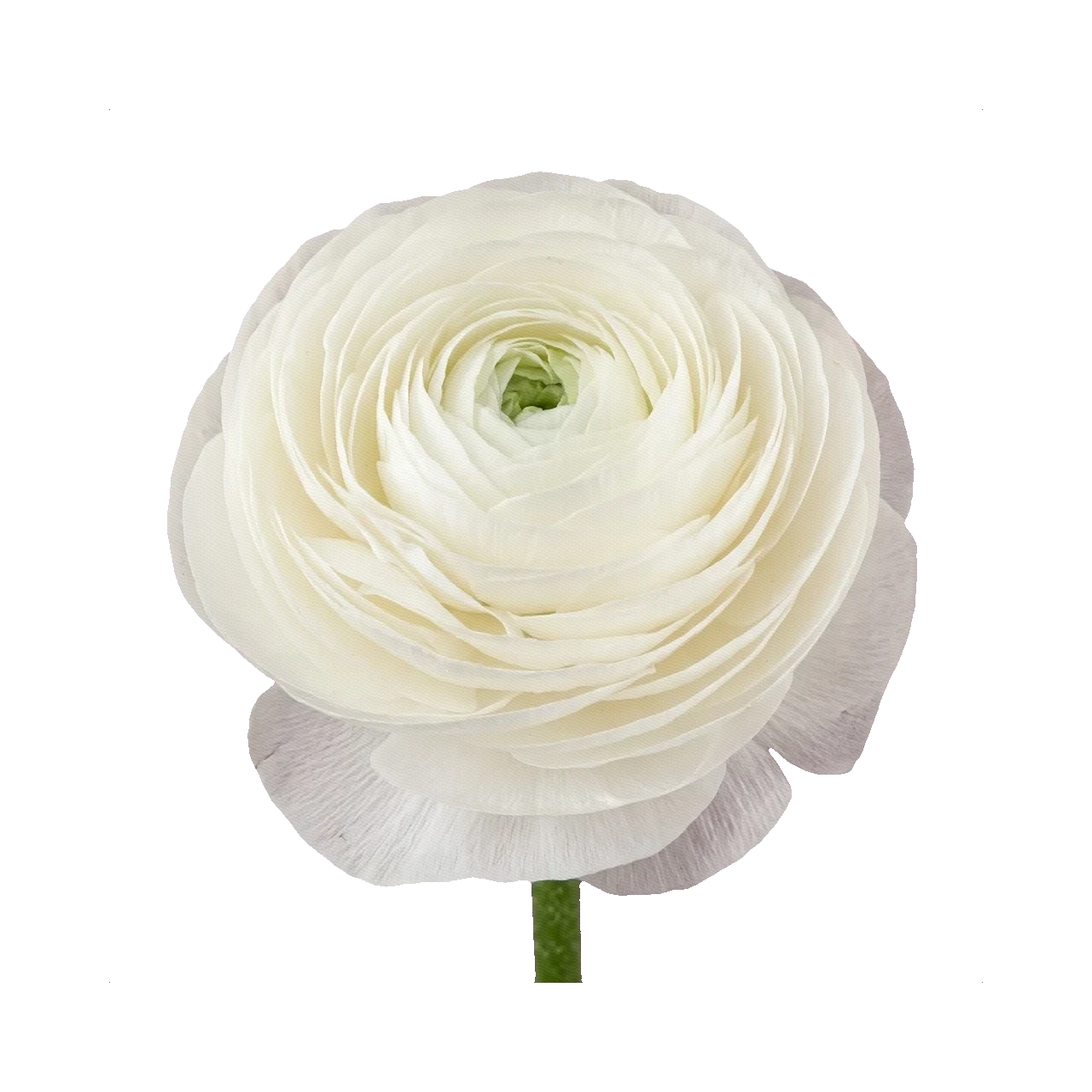
Ranunculus
Ranunculus asiaticus
Ranunculus offer the layered, papery petals of a peony at half the size and in a wider colour range. Italian Cloni Success and Elegance strains lead the premium market — huge heads (up to 10 cm) on strong stems. Ranunculus perform best in the first three days of vase life; plan accordingly for events.

Rudbeckia
Rudbeckia hirta
Rudbeckia is the golden daisy of high summer and early autumn, instantly recognisable by its warm yellow-to-bronze rays circling a dark, domed cone. Florists prize it as a cheerful, sturdy focal that carries meadow and prairie-style designs without fuss. Its colour range spans clear yellow through mahogany and rust, making it a natural fit for late-season and rustic palettes. Reliable, inexpensive and long-lasting, it bridges the gap between sunflowers and the finer autumn daisies.
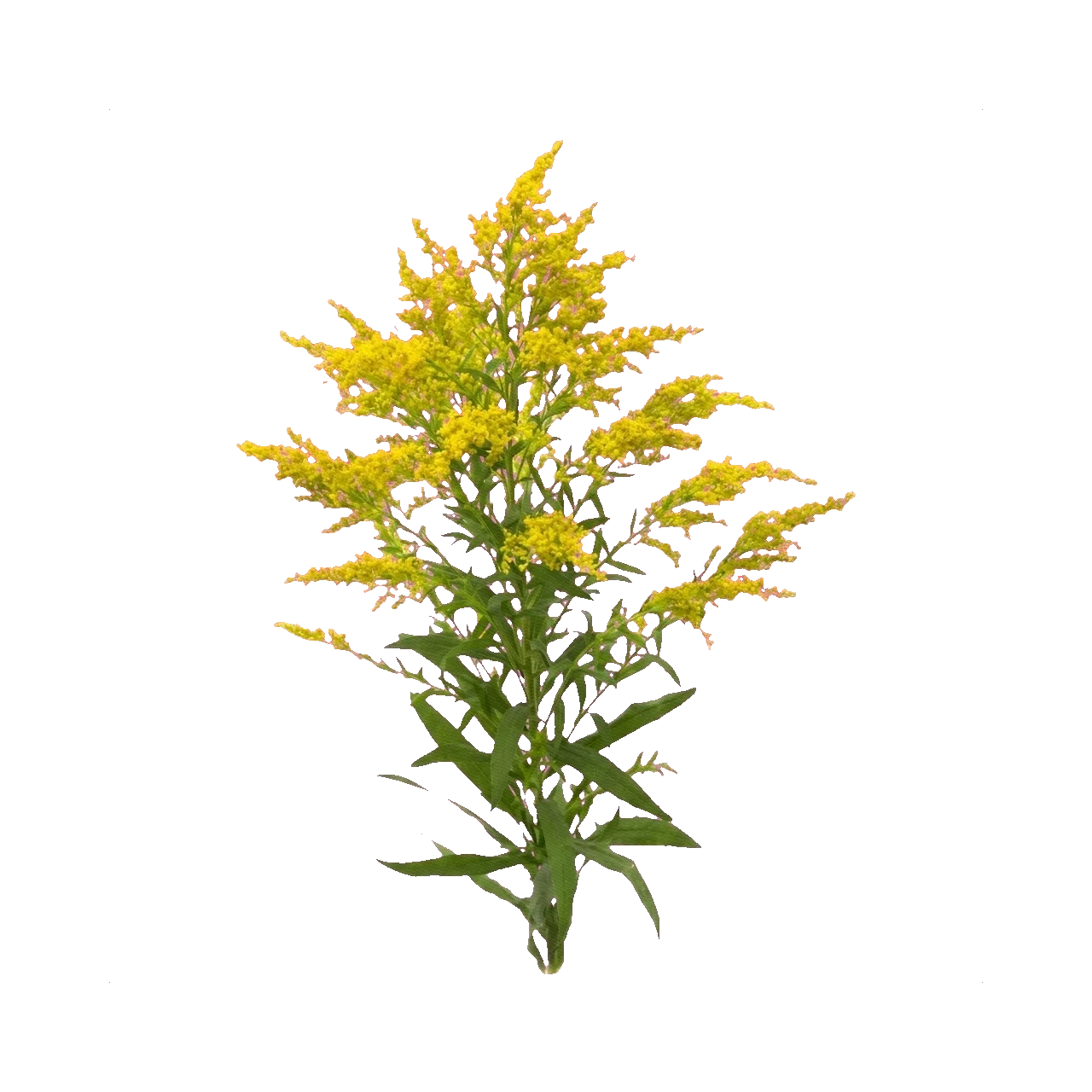
Solidago
Solidago canadensis
Solidago, or goldenrod, is a plumed North American perennial whose feathery sprays of tiny golden flowers add warmth and movement to an arrangement. Florists prize it as an airy, inexpensive filler that softens gaps and echoes the yellow of sunflowers and rudbeckia. Its fine, branching form reads as a golden haze, making it a staple of rustic, autumnal and cottage-garden work. Long-lasting and forgiving, it also dries well for everlasting designs.
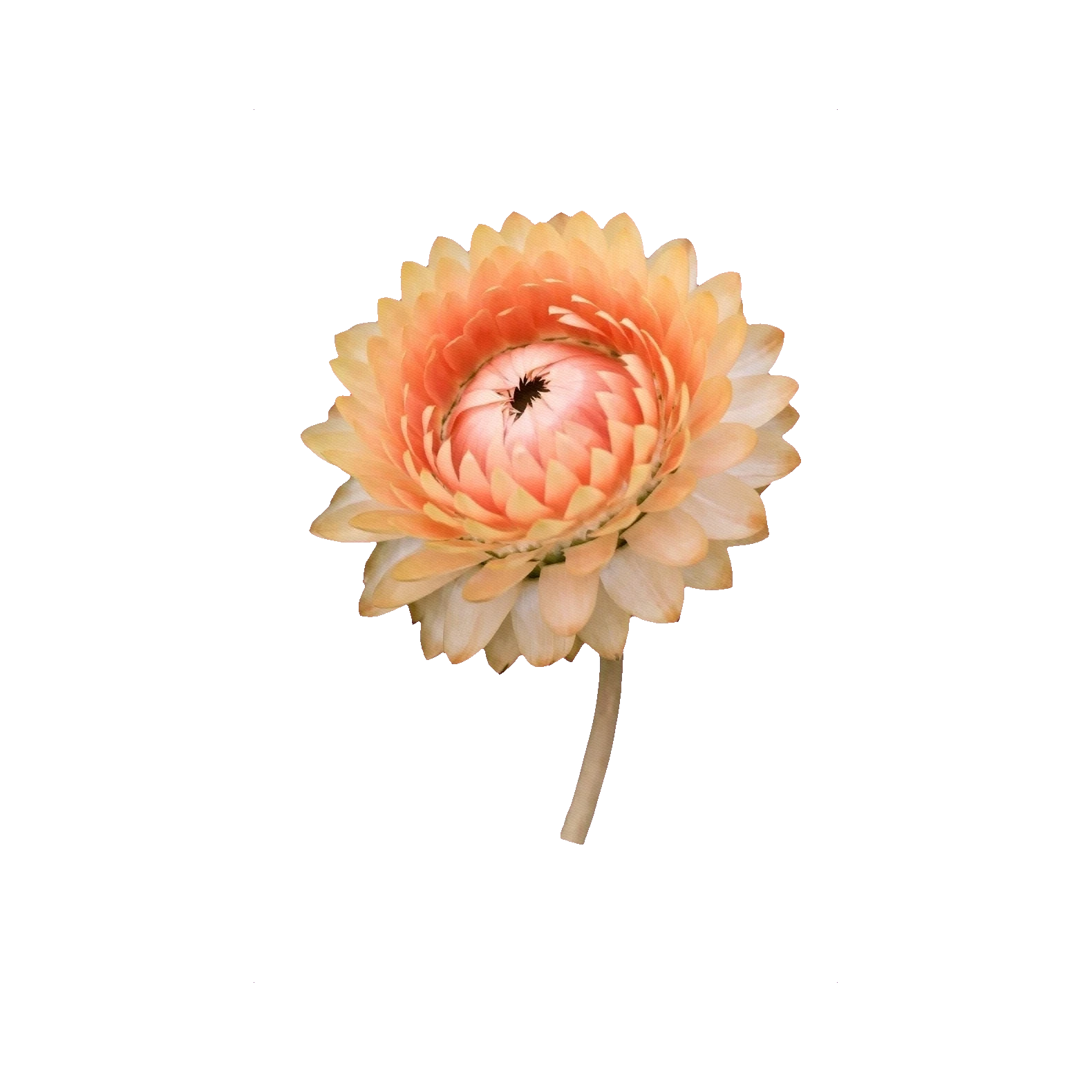
Strawflower
Xerochrysum bracteatum
Strawflower earns its many nicknames — everlasting, paper daisy — from stiff, papery bracts that feel like crisp straw and keep their vivid colour long after cutting. Native to Australia, it works beautifully fresh but truly shines dried, holding rich yellows, oranges and pinks for months. Florists lean on it for textural interest in boho and autumn arrangements, and as an affordable staple of dried bouquets and wreaths. Its durability and warm palette make it a versatile, budget-friendly filler.
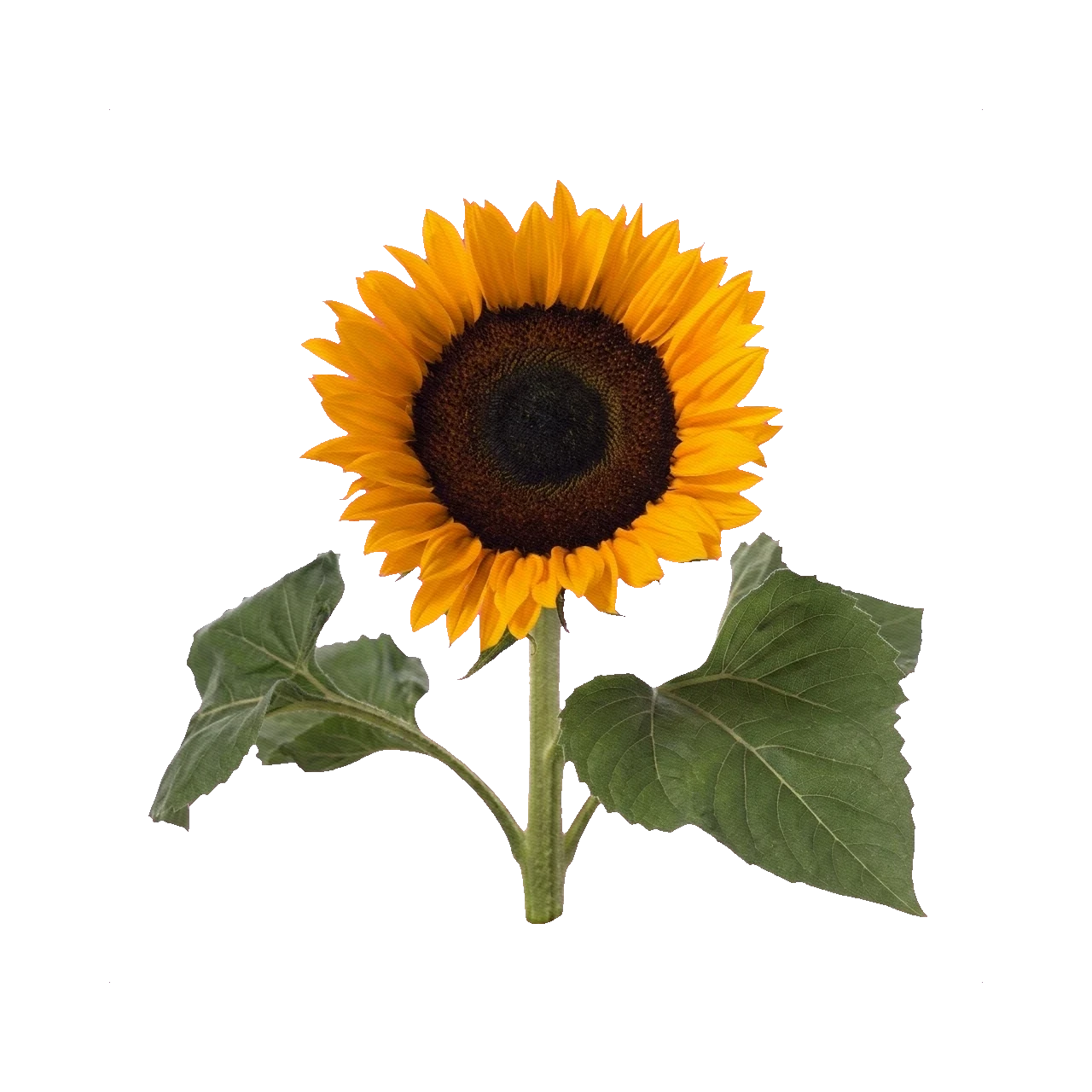
Sunflower
Helianthus annuus
Sunflowers are the face of late summer floristry — bold, cheerful, and grown locally on almost every continent. Pollenless varieties (Sunbright, ProCut Orange) have replaced classic pollen-producing sunflowers in commercial work — no more stained tablecloths. Miniature sunflowers (Teddy Bear, fully double heads) have opened the flower to wedding and event use.
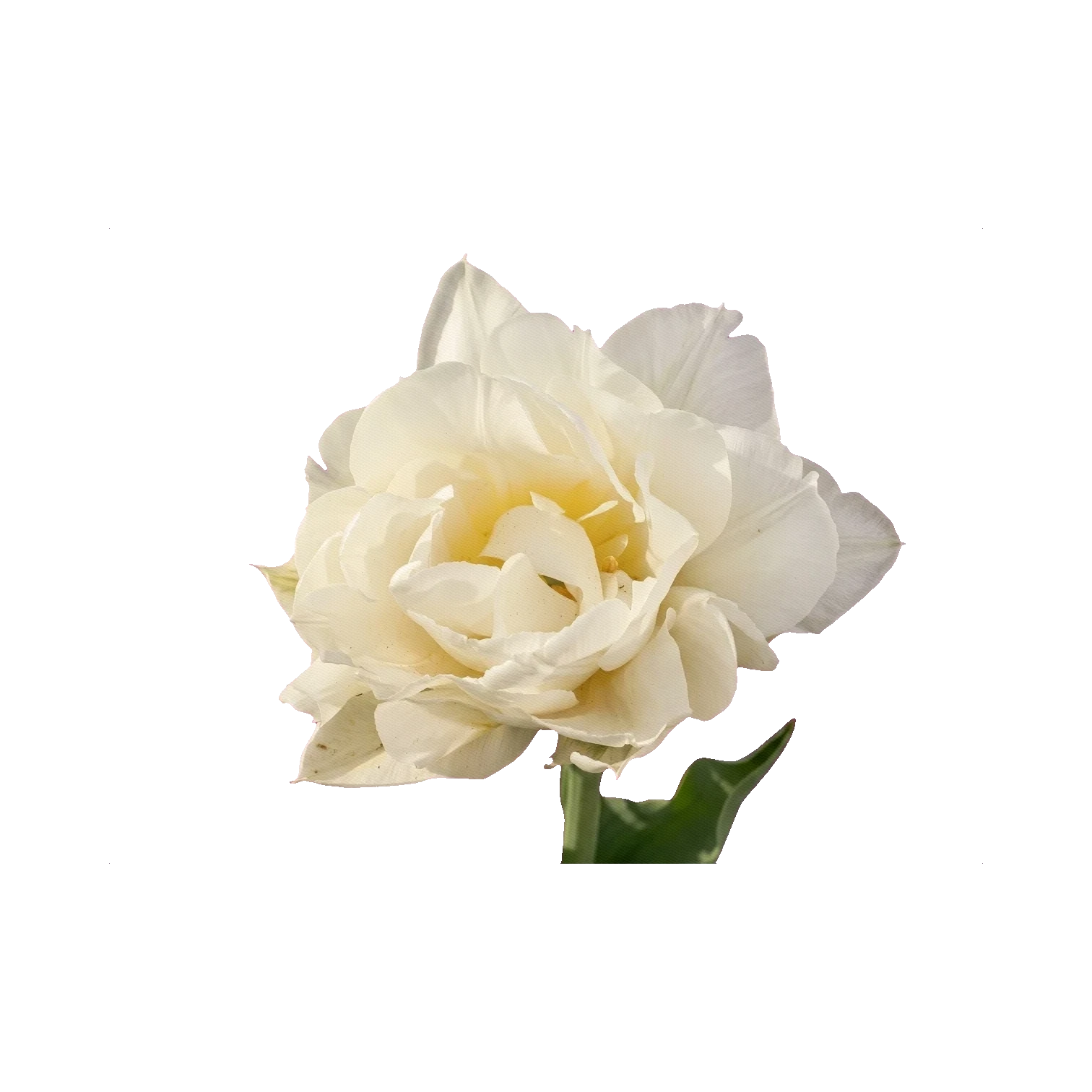
Tulip
Tulipa
The most-produced cut flower in the world (Netherlands ships 2+ billion stems annually). Tulips are actively alive in the vase — they grow, bend toward light, and open with the day. This movement is a feature, not a defect: modern floristry embraces the natural curve. Double-flowered varieties (peony tulips) can substitute peonies out of season.
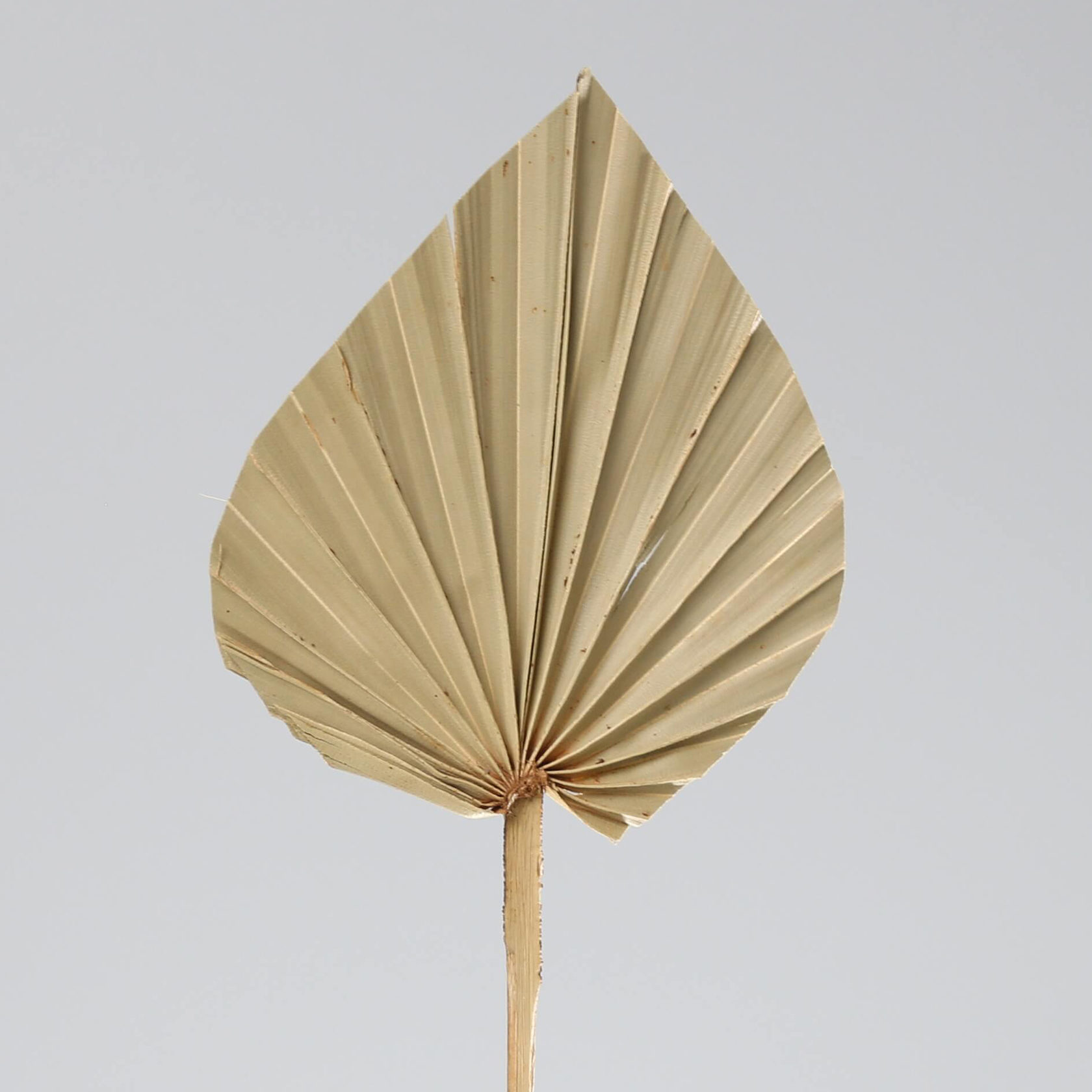
Areca palm frond
Dypsis lutescens
The Areca palm frond — cut foliage from Madagascar's golden cane palm — is the definitive tropical wedding and installation foliage. Its long feathered leaflets create instant tropical drama at destination weddings and beach events. Modern editorial designers also use it dry as a sculptural element in hotel and gallery installations.
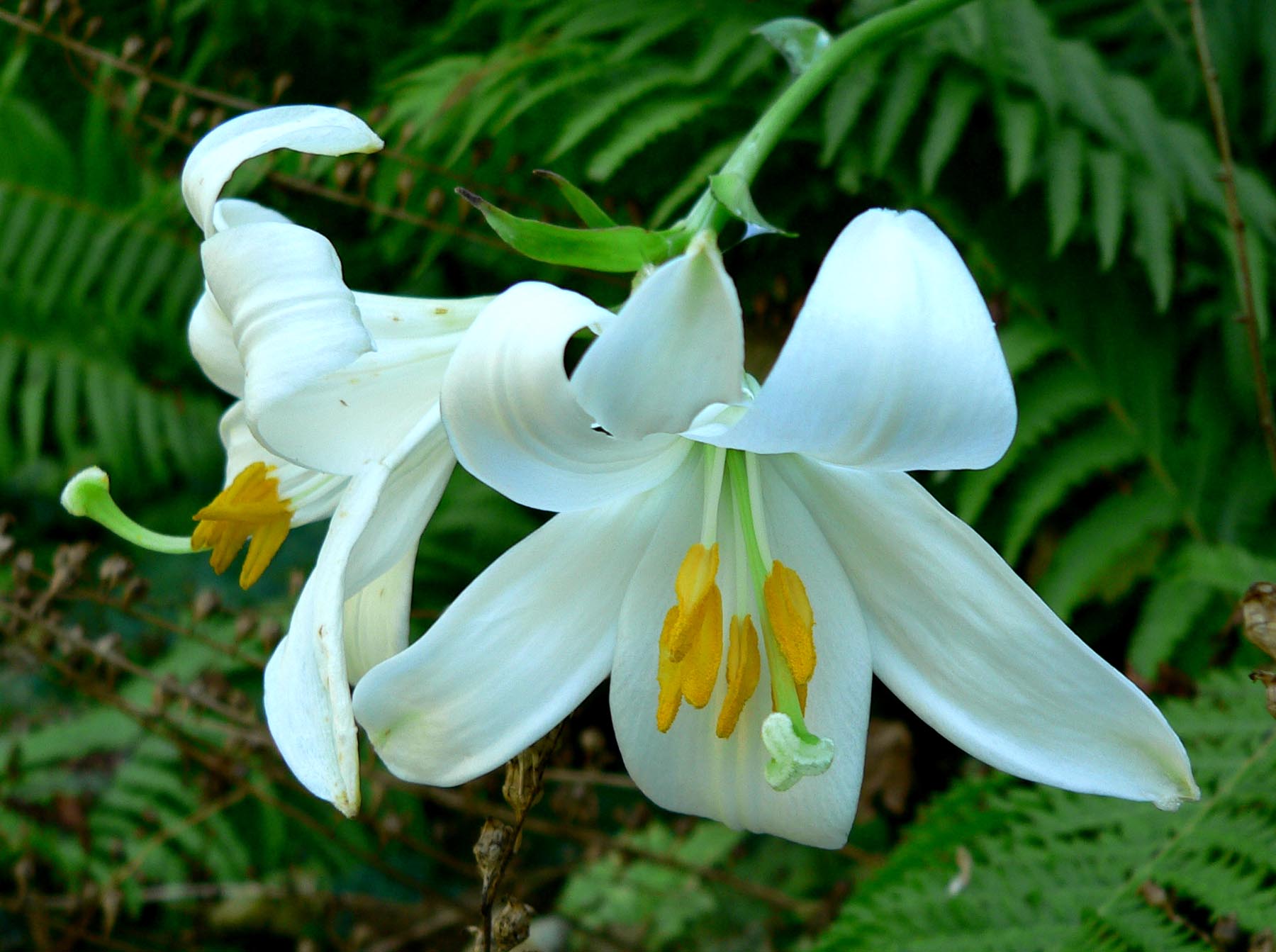
Asiatic Lily
Lilium (Asiatic hybrids)
Asiatic lilies are the bold, upward-facing workhorses of the lily world, prized for saturated colour and a clean, almost scentless bloom that suits guests sensitive to fragrance. Bred from several East Asian Lilium species, they open reliably from bud and hold well in the vase, giving florists dependable focal power at a friendly price. Their flat, star-like flowers come in vivid yellows, oranges, reds and pinks that carry across a room. They are a go-to for bright everyday bouquets, cheerful get-well arrangements and large-scale seasonal work.
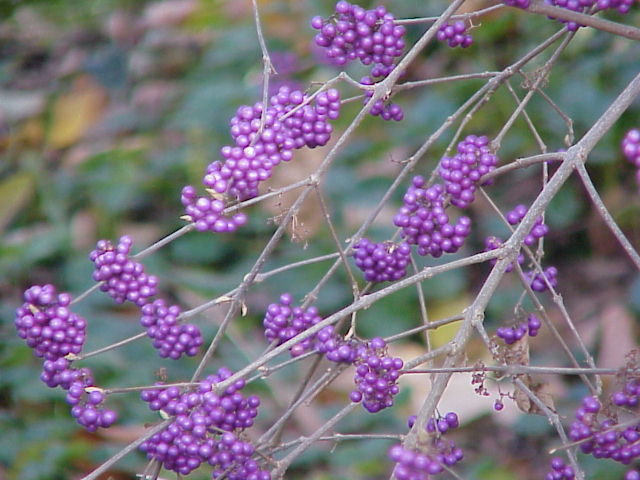
Beautyberry
Callicarpa bodinieri
Beautyberry is prized for its extraordinary clusters of tightly packed berries in an almost unreal metallic violet. Native to China, Callicarpa forms its fruit along bare or lightly leafed stems in autumn, giving florists a rare true-purple berry that photographs like jewellery. It brings a modern, jewel-toned accent to autumn bouquets, editorial work and moody seasonal arrangements. Because the foliage fades fast, florists strip the stems to let the striking berries stand alone.
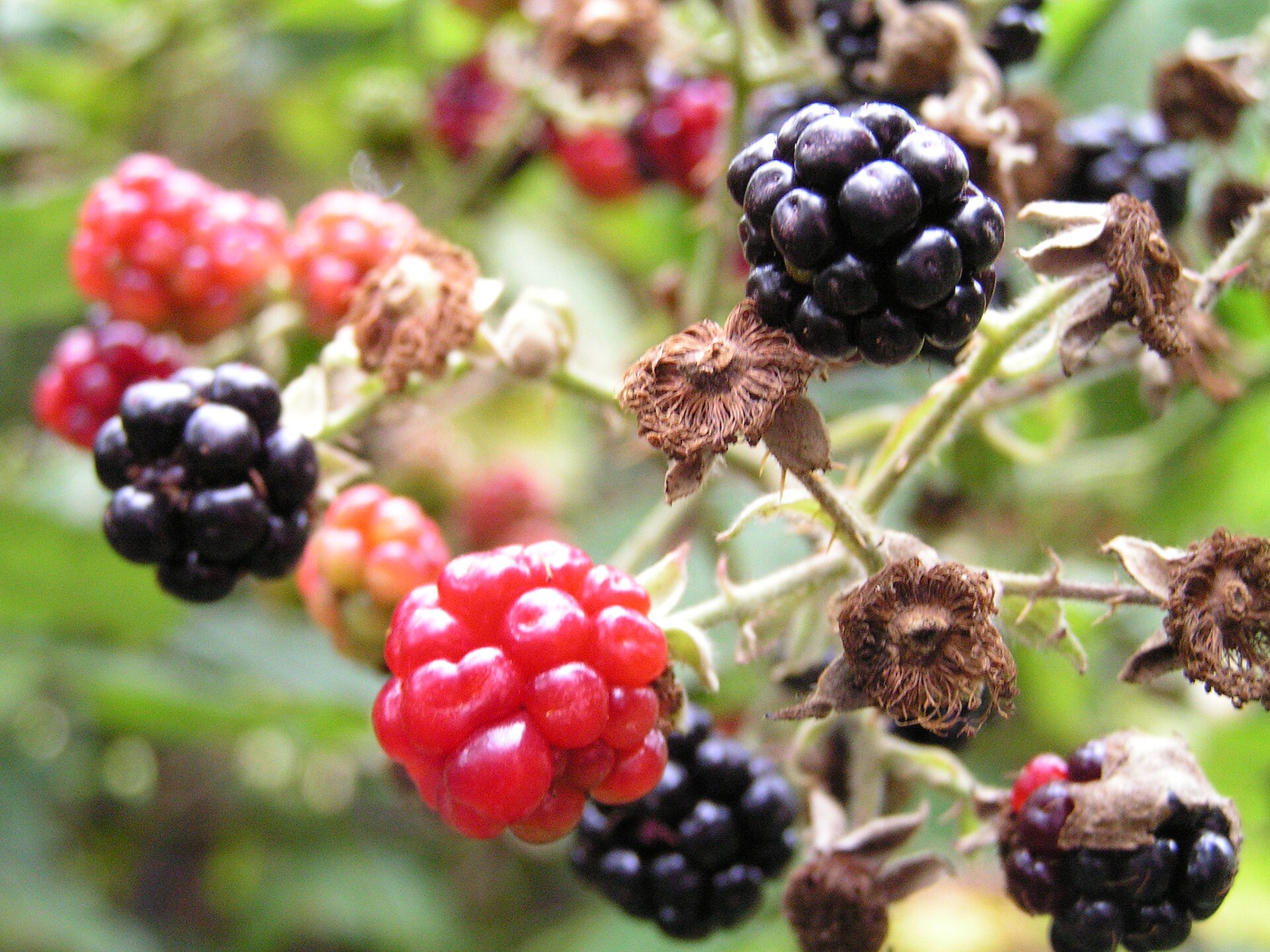
Blackberry Branch
Rubus fruticosus
Blackberry, or bramble, branches carry ripening fruit in a beautiful gradient from green through red to glossy black, often on the same arching stem. That natural colour range makes them a favourite for foraged, garden-style and editorial work through late summer and early autumn. Florists prize the wild, tumbling character they lend to loose bouquets and installations. The soft ripe fruit is short-lived and stains readily, so bramble is best used fresh for close-up seasonal moments.
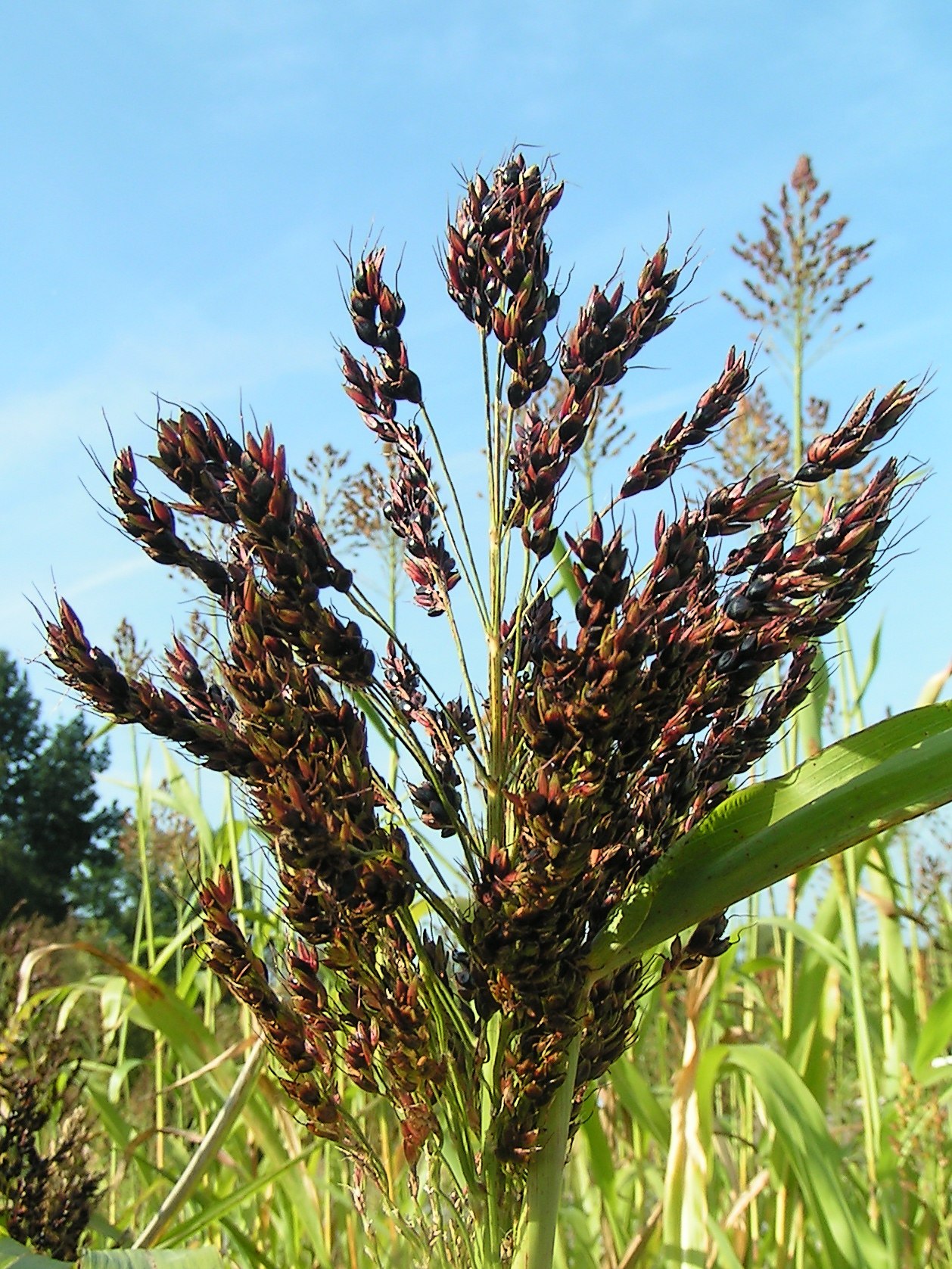
Broomcorn
Sorghum bicolor
Sorghum, or broomcorn, is a robust cereal grass grown for the large, branching seed heads that gave the traditional broom its bristles. In floristry those heavy heads bring bold, russet-to-burgundy texture and real presence to autumn and dried designs. Colours run from cream and bronze through deep red to near-black, and the sturdy stems dry easily into a graceful arc. Florists use it as a dramatic, harvest-toned accent that anchors rustic bouquets, installations and seasonal displays.
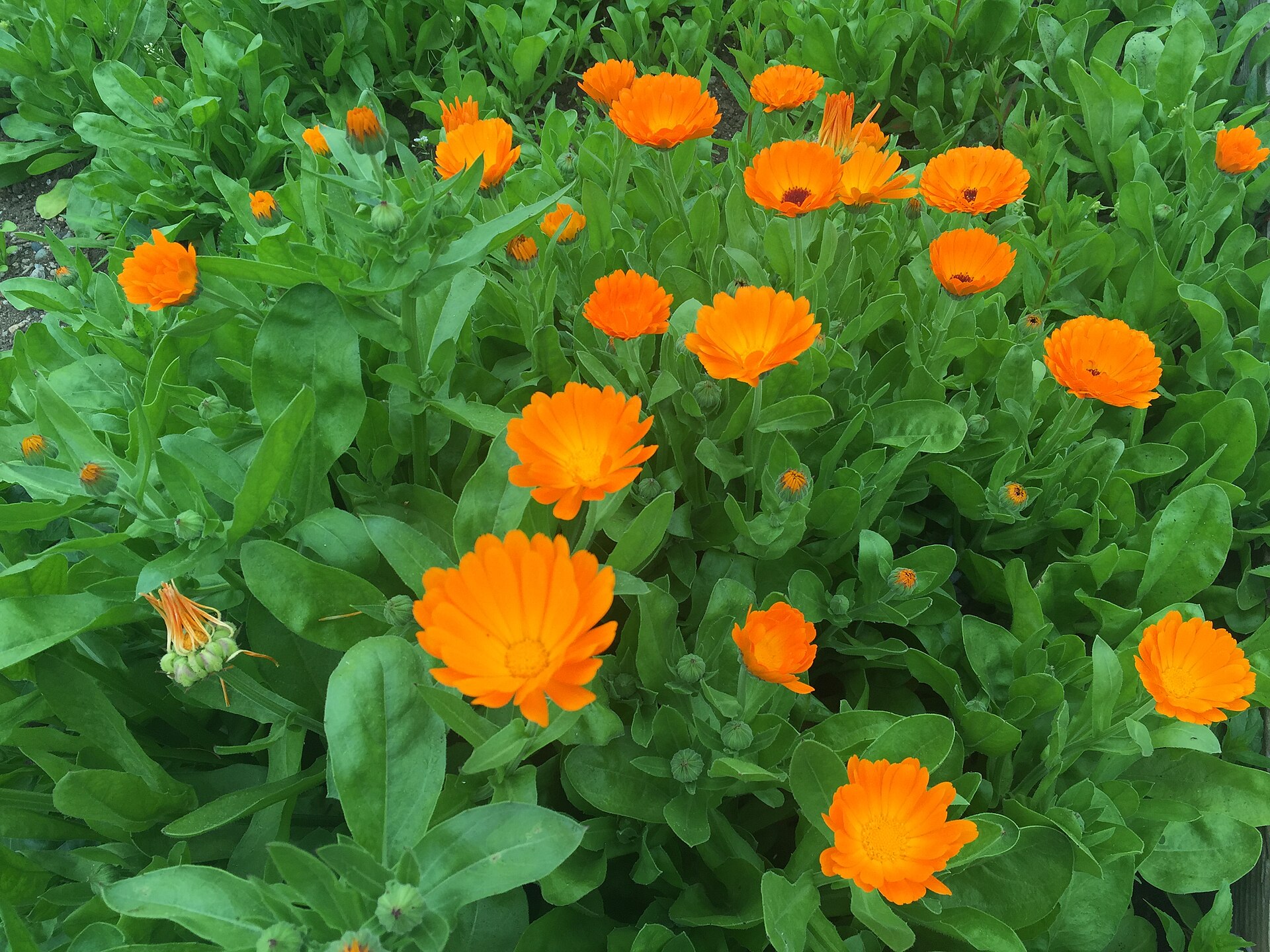
Calendula
Calendula officinalis
Calendula, or pot marigold, offers rounded daisy heads in glowing shades of orange, apricot and yellow, often doubled into densely petalled rosettes. A cool-season cottage flower, it appears earlier than most summer daisies and returns in a flush during mild autumns. Florists value its clear, edible-bright colour and old-fashioned charm in rustic and garden-style work. Humble and inexpensive, it carries a nostalgic, kitchen-garden warmth that pairs beautifully with herbs and grasses.
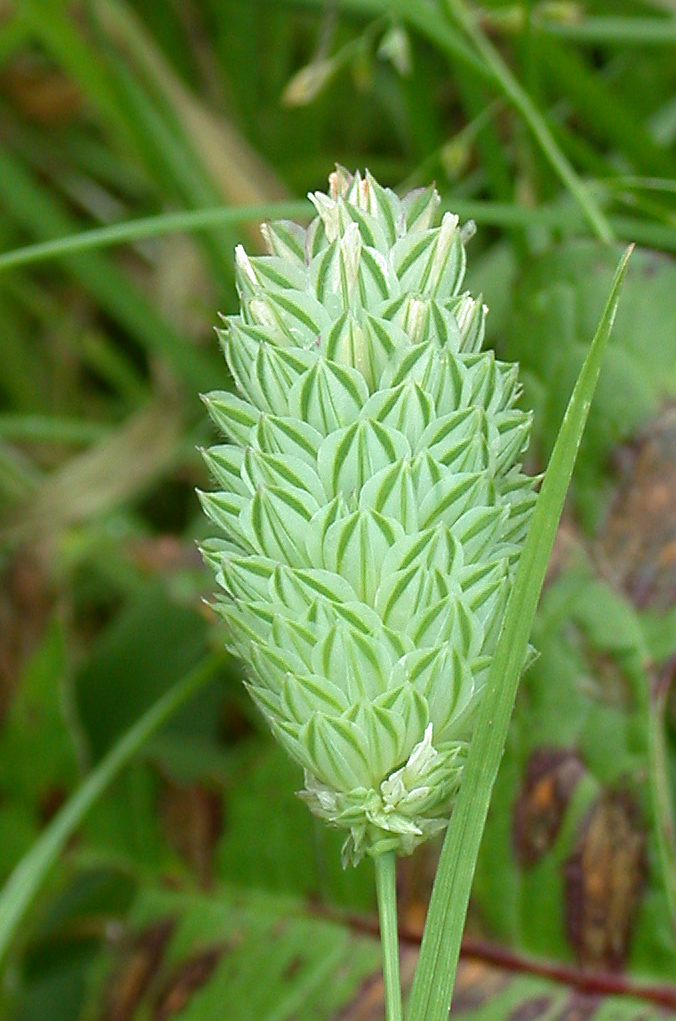
Canary Grass
Phalaris canariensis
Phalaris, canary grass, is a Mediterranean grass grown for its plump, oval seed heads packed tightly on upright stems. Fresh, the fat green heads bring a neat, grain-like texture and a rustic freshness to summer bouquets; dried, they fade to soft straw and hold their shape for months. Easy to grow, cut and condition, it is an inexpensive, dependable filler. Florists reach for it to add substance and a field-gathered feel to garden-style and dried work.
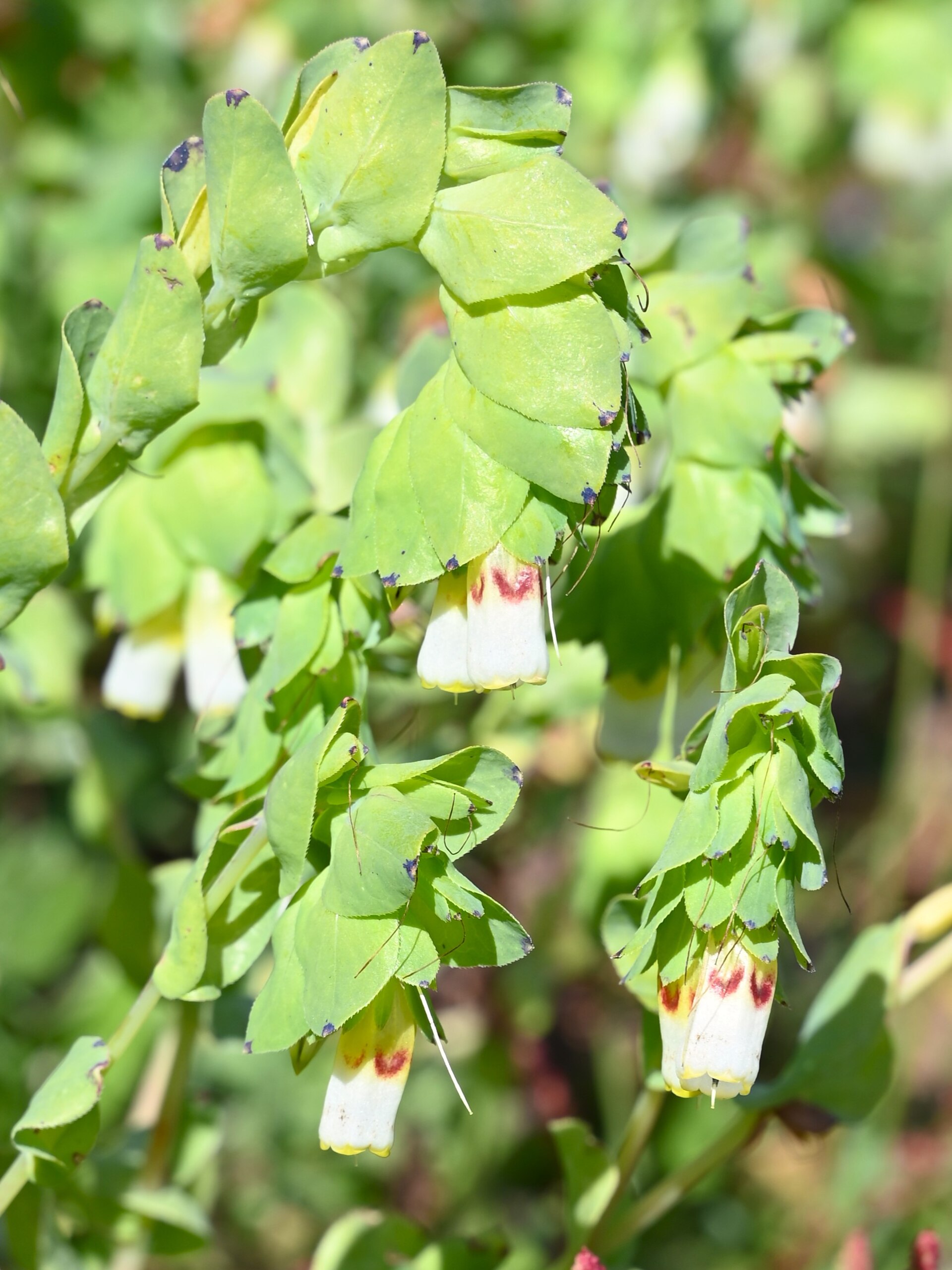
Cerinthe
Cerinthe major
Cerinthe, or honeywort, is an unusual member of the borage family grown for its glaucous blue-green foliage and nodding, deep purple-blue bracts that shade toward gunmetal at the tips. Florists reach for it when a bouquet needs a moody, painterly accent and a colour that bridges blue, teal and green. Its arching stems add graceful movement to garden-style and editorial designs. It is a designer's curiosity rather than a mass flower, and best enjoyed while freshly cut.
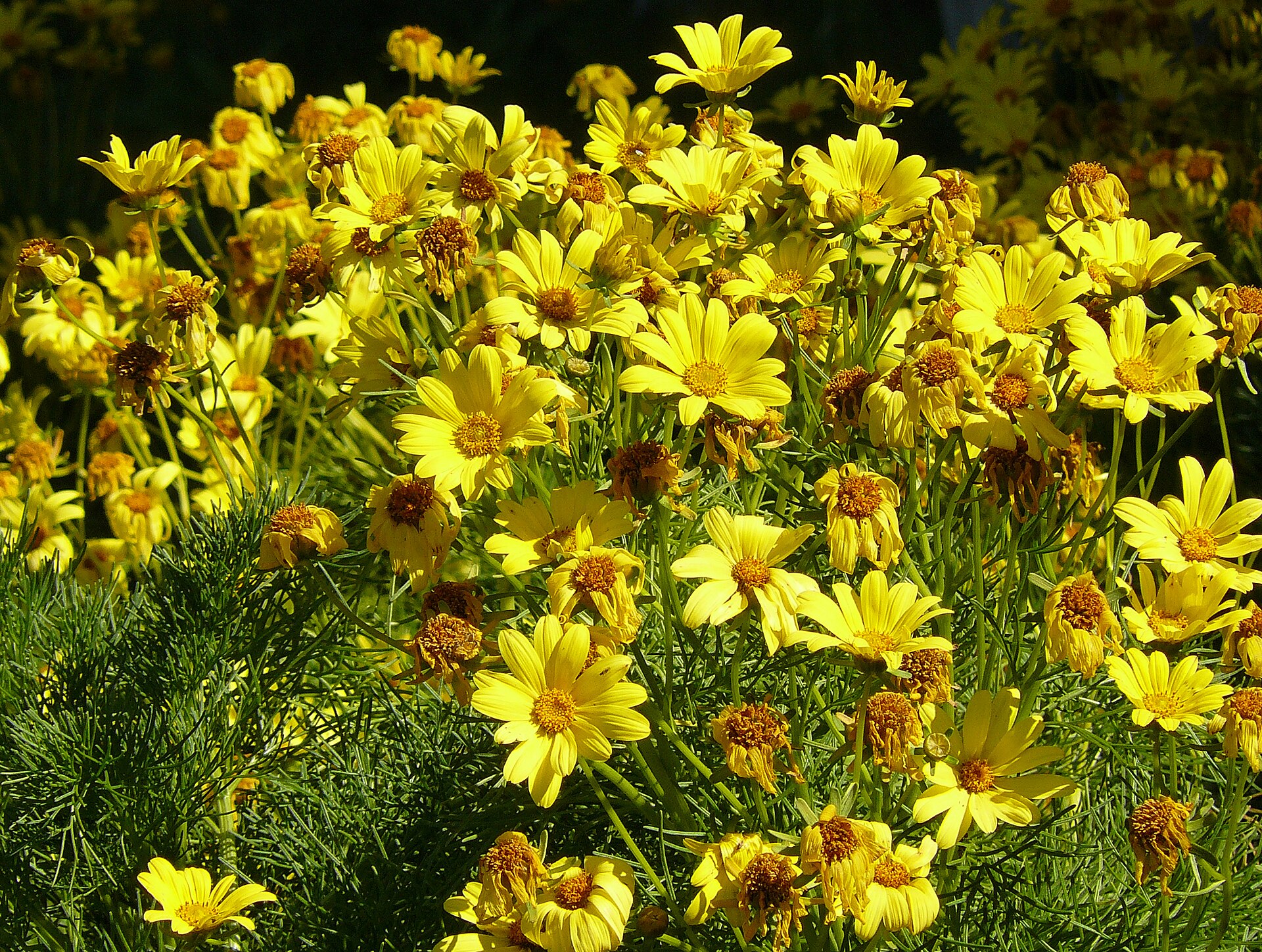
Coreopsis
Coreopsis
Coreopsis scatters small, sunny daisy flowers on airy, branching stems, adding a loose sparkle to cottage and meadow arrangements. Its rays run from bright buttery yellow through orange to crimson, often with a contrasting eye, and read as delicate confetti among heavier blooms. Florists use it as a lightweight filler that softens outlines and fills gaps with colour. Inexpensive and abundant in high summer, it is a quintessential garden-style ingredient.
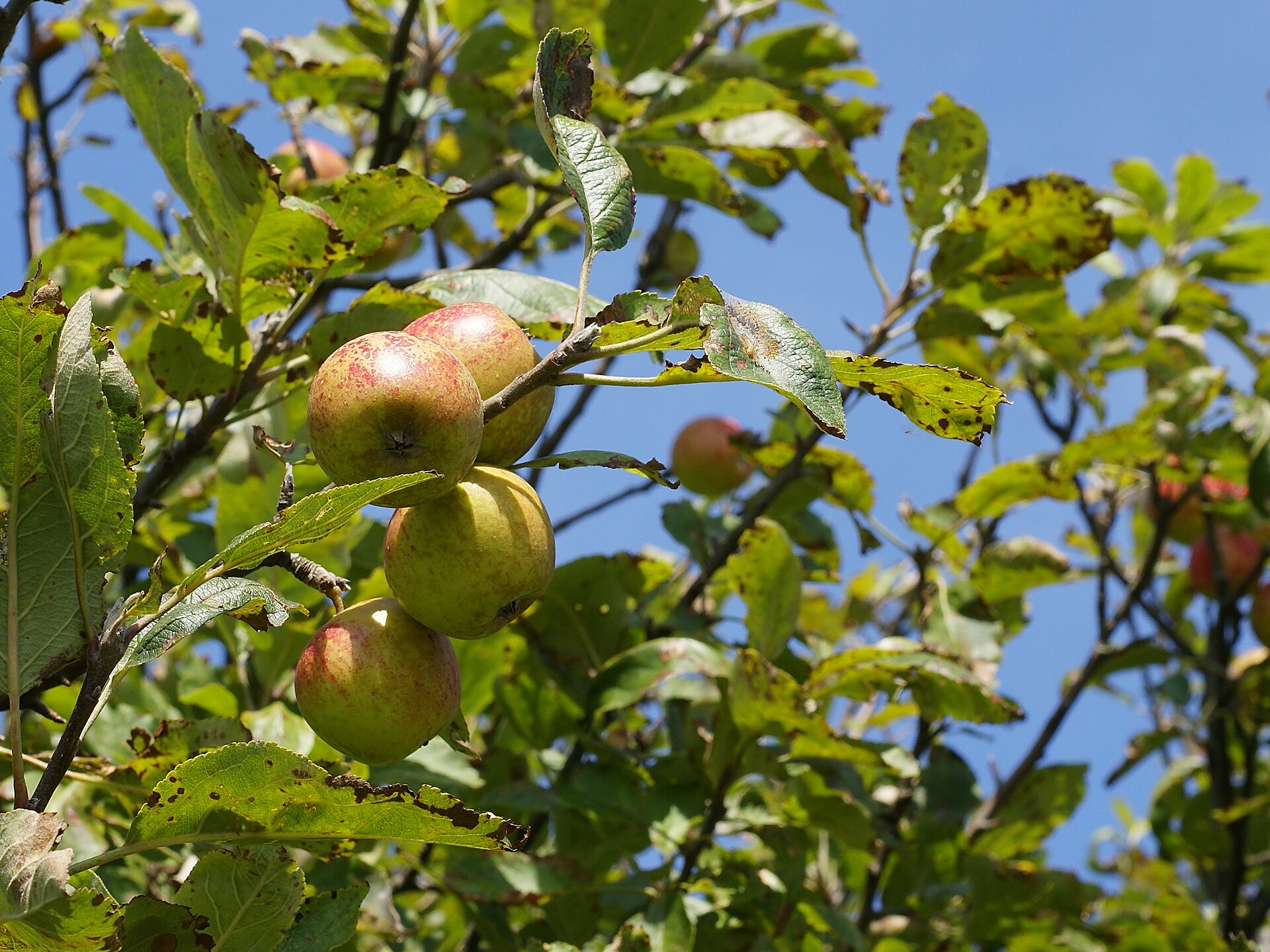
Crab Apple
Malus sylvestris
Crab apple branches carry clusters of glossy miniature apples in shades of red, gold and burgundy, often still clothed in autumn leaves. Their weight and orchard character make them a natural focal texture for large-scale seasonal and editorial designs. Florists use them to add depth, movement and a sense of ripe abundance to autumn arch installations and tall arrangements. Firm and long-lasting, the fruit holds its colour well when kept cool.
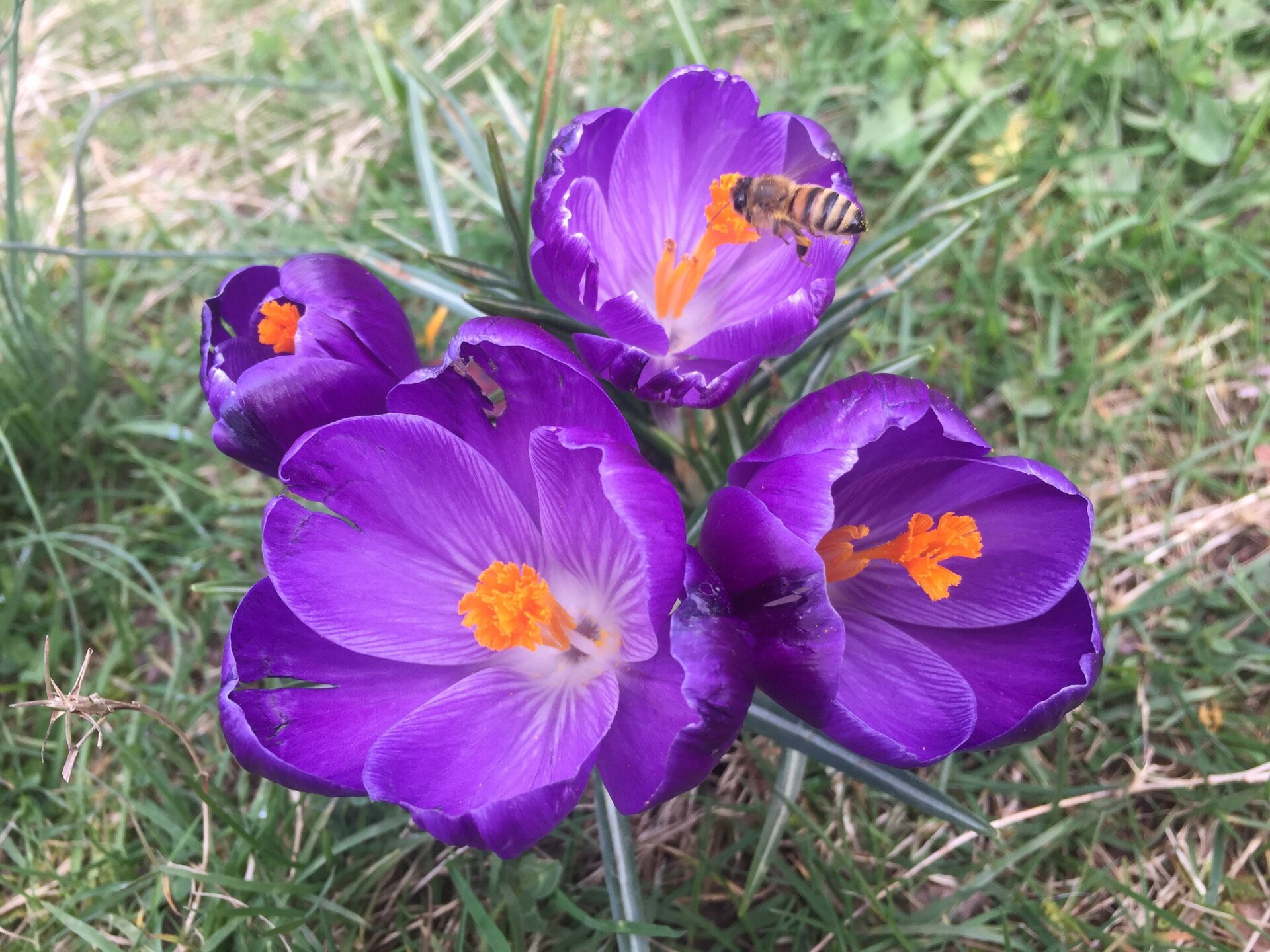
Crocus
Crocus vernus
Crocus is the herald of spring, opening its goblet-shaped cups in purple, gold, white and lavender while frost still lingers. Its very short stems and brief vase life make it a specialist cut flower, most often shown in bulb bowls, mossy displays and tiny low arrangements. Florists cherish it for its jewel-clear colours and the sense of earliest spring it evokes. Where a design needs the first true flush of the season, nothing says it quite like crocus.
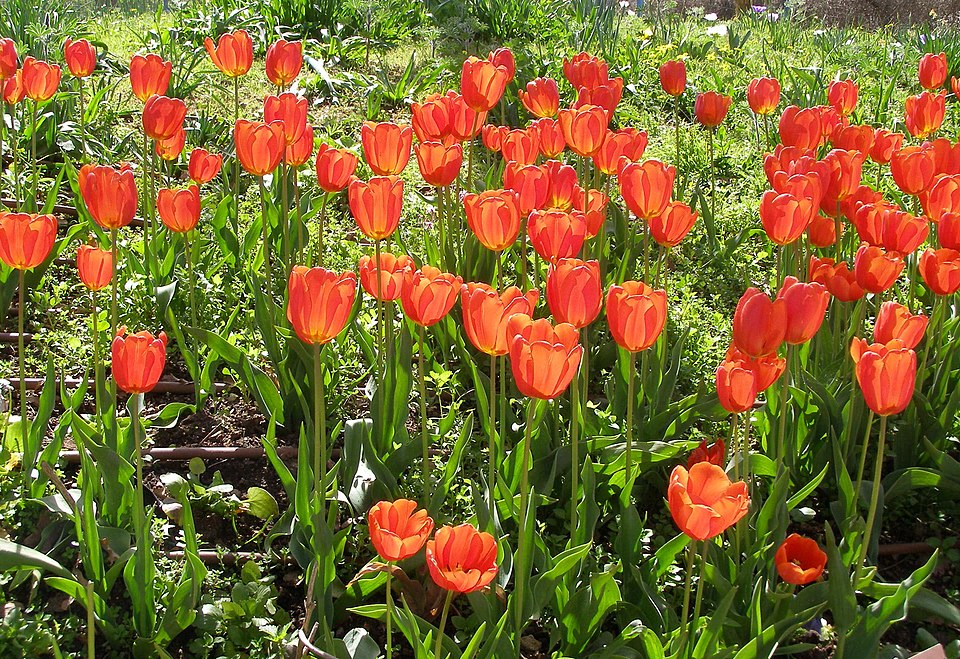
Double tulip
Tulipa (double-flowered varieties)
Double tulips — often marketed as 'peony tulips' — carry a peony-shaped bloom on a tulip stem. During the peony gap (July–April in the northern hemisphere), double tulips are the closest substitute at a fraction of the cost. La Belle Époque is the wedding favourite: dusty peach fading to cream.
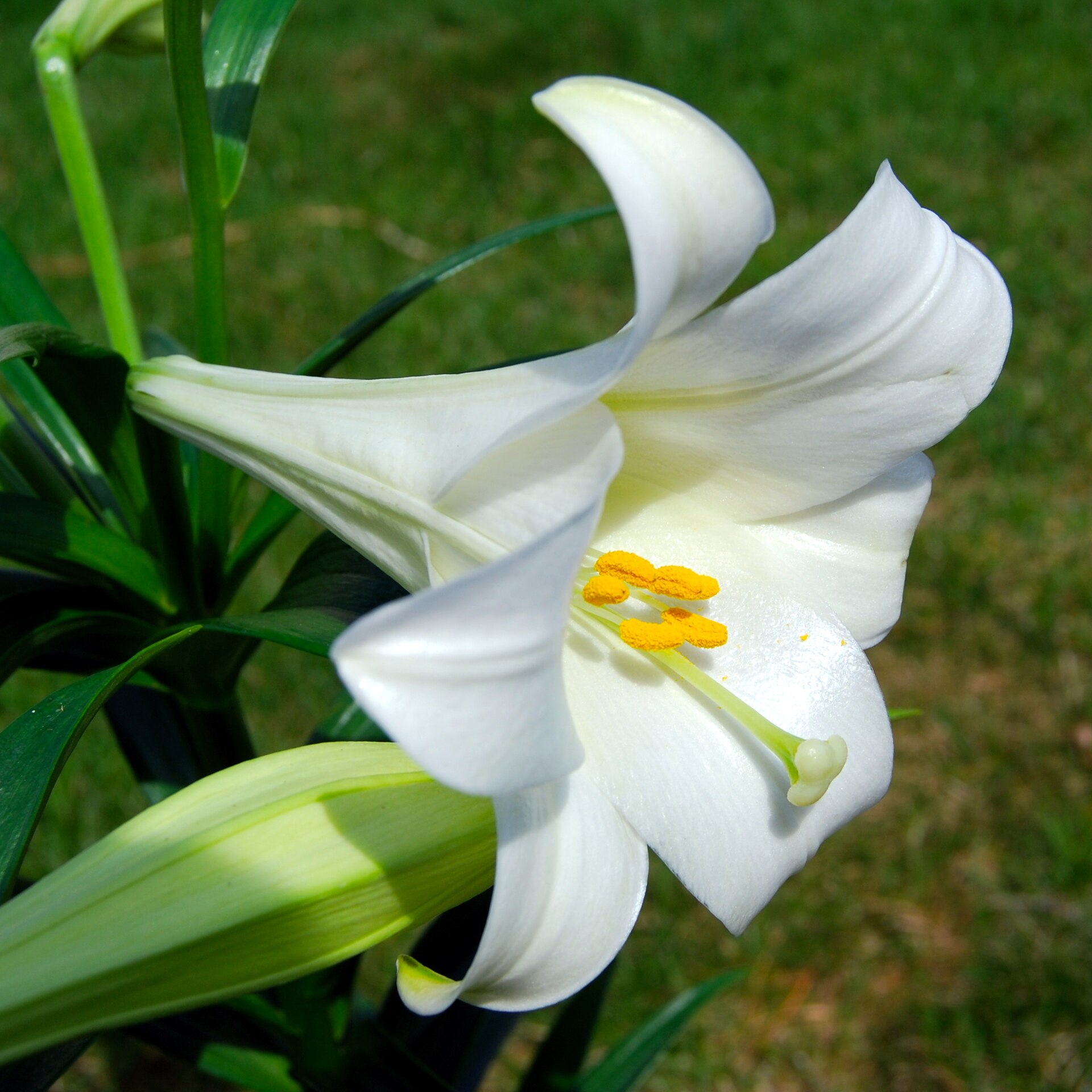
Easter Lily
Lilium longiflorum
The Easter lily is the classic pure-white trumpet lily, its long, elegant flowers carrying a sweet fragrance that defines spring church and ceremonial work. Native to the Ryukyu Islands of Japan and forced heavily for the Easter market, it brings a serene, formal note to weddings and sympathy tributes alike. Florists value its statuesque stems and crisp white trumpets, though the potent pollen must be managed. Its symbolism of purity and rebirth makes it a mainstay of spring celebrations and memorial arrangements.
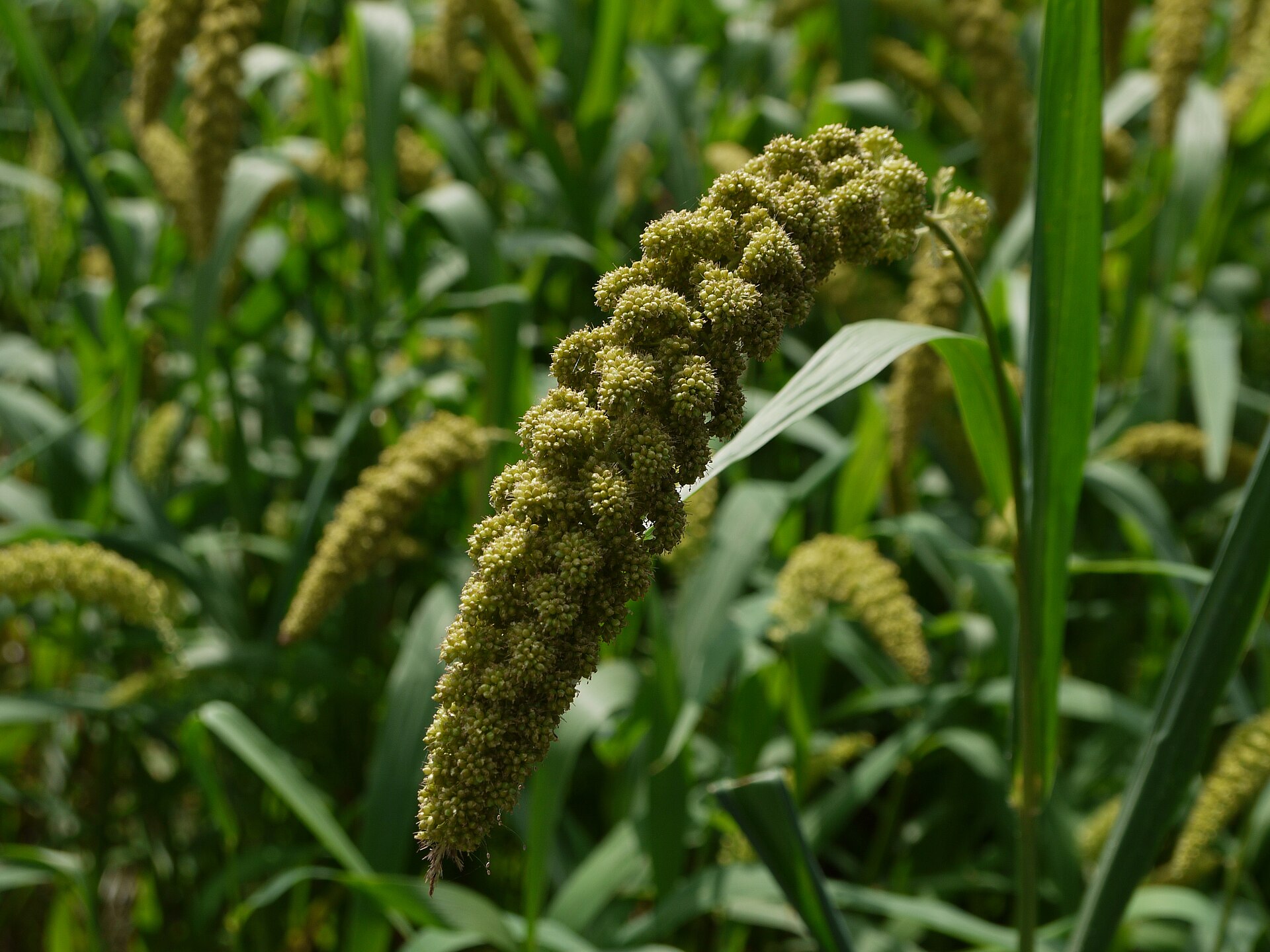
Foxtail Millet
Setaria italica
Setaria, foxtail millet, is a cultivated grass grown for its plump, nodding, bottlebrush seed heads that arch over on slender stems. Its soft, tactile foxtails read as playful and abundant, adding weight and a harvest feel to autumnal and boho designs. Heads range from fresh green through gold to bronze as they ripen, and they dry well while keeping their curved, drooping silhouette. Florists use it as a textural line-and-filler element that brings gentle movement to bouquets and installations.
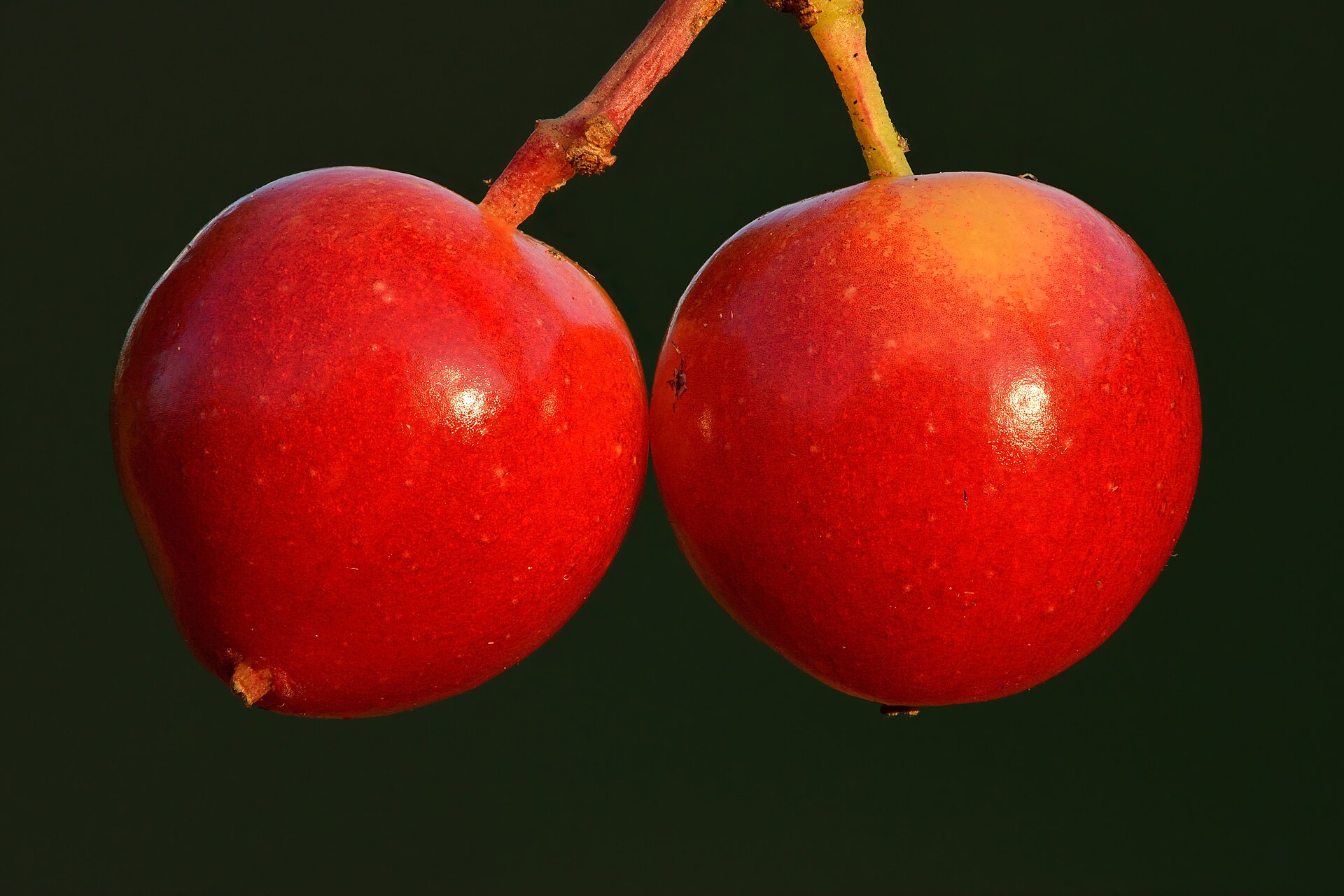
Guelder Rose Berries
Viburnum opulus
Guelder rose is the berried form of Viburnum opulus, prized in autumn for its heavy clusters of glossy, near-translucent scarlet berries that catch the light like glass beads. Where the spring 'snowball' viburnum offers creamy flower globes, the autumn stem is all about jewel-toned fruit and rich seasonal colour. Florists reach for it to add ripe, orchard-like abundance to rustic and editorial autumn work. It is best used fresh and kept cool, as the soft berries drop once past their peak.
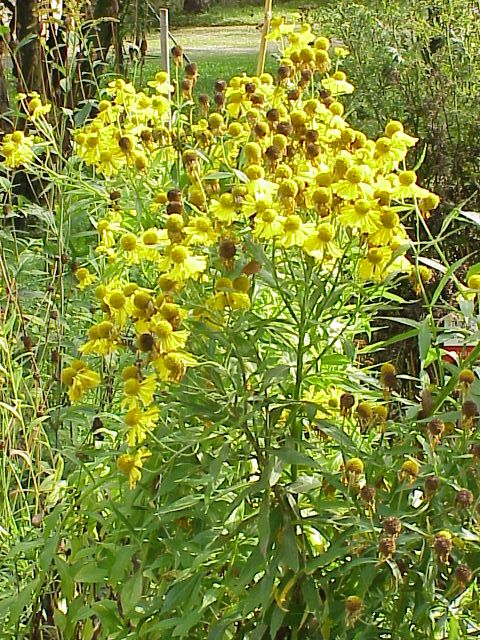
Helenium
Helenium autumnale
Helenium brings the burnished reds, coppers and golds of late summer to the vase, its small daisy heads clustering on branching, wiry stems. Florists reach for it to inject fiery warmth and movement into autumn and prairie-style work. The petals fold back slightly around a prominent central boss, giving each bloom a lively, spinning look. Best used fresh and kept well watered, it is one of the defining flowers of the September garden.
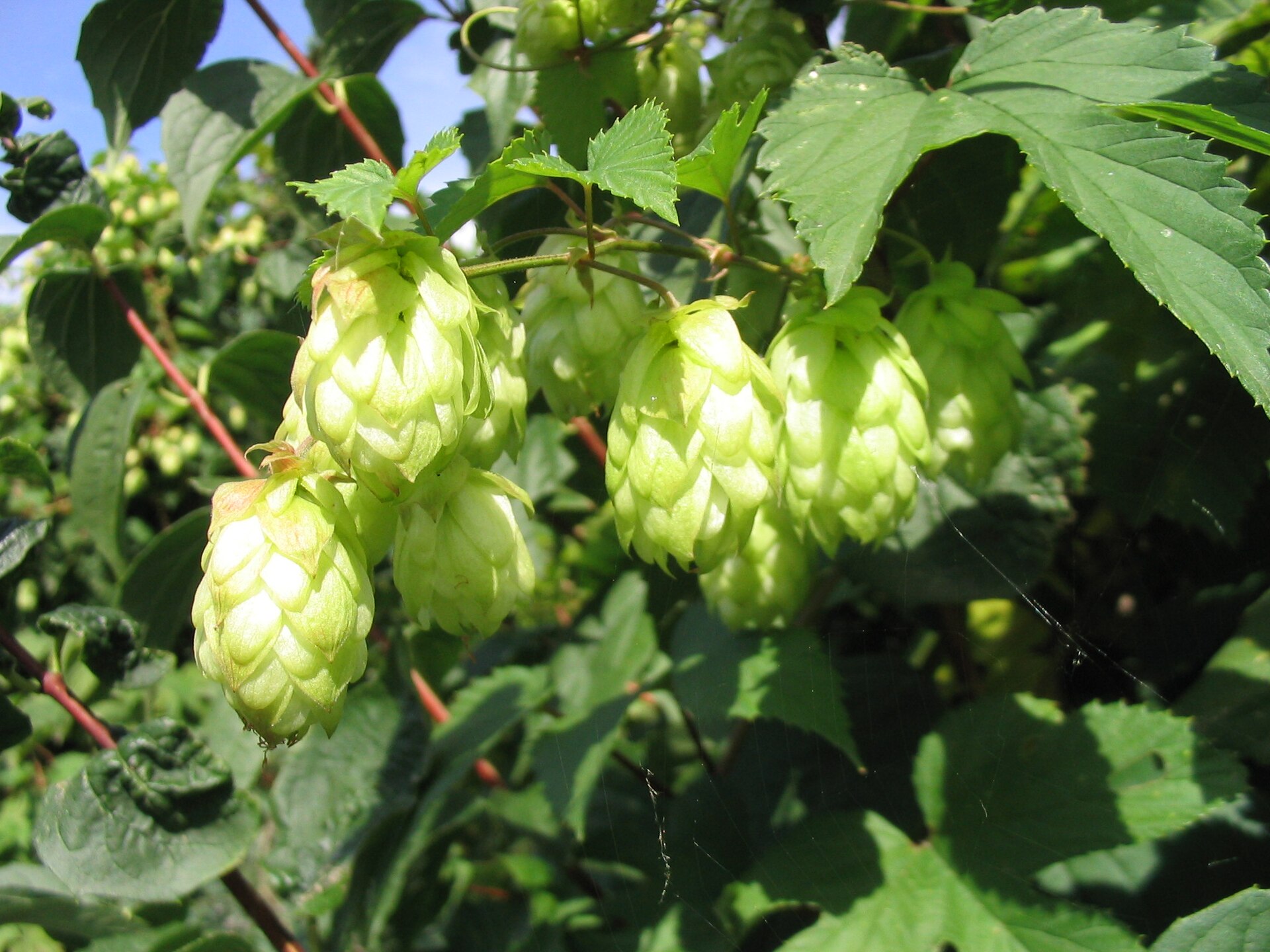
Hops
Humulus lupulus
Hops are the papery, cone-like flowers of Humulus lupulus, the climbing vine grown for brewing. In floristry the fresh green cones bring a soft, textural, cottage-garden feel to garlands, arches and autumn arrangements, and they dry beautifully for lasting work. Their trailing bines add gentle movement and a rustic, harvest-season character. They are a seasonal favourite for late-summer and autumn weddings.
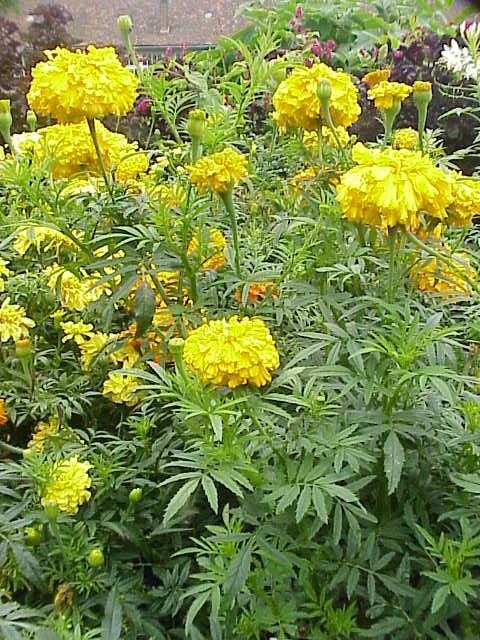
Marigold
Tagetes erecta
Marigold (Tagetes erecta) is the bold, pungent annual behind dense pompoms of yellow, orange and bronze, and the sacred cempasúchil of the Mexican Day of the Dead. Its ruffled, ball-shaped heads and long stems make cheerful, long-lasting focals for autumn, rustic and celebration work. The whole plant is strongly aromatic, and its foliage will foul vase water if left submerged. Inexpensive, hardy and richly coloured, it brings warmth and the glow of late-season sun to any arrangement.
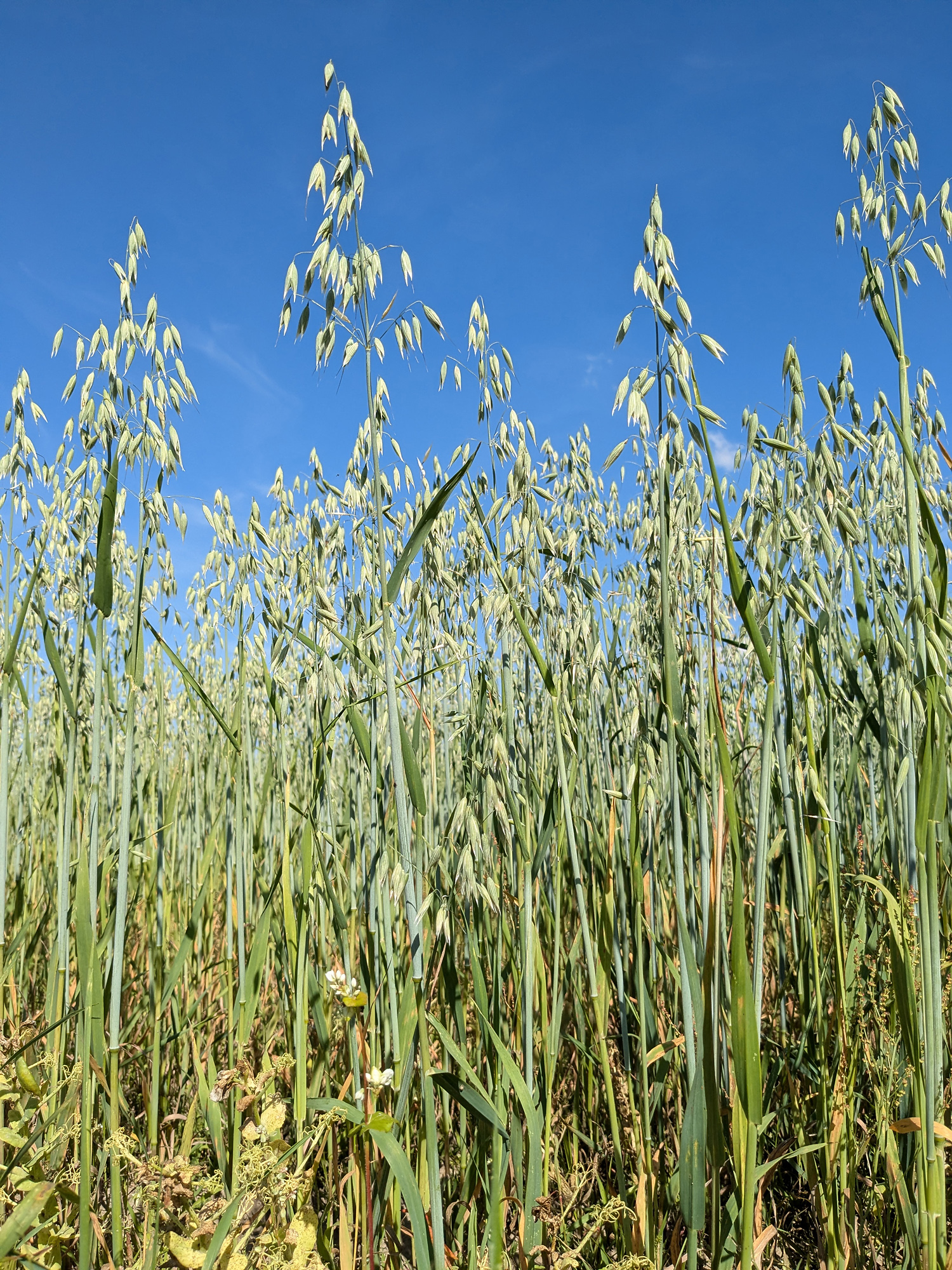
Oats
Avena sativa
Avena, cultivated or wild oats, is a cereal grass loved for its open, arching panicles of dangling, teardrop spikelets. Each grain sways on a thread-fine stalk, giving arrangements a light, kinetic quality that catches the light and the eye. Green and supple in early summer, oats ripen to a warm gold and dry beautifully, holding their graceful drape for years. A staple of rustic, boho and dried designs, it reads as harvest, abundance and unfussy country charm.
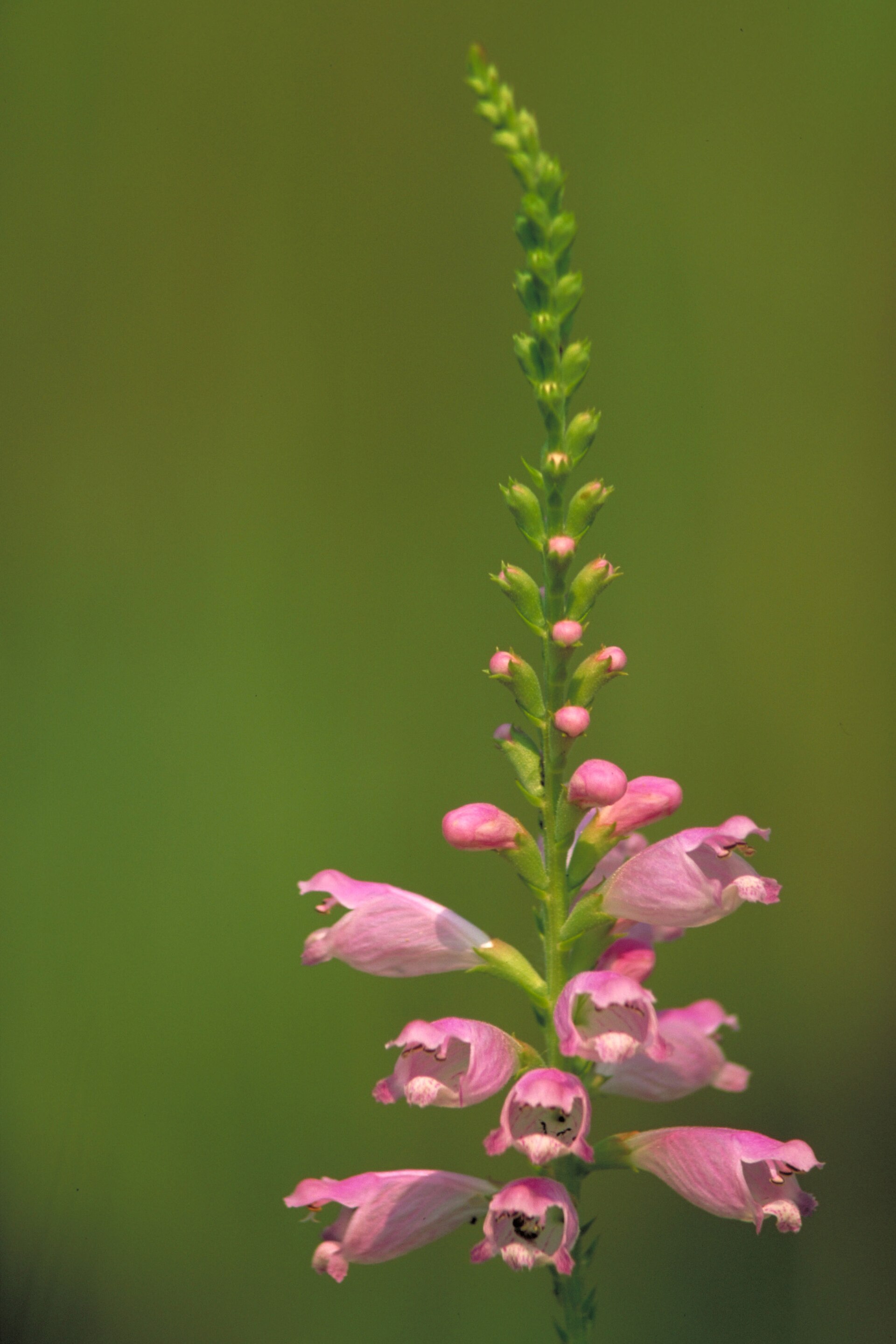
Obedient Plant
Physostegia virginiana
Physostegia, the obedient plant, bears neat spikes of tubular, snapdragon-like flowers in pink, white, lavender and purple, named for the way each bloom stays put when nudged along the stem. Florists use it as an easy, versatile line flower that brings soft vertical structure to garden-style bouquets and seasonal arrangements. Its cottage-garden charm suits relaxed late-summer and autumn palettes. Reliable and long in the vase, it is a dependable filler-to-line stem for everyday and wedding work alike.
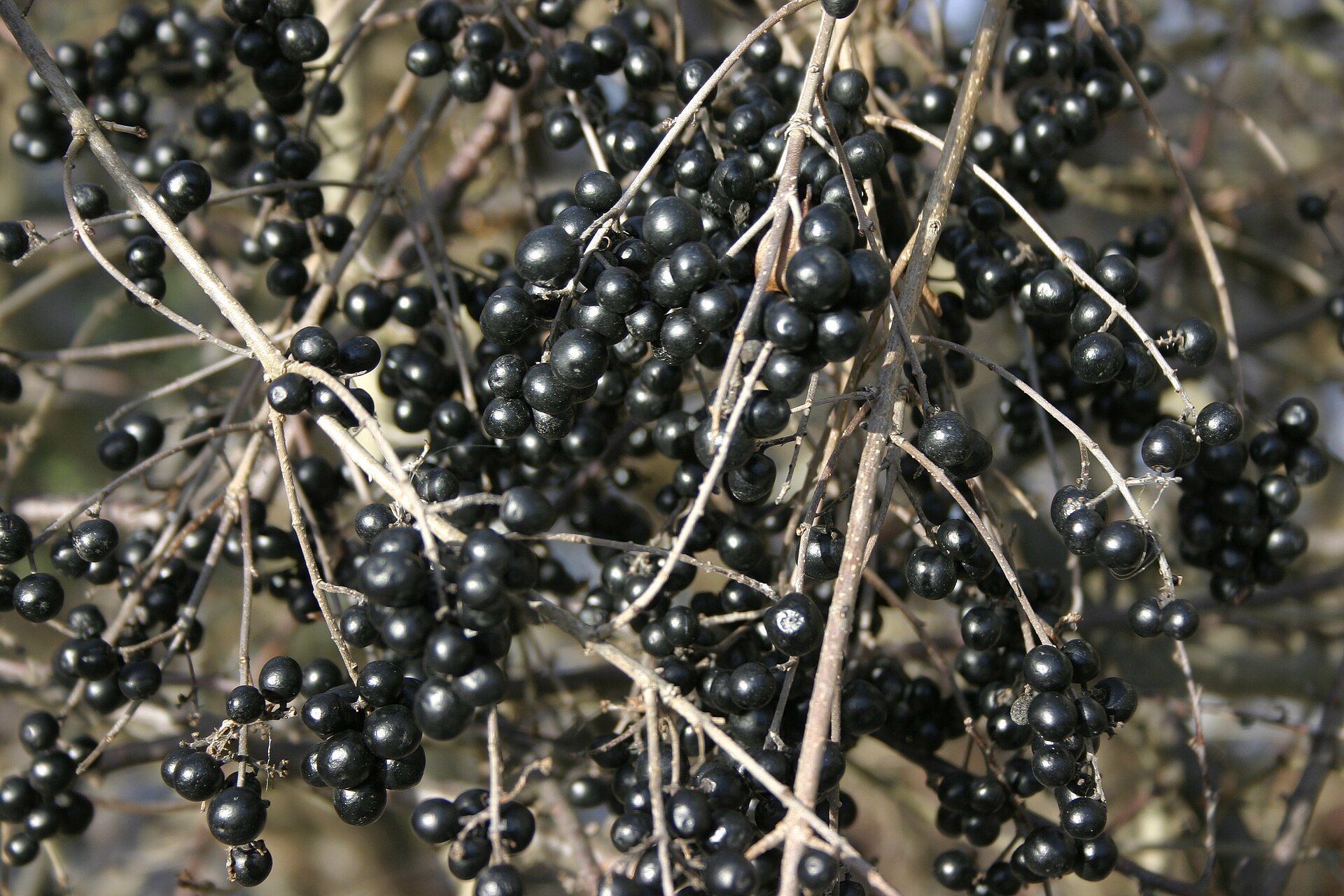
Privet Berry
Ligustrum vulgare
Privet berry brings dusky, matte-black clusters of small fruit on airy semi-woody sprays, offering florists a rare dark-toned berry for moody autumn and editorial palettes. The tiny spherical berries read almost blue-black against foliage, adding depth and shadow that balances brighter seasonal fruit. It is inexpensive, easy to condition and generous in supply through late autumn. Note that every part of the plant is toxic if eaten, so it should never appear near food or be within reach of children and pets.
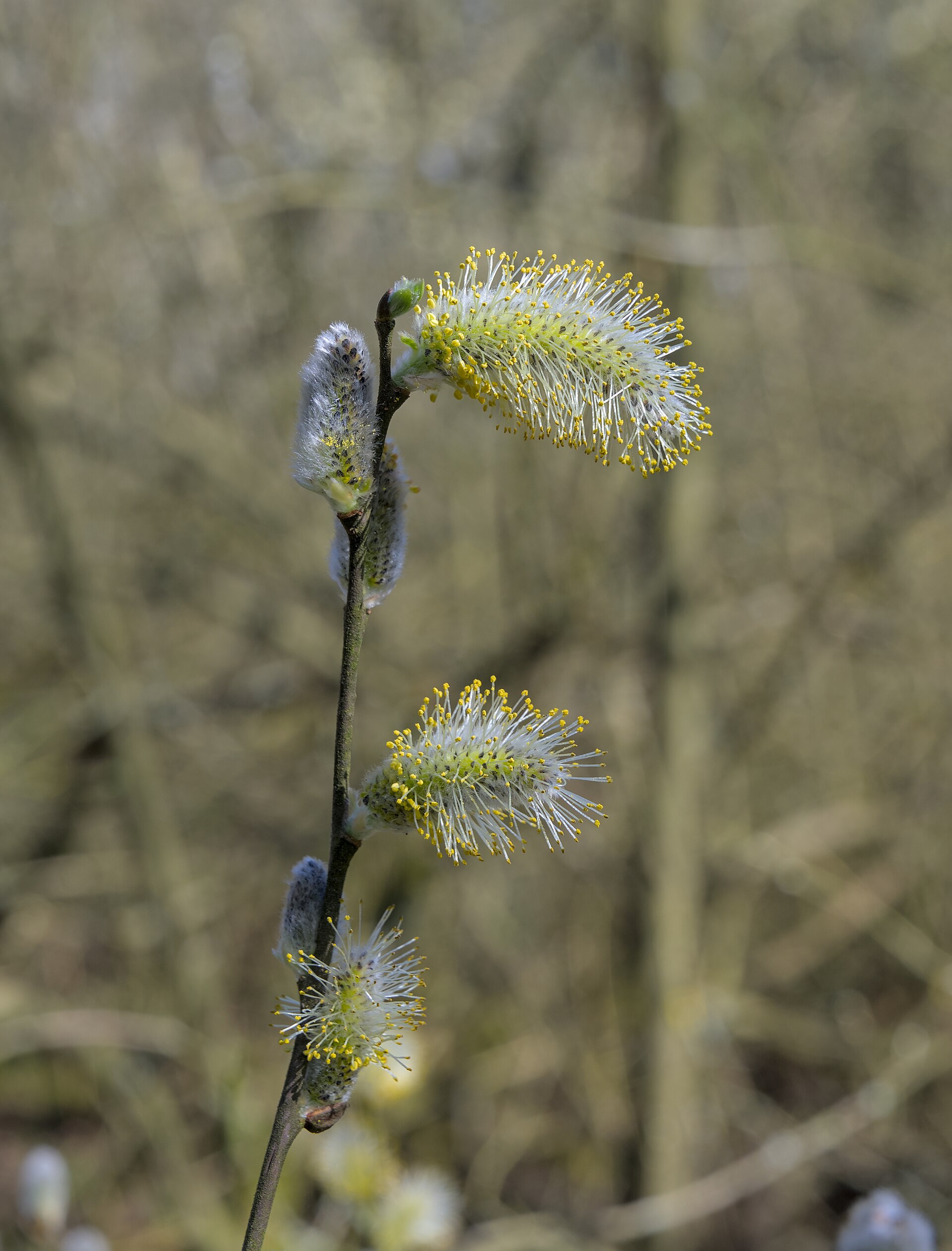
Pussy Willow
Salix caprea
Pussy willow is a much-loved late-winter branch, its bare woody stems studded with soft, silvery-grey catkins that feel like velvet. Florists use it as a sculptural line for spring arrangements, adding gentle texture, movement and a quiet, natural elegance. It is wonderfully forgiving — needing little or no water and lasting for weeks, and it dries in place to hold almost indefinitely. Kept dry, the catkins stay tight and silky; left in water, they open into fluffy yellow blooms.
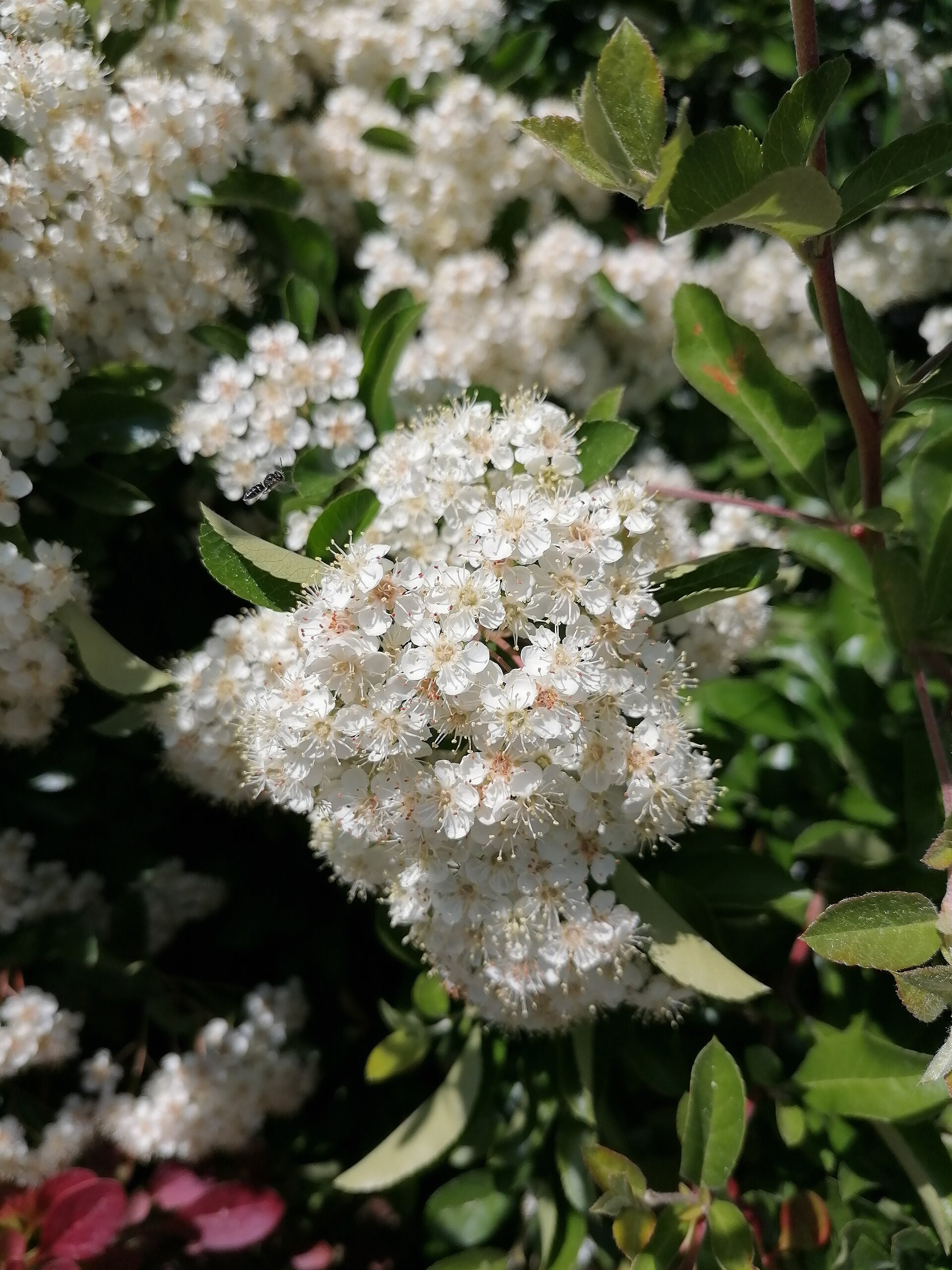
Pyracantha
Pyracantha coccinea
Pyracantha, or firethorn, is a thorny evergreen branch smothered in dense clusters of small, firm berries in fiery orange, scarlet or amber. Long-lasting and richly coloured, it brings a blaze of autumn and Christmas warmth to wreaths, garlands and seasonal arrangements. Florists value how tightly the berries cling to the stem, giving reliable colour that outlasts most cut fruit. The vicious thorns demand gloves, but the payoff is bold, weatherproof texture for holiday work.
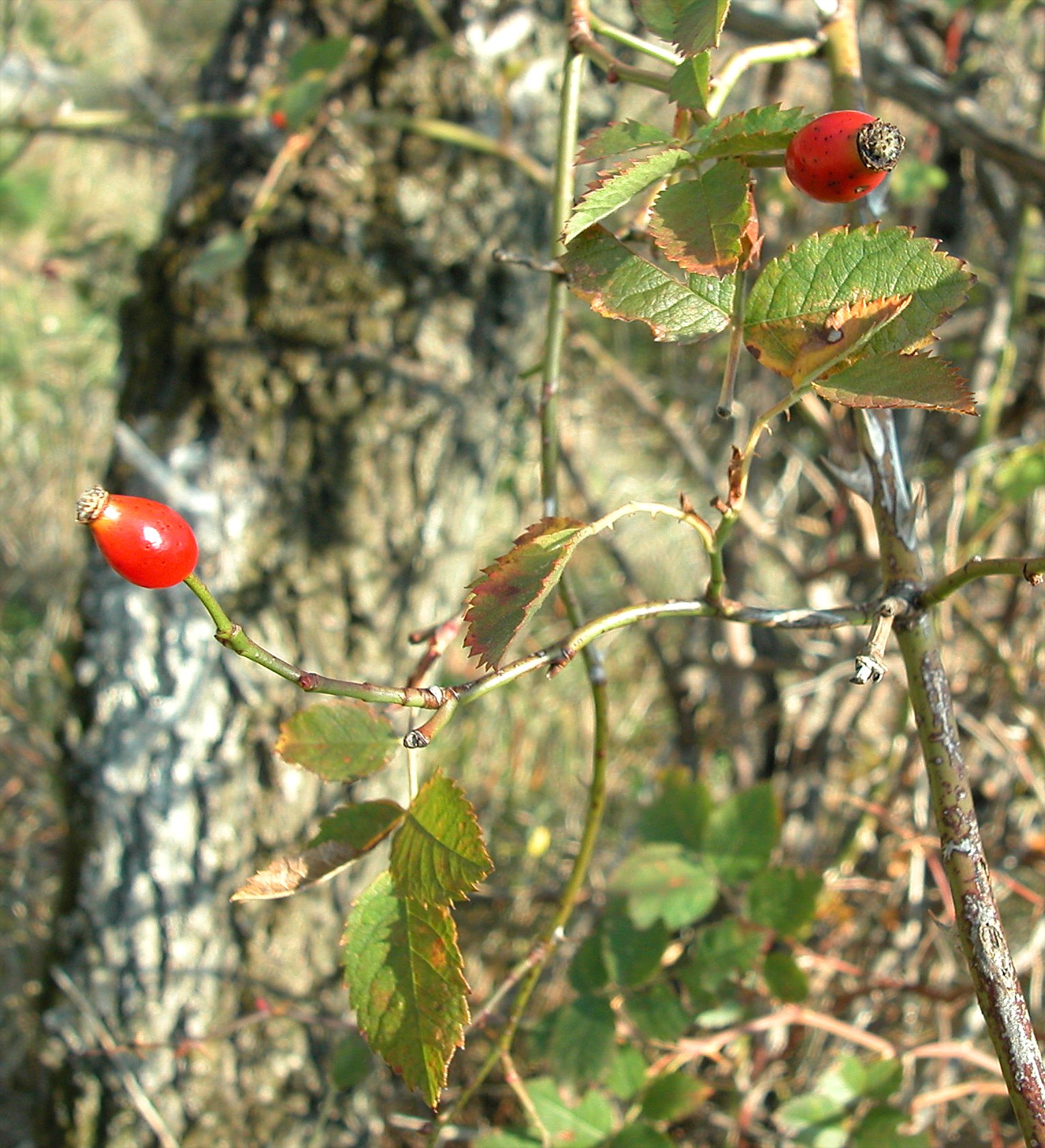
Rosehip
Rosa canina
Rosehip is the ripened fruit of the wild dog rose, valued by florists for the glossy scarlet berries that follow the summer bloom. Borne in loose clusters along arching, sometimes thorny stems, the hips bring an unmistakably seasonal, foraged feel to autumn work. They mix beautifully into rustic bouquets, garlands and harvest-table designs, adding warm colour and a natural, hedgerow texture. Long-lasting and inexpensive, rosehip is a florist staple from late summer through the festive season.
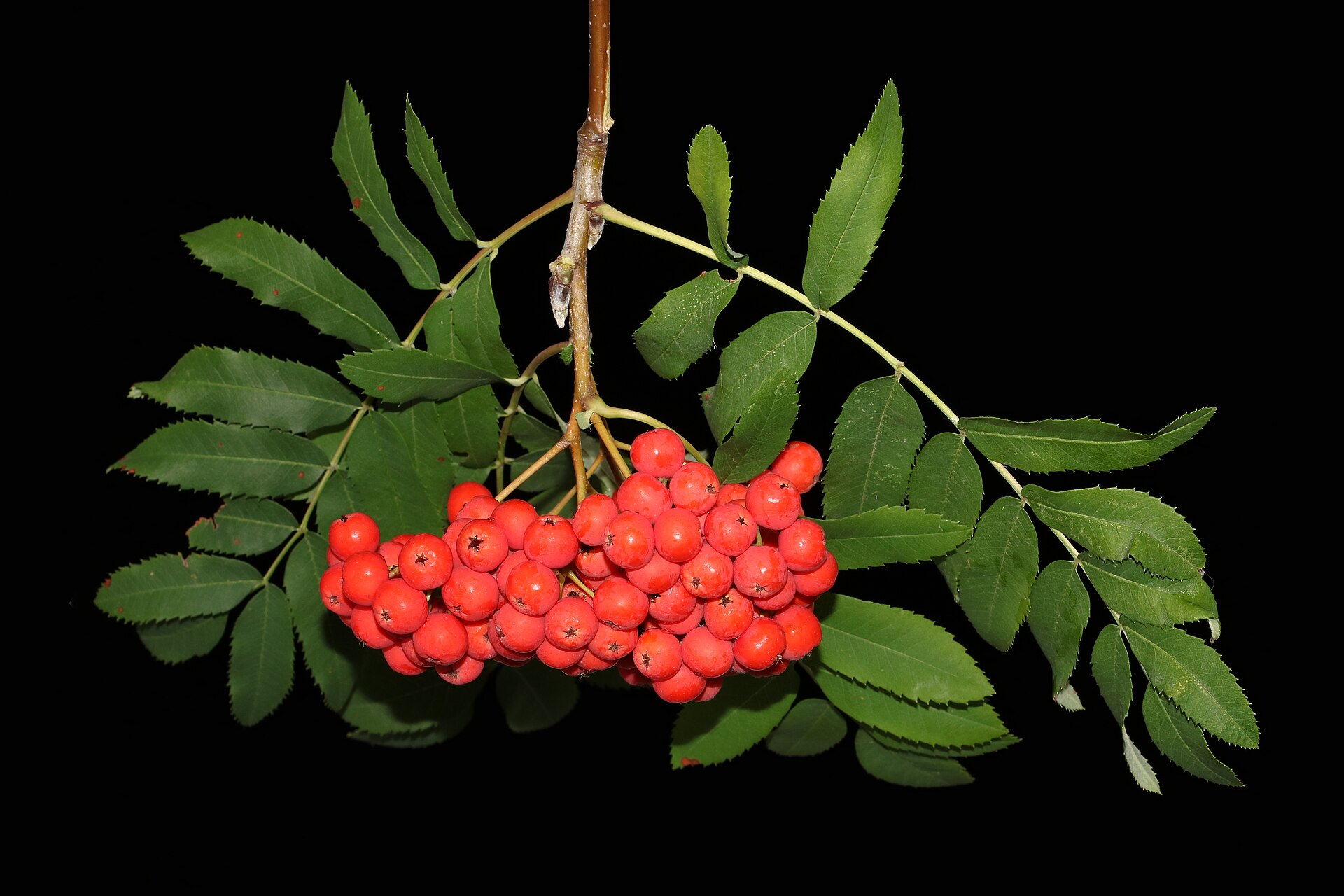
Rowan
Sorbus aucuparia
Rowan, or mountain ash, produces generous drooping clusters of vivid orange-red berries above feathery pinnate leaves, a classic signal of early autumn. Steeped in northern European folklore as a tree of protection, it brings both colour and a wild, hedgerow storytelling quality to seasonal designs. Florists use it for warm autumnal texture in rustic and editorial arrangements. The bright berries are eye-catching but drop with age, so rowan is best conditioned cool and used fresh.
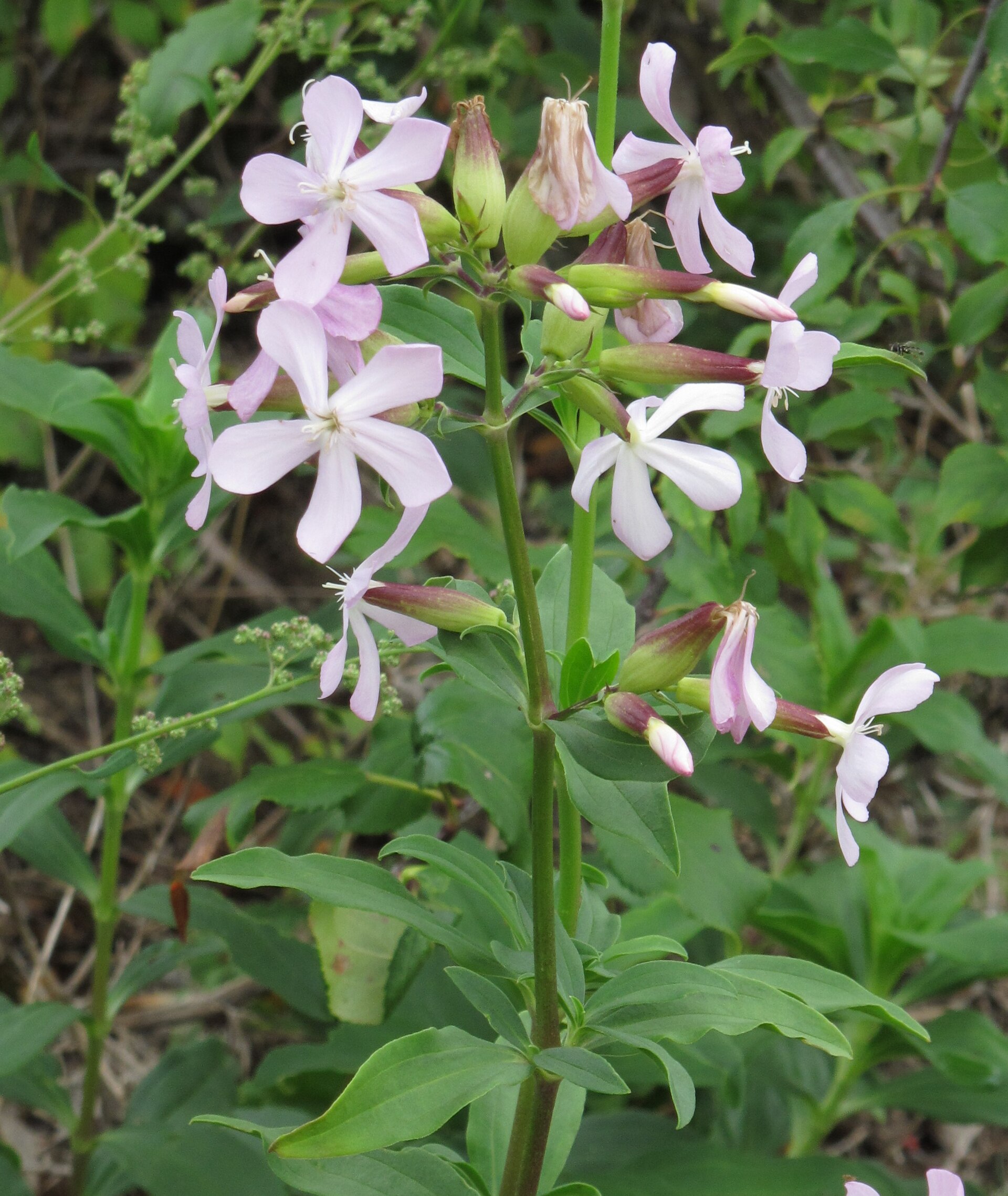
Saponaria
Saponaria officinalis
Saponaria, better known as soapwort or bouncing bet, is a classic cottage-garden perennial whose sprays of small five-petalled flowers glow in soft pink and white. Florists use it as a delicate, cloud-like filler, a charming alternative to gypsophila that adds airy softness to hand-tieds and jam-jar arrangements. Its historic name comes from the plant's sap, which lathers gently in water. Easygoing and abundant in high summer, it is a budget-friendly workhorse for rustic and garden-style designs.
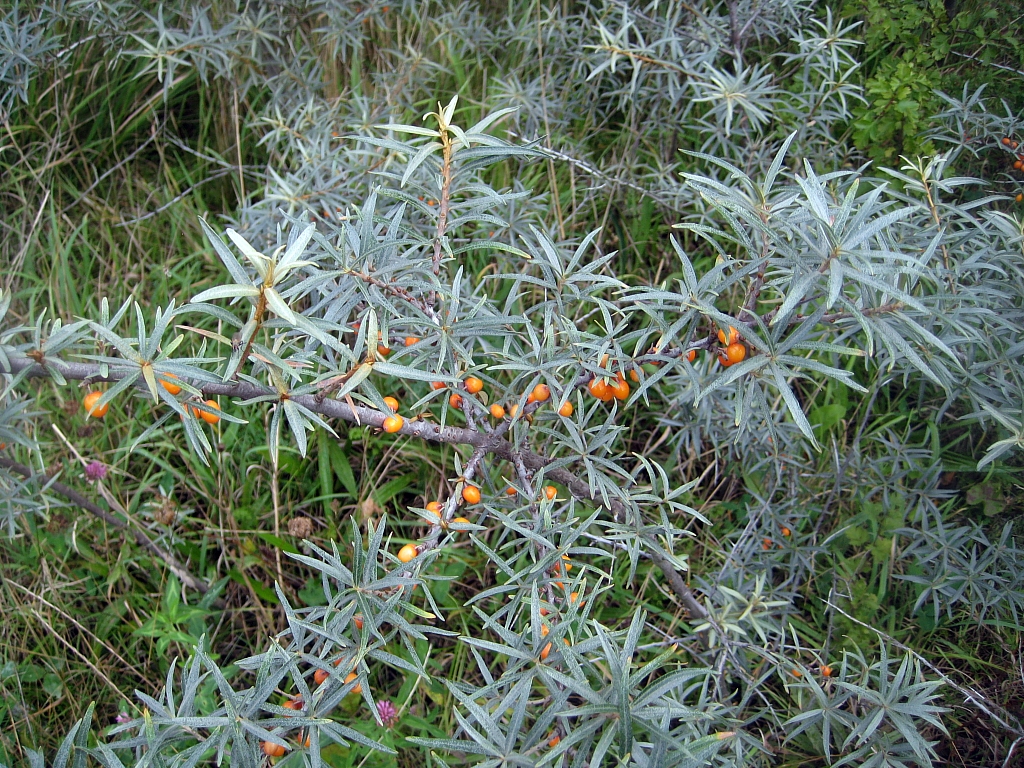
Sea Buckthorn
Hippophae rhamnoides
Sea buckthorn is a thorny coastal branch densely studded with vivid orange berries running the full length of the stem, framed by narrow silvery-green leaves. Its striking, almost graphic colour and long arching line make it a standout for architectural and editorial autumn work. Florists prize how firmly the berries cling, giving one of the longest-lasting fruit displays available. The berries are an edible superfood but ferociously sour, and the vicious thorns mean gloves are essential.
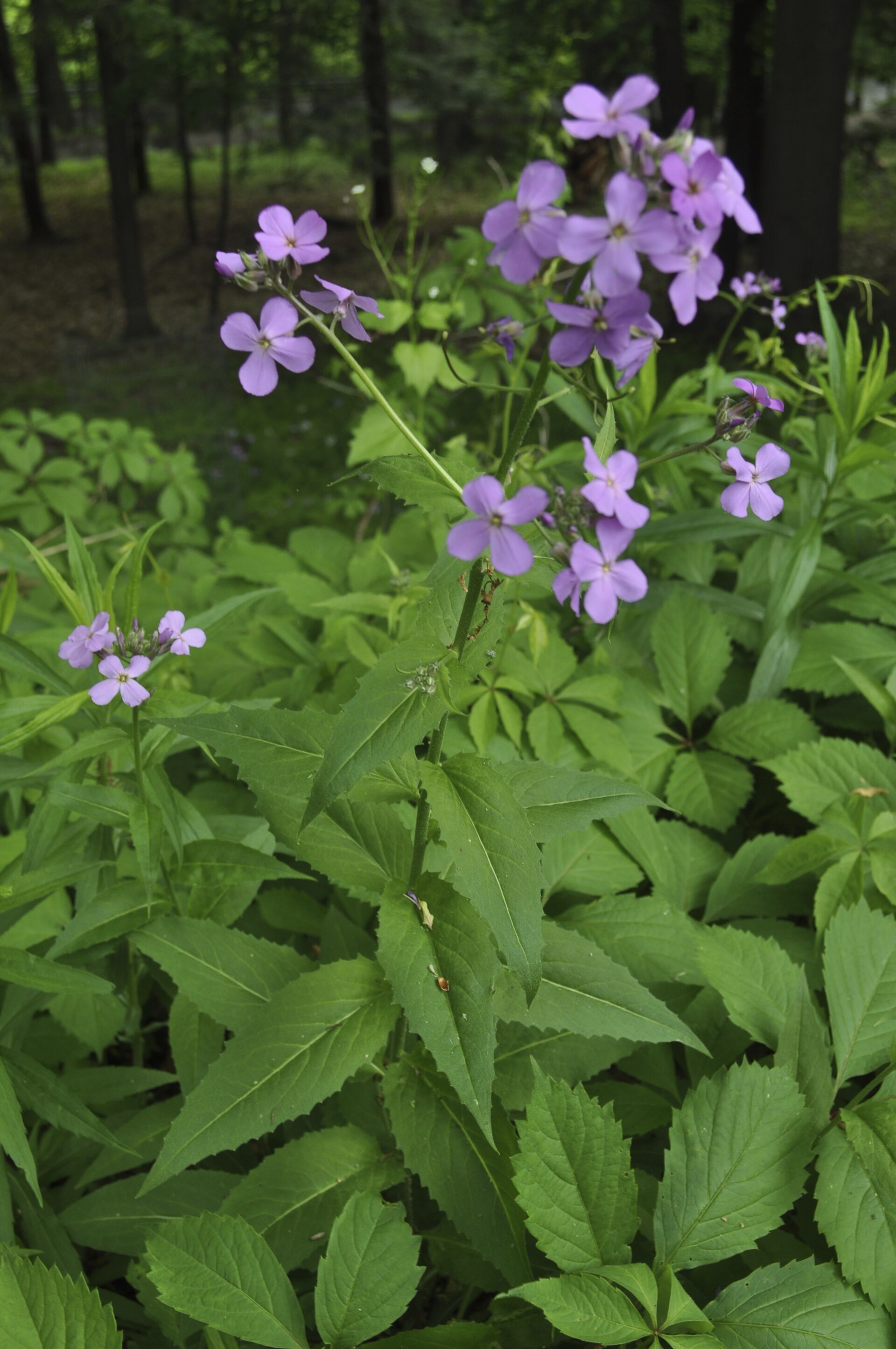
Sweet Rocket
Hesperis matronalis
Sweet rocket, or dame's rocket, is an old-fashioned cottage-garden biennial bearing loose spires of four-petalled florets in violet, mauve and white, richly scented as evening falls. Florists use it as a fragrant, informal filler that lends late-spring gardens their nostalgic, softly-coloured haze. Its airy sprays suit garden-style and rustic wedding work beautifully. Cut when several florets are open and enjoyed fresh, it captures the fleeting charm of the season.
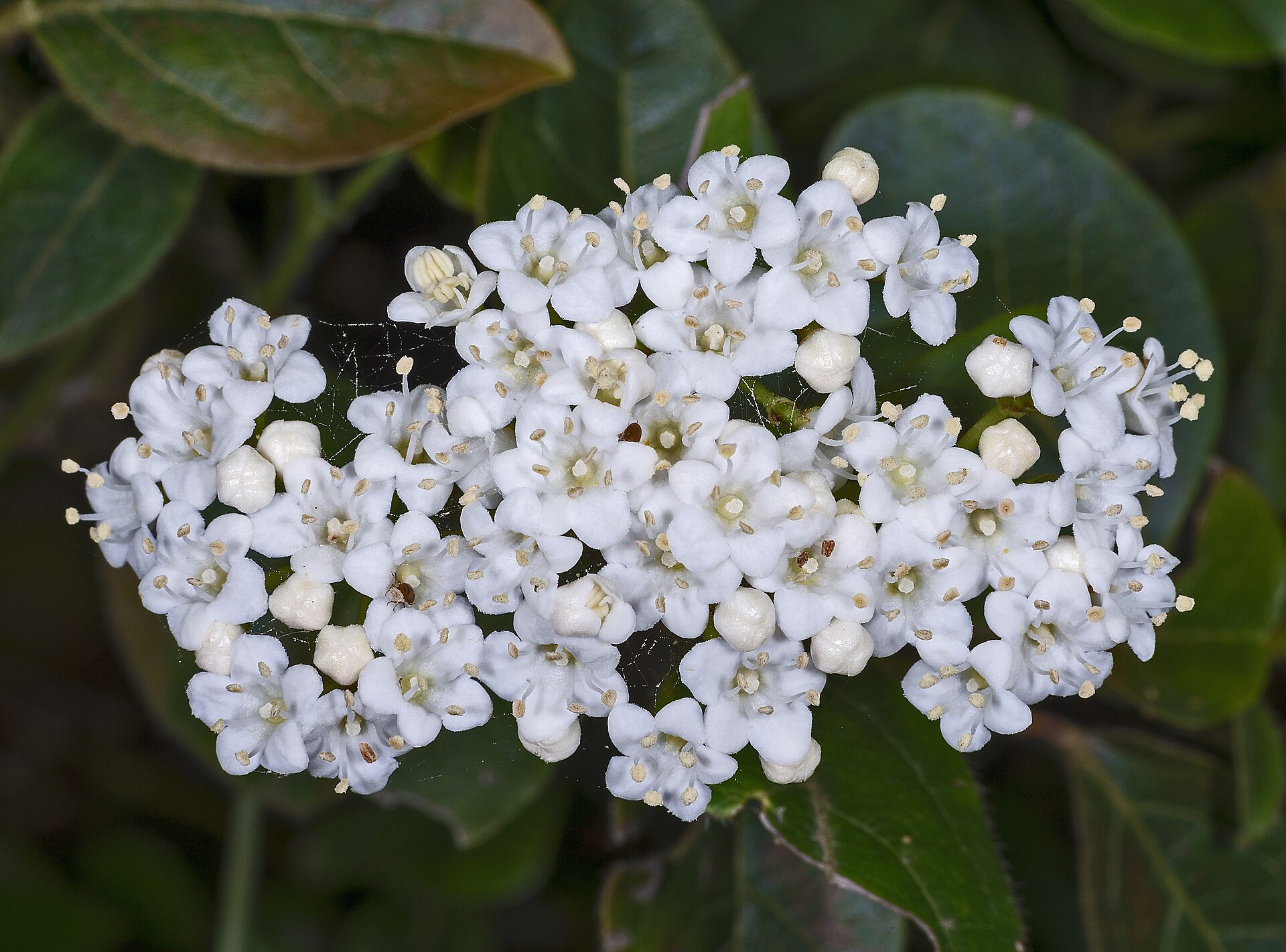
Viburnum Tinus
Viburnum tinus
Viburnum tinus, or laurustinus, is the winter-berrying viburnum, carrying tight clusters of extraordinary metallic blue-black berries against dark evergreen leaves. Where the flowering viburnum belongs to spring, this is its cool-season counterpart, offering one of the very few naturally blue-toned fruits in the florist's palette. That rare iridescent colour makes it a quiet luxury in winter and editorial designs. Hardy and easy to condition, it delivers rich, jewel-like texture through the coldest months.
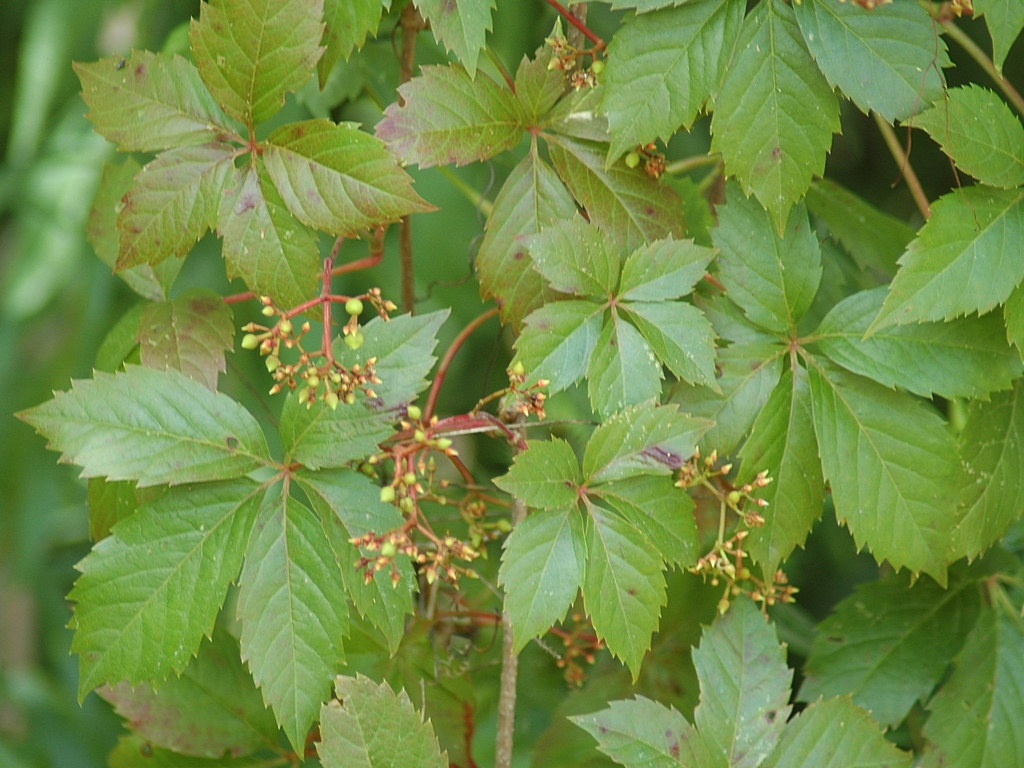
Virginia Creeper
Parthenocissus quinquefolia
Virginia creeper (Parthenocissus quinquefolia) is a vigorous North-American climbing vine best known for the fiery red, bronze and burgundy tones its five-part leaves take on in autumn. Florists cut it for seasonal installations, garlands and tablescapes where its trailing habit and rich colour bring drama. The foliage is fleeting and prone to dropping, so it is used fresh for short, high-impact autumn work. In summer its green leaves offer a softer, garden-style line.
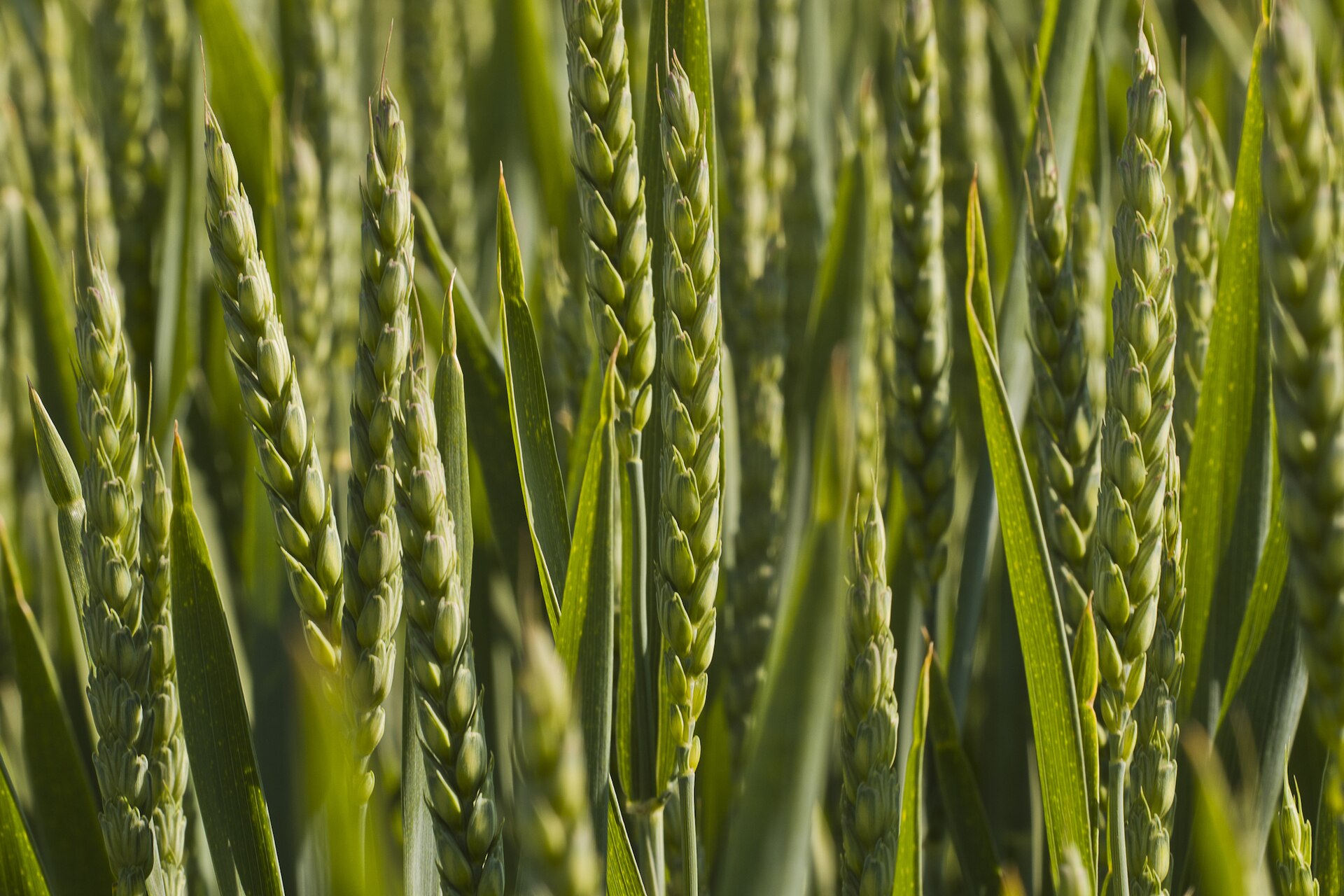
Wheat
Triticum aestivum
Wheat is the golden cereal grass whose slender bearded heads have symbolised harvest and abundance for millennia. Cut and dried to a warm honey-gold, the upright stems bring line, movement and a rustic, agricultural charm to autumn work. Florists use it in sheaf bouquets, boutonnieres, garlands and tall dried installations, where its fine awns catch the light beautifully. Cheap, long-lasting and endlessly versatile, wheat is a cornerstone of country and harvest-themed floristry.