budget-tier flowers
58 flowers in the budget price tier relative to market average — for costing an arrangement to budget.

Achillea
Achillea millefolium
Achillea, or yarrow, carries flat, plate-like clusters of tiny densely-packed florets in sunny yellow, white, coral, pink and rusty red atop feathery foliage. Florists use it as a bold, textural filler whose horizontal heads add structure and a meadow-like, cottage-garden character. It is exceptionally long-lasting fresh and dries superbly, holding its colour for everlasting designs. Sturdy and sun-loving, it is a mainstay of rustic and seasonal summer work.
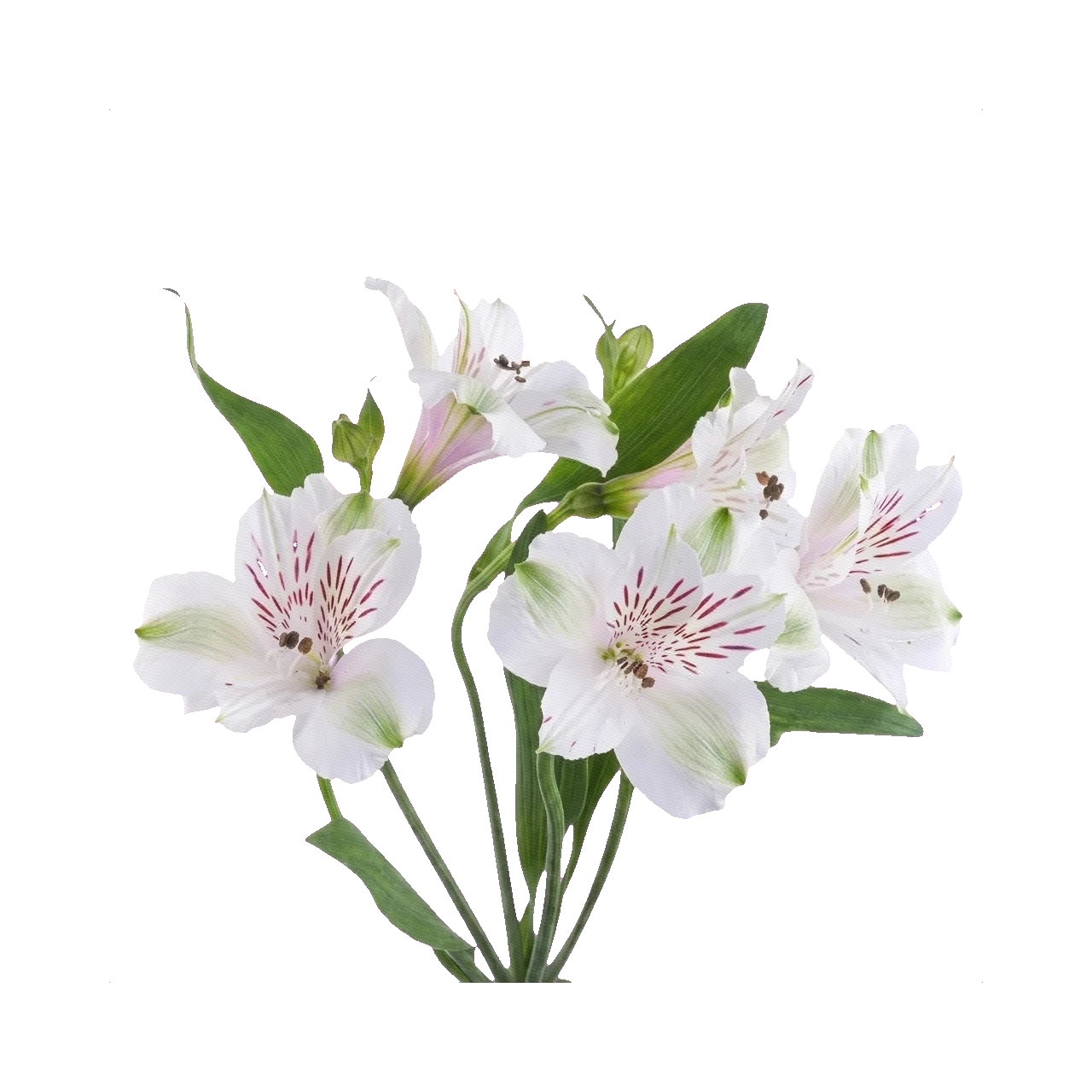
Alstroemeria
Alstroemeria
The alstroemeria wins the best vase-life-per-dollar ratio in the flower world. One stem carries 5–7 clusters of trumpet-shaped florets that open over two weeks. Yellow leaves are its one weakness — strip them at purchase. A weekly-flower-delivery favourite for the same reason: it lasts.

Aspidistra
Aspidistra elatior
Aspidistra, the cast iron plant, supplies florists with broad, glossy, deep-green leaves on long slender stalks. Almost indestructible, it is a favourite for structural and contemporary designs where a single leaf can be looped, rolled, folded or stitched. Some cultivars carry cream stripes or speckles for extra interest. Its clean lines and remarkable vase life make it a staple of modern, architectural and ikebana-style work.
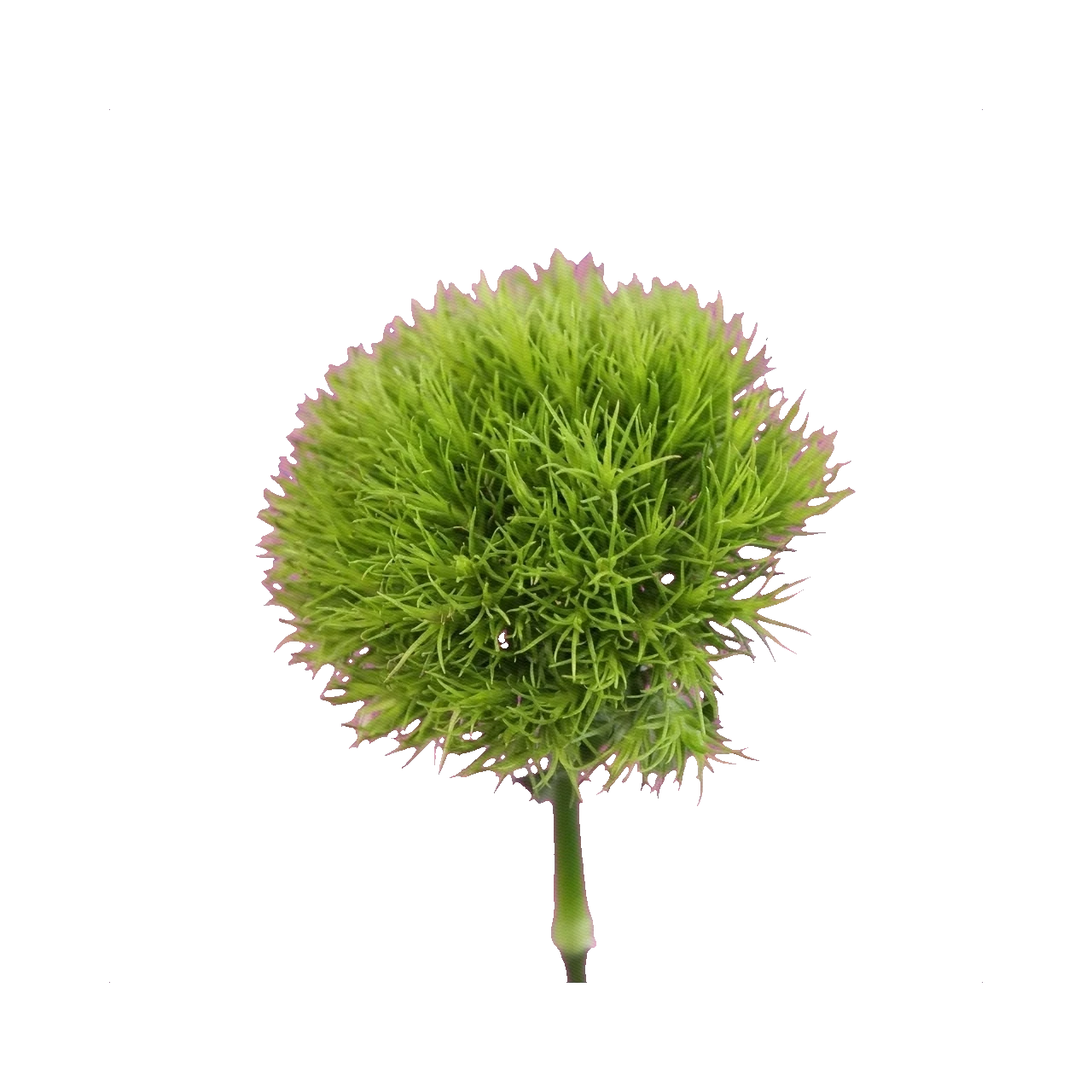
Carnation
Dianthus caryophyllus
The carnation was the default cheap flower of the 1980s and paid for it with a lasting image problem. Modern breeding has restored it — the Mörelex, Lege, and Prado series carry 60+ petals in painterly colour gradients that rival garden roses at 20% of the price. A revival flower for florists willing to look past legacy stigma.

Chinese Lantern
Physalis alkekengi
Physalis, better known as Chinese lantern, produces rows of inflated papery husks that ripen to a glowing pumpkin-orange in autumn. Each lantern encloses a small round fruit, and it is the vivid, translucent casings that make the stems so distinctive. Florists love them for their warm colour and lantern-like shape in seasonal, rustic and Halloween-toned designs. They dry beautifully with no loss of colour, making them a favourite for lasting autumn and winter arrangements.
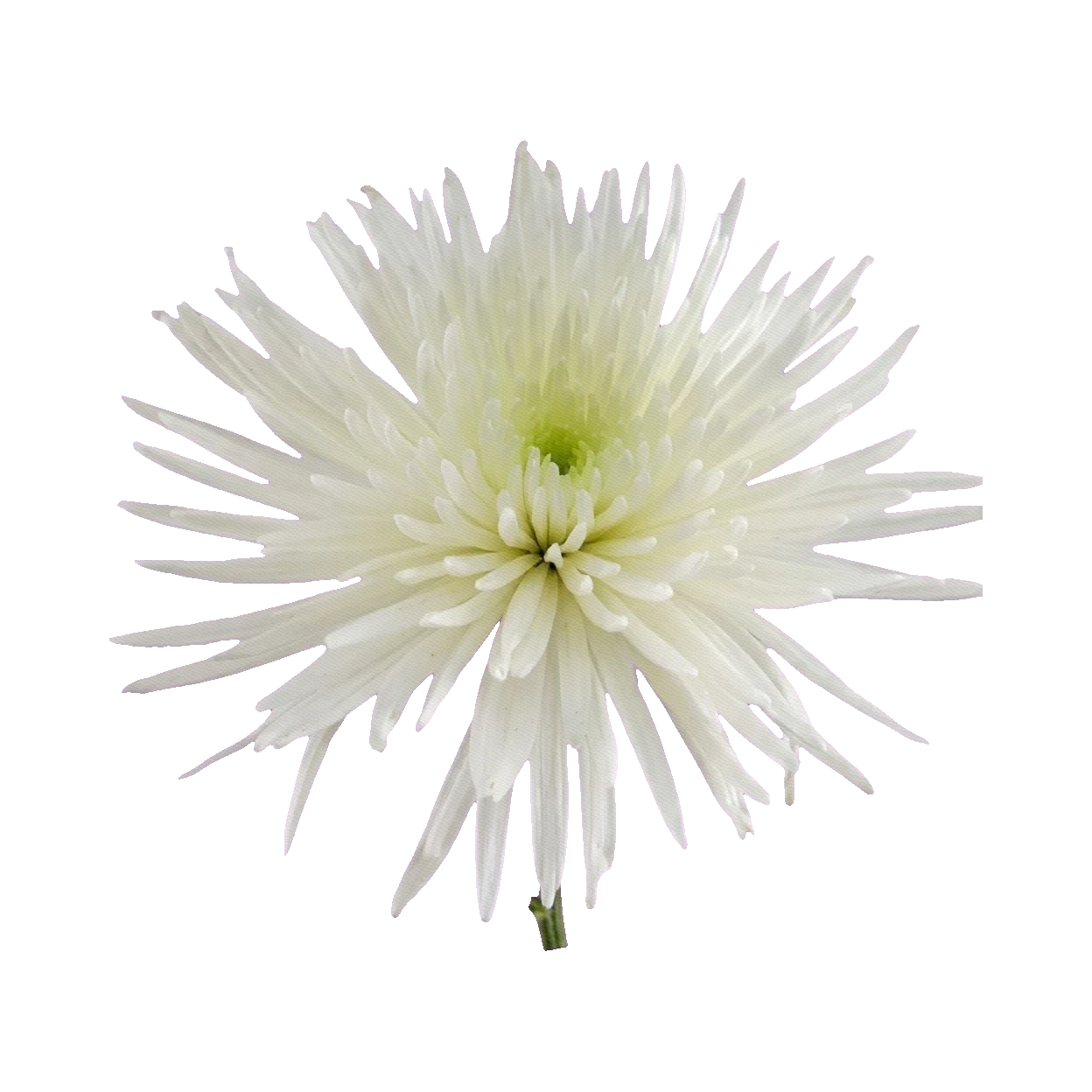
Chrysanthemum
Chrysanthemum
The workhorse of the everyday flower shop — decades-long vase life, wide colour range, and modest pricing. Disbud chrysanthemums (single bloom per stem) have been elevated by contemporary Japanese florists into a design flower rivalling roses. Culturally sensitive: chrysanthemums are the funeral flower in France, Italy, Belgium — avoid for celebration bouquets in those markets.

Cornflower
Centaurea cyanus
Cornflower is the intense, true-blue button of the summer meadow, a wild grain-field annual florists prize for a shade of blue few flowers can match. Its slender wiry stems and fringed, thistle-like heads bring an airy, informal sparkle to hand-tied bouquets and buttonholes. Though the classic blue is the signature, it also comes in pink, white and deep plum. Best used fresh and loosely, it is a cottage-garden staple for rustic and boho weddings.

Cotoneaster
Cotoneaster horizontalis
Cotoneaster is a deciduous to semi-evergreen shrub whose arching, herringbone branches carry glossy leaves and clusters of bright red berries. Cut in autumn it brings warm seasonal colour and natural, wild movement to arrangements, wreaths and rustic table designs. As the leaves turn, the same branch offers russet foliage alongside its jewel-like fruit, giving florists two textures on one stem. It is an inexpensive, hard-wearing choice for autumn and festive work.
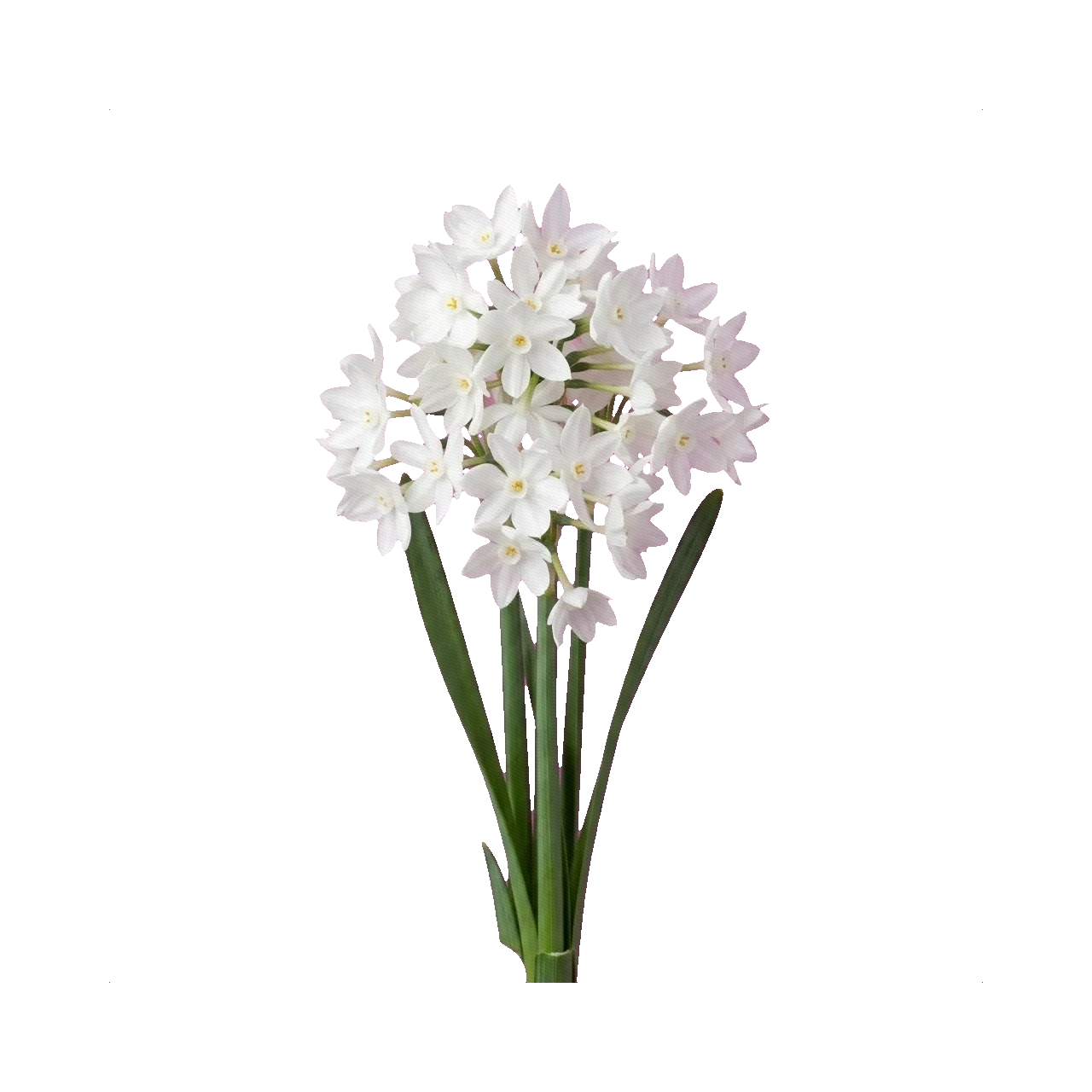
Daffodil
Narcissus
The daffodil is the first widely-recognised flower of spring — a fresh, uncomplicated shape carrying powerful cultural associations across Europe (Wales' national flower, Easter and new beginnings). Critical warning: daffodils secrete a sap that poisons other flowers in shared water; always condition alone first, then combine without recutting.
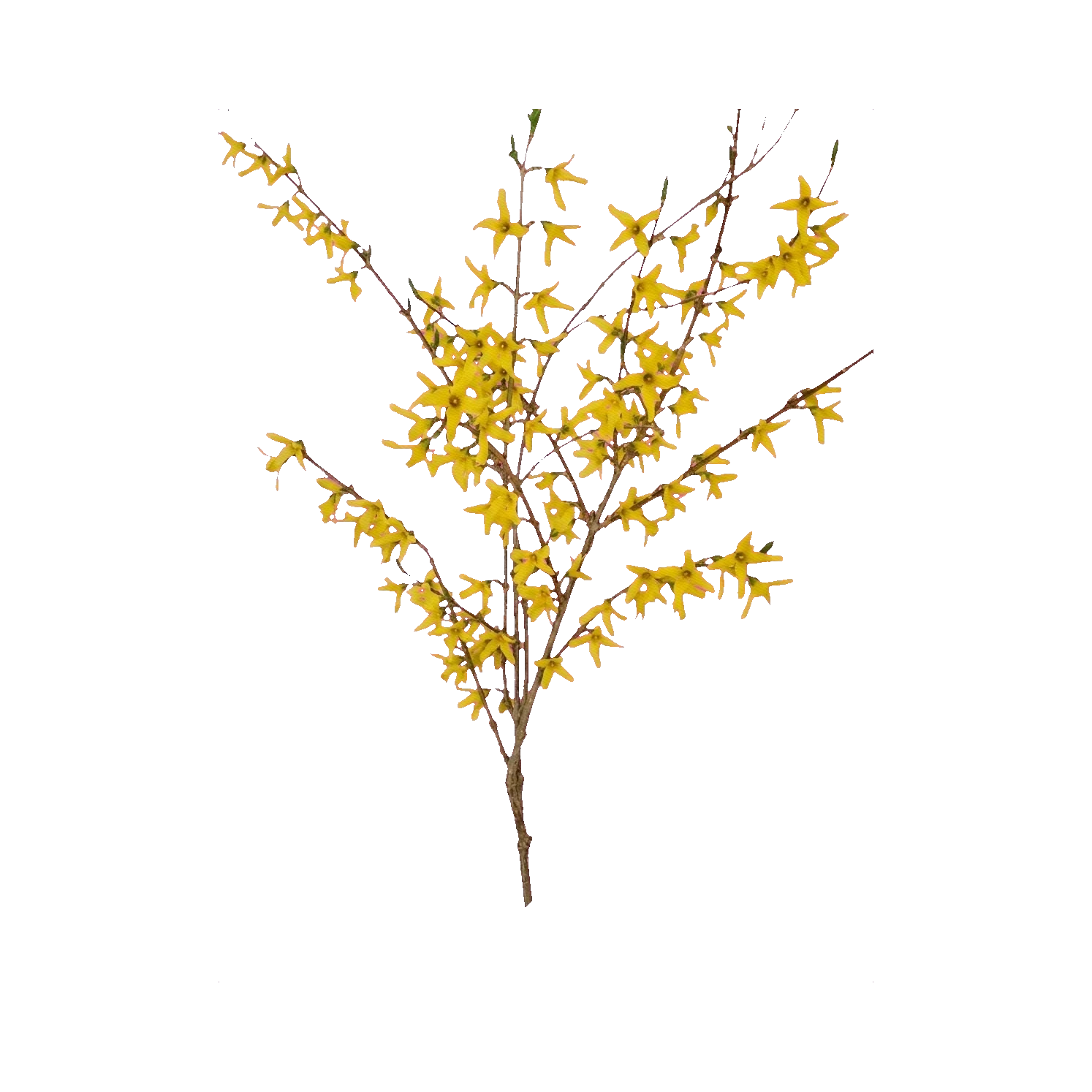
Forsythia
Forsythia × intermedia
Forsythia is one of the first heralds of spring — bare, arching branches that erupt in a haze of bright yellow, star-shaped flowers before any leaves appear. Florists use it as a graceful woody line, bringing airy height and vivid seasonal colour to large arrangements, branch installations and mantel displays. Cut while still in bud, it can be forced open indoors weeks ahead of the garden. Its zigzag, leafless form gives sculptural movement that few other flowers can match.

Galax
Galax urceolata
Galax is a low woodland groundcover whose round, leathery, heart-shaped leaves are a florist staple for backing and finishing. The flat, glossy foliage turns rich bronze and burgundy in cold weather, giving a warm alternative to plain green. Because the leaves are so durable and long-lasting, they are ideal as bouquet collars, corsage backing and neat wraps around hand-tied stems. Inexpensive and endlessly useful, galax is a quiet workhorse in wedding and everyday design.
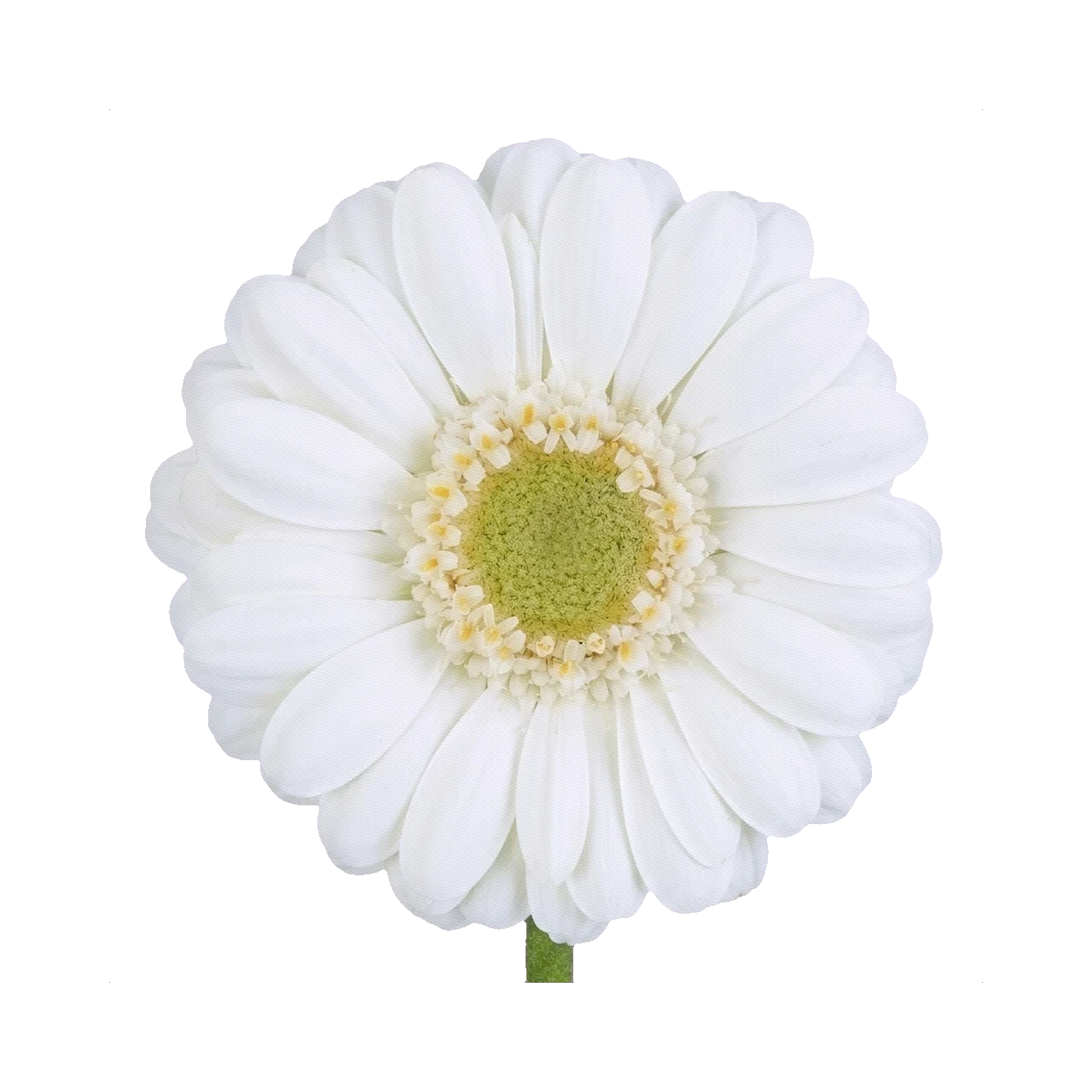
Gerbera
Gerbera
The gerbera is the smiling face of the everyday flower shop — bright, single-headed, wide colour range. Weak necks are its one weakness; professional florists wire stems for weddings and events. Modern mini gerberas (5 cm) work as filler; standard gerberas (10 cm) hold their own as focal points.
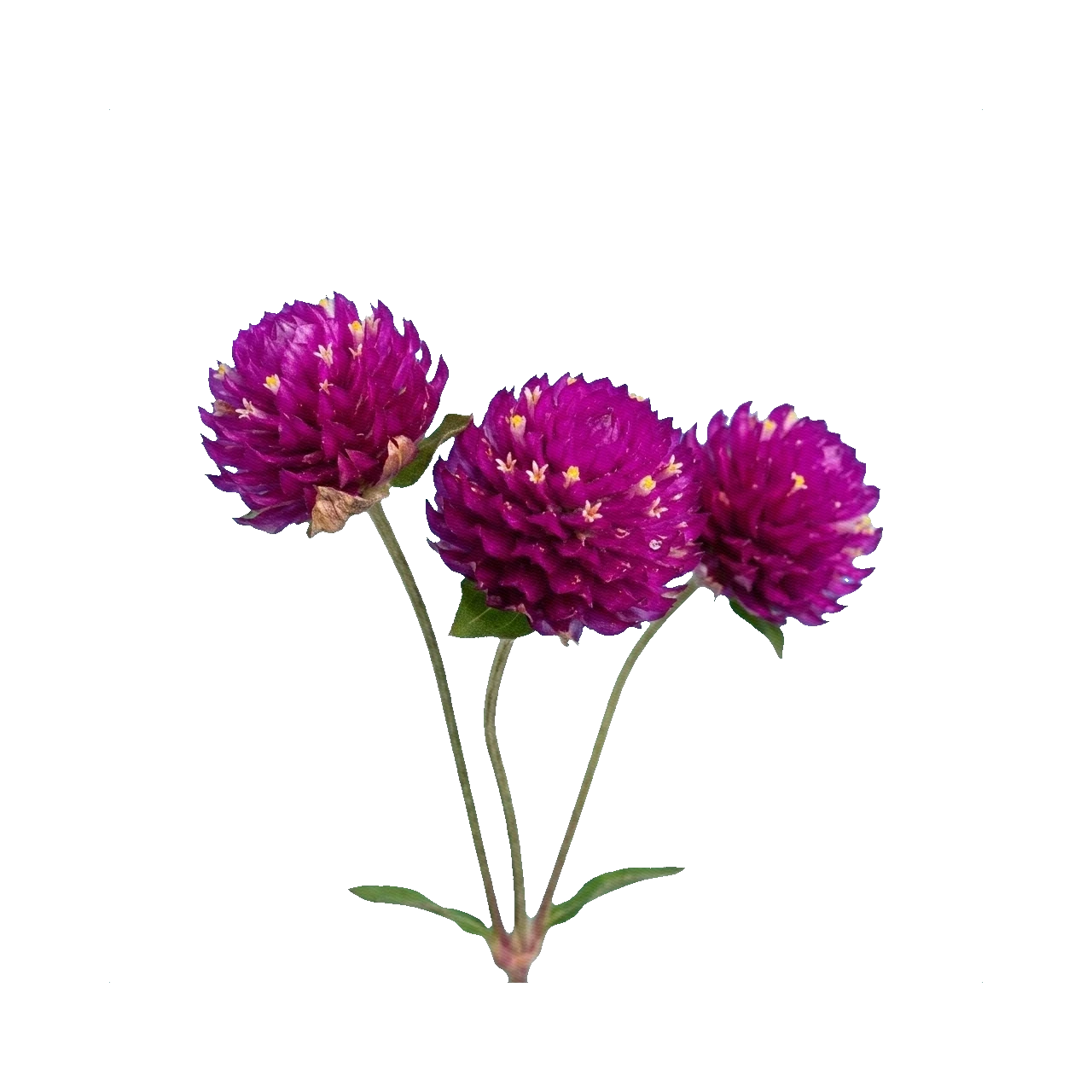
Globe amaranth
Gomphrena globosa
Gomphrena delivers papery, clover-shaped heads in saturated colours that never fade — the flower will last 2-3 weeks in a vase and indefinitely dried. A workhorse for summer wedding filler and boutonniere work, and a foundation for preserved-flower installations.

Greater Quaking Grass
Briza maxima
Greater quaking grass is an annual Mediterranean grass grown for its dangling, heart-shaped spikelets that tremble on hair-fine stems at the slightest breath of air. Florists love it as an airy, animated filler that adds movement and a cottage-garden softness to bouquets fresh, and a papery, straw-gold texture once dried. The nodding lockets start green and mature to warm bronze, reading beautifully in loose, naturalistic and boho designs. It is inexpensive, easy to handle and dries to last for years, making it a workhorse of rustic and dried arrangements.
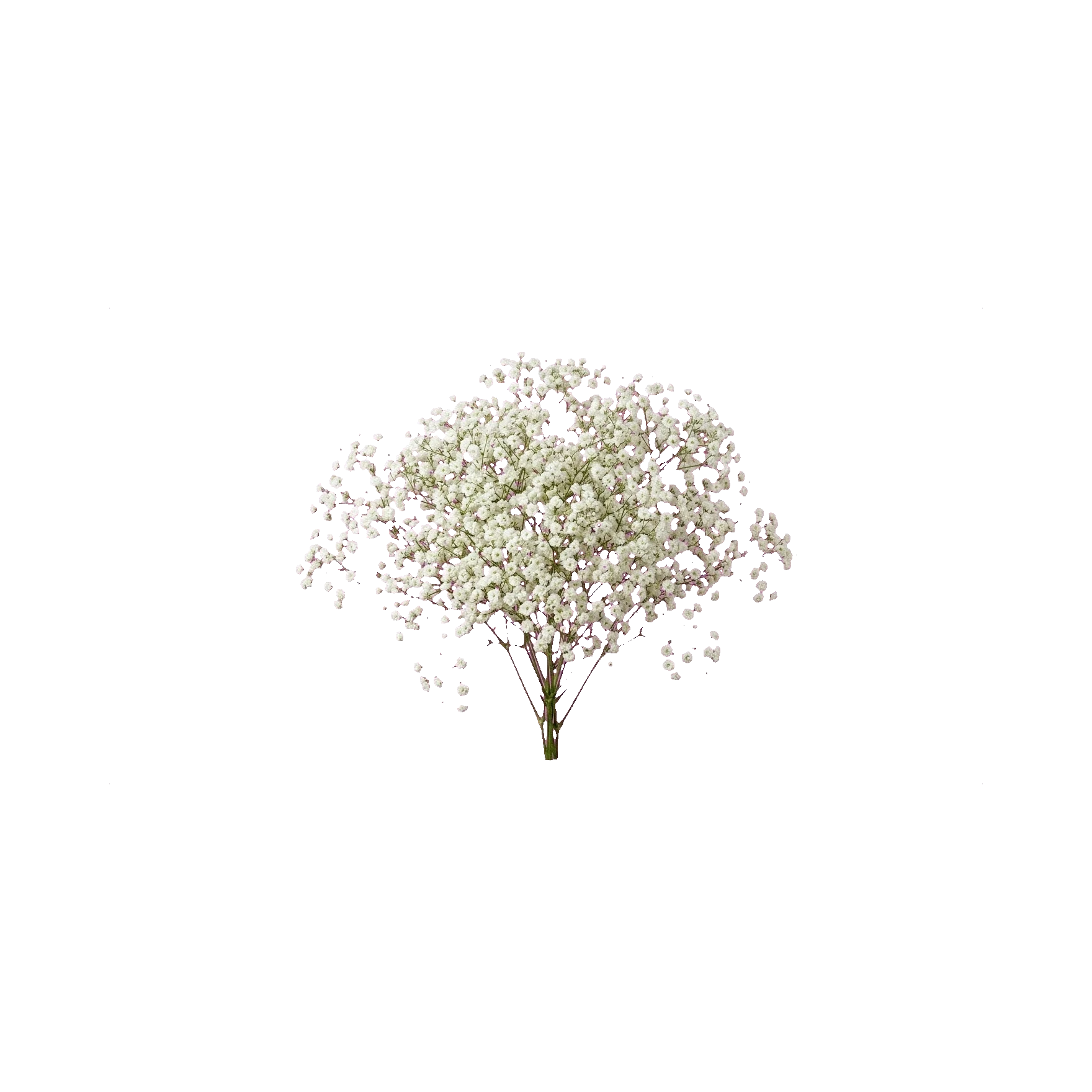
Gypsophila
Gypsophila paniculata
Baby's breath has moved through the full trend cycle — from grandmother's flower to Pinterest wedding staple to modern-again as a cloud-like installation material. One stem breaks into 20+ side stems, giving unmatched coverage per dollar. Dries perfectly, making it a foundation for preserved-flower wall art.

Ivy
Hedera helix
Ivy is the classical cascading greenery — trailing vines up to two metres, small leaves in deep green or variegated, exceptional vase life. A wedding bouquet staple for centuries, and now the go-to trailing element for modern bridal cascades and archway installations. Some varieties will even root in vase water — an old symbolic touch of fidelity.
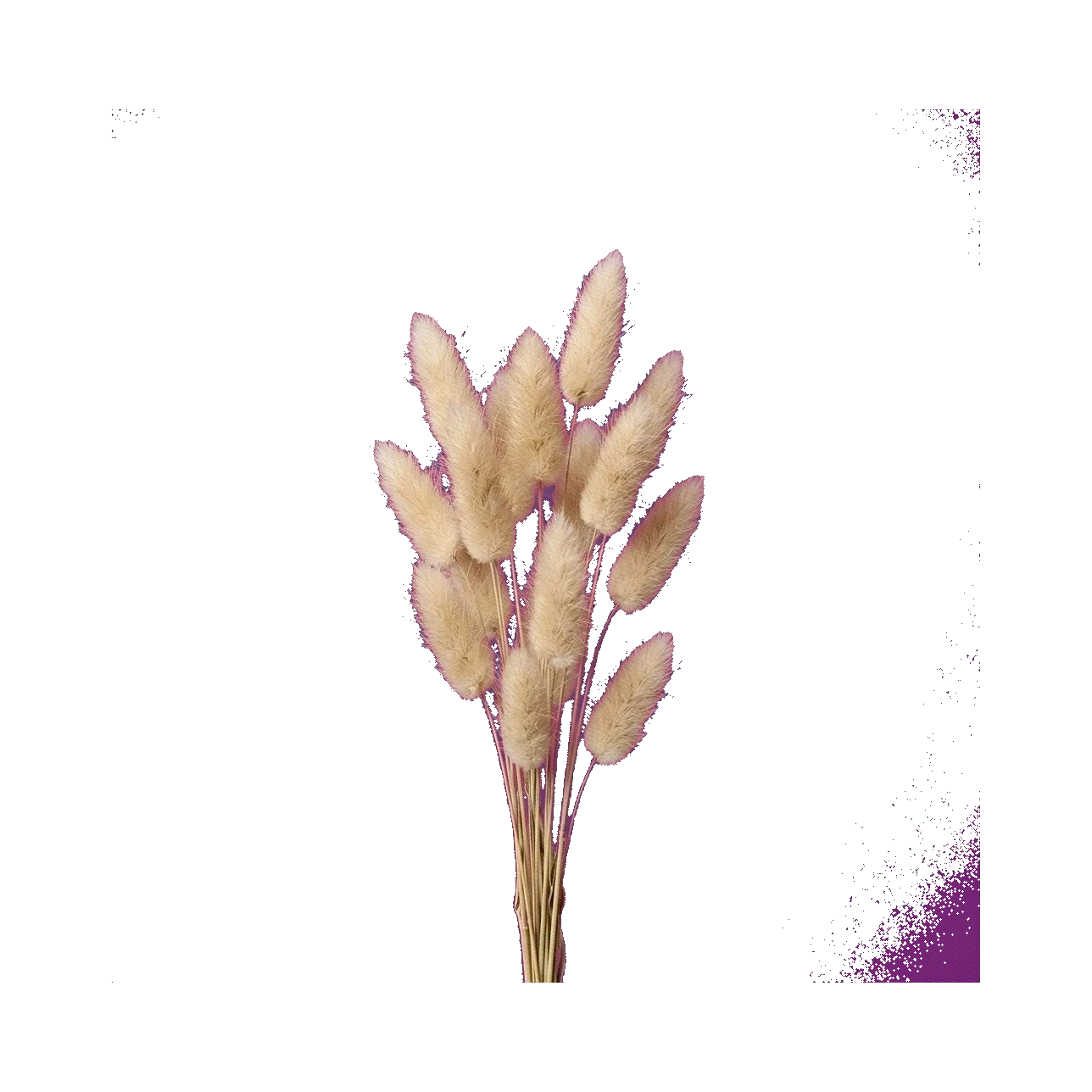
Lagurus (bunny tail grass)
Lagurus ovatus
Lagurus — the bunny tail grass — is the boho wedding designer's shortcut to instant texture and softness. Native Mediterranean grasslands but grown commercially worldwide, its fluffy tufted heads dry in place with no colour or shape loss. Available natural cream, dyed pastels, or (as in the academy library) dyed a saturated red for autumn palette work. One of the most affordable filler options per stem across all seasons.

Liatris
Liatris spicata
Liatris is a slender, feathery flower spike prized for the vertical rhythm it brings to bouquets and tall arrangements. Its fuzzy, thistle-like florets open from the tip downward — the reverse of most spikes — giving a soft, plumed silhouette in purple, lavender or white. Florists love it as an affordable, hardy line flower that reads as both wildflower-natural and structured. It works beautifully in meadow-style summer designs, sympathy tributes and rustic bouquets.
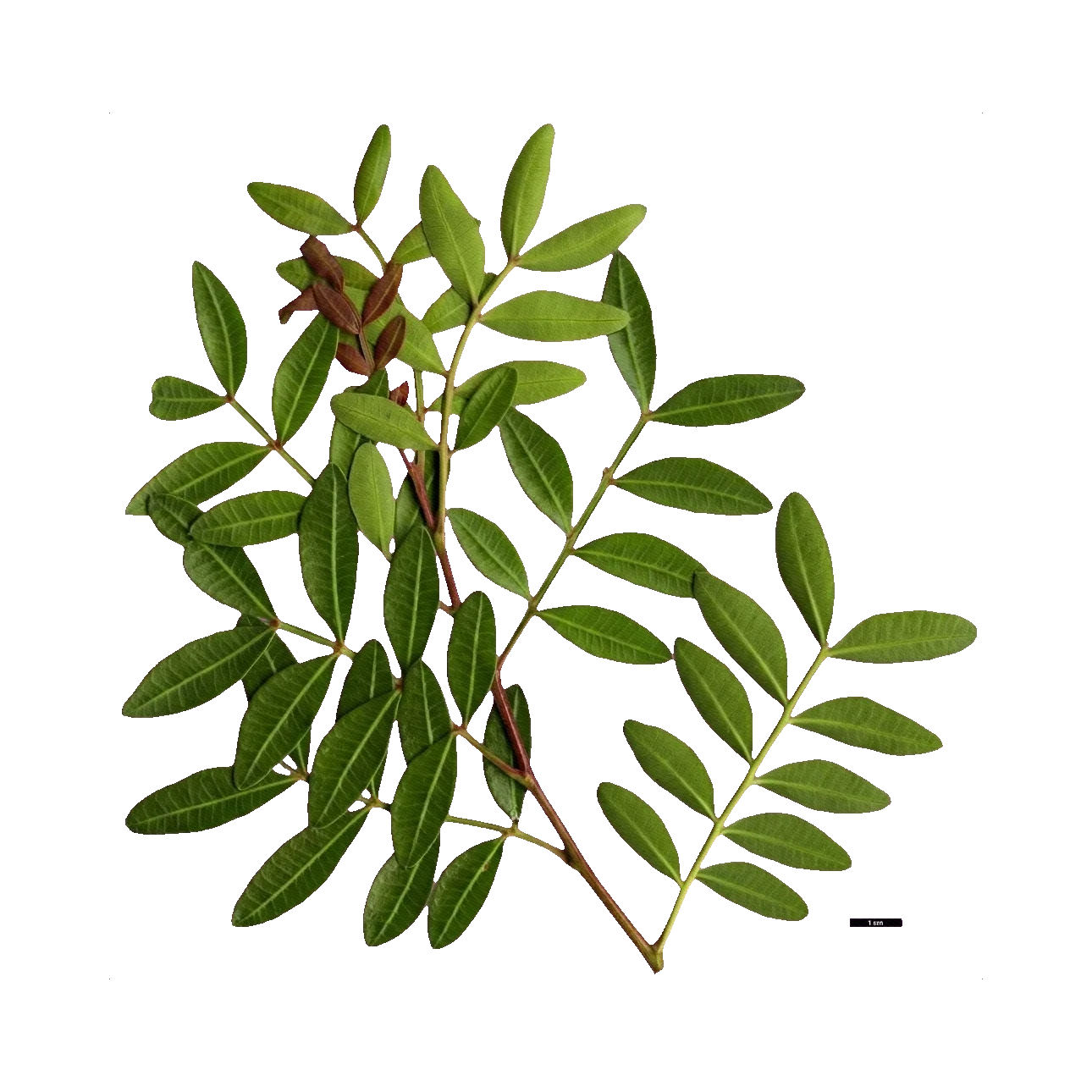
Pistacia
Pistacia lentiscus
Pistacia is the workhorse of commercial floristry — inexpensive Mediterranean greenery that creates volume inside a bouquet without ever being seen. Modern florists use pistacia as the structural skeleton of oversized bouquets, allowing focal flowers to sit airily on top. See our journal piece on [technical greenery](/journal/technique/technical-greenery/).

Pittosporum
Pittosporum tenuifolium
Pittosporum is a versatile evergreen foliage prized for its dense, glossy oval leaves arranged along wiry stems. Florists reach for it constantly as a filler and greenery base, valuing its neat texture and exceptional longevity. Varieties range from bright green to silvery variegated and near-black 'Nigra', letting it read fresh or moody. It bridges the gap between fine and broad foliage in bouquets, arrangements and wedding work.

Rudbeckia
Rudbeckia hirta
Rudbeckia is the golden daisy of high summer and early autumn, instantly recognisable by its warm yellow-to-bronze rays circling a dark, domed cone. Florists prize it as a cheerful, sturdy focal that carries meadow and prairie-style designs without fuss. Its colour range spans clear yellow through mahogany and rust, making it a natural fit for late-season and rustic palettes. Reliable, inexpensive and long-lasting, it bridges the gap between sunflowers and the finer autumn daisies.

Ruscus
Ruscus hypoglossum
Ruscus is the affordable line-greenery of modern floristry. Italian ruscus provides the long, drooping stems used in arch installations and cascading bouquets; Israeli ruscus is shorter and upright, used inside bouquets as filler. Both offer weeks of vase life at a fraction of the cost of specialty greenery.
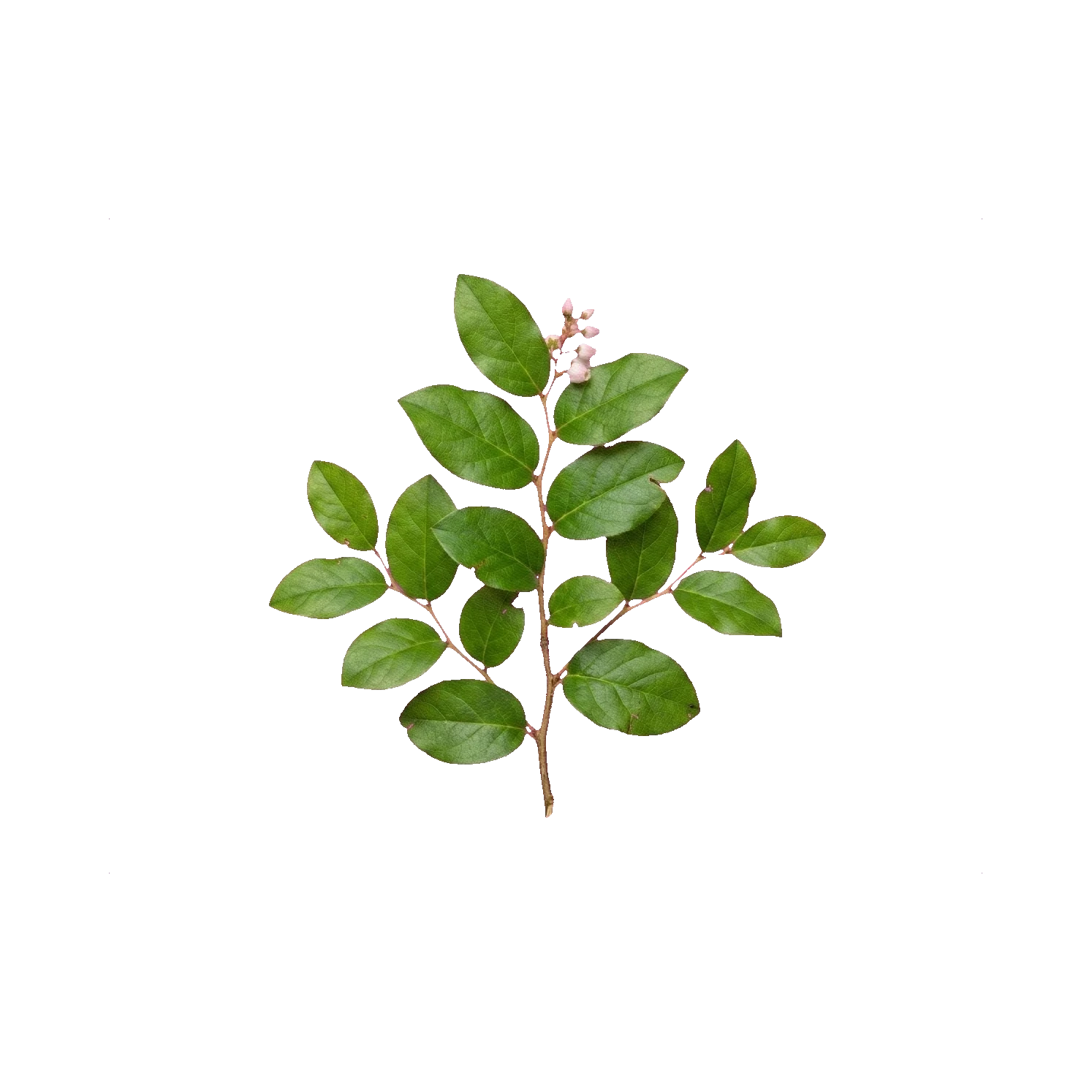
Salal
Gaultheria shallon
Salal (Gaultheria shallon) is a broadleaf evergreen from the Pacific Northwest, prized as one of the most reliable and inexpensive cut foliages in the trade. Its leathery, oval leaves grow densely along woody stems, giving an even backdrop of deep green that is slow to wilt. Florists reach for it constantly to green up bouquets, line arrangements and fill gaps behind focal blooms. It ships and stores exceptionally well, making it a workhorse for weddings and everyday work alike.
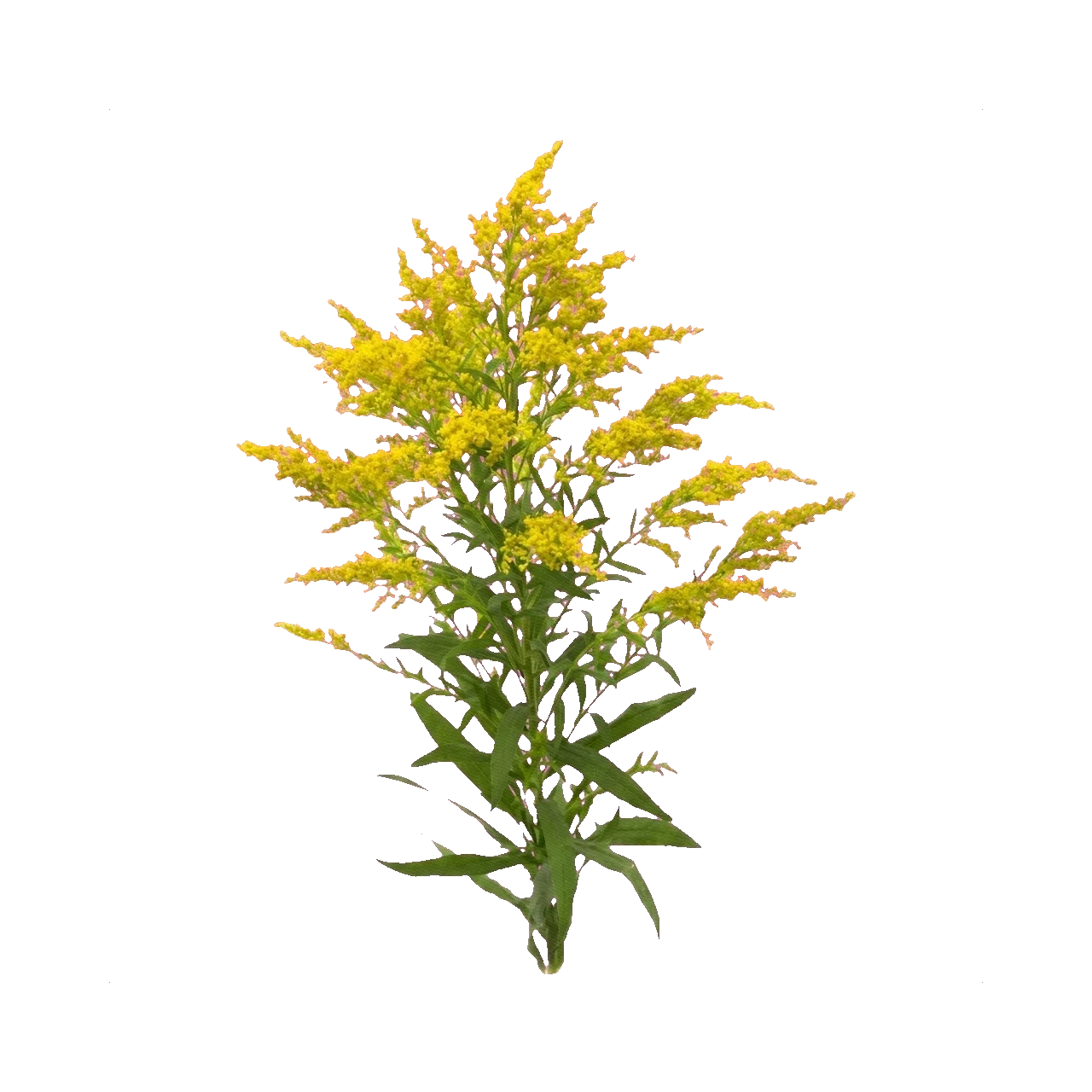
Solidago
Solidago canadensis
Solidago, or goldenrod, is a plumed North American perennial whose feathery sprays of tiny golden flowers add warmth and movement to an arrangement. Florists prize it as an airy, inexpensive filler that softens gaps and echoes the yellow of sunflowers and rudbeckia. Its fine, branching form reads as a golden haze, making it a staple of rustic, autumnal and cottage-garden work. Long-lasting and forgiving, it also dries well for everlasting designs.

Statice
Limonium sinuatum
Statice is the working filler of the everyday flower shop — cheap, long-lasting, and one of the very few flowers that offers true natural blue (in the sinuatum species). Dries perfectly; commonly used in preserved arrangements and dried wall art. A workhorse, not a star.
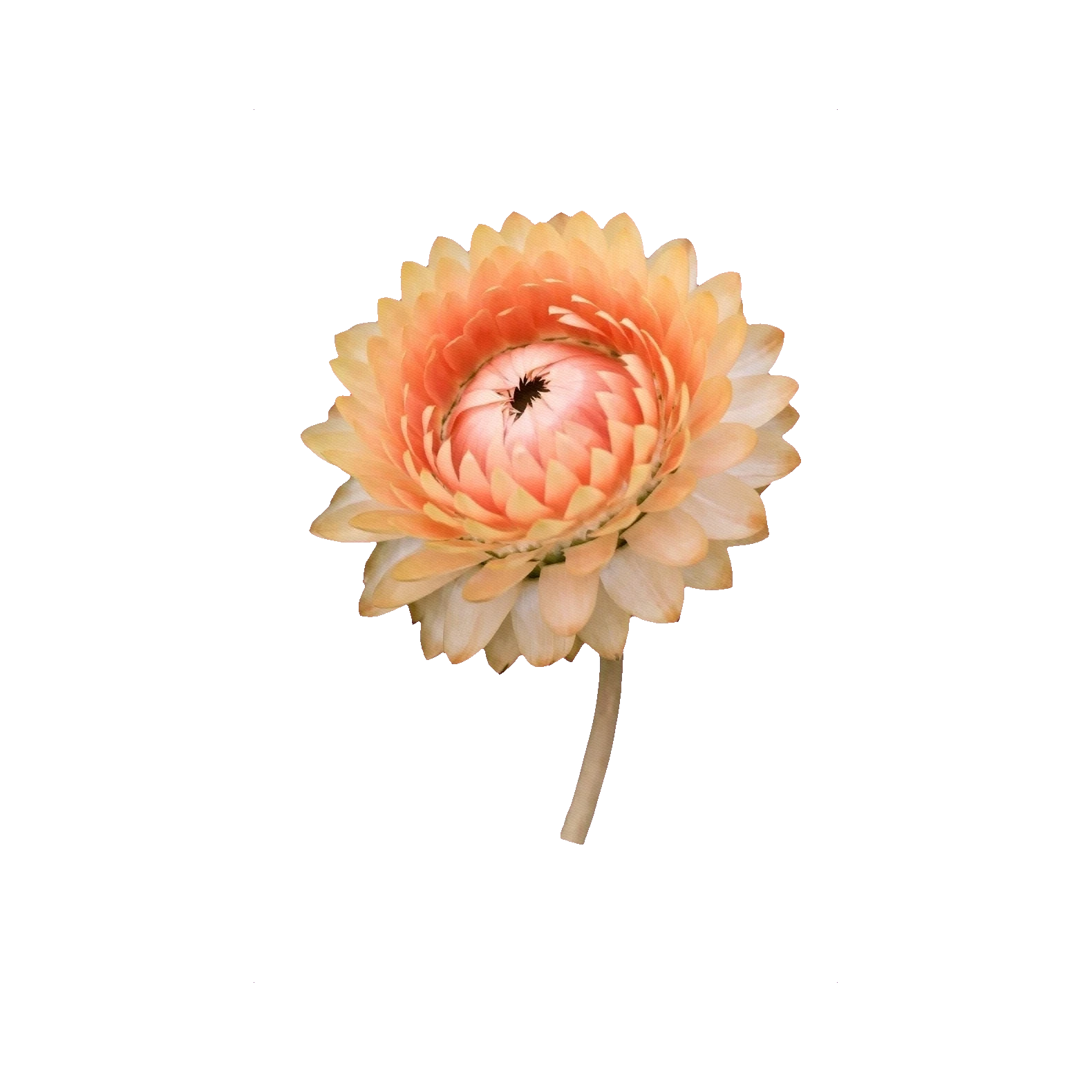
Strawflower
Xerochrysum bracteatum
Strawflower earns its many nicknames — everlasting, paper daisy — from stiff, papery bracts that feel like crisp straw and keep their vivid colour long after cutting. Native to Australia, it works beautifully fresh but truly shines dried, holding rich yellows, oranges and pinks for months. Florists lean on it for textural interest in boho and autumn arrangements, and as an affordable staple of dried bouquets and wreaths. Its durability and warm palette make it a versatile, budget-friendly filler.

Sunflower
Helianthus annuus
Sunflowers are the face of late summer floristry — bold, cheerful, and grown locally on almost every continent. Pollenless varieties (Sunbright, ProCut Orange) have replaced classic pollen-producing sunflowers in commercial work — no more stained tablecloths. Miniature sunflowers (Teddy Bear, fully double heads) have opened the flower to wedding and event use.

Switch Grass
Panicum virgatum
Panicum, or switch grass, is a North American prairie grass whose delicate, cloud-like panicles bring a haze of fine texture to arrangements. Cut fresh, its shimmering green or wine-flushed sprays soften the edges of bouquets and lend an on-trend, meadowy looseness; dried, it holds a feathery, glinting form. Cultivars range from clean green to burgundy-tinted, so it slots into palettes from fresh spring to moody autumn. Airy and forgiving, it is a favourite filler for garden-style and installation work.
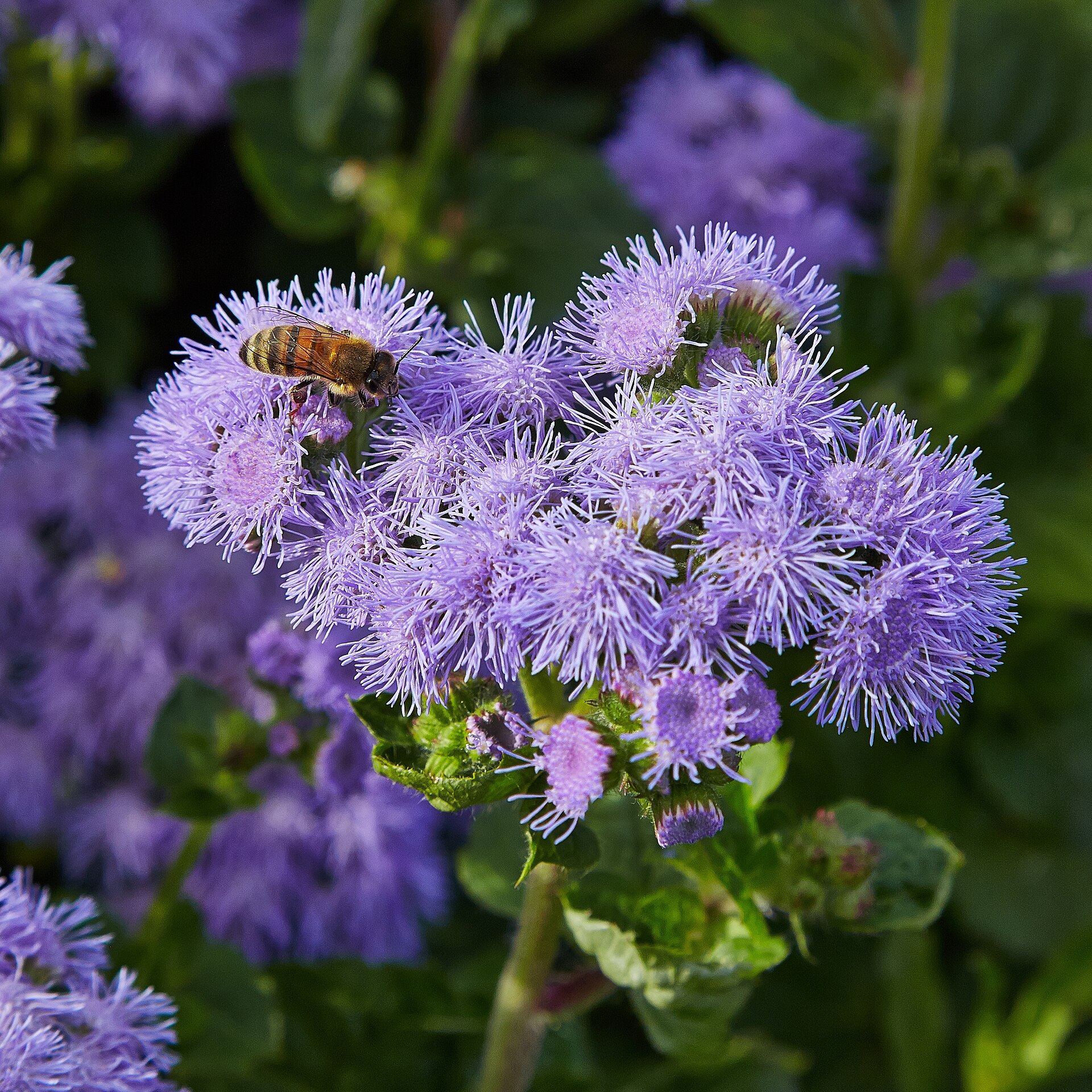
Ageratum
Ageratum houstonianum
Ageratum, or floss flower, is a tender annual bearing soft, fluffy clusters of tiny thread-like florets, most often in cool blue and lavender but also white and pink. Taller cutting varieties such as 'Blue Horizon' give florists useful stems of one of the harder-to-find true blues. It works as a textural filler that softens and cools summer and autumn arrangements. Its powder-puff clusters read almost like a fuzzy, dreamy version of a thistle without the spikes.
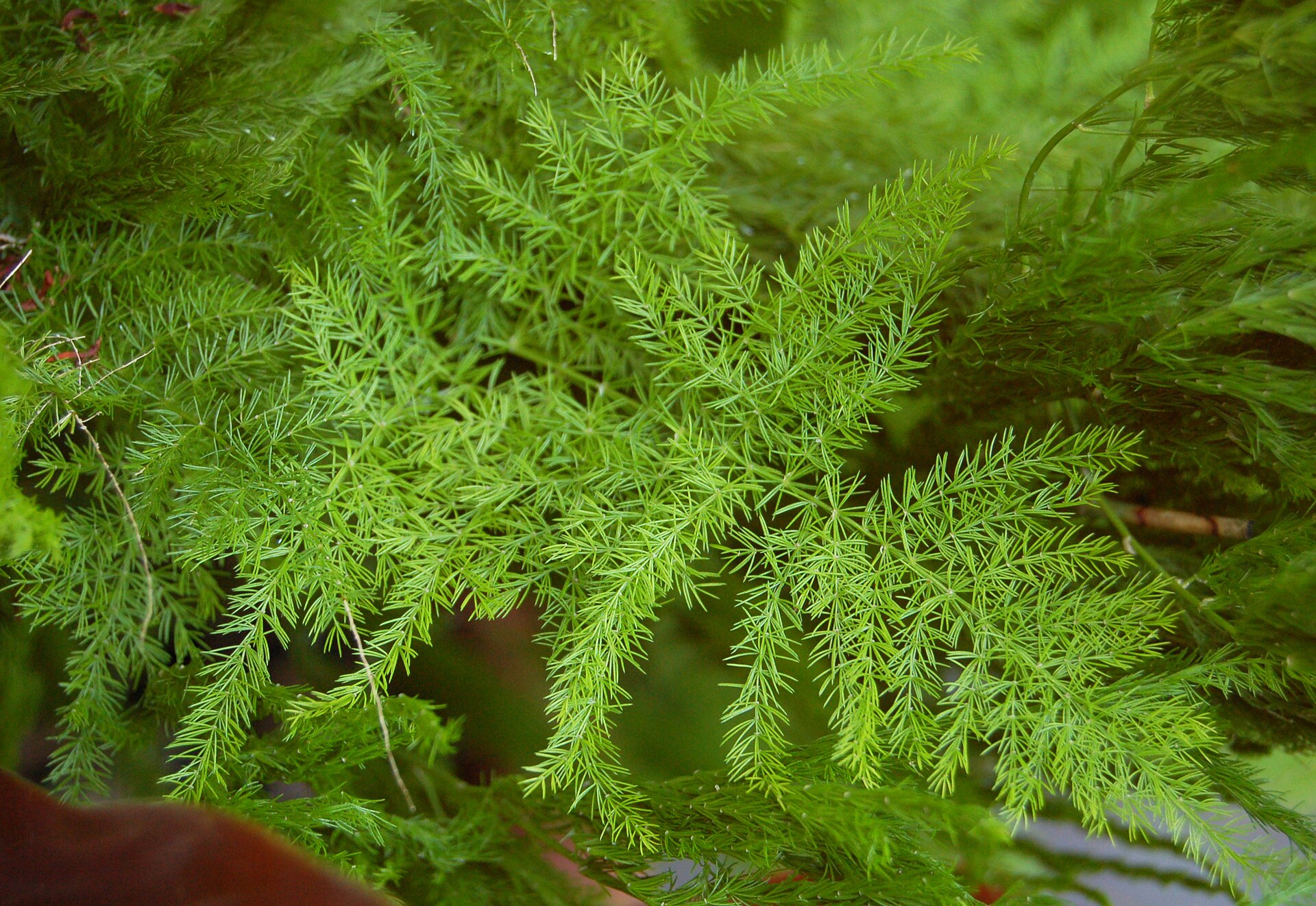
Asparagus Fern
Asparagus setaceus
Asparagus fern (Asparagus setaceus) is not a true fern at all but a member of the asparagus family, valued for its feathery, lace-like sprays of fine green needles. It brings soft, cloud-like texture and a delicate, airy elegance to bouquets and boutonnieres. The flat, horizontal fronds add width and a romantic, old-fashioned softness. It is affordable and widely available, though more perishable than tougher greens, so it is best used fresh.
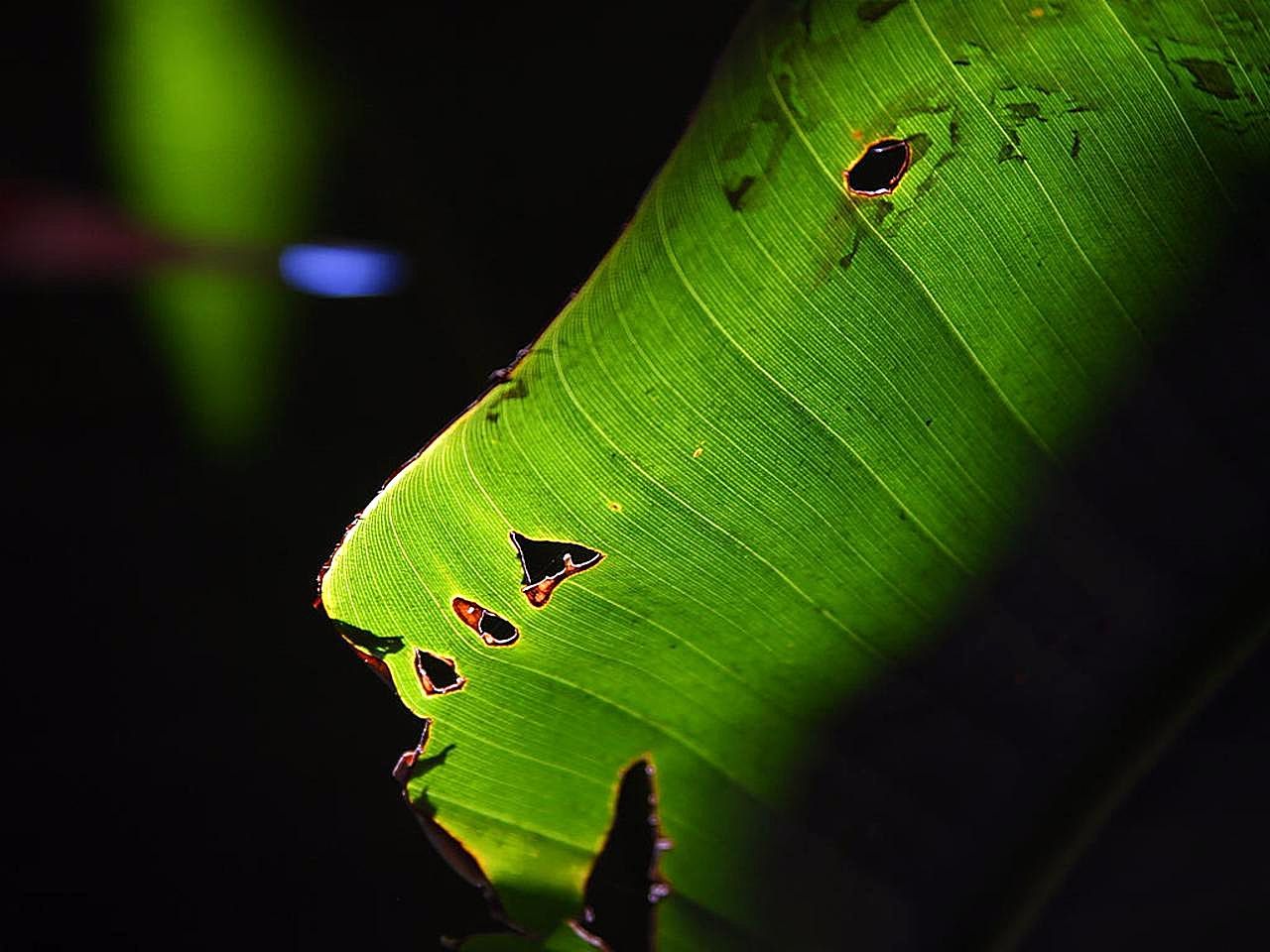
Banana Leaf
Musa × paradisiaca
Banana leaf is a broad, glossy paddle of foliage prized for its clean tropical geometry and versatility. Florists use it whole for bold architectural greenery, roll or fold it to line the inside of glass vases, or cut it into strips and sculptural forms for modern and tropical designs. Inexpensive and widely available year-round, it brings instant lushness and scale to installations and event work. It is best used fresh, as the cut blade gradually dries and curls at the edges.
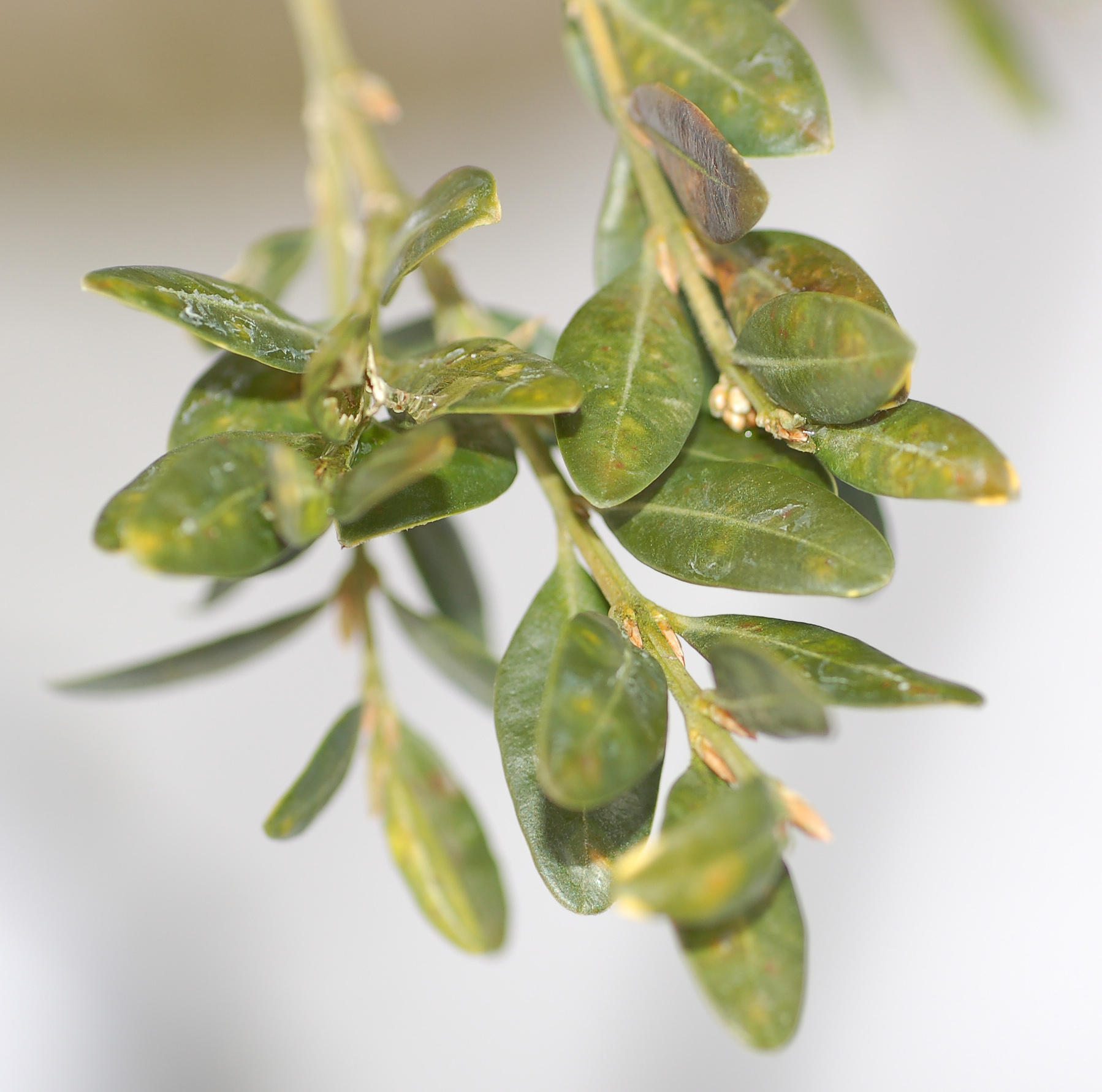
Boxwood
Buxus sempervirens
Boxwood is a fine-textured evergreen with small, dense, deep-green leaves along stiff woody stems. Long a mainstay of formal and holiday design, it forms lush topiary shapes, wreaths, garlands and compact greenery bases. Its tight foliage holds up remarkably well, even out of water, making it invaluable for installations and Christmas work. Florists love its classic, clipped, garden-hedge character.
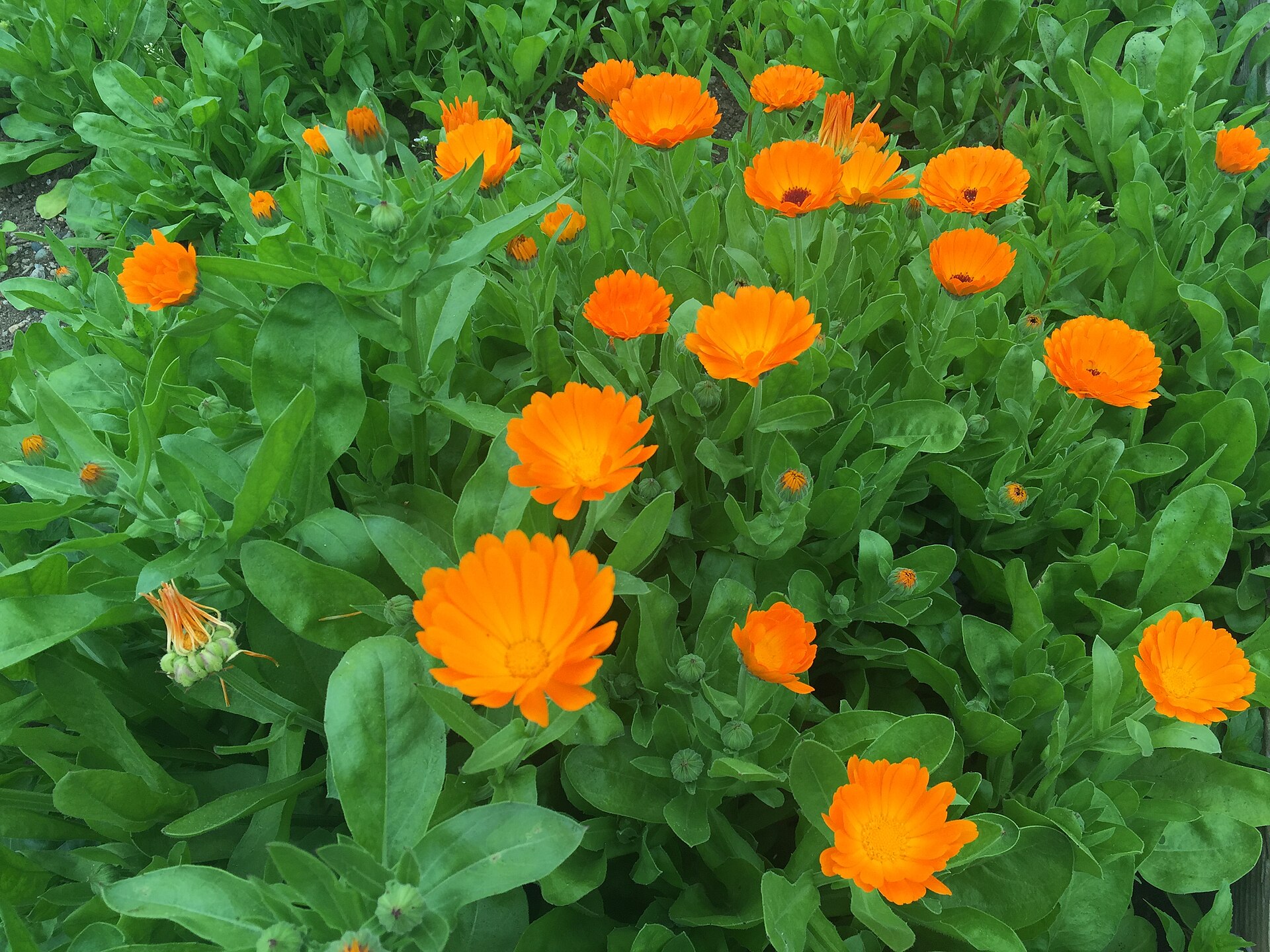
Calendula
Calendula officinalis
Calendula, or pot marigold, offers rounded daisy heads in glowing shades of orange, apricot and yellow, often doubled into densely petalled rosettes. A cool-season cottage flower, it appears earlier than most summer daisies and returns in a flush during mild autumns. Florists value its clear, edible-bright colour and old-fashioned charm in rustic and garden-style work. Humble and inexpensive, it carries a nostalgic, kitchen-garden warmth that pairs beautifully with herbs and grasses.
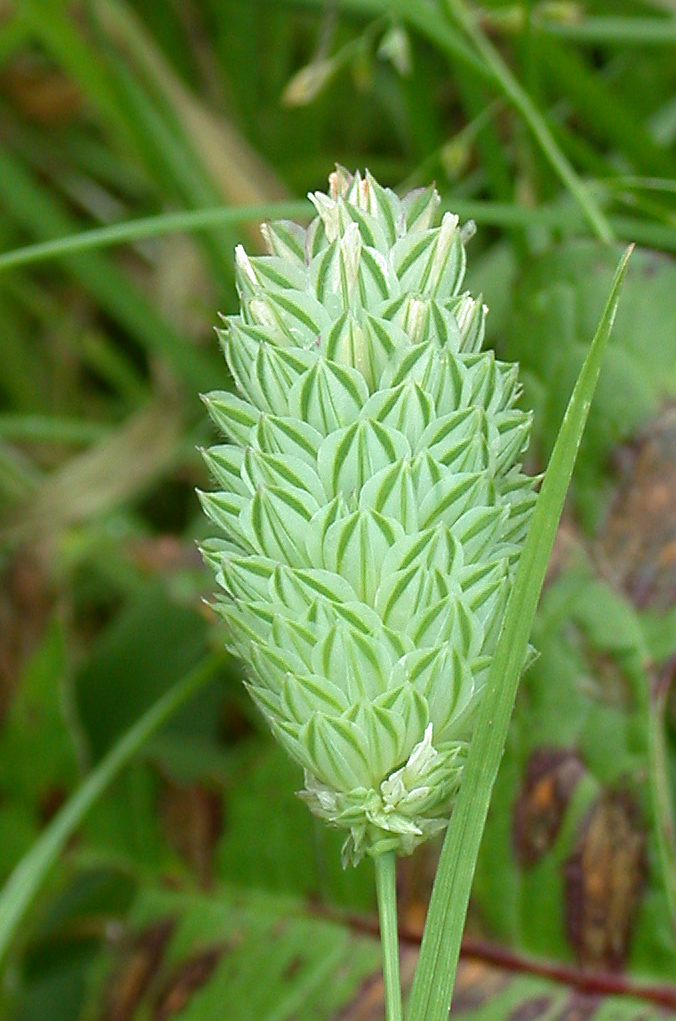
Canary Grass
Phalaris canariensis
Phalaris, canary grass, is a Mediterranean grass grown for its plump, oval seed heads packed tightly on upright stems. Fresh, the fat green heads bring a neat, grain-like texture and a rustic freshness to summer bouquets; dried, they fade to soft straw and hold their shape for months. Easy to grow, cut and condition, it is an inexpensive, dependable filler. Florists reach for it to add substance and a field-gathered feel to garden-style and dried work.
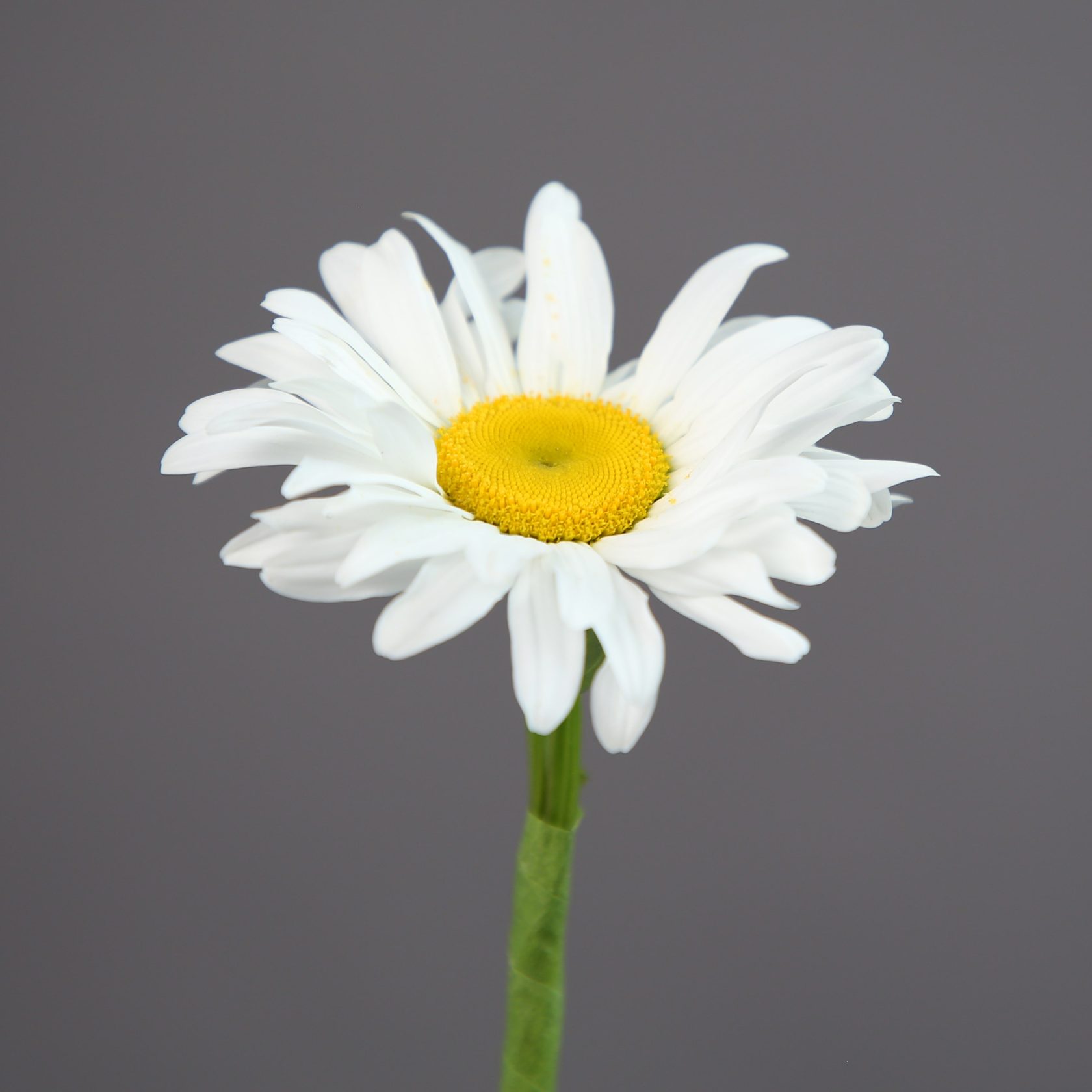
Chamomile
Matricaria chamomilla
Chamomile is the meadow flower of the garden-to-vase movement — dozens of tiny white-and-yellow daisy heads on branching stems, with an unmistakable apple fragrance. A perfect low-cost filler for cottage-garden weddings; splits into many usable side stems per bunch.
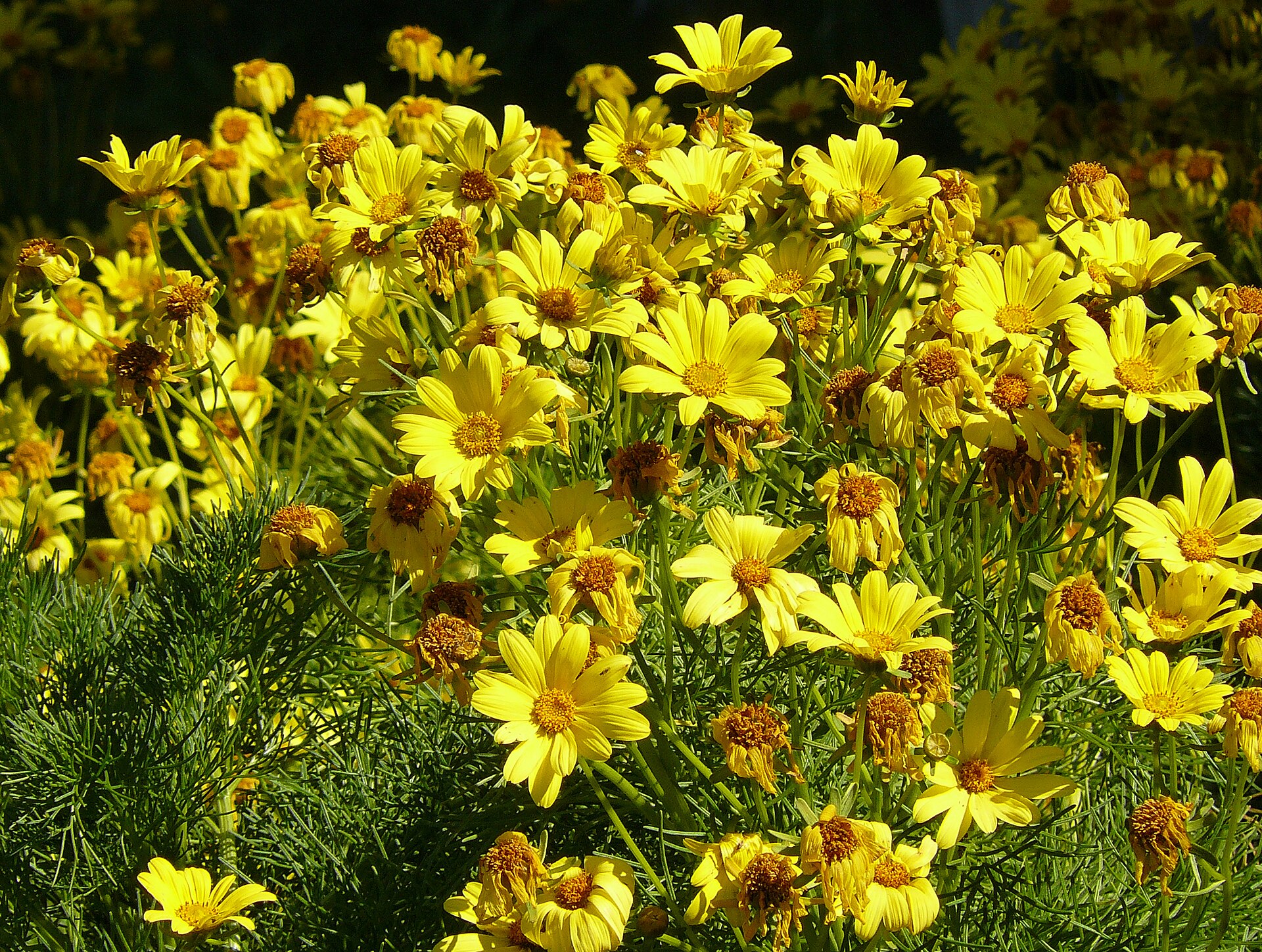
Coreopsis
Coreopsis
Coreopsis scatters small, sunny daisy flowers on airy, branching stems, adding a loose sparkle to cottage and meadow arrangements. Its rays run from bright buttery yellow through orange to crimson, often with a contrasting eye, and read as delicate confetti among heavier blooms. Florists use it as a lightweight filler that softens outlines and fills gaps with colour. Inexpensive and abundant in high summer, it is a quintessential garden-style ingredient.
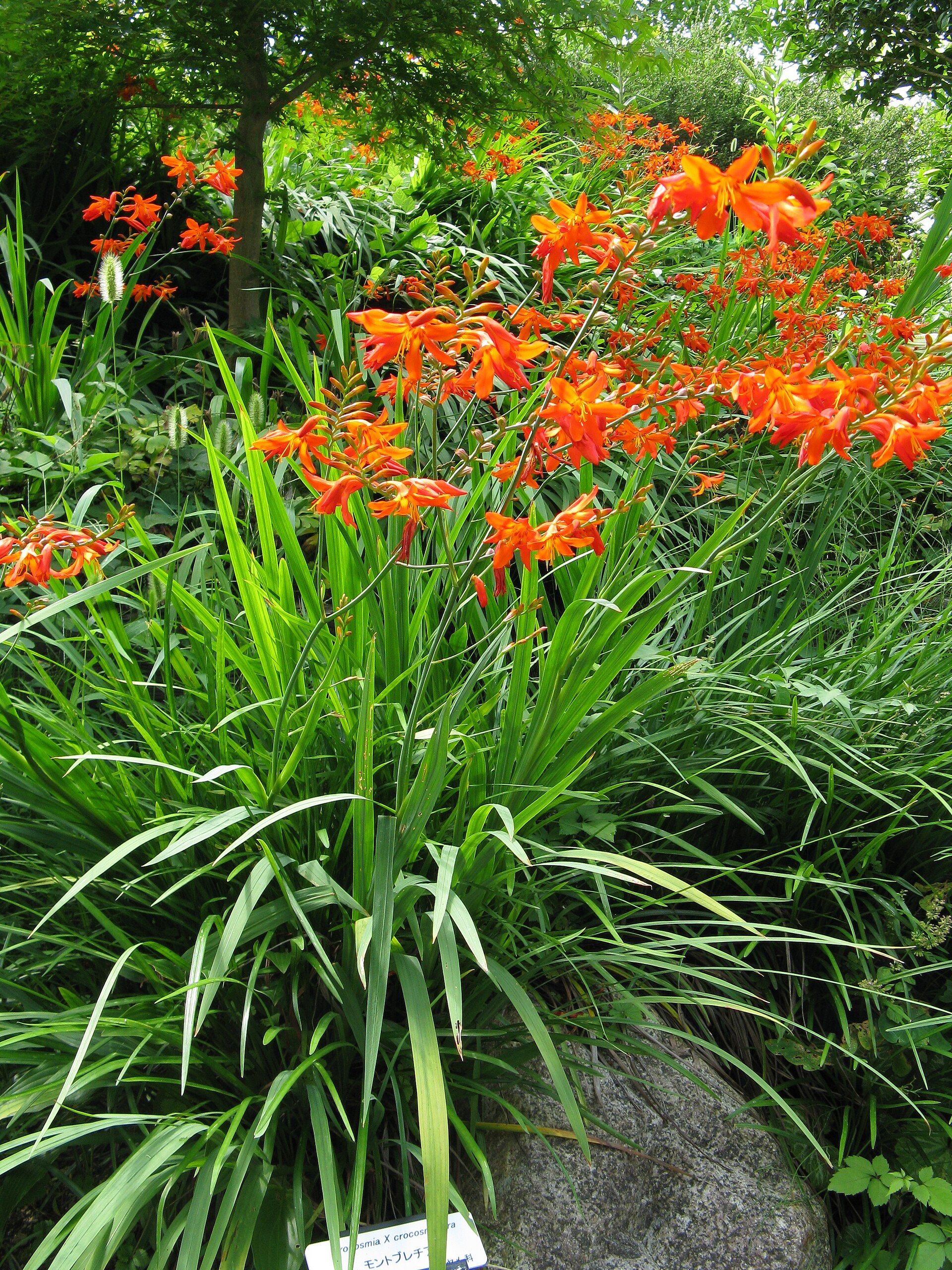
Crocosmia
Crocosmia x crocosmiiflora
Crocosmia sends up graceful arching sprays of fiery orange, red and gold funnel-shaped blooms on branching stems. A vigorous South African hybrid, it delivers hot, high-summer colour and a natural, flame-like line to arrangements. Florists prize both the flowers and the beaded green seed pods that follow, which add wiry texture to autumnal designs. Its warm tones and sweeping movement make it a favourite for garden-style and seasonal work.
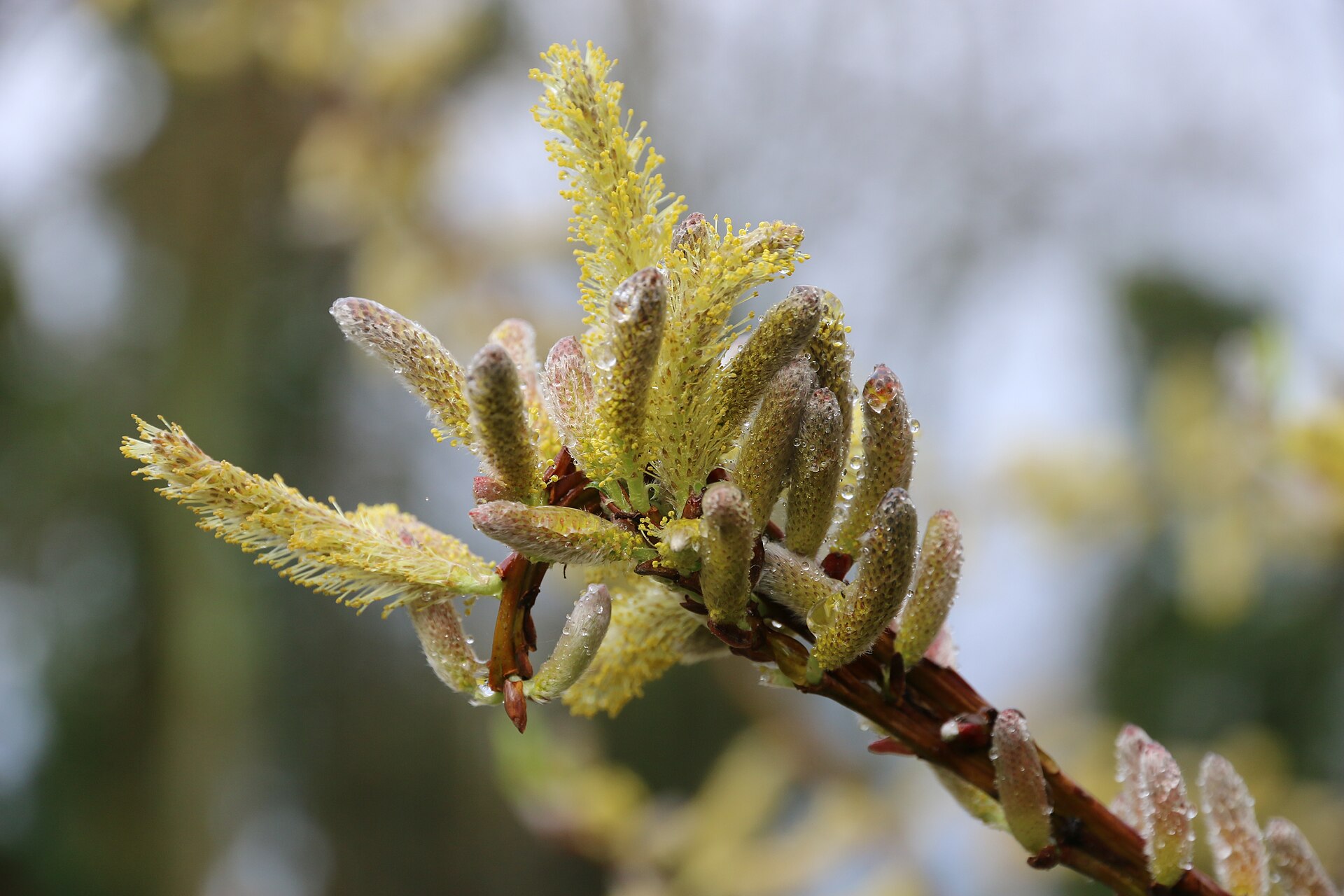
Curly Willow
Salix matsudana 'Tortuosa'
Curly willow is a bare, twisting branch whose corkscrew stems bring instant movement and drama to a design. Florists use it as a year-round structural line — arching over installations, spilling from tall vases, or wired into armatures where its sinuous curves do the work. It is nearly indestructible, lasting weeks fresh and drying beautifully in place, and can be gently bent to shape while still supple. The leafless, sculptural form suits modern, minimalist and architectural styles.
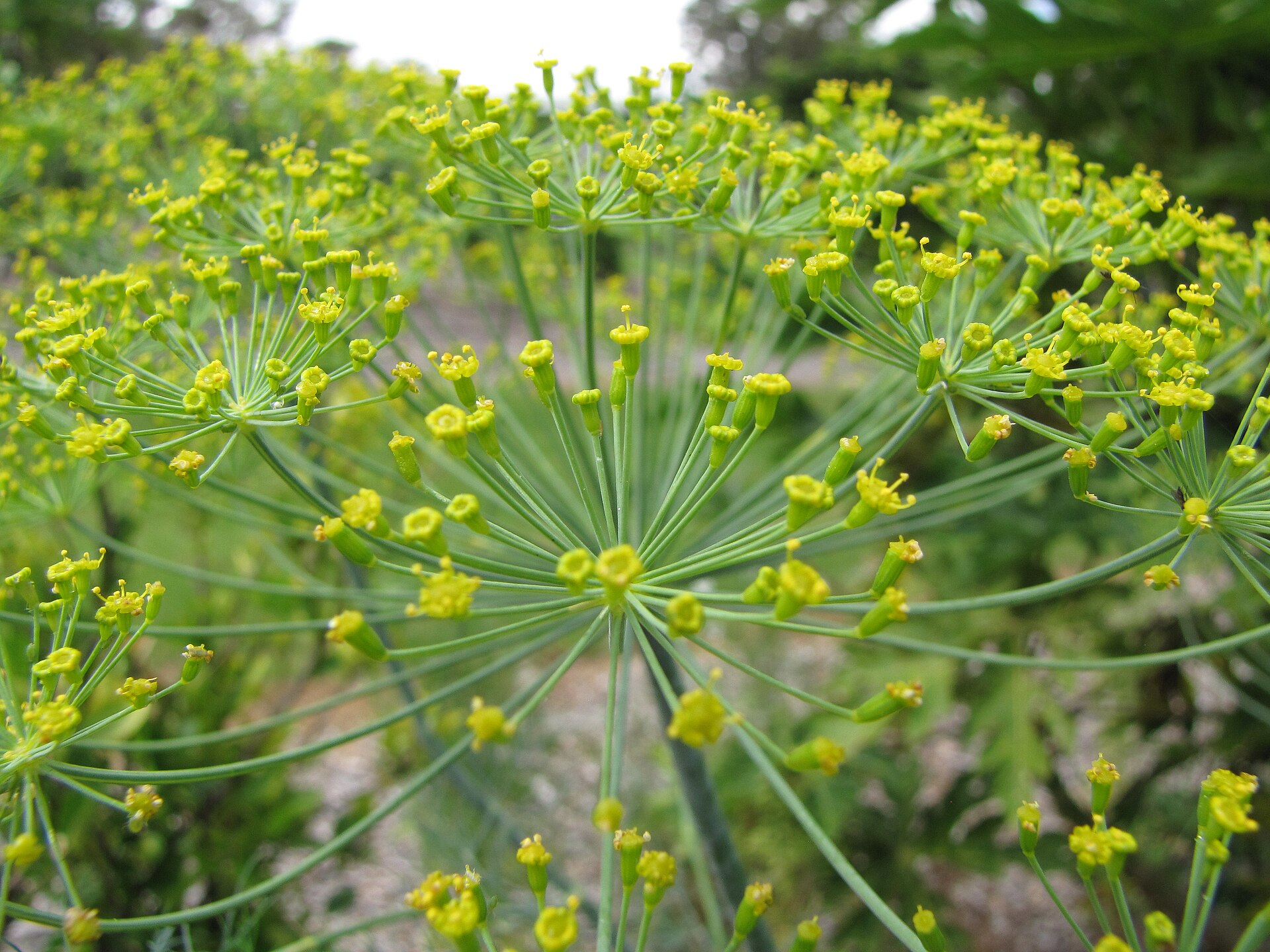
Dill
Anethum graveolens
Dill contributes airy, chartreuse umbels of tiny flowers on feathery stems, adding a soft veil of texture and a warm herbal fragrance. Florists use it as a filler to lend movement and a loose, foraged look to garden-style bouquets. Its acid-green colour brightens and freshens deeper palettes. It is a seasonal favourite for rustic and summer wedding work.
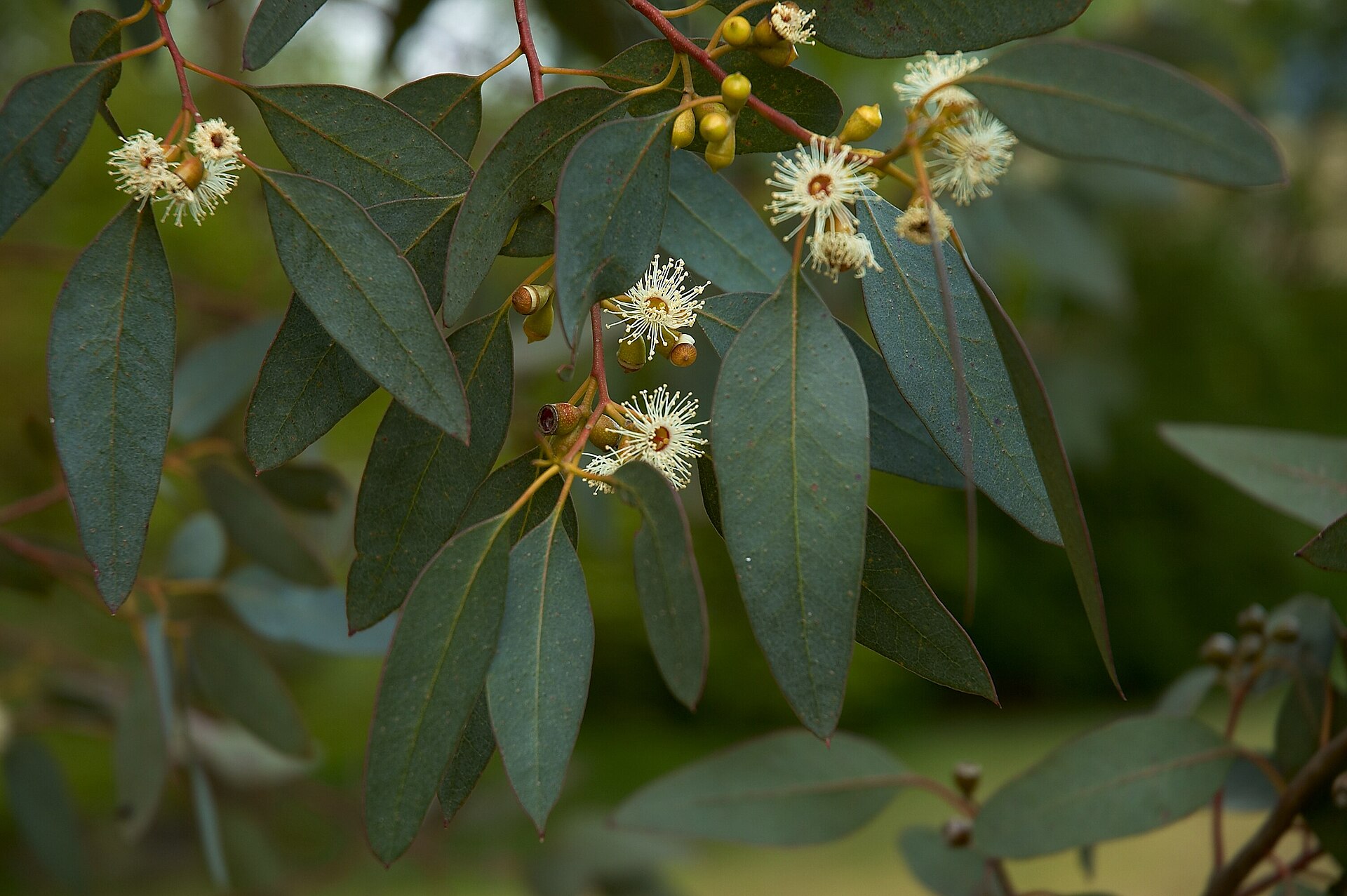
Eucalyptus Gunnii
Eucalyptus gunnii
Eucalyptus gunnii, the cider gum, carries small rounded blue-green leaves along feathery, flexible sprays. It is one of the most useful florist greeneries, adding airy volume and a fresh, resinous scent to bouquets, garlands and arrangements. The stems are inexpensive, long-lasting and dry well, making gunnii a year-round workhorse. Its soft, trailing habit suits everything from bridal bouquets to large installations.
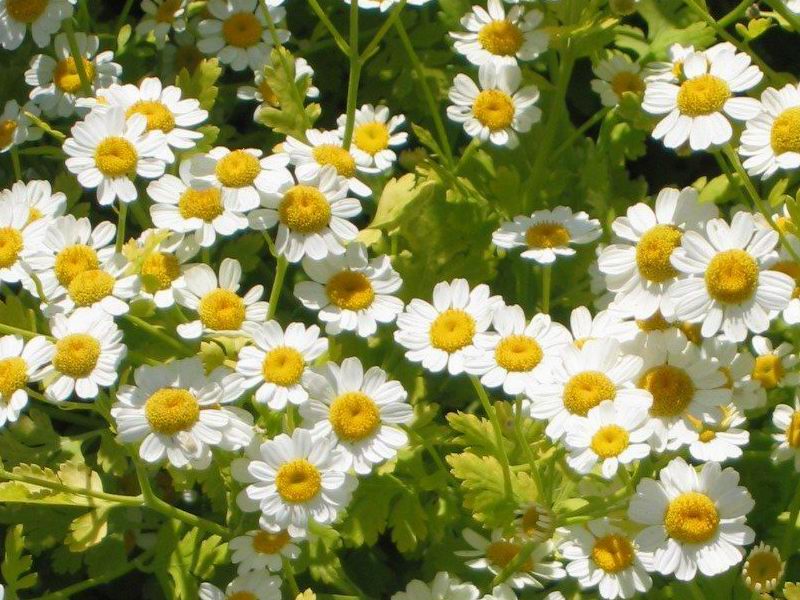
Feverfew
Tanacetum parthenium
Feverfew is a bushy herb of the daisy family covered in clusters of small white blooms with buttery-yellow centres. Florists love it as a charming, informal filler that brings a fresh, cottage-garden innocence to bridal bouquets and jam-jar posies. Its many-branched stems knit an arrangement together with a scatter of miniature daisies. The foliage is aromatic, and the flowers last well when properly conditioned.
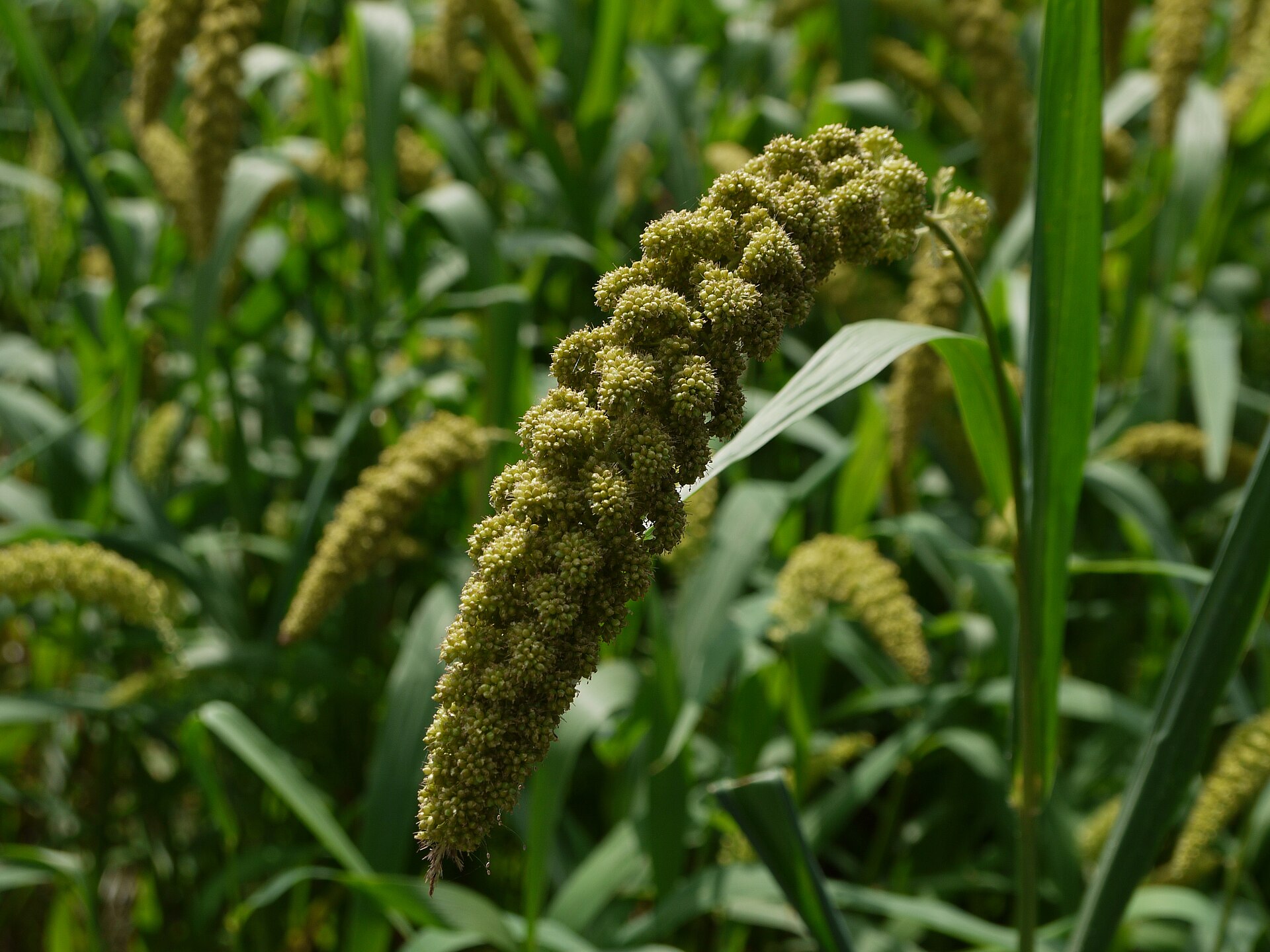
Foxtail Millet
Setaria italica
Setaria, foxtail millet, is a cultivated grass grown for its plump, nodding, bottlebrush seed heads that arch over on slender stems. Its soft, tactile foxtails read as playful and abundant, adding weight and a harvest feel to autumnal and boho designs. Heads range from fresh green through gold to bronze as they ripen, and they dry well while keeping their curved, drooping silhouette. Florists use it as a textural line-and-filler element that brings gentle movement to bouquets and installations.
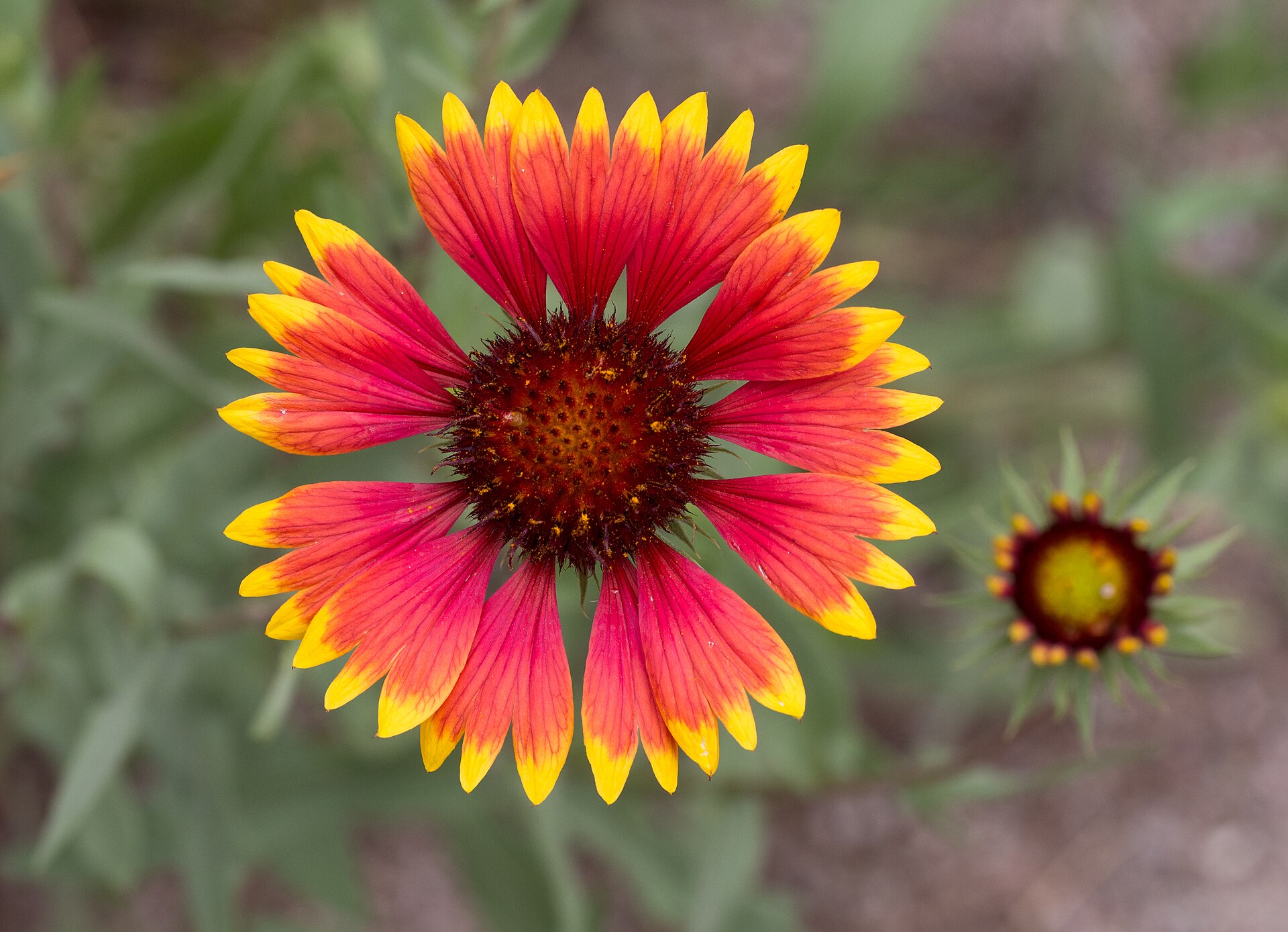
Gaillardia
Gaillardia
Gaillardia, the blanket flower, blazes with hot bands of red, orange and gold radiating from a raised central disc, evoking a prairie sunset. Florists use it as a small, fiery focal that lends warmth and a boho, sun-baked feel to summer and autumn designs. The daisy heads sit on tidy, upright stems and combine easily with grasses and other meadow blooms. Tough, colourful and affordable, it is a dependable seasonal workhorse.
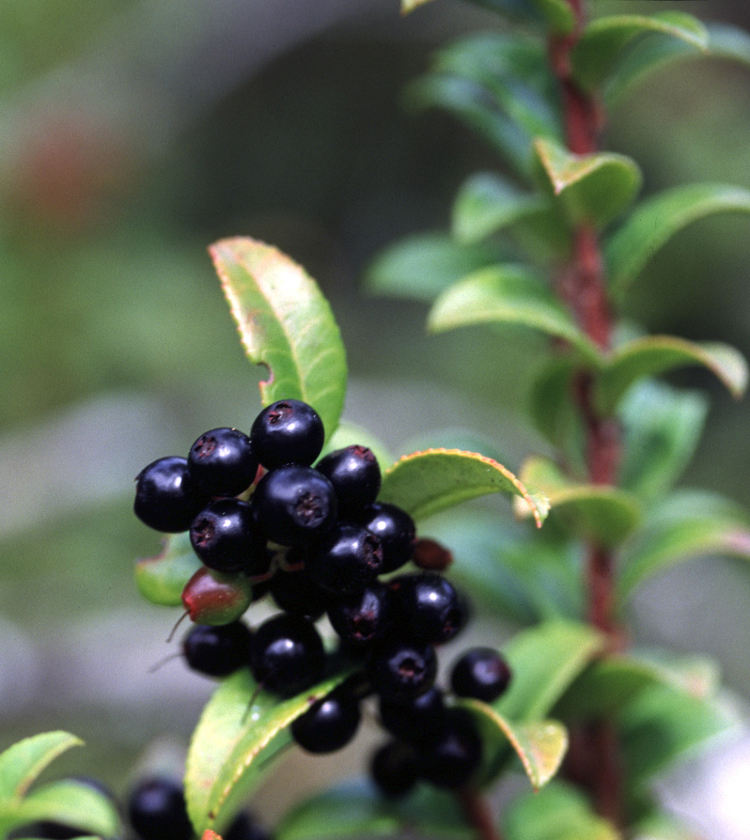
Huckleberry
Vaccinium ovatum
Evergreen huckleberry offers slender, arching branches lined with small, glossy, dark-green leaves that flush bronze-red on new growth. Sustainably wild-harvested in the Pacific Northwest, it is a beloved cut green for its graceful movement and fine texture. Florists use it to add length, airiness and a natural, woodland feel to bouquets and arrangements. Its delicate, tapering stems soften formal designs and lend rustic charm.
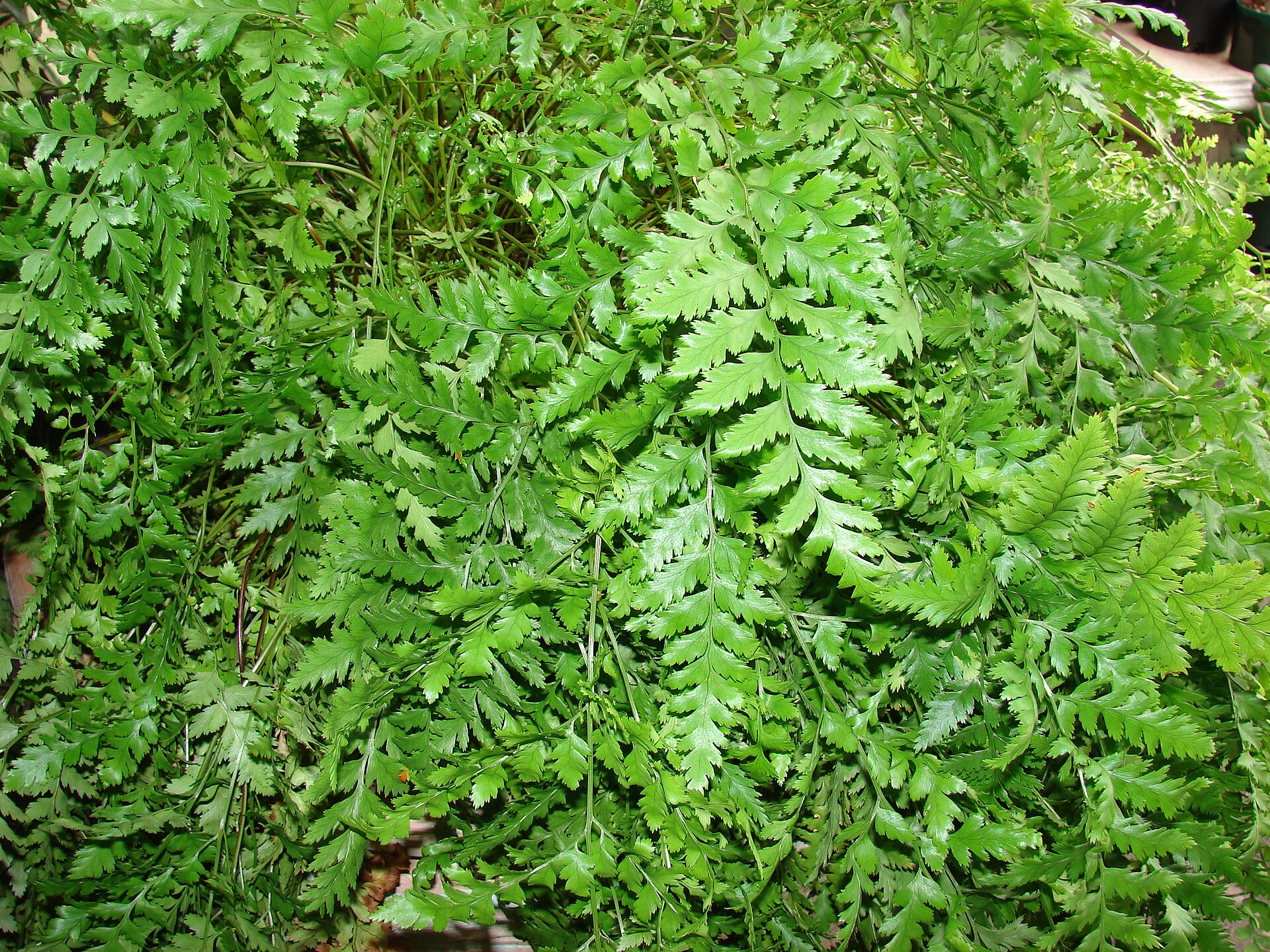
Leatherleaf Fern
Rumohra adiantiformis
Leatherleaf fern (Rumohra adiantiformis) is the florist's default fern — a tough, triangular frond with a firm, almost plasticky texture that holds up far better than most ferns out of water. Deep glossy green and finely divided, it adds airy depth and a woodland feel without wilting. It is grown commercially on a huge scale and is one of the cheapest, most available cut greens worldwide. Florists use it to back corsages, line hand-tied bouquets and soften funeral and everyday designs.
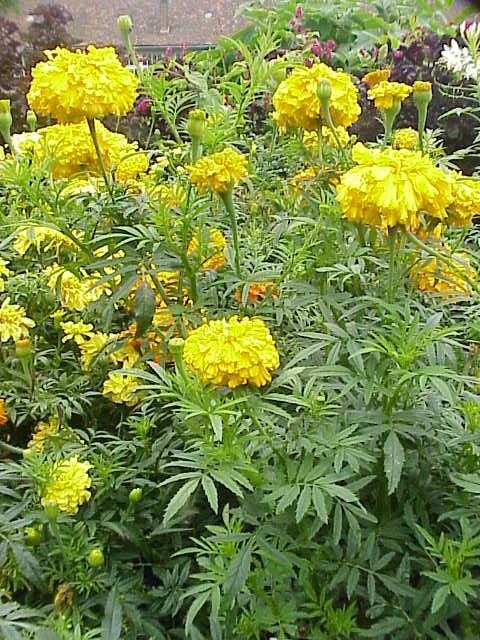
Marigold
Tagetes erecta
Marigold (Tagetes erecta) is the bold, pungent annual behind dense pompoms of yellow, orange and bronze, and the sacred cempasúchil of the Mexican Day of the Dead. Its ruffled, ball-shaped heads and long stems make cheerful, long-lasting focals for autumn, rustic and celebration work. The whole plant is strongly aromatic, and its foliage will foul vase water if left submerged. Inexpensive, hardy and richly coloured, it brings warmth and the glow of late-season sun to any arrangement.
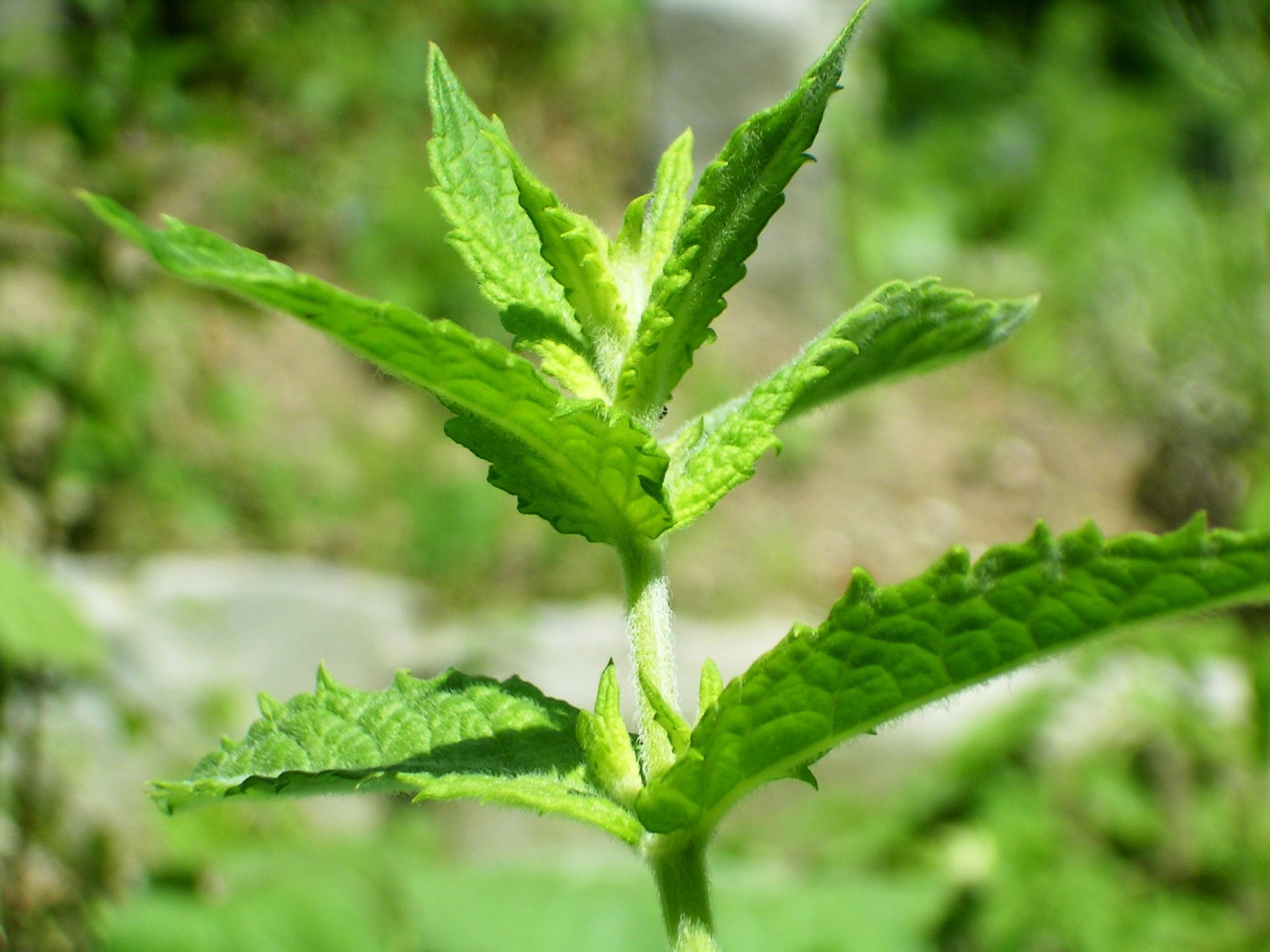
Mint
Mentha spicata
Mint is an aromatic herb whose bright green, textured leaves release a cool, refreshing scent when brushed. Florists use it as a fragrant, informal greenery that softens bouquets and adds a garden-gathered feel. Its crisp foliage works especially well in cottage-style and summer arrangements. Beyond looks, the fresh scent makes it a favourite for bridal work and tablescapes.
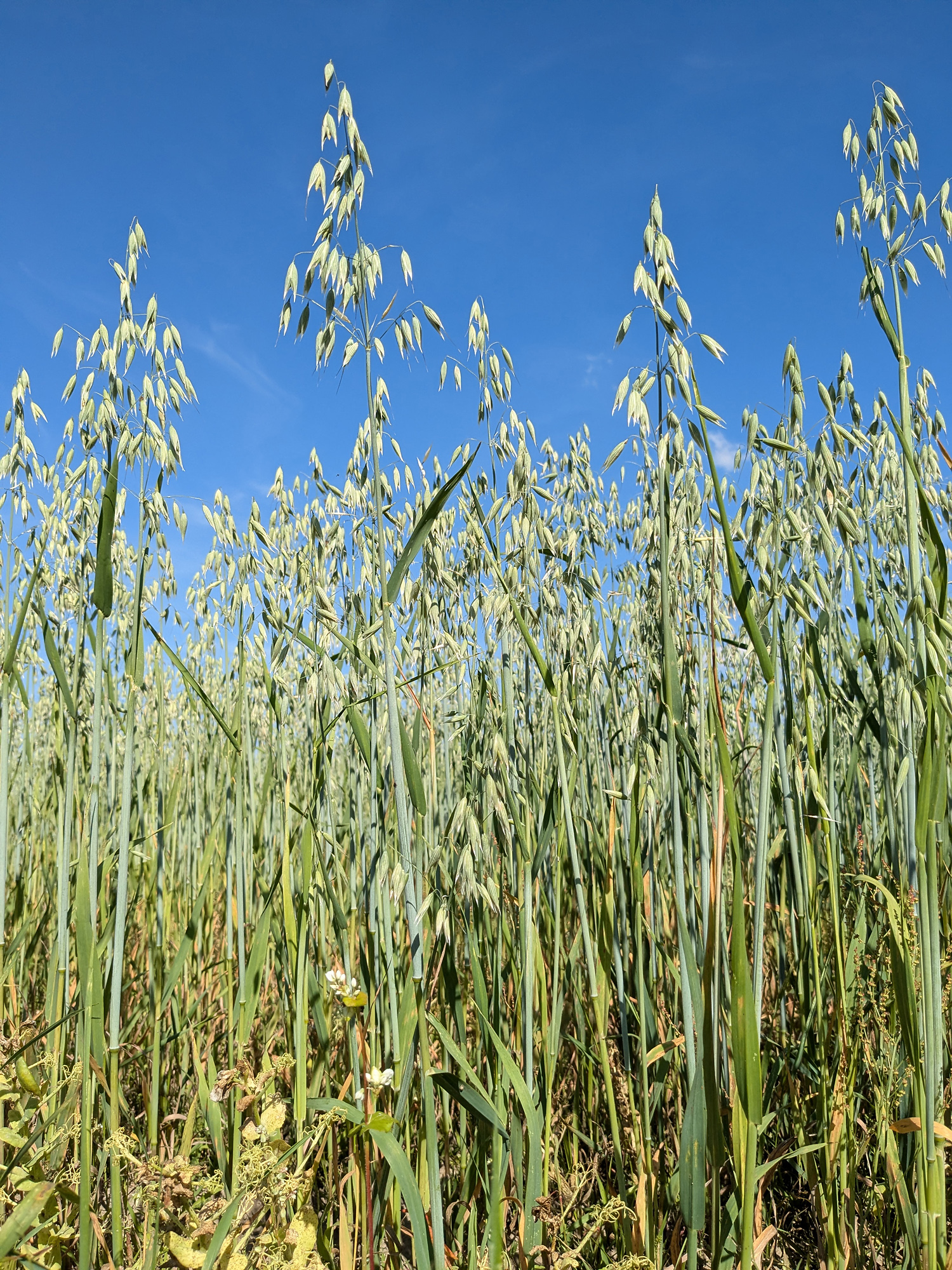
Oats
Avena sativa
Avena, cultivated or wild oats, is a cereal grass loved for its open, arching panicles of dangling, teardrop spikelets. Each grain sways on a thread-fine stalk, giving arrangements a light, kinetic quality that catches the light and the eye. Green and supple in early summer, oats ripen to a warm gold and dry beautifully, holding their graceful drape for years. A staple of rustic, boho and dried designs, it reads as harvest, abundance and unfussy country charm.
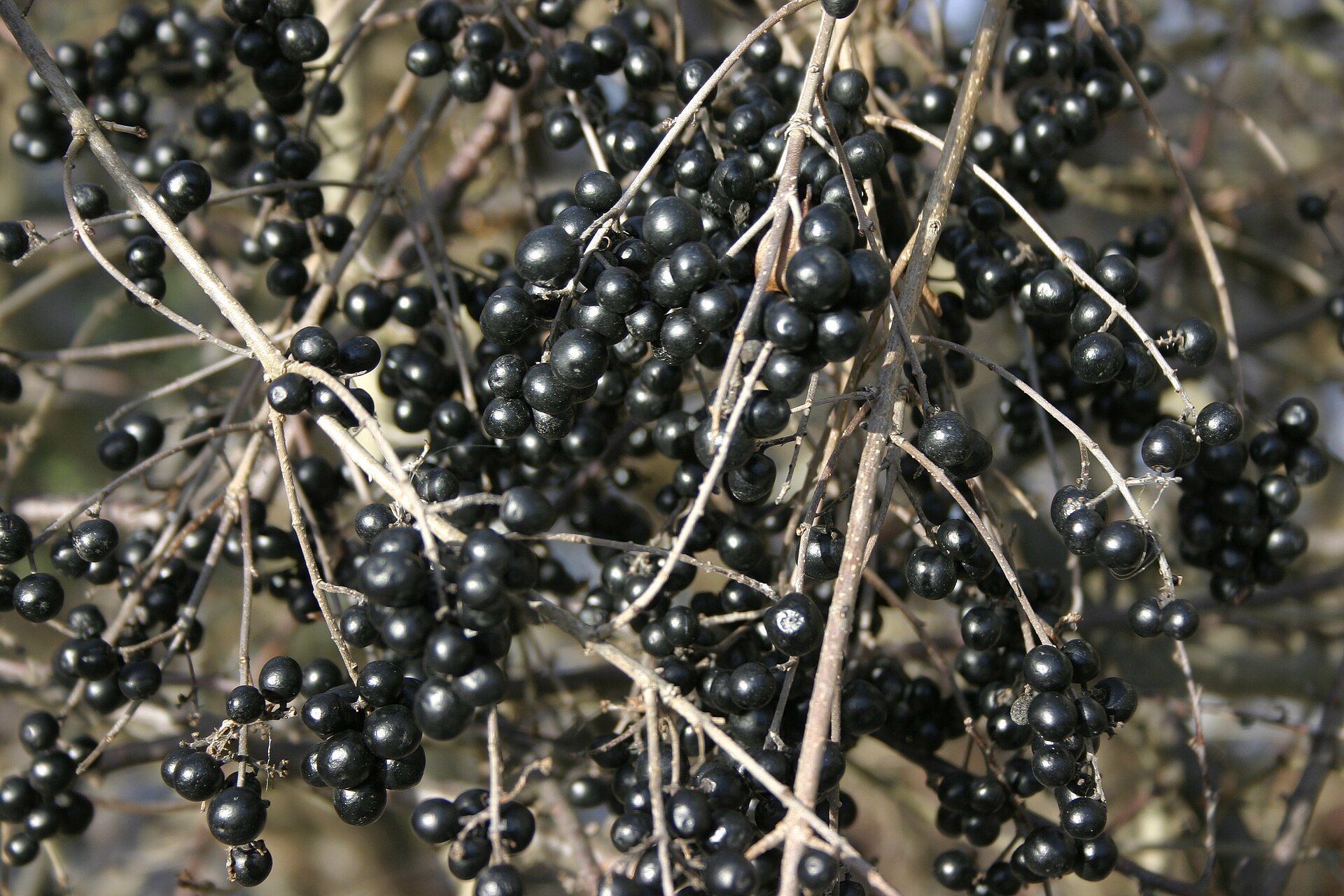
Privet Berry
Ligustrum vulgare
Privet berry brings dusky, matte-black clusters of small fruit on airy semi-woody sprays, offering florists a rare dark-toned berry for moody autumn and editorial palettes. The tiny spherical berries read almost blue-black against foliage, adding depth and shadow that balances brighter seasonal fruit. It is inexpensive, easy to condition and generous in supply through late autumn. Note that every part of the plant is toxic if eaten, so it should never appear near food or be within reach of children and pets.
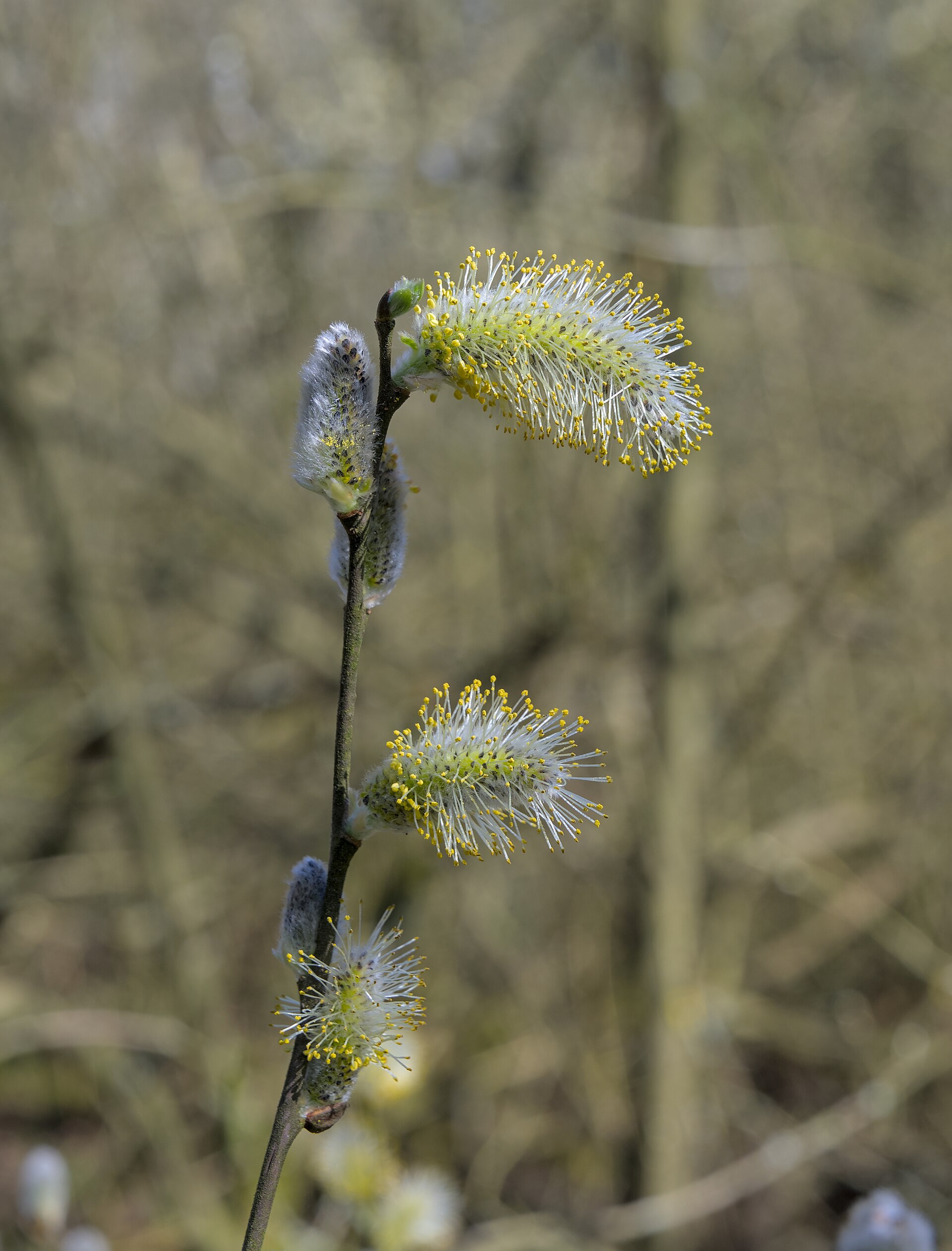
Pussy Willow
Salix caprea
Pussy willow is a much-loved late-winter branch, its bare woody stems studded with soft, silvery-grey catkins that feel like velvet. Florists use it as a sculptural line for spring arrangements, adding gentle texture, movement and a quiet, natural elegance. It is wonderfully forgiving — needing little or no water and lasting for weeks, and it dries in place to hold almost indefinitely. Kept dry, the catkins stay tight and silky; left in water, they open into fluffy yellow blooms.
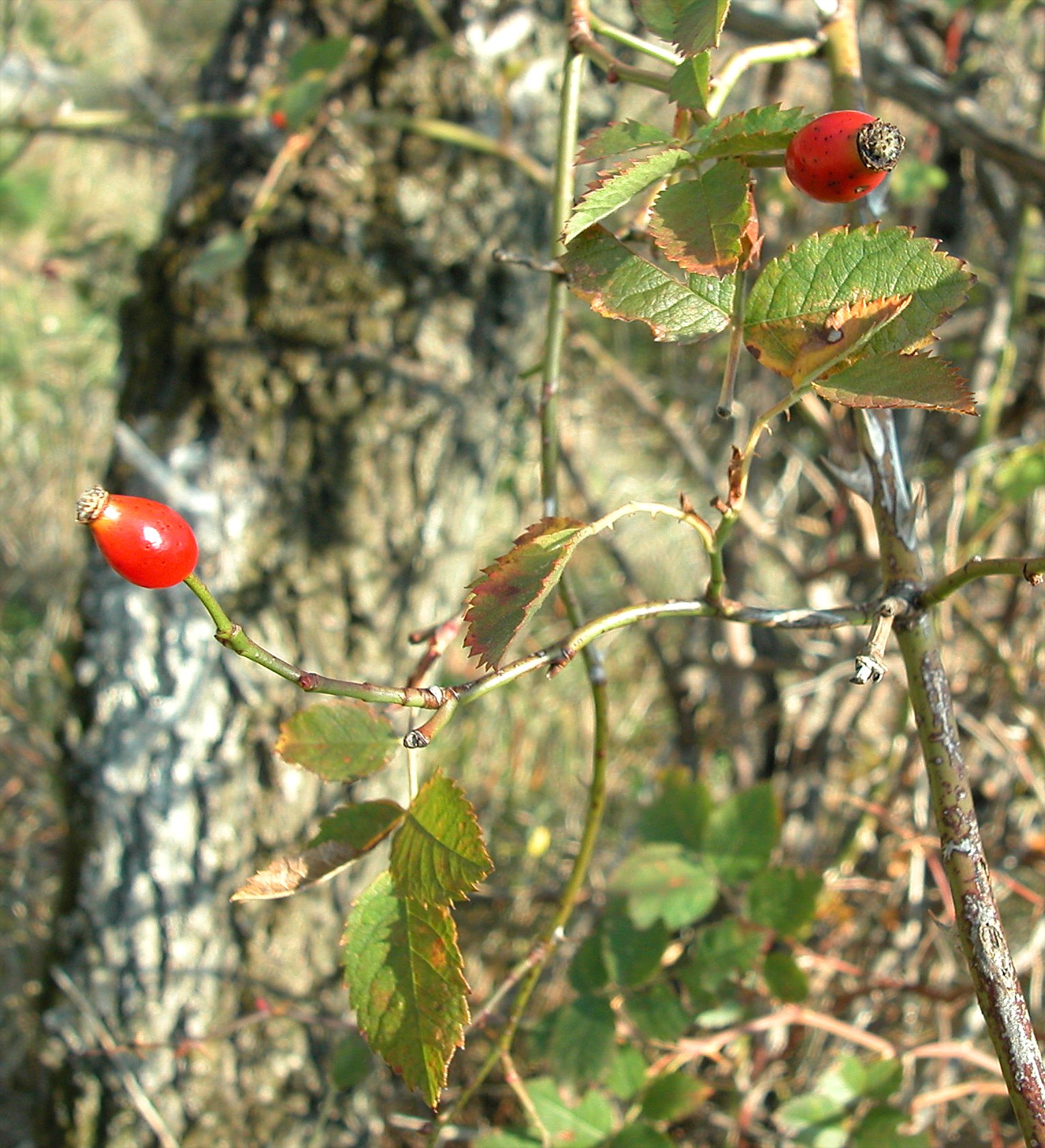
Rosehip
Rosa canina
Rosehip is the ripened fruit of the wild dog rose, valued by florists for the glossy scarlet berries that follow the summer bloom. Borne in loose clusters along arching, sometimes thorny stems, the hips bring an unmistakably seasonal, foraged feel to autumn work. They mix beautifully into rustic bouquets, garlands and harvest-table designs, adding warm colour and a natural, hedgerow texture. Long-lasting and inexpensive, rosehip is a florist staple from late summer through the festive season.
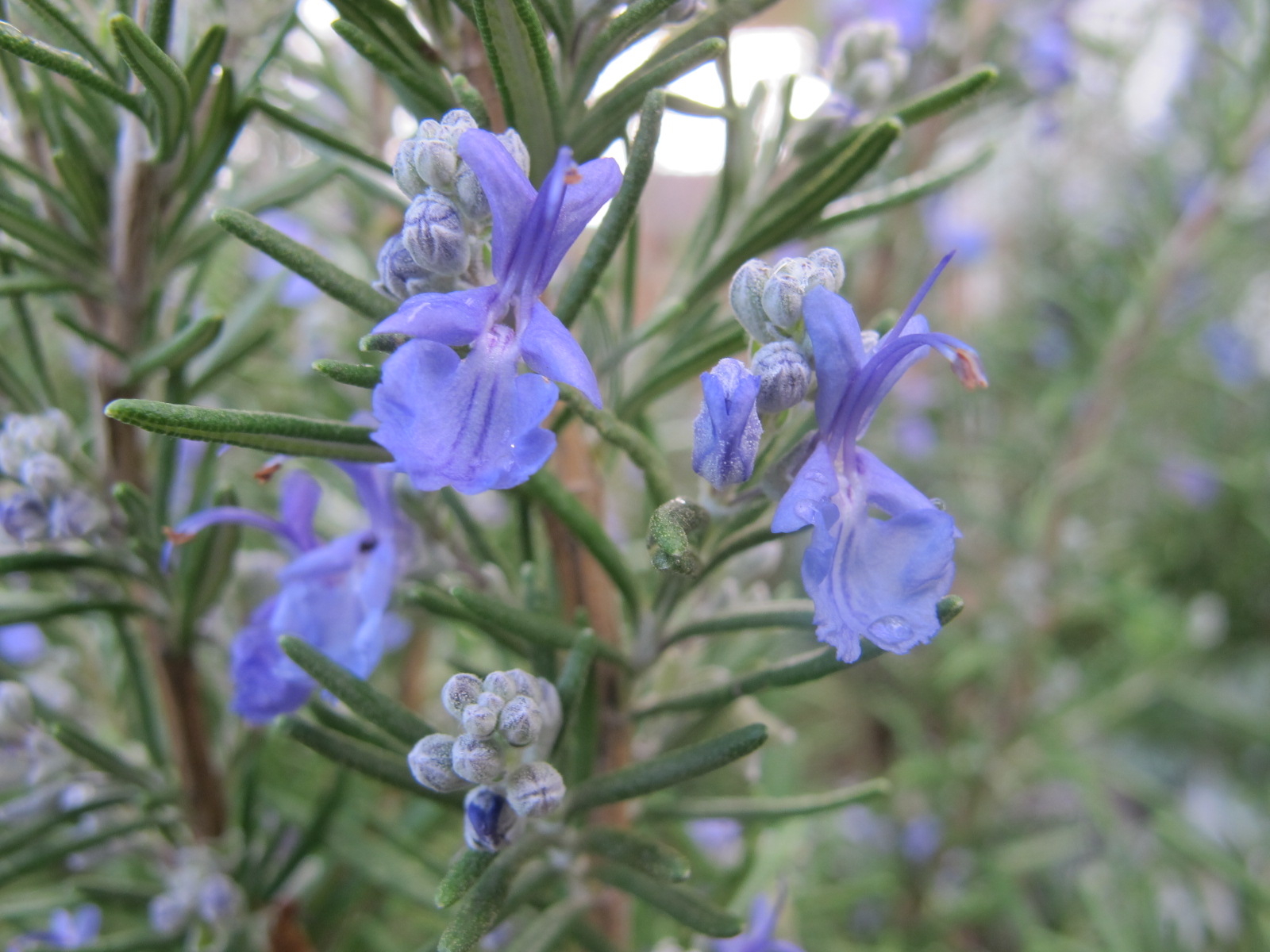
Rosemary
Salvia rosmarinus
Rosemary (Salvia rosmarinus) is the fragrant Mediterranean herb whose needle-like grey-green leaves release a fresh, resinous scent when brushed. Florists tuck short sprigs into bridal bouquets, boutonnieres and wedding favours as a scented, meaningful accent. Its slender, upright habit and aromatic foliage suit rustic, garden and herb-inspired designs. Long associated with remembrance and fidelity, it carries sentiment as well as texture.
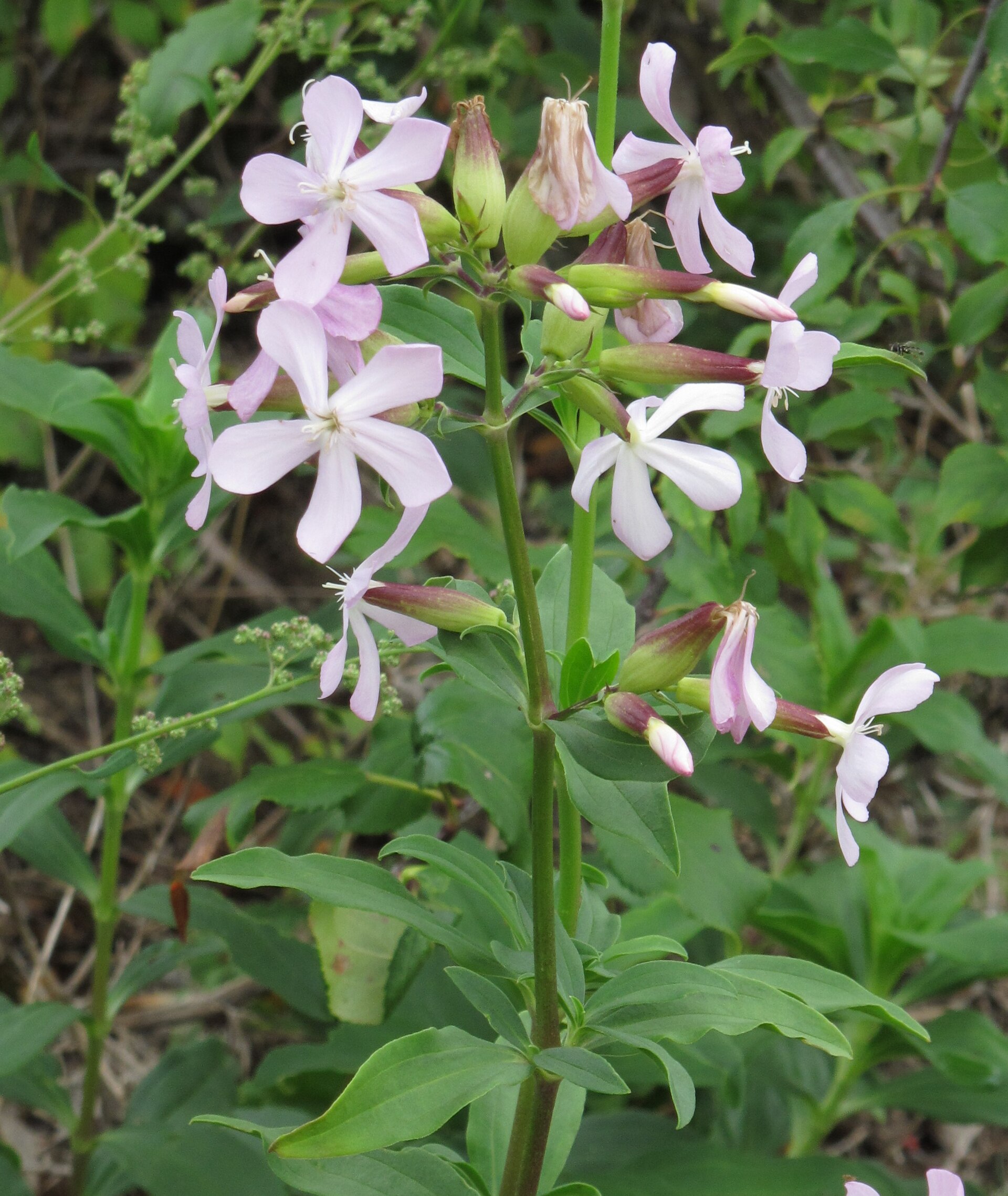
Saponaria
Saponaria officinalis
Saponaria, better known as soapwort or bouncing bet, is a classic cottage-garden perennial whose sprays of small five-petalled flowers glow in soft pink and white. Florists use it as a delicate, cloud-like filler, a charming alternative to gypsophila that adds airy softness to hand-tieds and jam-jar arrangements. Its historic name comes from the plant's sap, which lathers gently in water. Easygoing and abundant in high summer, it is a budget-friendly workhorse for rustic and garden-style designs.
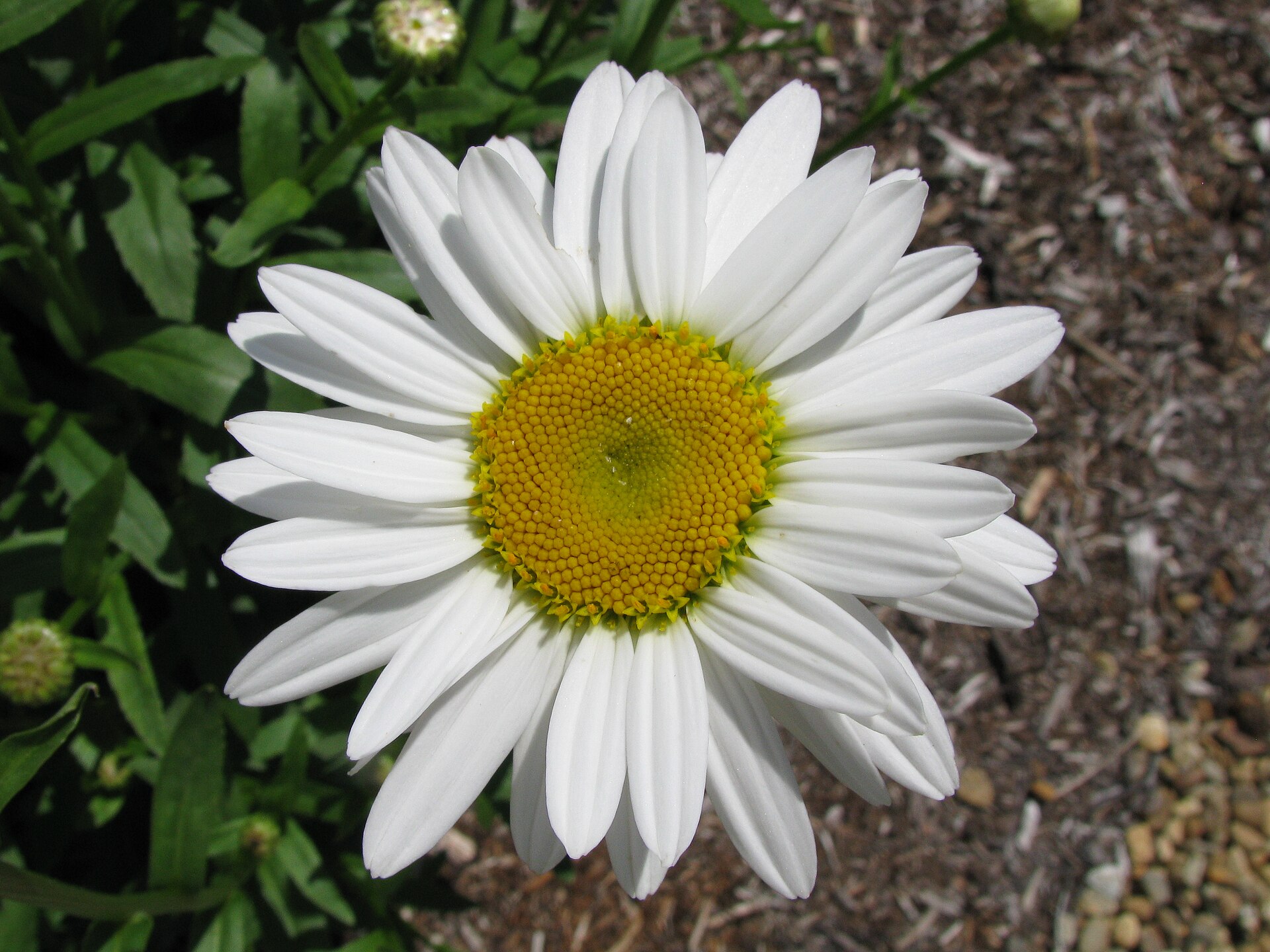
Shasta Daisy
Leucanthemum × superbum
The Shasta daisy is the classic white daisy of summer, its crisp snow-white rays framing a sunny yellow eye on strong, upright stems. Florists rely on it as an honest, cheerful focal that reads as pure and unpretentious in garden and cottage designs. Larger and sturdier than a feverfew, it holds its shape well and enjoys a dependable vase life. Timeless and budget-friendly, it is a summer-wedding and everyday staple.
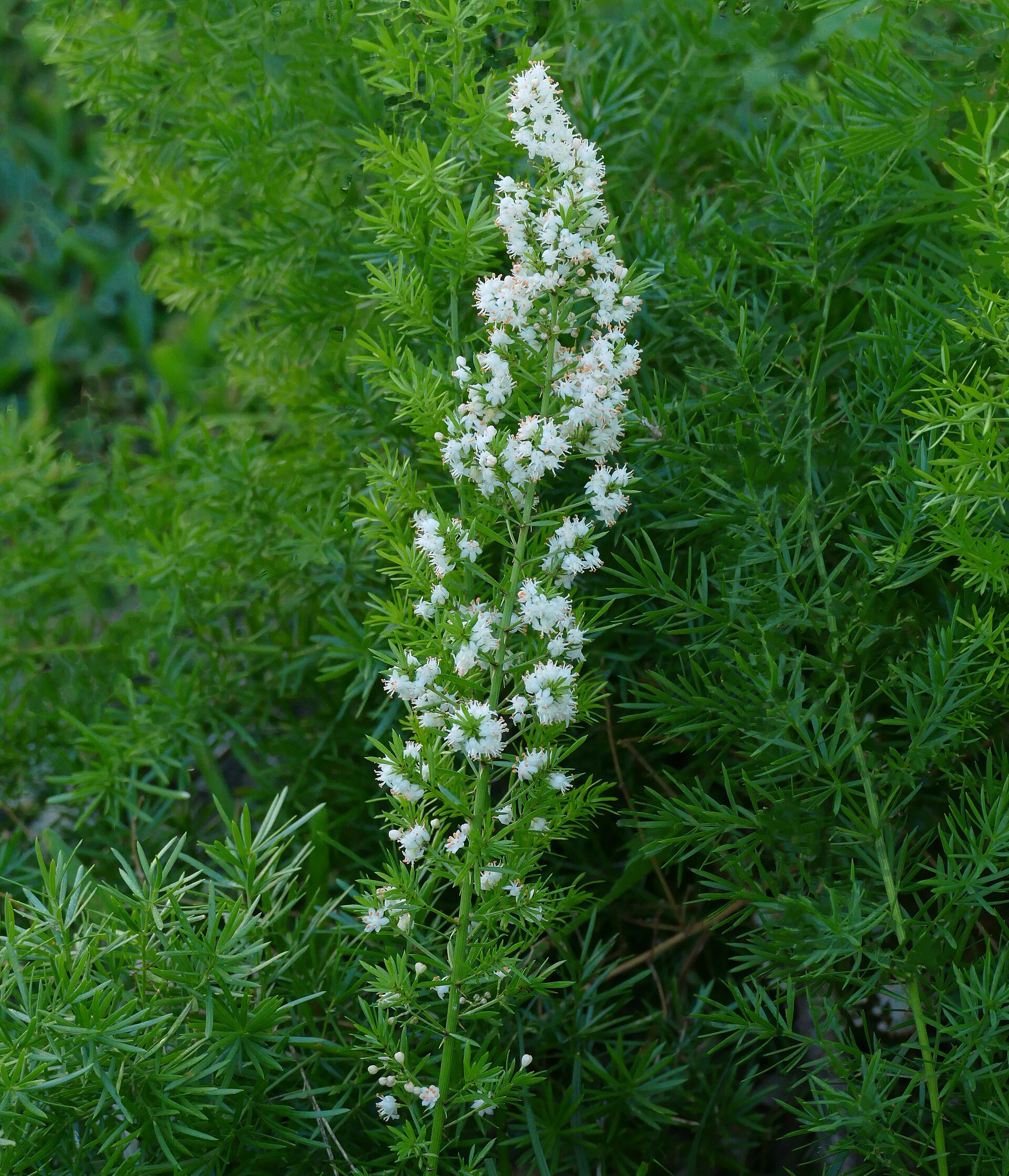
Sprengeri Fern
Asparagus densiflorus 'Sprengeri'
Sprengeri fern is not a true fern but a trailing form of ornamental asparagus, valued for its soft, feathery sprays of bright emerald needles. Its arching, cascading habit makes it a favourite for loose garden-style bouquets, table runners and anywhere a light, airy trail of green is needed. The fine foliage softens edges and fills gaps without adding visual weight. Cheap, plentiful and easy to work with, it is a reliable everyday greenery, though fine thorns mean careful handling.
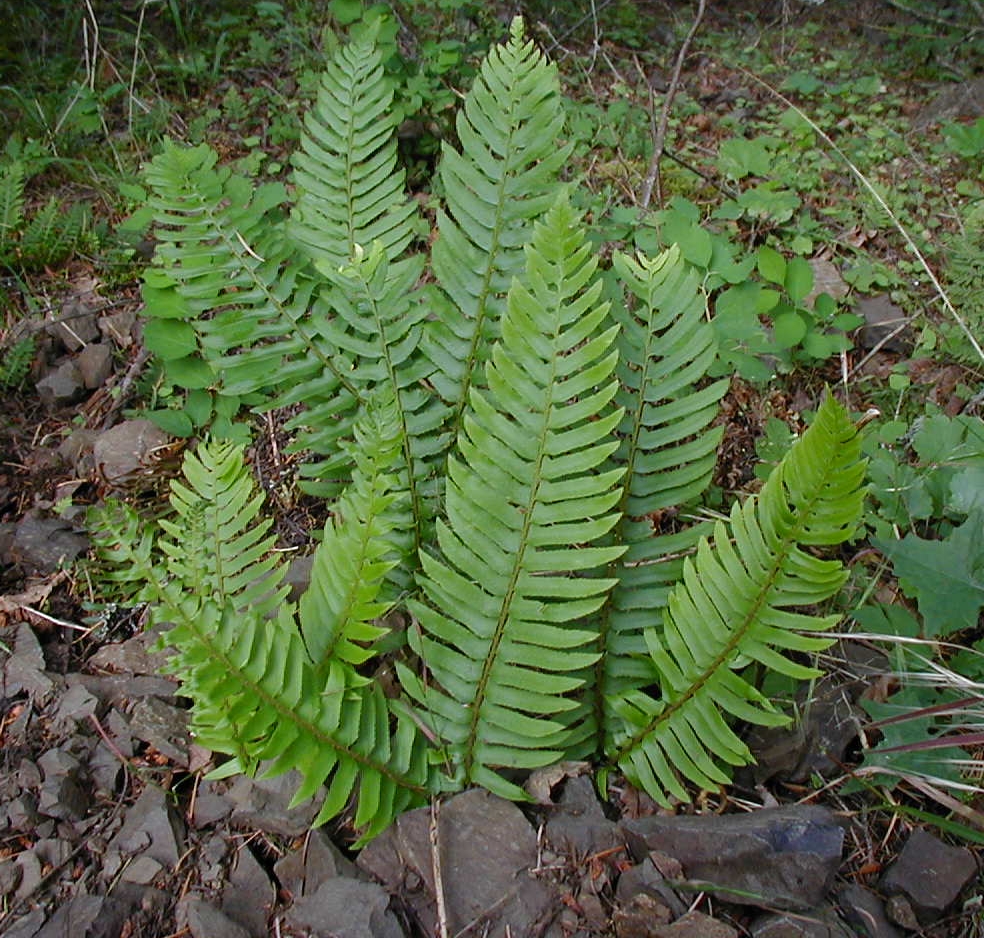
Sword Fern
Polystichum munitum
Sword fern produces long, upright fronds of neatly ranked, deep-green leaflets on sturdy stems. Wild-harvested in the Pacific Northwest, it is a reliable, inexpensive cut green with a fresh, natural character. Florists use its bold, tapering blades to build structure, add length and frame bouquets and arrangements. Hardier than many ferns, it holds its colour and form well through a design's life.
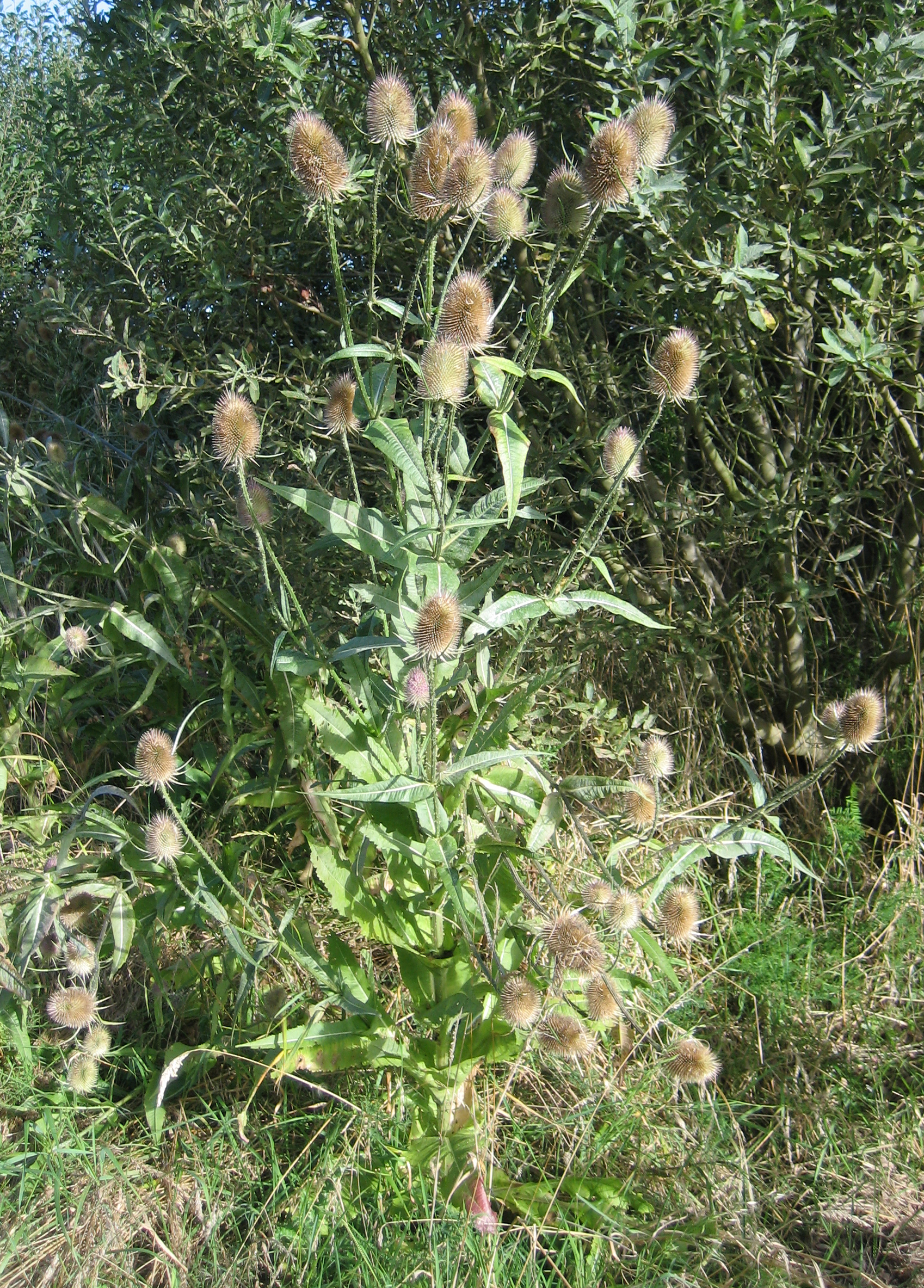
Teasel
Dipsacus fullonum
Teasel is a tall wild biennial whose egg-shaped, densely spined seed heads sit atop rigid, prickly stems. Instantly recognisable for their bristling texture, the heads shift from green in summer to a warm architectural brown as they dry. Florists reach for teasel to add height, structure and a spiky, foraged edge to rustic and contemporary dried work. It is inexpensive, robust and lasts for months, though its sharp spines call for careful handling.
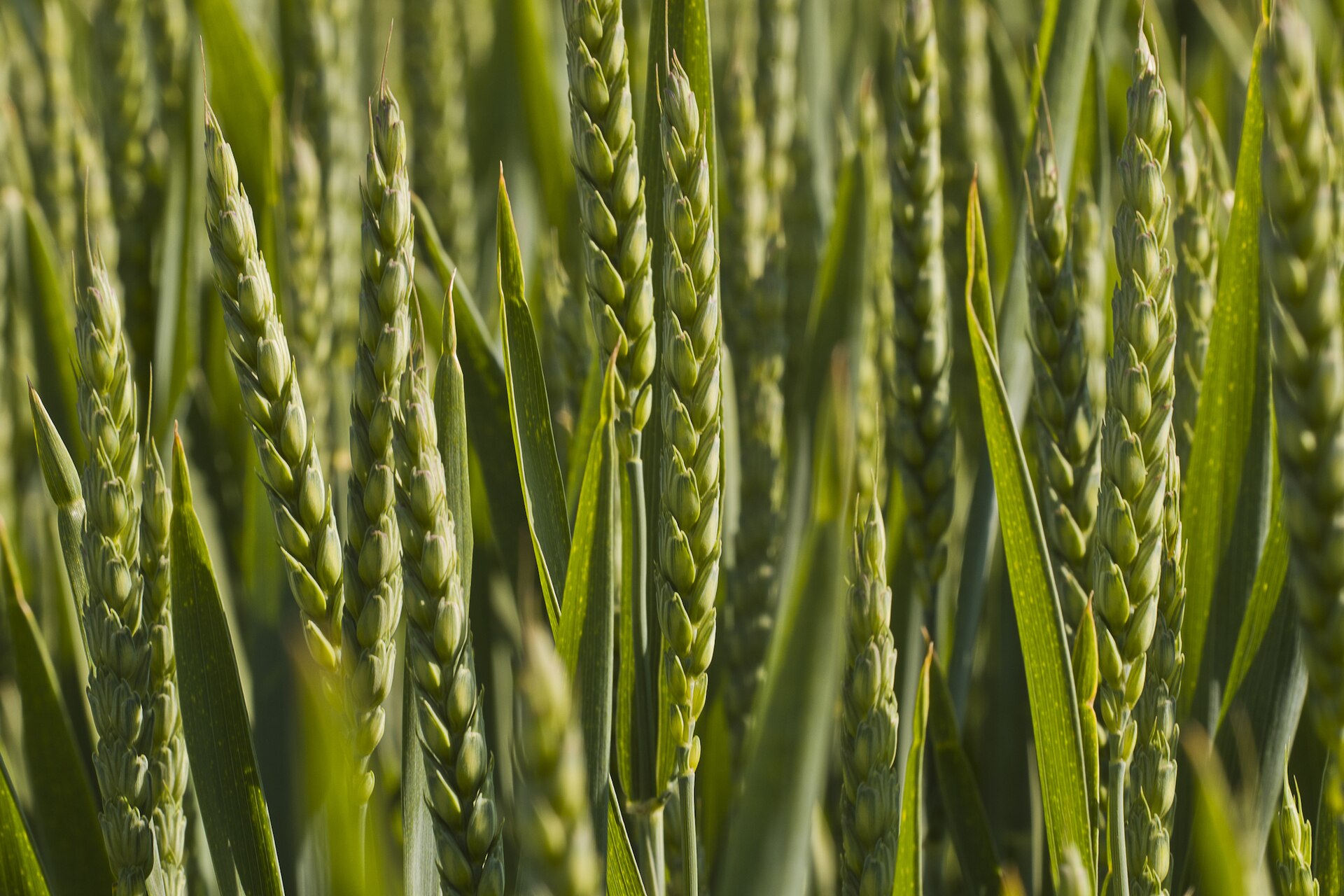
Wheat
Triticum aestivum
Wheat is the golden cereal grass whose slender bearded heads have symbolised harvest and abundance for millennia. Cut and dried to a warm honey-gold, the upright stems bring line, movement and a rustic, agricultural charm to autumn work. Florists use it in sheaf bouquets, boutonnieres, garlands and tall dried installations, where its fine awns catch the light beautifully. Cheap, long-lasting and endlessly versatile, wheat is a cornerstone of country and harvest-themed floristry.